

Hermitage Castle Travel Guide
Free Guide: Explore Hermitage Castle, the formidable 14th-century fortress steeped in dark history and royal intrigue amidst Scotland’s wild Borders landscape.


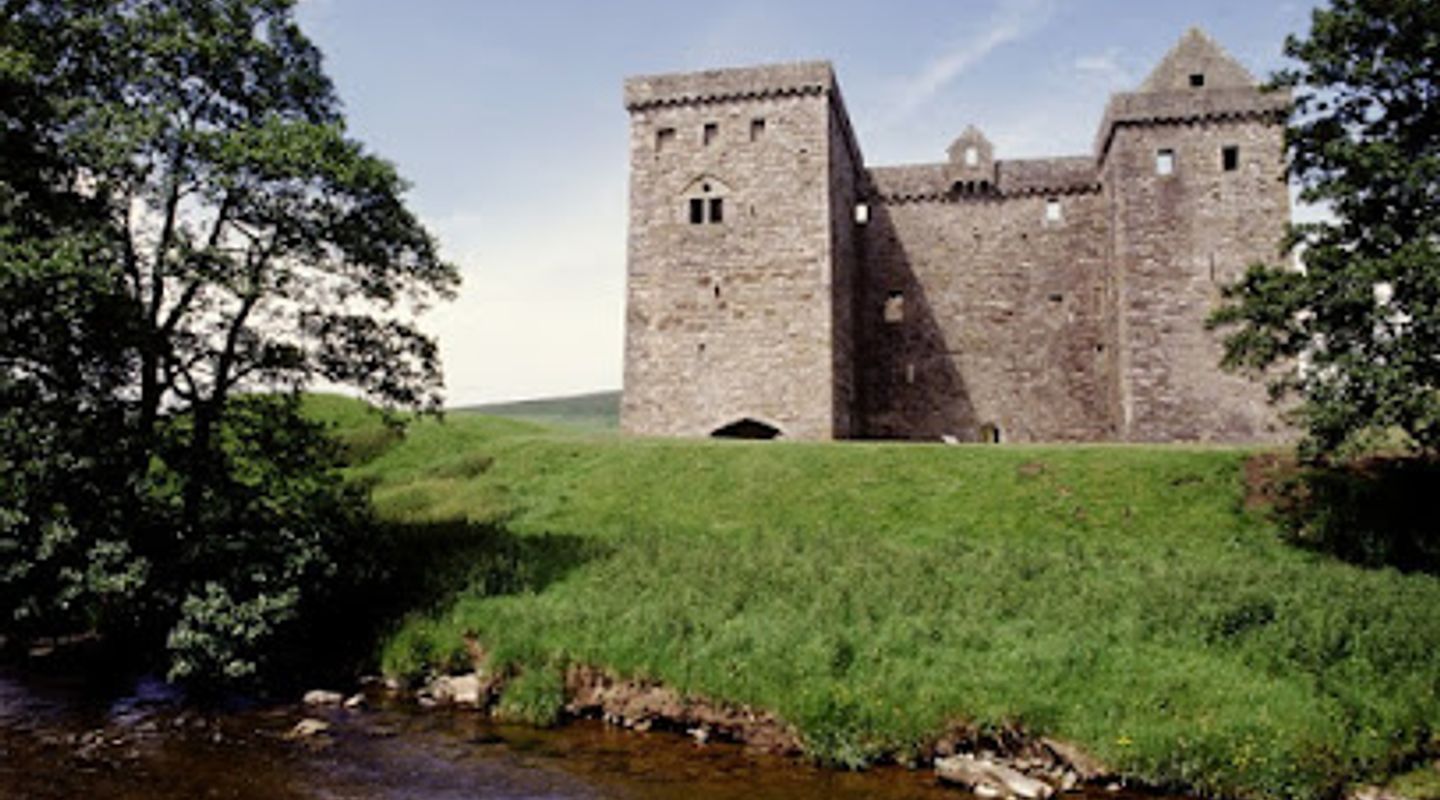
A brief summary of Hermitage Castle
Explore Hermitage Castle, the formidable 14th-century fortress steeped in dark history and royal intrigue amidst Scotland’s wild Borders landscape.
Hermitage Castle, located in Newcastleton near Hawick in the Scottish Borders, is a formidable 14th-century fortress known as the 'guardhouse of the bloodiest valley in Britain.' Built around 1360 and expanded by powerful noble families, it played a pivotal role in controlling the turbulent Scottish Middle March. The castle’s dark history includes tales of torture, treason, and royal intrigue, notably involving Mary Queen of Scots. Today, its haunting ruins evoke a powerful sense of medieval frontier life amidst stunning rural landscapes.
On-site amenities
 Restrooms
 Information boards
 Seating areas
 Trash bins
Opening hours
- Every day10 am–4:30 pm
Opening hours as listed on the venue’s Google Business Profile. Hours can change for services and special events, so check with the venue before you go.
- Address
- Newcastleton, Hawick TD9 0LU
- Phone
- Website
Getting there
Car
Bus and Walking
Taxi
Discover more about Hermitage Castle
The Strategic Stronghold of the Scottish Borders
Hermitage Castle stands in the remote valley of Liddesdale, a place historically infamous for conflict and lawlessness. Originally founded around 1240 by Nicholas de Soules, the site evolved from an early motte-and-bailey castle to the massive stone fortress constructed by English lord Sir Hugh de Dacre circa 1360. Over the centuries, it was transformed into a formidable defensive structure, with thick walls and gunpowder artillery adaptations added in the 1500s to counter evolving military threats. Its location made it the key to controlling the Scottish Middle March, a crucial border region between Scotland and England.
Powerful Families and Bloody Feuds
Hermitage Castle passed through the hands of influential families, including the de Soules, the Black Douglases, and the Hepburns of Bothwell. The Black Douglases fortified the castle further in the late 14th century, adding four imposing corner towers that still dominate the ruins today. The castle’s history is marked by brutal episodes, such as the imprisonment and starvation of Sir Alexander Ramsay within its walls, and the violent feuds characteristic of the Border Reivers—cattle thieves and raiders who plagued the region until the 17th century.
Royal Intrigue and Romantic Legends
Hermitage Castle is famously linked to Mary Queen of Scots, who made a dramatic 25-mile ride across difficult terrain in 1566 to visit her wounded lover, James Hepburn, 4th Earl of Bothwell, then held at the castle. This event added a romantic yet tragic dimension to the castle’s legacy. The castle’s dark past and eerie atmosphere have inspired local legends, including ghost stories of Mary’s spirit haunting the ruins. In the 19th century, the Duke of Buccleuch undertook preservation efforts, influenced by the romanticism of Sir Walter Scott, ensuring the castle’s survival as a historic monument.
The Castle’s Architecture and Ruins Today
Hermitage Castle’s surviving structure is a testament to medieval military architecture. The central courtyard, thick defensive walls pierced with gun holes, and the massive stone towers create an imposing silhouette against the rugged landscape. Although partially restored in the 1800s, much of the castle remains a ruin, with missing upper floors and exposed interiors that evoke its turbulent past. Nearby earthworks hint at earlier fortifications, and the ruins of the adjacent 14th-century Hermitage Chapel add to the site’s historic ambiance.
Visiting Hermitage Castle
Set in a tranquil rural setting, Hermitage Castle offers visitors a powerful sense of history and atmosphere. The uneven grass terrain and interior steps mean it is not easily accessible for those with limited mobility. Informative boards around the site provide context for the castle’s dramatic past. The remote location, combined with the castle’s haunting presence, makes it a memorable destination for those interested in Scotland’s border history and medieval fortifications.
Preservation and Cultural Significance
Today, Hermitage Castle is cared for by Historic Environment Scotland and is open seasonally from April to September. It remains a potent symbol of the turbulent Scottish-English border conflicts and the resilience of medieval fortifications. The castle’s cultural significance is enhanced by its connections to legendary figures and events, making it a vital heritage site that continues to captivate historians, visitors, and storytellers alike.
Evendo Review Centre
 Google
Guest reviews
Best time to go
Quietest: Jan, Feb & Dec · before 8am or from 8pm
Busy times are Evendo estimates for a typical year, to help you plan. Actual crowds vary with events, school holidays and the weather.
Explore Hermitage Castle on the map
A handpicked selection of must-see spots near Hermitage Castle, mapped for you.
Get your free copy of our complete guide to Hermitage Castle, delivered straight to you.
Everything on this page, from opening hours and how to get there to Eve’s tips and the best time to go, in one PDF you can read offline, print or share.
Already have an account? Sign in
Your Hermitage Castle guide is ready.
We'll send it to · Not you? Sign out

Getting your guide ready…
We are putting together a fresh copy of the Hermitage Castle guide. This can take up to a minute.
This can take a few moments. If your browser asks, choose Allow so the download can start. You'll find the guide in your Downloads folder.
Nothing happened? Download it again
Sorry, the guide is taking longer than usual. Please try again in a minute, or get it by email instead.
Other nearby places you may find interesting
The closest places of the same kind, if this one is not quite what you had in mind.
-
-
-
-
-


Swipe for more places
More to explore near Hermitage Castle

 Best experiences near Hermitage Castle
 Best hotels near Hermitage Castle
 Best landmarks near Hermitage Castle
 Best attractions near Hermitage Castle
 Best shops near Hermitage Castle
 Best restaurants near Hermitage Castle
 Best bars near Hermitage Castle
Do you manage this location?
Take control to get all the benefits, like improved information, better appearance, and stronger visibility across AI-powered discovery.
Explore more
Explore more of Down
Discover the tranquil beauty, historical treasures, and warm hospitality of Down in Northern Ireland, where serene landscapes and rich heritage await.
Explore Down
Explore more of United Kingdom
Discover the United Kingdom: A blend of rich history, stunning landscapes, and vibrant cities, offering a unique travel experience for every visitor.
Explore United Kingdom
