

Monteviot Gardens, Down Travel Guide
Historic 18th-century estate with 30 acres of diverse gardens overlooking the River Teviot near Jedburgh.
Monteviot Gardens surround the historic Monteviot House, an early 18th-century estate overlooking the River Teviot near Jedburgh. Spanning 30 acres, the gardens feature diverse landscapes including a rose garden, water garden with islands and bridges, herbaceous borders, and an arboretum. The house itself blends Georgian and Jacobean architectural elements, reflecting centuries of family heritage and restoration. Visitors experience a tranquil setting rich in history, horticulture, and scenic river views.
A brief summary to Monteviot Gardens
- Monteviot House, Jedburgh, TD8 6UH, GB
- Click to display
- Click to display
- Duration: 1 to 3 hours
- Mid ranged
-
 Outdoor
- Mobile reception: 4 out of 5
- Monday 12 pm-5 pm
- Tuesday 12 pm-5 pm
- Wednesday 12 pm-5 pm
- Thursday 12 pm-5 pm
- Friday 12 pm-5 pm
- Saturday 12 pm-5 pm
- Sunday 12 pm-5 pm

Know before you go
Hi, I'm Eve. Here are a few practical things to know before exploring Monteviot Gardens.
- Visit between April and October to explore the gardens at their best, open daily from noon to 5pm.
- Check specific July dates if you wish to tour the interior of Monteviot House, which is open only on select days.
- Wear comfortable shoes for walking the extensive gardens and woodland paths.
- Bring a camera to capture scenic river views and the garden’s varied landscapes.
Do you manage this location?
Take control to get all the benefits, like improved information, better appearance, and stronger visibility across AI-powered discovery. Learn more about listing your business on Evendo
Activate your presenceOther nearby places you may find interesting
The closest places of the same kind, if this one is not quite what you had in mind.




Explore Monteviot Gardens on the Map
A handpicked selection of must-see spots near Monteviot Gardens, mapped for you.
Getting There
-
Car
Driving from Jedburgh to Monteviot takes approximately 10-15 minutes via minor roads. Parking is available on-site but limited, so early arrival is recommended during peak season. No parking fees apply.
-
Bus
Local bus services connect Jedburgh to nearby stops within 3-4 km of Monteviot. From the bus stop, a 45-minute walk over rural terrain is required. Bus fares range from £3 to £6 one way.
-
Walking
For active visitors, walking from Jedburgh town center to Monteviot is a scenic 10 km route taking approximately 2.5 to 3 hours over mostly flat rural paths. Suitable for experienced walkers with good footwear.
For the on-the-go comforts that matter to you
-
 Restrooms
-
 Drink Options
-
 Food Options
-
 Seating Areas
-
 Information Boards
Discover more about Monteviot Gardens
Roots of Monteviot House: A Historic Family Seat
Monteviot House began as an early 18th-century lodge around 1740, established by the 1st Marquis of Lothian. Situated on a sweeping bend of the River Teviot near Jedburgh, it has been the ancestral home of the Marquises of Lothian for centuries. The house’s architecture is a distinctive blend of modest Georgian origins and ambitious 19th-century Jacobean-inspired additions, including an elaborate office wing designed by Edward Blore in the 1830s. Over time, the estate evolved through successive generations, with notable renovations in the 19th century and a significant post-war restoration completed in the 1960s by the 12th Marquis, who reimagined the interior and added a new hall and north frontage.Gardens of Diverse Beauty and Design
The gardens at Monteviot extend over 30 acres, descending from the house through lawns and woodlands to the floodplain of the River Teviot. They include a variety of themed areas such as a rose garden, herbaceous shrub borders, a water garden featuring islands connected by four wooden arched bridges, the Dene Garden, the Garden of Persistent Imagination, and a Compass Garden. The grounds also boast an arboretum and tree belts planted during the 19th century under the direction of the 6th Marquis. These cultivated landscapes showcase a harmonious blend of formal and naturalistic styles, inviting visitors to explore tranquil pathways and enjoy panoramic river views.Art, Architecture, and Family Legacy
Monteviot House contains a rich collection of art and antiques that narrate the story of the Kerr family and their historical prominence. Portraits by artists such as Sir Thomas Lawrence and Sir Henry Raeburn adorn the interiors, alongside fine furniture and decorative objects dating back centuries. The house reflects the family’s political and cultural influence, with connections to notable figures like Jean Elliot, lyricist of the lament “Flowers of the Forest,” who died at Monteviot in 1805. The estate also includes architectural features like a chapel, a water tower built in the late 19th century, and a model dairy farm, highlighting the estate’s evolution as a working country seat.Preservation and Contemporary Stewardship
In the mid-20th century, the 12th Marquis undertook extensive restoration efforts to preserve Monteviot’s heritage while adapting it for modern living. These works included removing impractical additions, re-planning interiors, and enhancing the house’s external appearance. More recently, the 13th Marquis and his wife have continued to maintain and improve both the house and gardens, ensuring their ongoing vitality. The estate remains a private family residence but opens its gardens to the public seasonally, welcoming visitors to experience its serene beauty and historical ambiance.A Place of Natural and Cultural Significance
Monteviot’s setting on the River Teviot floodplain provides a scenic backdrop that enhances the estate’s peaceful atmosphere. The gardens’ diverse plantings and woodland areas support local wildlife and contribute to the region’s natural heritage. The estate’s layered history—from its origins as a 16th-century holding known as Spittal, through its development as the Marquises of Lothian’s principal seat—makes Monteviot a site of cultural importance in the Scottish Borders. Its blend of natural beauty, architectural interest, and family legacy offers a rich visitor experience.Visitor Experience and Seasonal Access
The gardens are open daily from April to October, allowing visitors to stroll through varied landscapes and enjoy views of the river and surrounding countryside. The house itself opens to the public on select days, typically in July, providing a glimpse into the family’s art collection and historic interiors. The estate’s tranquil ambiance, combined with its horticultural and historical features, makes Monteviot a rewarding destination for garden lovers, history enthusiasts, and those seeking a peaceful retreat in the Scottish Borders.












Your all‑in‑one travel companion app
Explore expert travel guides, compare and book tours, experiences, hotels, and more—all from the palm of your hand. Download now for seamless trip planning wherever your wanderlust takes you.


Explore More of Down
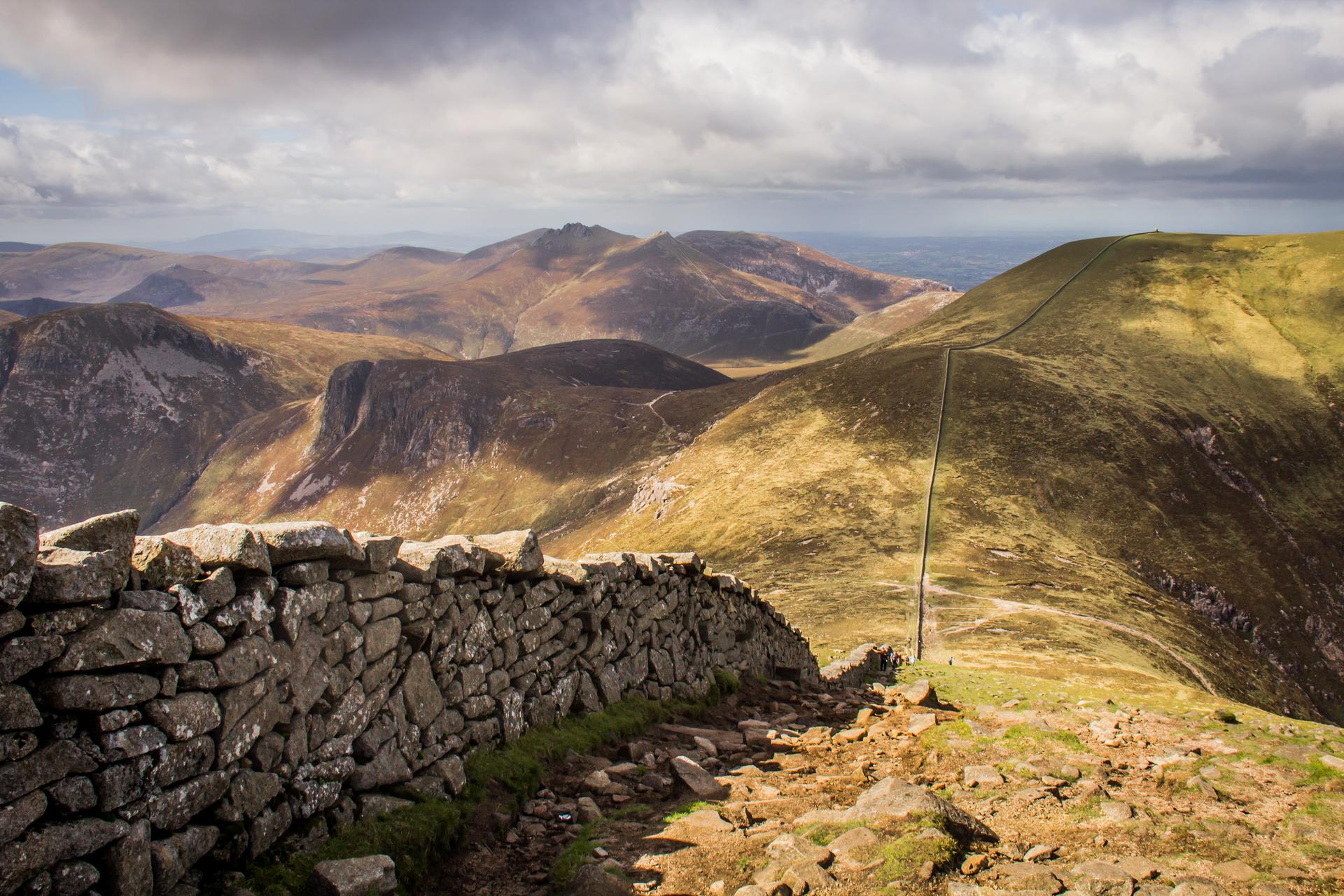
Looking beyond Monteviot Gardens? Discover Down for broader travel guides, local hot-spots, and regional highlights.
Explore Down
Explore the largest Roman fort north of Hadrian’s Wall through immersive exhibits and rich local history in the heart of Melrose.
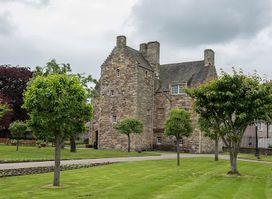
Explore the poignant history of Mary Queen of Scots in a preserved 16th-century tower house at the heart of historic Jedburgh.
