

Roxburgh Mains Travel Guide
Free Guide: Explore the evocative ruins of Roxburgh Mains, a medieval castle site steeped in Scottish border history and royal drama.


A brief summary of Roxburgh Mains
Explore the evocative ruins of Roxburgh Mains, a medieval castle site steeped in Scottish border history and royal drama.
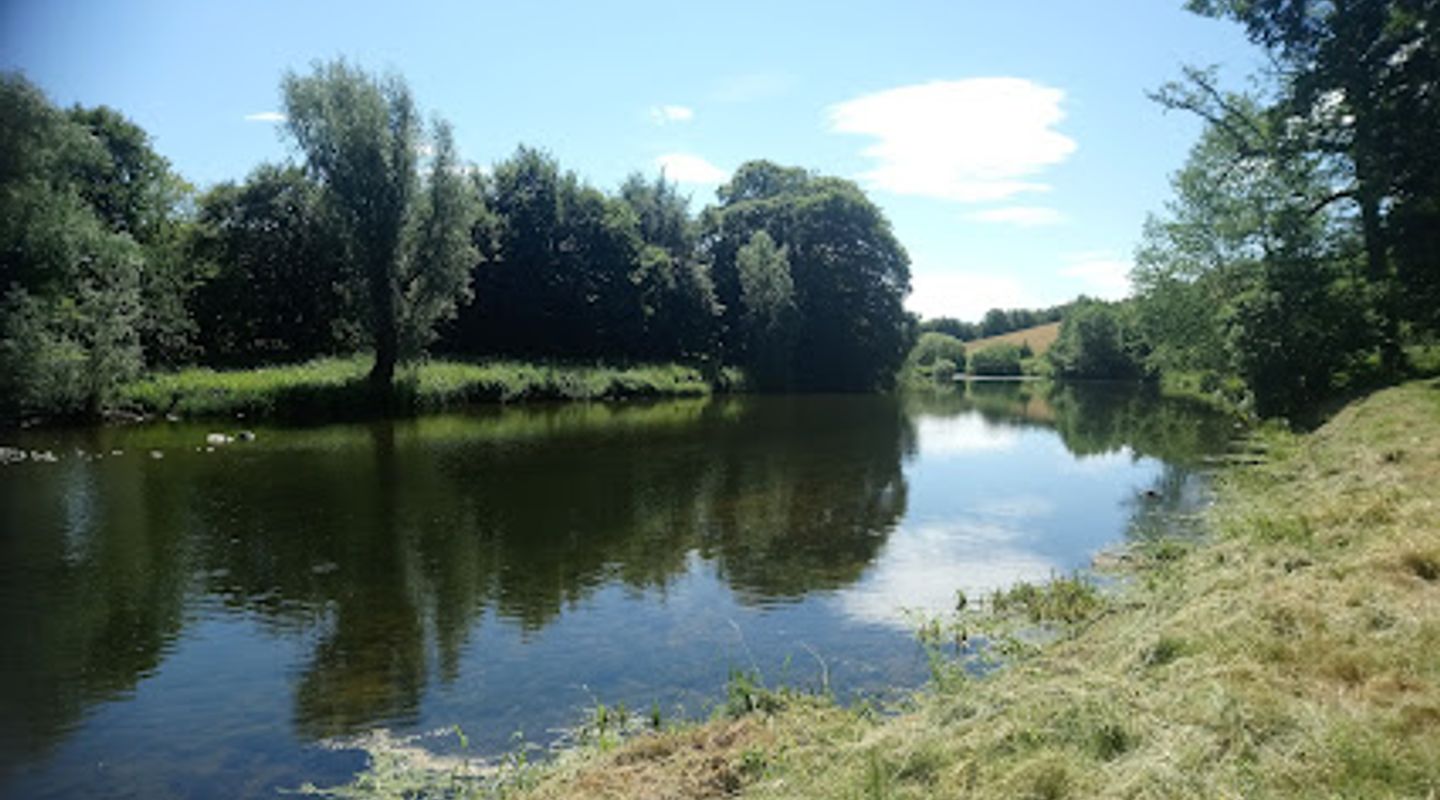
Roxburgh Mains, near Kelso in the Scottish Borders, is an archaeological site marking the remains of Roxburgh Castle and the vanished royal burgh of Roxburgh. Perched on a strategic hill between the Rivers Tweed and Teviot, this site witnessed centuries of Scottish-English conflict, royal intrigue, and medieval life. Today, only earthworks and fragments remain amid scenic landscapes, inviting exploration of Scotland’s turbulent border history.
On-site amenities
 Information boards
 Seating areas
- Address
- A698, Kelso TD5 8NJ
- Website
Getting there
Bus
Car
Taxi
Discover more about Roxburgh Mains
Strategic Origins and Medieval Significance
Roxburgh Mains occupies the historic site of Roxburgh Castle, founded around 1128 by King David I of Scotland. The castle’s location on a steep mound between the Rivers Tweed and Teviot provided commanding views and control over vital river crossings. Over the centuries, the castle was a focal point in the border wars, frequently changing hands between Scottish and English forces. It was a key royal fortress and the center of a bustling medieval town, which grew into a royal burgh with significant trade and administrative importance.
Chronicles of Conflict and Royal Tragedy
The castle’s history is marked by repeated sieges and battles. Notably, in 1460, King James II of Scotland was killed during a siege when a cannon exploded near him. This tragic event underscored the fierce struggle for control in the Borders. Following this, the Scots destroyed the castle to prevent English reoccupation. The site was briefly rebuilt but was ultimately demolished under the Treaty of Norham in 1551, leaving the castle in ruins.
Archaeological Remains and Landscape
Today, Roxburgh Mains features earthworks and scattered stone remnants, primarily on the south side of the mound. The site is overgrown but retains its evocative atmosphere, with the large mound rising prominently above the surrounding pastures. The ruins lie within the grounds of Floors Castle estate, across the river from Kelso, offering panoramic views of the Borders’ rolling landscape and the confluence of the Tweed and Teviot rivers.
The Lost Town of Roxburgh
Adjacent to the castle was the medieval town of Roxburgh, once one of Scotland’s largest and most important royal burghs. It hosted the Royal Mint and was a thriving center of commerce and governance. However, after the castle’s destruction, the town was abandoned and fell into ruin. Archaeological investigations have revealed street layouts, defensive earthworks, and building foundations, shedding light on the life and decline of this lost medieval community.
Connection to Floors Castle and Kelso
The ruins of Roxburgh Castle and the archaeological site of Roxburgh Mains are situated near Floors Castle, the grand 18th-century seat of the Duke of Roxburghe. The proximity to Kelso, with its Georgian architecture and historic abbey, situates Roxburgh Mains within a rich cultural and historical landscape. Visitors can appreciate the layered history from medieval fortifications to stately homes in this scenic part of the Scottish Borders.
Preservation and Visitor Experience
While the site lacks extensive visitor facilities or interpretive signage, it offers a compelling glimpse into Scotland’s turbulent past. Access is on foot through the Floors Castle estate, and good walking boots are recommended due to uneven terrain. The site’s overgrown nature adds to its mysterious charm but also calls for careful exploration. Roxburgh Mains is a poignant reminder of the Borders’ legacy of conflict, resilience, and heritage.
Evendo Review Centre
 Google
Guest reviews
Best time to go
Quietest: Jan, Feb & Dec · before 6am or at 8pm
Busy times are Evendo estimates for a typical year, to help you plan. Actual crowds vary with events, school holidays and the weather.
Explore Roxburgh Mains on the map
A handpicked selection of must-see spots near Roxburgh Mains, mapped for you.
Get your free copy of our complete guide to Roxburgh Mains, delivered straight to you.
Everything on this page, from opening hours and how to get there to Eve’s tips and the best time to go, in one PDF you can read offline, print or share.
Already have an account? Sign in
Your Roxburgh Mains guide is ready.
We'll send it to · Not you? Sign out

Getting your guide ready…
We are putting together a fresh copy of the Roxburgh Mains guide. This can take up to a minute.
This can take a few moments. If your browser asks, choose Allow so the download can start. You'll find the guide in your Downloads folder.
Nothing happened? Download it again
Sorry, the guide is taking longer than usual. Please try again in a minute, or get it by email instead.
Other nearby places you may find interesting
The closest places of the same kind, if this one is not quite what you had in mind.
-
-
-
-
-


Swipe for more places
More to explore near Roxburgh Mains

 Best experiences near Roxburgh Mains
 Best hotels near Roxburgh Mains
 Best landmarks near Roxburgh Mains
 Best attractions near Roxburgh Mains
 Best shops near Roxburgh Mains
 Best restaurants near Roxburgh Mains
 Best bars near Roxburgh Mains
Do you manage this location?
Take control to get all the benefits, like improved information, better appearance, and stronger visibility across AI-powered discovery.
Explore more
Explore more of Roxburghshire
Discover the enchanting landscapes and rich history of Roxburghshire, a picturesque region in the Scottish Borders known for its ancient castles, scenic hills, and vibrant market towns.
Explore Roxburghshire
Explore more of United Kingdom
Discover the United Kingdom: A blend of rich history, stunning landscapes, and vibrant cities, offering a unique travel experience for every visitor.
Explore United Kingdom
