
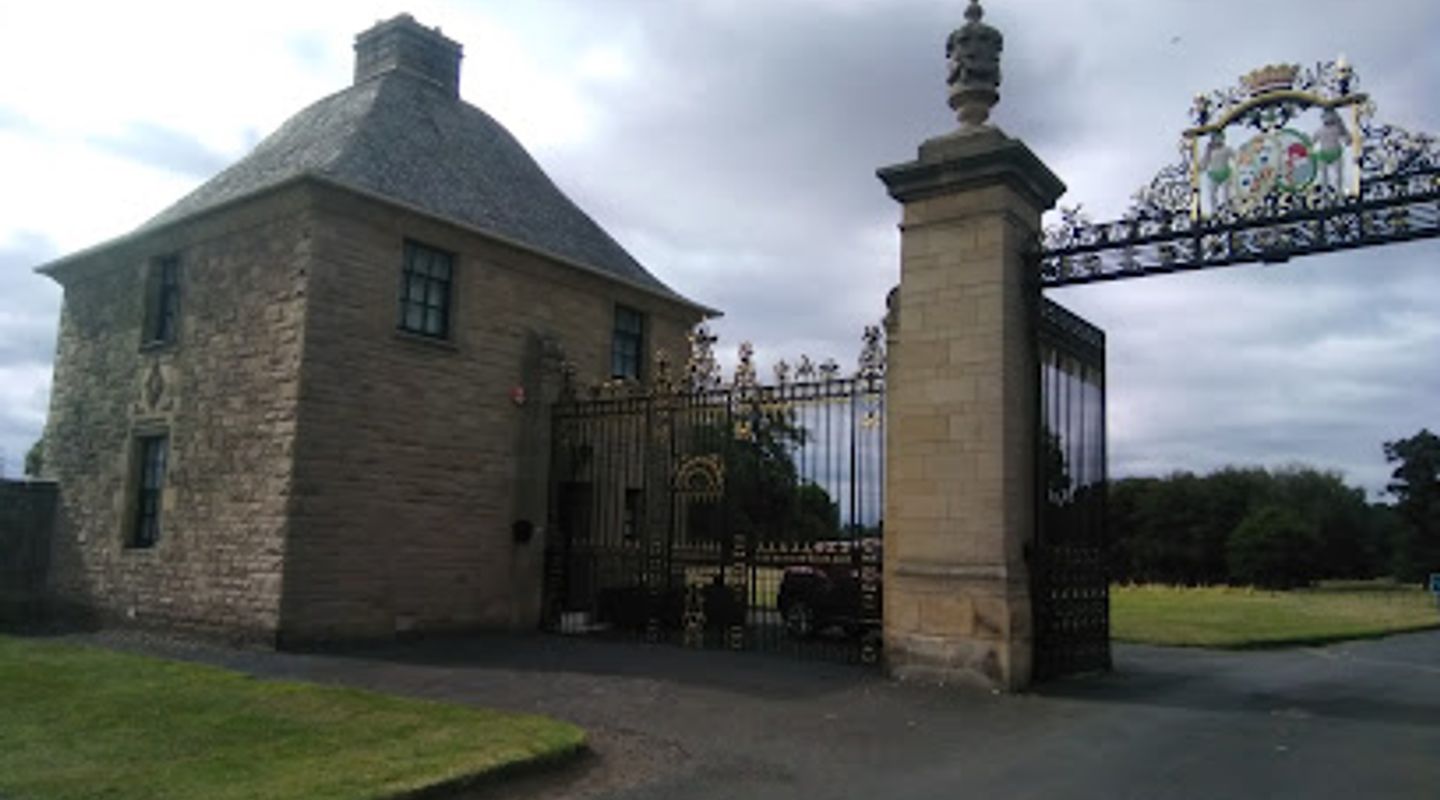
Roxburgh Castle, Roxburghshire Travel Guide
Explore the evocative ruins of Roxburgh Castle, a medieval fortress steeped in Scottish border history and dramatic royal tales.
Roxburgh Castle, located near Kelso in the Scottish Borders, is a historic ruin perched on a hill overlooking the Rivers Tweed and Teviot. Founded in the early 12th century by King David I, it played a pivotal role in the turbulent Anglo-Scottish conflicts, changing hands multiple times. Though now little remains beyond earthworks and fragments of stone walls, the site offers evocative views and a deep connection to Scotland’s medieval history, including the dramatic death of King James II during a siege in 1460.
A brief summary to Roxburgh Castle
- Kay Brae, Kelso, TD5 8LT, GB
- Duration: 1 to 3 hours
- Free
-
 Outdoor
- Mobile reception: 4 out of 5

Know before you go
Hi, I'm Eve. Here are a few practical things to know before exploring Roxburgh Castle.
- Wear sturdy walking shoes as the path to the ruins is steep and uneven.
- Visit nearby Floors Castle to complement your historical experience with easier access and amenities.
- Bring a camera to capture panoramic views of the Rivers Tweed and Teviot from the castle hill.
- Allow extra time for exploring the surrounding grounds and enjoying the peaceful rural setting.
Do you manage this location?
Take control to get all the benefits, like improved information, better appearance, and stronger visibility across AI-powered discovery. Learn more about listing your business on Evendo
Activate your presenceOther nearby places you may find interesting
The closest places of the same kind, if this one is not quite what you had in mind.
Explore Roxburgh Castle on the Map
A handpicked selection of must-see spots near Roxburgh Castle, mapped for you.
Getting There
-
Car
Driving from Kelso town center to Roxburgh Castle takes about 10-15 minutes via local roads. Parking is limited near the site, so park at Floors Castle visitor parking and walk to the ruins. No parking directly at the castle ruins is available.
-
Walking
From Floors Castle, a 20-30 minute walk across pastureland leads to Roxburgh Castle ruins. The terrain is steep and uneven, so suitable footwear is recommended. The walk offers scenic views of the rivers and countryside.
-
Public Transport
Kelso is served by regional buses from Edinburgh and Newcastle, but no direct public transport serves Roxburgh Castle. Visitors must arrange taxi or private transport from Kelso to Floors Castle and then walk to the ruins.
For the on-the-go comforts that matter to you
-
 Restrooms
-
 Seating Areas
-
 Information Boards
Discover more about Roxburgh Castle
Origins and Early Importance
Roxburgh Castle was established around 1128 during the reign of King David I of Scotland, initially as a wooden fortress strategically positioned on a hill between the Tweed and Teviot rivers. This location allowed control over key river valleys and trade routes, with a royal burgh nearby that flourished as a trading center. The castle’s early significance is marked by its role as a royal residence and a military stronghold guarding Scotland’s eastern approaches.Medieval Conflicts and Shifting Control
Throughout the 12th to 15th centuries, Roxburgh Castle was a focal point in the struggle between Scotland and England. It was surrendered to England in 1174 after King William the Lion’s capture and frequently exchanged hands during the Wars of Scottish Independence. Notably, in 1306, Mary Bruce, sister of Robert the Bruce, was imprisoned in a cage hung outside the castle walls by the English. The castle was famously retaken by Sir James Douglas in a daring night raid in 1314, where his men, disguised in black cloaks, scaled the walls undetected.The Castle’s Decline and Demolition
Despite repeated Scottish efforts to hold the fortress, it remained largely under English control until 1460. During a Scottish siege that year, King James II was tragically killed by the explosion of one of his own cannons. Following the castle’s capture, his widow ordered its demolition to prevent further English occupation. The castle fell into ruin, with only earthworks and some stone fragments surviving. Later, in the mid-16th century, an English fort was briefly constructed on the site but was dismantled under treaty terms, marking the final chapter of Roxburgh Castle’s military role.Present-Day Ruins and Surroundings
Today, the ruins of Roxburgh Castle lie within the grounds of Floors Castle, the grand estate of the Duke of Roxburghe. Visitors can explore the site’s grassy mounds and scattered stone remnants, set against panoramic views of the surrounding rivers and Floors Castle itself. The terrain is steep and rugged, requiring sturdy footwear and a willingness to navigate uneven paths. The site retains a powerful atmosphere of Scotland’s border conflicts and royal history.Historical Legacy and Cultural Significance
Roxburgh Castle’s history encapsulates centuries of Anglo-Scottish rivalry and the shifting fortunes of medieval Scotland. It witnessed dramatic events, from royal imprisonments to battlefield deaths, and its ruins serve as a poignant reminder of the region’s turbulent past. The nearby Floors Castle estate offers additional historical context and amenities, making Roxburgh Castle a compelling destination for those interested in Scottish heritage and dramatic landscapes.Visitor Experience and Access
Access to Roxburgh Castle is on foot, crossing pastureland within the Floors Castle estate. The steep climb and rough paths mean the site is best suited for visitors prepared for a moderate hike. While the ruins themselves are minimal, the location’s scenic views and rich history provide a rewarding experience. Nearby Kelso town offers further attractions and services, complementing a visit to this evocative medieval site.












Your all‑in‑one travel companion app
Explore expert travel guides, compare and book tours, experiences, hotels, and more—all from the palm of your hand. Download now for seamless trip planning wherever your wanderlust takes you.


Explore More of Roxburghshire
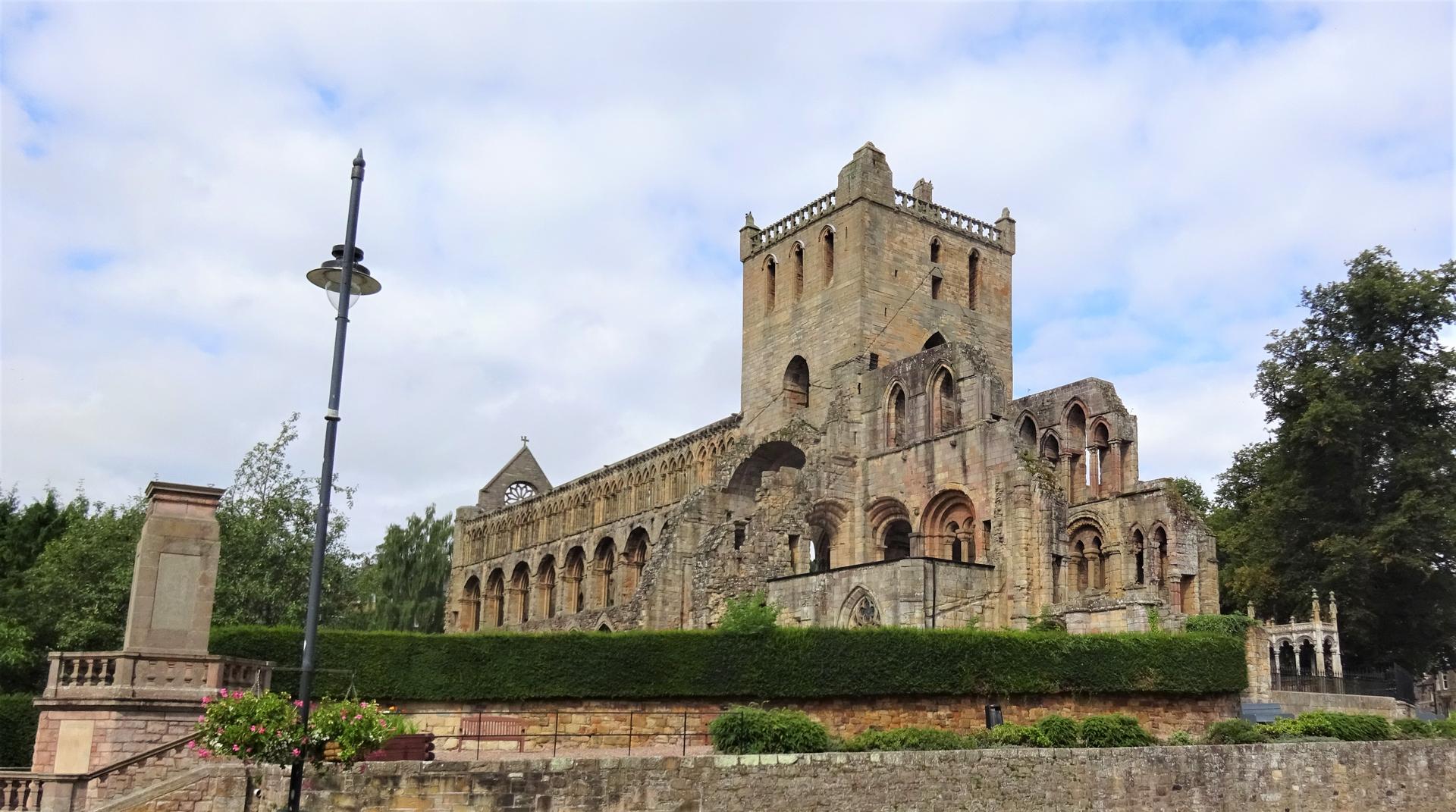
Looking beyond Roxburgh Castle? Discover Roxburghshire for broader travel guides, local hot-spots, and regional highlights.
Explore Roxburghshire
Explore the serene Gothic ruins of Dryburgh Abbey, a historic sanctuary by the River Tweed and the resting place of Sir Walter Scott.
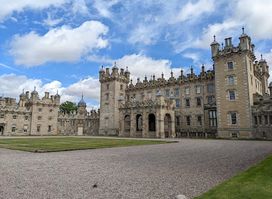
Discover Floors Castle, Scotland’s largest inhabited castle with stunning gardens, historic interiors, and scenic Borderland landscapes near Kelso.
