Bass Rock: Scotland’s Volcanic Sanctuary and Gannet Colony
Scotland’s iconic volcanic island hosting the world’s largest northern gannet colony and historic castle ruins in a rugged coastal sanctuary.
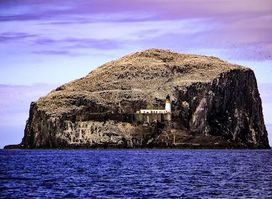
Bass Rock is a dramatic volcanic island rising 107 meters above the Firth of Forth, about 3 miles northeast of North Berwick, Scotland. Renowned for hosting the world’s largest colony of northern gannets, this steep-sided rock is also steeped in history, featuring castle ruins and a lighthouse. Accessible only by boat, it offers a unique wildlife spectacle and geological wonder in a rugged coastal setting.
A brief summary to Bass Rock
- GB
- Duration: 1.5 to 3 hours
- Mid ranged
-
 Outdoor
- Mobile reception: 4 out of 5

Know before you go
Hi, I'm Eve. Here are a few practical things to know before exploring Bass Rock.
- Book boat tours from North Berwick in advance, especially during peak season, to secure your spot for close wildlife viewing.
- Bring binoculars and a telephoto lens for detailed views and photography of the gannet colony and other seabirds.
- Wear layered clothing and waterproofs as coastal weather can change rapidly during boat trips.
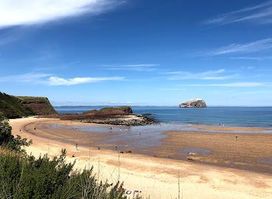
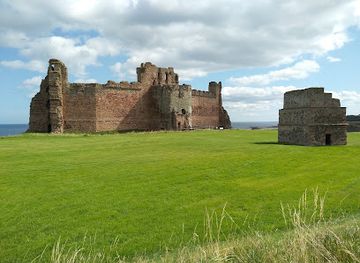
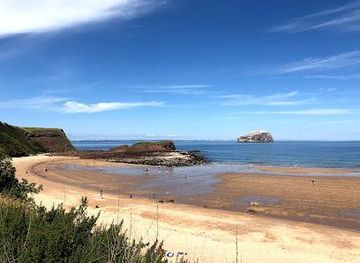
- Explore nearby coastal paths around North Berwick and Tantallon Castle for stunning views of Bass Rock without landing.
Do you manage this location?
Take control to get all the benefits, like improved information, better appearance, and stronger visibility across AI-powered discovery. Learn more
Activate your presence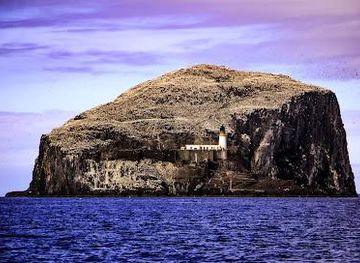
Getting There
-
Train and Boat Combination
Take a train from Edinburgh Waverley to North Berwick, a journey of about 30 minutes. From North Berwick harbor, board a boat tour to Bass Rock, typically lasting 1.5 to 2 hours. Boat tour prices range around £26 per person. Note that boat trips operate seasonally and are weather dependent.
-
Car and Boat Access
Drive to North Berwick where parking is available but can be limited during peak times. From the harbor, join a boat tour to Bass Rock. Allow 1.5 to 2 hours for the boat trip. Advance booking of tours is recommended to ensure availability.
-
Walking and Coastal Viewing
For those not taking a boat, walking coastal paths near North Berwick and Tantallon Castle offer excellent views of Bass Rock from a distance. These paths are accessible year-round and provide scenic photo opportunities without landing on the island.
For the on-the-go comforts that matter to you
-
 Restrooms
-
 Drink Options
-
 Food Options
-
 Seating Areas
-
 Information Boards
-
 Visitor Center
Discover more about Bass Rock
Geological Marvel in the Firth of Forth
Bass Rock is a striking volcanic plug formed around 340 million years ago when magma solidified within a volcano’s vent, leaving behind a hard, steep-sided rock as the surrounding softer material eroded. Standing approximately 107 meters (351 feet) tall and nearly a mile in circumference, it dominates the seascape off the East Lothian coast. The rock’s phonolitic trachyte composition includes a natural tunnel running through it, accessible only at low tide, adding to its geological intrigue.A Haven for Northern Gannets and Wildlife
This island is famed for hosting the world’s largest single-rock colony of northern gannets, with over 150,000 birds nesting annually. The white appearance of the rock from a distance is due to the dense population of these seabirds and their guano. Besides gannets, the lower ledges provide habitat for shags, guillemots, razorbills, and seals often rest on the surrounding rocks, making it a vital seabird sanctuary and a site of special scientific interest.Rich Historical Layers and Human Stories
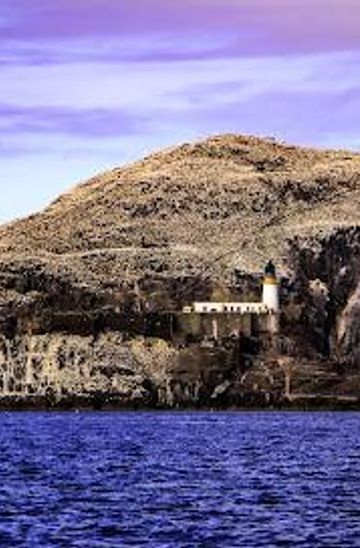
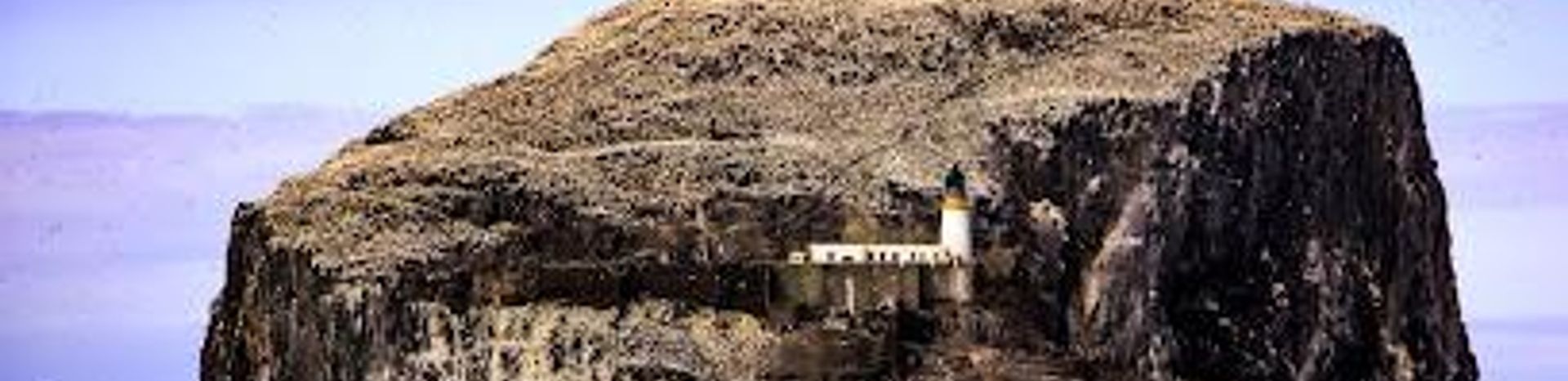
Bass Rock’s history stretches from an 8th-century Christian hermitage to a medieval fortress. The ruins of a castle, built at least as far back as 1405 by the Lauder family, still stand on the southern promontory. The island was used as a prison during the 17th century and later became privately owned by the Dalrymple family from 1706. The lighthouse constructed in 1902 by renowned engineer David Stevenson marks the island’s role in maritime navigation.Experiencing Bass Rock Today
Visitors cannot freely walk on the island but can enjoy boat tours departing mainly from North Berwick harbor. These trips typically last 1.5 to 2 hours, circling the rock and offering close-up views of the gannet colony, the castle ruins, and the lighthouse. The surrounding coastal scenery, including views of nearby Craigleith Island and Tantallon Castle, enriches the experience. The Scottish Seabird Centre provides live webcams and educational resources for those unable to visit.Natural Beauty and Conservation
Bass Rock remains uninhabited and protected, emphasizing conservation of its unique wildlife habitat. The island’s dramatic cliffs and seabird activity create a lively and scenic atmosphere, drawing nature enthusiasts and photographers. Seasonal boat trips and guided landings (weather permitting) allow for immersive wildlife observation, underscoring the importance of responsible tourism in this delicate ecosystem.Setting and Surroundings
The island lies about 3 miles northeast of North Berwick, a charming coastal town with easy train access from Edinburgh. The town serves as the gateway for visitors seeking to explore Bass Rock and the surrounding East Lothian coast, known for its historic castles, nature reserves, and picturesque views of the Firth of Forth.Explore the best of what Bass Rock has to offer













More about East Lothian
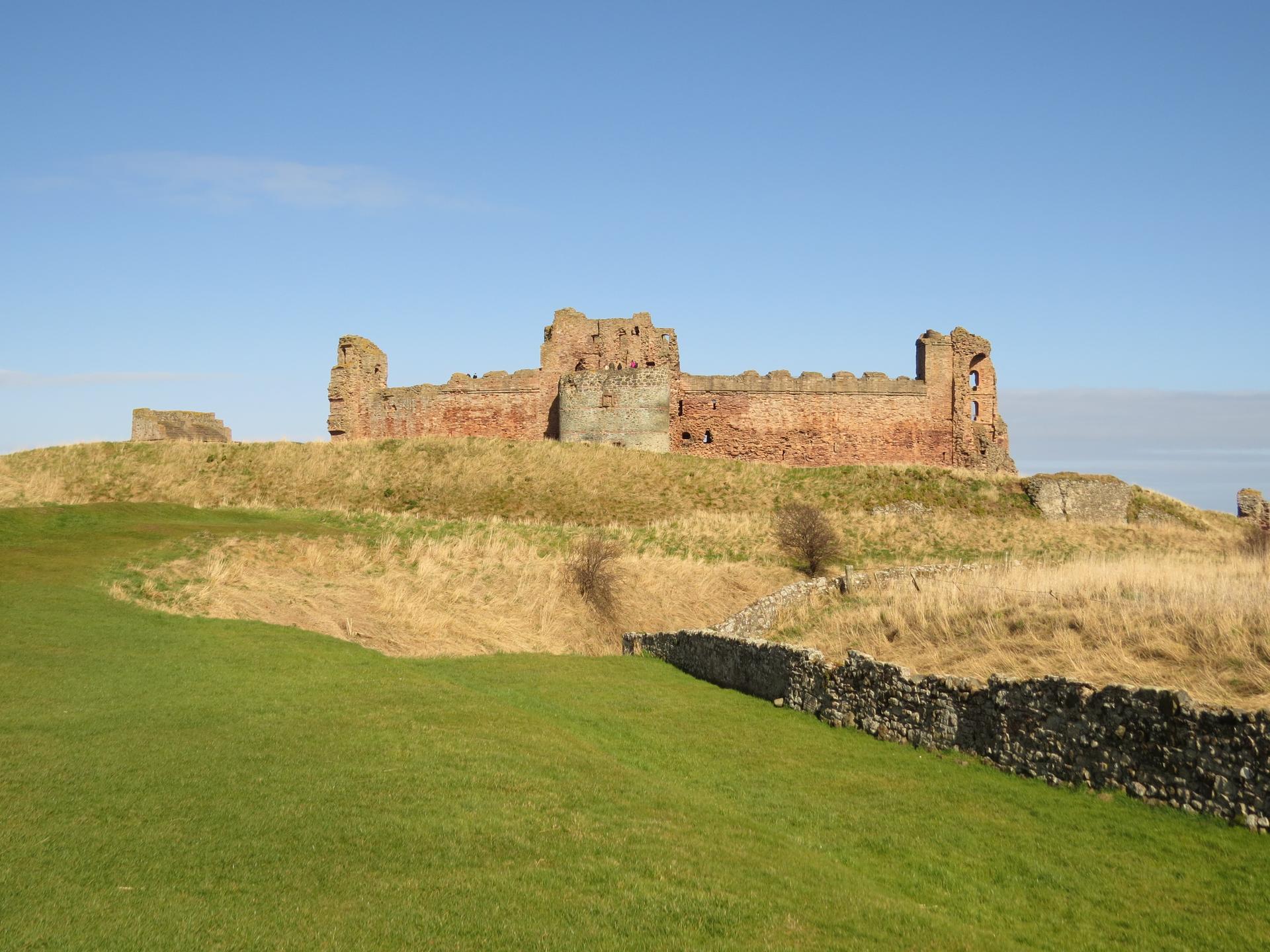
Discover East Lothian: A stunning coastal escape filled with historical castles, scenic trails, and delicious local cuisine, just minutes from Edinburgh.
Tell me more about East Lothian