Preston Tower Travel Guide
Free Guide: Discover Preston Tower, a resilient 15th-century Scottish stronghold set within tranquil gardens, rich with history and medieval charm.


A brief summary of Preston Tower
Discover Preston Tower, a resilient 15th-century Scottish stronghold set within tranquil gardens, rich with history and medieval charm.
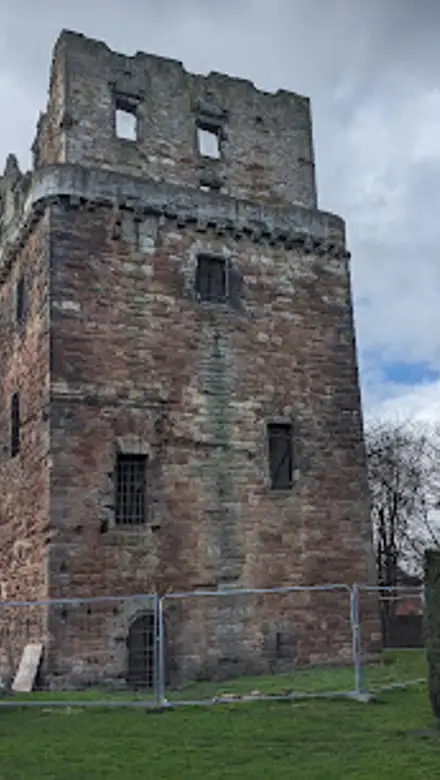
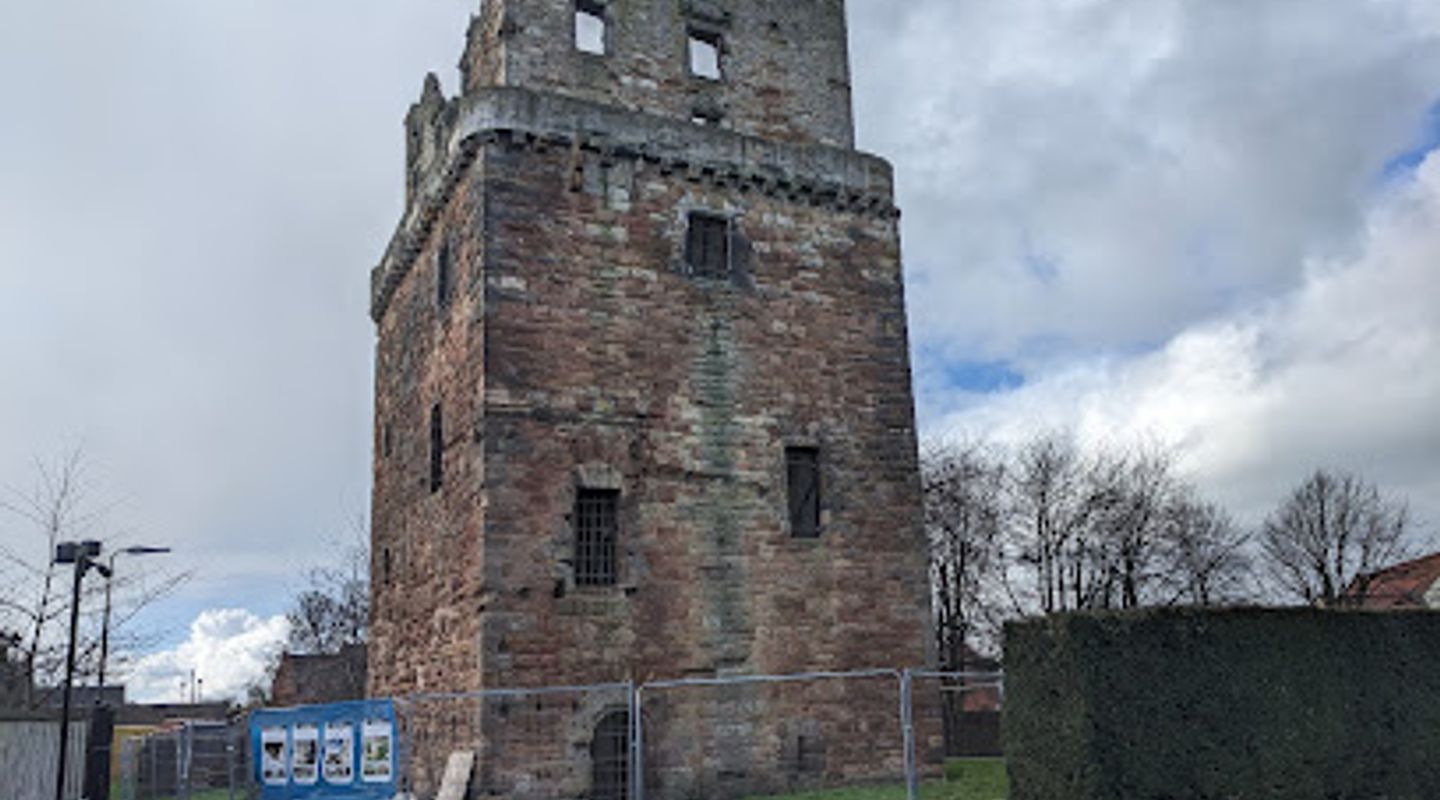
Preston Tower is a partially ruined 15th-century tower house located in Prestonpans, East Lothian. Originally built by the Hamilton family, the tower has a turbulent history marked by multiple burnings during the Anglo-Scottish conflicts, including attacks in 1544 and 1650. Now a Scheduled Monument, it stands within a walled garden alongside a 17th-century doocot, offering visitors a glimpse into Scotland’s medieval defensive architecture and local heritage.
On-site amenities
 Seating areas
 Information boards
Opening hours
- Every dayOpen 24 hours
Opening hours as listed on the venue’s Google Business Profile. Hours can change for services and special events, so check with the venue before you go.
- Address
- 30 Cross Cottages, Prestonpans EH32 9EJ
- Website
Getting there
Train and Bus
Car
Walking
Discover more about Preston Tower
Architectural Heritage of Preston Tower
Preston Tower is a classic example of a Scottish tower house, originally constructed in the late 14th or early 15th century, with its core built from red sandstone typical of East Lothian. The tower initially rose four storeys, featuring thick walls, a vaulted basement, and a first-floor hall with a hatch providing access to the lower levels. In 1626, two additional storeys were added, including Renaissance-style windows, enhancing its stature and defensive capabilities. The tower’s design includes a corbelled parapet with open rounds at the corners, and evidence of defensive features such as a machicolation—a projecting stonework gap used to drop objects on attackers—above the main entrance.
The Tower’s Turbulent Past and Conflicts
Throughout its history, Preston Tower was repeatedly damaged by fire during significant conflicts. It was burned in 1544 by the Earl of Hertford during the 'Rough Wooing,' an Anglo-Scottish war aimed at enforcing English dominance. Later, in 1650, Oliver Cromwell’s forces again set fire to the tower after the Battle of Dunbar, destroying valuable family records. A final accidental fire in 1663 led to its abandonment by the Hamilton family, who moved to nearby Preston House. These burnings left visible scars on the structure, including blocked entrances and damaged stonework, telling the story of its violent past.
The Hamilton Legacy and Local Significance
The tower was built and owned by the Hamiltons of Preston, a prominent family in the region. In 1617, the Hamiltons were granted rights to hold weekly markets and an annual fair, known as St. Jerome’s Fair, reflecting the tower’s role not only as a defensive stronghold but also as a local center of governance and commerce. The Hamiltons’ initials, carved into the stonework by Sir John Hamilton and his wife Katherine Howieson, remain visible and connect visitors to the personal histories embedded in the tower’s walls.
Surrounding Gardens and Doocot
Preston Tower is set within a walled garden that includes a 17th-century doocot (dovecote), a structure used historically to house pigeons or doves for food and communication. The gardens provide a tranquil green space contrasting with the tower’s rugged ruins, offering visitors a peaceful environment to reflect on the site’s history. The area is enclosed by walls and fences, preserving the site’s integrity and enhancing its quiet, restful atmosphere.
Preservation and Public Access
Purchased by the National Trust for Scotland in 1969 and now managed by East Lothian Council, Preston Tower is a Scheduled Monument open to the public for exterior viewing. While the interior is not accessible for climbing, the tower’s imposing silhouette and detailed stonework can be admired from the gardens and surrounding paths. The site is recognized for its historical importance and is a cherished heritage landmark within East Lothian.
Visitor Experience and Atmosphere
Visitors to Preston Tower encounter a site steeped in history and quiet dignity. The tower’s ruins evoke the medieval era’s defensive architecture and the turbulent history of Scotland’s border conflicts. The peaceful gardens and doocot add layers of charm and provide a scenic backdrop for photography and contemplation. Despite its modest footprint, the tower’s height and enduring presence make it a striking and memorable destination for those interested in Scottish history and heritage.
Evendo Review Centre
 Google
Guest reviews
Best time to go
Quietest: Jan, Feb & Dec · before 3am
Busy times are Evendo estimates for a typical year, to help you plan. Actual crowds vary with events, school holidays and the weather.
Explore Preston Tower on the map
A handpicked selection of must-see spots near Preston Tower, mapped for you.
Get your free copy of our complete guide to Preston Tower, delivered straight to you.
Everything on this page, from opening hours and how to get there to Eve’s tips and the best time to go, in one PDF you can read offline, print or share.
Already have an account? Sign in
Your Preston Tower guide is ready.
We'll send it to · Not you? Sign out

Getting your guide ready…
We are putting together a fresh copy of the Preston Tower guide. This can take up to a minute.
This can take a few moments. If your browser asks, choose Allow so the download can start. You'll find the guide in your Downloads folder.
Nothing happened? Download it again
Sorry, the guide is taking longer than usual. Please try again in a minute, or get it by email instead.
Other nearby places you may find interesting
The closest places of the same kind, if this one is not quite what you had in mind.
-

-
-
-
-


Swipe for more places
More to explore near Preston Tower

 Best experiences near Preston Tower
 Best hotels near Preston Tower
 Best landmarks near Preston Tower
 Best attractions near Preston Tower
 Best shops near Preston Tower
 Best restaurants near Preston Tower
 Best bars near Preston Tower
Do you manage this location?
Take control to get all the benefits, like improved information, better appearance, and stronger visibility across AI-powered discovery.
Explore more
Explore more of East Lothian
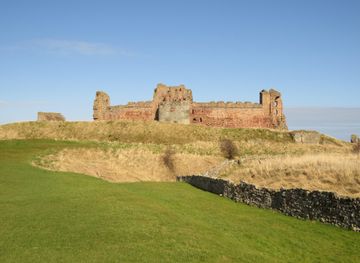
Discover East Lothian: A stunning coastal escape filled with historical castles, scenic trails, and delicious local cuisine, just minutes from Edinburgh.
Explore East Lothian
Explore more of United Kingdom
Discover the United Kingdom: A blend of rich history, stunning landscapes, and vibrant cities, offering a unique travel experience for every visitor.
Explore United Kingdom