
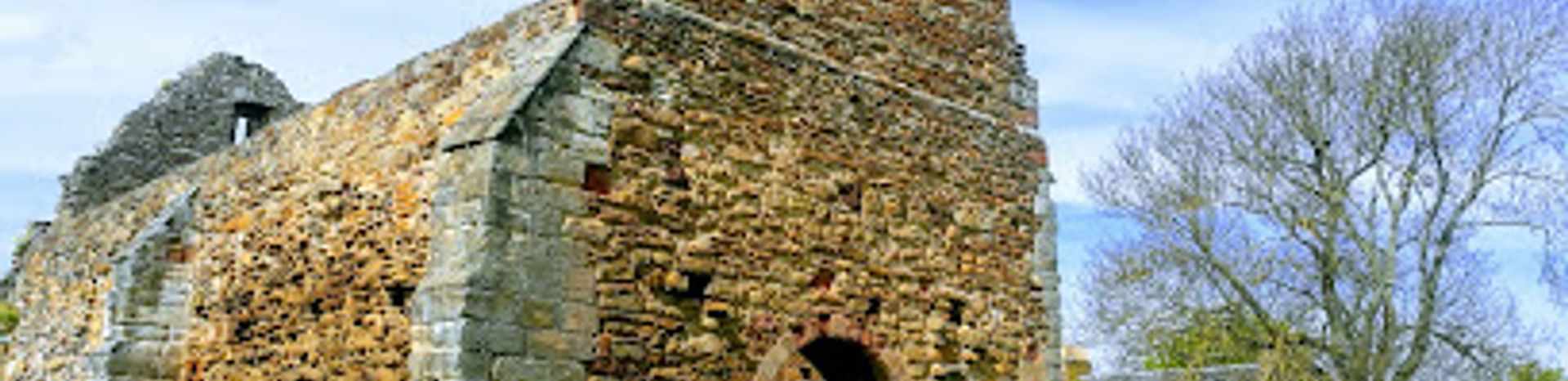
St Martin's Kirk: A Romanesque Testament in Haddington
Explore the evocative 12th-century Romanesque ruins of St Martin's Kirk, a cornerstone of Haddington's medieval spiritual heritage and Reformation history.
St Martin's Kirk in Haddington, East Lothian, is a rare surviving 12th-century Romanesque parish church ruin. Built in the mid to late 1100s, it reflects Scotland’s medieval religious heritage and is linked to John Knox, a key figure in the Scottish Reformation. Though partially destroyed in 1560, its remnants offer a glimpse into the spiritual and architectural history of the region.
A brief summary to St Martin's Kirk
- 15 Bullet Loan, Haddington, GB
- Visit website
- Duration: 0.5 to 1.5 hours
- Free
-
 Outdoor
- Mobile reception: 4 out of 5
Local tips
- Wear sturdy footwear as the stone floors inside the ruins can be slippery, especially in wet weather.
- Visit year-round; the site is open and free to enter, offering different atmospheric experiences with the seasons.
- Bring a camera to capture the unique Romanesque architectural details and peaceful surroundings.
- Combine your visit with a trip to nearby St Mary’s Abbey ruins to deepen your understanding of Haddington’s medieval religious life.

For the on-the-go comforts that matter to you
- Information Boards
- Seating Areas
- Trash Bins
Getting There
-
Bus
Regular bus services operate from Edinburgh city centre to Haddington, with journeys taking approximately 40 to 50 minutes. Bus tickets cost around £5 to £8 one way. Note that service frequency may reduce on weekends and evenings.
-
Car
Driving from Edinburgh to St Martin's Kirk takes about 25 to 35 minutes via the A1 and A199. Parking is available nearby but can be limited during peak times. No parking fees typically apply.
-
Train and Taxi
Take a train from Edinburgh Waverley to Drem station (about 15 minutes), then a taxi to Haddington (around 10 minutes). Train fares start at £5 one way, with taxis costing approximately £10 to £15.
St Martin's Kirk location weather suitability
-
 Any Weather
-
 Rain / Wet Weather
-
 Clear Skies
-
 Mild Temperatures
-
 Windy Conditions
Discover more about St Martin's Kirk
Medieval Origins and Architectural Heritage
St Martin’s Kirk was constructed in the mid to late 12th century, during a period when Haddington was emerging as a significant royal burgh under King David I. The kirk’s architectural style is Romanesque, characterized by its simple rectangular layout and distinctive round-arched windows. This style was prevalent in Scotland during the 1100s and reflects the ecclesiastical design trends of the time. The church originally served as a parish church for the eastern part of Haddington, complementing the grander St Mary’s Abbey nearby.Religious and Historical Significance
The kirk’s history is deeply intertwined with Scotland’s religious transformations. It is believed that John Knox, the influential leader of the Scottish Reformation, attended services here as a boy. In 1560, during the Reformation, the kirk’s chancel was destroyed, marking a significant shift from Catholic to Protestant worship. Despite this damage, the kirk continued to function as a place of worship for the Protestant community until the late 18th century, when its congregation merged with another local church.Preservation and Modern Context
Designated a Scheduled Monument in 1912, St Martin’s Kirk is now protected and maintained by Historic Environment Scotland. The site is a poignant ruin that offers visitors a tangible connection to medieval Scotland’s religious and architectural past. Restoration efforts have focused on preserving the remaining structure, allowing the kirk to stand as a silent witness to centuries of history.Setting and Visitor Experience
Situated on the eastern edge of Haddington, the kirk is surrounded by peaceful grounds that enhance its tranquil atmosphere. The ruins evoke a sense of reverence and reflection, inviting visitors to imagine the spiritual life of a medieval Scottish community. The site is accessible year-round and free to visit, making it a valuable cultural and historical asset for locals and tourists alike.Connections to Haddington’s Religious Landscape
St Martin’s Kirk was closely linked to the nearby Cistercian nunnery of St Mary’s, founded in 1131. While the abbey served the town’s elite, St Martin’s provided for the spiritual needs of the common townsfolk. This relationship highlights the layered religious fabric of medieval Haddington and the kirk’s role within it.Legacy and Cultural Importance
Beyond its architectural and historical value, St Martin’s Kirk symbolizes the resilience of Scotland’s religious heritage through periods of upheaval. Its association with John Knox adds a layer of national significance, connecting the site to the broader narrative of Scotland’s Reformation and identity formation. The kirk remains a cherished landmark that preserves the memory of Scotland’s medieval ecclesiastical traditions.Iconic landmarks you can’t miss

St Martin's Kirk
0.0 km
Explore the evocative 12th-century Romanesque ruins of St Martin's Kirk, a cornerstone of Haddington's medieval spiritual heritage and Reformation history.
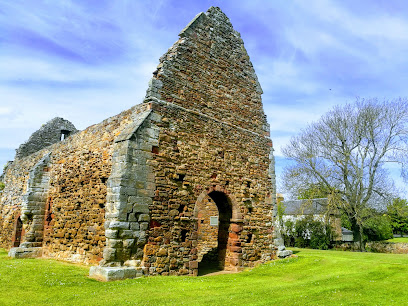
East Peaston
11.8 km
A tranquil historic hamlet in East Lothian offering scenic countryside charm and a glimpse into Scotland’s agricultural heritage.
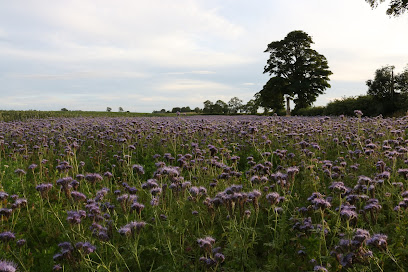
Soutra Aisle
16.9 km
Medieval hospital ruins where 12th-century monks pioneered surgical medicine on Scotland's ancient Royal Road.
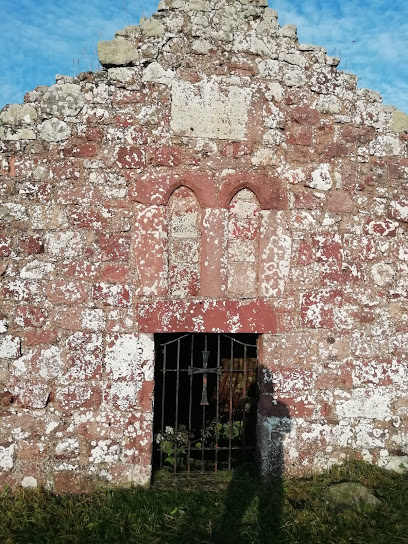
Byrecleugh Burn
18.2 km
Experience the serene beauty of Byrecleugh Burn, a tranquil river in the Scottish Borders perfect for nature lovers and outdoor enthusiasts alike.

Monkton House
19.0 km
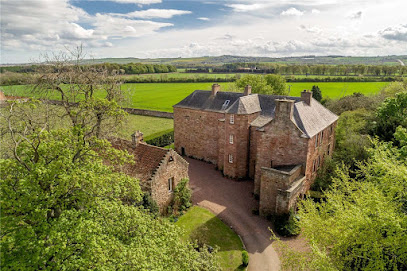
Experience historic Scottish charm and elegant celebrations at Monkton House, a unique 15th-century castle wedding venue near Edinburgh.
Newton Tower
19.2 km
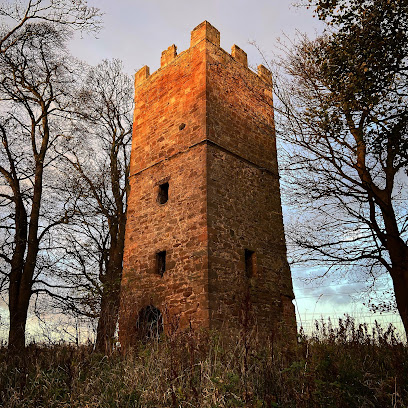
Explore Newton Tower, a unique early 17th-century ruined church tower in Dalkeith, rich in history and surrounded by tranquil old gravestones.
Melville Castle Hotel
22.1 km
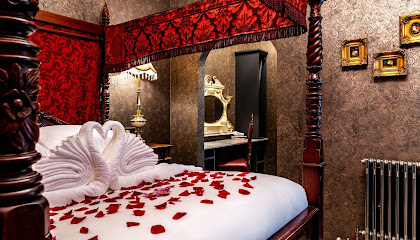
Experience regal Scottish luxury and historic charm at Melville Castle Hotel, a serene castle retreat near Edinburgh with elegant rooms and fine dining.
Dalhousie Castle Hotel And Spa
22.2 km
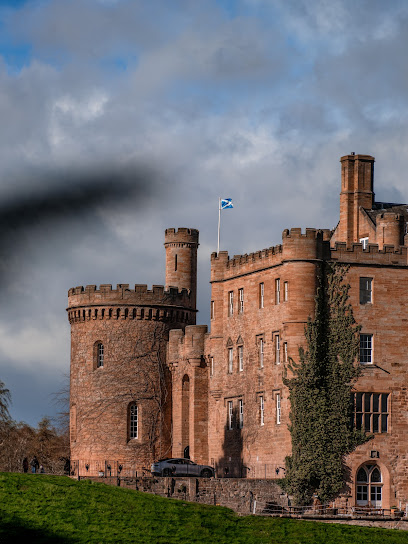
Experience medieval grandeur and modern luxury at Dalhousie Castle Hotel and Spa, nestled in scenic Scottish parkland near Edinburgh.
Duddingston Kirk
23.7 km
Explore Duddingston Kirk, a historic church in Edinburgh that offers a serene escape and a glimpse into Scotland's ecclesiastical heritage.
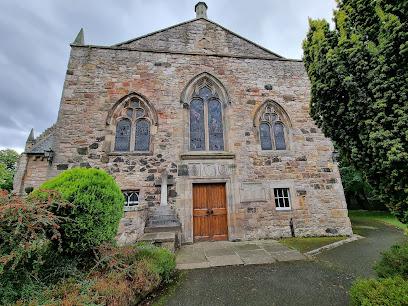
Holyrood Park
24.4 km
Experience the breathtaking views and rich history of Holyrood Park, a natural gem in the heart of Edinburgh, perfect for outdoor enthusiasts and history buffs alike.
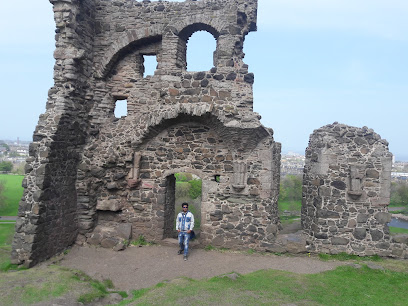
St Anthony's Chapel Ruins
24.4 km
Explore the historic St Anthony's Chapel ruins in Holyrood Park, Edinburgh, where history meets stunning natural beauty.
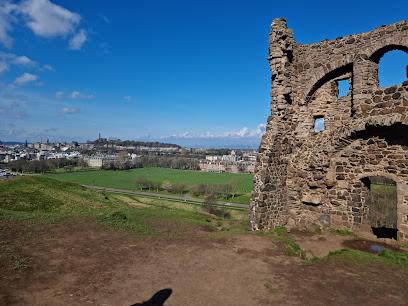
Arthur's Seat
24.5 km
Climb Edinburgh’s ancient volcanic peak for breathtaking panoramic views and a journey through natural and historic wonders.
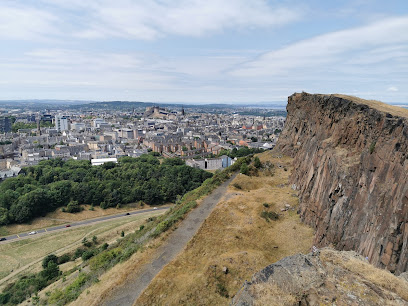
Leith Links
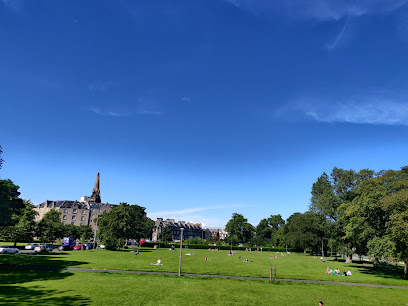
24.7 km
Explore Leith Links, a historic park in Edinburgh, where nature meets local culture in a serene urban setting, perfect for relaxation and recreation.
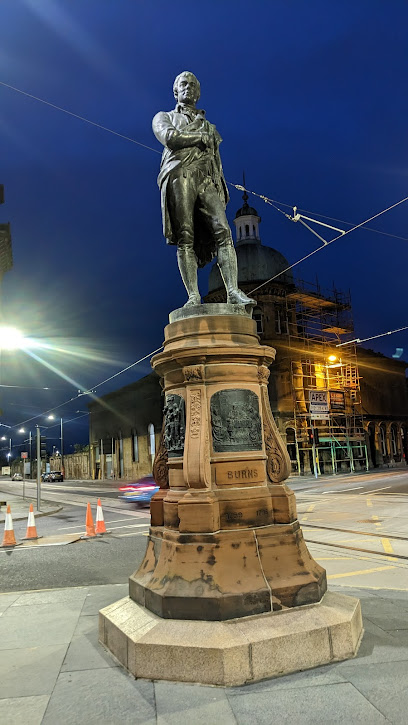
Robert Burns Statue
24.9 km
A striking tribute to Scotland’s national poet, Robert Burns, set in the historic maritime district of Leith, Edinburgh.
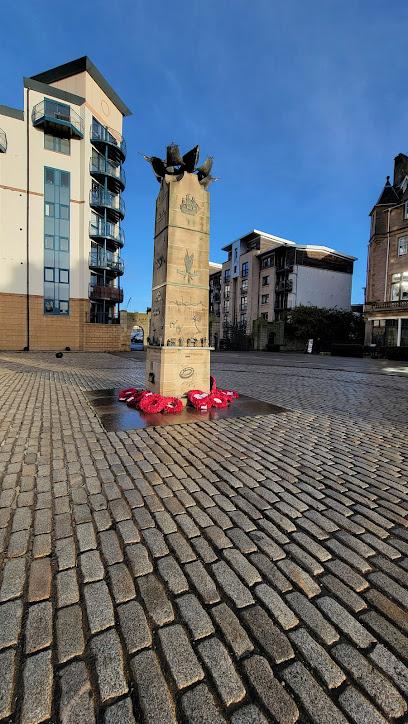
Scottish Merchant Navy Memorial
25.0 km
A solemn sandstone column in Leith honoring the bravery and sacrifice of Scotland’s merchant seafarers lost at sea in war and peace.
Unmissable attractions to see

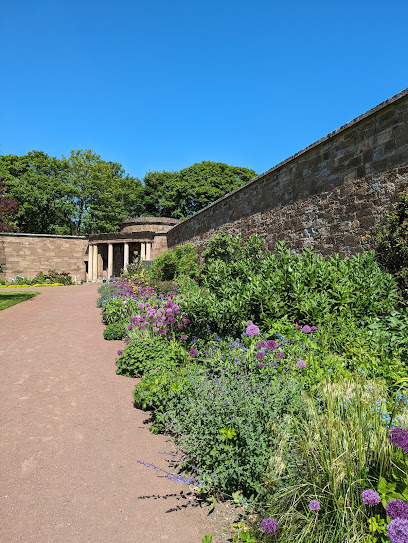
Amisfield Walled Garden
1.2 km
A hidden 18th-century walled garden near Haddington, now a vibrant community space of orchards, borders, and wildflower meadows, free to explore.
Lennoxlove House
2.0 km
Explore Lennoxlove House, a majestic 15th-century Scottish estate rich in history, art, and noble heritage nestled in tranquil East Lothian woodlands.
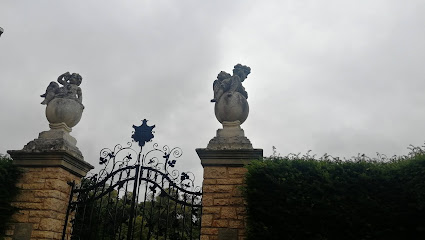
Barnes Castle
2.7 km
Explore Barnes Castle, an unfinished Renaissance fortress near Haddington, embodying Scotland’s noble ambitions and turbulent 16th-century history.
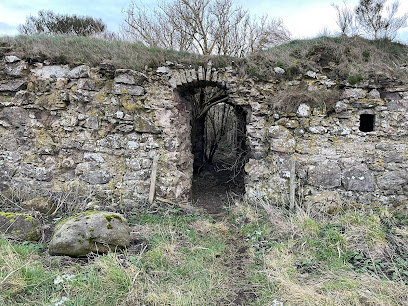
Garleton Castle
3.0 km
Explore the evocative 16th-century ruins of Garleton Castle, a historic courtyard fortress nestled near the scenic Garleton Hills in East Lothian.
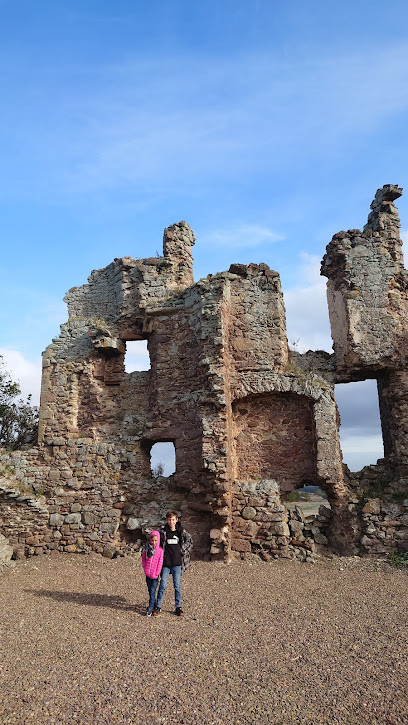
Hopetoun Monument
3.2 km
Explore the Hopetoun Monument, a stunning historical landmark in Haddington, offering breathtaking views and a glimpse into Scotland's rich heritage.
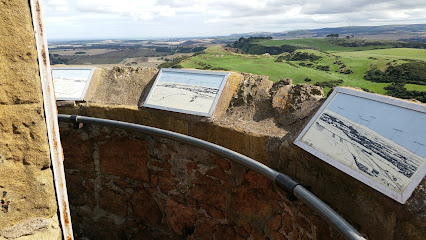
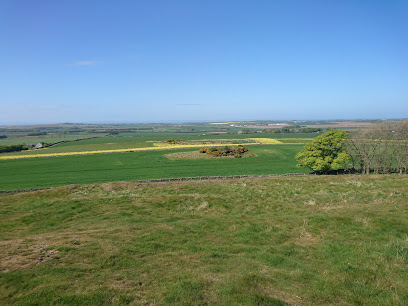
Chesters Hill Fort
4.5 km
Explore one of Scotland's finest Iron Age hillforts, where ancient ramparts meet sweeping East Lothian landscapes.
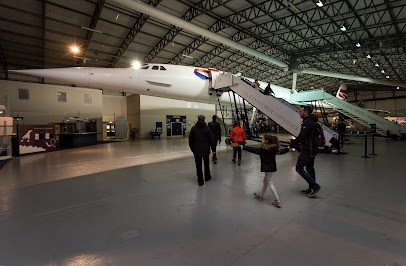
National Museum Of Flight
5.4 km
Explore Scotland’s rich aviation heritage at East Fortune Airfield, home to historic aircraft and the iconic Concorde experience.
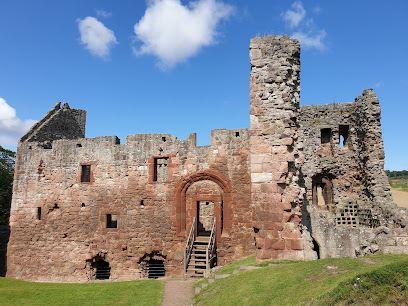
Hailes Castle
5.7 km
Explore the evocative ruins of Hailes Castle, a medieval fortress with deep royal ties and a serene riverside setting in East Lothian.
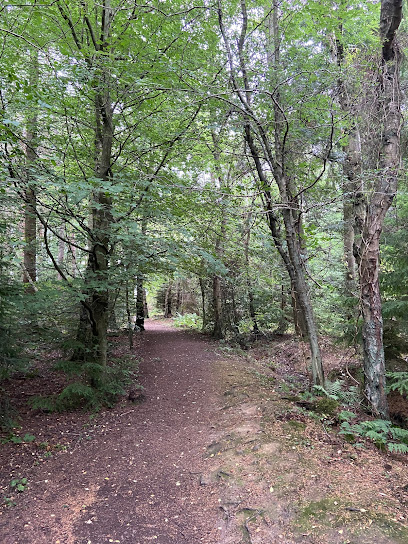
Butterdean Wood
6.2 km
Discover peaceful trails, wildlife sculptures, and rich woodland heritage in Butterdean Wood, East Lothian’s serene natural haven.
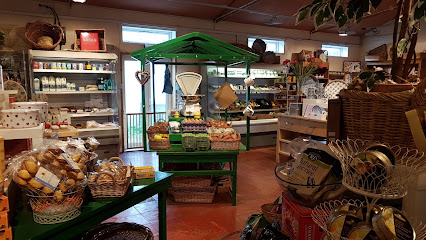
Fenton Barns Farm Shop & Cafe
7.9 km
Discover authentic Scottish flavors and warm hospitality at Fenton Barns Farm Shop & Café, East Lothian’s beloved local food destination.
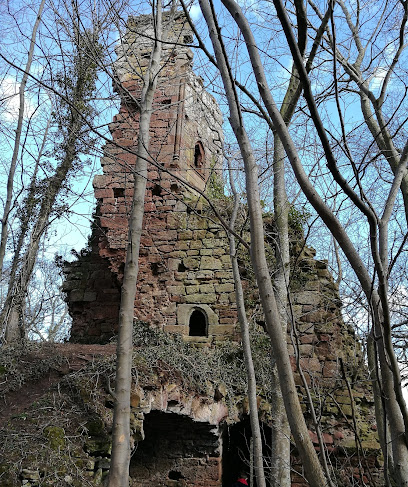
Yester Castle
8.0 km
Explore the haunting ruins of Yester Castle and its legendary Goblin Hall, where medieval history meets magical folklore in East Lothian.
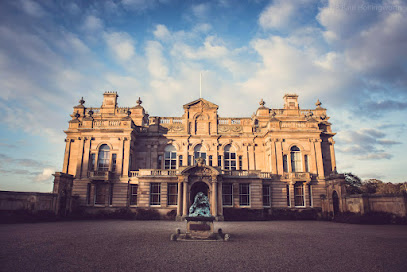
Gosford House
8.2 km
Explore Gosford House, a grand neo-classical mansion set in 5,000 acres of historic East Lothian grounds, blending architectural splendor with rich Scottish heritage.
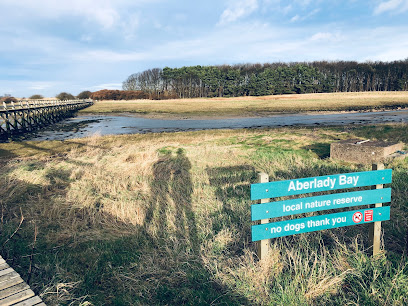
Aberlady Bay Local Nature Reserve
8.2 km
Explore the UK's first local nature reserve with scenic coastal walks, rich wildlife, and historic submarine remains in tranquil East Lothian.
Waughton Castle
8.3 km
Discover the evocative ruins of Waughton Castle, a 14th-century stronghold steeped in Scottish history amidst tranquil East Lothian farmland.
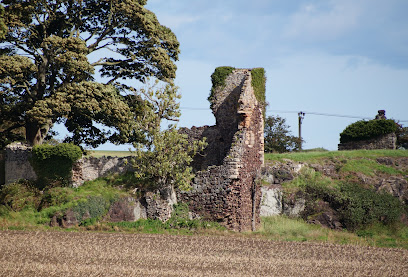
Preston Mill
8.4 km
Step back in time at Preston Mill, East Lothian’s picturesque historic watermill with riverside wildlife and Outlander connections.
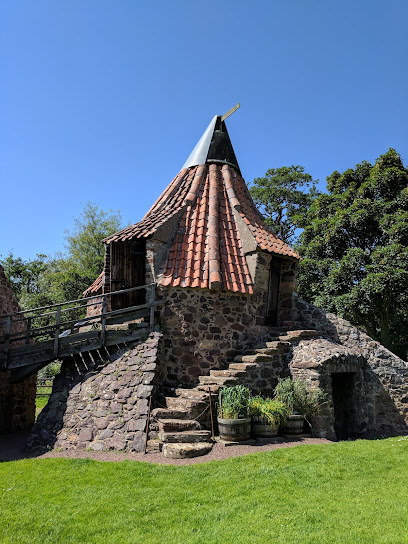
Essential places to dine

The Golf Tavern
0.1 km
A charming family-run pub and inn in Haddington offering hearty Scottish fare, cozy rooms, and a lively social atmosphere.
The Waterside Bistro in Haddington
0.2 km
Charming riverside bistro in Haddington offering classic dishes, fresh seafood, and warm, professional service in a historic setting.
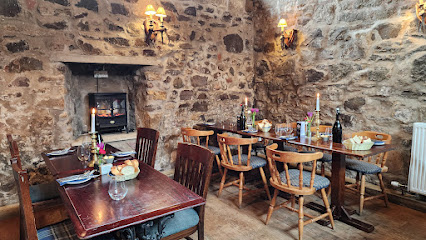
Eastern Eye
0.4 km
Experience authentic Indian cuisine with generous portions and warm service in the historic town of Haddington.
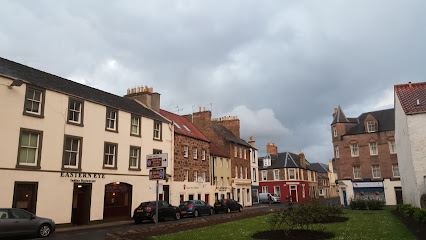
The grain
0.5 km
Savor authentic Italian pizzas and warm hospitality in the heart of historic Haddington’s High Street.
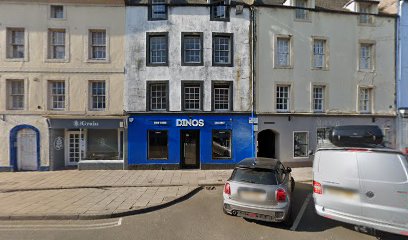
Brasserie Bar & Grill @ Maitlandfield Hotel
0.5 km
Historic charm meets seasonal Scottish cuisine in a cozy brasserie setting at Maitlandfield House Hotel, Haddington.
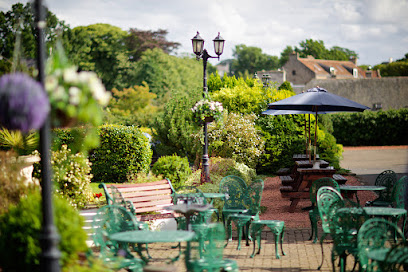
Tyneside Tavern and Mazzoli Italian Kitchen
0.6 km
A charming fusion of Scottish pub warmth and authentic Italian cuisine in the heart of Haddington, East Lothian.
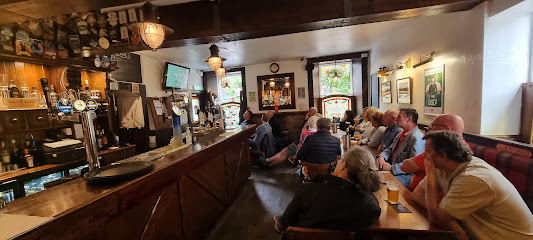
The Victoria Inn / La Terraza
0.7 km
Historic charm meets modern comfort in the heart of Haddington, with welcoming rooms, a lively bar, and a diverse restaurant menu.
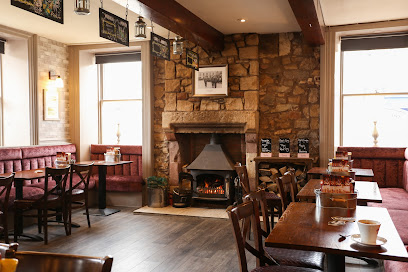
Garvald Inn
7.4 km
A cosy, family-run country pub in East Lothian offering hearty home-cooked meals, warm hospitality, and a welcoming village atmosphere.
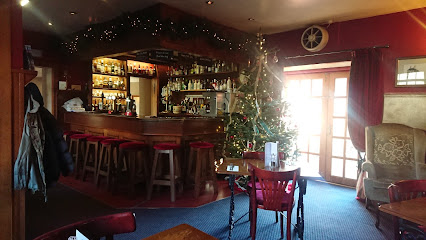
The Crown & Kitchen
7.8 km
Historic 18th-century gastropub in East Linton serving seasonal Scottish dishes with boutique rooms and a charming garden bar.
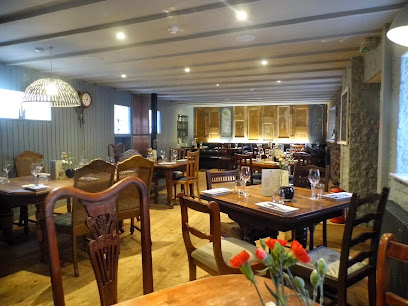
Linton Hotel & Steak House
7.8 km
Charming 4-star village inn with a traditional steakhouse, cosy bar, and locally sourced Scottish cuisine in the heart of East Linton.
The Longniddry Inn
8.1 km
A warm, family-friendly pub in Longniddry serving hearty local dishes and handcrafted pizzas in a cozy, community-focused setting.
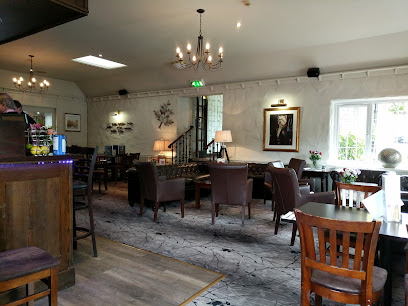
The Old Clubhouse
9.5 km
A cozy golf-side pub in Gullane offering classic Scottish fare with stunning course views and a welcoming local atmosphere.
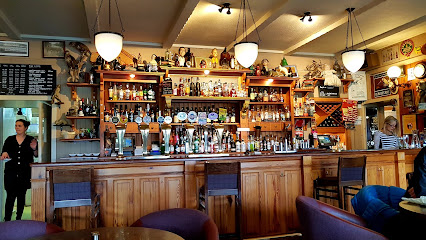
The Main Course
9.6 km
Savor authentic Italian flavors in a warm, family-run restaurant steps from Gullane Golf Club’s iconic course.
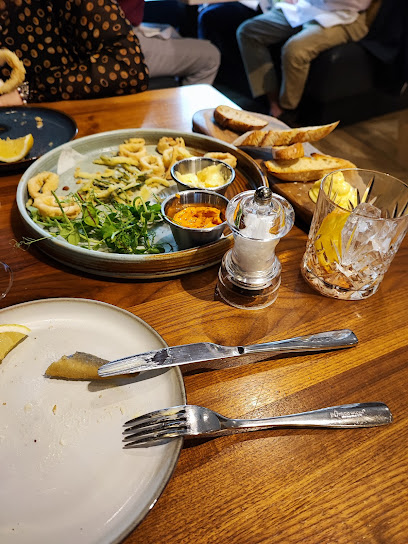
La Potiniere
9.6 km
An intimate French fine dining gem in Gullane, blending Scottish ingredients with elegant culinary artistry.
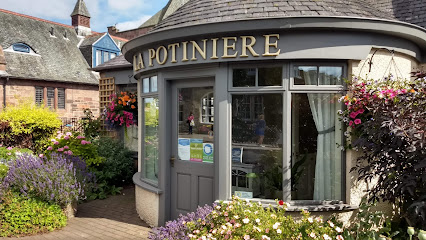
The Bonnie Badger - Pub, Restaurant with Rooms
9.6 km
A stylish coastal retreat blending historic charm, Scottish design, and Michelin-quality dining in the heart of Gullane.
Markets, malls and hidden boutiques

Nungate Minimarket
0.2 km
Discover Nungate Minimarket in Haddington, your go-to convenience store for local snacks and essentials during your Scottish adventure.

The Malt Kiln..
0.5 km
Discover artisan cheeses and unique gifts in the heart of historic Haddington at The Malt Kiln.
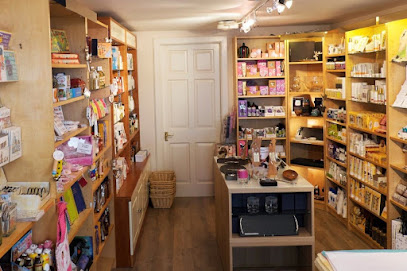
Gibsons Of Haddington
0.5 km
Discover expert watch repairs and unique gifts in the heart of historic Haddington’s Market Street.
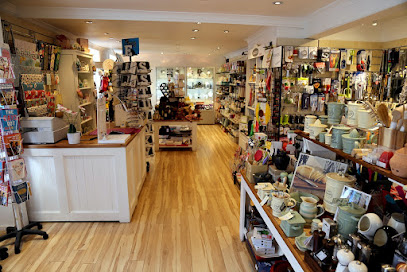
The Original Factory Shop (Haddington)
0.7 km
Affordable quality and variety await at The Original Factory Shop in Haddington, your local destination for unbeatable bargains.

Rosehall Stores
1.3 km
Experience local charm at Rosehall Stores, a cozy supermarket in Haddington offering fresh produce and unique Scottish delicacies.
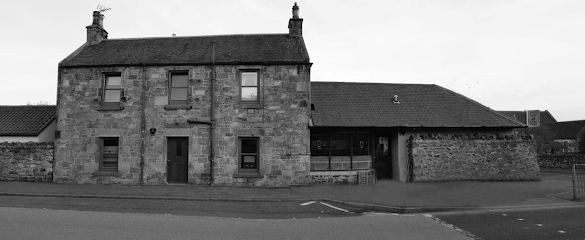
Haddington Retail Park
2.7 km
Modern retail hub in East Lothian offering diverse stores, dining, and sustainable amenities with ample parking and extended hours.

Beech & Birch - Scandinavian and British Homeware
6.0 km
Discover the charm of Scandinavian and British homeware in the heart of Gifford’s picturesque village.
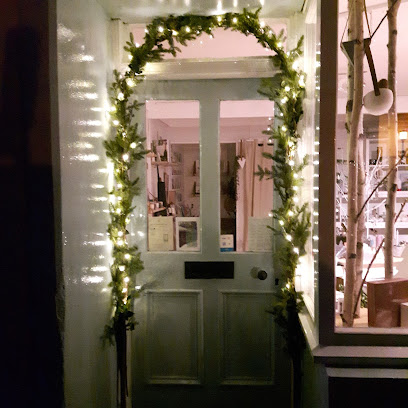
Longniddry Village Shop
7.9 km
Your friendly local convenience store in Longniddry, offering fresh bakery items, local products, and essentials with early opening hours every day.
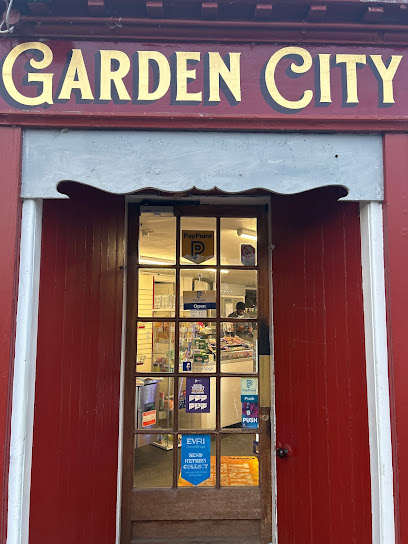
Old Smiddy gift shop
9.6 km
Discover unique Scottish gifts, handmade treasures, and charming souvenirs at Old Smiddy Gift Shop in the heart of Gullane.
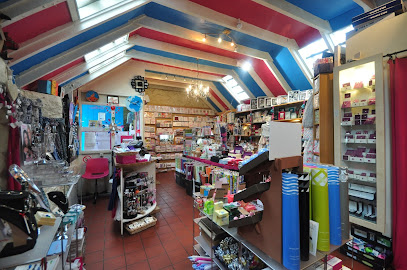
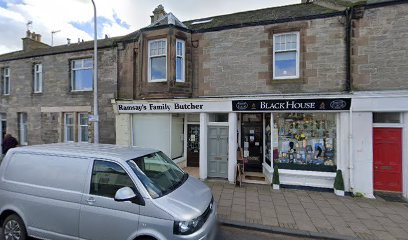
BlackHouse
9.6 km
Discover authentic Scottish craftsmanship with unique Harris Tweed bags, ceramics, and jewellery at BlackHouse in charming Gullane.
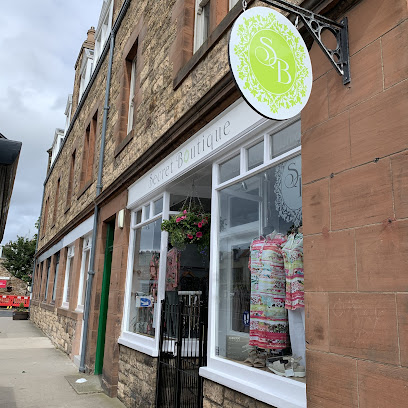
Secret Boutique
9.6 km
Discover timeless European ladieswear and personalized service in the welcoming charm of Gullane’s Secret Boutique.
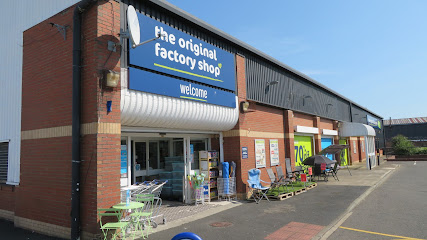
The Original Factory Shop (Tranent)
10.8 km
Discover unbeatable bargains on fashion, homewares, and more at The Original Factory Shop in Tranent, your local discount shopping destination.
Madame Butterfly
11.7 km
Explore Madame Butterfly in North Berwick for unique gifts and local craftsmanship that capture the spirit of Scotland.
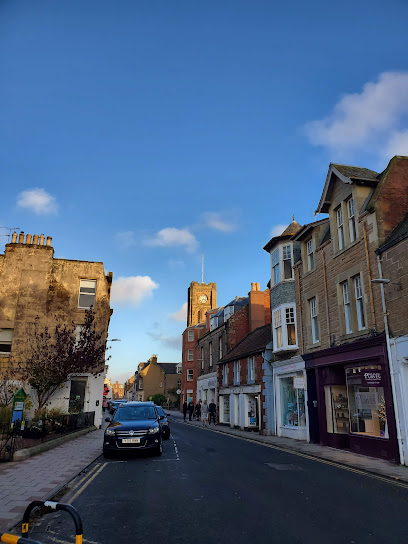
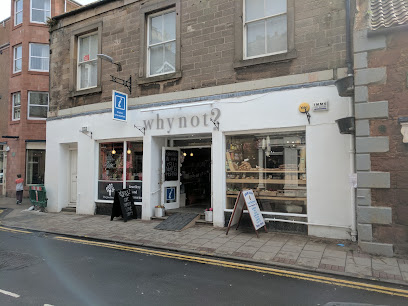
Whynot?
11.7 km
Explore Whynot? in North Berwick, where exquisite delicatessen treats meet a vibrant arts and crafts atmosphere.
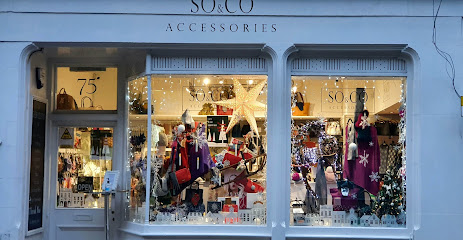
SO & CO Accessories
11.8 km
Discover stylish, contemporary accessories and unique gifts in a charming boutique on North Berwick’s High Street.
Essential bars & hidden hideouts

The New Pheasant
0.4 km
Experience warm Scottish hospitality and hearty local fare at The New Pheasant, a cozy pub nestled in the heart of historic Haddington.
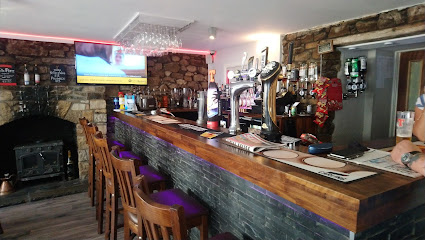
Mercat
0.5 km
Experience authentic Scottish hospitality and lively local charm at Mercat Pub, the heart of Haddington’s social scene.
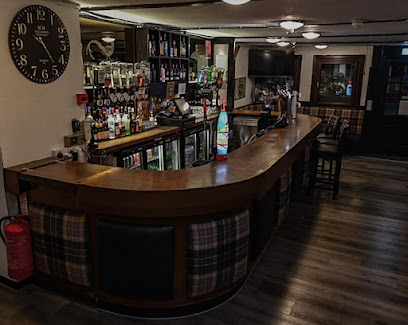
The Plough Tavern
0.7 km
A welcoming Scottish pub and hotel in Haddington offering hearty traditional fare, local ales, and cozy accommodation in a historic setting.
Whispers Lounge Bar
11.4 km
A cozy, family-run pub offering hearty meals and local drinks in the heart of Tranent’s historic High Street.
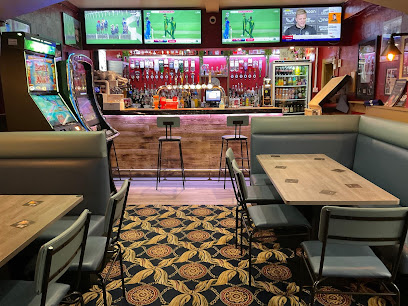
The Ship Inn
11.8 km
A warm, traditional Scottish pub in North Berwick offering hearty fare, lively sports, and friendly vibes by the sea.
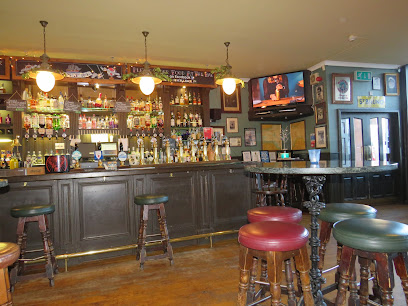
The Auld Hoose
11.9 km
A lively North Berwick pub famed for craft drinks, massive portions, and a welcoming rock ’n’ roll vibe in a cozy, dog-friendly setting.
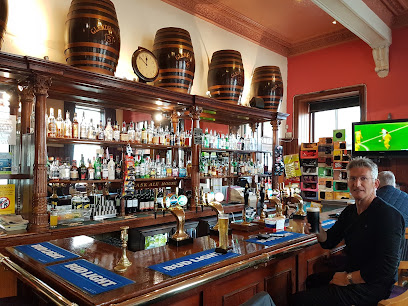
Thorntree Inn
12.0 km
Coastal charm and warm hospitality meet at Thorntree Inn, Cockenzie’s welcoming local pub with stunning sea views and a relaxed vibe.
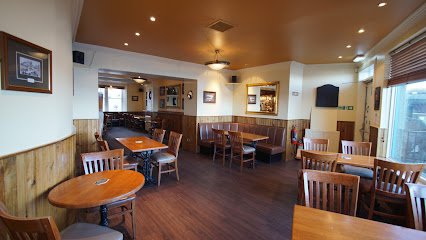
The New Prestoungrange Gothenburg
13.8 km
Historic coastal pub in Prestonpans blending heritage, craft beers, and scenic sea views for a memorable social experience.
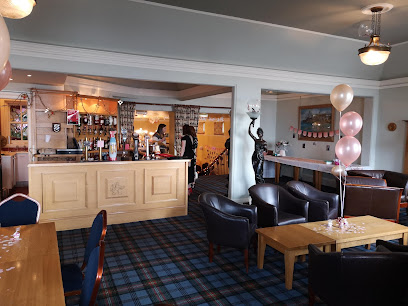
Levenhall Arms
16.1 km
A cozy Musselburgh pub famed for quality real ales, hearty Indian-inspired pub food, and warm local hospitality.
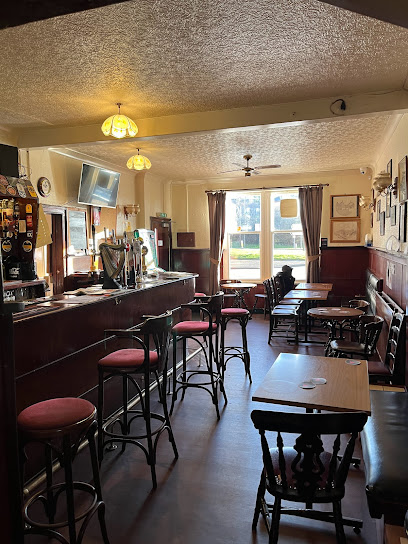
The Bear & Bull
16.5 km
A friendly, dog-welcoming bar and café on Dunbar’s High Street, offering quality food, drinks, and a warm local atmosphere.
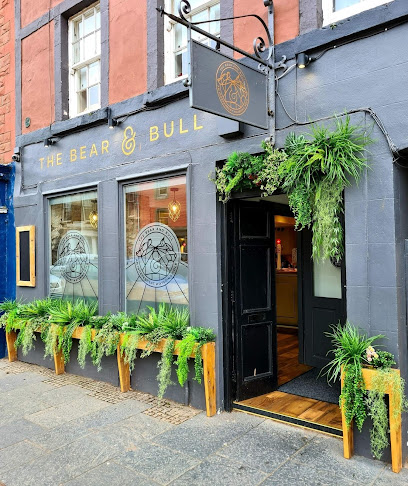
The David MacBeth Moir - JD Wetherspoon
18.1 km
A welcoming JD Wetherspoon pub in Musselburgh offering hearty meals, local ales, and a lively atmosphere from breakfast to late night.
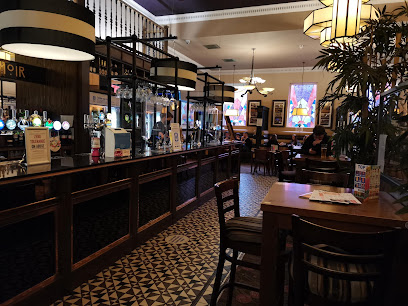
Ship Inn
20.0 km
A welcoming traditional pub on Dalkeith’s High Street offering hearty fare, local ales, and a friendly community atmosphere.
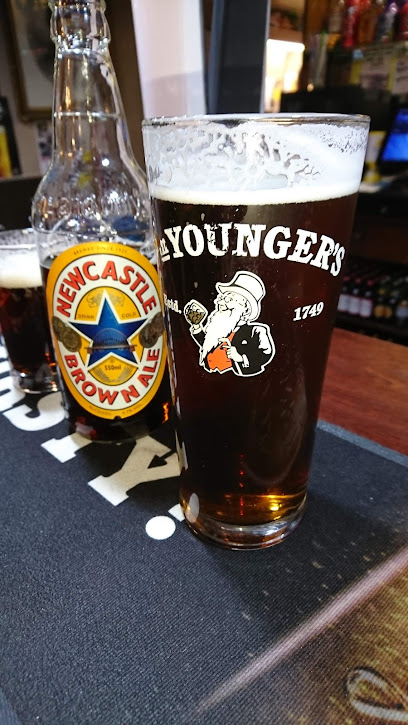
The Dean Tavern
21.1 km
A traditional Scottish pub in Newtongrange offering great food, excellent beer, and a warm, welcoming atmosphere for locals and visitors alike.
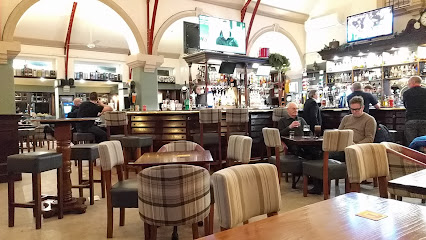
Old Colliery
21.4 km
Friendly family pub near Edinburgh with hearty food, dog-friendly perks, and a proud mining heritage in a welcoming community setting.
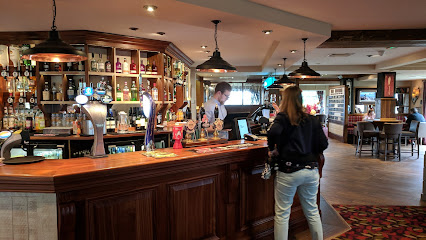
The Royal Oak
23.0 km
A cozy and affordable British pub in Bonnyrigg, offering hearty meals, friendly service, and a warm local atmosphere.
Nightclubs & after hour spots

The Hive Nightclub & Venue
26.0 km
Edinburgh's gritty Cowgate nightclub: cheap drinks, multi-room beats, and non-stop energy until 3am in the heart of Old Town.
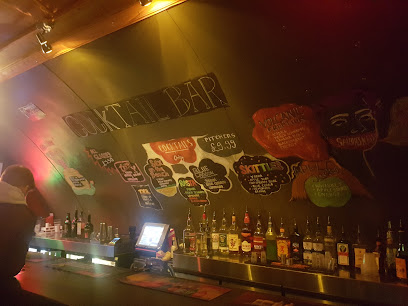
Cabaret Voltaire
26.1 km
Vaulted live-music rooms and a relaxed upstairs bar—Cabaret Voltaire is Edinburgh’s atmospheric hub for alternative gigs and late-night clubbing.
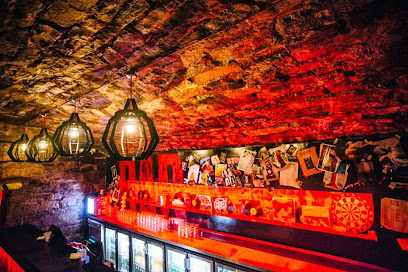
La Belle Angele
26.1 km
Edinburgh’s intimate nightclub and live music venue blending historic charm with vibrant themed nights and diverse performances.
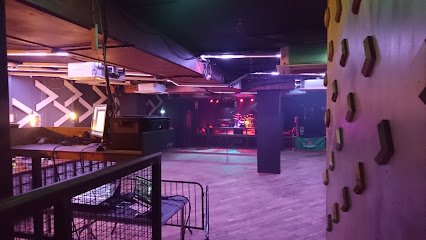
The Mash House
26.1 km
A vibrant Edinburgh nightclub and live music venue blending folk, electronic, and techno in a lively, casual setting.

Sneaky Pete's
26.3 km
Intimate live music and club nights in Edinburgh’s Old Town, where emerging talent meets vibrant nightlife.
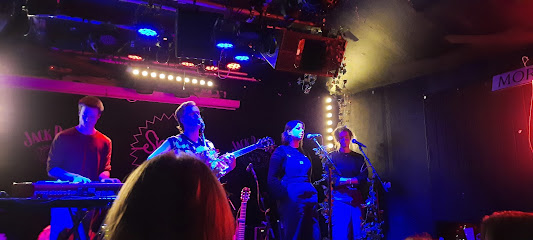
Legends
26.3 km
Edinburgh’s only 24/7 rock nightclub, Legends pulses with raw energy and live alternative music in the heart of Cowgate.
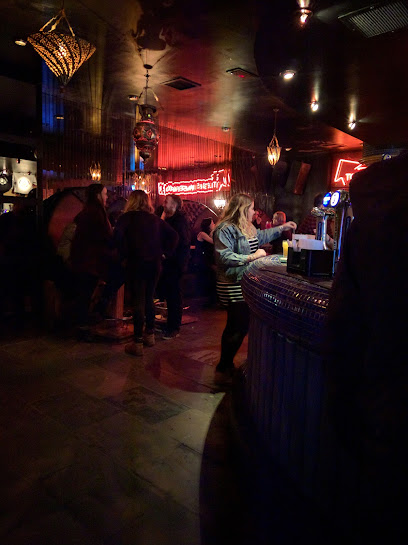
The Bongo Club
26.4 km
Edinburgh’s underground hotspot blending eclectic music, live art, and a vibrant late-night scene in the historic Old Town.
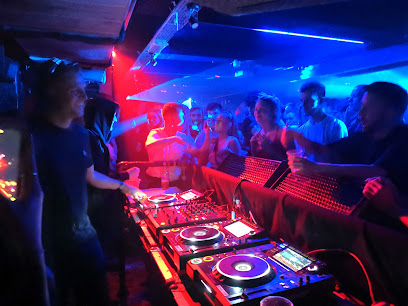
The Liquid Room
26.5 km
Edinburgh's multi-level nightlife gem: techno thumps, live gigs, and warehouse vibes on historic Victoria Street.
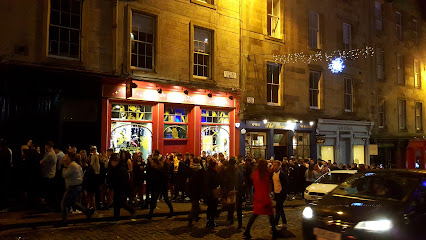
Why Not Nightclub
26.6 km
Edinburgh's multi-award-winning late-night haven with LED immersion, garden vibes, and non-stop beats on George Street.
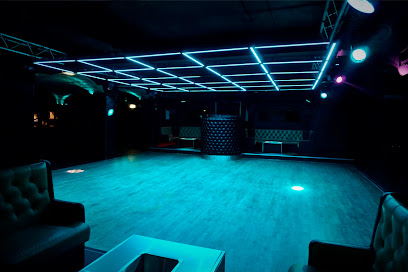
Shanghai Nightclub
26.6 km
Edinburgh's Oriental nightlife den: Asian decor, themed beats, VIP vibes, and non-stop energy on George Street.
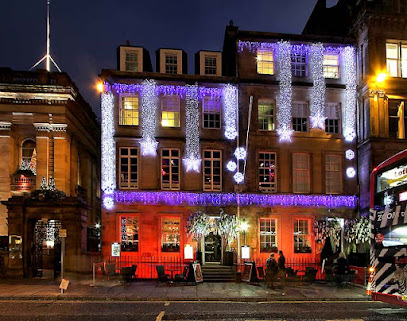
El Barrio Latino
26.6 km
Edinburgh's sizzling Latin nightclub where salsa beats pulse through New Town nights, drawing dancers to its vibrant Hanover Street heart until the early hours.
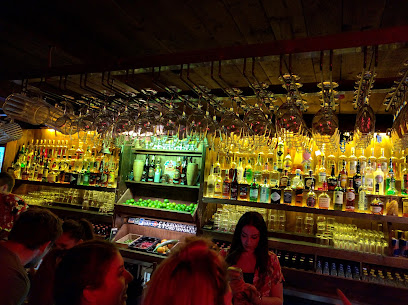
Garibaldi's
26.7 km
Edinburgh's tiniest nightclub packs the biggest late-night punch on Hanover Street, with killer margaritas and a dance floor that never quits till 3am.
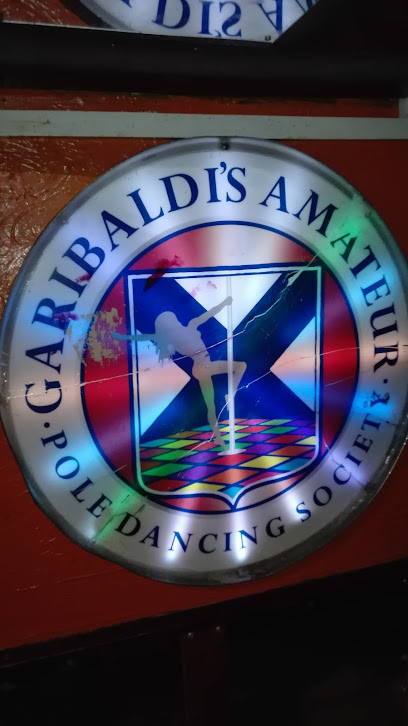
Opal Lounge
26.8 km
A stylish live music bar and nightclub in Edinburgh’s New Town, perfect for celebrations and vibrant nightlife.
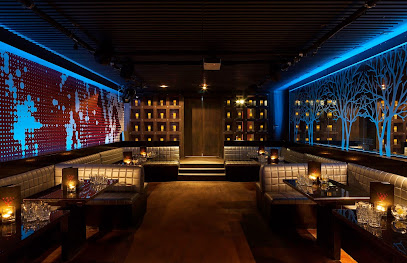
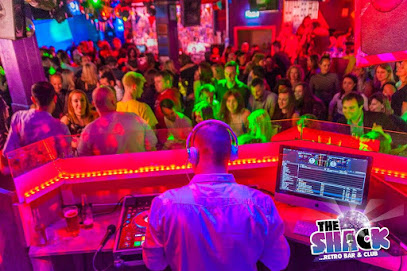
The Shack Retro Bar & Club
27.0 km
Edinburgh's retro dance den blasting 60s-90s hits amid quirky decor and sweaty dance floors—pure nostalgic escapism on Rose Street.
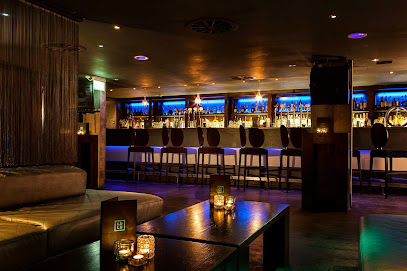
Lulu Bar and Nightclub
27.2 km
Edinburgh's George Street gem: chic cocktails, thumping beats, and dance floors that ignite the night in upscale style.
For the vibe & atmosphere seeker
- Tranquil
- Scenic
- Historic
- Relaxing
For the design and aesthetic lover
- Rustic Designs
- Vintage Styles
For the architecture buff
- Historic
- Landmarks
- Sacred Sites
For the view chaser and sunset hunter
- Iconic Views
For the social media creator & influencer
- Instagrammable
- Photo Spots
- Architectural Shots
For the eco-conscious traveler
- Protected Area
- Public-Transport Accessible
- Locally Managed
For the kind of experience you’re after
- Cultural Heritage
- Myth & Legends
- Photowalk
- Day Trip
- Weekend Getaway
For how adventurous you want the journey to be
- Easy Access
Location Audience
- Family Friendly
- Senior Friendly
- Child Friendly
- Teen Friendly
- Wheelchair Access
- Solo Friendly
- Couple Friendly
- Solo Female Friendly


