

Wogan Cavern Travel Guide
Free Guide: Explore Wogan Cavern, a vast natural cave beneath Pembroke Castle, where prehistoric history and medieval fortifications intertwine beneath Wales’ iconic fortress.


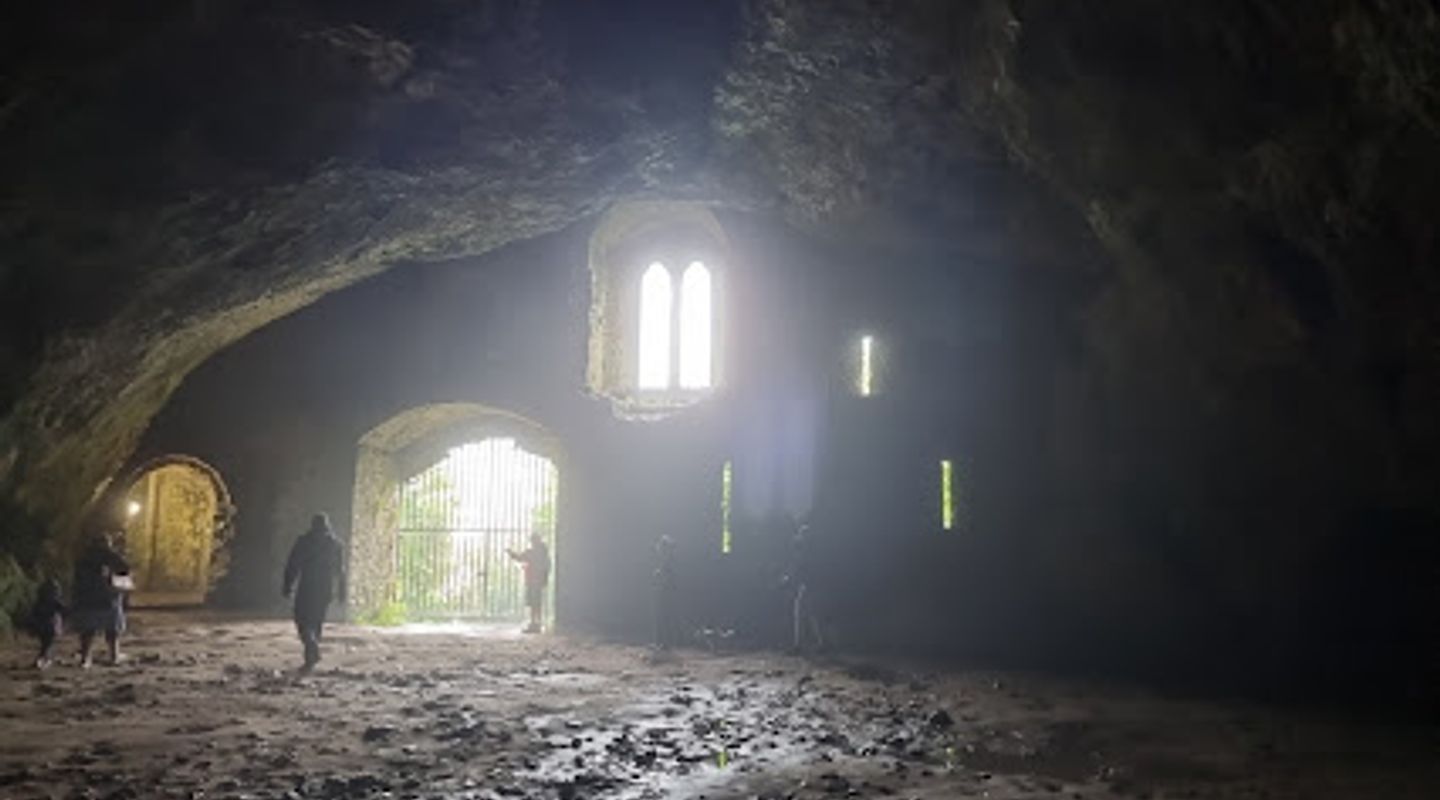
A brief summary of Wogan Cavern
Explore Wogan Cavern, a vast natural cave beneath Pembroke Castle, where prehistoric history and medieval fortifications intertwine beneath Wales’ iconic fortress.
Wogan Cavern is a vast natural limestone cave located beneath Pembroke Castle in Wales. Accessible via a 55-step spiral staircase inside the castle, this cavern has a rich history spanning from prehistoric human occupation to medieval strategic use. It features archaeological finds from the Ice Age and was historically fortified with arrow slits and a massive stone wall. The cavern offers a unique glimpse into both natural geological processes and human history beneath one of Wales’ most iconic castles.
On-site amenities
 Restrooms
 Drink options
 Food options
 Information boards
 Seating areas
- Address
- Castle Terrace, Pembroke SA71 4LA
Getting there
Public Bus
Car
Walking
Discover more about Wogan Cavern
A Remarkable Natural Formation Beneath a Historic Castle
Wogan Cavern is a large limestone cave formed by natural water erosion, situated directly beneath Pembroke Castle in Pembrokeshire, Wales. The cavern is accessible via a spiral staircase of 55 steps descending from the northern part of the castle. This natural subterranean chamber lies at river level and was historically enclosed by a massive stone wall featuring a large door, arrow slits, and fortifications. The cave’s unique position directly underneath a medieval fortress makes it a rare architectural and geological marvel in the United Kingdom.
Layers of Human History and Archaeological Significance
The cavern’s history stretches far beyond the medieval period. Archaeological excavations have revealed evidence of early Homo sapiens occupation dating back to the last Ice Age, including stone tools and animal bones. These findings position Wogan Cavern as one of Britain’s most important prehistoric sites. Excavations continue to uncover Mesolithic and Paleolithic artifacts, shedding light on the lives of ancient hunter-gatherers and possibly even earlier Neanderthal presence. The site offers a precious window into human prehistory and evolutionary history in Britain.
Medieval Strategic Use and Architectural Features
During the early 13th century, the castle’s owners fortified the cavern entrance, likely using it as a boathouse or sallyport to the river. This allowed for the direct loading and unloading of ships within the cave, a practical feature that enhanced the castle’s strategic importance. The arrow slits and massive stone wall provided defense, integrating the natural cave into the castle’s fortifications. This combination of natural and man-made elements highlights the ingenuity of medieval military architecture.
Natural Environment and Geological Context
Wogan Cavern is carved from limestone, a sedimentary rock prone to erosion by water, which formed the cavern over thousands of years. The cave’s proximity to the Pembroke River situates it within a dynamic natural landscape. The cavern’s environment preserves faunal remains including those of reindeer, woolly mammoths, and small mammals, which serve as important indicators of climatic and ecological shifts during the Late Pleistocene and early Holocene periods.
Visitor Experience and Cultural Importance
Today, visitors to Pembroke Castle can descend the spiral staircase to explore Wogan Cavern, experiencing a rare blend of natural wonder and deep history. The cavern complements the castle’s status as the largest privately owned castle in Wales and the birthplace of Henry VII. Its archaeological significance and atmospheric setting beneath the fortress walls offer a captivating journey through time, from prehistoric eras to medieval power struggles.
Ongoing Research and Future Discoveries
Current archaeological projects at Wogan Cavern employ advanced excavation and ancient DNA analysis techniques, promising to reveal further insights into early human occupation and environmental history. Funded by institutions such as the Natural History Museum London, these studies continue to elevate Wogan Cavern’s profile as a key site for understanding Britain’s distant past. The potential for new discoveries remains high, making it a site of both historical reverence and scientific intrigue.
Evendo Review Centre
 Google
Guest reviews
Best time to go
Quietest: Jan, Feb & Dec · before 6am or at 10pm
Busy times are Evendo estimates for a typical year, to help you plan. Actual crowds vary with events, school holidays and the weather.
Explore Wogan Cavern on the map
A handpicked selection of must-see spots near Wogan Cavern, mapped for you.
Get your free copy of our complete guide to Wogan Cavern, delivered straight to you.
Everything on this page, from opening hours and how to get there to Eve’s tips and the best time to go, in one PDF you can read offline, print or share.
Already have an account? Sign in
Your Wogan Cavern guide is ready.
We'll send it to · Not you? Sign out

Getting your guide ready…
We are putting together a fresh copy of the Wogan Cavern guide. This can take up to a minute.
This can take a few moments. If your browser asks, choose Allow so the download can start. You'll find the guide in your Downloads folder.
Nothing happened? Download it again
Sorry, the guide is taking longer than usual. Please try again in a minute, or get it by email instead.
Other nearby places you may find interesting
The closest places of the same kind, if this one is not quite what you had in mind.
-
-
-
-
-


Swipe for more places
More to explore near Wogan Cavern

 Best experiences near Wogan Cavern
 Best hotels near Wogan Cavern
 Best landmarks near Wogan Cavern
 Best attractions near Wogan Cavern
 Best shops near Wogan Cavern
 Best restaurants near Wogan Cavern
 Best bars near Wogan Cavern
Do you manage this location?
Take control to get all the benefits, like improved information, better appearance, and stronger visibility across AI-powered discovery.
Explore more
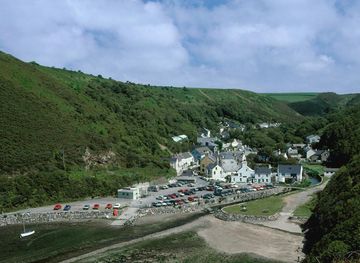
Explore more of Dyfed
Experience the natural beauty and rich history of Dyfed, Wales, where coastal charm meets cultural heritage in a breathtaking setting.
Explore Dyfed
Explore more of United Kingdom
Discover the United Kingdom: A blend of rich history, stunning landscapes, and vibrant cities, offering a unique travel experience for every visitor.
Explore United Kingdom
