

Lamphey Bishop's Palace: A Medieval Sanctuary of Welsh Bishops
Explore the tranquil ruins of Lamphey Bishop’s Palace, a medieval retreat showcasing the lavish lifestyle of Welsh bishops amid scenic Pembrokeshire countryside.
Lamphey Bishop's Palace, near Pembroke in Wales, is a striking medieval ruin that served as a country retreat for the bishops of St David’s from before the Norman Conquest until the Reformation. Built mainly in the 13th and 14th centuries, it features grand halls, a chapel with a notable east window, and extensive grounds including fishponds and orchards. This historic site offers a glimpse into the luxurious lifestyle of medieval church leaders amid tranquil Welsh countryside.
A brief summary to Llys yr Esgob Llandyfái / Lamphey Bishops Palace
- Bishops Palace, Pembroke, SA71 5NT, GB
- Visit website
- Duration: 1 to 3 hours
- Mid ranged
-
 Outdoor
- Mobile reception: 4 out of 5
- Monday 10 am-4 pm
- Tuesday 10 am-4 pm
- Wednesday 10 am-4 pm
- Thursday 10 am-4 pm
- Friday 10 am-4 pm
- Saturday 10 am-4 pm
- Sunday 10 am-4 pm
Local tips
- Visit during daylight hours between 10am and 4pm for the best experience and safety.
- Wear sturdy footwear as the grounds include uneven terrain and historic ruins.
- Bring a camera to capture the striking east window of the chapel and panoramic views of the estate.
- Check local transport schedules if arriving by bus or train, as services may be infrequent.
- Respect the site’s fragile condition by not climbing on ruins and following all safety signage.

For the on-the-go comforts that matter to you
- Information Boards
- Seating Areas
- Trash Bins
Getting There
-
Train
Take a train to Lamphey station on the Swansea-Carmarthen/Tenby/Pembroke Dock route. From the station, the palace is about 600 meters away, a 7-10 minute walk over mostly flat terrain. Train travel times vary by origin but typically range from 1 to 3 hours. Tickets cost approximately £10-£25 depending on starting point.
-
Bus
Bus routes 349 and 359 connect Tenby, Lamphey, Pembroke, and Haverfordwest. The stop near Lamphey Bishop's Palace is roughly 600 meters from the site. Bus journeys from nearby towns take 15-45 minutes. Tickets generally cost £3-£7 one way. Services run several times daily but check schedules for exact times.
-
Car
Driving from Pembroke or Tenby via the A4139 takes approximately 15-20 minutes. Parking near the palace is limited and may require walking a short distance on rural roads. Some narrow lanes and limited signage mean cautious driving is advised. No parking fees usually apply.
Llys yr Esgob Llandyfái / Lamphey Bishops Palace location weather suitability
-
 Any Weather
-
 Rain / Wet Weather
-
 Clear Skies
-
 Mild Temperatures
-
 Windy Conditions
Discover more about Llys yr Esgob Llandyfái / Lamphey Bishops Palace
A Retreat for Medieval Bishops
Lamphey Bishop's Palace was established as a residence for the bishops of St David’s well before the Norman Conquest, evolving into a favored country retreat by the 13th century. Primarily developed under Bishop Henry de Gower between 1328 and 1347, the palace was designed as a sanctuary from the burdens of Church and State. Unlike typical palaces, Lamphey offered a peaceful escape close to St Davids yet worlds apart from the austere life of the saint himself. The bishops enjoyed private chambers, a great hall for communal life, and extensive grounds for leisure and sustenance.Architectural Grandeur and Layout
The palace complex is arranged around two courtyards, with the Old Hall dating from the 13th century as its earliest surviving structure. Adjacent is the Western Hall, added in the late 13th century by Bishop Richard Carew. The site includes a striking central bell tower and a chapel renowned for its beautiful east window, which remains a highlight of the ruins. Traces of decorative plasterwork hint at the once richly adorned interiors. Large agricultural buildings such as a massive corn barn underline the estate’s wealth, supported by surrounding orchards, herb gardens, a deer park, and fishponds.Life and Legacy of the Bishops
The bishops of Lamphey lived in considerable comfort, supported by a well-managed estate that employed gardeners, servants, guards, and cooks. Their diet was supplemented by fish from the palace’s own ponds and fresh produce from the gardens. The palace’s significance extended beyond residence; it was a symbol of ecclesiastical power and wealth in medieval Wales. After the Reformation, the palace passed through private hands, suffered neglect, and was used as farm buildings before becoming a romantic ruin cherished for its historic ambiance.Historical Events and Later Use
Lamphey Bishop’s Palace witnessed significant historical moments, including use by Cromwell’s troops during the English Civil War. Ownership changes and the fall from grace of notable figures like the Earl of Essex contributed to its decline. Despite this, the ruins remain remarkably intact, with outer walls standing to full height in many places. Today, the site offers visitors a tangible connection to the medieval church’s influence and the lifestyle of its powerful prelates.Exploring the Grounds Today
Visitors to Lamphey can explore the extensive grounds, including the remains of halls, domestic ranges, and the chapel. The peaceful setting amid a 144-acre parkland invites reflection on the site’s former grandeur. Information boards provide context, while the surrounding Pembrokeshire countryside enhances the experience. Although the visitor centre is currently closed, the palace’s open grounds and evocative ruins offer a rich historical journey.Preservation and Visitor Experience
Managed by Cadw, the palace is monitored to ensure safety, particularly during adverse weather when stone dislodgement is a risk. Climbing on the ruins is discouraged due to safety concerns. The site is accessible year-round, open daily from 10am to 4pm, with last admission 30 minutes before closing. Its proximity to Pembroke and transport links make it an accessible destination for those interested in Welsh medieval history and architecture.Iconic landmarks you can’t miss

William Marshal Statue
3.8 km
Medieval England's greatest knight, immortalized in bronze below his castle stronghold.
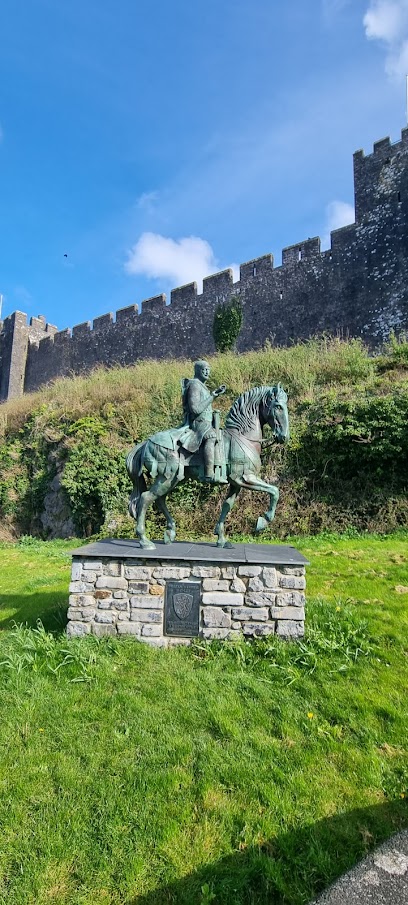
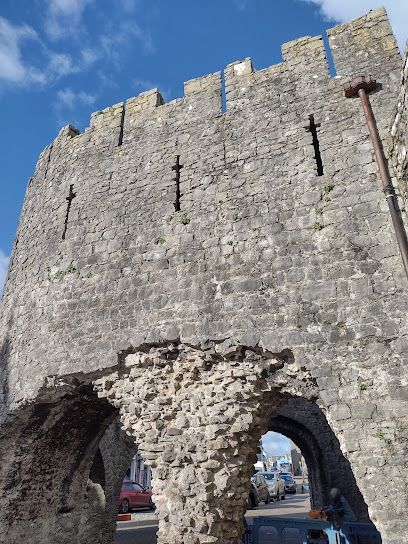
Tenby Town walls
11.4 km
Explore Tenby’s medieval town walls, a stunning coastal fortress that tells the story of centuries-old Welsh defense and heritage.
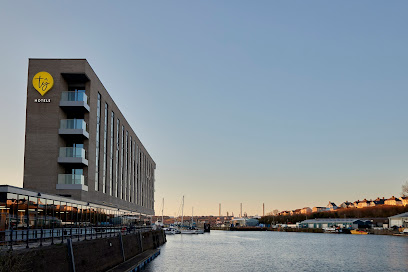
Imperial Hotel, Tenby
11.6 km
Historic hotel on Tenby’s ancient walls with stunning sea views, modern comforts, and a vibrant seaside dining experience.

Tŷ Milford Waterfront
12.8 km
Modern nautical charm meets stunning marina views at Tŷ Milford Waterfront, a stylish family-friendly hotel in scenic Milford Haven.
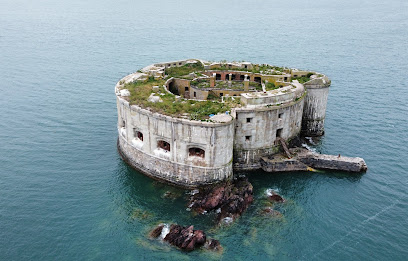
Stack Rock Fort
15.9 km
A formidable 19th-century island fortress guarding Wales’ Milford Haven, blending military history with rugged coastal beauty.
Llawhaden Castle
17.4 km
Explore the majestic Llawhaden Castle, a historical gem in Wales, offering breathtaking views and a journey through medieval heritage.
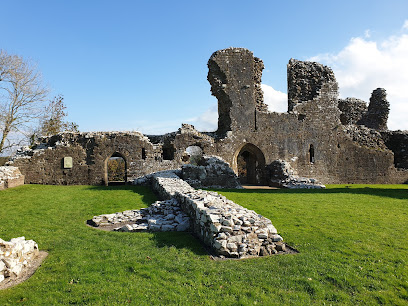
West Blockhouse Fort
20.1 km
A commanding 19th-century coastal fort perched on Pembrokeshire cliffs, blending rich military history with stunning sea views and heritage charm.
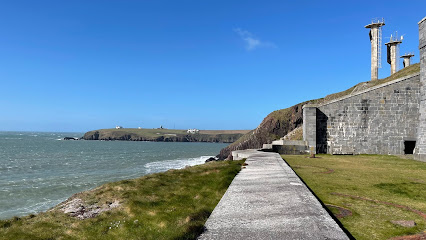
National Trust - The Point
20.2 km
Explore The Point at National Trust in Pembrokeshire, where stunning coastal views and serene walking paths await every traveler.
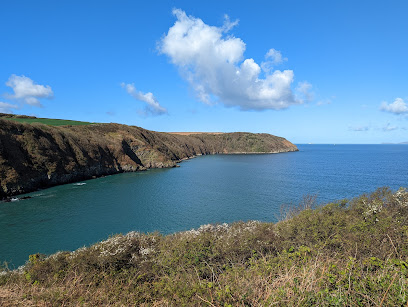
Broad Haven Beach
20.3 km
Experience the stunning beauty of Broad Haven Beach, a coastal paradise perfect for relaxation and adventure seekers in Pembrokeshire, Wales.
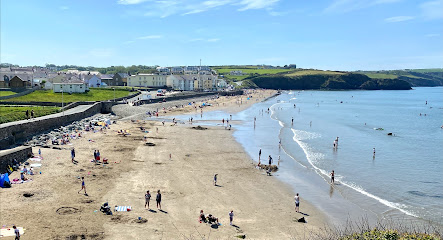
St Ann's Head Lighthouse
21.1 km
Discover the historic St Ann's Head Lighthouse on the Pembrokeshire Coast, where breathtaking views and rich maritime history await your exploration.

Scolton Manor
21.3 km
Explore Scolton Manor, a stunning country park and museum in Pembrokeshire, where nature meets history in a breathtaking setting.
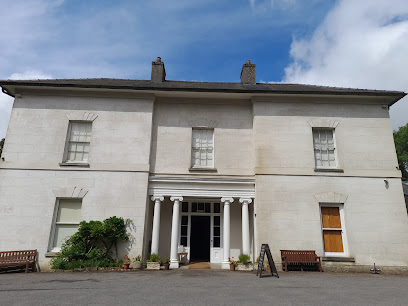
Pembrokeshire Coast National Park
22.0 km
Explore the breathtaking beauty of Pembrokeshire Coast National Park, where dramatic cliffs meet golden beaches, rich wildlife, and vibrant culture.
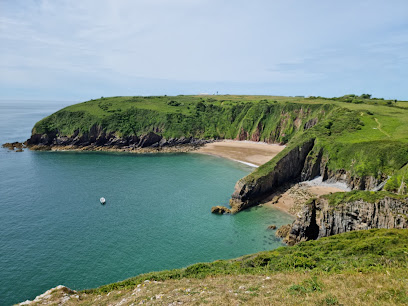
Druidston beach
22.6 km
Discover the serene beauty of Druidston Beach, a hidden gem in Pembrokeshire, perfect for relaxation, hiking, and breathtaking coastal views.
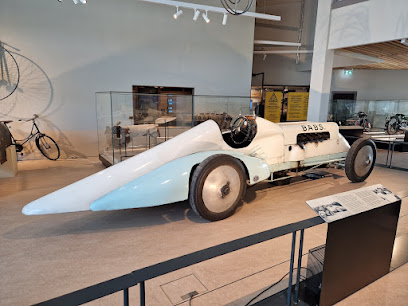
Museum of speed
22.9 km
Experience the exhilarating history of speed at the Museum of Speed in Pendine, where classic racing meets modern motorsport culture.
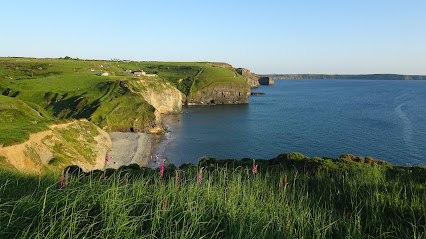
St Brides Haven
23.7 km
Explore the stunning coastal trails and serene beaches of St Brides Haven, a hidden treasure along Pembrokeshire's breathtaking coastline.
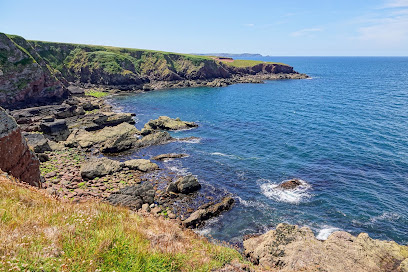
Unmissable attractions to see

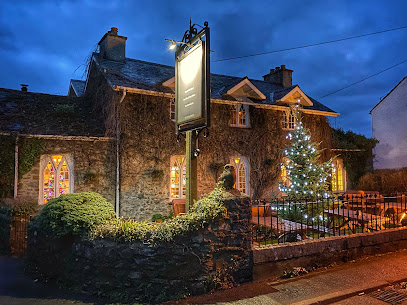
The Brewery Inn
3.0 km
A charming Pembrokeshire gastropub blending traditional warmth with modern, locally sourced cuisine in the heart of Cosheston.
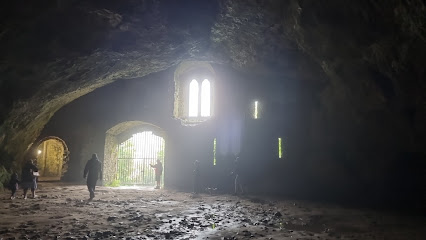
Wogan Cavern
3.6 km
Explore Wogan Cavern, a vast natural cave beneath Pembroke Castle, where prehistoric history and medieval fortifications intertwine beneath Wales’ iconic fortress.
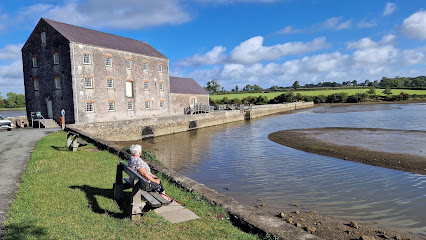
Carew Tidal Mill
3.7 km
Explore Wales’ only restored tidal mill, set beside historic Carew Castle and a scenic millpond in the heart of Pembrokeshire.
Pembroke Castle
3.7 km
Explore Pembroke Castle, a majestic Norman fortress and birthplace of the Tudor dynasty, offering rich history, stunning architecture, and immersive guided tours.
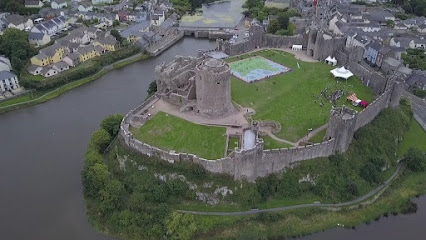
Upton Castle Gardens
3.8 km
Explore 35 acres of historic gardens, ancient woodland, and inspiring outdoor art surrounding a Norman castle in Pembroke Dock.
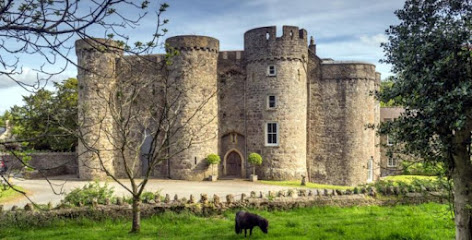
Monkton Old Hall
3.8 km
Step into Pembroke’s medieval past at Monkton Old Hall, a beautifully preserved 14th-century guesthouse with Norman roots and rich monastic heritage.
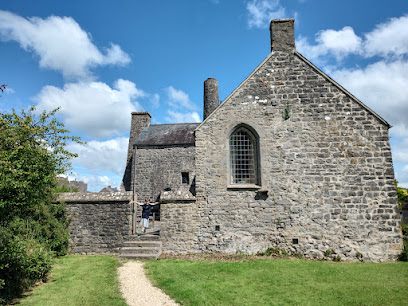
Carew Castle & Tidal Mill
3.9 km
Explore over 2,000 years of Welsh history at Carew Castle & Tidal Mill, a unique blend of medieval fortress and historic tidal mill beside a scenic millpond.
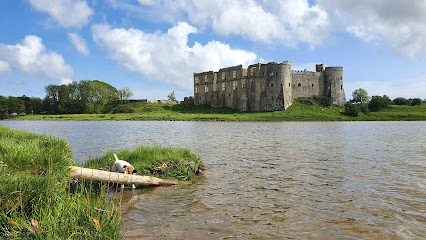
Carew Cross
4.0 km
Explore Carew Cross, a stunning historical landmark in Pembrokeshire, where rich heritage meets serene landscapes, perfect for history lovers and nature enthusiasts.
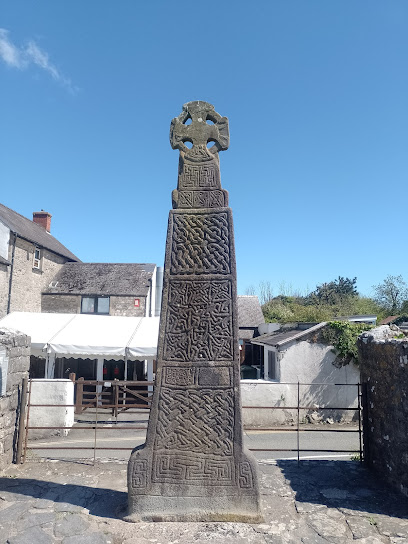
Manorbier Castle
5.5 km
Discover Manorbier Castle, a stunning 11th-century Norman fortress perched on cliffs with breathtaking sea views and rich Welsh history.
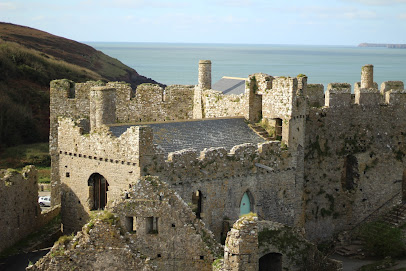
National Trust - Cleddau Woodlands
5.6 km
Explore tranquil ancient woodlands and vibrant estuary habitats rich in wildlife and heritage along the scenic Cleddau waterways.
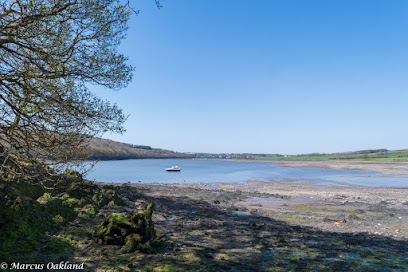
The Pembrokeshire Coast National Park
5.7 km
Britain’s only coastal national park, offering 186 miles of rugged cliffs, sandy beaches, wildlife, and outdoor adventures in stunning West Wales.
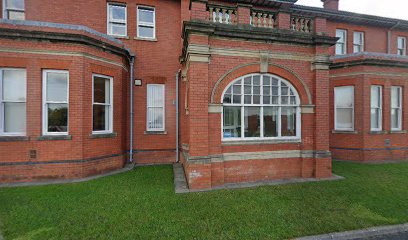
Pembrokeshire Coast National Park Authority
5.7 km
The administrative heart of Wales’ stunning coastal National Park, safeguarding nature, heritage, and visitor experiences.
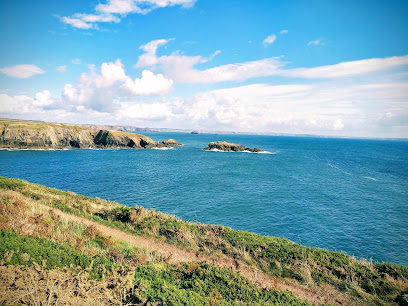
Stackpole Quay
5.8 km
A serene harbour and gateway to stunning coastal walks and beaches within Pembrokeshire Coast National Park.
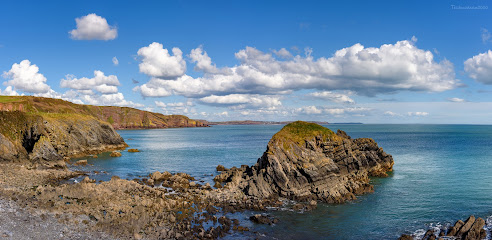
Maritime Museum
5.8 km
Discover Pembrokeshire’s rich maritime heritage through engaging exhibits and passionate volunteer guides at the West Wales Maritime Museum.
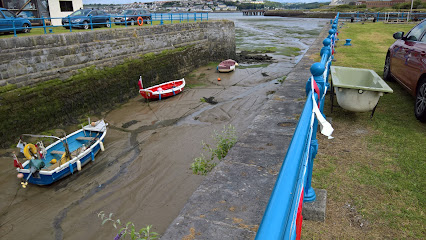
National Trust - Stackpole
6.1 km
Explore 3,000 acres of coastal beauty, historic gardens, and wildlife-rich landscapes at the iconic Stackpole Estate in Pembrokeshire.
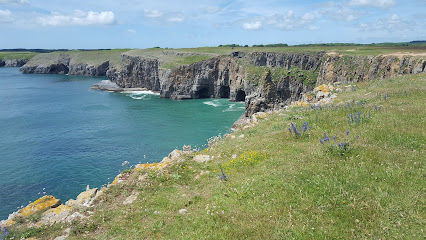
Essential places to dine

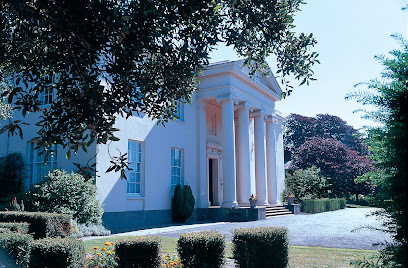
Best Western Lamphey Court Hotel & Spa
0.2 km
Elegant Georgian country house hotel with spa, pool, and tennis courts set in the Pembrokeshire Coast National Park’s stunning natural surroundings.
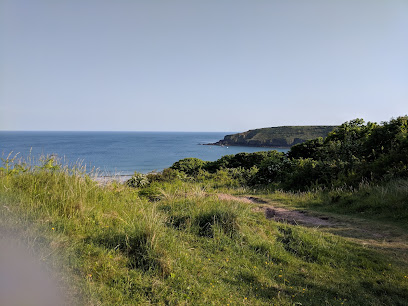
The Freshwater Inn
2.5 km
A relaxed coastal pub near Freshwater East beach, serving hearty local food, sea views, and a warm welcome to dogs and families alike.
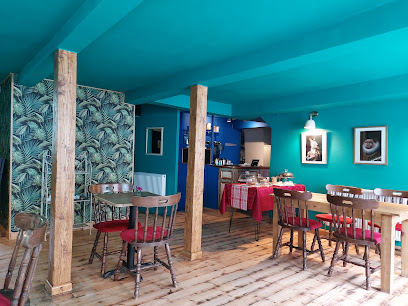
Cafe ROSE
3.4 km
Experience authentic Turkish and Mediterranean cuisine in the heart of historic Pembroke at the family-run Cafe ROSE.
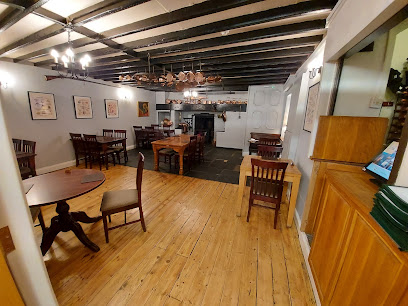
Old Kings Arms Hotel & Bar
3.5 km
Historic charm meets hearty Welsh hospitality in the heart of Pembroke, steps from the castle and coast.
Watermans Arms
3.5 km
A charming family-friendly pub by Pembroke’s millpond offering home-cooked food, quality drinks, and scenic castle views in a warm atmosphere.
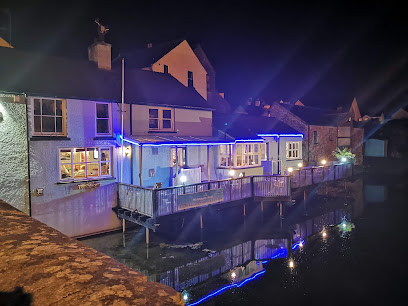
The Stackpole Inn
5.6 km
Historic coastal inn offering cozy rooms and acclaimed local cuisine amid Pembrokeshire’s stunning natural beauty.
Jolly Sailor
5.7 km
Historic riverside pub with stunning estuary views, hearty British fare, family-friendly spaces, and a welcoming atmosphere in Milford Haven.
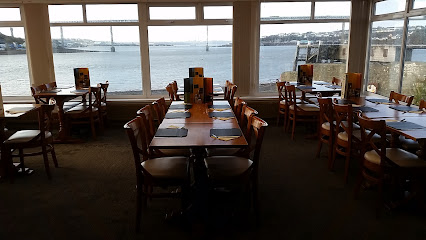
The Ferry Inn, Pembroke Dock
5.7 km
Experience delightful cuisine with stunning harbor views at The Ferry Inn in Pembroke Dock, where local flavors meet warm Welsh hospitality.
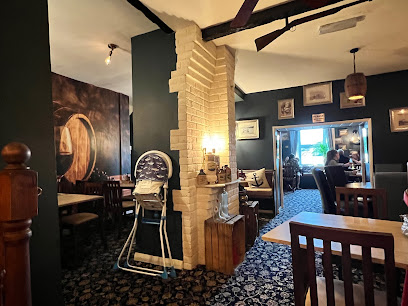
The Swan Inn
6.0 km
Authentic Welsh hospitality and hearty fare in the heart of Pembroke Dock's bustling port town.
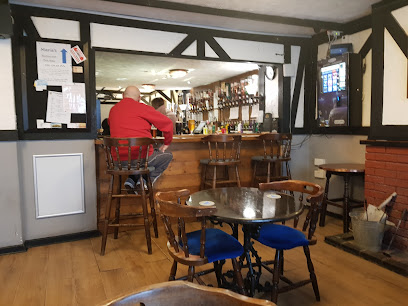
The Shipwright Inn
6.1 km
Charming waterfront pub and cozy inn in Pembroke Dock serving local flavors with warm hospitality and scenic harbor views.
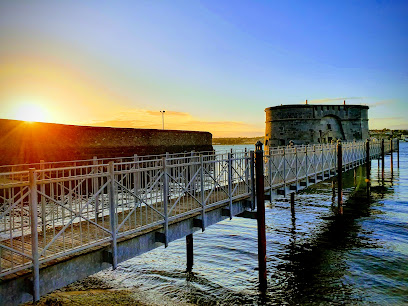
The Alumchine Restaurant
6.7 km
Savor fresh British seafood and classic dishes with stunning waterfront views at Neyland’s charming Alumchine Restaurant.
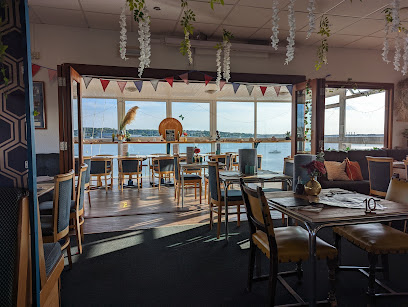
Paternoster Farm
7.9 km
Rustic farm-to-table dining in Pembrokeshire’s countryside, where seasonal menus and natural wines celebrate local flavors in a converted milking parlour.
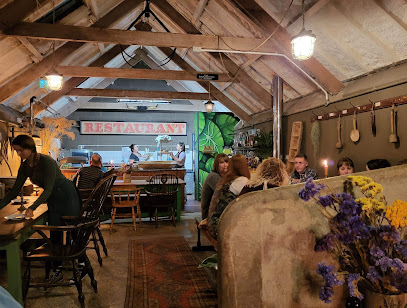
Ferry House Inn
8.0 km
A family-run inn in Hazelbeach offering cozy rooms, fresh local cuisine, and stunning estuary views in the heart of Pembrokeshire.
Rhosyn Restaurant at Penally Abbey
10.0 km
Experience refined modern British tapas in the historic elegance of Penally Abbey’s charming Rhosyn Restaurant.
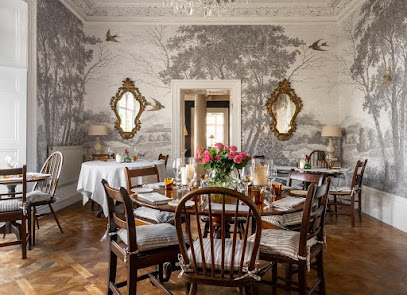
Penally Abbey
10.0 km
Historic country house hotel and restaurant with stunning Carmarthen Bay views, blending rich heritage and boutique luxury near Tenby.
Markets, malls and hidden boutiques

The Room
3.0 km
Discover unique local crafts and heartfelt stories at The Room, Pembroke’s charming boutique gift shop on Main Street.

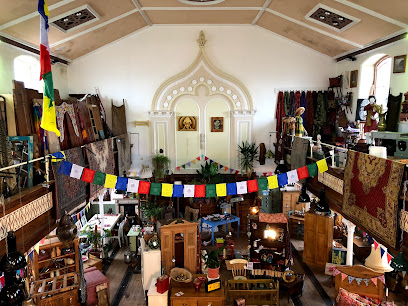
The Chapel Emporium
3.1 km
Explore Pembroke’s charming Chapel Emporium, a vintage lover’s paradise filled with antiques, retro fashion, and artisanal crafts in a historic setting.
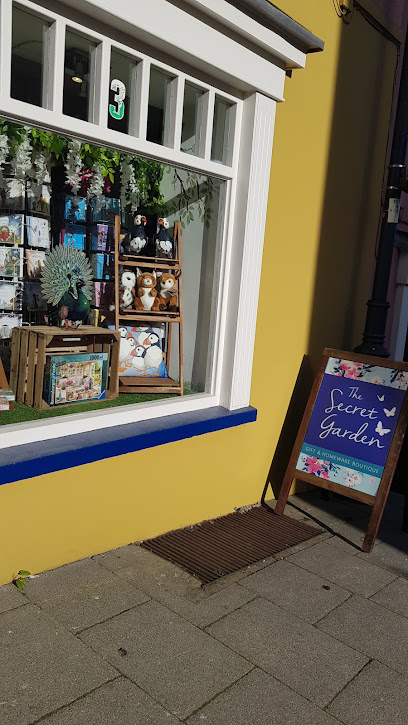
The Secret Garden Home & Gift Boutique
3.6 km
Discover unique gifts and homewares in a charming boutique nestled in the historic heart of Pembroke, Wales.
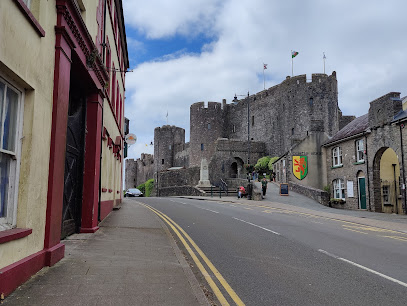
Pembroke Castle Shop Ltd
3.6 km
Discover unique local gifts and enjoy refreshments within the historic Pembroke Castle grounds at Pembroke Castle Shop Ltd.
Pembrokeshire Retail Park
5.1 km
A convenient and well-equipped retail hub in Pembroke Dock offering diverse shops and ample parking for locals and visitors alike.
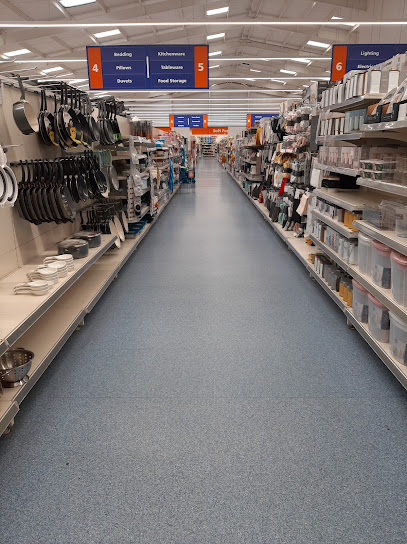
Something Different
5.6 km
Discover unique gifts and collectibles at Something Different, a charming boutique in the heart of Pembroke Dock.
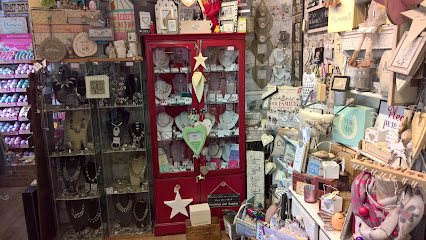
ManCavePembs
7.1 km
Explore ManCavePembs for unique gifts and souvenirs in Neyland, Milford Haven—where creativity meets local charm for an unforgettable shopping experience.
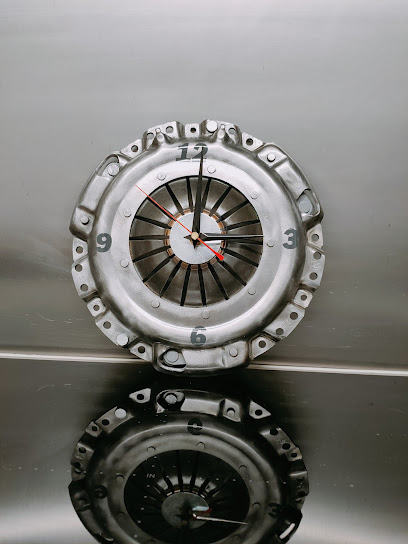
The Welsh Gift Shop
11.5 km
Discover authentic Welsh crafts and heritage treasures in the heart of Tenby at The Welsh Gift Shop.
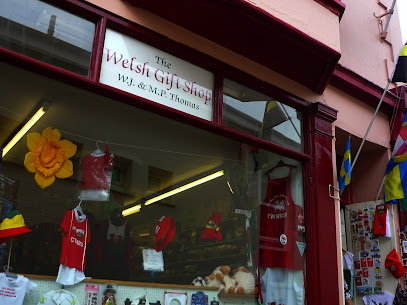
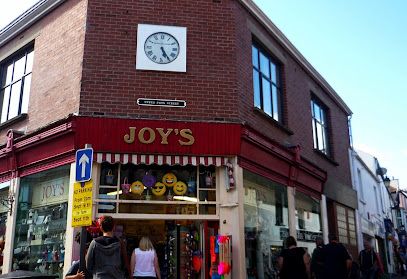
Joys Of Tenby
11.5 km
Explore Joys Of Tenby, a charming gift shop offering unique souvenirs that capture the essence of this beautiful coastal town.
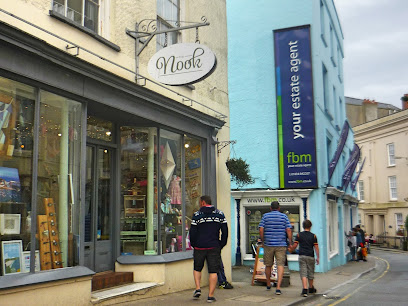
The Nook
11.7 km
Discover handcrafted treasures and unique gifts in Tenby’s charming boutique, The Nook, where local artistry meets coastal inspiration.
Hector’s Cards & Gifts
12.1 km
Discover heartfelt Welsh gifts, unique cards, and warm hospitality at Hector’s Cards & Gifts in Milford Haven’s historic antique shop.

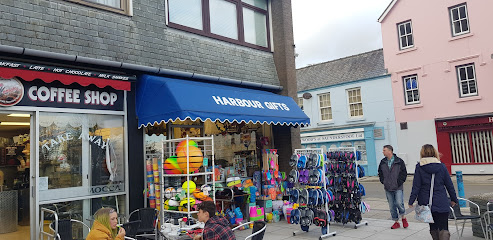
Harbour Gifts
12.4 km
Discover unique local crafts and coastal treasures at Harbour Gifts, Saundersfoot’s charming boutique for memorable souvenirs.
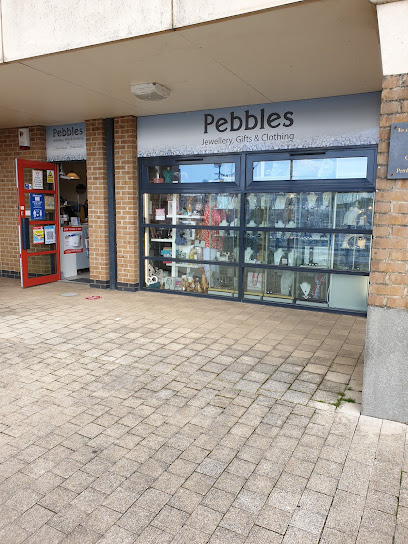
Pebbles
12.4 km
Handpicked jewellery, gifts, and clothing in a vibrant waterfront setting.
The Cheeky Sheep
12.4 km
Discover unique handcrafted gifts and original artwork in the charming setting of Milford Haven Marina’s The Cheeky Sheep.

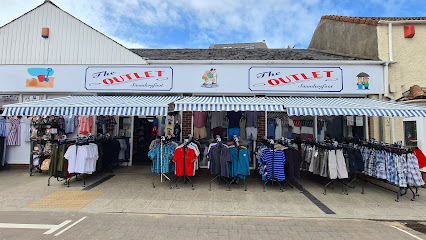
The Outlet
12.5 km
Discover stylish bargains and coastal charm at The Outlet, Saundersfoot’s premier clothing shop on The Strand.
Essential bars & hidden hideouts

OUT Clubs
3.5 km
Experience Pembroke’s vibrant nightlife at OUT Clubs, where lively music and a welcoming crowd create unforgettable evenings on Main Street.
OUT VIP Cocktail Lounge and Night Venue
3.5 km
Experience Pembroke’s premier cocktail lounge and night venue with sophisticated drinks and an upscale atmosphere on Main Street.

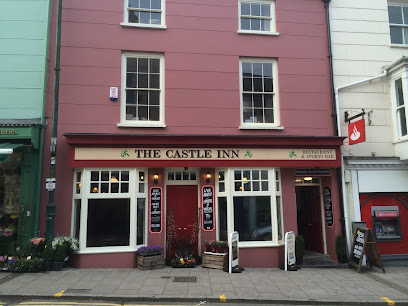
The Castle Inn
3.5 km
A charming historic pub in Pembroke offering hearty meals, local ales, and a warm Welsh welcome just steps from Pembroke Castle.
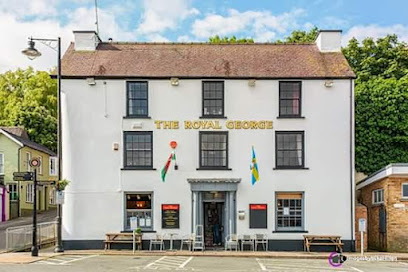
Royal George
3.6 km
Traditional Welsh pub on Pembroke’s quay offering hearty fare, warm hospitality, and historic charm near the iconic castle.
First & Last
4.9 km
A cozy and traditional pub in Pembroke Dock offering hearty British fare, local ales, and a welcoming community atmosphere.
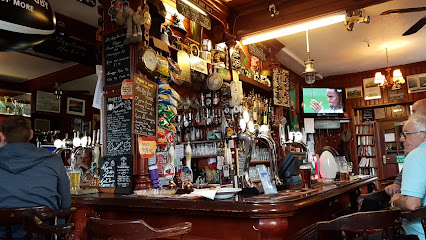
The Prince of Wales Pembroke Dock
5.5 km
A welcoming traditional pub in Pembroke Dock offering hearty meals, friendly service, and a lively local atmosphere.
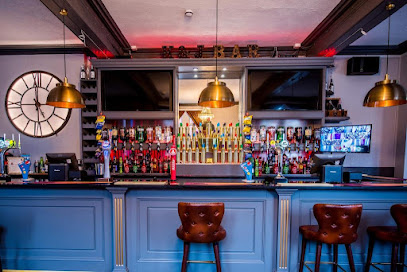
The Star Club
5.5 km
A lively bar in Pembroke Dock where vibrant nights come alive with music, drinks, and community spirit.
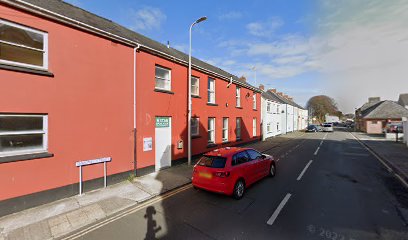
Y Cerrig Glas
5.8 km
A family-friendly pub in Pembroke Dock offering classic British dishes, play areas for kids, and a welcoming atmosphere for all ages.
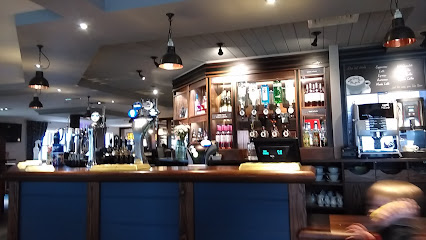
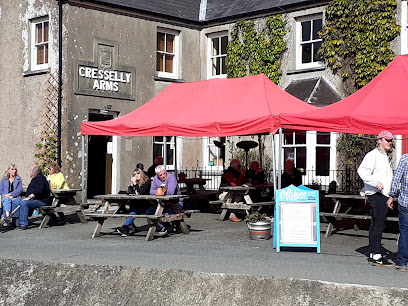
Cresselly Arms
6.6 km
A charming waterside pub in Cresswell Quay offering hearty fare and scenic estuary views in a relaxed, rustic setting.
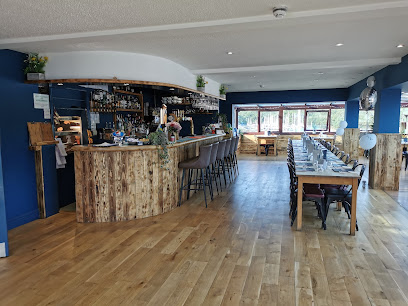
The Bar
6.7 km
A vibrant waterfront bar and seafood restaurant with stunning marina views and a welcoming atmosphere in Neyland, Pembrokeshire.
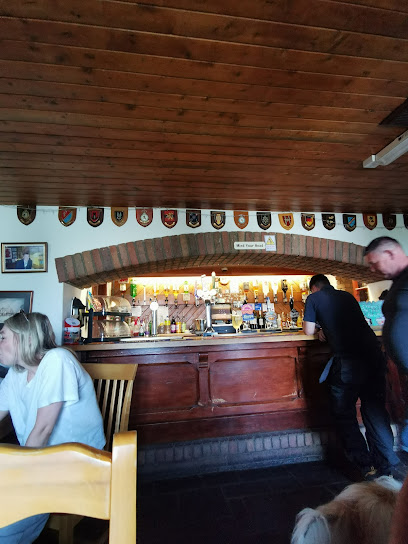
Cross Inn
10.0 km
Cozy Welsh pub in Penally offering hearty meals, friendly service, dog-friendly spaces, and scenic outdoor views near Tenby.
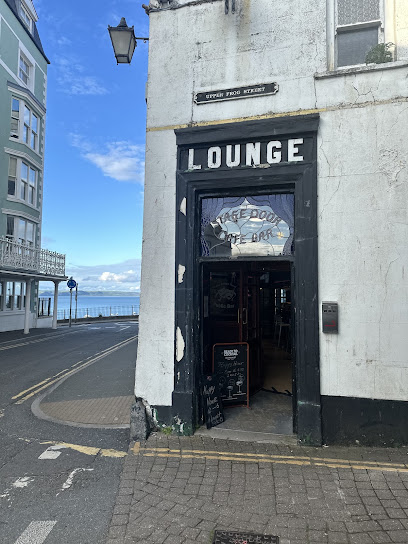
Stage Door Bar
11.4 km
A quirky, movie-themed bar in Tenby offering friendly service, great music, and a cozy atmosphere filled with cinematic memorabilia.
Twisted Shamrock
11.5 km
A lively Irish pub in Tenby’s Town Wall Arcade, offering karaoke, cocktails, and a fun night out in a cozy, spirited setting.
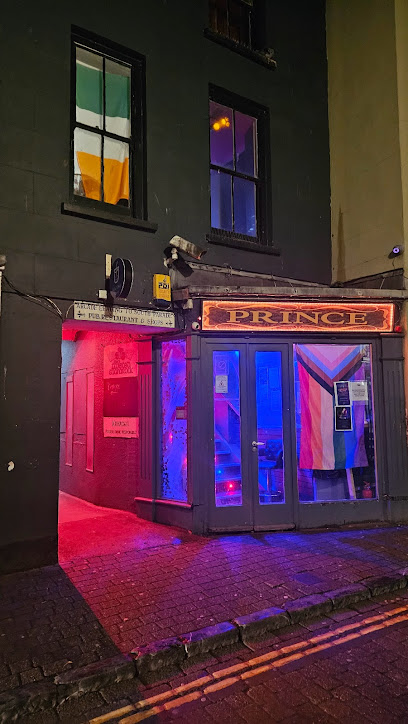
The Bush Inn
11.5 km
A cozy, historic pub nestled in Tenby’s medieval walls, offering friendly vibes, local ales, and a genuine Welsh drinking experience.
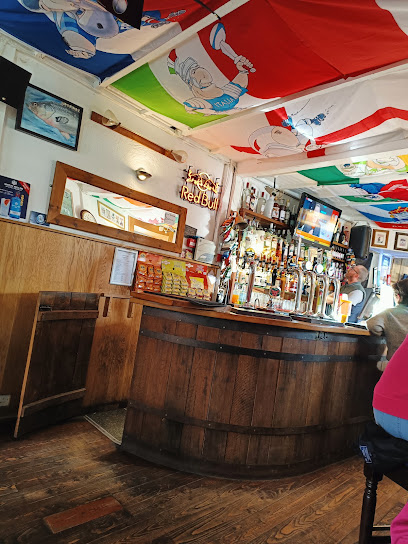
The Cove
11.5 km
A vibrant gastropub in Tenby offering quality food, lively events, and a welcoming atmosphere on the historic High Street.
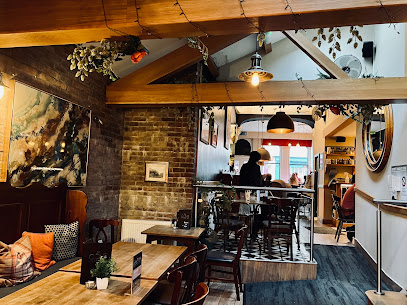
Nightclubs & after hour spots

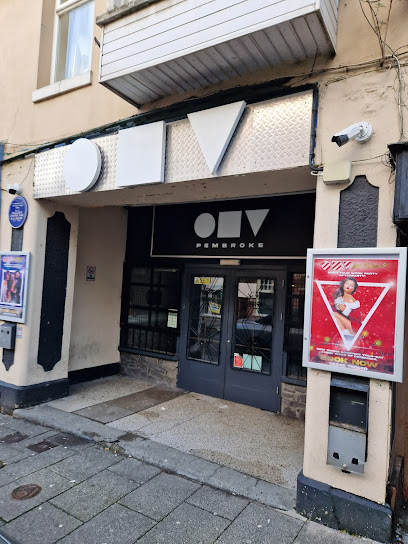
Paddles
3.5 km
Experience Pembroke’s vibrant nightlife at Paddles, the go-to nightclub for late-night music, drinks, and social energy in the town center.
Comlongon
6.3 km
Experience vibrant nightlife in the charming village of St Florence with Comlongon, Tenby’s energetic nightclub gem.
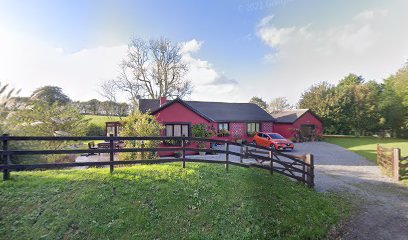
Prince Of Wales
11.5 km
Tenby’s iconic late-night nightclub blending lively music, classic charm, and a spirited atmosphere in the heart of Town Wall Arcade.
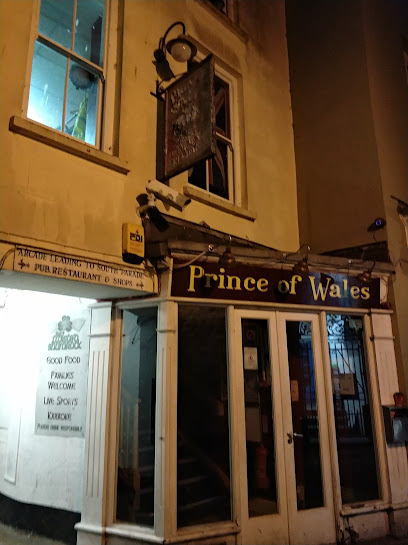
Sands Nightclub
12.3 km
Saundersfoot’s lively nightclub with dance, drinks, and a vibrant atmosphere near the beach.

Boulevard Show Bar
12.6 km
Experience vibrant cabaret, live shows, and lively nightlife at Boulevard Show Bar, Milford Haven’s premier entertainment venue.
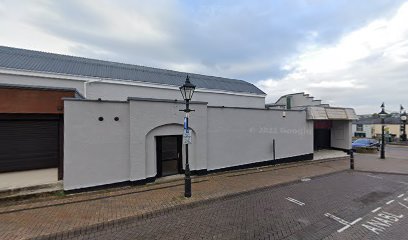
The Basement
12.7 km
Discover the energetic nightlife of Milford Haven at The Basement, where music, dancing, and vibrant gatherings create unforgettable experiences.
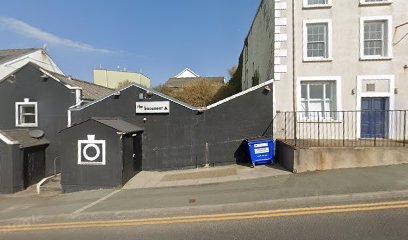
Eddie Rocks
16.0 km
A vibrant multi-floor nightclub in Haverfordwest offering energetic nights, diverse music, and a welcoming atmosphere by the waterfront.

Savannah's Night Club
43.4 km
Experience Carmarthen’s vibrant nightlife at Savannah's Night Club—where music, dance, and stylish vibes create unforgettable Saturday nights.
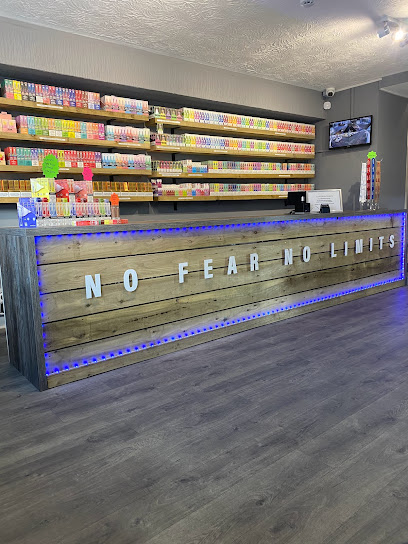
Lucifer's Nightlife
43.8 km
Experience Carmarthen's vibrant nightlife and fast food fusion at Lucifer's Nightlife, where music, dancing, and late-night bites come alive on Queen Street.
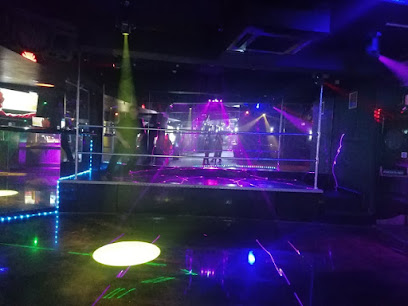
Albion Aberteifi
47.5 km
Discover the charm of Albion Aberteifi, where historic ambiance meets modern hospitality along the beautiful River Teifi.
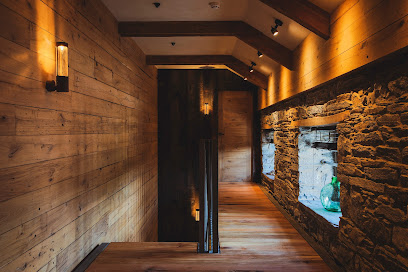
The Grosvenor
47.6 km
Traditional Welsh pub with riverside views, hearty food, and a welcoming atmosphere in the heart of Cardigan town centre.
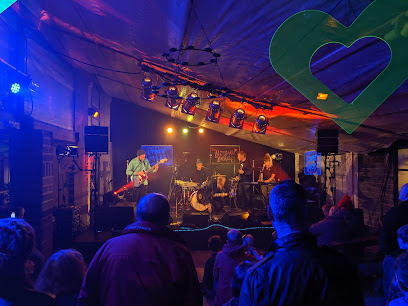
The Cellar
47.7 km
Discover the heart of Cardigan's music scene at The Cellar – where live performances and local culture collide.
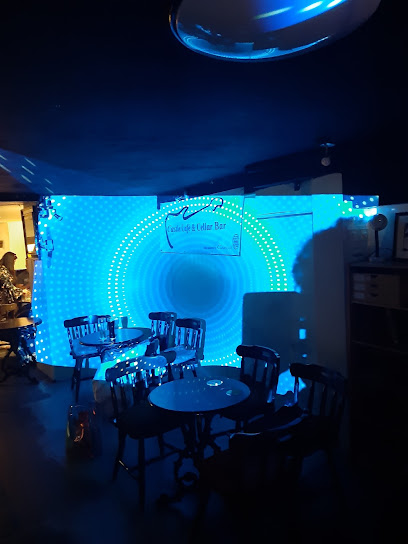
Bar 45
47.8 km
Discover the vibrant atmosphere of Bar 45 in Cardigan, where local ales, cocktails, and live music create unforgettable experiences.

The Cliff Hotel & Spa
51.1 km
Discover unparalleled relaxation and coastal beauty at The Cliff Hotel & Spa, where luxury meets adventure in Cardigan, Wales.
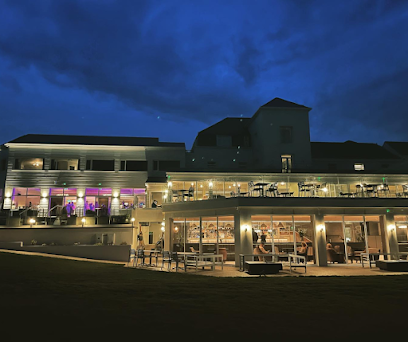
The Rainbow Rooms Bar & Club
57.4 km
Experience lively nights and vibrant music at The Rainbow Rooms Bar & Club, Gorseinon’s premier destination for unforgettable nightlife.

For the vibe & atmosphere seeker
- Tranquil
- Scenic
- Historic
- Relaxing
For the design and aesthetic lover
- Rustic Designs
- Vintage Styles
For the architecture buff
- Historic
- Landmarks
- Sacred Sites
- Heritage Neighborhoods
For the view chaser and sunset hunter
- Iconic Views
- Panoramas
- Sunset Spots
For the social media creator & influencer
- Instagrammable
- Photo Spots
- Architectural Shots
For the eco-conscious traveler
- Protected Area
- Public-Transport Accessible
- Leave-No-Trace Critical
- Locally Managed
For the kind of experience you’re after
- Cultural Heritage
- Photowalk
- Nature Escape
- Day Trip
- Weekend Getaway
For how adventurous you want the journey to be
- Easy Access
Location Audience
- Family Friendly
- Senior Friendly
- Child Friendly
- Teen Friendly
- Wheelchair Access
- Pet Friendly
- Solo Friendly
- Couple Friendly
- Solo Female Friendly


