
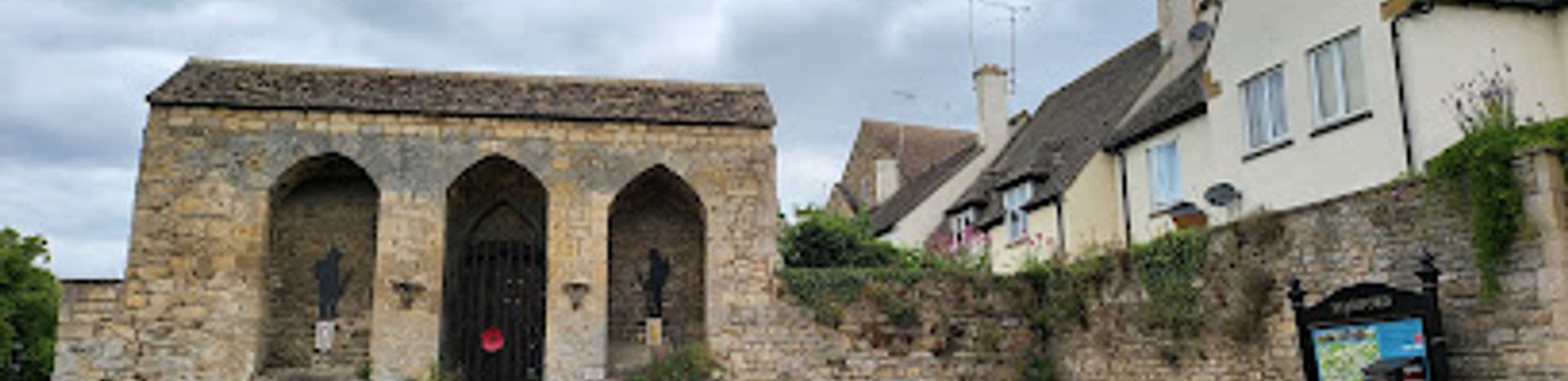
Stamford Castle: Echoes of Norman Legacy in Lincolnshire
Discover the Norman heritage and medieval echoes at Stamford Castle, a historic motte and bailey fortress nestled in the heart of Lincolnshire.
Stamford Castle, a Norman motte and bailey fortress built shortly after 1066, stands as a historic landmark in Stamford, Lincolnshire. Once a formidable medieval stronghold overlooking the Welland valley, it fell into ruin by the 14th century with only a fragment of the hall remaining today. The castle's earthworks were largely leveled in the 1930s for urban development, but its rich history and archaeological remnants offer a glimpse into England's Norman past.
A brief summary to Stamford Castle
- 15 Warrenne Keep, Stamford, PE9 2NX, GB
- Duration: 0.5 to 1.5 hours
- Free
-
 Outdoor
- Mobile reception: 4 out of 5
Local tips
- Visit the surviving east section of the hall to see the only standing remains of the castle.
- Explore nearby Stamford town center for additional historical sites and charming architecture.
- Bring a camera to capture the subtle earthworks and the surrounding Welland valley views.
- Check local resources for guided tours or historical talks about Stamford Castle’s Norman origins.

For the on-the-go comforts that matter to you
- Information Boards
- Seating Areas
- Trash Bins
Getting There
-
Train and Walk
Take a train to Stamford railway station from nearby cities such as Peterborough or Grantham. From the station, it is a 15-20 minute walk through the town center to Stamford Castle. The walk is on paved streets with gentle inclines and is suitable for most visitors.
-
Bus Service
Local bus routes connect Stamford with surrounding villages and towns. Use the bus to arrive at the town center near Sheepmarket, then walk approximately 5 minutes to the castle site. Bus frequency varies, so check schedules in advance. Tickets cost around £2-£5.
-
Car Access
Driving to Stamford Castle is possible with parking available in public car parks within the town center, such as the Sheepmarket car park. Parking fees typically range from £1 to £3 per hour. The castle site is a short walk from parking areas. Note that some streets are pedestrianized.
Stamford Castle location weather suitability
-
 Any Weather
-
 Rain / Wet Weather
-
 Clear Skies
-
 Mild Temperatures
Discover more about Stamford Castle
Foundations of Power: The Norman Conquest and Castle Construction
Stamford Castle was constructed soon after the Norman Conquest of 1066 as part of William the Conqueror’s strategy to consolidate control over England. It was a motte and bailey design, typical of early Norman fortifications, situated strategically on the crest and slope of the Welland valley south of Stamford’s Sheepmarket area. The Domesday Book of 1086 records that five houses were demolished to make way for this castle, underscoring its significance in reshaping the town’s landscape and asserting Norman dominance.Medieval Stronghold and Decline
Throughout the 12th and 13th centuries, Stamford Castle served as a key defensive and administrative site. It endured two sieges during the mid-12th century civil wars and was continually modified to address structural challenges caused by unstable ground and earlier quarrying. By 1340, however, the castle was described as old and decayed, with its walls crumbling and buildings of little value. The complex included a great hall, chapel, turret, prison house, and a solar chamber, reflecting its multifaceted role in medieval life.From Ruin to Remnant: The Castle’s Later Years
By the 16th century, most of Stamford Castle had fallen into ruin, with only the east section of the hall remaining in use as the Court Leet until the 19th century. This surviving fragment is the sole visible remnant of the once extensive castle complex. In the 1930s, the motte—the earth mound that formed the castle’s defensive core—was leveled to make way for a bus station, erasing much of the physical footprint but revealing archaeological features such as a circular rubble structure and 12th-century ashlar walls.Architectural Evolution and Archaeological Insights
The castle’s hall range, dating from the 12th century, was extensively altered over time, adapting to the unstable ground beneath. Archaeological excavations uncovered a group of small buildings beneath the hall, possibly a bakery, and revealed the transformation of the hall into a single-aisled structure with an arcade leading to a screens passage. These findings illustrate the castle’s continuous remodeling to meet functional needs and environmental challenges.Stamford’s Historical Context and Legacy
Stamford itself is a town rich in history, with Roman and Anglo-Saxon roots and a medieval heritage that includes its castle as a focal point of power. The castle’s presence influenced the town’s development and witnessed significant historical events, including local conflicts during the English Civil War. Today, the site is a quiet reminder of Stamford’s Norman past, nestled within a modern urban setting yet still evoking the echoes of medieval England.Visiting Stamford Castle Today
Though much of the original structure is lost, visitors can appreciate the historical significance of Stamford Castle through the remaining hall section and interpretive plaques. The site’s location near the town center makes it accessible for those interested in England’s medieval heritage, offering a tangible connection to the Norman conquest and its enduring impact on the landscape and society.Iconic landmarks you can’t miss

Stamford Castle
0.0 km
Discover the Norman heritage and medieval echoes at Stamford Castle, a historic motte and bailey fortress nestled in the heart of Lincolnshire.
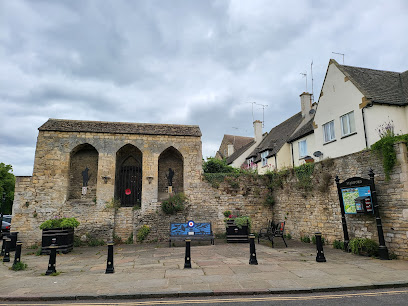
St Leonard's Priory, Stamford
1.2 km
Discover the serene beauty and rich history of St Leonard's Priory in Stamford, a captivating medieval gem waiting to be explored.
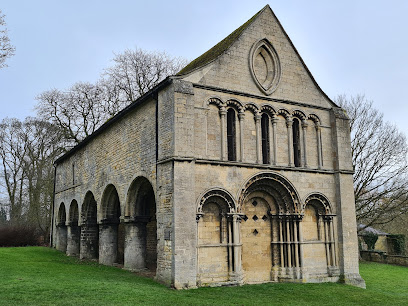
English Heritage - Apethorpe Palace
11.5 km
Explore the enchanting Apethorpe Palace, a historical landmark showcasing England's rich heritage and stunning Tudor architecture.
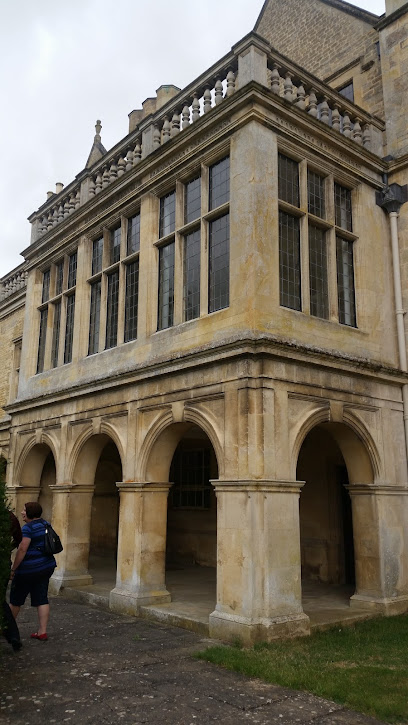
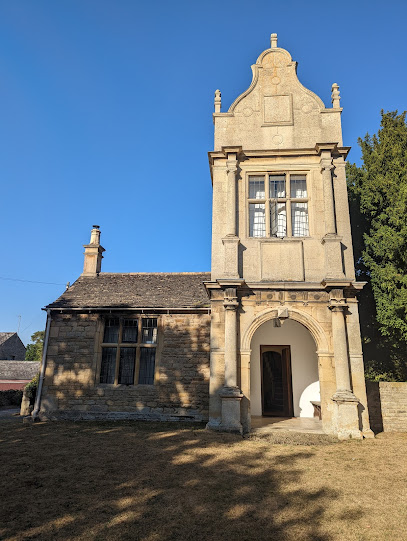
Lynch Lodge
15.2 km
Step into history at Lynch Lodge, a beautifully preserved Georgian porch and unique holiday let nestled in the tranquil village of Alwalton near Peterborough.
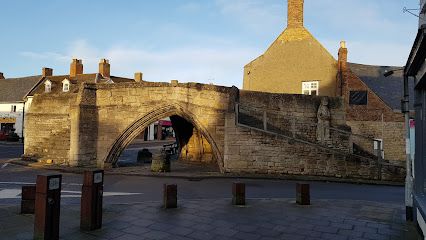
Trinity Bridge
21.3 km
A unique 14th-century three-way stone bridge in the heart of Crowland, once spanning two rivers, now a striking medieval monument in the town centre.
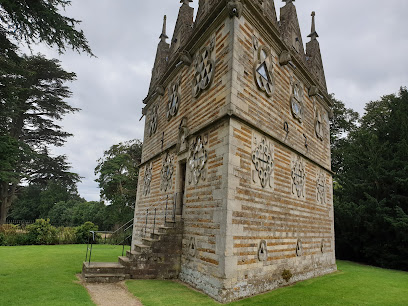
Rushton Triangular Lodge
31.0 km
Explore the architectural wonder of Rushton Triangular Lodge, a unique heritage building steeped in history and stunning design.
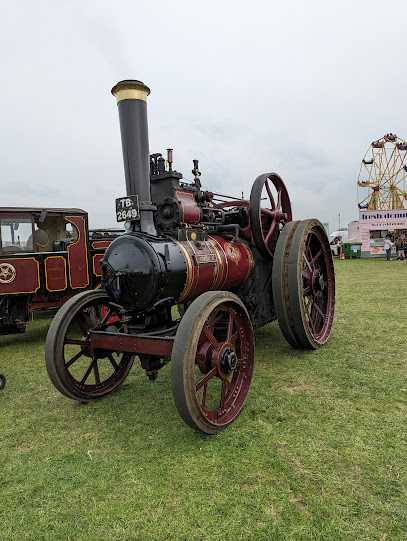
East Midlands Steam and Country Show
38.0 km
Experience the rich heritage and vibrant culture at the East Midlands Steam and Country Show, where steam engines meet delicious local food and crafts.
Sleaford Castle
38.7 km
Explore the evocative ruins of Sleaford Castle, a medieval fortress steeped in centuries of ecclesiastical history and local heritage.
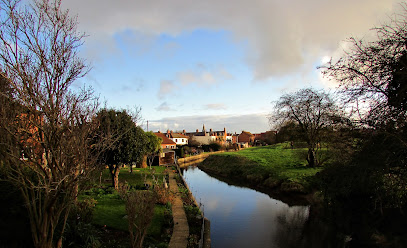
The Warren House
39.4 km
A rare 17th-century timber-framed warrener’s cottage offering historic charm and scenic views over Kimbolton Castle in tranquil rural surroundings.
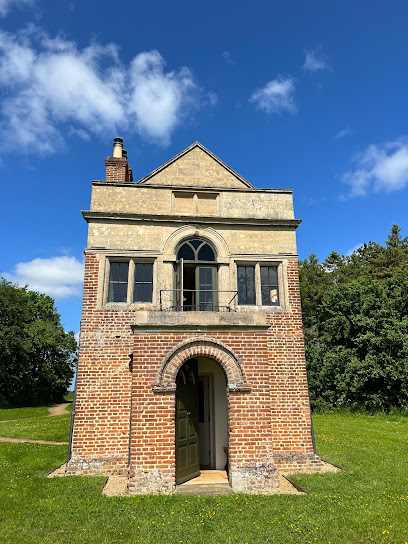
The George
40.9 km
A historic Huntingdon coaching inn with a traditional pub, hearty food, and a long connection to local history and Oliver Cromwell.

Buckden Towers
42.5 km
Uncover the rich history and serene beauty of Buckden Towers, a historical landmark that offers a glimpse into England's past.
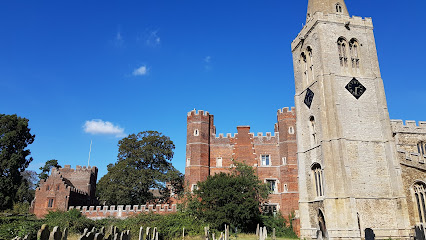
National Trust - Peckover House and Garden
43.0 km
Explore the enchanting Peckover House and Garden, a historic gem in Wisbech featuring stunning Georgian architecture and vibrant gardens.
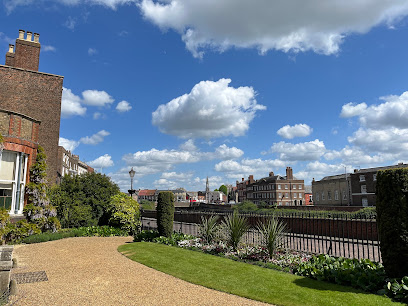
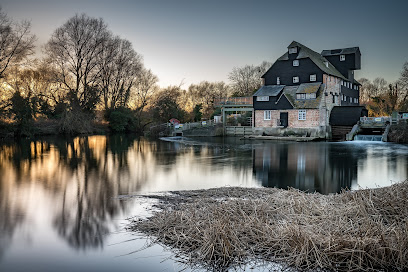
National Trust - Houghton Mill & Waterclose Meadows
43.2 km
Explore the historic charm of Houghton Mill & Waterclose Meadows, a scenic escape filled with nature, history, and delightful riverside walks.
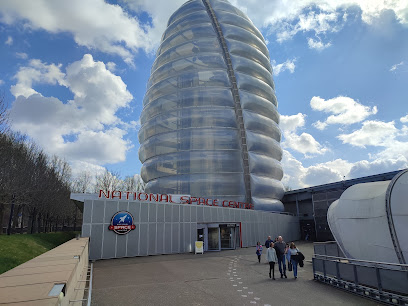
National Space Centre
43.8 km
Discover the wonders of the universe at the National Space Centre, where interactive exhibits and the largest planetarium in the UK await your exploration.
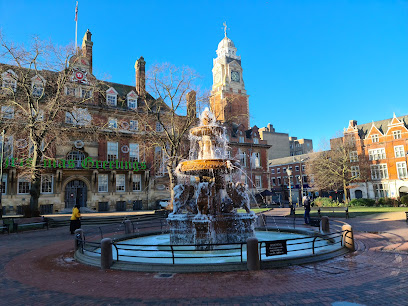
Town Hall Square Fountain
43.9 km
Discover the charming Town Hall Square Fountain in Leicester, a captivating blend of history, culture, and serene beauty in the city's vibrant heart.
Unmissable attractions to see

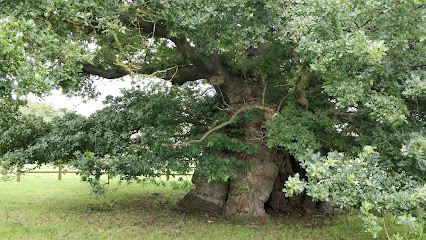
Bowthorpe Oak
9.2 km
Discover the ancient majesty of the Bowthorpe Oak, the UK’s largest girth oak, set within a charming family farm in Lincolnshire’s tranquil countryside.
Normanton Church
9.5 km
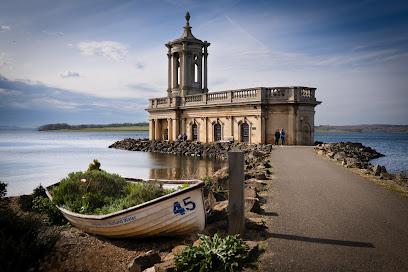
A captivating lakeside church blending historic elegance with stunning waterside views, renowned for its unique preservation and romantic wedding setting.
Wing Maze
13.8 km
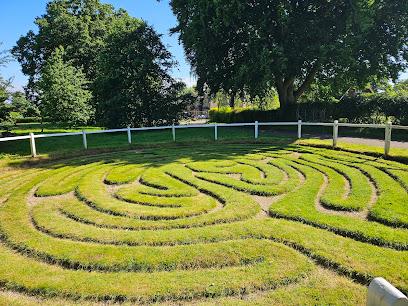
Explore Wing Maze, a rare medieval turf labyrinth in Rutland, offering a unique blend of history, spirituality, and tranquil countryside charm.
Elton Hall and Gardens
15.2 km
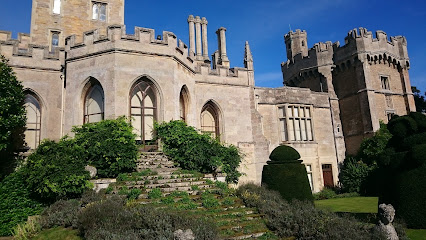
Discover the enchanting blend of medieval, Gothic, and Victorian heritage at Elton Hall and its award-winning gardens near Peterborough.
Grimsthorpe Castle Park & Gardens
15.9 km
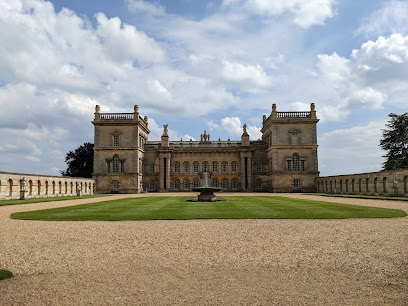
Explore centuries of history, art, and nature at Grimsthorpe Castle Park & Gardens, a majestic estate with elegant gardens and vast wildlife-rich parkland.
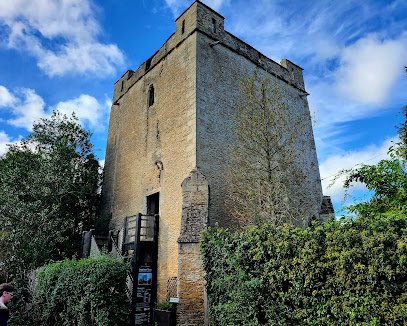
English Heritage - Longthorpe Tower
15.9 km
Explore Longthorpe Tower’s stunning 14th-century medieval murals and immerse yourself in one of England’s finest historic treasures.
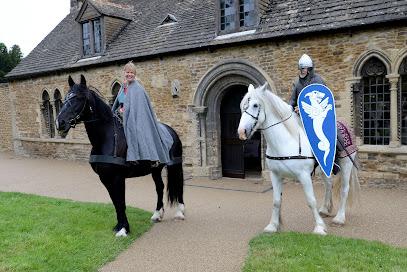
Oakham Castle
16.7 km
Explore Oakham Castle, a historical gem in Oakham, featuring stunning architecture, beautiful grounds, and enriching cultural experiences.
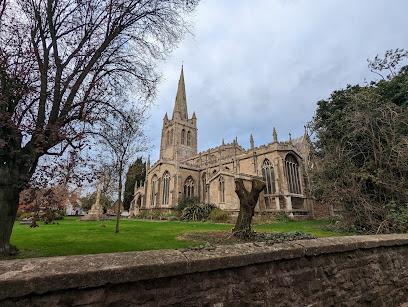
All Saints Church : Oakham
16.8 km
Explore the historic All Saints Church in Oakham, a stunning Anglican church rich in history and architectural beauty, perfect for a serene visit.
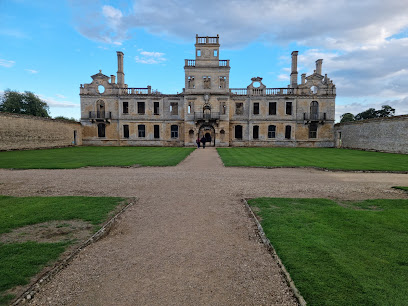
Kirby Hall
17.5 km
Explore the majestic Elizabethan Kirby Hall, a stunning blend of Renaissance architecture and tranquil gardens in Northamptonshire.
Lyddington Bede House
18.1 km
Explore a rare medieval bishop’s palace turned almshouse, rich with Tudor craftsmanship and centuries of English heritage in the charming village of Lyddington.
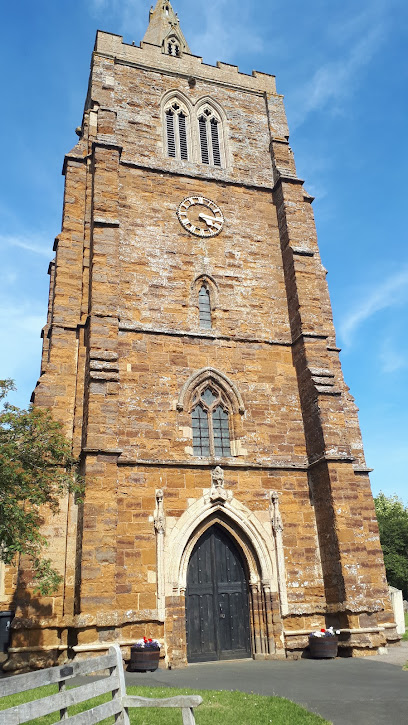
National Trust - Woolsthorpe Manor
20.2 km
Explore the birthplace of Sir Isaac Newton and discover the origins of gravity in this historic Lincolnshire manor with interactive science exhibits.
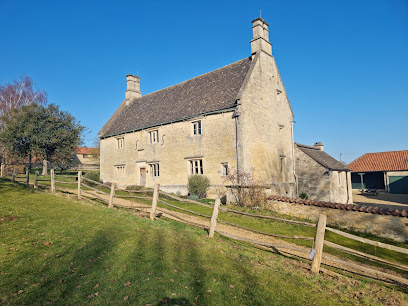
Flag Fen Archaeology Park
21.5 km
Explore 3,500-year-old Bronze Age mysteries and immersive reconstructions at Flag Fen Archaeology Park near Peterborough.
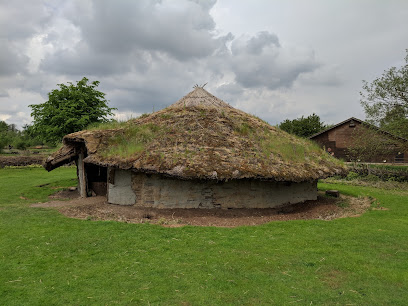
Easton Walled Gardens
22.1 km
Discover the historic charm and seasonal beauty of Easton Walled Gardens, a tranquil haven near Grantham blending heritage and horticulture.

Holme Fen National Nature Reserve
24.4 km
Explore Britain’s lowest land point and the largest silver birch woodland in lowland Europe, a tranquil haven for wildlife and nature lovers.
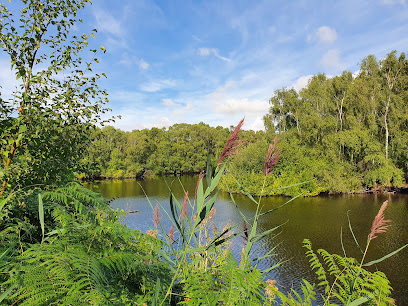
Ayscoughfee Hall Museum and Gardens
26.9 km
Medieval hall with five centuries of history set in five acres of heritage gardens featuring an 18th-century ice house and Lutyens memorial.
Essential places to dine

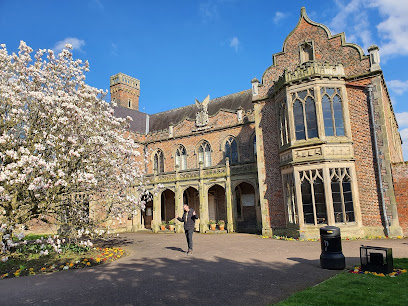
Six Bells
9.7 km
A charming village pub and boutique inn offering refined British cuisine, cozy rooms, and warm hospitality in Witham on the Hill.
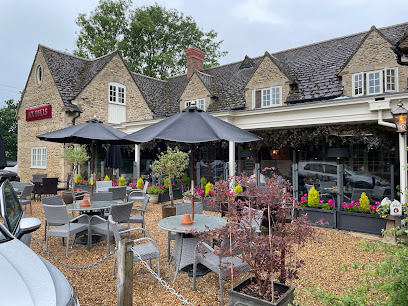
Hambleton Hall
12.5 km
Michelin-starred country house hotel on Rutland Water, where Victorian elegance meets contemporary comfort.
The Pheasant, Keyston
31.7 km
A charming thatched country pub in Keyston offering traditional British cuisine, warm hospitality, and a cozy rural atmosphere.
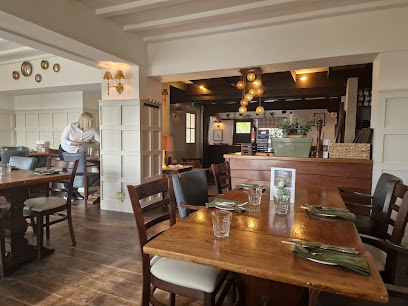
The Manor Hotel & Pub
34.7 km
A charming traditional British pub and hotel in Alconbury offering hearty meals, cozy rooms, and genuine hospitality.
The Elm
35.5 km
A charming gastro pub in Abbots Ripton offering quality British cuisine in a historic, welcoming setting.
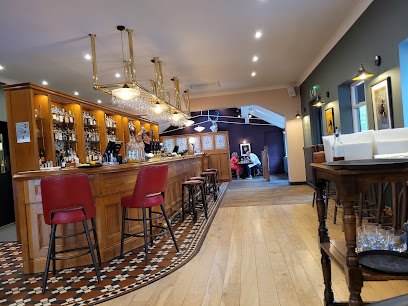
Restaurant Jericho
37.4 km
Farm-to-table fine dining in the heart of Nottinghamshire’s countryside, where rustic charm meets innovative cuisine.
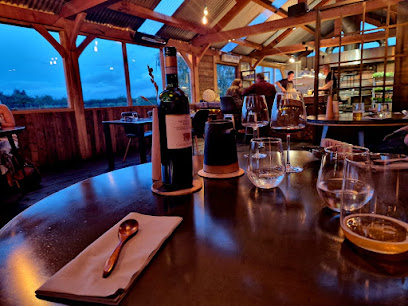
The White Horse at Tilbrook
38.2 km
Historic English village pub with cozy charm, scenic beer garden, and beloved British cuisine in Tilbrook’s countryside.
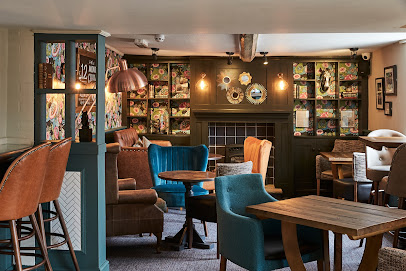
The Crown Inn
38.5 km
Historic British gastropub in Broughton offering traditional classics and a warm, authentic country pub atmosphere.
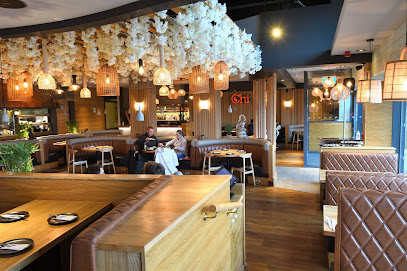
Chi Huntingdon
39.1 km
Experience vibrant South East Asian flavors in a modern, elegant setting at Chi Huntingdon, a culinary highlight in Cambridgeshire’s Sapley area.
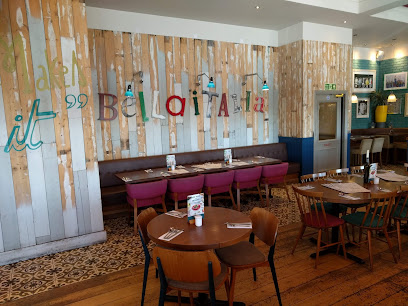
Bella Italia - Huntingdon
39.1 km
Authentic Italian flavors and warm service combine in a family-friendly setting at Bella Italia Huntingdon.
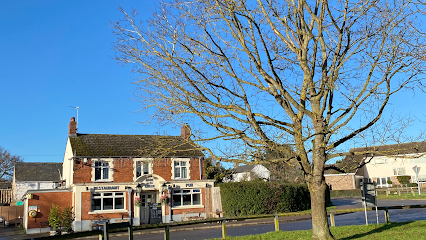
Hare on the Green
40.1 km
A warm, traditional gastropub on Brampton’s village green, serving modern British food, local ales, and a friendly local atmosphere.
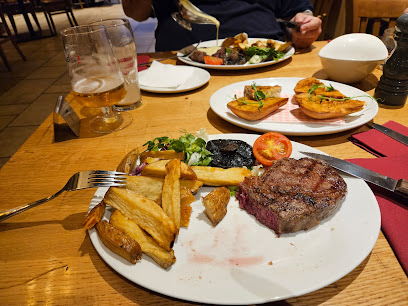
The Steak House
40.3 km
A classic British steakhouse in Old Hurst serving expertly cooked steaks in a warm, welcoming village setting.
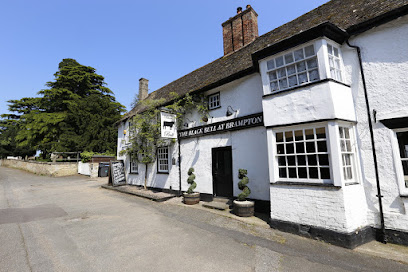
The Black Bull at Brampton
40.8 km
A 16th-century traditional village pub in Brampton serving freshly cooked British meals with a welcoming atmosphere and lively events.
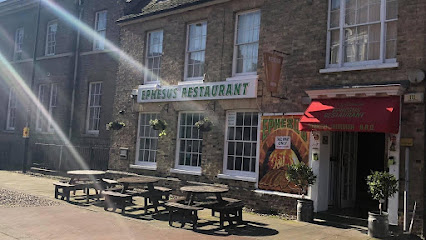
Hill Ephesus Restaurant
40.9 km
Experience authentic Turkish cuisine and warm hospitality in the heart of Huntingdon’s historic Market Hill.
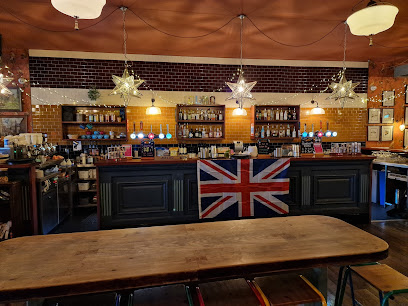
Olmo Lounge
41.0 km
A vibrant, inclusive dining spot on Huntingdon’s High Street offering diverse British and vegan-friendly cuisine in a stylish, relaxed setting.
Markets, malls and hidden boutiques

Unique Boutique Ltd
29.9 km
Discover Unique Boutique Ltd, a charming clothing shop offering personalized fashion finds in the historic market town of Melton Mowbray.
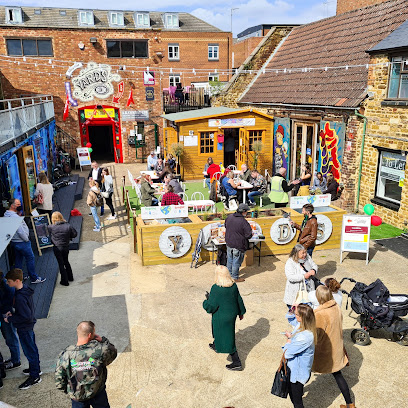
The Yards Kettering
32.6 km
Discover The Yards Kettering, a vibrant independent shopping centre blending vintage charm with modern boutiques in the heart of town.
Dunelm
39.6 km
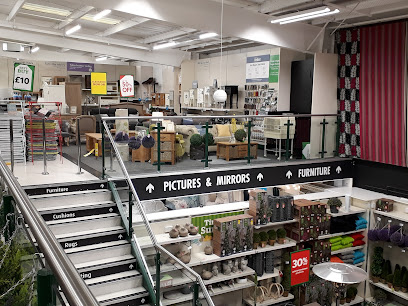
Discover a wide range of homewares at Dunelm in Huntingdon, your go-to destination for stylish and practical home essentials.
It's Yours
40.5 km
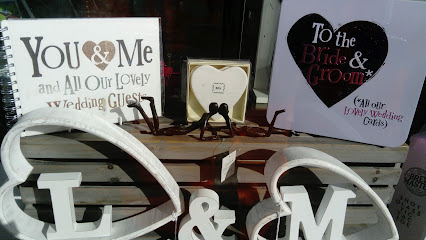
Explore It's Yours Gift Shop in Brampton for unique gifts, local artisan crafts, and memorable souvenirs to cherish your travel experience.
Essential Supermarket
40.6 km
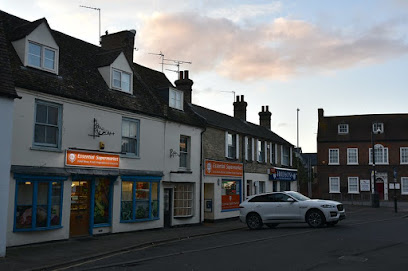
Discover authentic Asian flavors and fresh halal produce at Essential Supermarket, Huntingdon’s go-to for culinary essentials.
Hazelmere Home & Garden
40.7 km
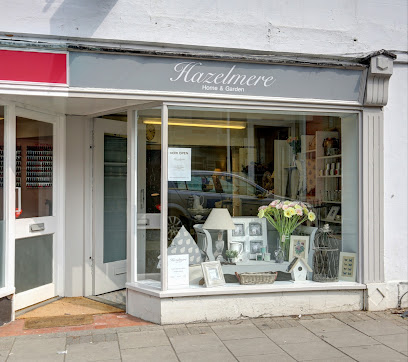
Discover timeless charm and garden inspiration at Hazelmere Home & Garden, Huntingdon’s friendly boutique for interior and outdoor living.
James Cox
40.8 km
Historic Huntingdon department store blending timeless elegance with diverse fashion, gifts, and suit hire since 1893.
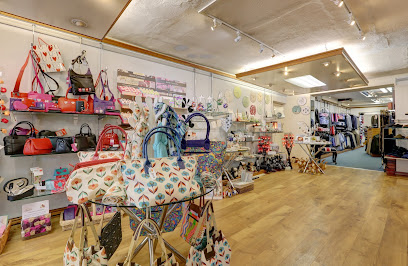
Euro Shop
40.9 km
Huntingdon's authentic European supermarket bringing continental flavors and community together.
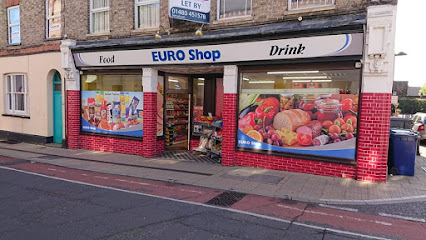
NECTAR Polish Delicatessen (Huntingdon)
40.9 km
Discover authentic Polish culinary delights at NECTAR Polish Delicatessen, Huntingdon’s premier destination for traditional sausages, cheeses, and breads.
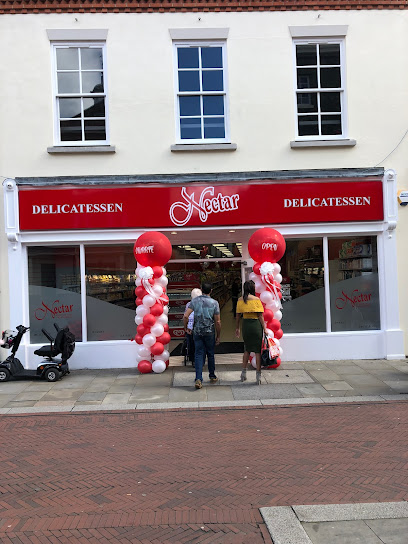
Peacocks
40.9 km
Affordable fashion for men, women, and children at Peacocks Huntingdon, your go-to clothing store in St Germain Walk.
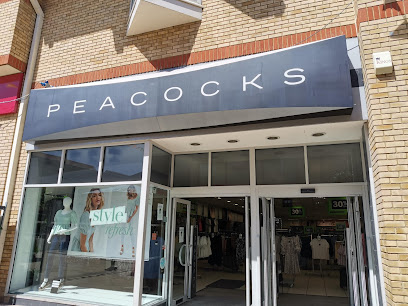
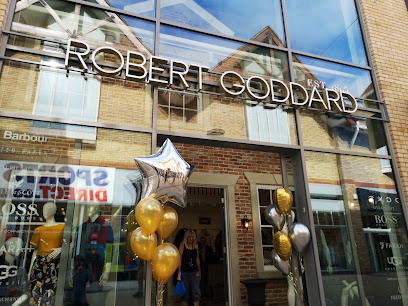
Robert Goddard
41.0 km
A century-old fashion destination in Huntingdon, offering premium designer clothing and tailored pieces in a classic department-store setting.
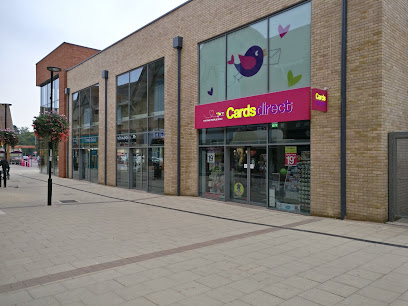
Cards Direct
41.0 km
Huntingdon’s go-to shop for quality British-made greeting cards, gifts, and party supplies at direct-from-factory prices.
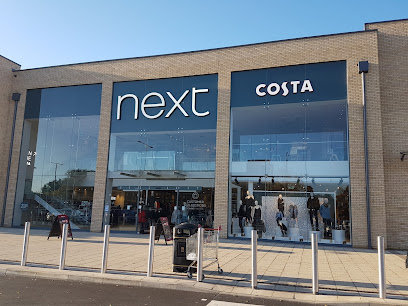
Next
41.0 km
Stylish fashion and homeware for the whole family in Huntingdon’s vibrant Chequers Court shopping hub.
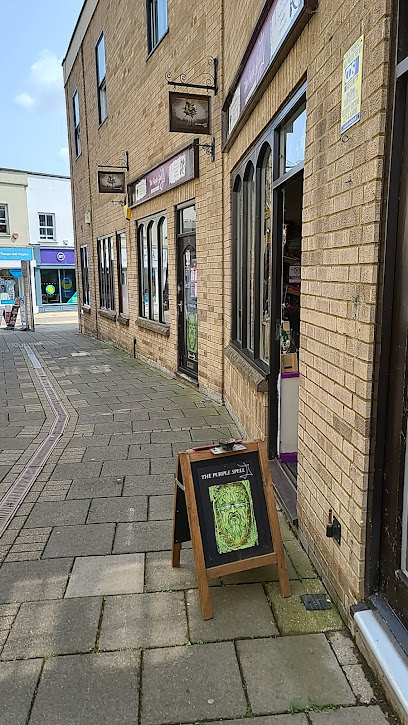
The Purple Spell
41.0 km
Discover authentic magical traditions and handcrafted spellcraft tools in the enchanting heart of Huntingdon at The Purple Spell.
Patches
41.0 km
A charming family-run haberdashery in Huntingdon, offering quality sewing, knitting supplies, and expert machine repairs since 2017.

Essential bars & hidden hideouts

The Wine Bar Stamford
0.5 km
A lively, modern wine bar in Stamford offering quality wines and a vibrant social atmosphere in the heart of town.
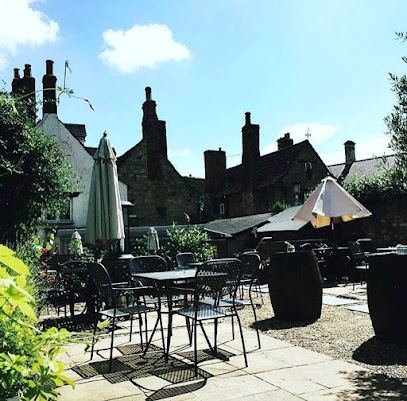
The Bertie Arms
3.7 km
A charming thatched pub in Uffington offering fresh local food, warm hospitality, and a cozy countryside atmosphere.
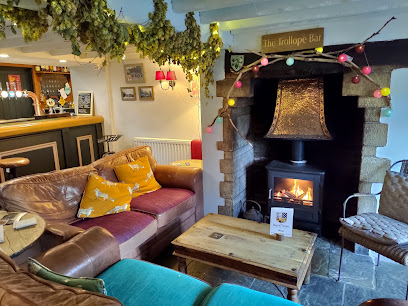
The Pack Horse
12.3 km
A warm and lively gastropub in Northborough serving classic British fare with a modern touch and a friendly community spirit.
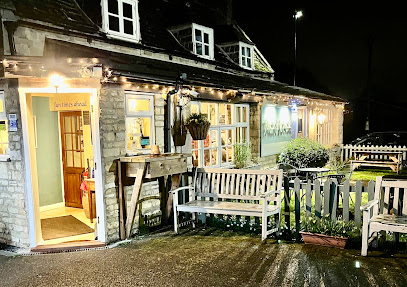
The Oxcart
14.5 km
A welcoming, no-frills estate pub in North Bretton offering classic local hospitality since the 1970s.
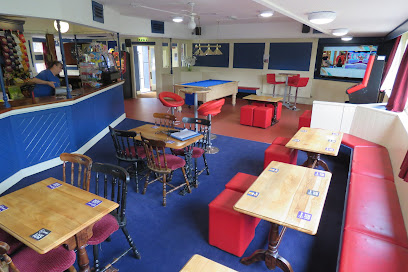
The Lime Tree
15.9 km
A friendly, lively pub in Peterborough’s Walton area, offering great drinks, fresh food, and vibrant music nights daily.
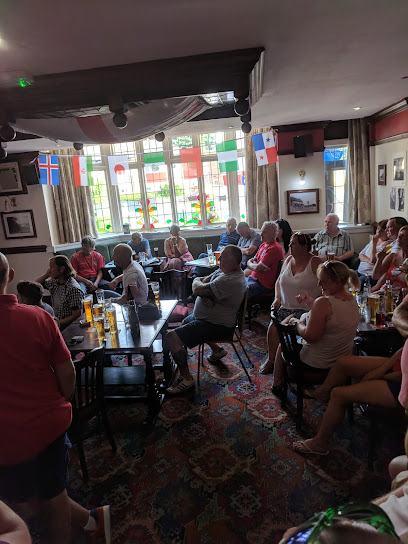
The Brewery Tap
17.9 km
A vibrant microbrewery pub and Thai restaurant in historic Peterborough, blending craft ales with lively entertainment and authentic flavors.
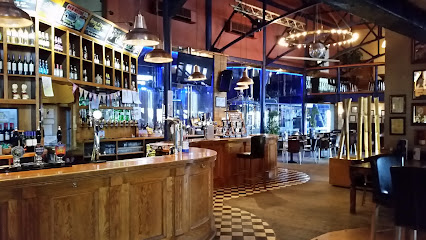
The Bumble Inn
18.1 km
A beloved micropub in Peterborough serving expertly kept real ales in a cozy, friendly setting with a vibrant local vibe.
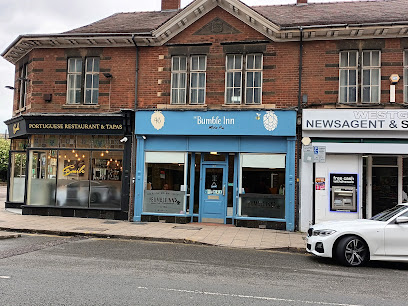
Geneva Bar
18.1 km
A friendly, casual bar in Peterborough known for karaoke nights and a welcoming atmosphere with moderate prices.

The Draper's Arms - JD Wetherspoon
18.1 km
A lively, affordable JD Wetherspoon pub in Peterborough offering hearty meals and drinks in a spacious, casual setting with daily specials.
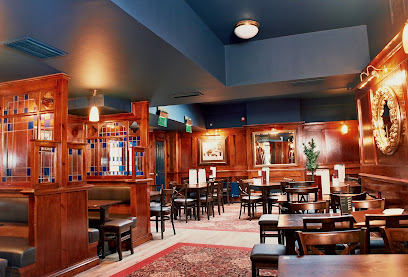
The Ostrich Inn
18.1 km
A vibrant, quirky pub in Peterborough known for local ales, live music, and a welcoming atmosphere with cozy corners and a beer garden.
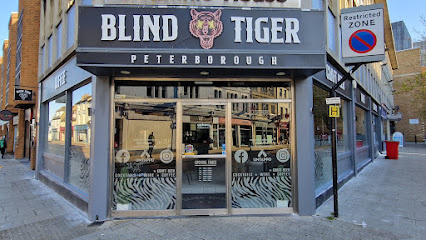
Blind Tiger
18.2 km
Peterborough’s vibrant craft beer bar with 26 taps, quirky urban style, live events, and a unique community spirit.
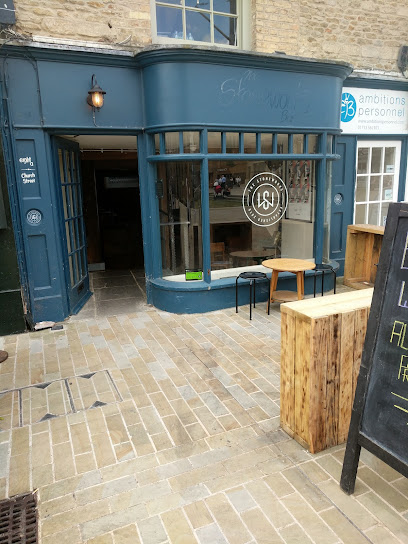
The Stoneworks Bar
18.3 km
A cozy micropub in Peterborough famed for its extensive craft beer selection and friendly, knowledgeable staff.
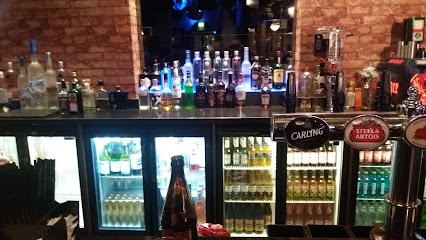
Embassy, Flares & Red Room Peterborough
18.3 km
Experience Peterborough’s vibrant nightlife at Embassy, Flares & Red Room — a dynamic blend of bar, nightclub, and lounge with energetic vibes and diverse music.
O'Neill'S Peterborough
18.3 km
Lively Irish pub and sports bar in Peterborough’s city center, perfect for watching live games and enjoying vibrant nightlife.
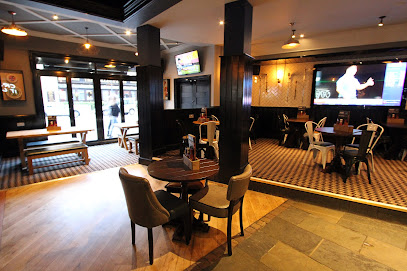
Palmerston Arms
18.3 km
Traditional Peterborough pub with quality cask ales, welcoming atmosphere, and authentic local charm in Woodston.
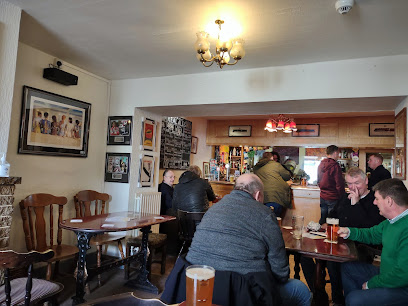
Nightclubs & after hour spots

Angels Peterborough
18.4 km
Experience lively nightlife and captivating stage performances at Angels Peterborough, the city’s vibrant nightclub and bar on Brook Street.
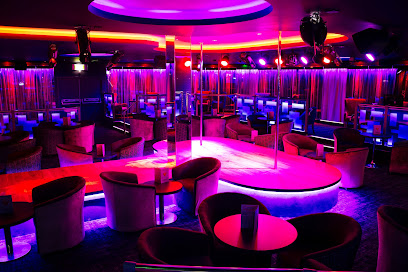
The Met Lounge
18.5 km
Peterborough’s vibrant live music venue and nightclub blending nostalgic charm with lively club nights and diverse musical acts.

Tubes
30.1 km
Energetic nightlife and affordable drinks come alive at Tubes, Melton Mowbray’s go-to nightclub and bar for fun and dancing.
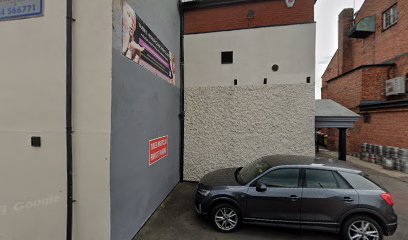
Montagu Club
41.1 km
Discover the lively Montagu Club in Huntingdon - a social haven for music lovers and friends looking to unwind and enjoy local culture.
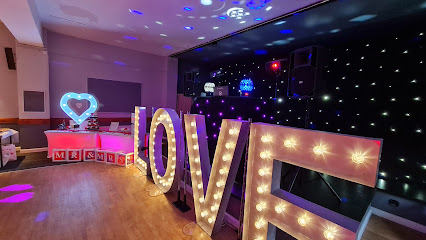
Helsinki
43.5 km
Leicester’s vibrant LGBTQ+ nightclub with electrifying drag shows, diverse music, and late-night celebrations in the heart of the city.

Motto Nightclub
43.8 km
Experience Leicester’s vibrant nightlife at Motto Nightclub, a dynamic venue where music, dancing, and late-night energy come alive.

TRUTH Leicester
43.9 km
Experience Leicester’s vibrant nightlife at TRUTH, a dynamic nightclub pulsing with music and energy in the city centre’s entertainment heart.

The Fan Club
43.9 km
Leicester’s vibrant weekend nightclub with four rooms, diverse music, and a welcoming atmosphere for unforgettable nights out.
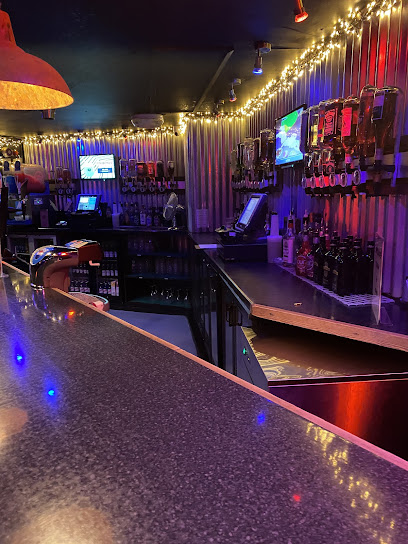
Waikiki Nightclub
43.9 km
Experience Leicester’s electric nightlife with futuristic vibes, trendy cocktails, and top RnB beats at Waikiki Nightclub every weekend.

The Basement
43.9 km
Leicester’s underground hotspot for late-night dancing, eclectic music, and unforgettable private events in a vintage-inspired setting.

Corah Works
43.9 km
Experience Leicester’s rich textile heritage transformed into a vibrant nightlife hotspot at Corah Works on St John Street.

Club Republic
44.0 km
Experience Leicester’s ultimate clubbing hotspot with immersive audiovisuals, live gigs, and a vibrant student-friendly atmosphere.
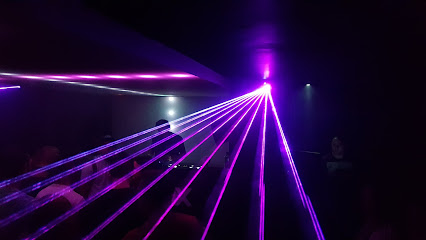
Mosh
44.4 km
Leicester’s vibrant three-floor alternative nightclub, buzzing with indie, emo, and metal beats and budget-friendly drinks.

The 2Funky Lounge
44.8 km
Leicester’s energetic two-floor nightclub with live music, private parties, and a rooftop terrace for unforgettable nights out.
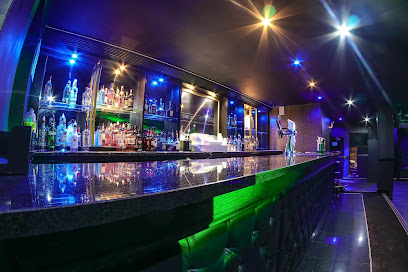
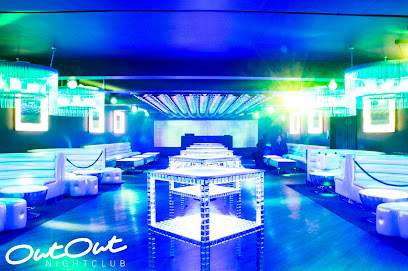
OutOut Nightclub
45.5 km
Vibrant nightlife hub in St. Ives offering dynamic club nights, private events, and a lively atmosphere from 10pm to 4am Fridays and Saturdays.
For the vibe & atmosphere seeker
- Historic
- Tranquil
- Scenic
- Unique
For the design and aesthetic lover
- Rustic Designs
- Vintage Styles
For the architecture buff
- Historic
- Landmarks
For the view chaser and sunset hunter
- Iconic Views
For the social media creator & influencer
- Photo Spots
- Architectural Shots
For the eco-conscious traveler
- Public-Transport Accessible
- Low Impact
For the kind of experience you’re after
- Cultural Heritage
- Photowalk
- Day Trip
For how adventurous you want the journey to be
- Easy Access
Location Audience
- Family Friendly
- Senior Friendly
- Child Friendly
- Solo Friendly
- Couple Friendly


