

Lyddington Bede House: From Medieval Bishop’s Palace to Historic Almshouse
Explore a rare medieval bishop’s palace turned almshouse, rich with Tudor craftsmanship and centuries of English heritage in the charming village of Lyddington.
Lyddington Bede House, nestled beside St Andrew’s Church in the picturesque ironstone village of Lyddington, Rutland, is a remarkable Grade I listed building. Originally part of the medieval palace of the Bishops of Lincoln, it later became an almshouse for the needy. Visitors can explore the beautifully preserved bedesmen’s rooms, the bishops’ Great Chamber with its carved Tudor cornice, and admire stunning medieval timber roofs and stonework, all reflecting centuries of English history.
A brief summary to Lyddington Bede House
- Blue Coat Lane, Lyddington, Leicester, Lyddington, LE15 9LZ, GB
- +443703331181
- Visit website
- Duration: 1 to 2.5 hours
- Mid ranged
-
 Outdoor
- Mobile reception: 4 out of 5
- Wednesday 10 am-4 pm
- Thursday 10 am-4 pm
- Friday 10 am-4 pm
- Saturday 10 am-4 pm
- Sunday 10 am-4 pm
Local tips
- Visit on weekdays or during spring and autumn mornings to enjoy fewer crowds and a more tranquil experience.
- Take time to explore the adjacent St Andrew’s Church and the picturesque village of Lyddington for a fuller historical context.
- Listen to the audio guides available onsite to hear letters read by former bedesmen, enhancing the immersive experience.
- Wear comfortable shoes as the building features uneven floors and narrow staircases typical of medieval architecture.
- Parking near the site is limited; consider arriving early or using public transport options to avoid inconvenience.

For the on-the-go comforts that matter to you
- Restrooms
- Drink Options
- Seating Areas
- Information Boards
Getting There
-
Bus
Take the Rutland Flyer bus service from Oakham or Uppingham to Lyddington village; the journey takes approximately 20–30 minutes. Bus frequency is limited to weekdays with fares around £3–£5. From the village stop, it is a 5–10 minute walk to the Bede House.
-
Car
Driving from Oakham or Uppingham takes about 15–20 minutes via local roads. Parking near the Bede House is very limited; visitors are advised to arrive early or park on nearby side streets where permitted. No dedicated parking lot is available.
-
Train and Taxi
The nearest train station is Oakham, approximately 7 miles away. From Oakham station, a taxi ride to Lyddington Bede House takes about 15 minutes, costing around £15–£20. Taxi services may need to be booked in advance.
Lyddington Bede House location weather suitability
-
 Any Weather
-
 Clear Skies
-
 Mild Temperatures
-
 Rain / Wet Weather
Discover more about Lyddington Bede House
A Noble Residence of the Bishops of Lincoln
Lyddington Bede House began life as a wing of a grand medieval palace belonging to the Bishops of Lincoln, one of the largest and most powerful dioceses in England. Situated on a north–south route through the diocese, the palace provided a luxurious retreat and administrative center for the bishops and their retinues. The surviving stone structure, built primarily from coursed ironstone with limestone dressings, showcases architectural elements from the 14th to 16th centuries. The highlight is the Bishop’s Great Chamber on the first floor, renowned for its exquisite carved Tudor ceiling cornice and fine timbered roof, exemplifying the craftsmanship of the period.Transformation into an Almshouse
By around 1600, ownership passed to Sir Thomas Cecil, son of Queen Elizabeth I’s chief minister, Lord Burghley. Cecil converted the palace wing into an almshouse, known as the Bede House, to provide shelter for twelve poor ‘bedesmen’—men over 30 years old—and two women over 45, all screened for health conditions such as lunacy or leprosy. This charitable use continued until the 1930s, making the building a rare surviving example of an almshouse with well-preserved living quarters. Visitors can wander through the modest bedesmen’s rooms, notable for their tiny windows and fireplaces, and see reconstructions of Victorian-era living conditions.Architectural and Archaeological Significance
The Bede House is a scheduled monument and Grade I listed building, reflecting its outstanding historical and architectural value. Beyond the standing structures, extensive archaeological deposits remain beneath the site, preserving the footprint of the wider bishop’s palace complex. The adjacent watchtower or gazebo, known as the Bishop’s Eye, is separately Grade I listed and thought to have served as a leisure summerhouse rather than a defensive structure. Nearby remains of fishponds and gardens add to the sense of a self-contained episcopal estate.Visitor Experience and Interpretation
Today, visitors to Lyddington Bede House can explore its atmospheric rooms, enriched by detailed information panels and audio guides that bring to life the stories of its medieval and post-medieval inhabitants. The contrast between the grand bishop’s chambers and the humble almshouse quarters offers a compelling narrative of social change and continuity. The peaceful village setting, alongside St Andrew’s Church, enhances the historic ambiance. While facilities are modest, the site’s authenticity and tranquility provide a rewarding experience for history enthusiasts and those seeking a quiet cultural outing.Preservation and Community Value
Since coming into the care of English Heritage in 1954, the Bede House has been carefully restored and maintained. It stands as a testament to England’s rich ecclesiastical and social history, illustrating the evolution of a building from a symbol of episcopal power to a charitable refuge. The site’s protection as a scheduled monument ensures its archaeological and architectural treasures are preserved for future generations. The surrounding village and church complement the heritage experience, making Lyddington Bede House a unique window into England’s past.Architectural Details and Surroundings
The building’s rectangular plan, ironstone construction, and ashlar additions reflect typical medieval design adapted over centuries. Inside, visitors admire the impressive oak beams, stone archways, and cobbled floors that evoke the craftsmanship of the era. The adjacent St Andrew’s Church and the nearby historic village add layers of context, inviting exploration beyond the Bede House itself. The site’s intimate scale and well-preserved features make it a distinctive heritage attraction in Rutland.Iconic landmarks you can’t miss

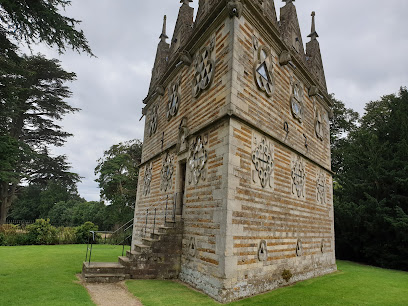
Rushton Triangular Lodge
14.6 km
Explore the architectural wonder of Rushton Triangular Lodge, a unique heritage building steeped in history and stunning design.
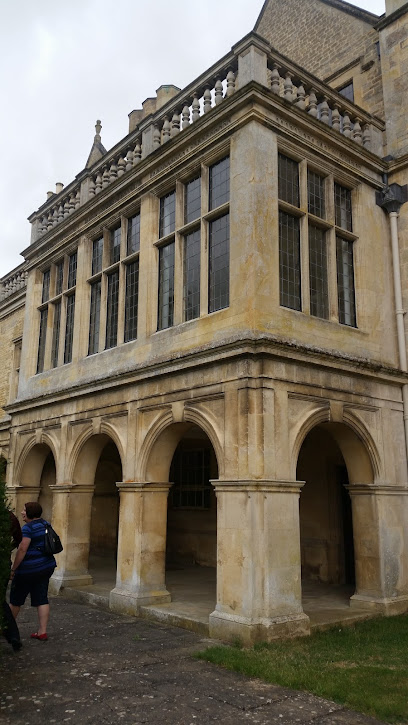
English Heritage - Apethorpe Palace
14.8 km
Explore the enchanting Apethorpe Palace, a historical landmark showcasing England's rich heritage and stunning Tudor architecture.
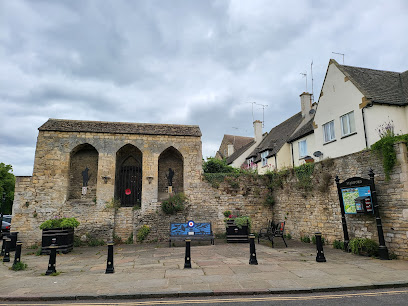
Stamford Castle
18.1 km
Discover the Norman heritage and medieval echoes at Stamford Castle, a historic motte and bailey fortress nestled in the heart of Lincolnshire.
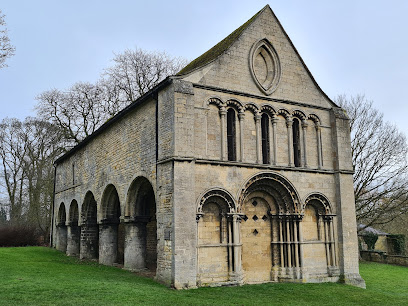
St Leonard's Priory, Stamford
19.3 km
Discover the serene beauty and rich history of St Leonard's Priory in Stamford, a captivating medieval gem waiting to be explored.
Lynch Lodge
25.8 km
Step into history at Lynch Lodge, a beautifully preserved Georgian porch and unique holiday let nestled in the tranquil village of Alwalton near Peterborough.
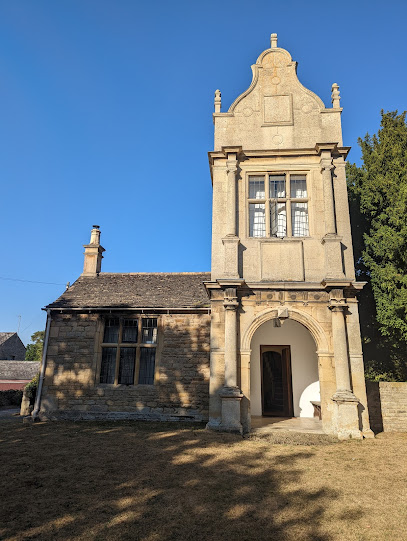
Welford Place
29.6 km
Explore the historic John Biggs statue at Welford Place, a Victorian landmark celebrating Leicester’s reformist legacy and civic pride.
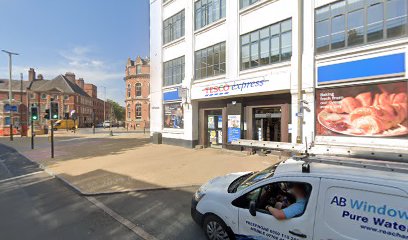
East Midlands Steam and Country Show
29.8 km
Experience the rich heritage and vibrant culture at the East Midlands Steam and Country Show, where steam engines meet delicious local food and crafts.
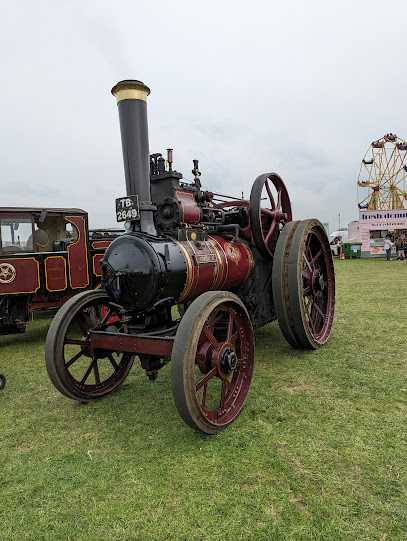
23 St.Nicholas Pl
30.1 km
Leicester's oldest place of worship, where Roman foundations meet medieval splendour and 1,100 years of history.
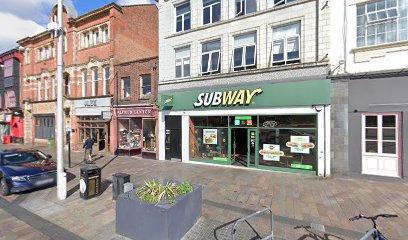
Leicester Roman West Gate site
30.2 km
Explore Leicester’s monumental Roman baths and the iconic Jewry Wall, a testament to ancient urban life and architecture.
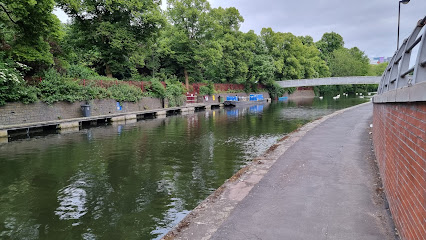
King Lear
31.9 km
Explore Leicester’s legendary ties to King Lear, where Roman ruins and medieval myths converge in a captivating historical landmark.
Museum Development East Midlands
33.9 km
Supporting East Midlands museums with expert guidance, grants, and training from County Hall, Leicester.
The Warren House
36.7 km
A rare 17th-century timber-framed warrener’s cottage offering historic charm and scenic views over Kimbolton Castle in tranquil rural surroundings.
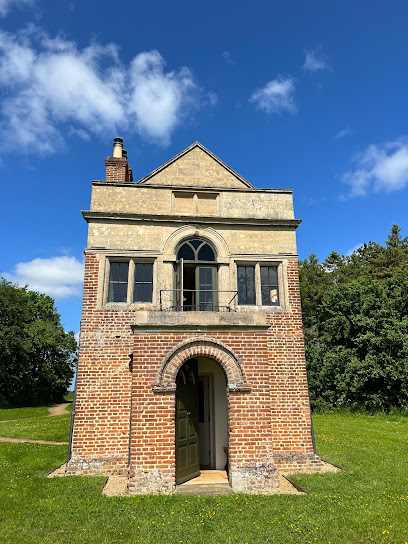
Castle Ashby Gardens
38.1 km
Explore the stunning Castle Ashby Gardens, a perfect blend of nature, history, and tranquility in Northamptonshire.
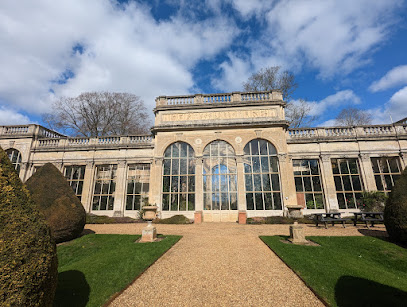
78 Derngate
38.5 km
Explore 78 Derngate in Northampton, a historical museum showcasing the genius of Charles Rennie Mackintosh and a vibrant art gallery.
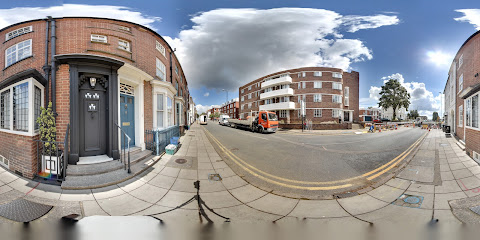
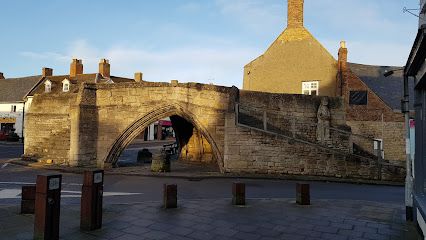
Trinity Bridge
38.6 km
A unique 14th-century three-way stone bridge in the heart of Crowland, once spanning two rivers, now a striking medieval monument in the town centre.
Unmissable attractions to see

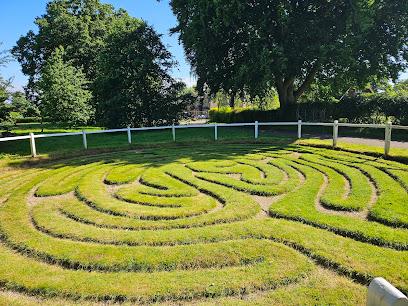
Wing Maze
6.1 km
Explore Wing Maze, a rare medieval turf labyrinth in Rutland, offering a unique blend of history, spirituality, and tranquil countryside charm.
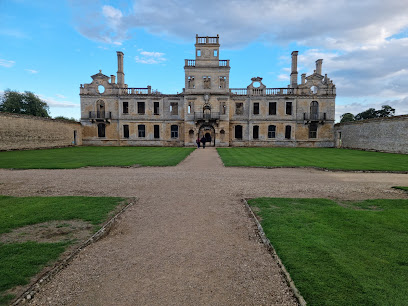
Kirby Hall
6.6 km
Explore the majestic Elizabethan Kirby Hall, a stunning blend of Renaissance architecture and tranquil gardens in Northamptonshire.
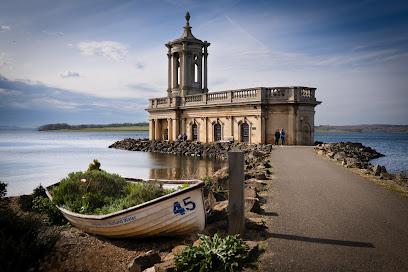
Normanton Church
10.9 km
A captivating lakeside church blending historic elegance with stunning waterside views, renowned for its unique preservation and romantic wedding setting.
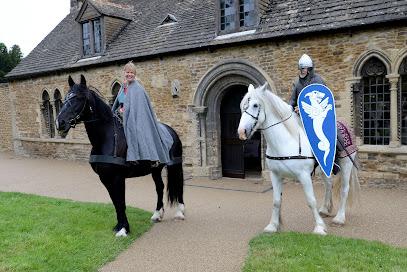
Oakham Castle
12.0 km
Explore Oakham Castle, a historical gem in Oakham, featuring stunning architecture, beautiful grounds, and enriching cultural experiences.
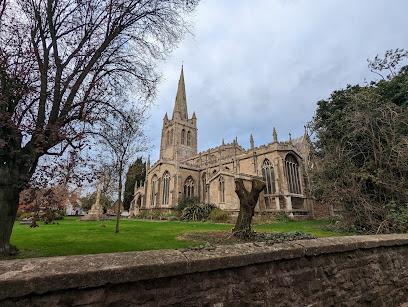
All Saints Church : Oakham
12.0 km
Explore the historic All Saints Church in Oakham, a stunning Anglican church rich in history and architectural beauty, perfect for a serene visit.
Burrough on the Hill
18.1 km
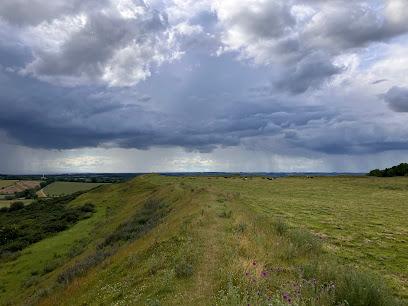
Explore Burrough Hill, a commanding Iron Age hillfort near Melton Mowbray with rich archaeological heritage and panoramic countryside views.
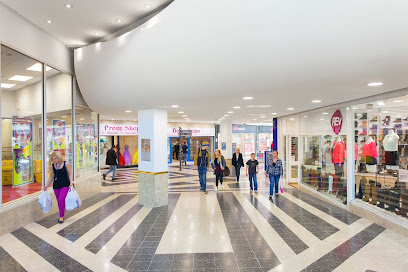
Newlands Shopping Centre
18.2 km
A welcoming indoor shopping centre at the heart of Kettering, blending traditional high street shops with community charm and convenience.
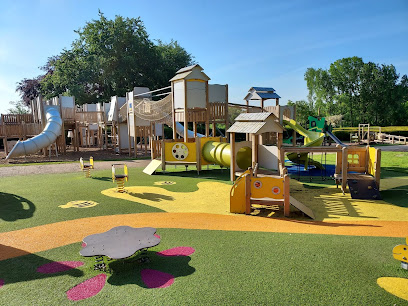
Windmill Farm Park
18.7 km
Five generations of farming heritage meet family adventure in rural Leicestershire.

Burrough Hill - Iron Age Hillfort
18.8 km
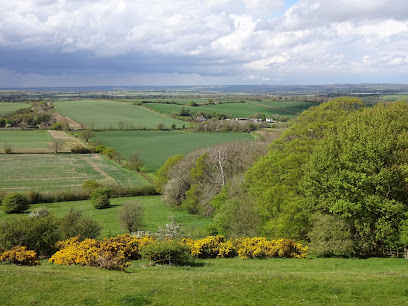
Explore Burrough Hill, a stunning Iron Age hillfort with rich archaeological finds and panoramic views near Melton Mowbray.
Sacrewell Farm
20.7 km
Explore rare breeds, historic watermill, award-winning play areas, and artisan crafts at Sacrewell Farm near Peterborough.
Elton Hall and Gardens
21.5 km
Discover the enchanting blend of medieval, Gothic, and Victorian heritage at Elton Hall and its award-winning gardens near Peterborough.
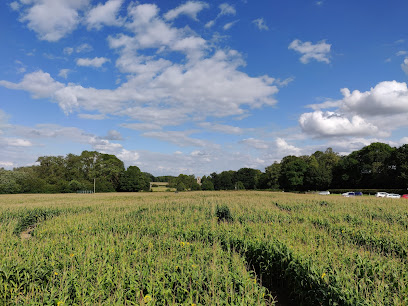
Wistow Maze
23.6 km
Explore an 8-acre living maize maze with quiz trails, panoramic views, and family fun at Leicestershire’s award-winning Wistow Maze.
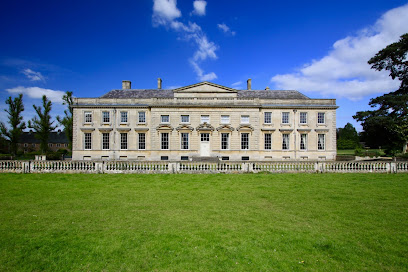
Lamport Hall
25.3 km
Discover centuries of history, classical architecture, and Britain’s oldest garden gnome at the enchanting Lamport Hall in Northamptonshire.
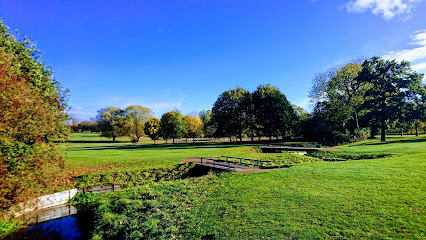
Shady Lane Arboretum
25.4 km
A peaceful arboretum in Leicester with diverse trees, meadows, and historical charm, perfect for nature walks and quiet reflection.
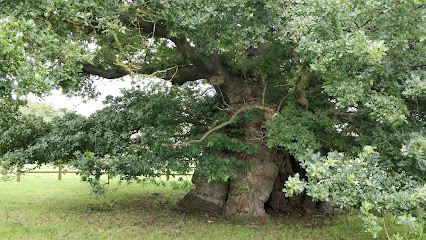
Bowthorpe Oak
26.4 km
Discover the ancient majesty of the Bowthorpe Oak, the UK’s largest girth oak, set within a charming family farm in Lincolnshire’s tranquil countryside.
Essential places to dine

Hambleton Hall
10.9 km
Michelin-starred country house hotel on Rutland Water, where Victorian elegance meets contemporary comfort.

Six Bells
26.3 km
A charming village pub and boutique inn offering refined British cuisine, cozy rooms, and warm hospitality in Witham on the Hill.
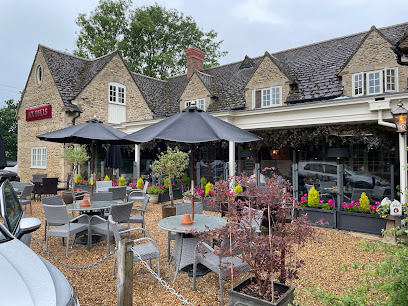
The Pheasant, Keyston
27.4 km
A charming thatched country pub in Keyston offering traditional British cuisine, warm hospitality, and a cozy rural atmosphere.
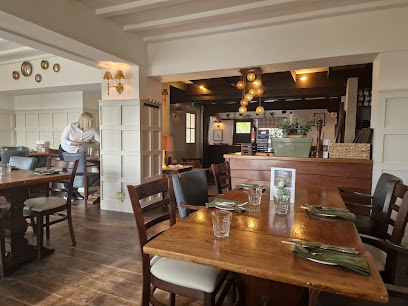
OGGI Italian Restaurant
28.6 km
Experience authentic Italian cuisine with fresh ingredients and warm hospitality at OGGI Italian Restaurant in Leicester’s vibrant London Road.
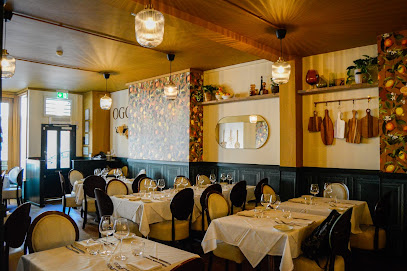
Casa Romana Restaurant
29.5 km
Experience authentic Italian flavors and cozy charm at Casa Romana, Leicester’s cherished seafood and pasta haven.
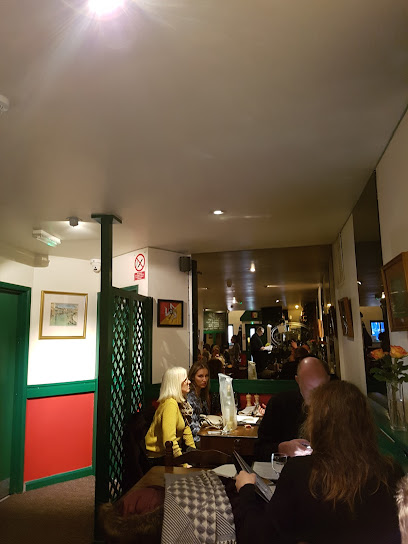
The White Peacock
29.5 km
Elegant modern European dining with innovative tasting menus and warm service in Leicester’s vibrant city centre.
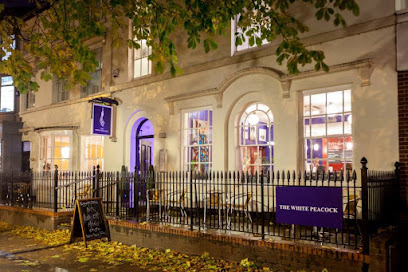
Sapphire Seafood Kitchen - Leicester Restaurant
29.7 km
Savor fresh seafood and American-inspired dishes in a lively, casual setting at Leicester’s vibrant Sapphire Seafood Kitchen.
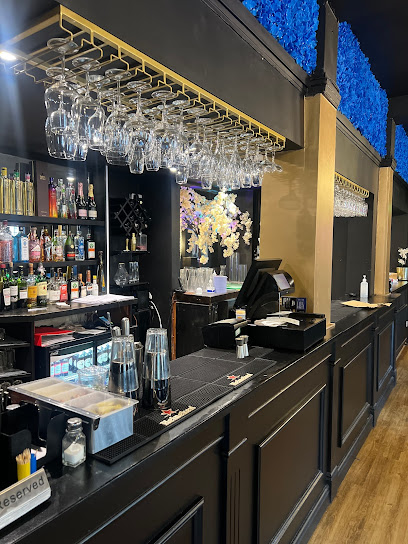
Bistrot Pierre - Leicester
29.8 km
Experience authentic French bistro dining in Leicester’s city centre with classic dishes, seasonal specials, and a warm Parisian atmosphere.
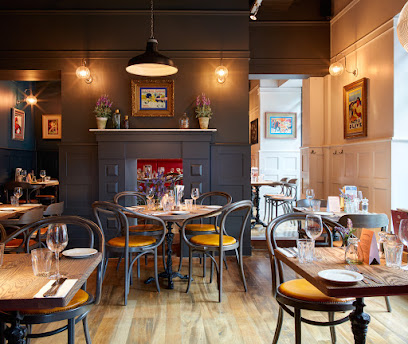
The Frame
29.8 km
A vibrant Mediterranean restaurant and bar in Leicester’s St Martins Square, blending refined flavours with stylish, inviting surroundings.
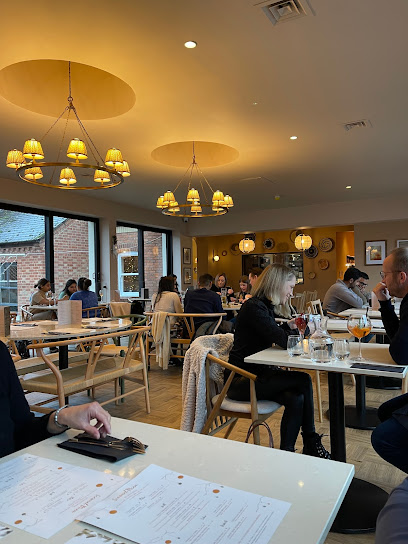
Merchant of Venice
29.9 km
Experience authentic Italian flavors and Renaissance-inspired charm in Leicester’s Merchant of Venice, a unique dining destination blending culture and cuisine.
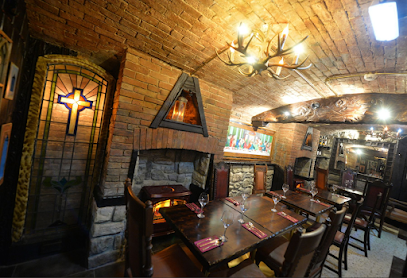
Varanasi Boutique Restaurant
30.0 km
Experience exquisite Indian fine dining in Leicester’s majestic Varanasi Boutique, where culinary artistry meets opulent ambiance.
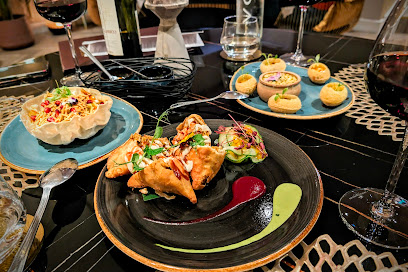
Wygston's House Bar & Restaurant
30.0 km
Historic 15th-century timber-framed house in Leicester’s Old Town serving classic English pub fare and real ales in a vibrant, heritage-rich setting.
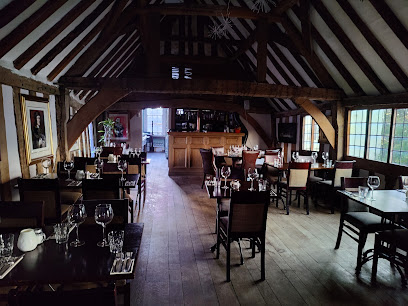
Cosy Club
30.1 km
Stylish British dining and vibrant bar in Leicester’s heart, blending timeless glamour with all-day menus and festive event spaces.
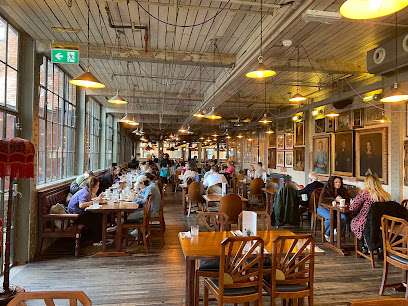
Restaurant263
30.1 km
Experience innovative modern British fine dining with personal chef touches and vibrant vegan options in Leicester’s stylish city centre venue.
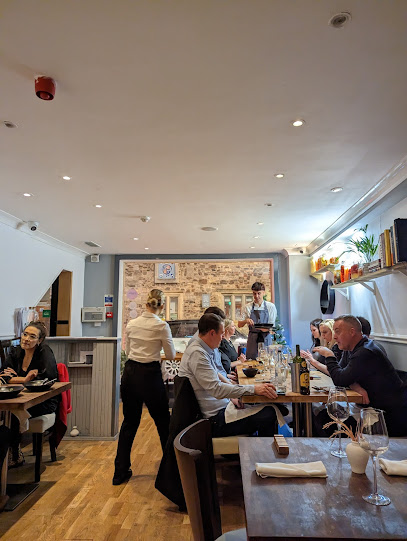
Restaurant Romanesc Leicester (Romanian Restaurant) Grande Gusto
30.6 km
Authentic Romanian flavors and generous portions await you at Grande Gusto, Leicester’s cozy hub for traditional Eastern European cuisine.
Markets, malls and hidden boutiques

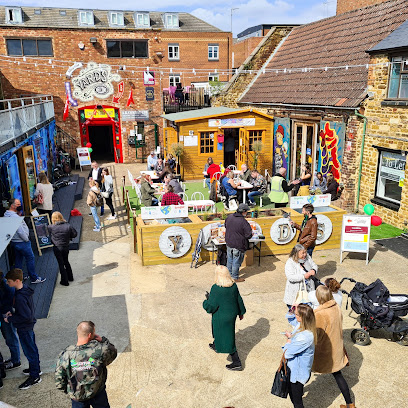
The Yards Kettering
18.4 km
Discover The Yards Kettering, a vibrant independent shopping centre blending vintage charm with modern boutiques in the heart of town.
Unique Boutique Ltd
25.2 km
Discover Unique Boutique Ltd, a charming clothing shop offering personalized fashion finds in the historic market town of Melton Mowbray.
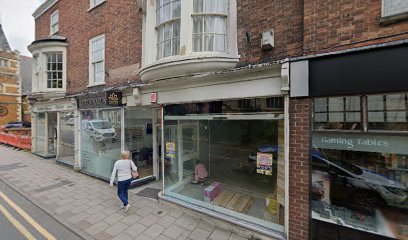
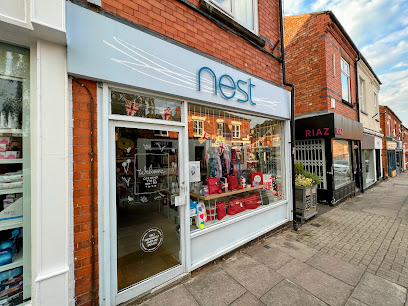
Nest
27.1 km
Independent gift boutique in Leicester's Stoneygate, specializing in personalized jewellery and curated home accessories.
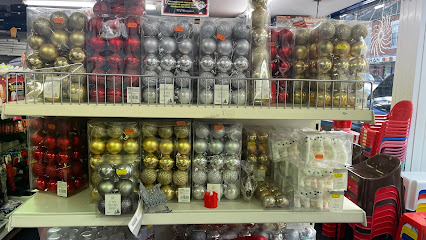
Valley Discount Store
27.6 km
A vibrant Leicester discount store offering diverse homewares, kitchenware, toys, and more under one roof with great value and friendly service.
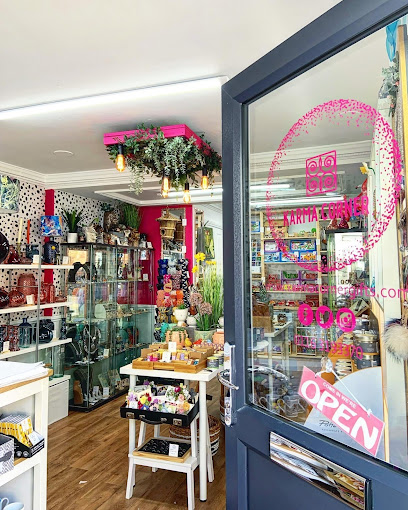
Karma Corner Gifts
28.2 km
Leicester's premier spiritual gift shop offering curated wellness items and mindful lifestyle products.
Prettiez
28.2 km
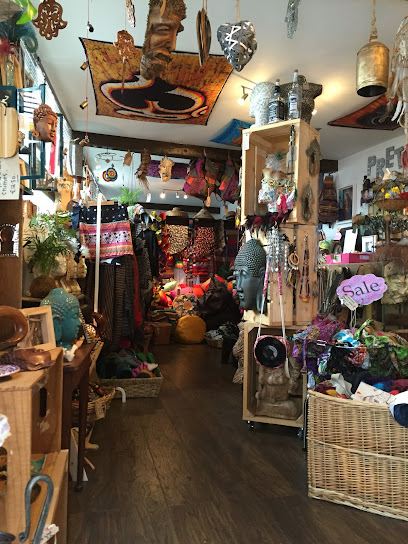
Discover unique gifts and boutique treasures in the heart of Leicester’s vibrant Clarendon Park at Prettiez.
St George's Shopping Park
28.9 km
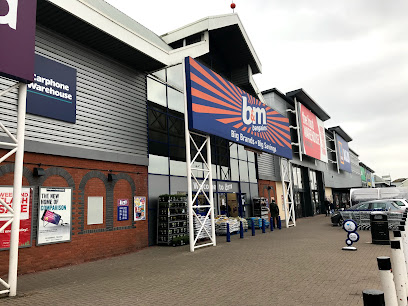
A vibrant open-air retail park in Leicester offering diverse shops, extended hours, and convenient amenities for a comprehensive shopping experience.
The Pot Pourri Shop Leicester
29.5 km
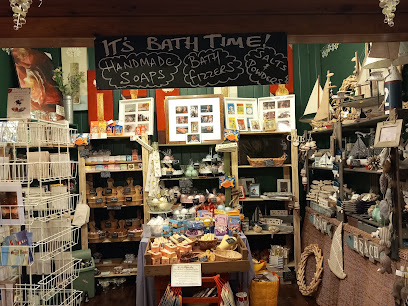
Discover Leicester’s hidden gem for natural aromatherapy and handcrafted gifts on Free Lane, blending quality, charm, and personalized service.
Nim's Boutique ltd
29.6 km
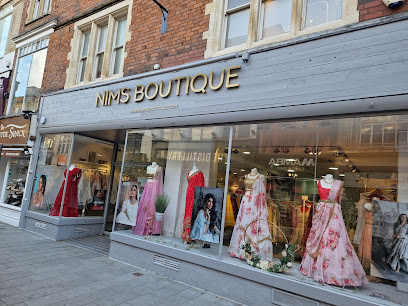
Discover timeless Indian and Asian women's fashion with inclusive sizing and exquisite bridal wear at Nim's Boutique Ltd in Leicester.
Haymarket Shopping Centre
29.7 km
Leicester's pioneering indoor shopping centre with 60+ stores, dining, and award-winning facilities.
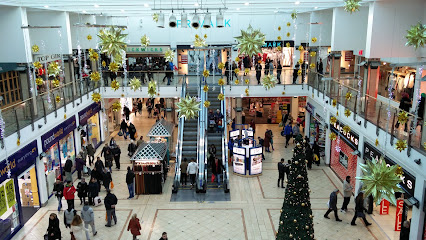
Urban Outfitters
29.8 km
Discover Urban Outfitters Leicester: a stylish blend of fashion, accessories, and homewares in the vibrant heart of the city.
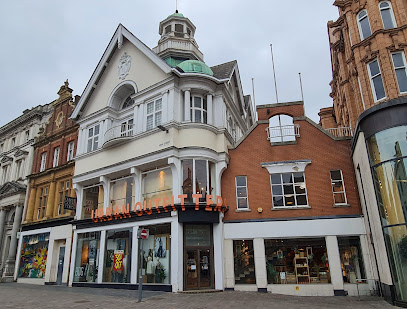
Just Fair Trade
29.8 km
Discover Leicester’s ethical gem offering fair trade gifts and sustainable clothing with a heart for global artisans.
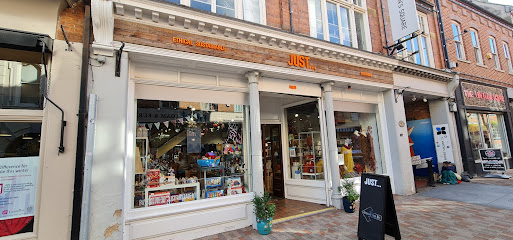
The Wardrobe
29.9 km
Discover timeless style and sustainable fashion at Leicester’s longest-running vintage clothing shop in the historic Royal Arcade.
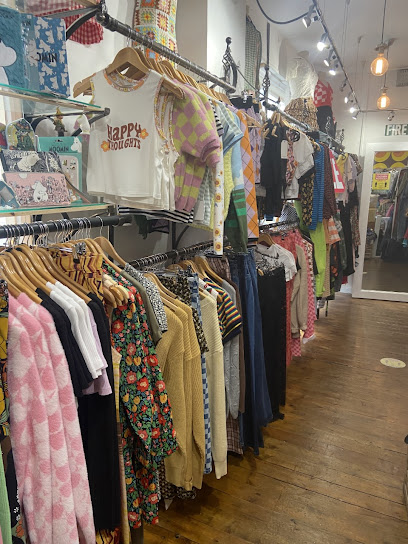
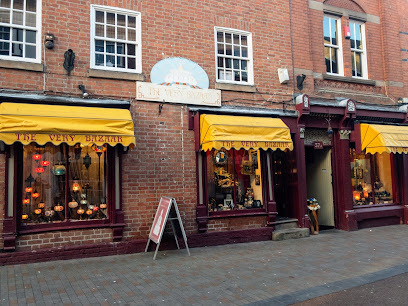
Very Bazaar Leicester
29.9 km
Discover Leicester’s vibrant Very Bazaar, a colourful haven of crystals, unique gifts, and mystical charm in the city centre.
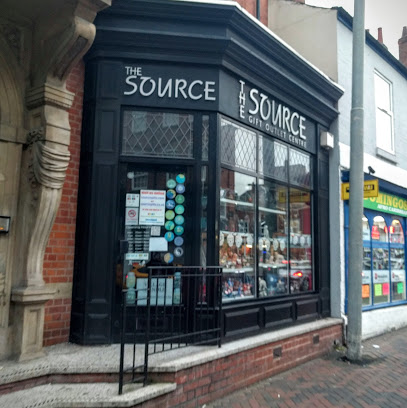
The Source
29.9 km
Discover unique, high-quality gifts with expert service at The Source, Leicester’s cherished family-owned gift shop on Church Gate.
Essential bars & hidden hideouts

The Wine Bar Stamford
18.7 km
A lively, modern wine bar in Stamford offering quality wines and a vibrant social atmosphere in the heart of town.
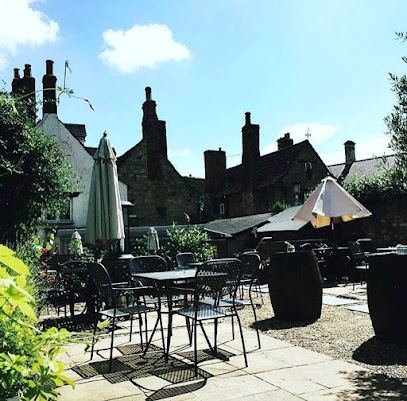
The Kings Arms
21.5 km
A charming traditional English village pub in Polebrook offering hearty food, quality ales, and a warm, inviting atmosphere.
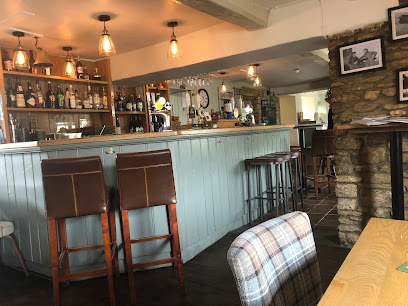
The Bertie Arms
21.6 km
A charming thatched pub in Uffington offering fresh local food, warm hospitality, and a cozy countryside atmosphere.
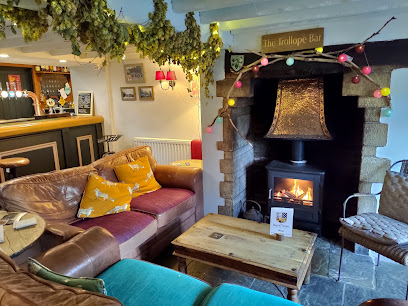
The Windmill
27.9 km
A welcoming village pub in Orton Waterville offering classic fare, real ales, and a warm community atmosphere.
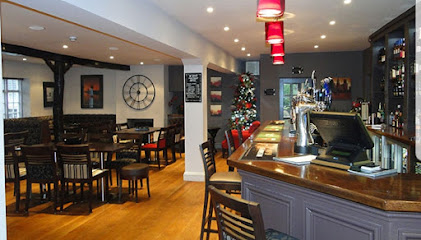
Babelas Continental Bar
28.2 km
A cozy, quirky bar in Leicester’s Clarendon Park serving continental beers, wines, and snacks in a welcoming neighborhood setting.
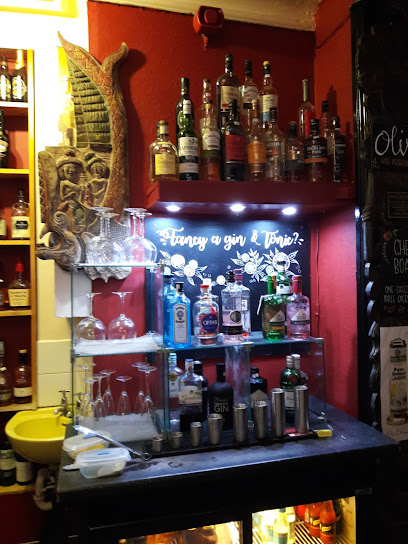
The Old Horse
28.3 km
A friendly, pet-welcoming Leicester pub with hearty roasts, unique charm, and a spacious garden for relaxed socializing.
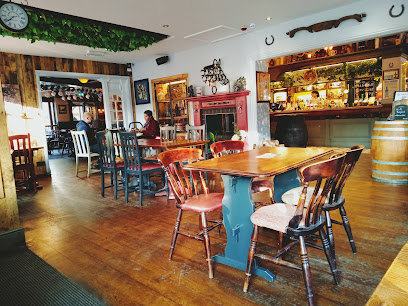
The Loaded Dog
28.6 km
A lively Leicester pub buzzing with craft beers, live sports, and a student-friendly atmosphere on London Road.
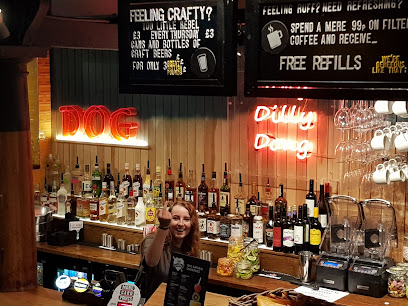
The Marquis Wellington
28.6 km
A classic Leicester gastropub offering hearty fare, local ales, and a cozy atmosphere with heated beer garden beach huts.
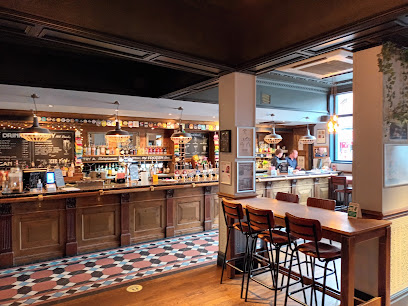
The Oxcart
29.1 km
A welcoming, no-frills estate pub in North Bretton offering classic local hospitality since the 1970s.
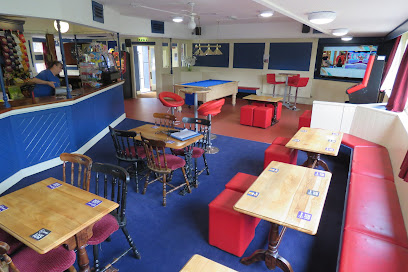
Brick & Beam
29.2 km
A stylish rooftop bar in Leicester offering live jazz, craft drinks, and unique event spaces with stunning city views.
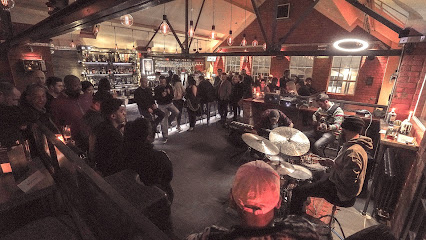
Watson's Cocktail Bar
29.3 km
A vibrant vegan-inspired cocktail bar in Leicester blending quirky charm, expert mixology, and a warm, inclusive atmosphere.
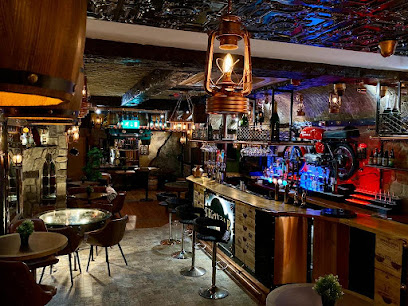
The Exchange Bar
29.4 km
Historic charm meets vibrant culture in Leicester’s iconic Exchange Bar, a lively hub for drinks, music, and community spirit.
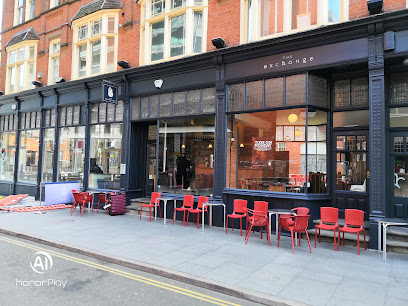
The King's Head
29.5 km
A traditional Leicester pub famed for its exceptional ales, warm community spirit, and charming character in the city centre.
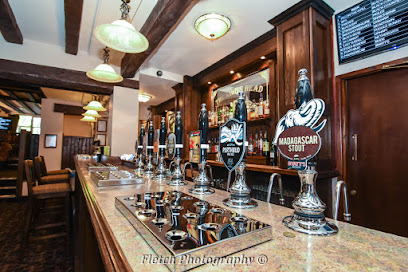
The Pack Horse
29.5 km
A warm and lively gastropub in Northborough serving classic British fare with a modern touch and a friendly community spirit.
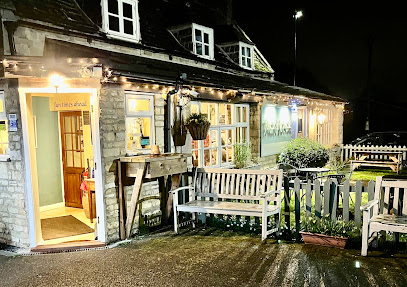
Fat Cat Cocktail Bar & Lounge
29.5 km
A vibrant Leicester hotspot blending creative cocktails, lively entertainment, and a stylish atmosphere in the heart of the city.
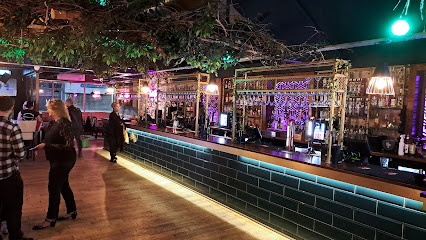
Nightclubs & after hour spots

Tubes
25.4 km
Energetic nightlife and affordable drinks come alive at Tubes, Melton Mowbray’s go-to nightclub and bar for fun and dancing.
Helsinki
29.3 km
Leicester’s vibrant LGBTQ+ nightclub with electrifying drag shows, diverse music, and late-night celebrations in the heart of the city.
TRUTH Leicester
29.5 km
Experience Leicester’s vibrant nightlife at TRUTH, a dynamic nightclub pulsing with music and energy in the city centre’s entertainment heart.

The Basement
29.5 km
Leicester’s underground hotspot for late-night dancing, eclectic music, and unforgettable private events in a vintage-inspired setting.
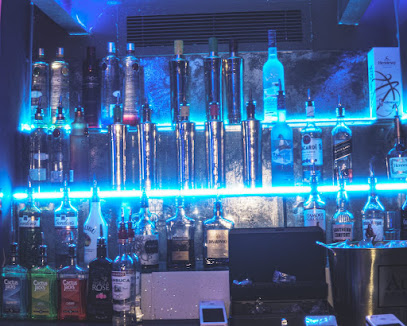
Waikiki Nightclub
29.6 km
Experience Leicester’s electric nightlife with futuristic vibes, trendy cocktails, and top RnB beats at Waikiki Nightclub every weekend.
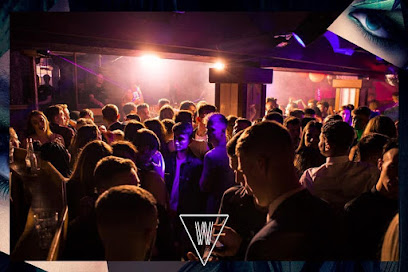
Motto Nightclub
29.7 km
Experience Leicester’s vibrant nightlife at Motto Nightclub, a dynamic venue where music, dancing, and late-night energy come alive.

The Fan Club
29.8 km
Leicester’s vibrant weekend nightclub with four rooms, diverse music, and a welcoming atmosphere for unforgettable nights out.
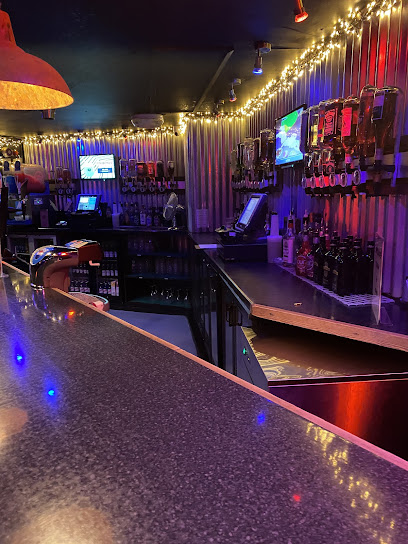
Club Republic
29.9 km
Experience Leicester’s ultimate clubbing hotspot with immersive audiovisuals, live gigs, and a vibrant student-friendly atmosphere.
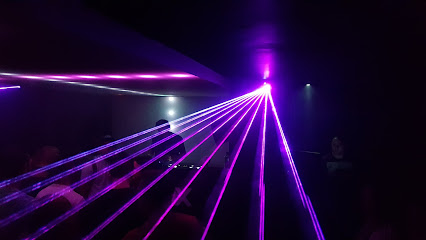
Corah Works
29.9 km
Experience Leicester’s rich textile heritage transformed into a vibrant nightlife hotspot at Corah Works on St John Street.
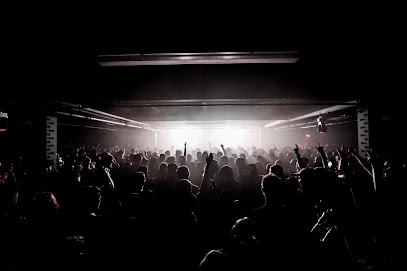
Mosh
30.1 km
Leicester’s vibrant three-floor alternative nightclub, buzzing with indie, emo, and metal beats and budget-friendly drinks.
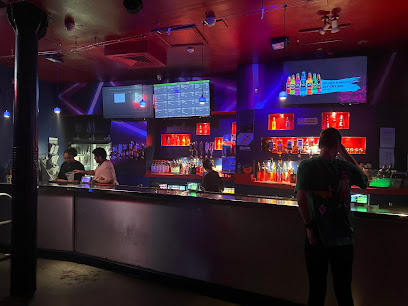
The 2Funky Lounge
30.4 km
Leicester’s energetic two-floor nightclub with live music, private parties, and a rooftop terrace for unforgettable nights out.
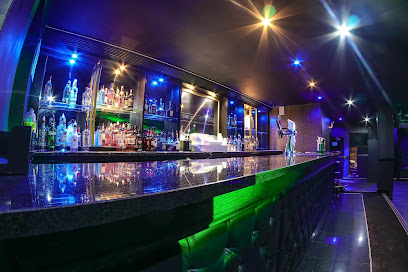
The Met Lounge
31.6 km
Peterborough’s vibrant live music venue and nightclub blending nostalgic charm with lively club nights and diverse musical acts.
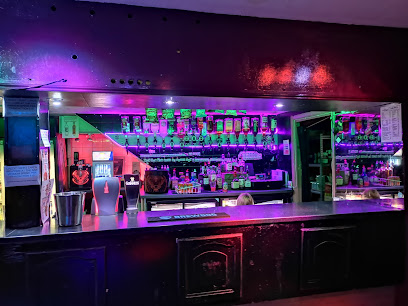
Angels Peterborough
31.8 km
Experience lively nightlife and captivating stage performances at Angels Peterborough, the city’s vibrant nightclub and bar on Brook Street.
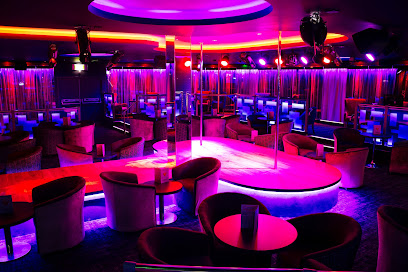
Club Bar X
37.7 km
Lively basement nightclub on Wellingborough Road, Northampton, offering late-night music, dancing, and a vibrant social scene Thursday to Saturday.
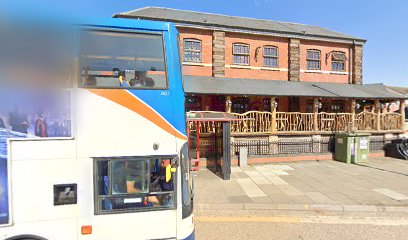
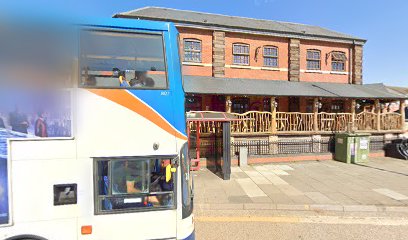
Club 145
37.7 km
Energetic nightclub on Wellingborough Road offering lively music, dancing, and a vibrant social scene in the heart of Northampton.
For the vibe & atmosphere seeker
- Tranquil
- Scenic
- Unique
- Relaxing
For the design and aesthetic lover
- Rustic Designs
- Vintage Styles
For the architecture buff
- Historic
- Landmarks
- Sacred Sites
For the view chaser and sunset hunter
- Iconic Views
- Panoramas
For the social media creator & influencer
- Instagrammable
- Photo Spots
- Architectural Shots
For the eco-conscious traveler
- Protected Area
- Public-Transport Accessible
- Locally Managed
- Leave-No-Trace Critical
For the kind of experience you’re after
- Cultural Heritage
- Myth & Legends
- Photowalk
- Day Trip
For how adventurous you want the journey to be
- Easy Access
Location Audience
- Family Friendly
- Senior Friendly
- Child Friendly
- Couple Friendly
- Solo Friendly
- Vegetarian Friendly


