

Ayscoughfee Hall Museum and Gardens
Medieval hall with five centuries of history set in five acres of heritage gardens featuring an 18th-century ice house and Lutyens memorial.
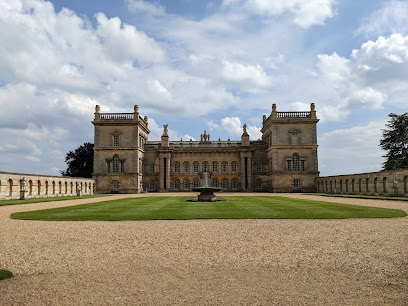
A Grade I listed medieval hall built in 1451, Ayscoughfee Hall stands within five acres of beautifully maintained gardens in the heart of Spalding. The museum showcases the evolving tastes of successive owners through medieval, Georgian, and Victorian architectural details, while the grounds feature an 18th-century ice house, fine yew hedges from the 1720s, an ornamental lake, and a war memorial designed by Sir Edwin Lutyens. Free admission to both the museum and gardens makes this a welcoming destination for families, history enthusiasts, and garden lovers seeking a peaceful retreat.
A brief summary to Ayscoughfee Hall Museum and Gardens
- Churchgate, Spalding, PE11 2RA, GB
- +441775764555
- Visit website
- Duration: 1.5 to 3 hours
- Free
-
 Mixed
Mixed
- Mobile reception: 4 out of 5
- Wednesday 10:30 am-4 pm
- Thursday 10:30 am-4 pm
- Friday 10:30 am-4 pm
- Saturday 10:30 am-4 pm
- Sunday 10:30 am-4 pm
Local tips
- Admission is completely free for both the museum and gardens, making this an excellent value destination. The café is a separate business with its own pricing, so consider bringing your own refreshments if budget is a concern.
- Visit in spring when the gardens are in bloom for the most colourful experience, or come on a clear morning to enjoy the ornamental lake and mature yew hedges in soft light ideal for photography.
- The gardens are open from dawn until dusk daily, allowing flexible visiting times. The museum itself has more restricted hours (Wednesday to Sunday, 10:30am–4pm), so plan accordingly if you wish to explore the interior.
- Allow at least 1–1.5 hours for the museum interior, plus additional time to explore the gardens properly. The site rewards a leisurely pace, particularly if you're interested in architectural details or garden design.
- Free on-street parking is available in front of the hall, and the site is only a few minutes' walk from Spalding town centre, making it easily accessible by foot or public transport from the town.

For the on-the-go comforts that matter to you
- Restrooms
- Drink Options
- Food Options
- Seating Areas
- Sheltered Areas
- Picnic Areas
- Trash Bins
- Information Boards
- Visitor Center
Getting There
-
By Car from Spalding Town Centre
Ayscoughfee Hall is located on the B1173 in central Spalding, approximately 5–10 minutes' drive from the town centre. From the A16 (which connects Peterborough to Boston), follow brown road signs directing you to the hall. Use postcode PE11 2RA for satellite navigation. Free on-street parking is available in front of the hall on Churchgate, though spaces may be limited during peak times. The hall is set back slightly from the road but is clearly signposted.
-
Walking from Spalding Town Centre
Ayscoughfee Hall is only a few minutes' walk from Spalding town centre, making it easily accessible on foot. The route is relatively flat and straightforward, passing through the town's streets to reach Churchgate. The main entrance to the gardens is via Chestnut Avenue (next to the Vista car park), while Churchgate provides access to the hall itself. Allow 5–10 minutes depending on your starting point in the town centre.
-
By Public Transport from Spalding Station
Spalding railway station is served by regular train services connecting to Peterborough and other regional destinations. From the station, the hall is approximately 10–15 minutes' walk through the town centre. Local bus services also operate within Spalding; check current timetables with local transport providers for routes serving the town centre and Churchgate area. The walk from the station is on level ground and well-signposted.
-
Cycling within Spalding
Spalding is a relatively compact market town with reasonable cycling infrastructure. The hall is accessible by bicycle from most parts of the town, with a journey time of 5–15 minutes depending on your starting point. Secure cycle parking is not explicitly signposted at the hall, so enquire at the visitor facilities upon arrival regarding bicycle storage options.
Ayscoughfee Hall Museum and Gardens location weather suitability
-
 Any Weather
-
 Clear Skies
-
 Mild Temperatures
Discover more about Ayscoughfee Hall Museum and Gardens
A Medieval Gem with Five Centuries of Stories
Ayscoughfee Hall stands as one of Spalding's most significant heritage landmarks, with its origins tracing back to 1451. This Grade I listed building represents a remarkable architectural timeline, with each generation of owners leaving their mark through successive renovations and embellishments. The medieval core of the structure remains visible, yet the hall has been thoughtfully adapted across the centuries, incorporating Georgian refinements and Victorian enhancements that tell the story of changing domestic tastes and social customs. Walking through its rooms offers an intimate glimpse into how people lived, worked, and entertained themselves across five centuries of English history. The museum's collections and displays focus on both the hall's own fascinating narrative and the broader history of Spalding and South Holland. Visitors encounter period furnishings, decorative arts, and domestic objects that illuminate daily life in different eras. The building itself functions as an artifact, with architectural details and structural elements serving as primary sources for understanding construction techniques, materials, and design preferences from medieval times through the Victorian period.Gardens of Distinction and Horticultural Heritage
The five acres of gardens surrounding Ayscoughfee Hall represent a carefully curated landscape that has evolved over centuries. Among the most distinctive features are the fine yew hedges dating back to the 1720s, which create elegant garden rooms and demonstrate the formal aesthetic preferences of the Georgian era. These mature specimens provide structure, privacy, and a sense of timeless elegance that frames the visitor experience throughout the grounds. The ornamental lake serves as a focal point within the landscape, reflecting the romantic sensibilities of 18th and 19th-century garden design. Nearby stands a late eighteenth-century ice house, a fascinating survival from the era before mechanical refrigeration. This brick-built structure once served the practical purpose of storing ice harvested from frozen water during winter months, preserving it through the warmer seasons for use in the hall's kitchens. Today it stands as a tangible reminder of historical ingenuity and the logistics of domestic life before modern conveniences.Lutyens' Memorial and Landscape Significance
Within the gardens stands a war memorial designed by Sir Edwin Lutyens, one of Britain's most celebrated architects and memorial designers. Lutyens' work during and after the First World War established him as the preeminent creator of commemorative monuments, and his design at Ayscoughfee reflects the solemnity and architectural refinement characteristic of his approach. The memorial serves as both a poignant tribute to local sacrifice and an example of early 20th-century memorial architecture, adding another layer of historical significance to the site.Accessibility and Visitor Experience
The grounds are notably accessible, with mostly level pathways that accommodate visitors of varying mobility levels. A lift provides access within the hall itself, ensuring that the building's interior remains open to all. The site includes modern facilities including accessible restrooms and a Changing Places facility, demonstrating a commitment to inclusive access. The on-site café operates year-round, offering refreshments and light meals, though visitors may also bring their own provisions for picnicking in the gardens during pleasant weather.Seasonal Rhythms and Garden Beauty
The gardens reveal different characters throughout the year. Spring brings flowering bulbs and blossoms, creating vibrant colour against the structured geometry of the hedges. Summer offers lush greenery and the full splendour of mature plantings, while autumn presents warm tones and the changing light that photographers and contemplative visitors particularly appreciate. Even in winter, the skeletal forms of trees and the evergreen structure of the yews maintain visual interest and provide shelter for wildlife. The gardens open from dawn until dusk daily, except Christmas Day, allowing visitors to experience the landscape in different lights and seasons.Iconic landmarks you can’t miss

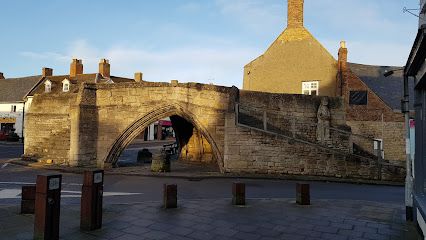
Trinity Bridge
12.2 km
A unique 14th-century three-way stone bridge in the heart of Crowland, once spanning two rivers, now a striking medieval monument in the town centre.
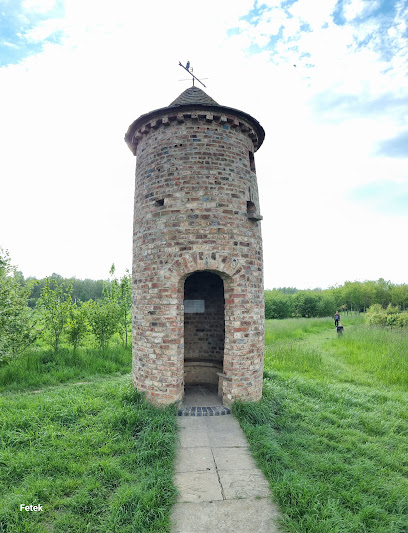
Lincolnshire Road Victims Memorial
20.5 km
A solemn memorial in Wyberton honoring lives lost on Lincolnshire’s roads, set within peaceful Sir Joseph Banks Country Park.
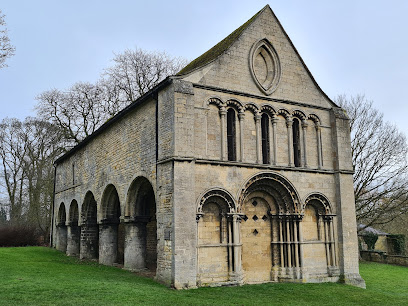
St Leonard's Priory, Stamford
25.8 km
Discover the serene beauty and rich history of St Leonard's Priory in Stamford, a captivating medieval gem waiting to be explored.
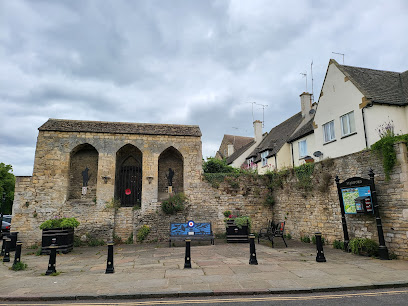
Stamford Castle
26.9 km
Discover the Norman heritage and medieval echoes at Stamford Castle, a historic motte and bailey fortress nestled in the heart of Lincolnshire.
Lynch Lodge
28.6 km
Step into history at Lynch Lodge, a beautifully preserved Georgian porch and unique holiday let nestled in the tranquil village of Alwalton near Peterborough.
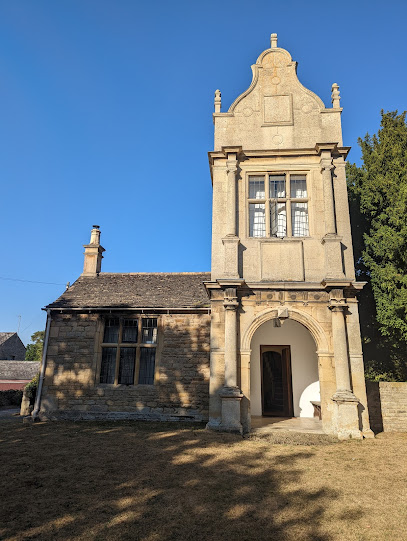
Sleaford Castle
29.6 km
Explore the evocative ruins of Sleaford Castle, a medieval fortress steeped in centuries of ecclesiastical history and local heritage.
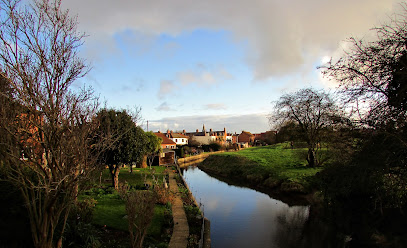
English Heritage - Apethorpe Palace
35.1 km
Explore the enchanting Apethorpe Palace, a historical landmark showcasing England's rich heritage and stunning Tudor architecture.
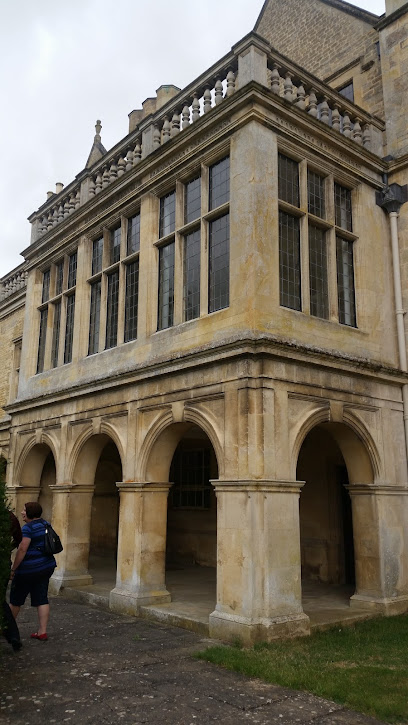
Customs House
36.7 km
Explore Customs House in King's Lynn, a historical gem revealing the rich maritime heritage and stunning architecture of this charming coastal town.
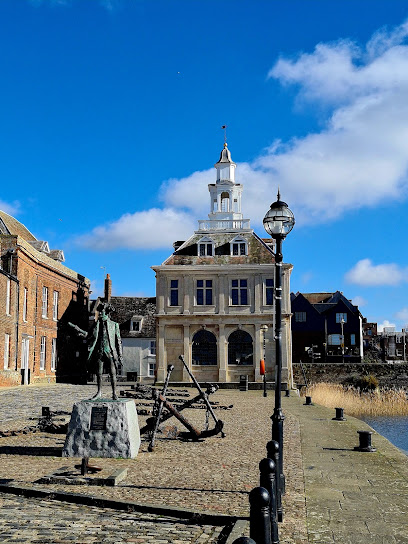
Sandringham Estate
44.8 km
Explore Sandringham Estate, a historical landmark in Norfolk, featuring exquisite gardens and rich royal history, perfect for all visitors.
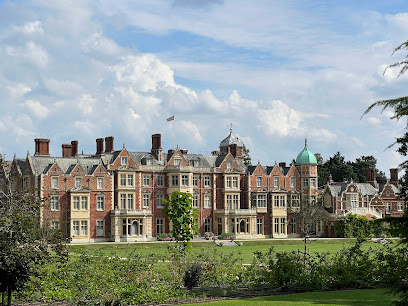
JOHNSONS OF OLD HURST | JOHNSONS ZOO
45.3 km
Experience a magical day at Johnsons Zoo in Old Hurst, where wildlife, local produce, and relaxation come together for a delightful outing.
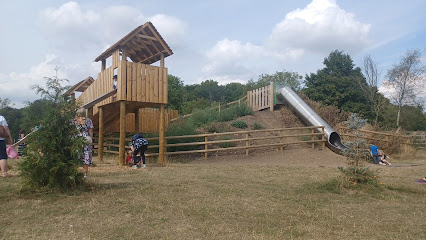
Tupholme Abbey
47.0 km
Medieval monastery transformed: where Premonstratensian canons once prayed, Tudor mansions rose and farmland endured.
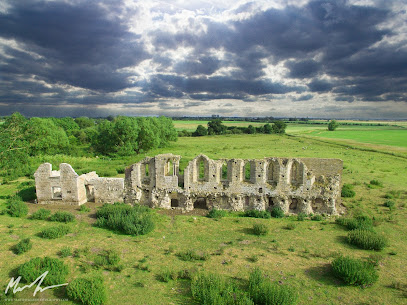
Gibraltar Point National Nature Reserve
47.9 km
Experience the tranquility and natural beauty of Gibraltar Point National Nature Reserve, a haven for wildlife and a perfect escape for nature lovers.
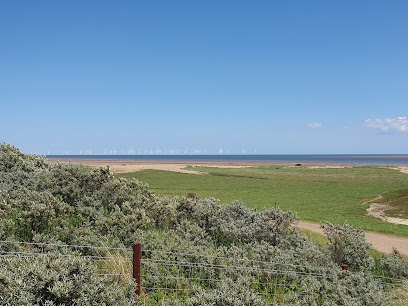
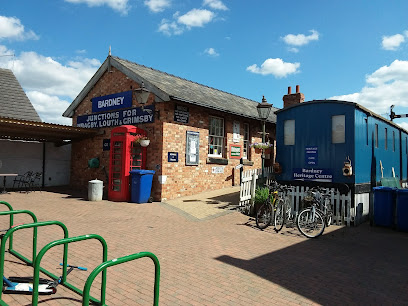
Bardney Heritage Centre
48.7 km
Experience the rich history of Lincolnshire at Bardney Heritage Centre, a captivating destination for culture and heritage enthusiasts.
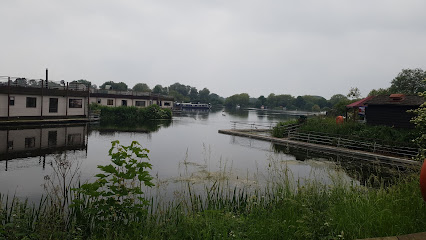
Hartford Mill Wacky Warehouse
49.7 km
Experience endless fun at Hartford Mill Wacky Warehouse, the ultimate children's amusement center in Huntingdon, perfect for family adventures and joy-filled moments.
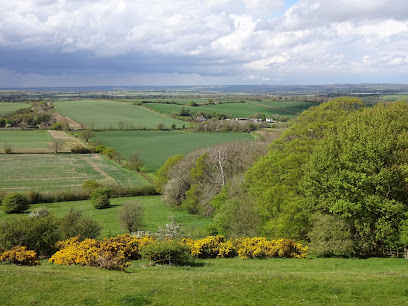
Burrough Hill - Iron Age Hillfort
49.8 km
Discover the wonders of Burrough Hill, an ancient Iron Age hillfort, where history meets breathtaking views in the heart of Leicestershire's countryside.
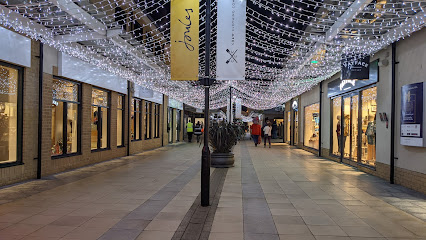
Unmissable attractions to see

Springfields Outlet Shopping & Leisure
2.2 km
Discover over 50 premium outlet stores, award-winning gardens, and family fun at Springfields Outlet Shopping & Leisure in Spalding.
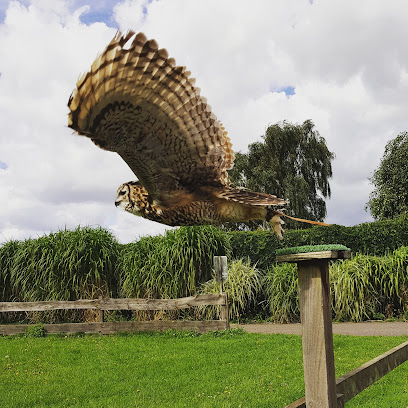
Baytree Owl and Wildlife Centre
4.2 km
Discover the magic of owls and birds of prey through immersive experiences and stunning flying displays at Baytree Owl and Wildlife Centre.
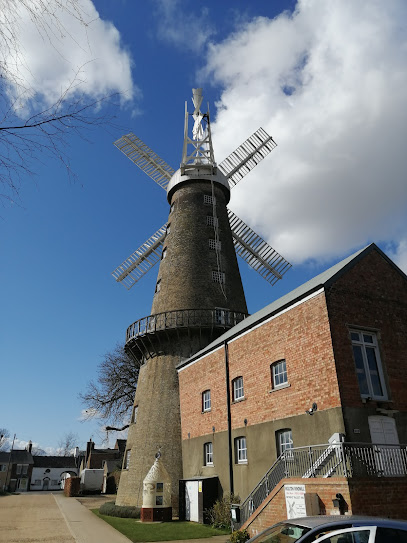
Moulton Windmill
6.1 km
Explore the tallest working windmill in the UK, a stunning 100ft historic landmark with nine floors of heritage and charm in Lincolnshire.
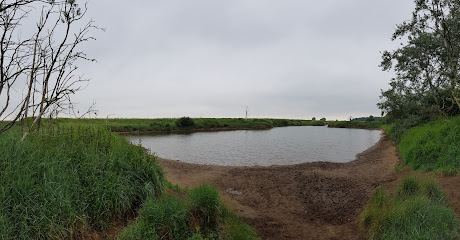
Moulton Marsh Nature Reserve
14.6 km
Tranquil wetland sanctuary with diverse wildlife, scenic river views, and rare saline habitats on the outskirts of Moulton, Lincolnshire.
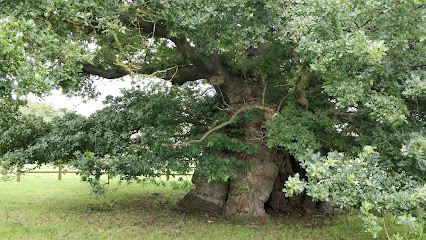
Bowthorpe Oak
19.4 km
Discover the ancient majesty of the Bowthorpe Oak, the UK’s largest girth oak, set within a charming family farm in Lincolnshire’s tranquil countryside.
Grimsthorpe Castle Park & Gardens
20.4 km
Explore centuries of history, art, and nature at Grimsthorpe Castle Park & Gardens, a majestic estate with elegant gardens and vast wildlife-rich parkland.
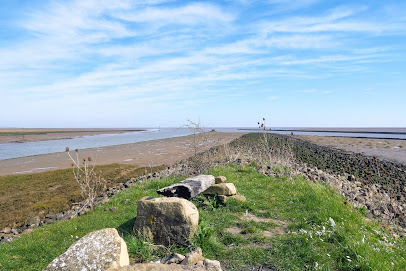
Mouth of Rivers Haven & Welland
22.2 km
Where the serene rivers Haven and Welland meet The Wash, offering tranquil estuary views and rich Fenland wildlife near Boston.
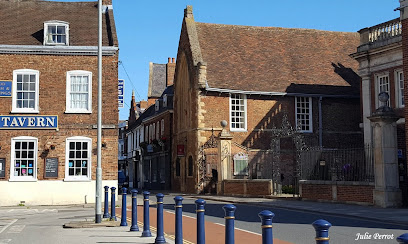
Boston Guildhall
22.9 km
Explore Boston Guildhall, a stunning medieval museum where rich history, Pilgrim Fathers’ legacy, and architectural beauty converge by the river.
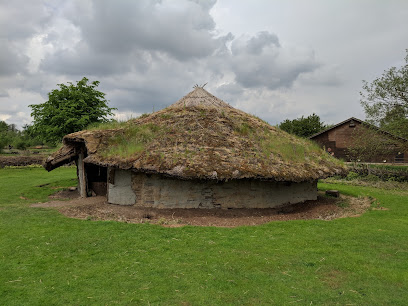
Flag Fen Archaeology Park
23.5 km
Explore 3,500-year-old Bronze Age mysteries and immersive reconstructions at Flag Fen Archaeology Park near Peterborough.
Heckington Windmill
23.5 km
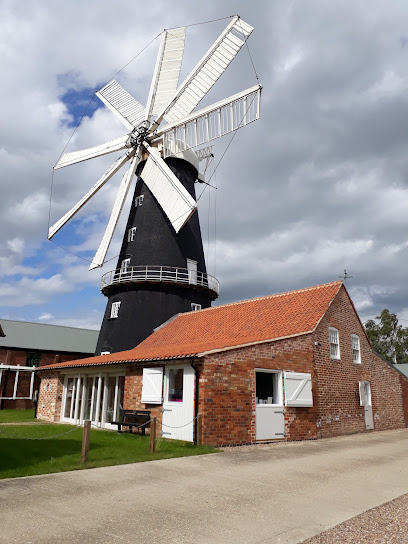
Explore the world’s only eight-sailed windmill, a living heritage site blending history, milling, craft brewing, and community spirit in Lincolnshire.
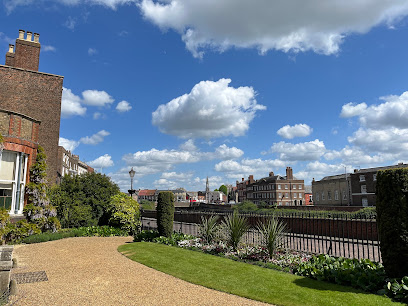
National Trust - Peckover House and Garden
24.4 km
Discover the elegant Georgian home and serene Victorian gardens of the Quaker Peckover family in the heart of Wisbech.
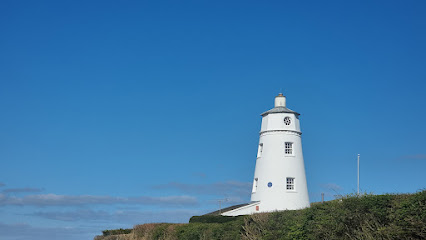
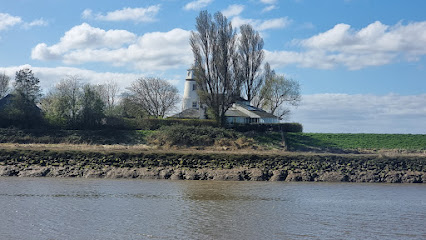
Guys Head Lighthouse
24.6 km
Historic 1831 lighthouse marking the River Nene’s mouth, blending maritime heritage with Lincolnshire’s fenland landscape.
RSPB Freiston Shore
24.9 km
Explore vast tidal saltmarshes and witness spectacular flocks of wading birds at this serene coastal nature reserve on The Wash.
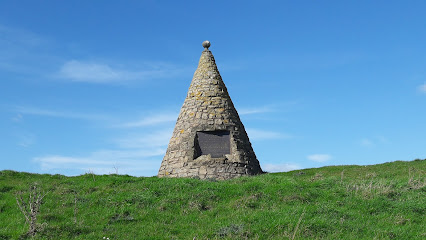
Wash Viewpoint
24.9 km
Experience breathtaking views and vibrant birdlife at Wash Viewpoint, overlooking the expansive tidal estuary of The Wash in Lincolnshire.
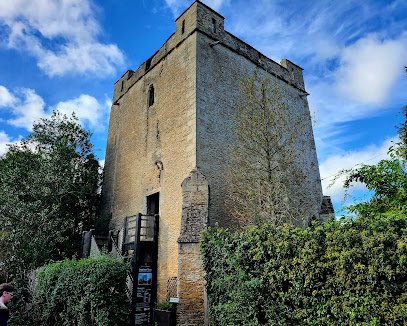
English Heritage - Longthorpe Tower
25.5 km
Explore Longthorpe Tower’s stunning 14th-century medieval murals and immerse yourself in one of England’s finest historic treasures.
Essential places to dine

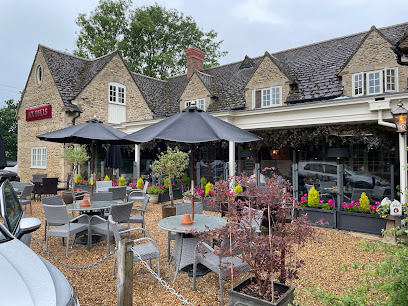
Six Bells
20.3 km
A charming village pub and boutique inn offering refined British cuisine, cozy rooms, and warm hospitality in Witham on the Hill.
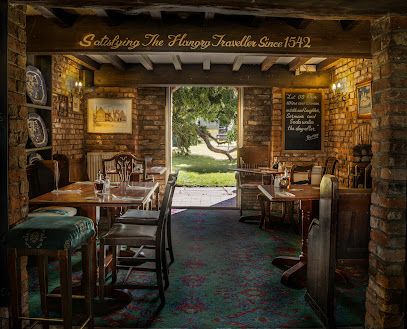
The Leagate Inn
36.3 km
A cozy Lincolnshire pub with inviting rooms, excellent food, and a relaxing beer garden in the heart of Coningsby village.
Hambleton Hall
37.6 km
Michelin-starred country house hotel on Rutland Water, where Victorian elegance meets contemporary comfort.

The Petwood Hotel
41.8 km
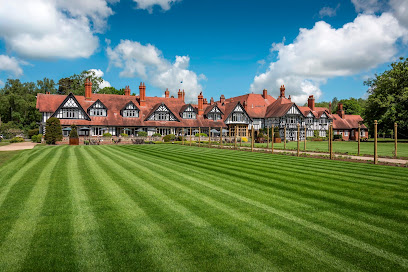
Historic charm meets tranquil gardens and refined comfort at The Petwood Hotel, Woodhall Spa’s iconic country retreat.
The Elm
44.4 km
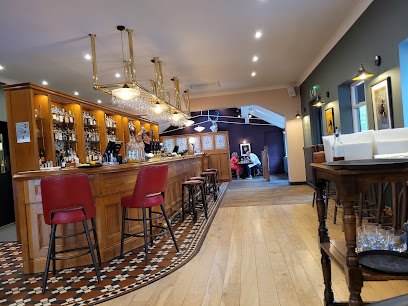
A charming gastro pub in Abbots Ripton offering quality British cuisine in a historic, welcoming setting.
The Crown Inn
44.6 km
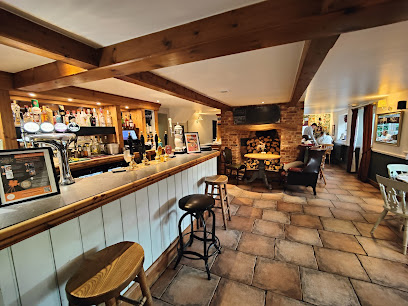
Historic British gastropub in Broughton offering traditional classics and a warm, authentic country pub atmosphere.
The Old Bank
45.1 km
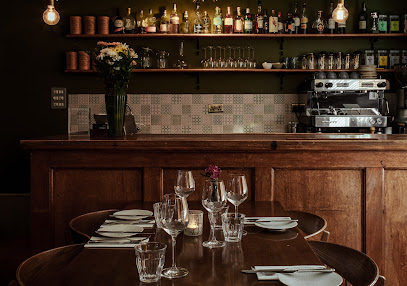
An intimate former bank turned acclaimed bistro, offering expertly crafted tasting menus and warm hospitality in Snettisham.
The Steak House
45.3 km
A classic British steakhouse in Old Hurst serving expertly cooked steaks in a warm, welcoming village setting.
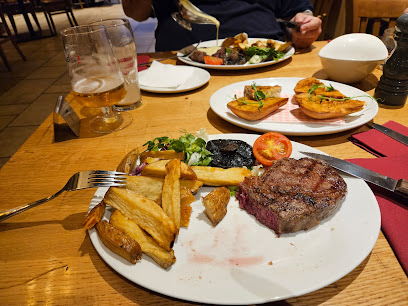
The Windmill
45.6 km
A welcoming traditional English pub in Somersham offering excellent food, attentive service, and a relaxed countryside atmosphere.
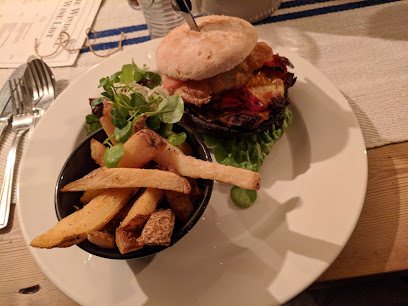
The Samphire Kitchen
46.0 km
Refined modern British dining with fresh, locally sourced ingredients in a stylish Norfolk manor setting.
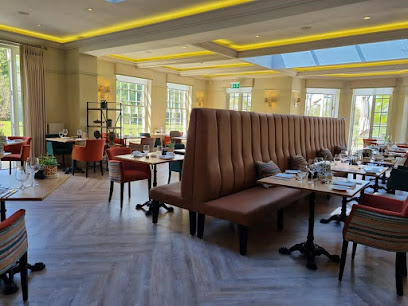
The Manor Hotel & Pub
46.7 km
A charming traditional British pub and hotel in Alconbury offering hearty meals, cozy rooms, and genuine hospitality.
Chi Huntingdon
48.2 km
Experience vibrant South East Asian flavors in a modern, elegant setting at Chi Huntingdon, a culinary highlight in Cambridgeshire’s Sapley area.
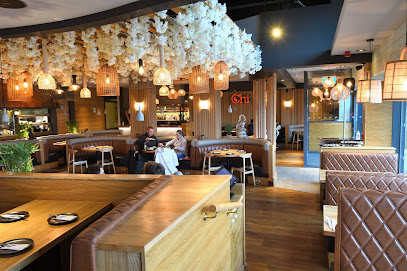
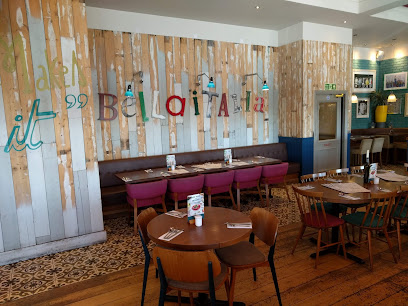
Bella Italia - Huntingdon
48.2 km
Authentic Italian flavors and warm service combine in a family-friendly setting at Bella Italia Huntingdon.
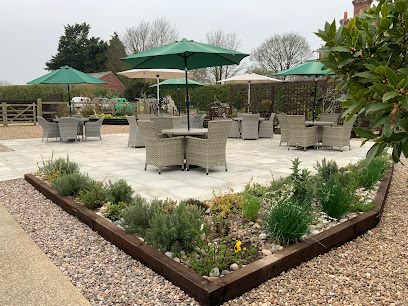
The Red Lion Inn
48.7 km
Experience authentic English countryside charm and comfort at The Red Lion Inn in Partney, where tradition meets warm hospitality.
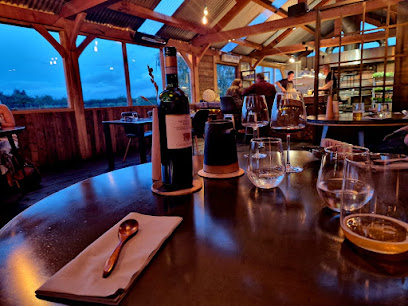
Restaurant Jericho
49.1 km
Farm-to-table fine dining in the heart of Nottinghamshire’s countryside, where rustic charm meets innovative cuisine.
Markets, malls and hidden boutiques

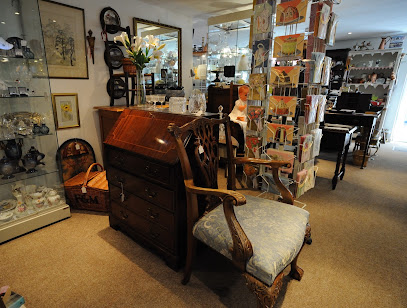
Navenby Antiques Centre
43.8 km
Discover timeless treasures and local heritage in the heart of Navenby’s charming antiques centre.
Norfolk Boutique
44.7 km
Discover elegant ladies' fashion and personalized service in the charming village setting of Norfolk Boutique, East Winch.

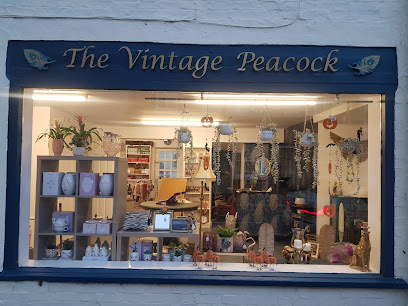
The Vintage Peacock
45.8 km
Discover unique vintage-inspired gifts and stylish apparel in a cozy, artisan-focused boutique in the heart of Somersham.
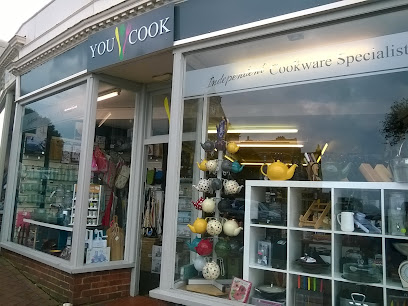
Unique Gifts & Interiors
46.2 km
Boutique gift and interiors shop in Hunstanton offering luxury home styling, bespoke furniture, and expert design services.
Grace's Boutique
47.2 km
A charming boutique in Horncastle offering unique fashion, accessories, and gifts with warm, personalized service in a historic market town setting.

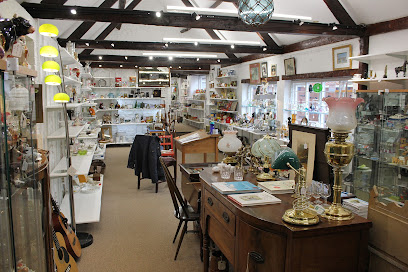
Old Hunstanton Barns
47.6 km
Explore Old Hunstanton Barns: A hidden gem filled with crafts, antiques, and unique treasures on the stunning Norfolk coast.
Willow Farm Shop
48.8 km
Explore Willow Farm Shop for fresh, local produce and a taste of Lincolnshire's agricultural heritage in a charming countryside setting.
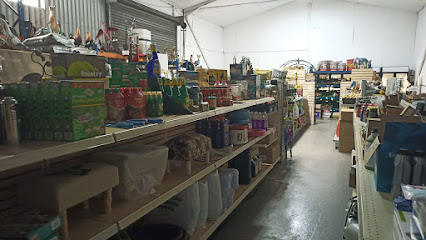
Dunelm
49.4 km
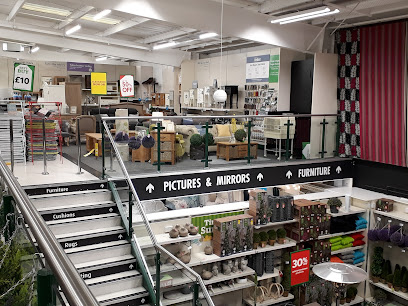
Discover a wide range of homewares at Dunelm in Huntingdon, your go-to destination for stylish and practical home essentials.
Unique Boutique Ltd
49.6 km
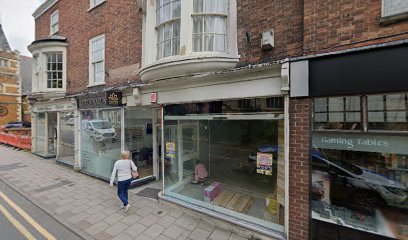
Discover Unique Boutique Ltd, a charming clothing shop offering personalized fashion finds in the historic market town of Melton Mowbray.
Essential Supermarket
50.3 km
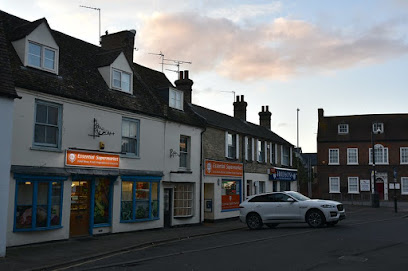
Discover authentic Asian flavors and fresh halal produce at Essential Supermarket, Huntingdon’s go-to for culinary essentials.
Hazelmere Home & Garden
50.4 km
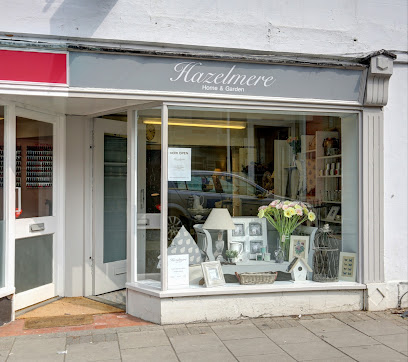
Discover timeless charm and garden inspiration at Hazelmere Home & Garden, Huntingdon’s friendly boutique for interior and outdoor living.
James Cox
50.4 km
Historic Huntingdon department store blending timeless elegance with diverse fashion, gifts, and suit hire since 1893.
Peacocks
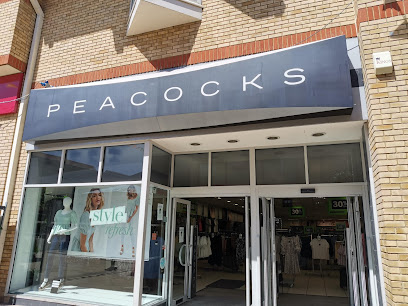
50.5 km
Affordable fashion for men, women, and children at Peacocks Huntingdon, your go-to clothing store in St Germain Walk.
Robert Goddard
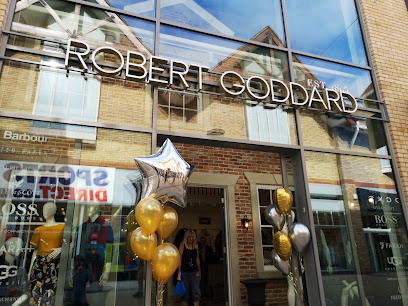
50.5 km
A century-old fashion destination in Huntingdon, offering premium designer clothing and tailored pieces in a classic department-store setting.
Bohdi’s boutique
50.5 km
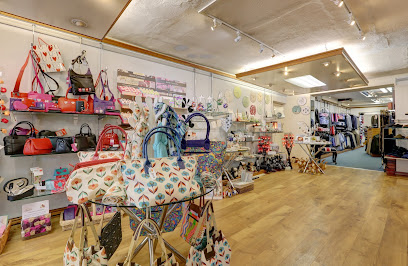
Trendy independent fashion boutique bringing contemporary style to Skegness's seaside shopping scene.
Essential bars & hidden hideouts

The Pack Horse
17.4 km
A warm and lively gastropub in Northborough serving classic British fare with a modern touch and a friendly community spirit.
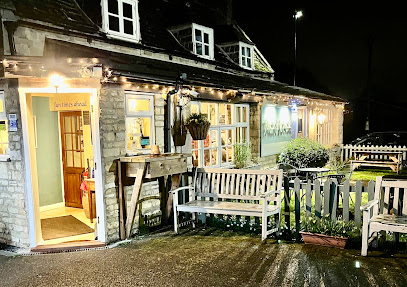
The Lime Tree
21.5 km
A friendly, lively pub in Peterborough’s Walton area, offering great drinks, fresh food, and vibrant music nights daily.
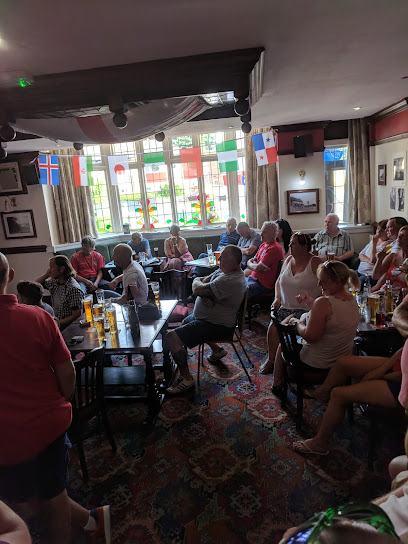
The Oxcart
22.2 km
A welcoming, no-frills estate pub in North Bretton offering classic local hospitality since the 1970s.
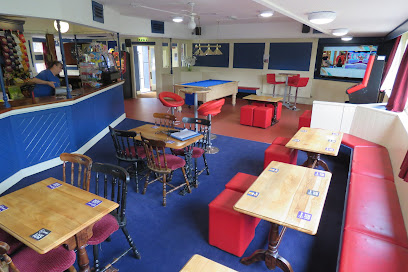
Unique Lounge Bar
22.9 km
Experience refined Japanese-inspired luxury and vibrant nightlife in Lincolnshire’s largest and most opulent lounge bar.
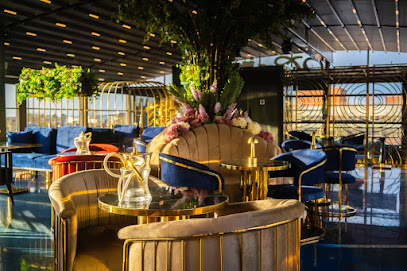
The Bertie Arms
23.6 km
A charming thatched pub in Uffington offering fresh local food, warm hospitality, and a cozy countryside atmosphere.
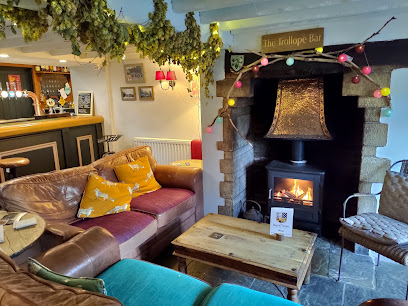
Geneva Bar
24.0 km
A friendly, casual bar in Peterborough known for karaoke nights and a welcoming atmosphere with moderate prices.

Embassy, Flares & Red Room Peterborough
24.0 km
Experience Peterborough’s vibrant nightlife at Embassy, Flares & Red Room — a dynamic blend of bar, nightclub, and lounge with energetic vibes and diverse music.
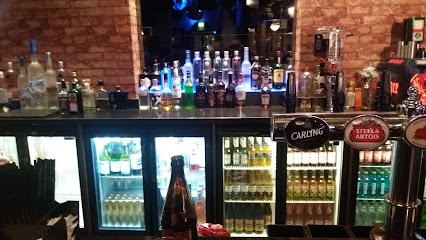
The Ostrich Inn
24.1 km
A vibrant, quirky pub in Peterborough known for local ales, live music, and a welcoming atmosphere with cozy corners and a beer garden.
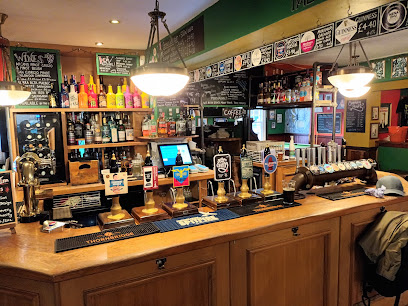
O'Neill'S Peterborough
24.1 km
Lively Irish pub and sports bar in Peterborough’s city center, perfect for watching live games and enjoying vibrant nightlife.
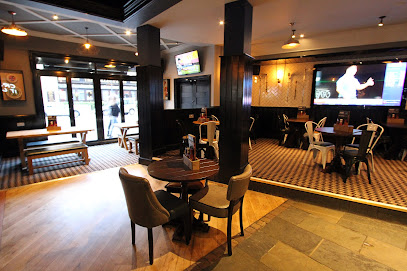
The Brewery Tap
24.1 km
A vibrant microbrewery pub and Thai restaurant in historic Peterborough, blending craft ales with lively entertainment and authentic flavors.
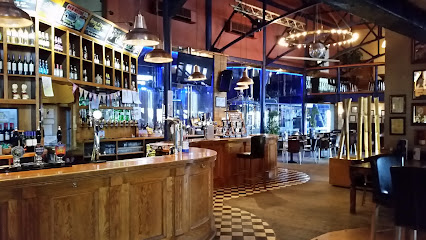
The Bumble Inn
24.1 km
A beloved micropub in Peterborough serving expertly kept real ales in a cozy, friendly setting with a vibrant local vibe.
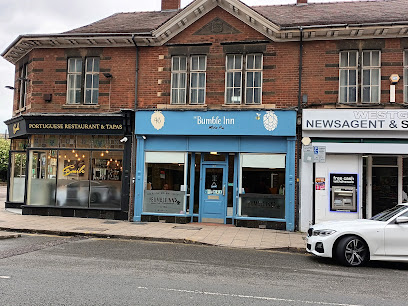
The Draper's Arms - JD Wetherspoon
24.4 km
A lively, affordable JD Wetherspoon pub in Peterborough offering hearty meals and drinks in a spacious, casual setting with daily specials.
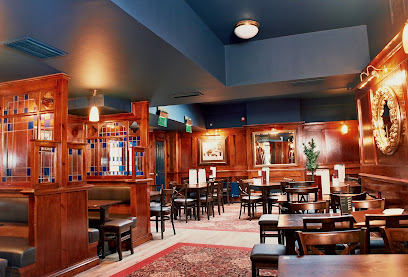
Blind Tiger
24.4 km
Peterborough’s vibrant craft beer bar with 26 taps, quirky urban style, live events, and a unique community spirit.
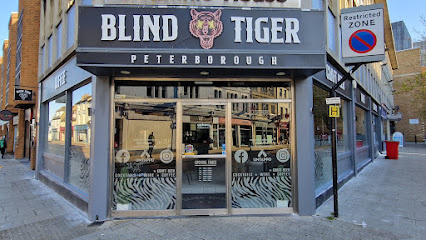
The Stoneworks Bar
24.4 km
A cozy micropub in Peterborough famed for its extensive craft beer selection and friendly, knowledgeable staff.
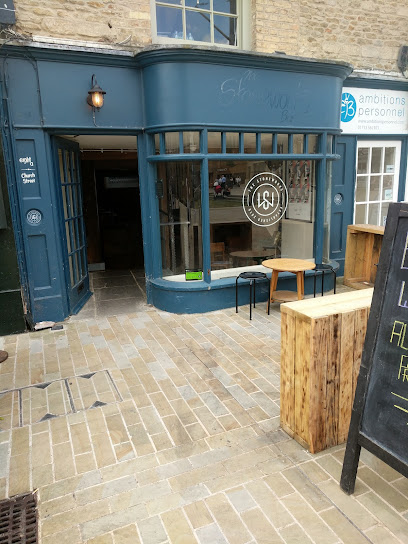
Bijou, Peterborough
24.5 km
Experience Peterborough’s award-winning Bijou Cocktail Bar—where vibrant cocktails, stylish ambiance, and community spirit come together.
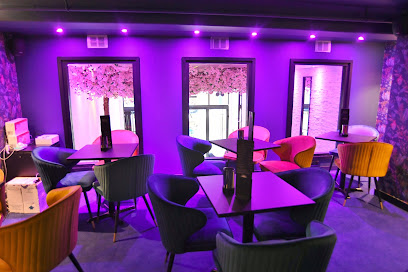
Nightclubs & after hour spots

Club Angel
23.0 km
Experience stylish nightlife and vibrant weekend parties at Club Angel, Boston’s elegant hotspot for late-night entertainment.

Angels Peterborough
24.0 km
Experience lively nightlife and captivating stage performances at Angels Peterborough, the city’s vibrant nightclub and bar on Brook Street.
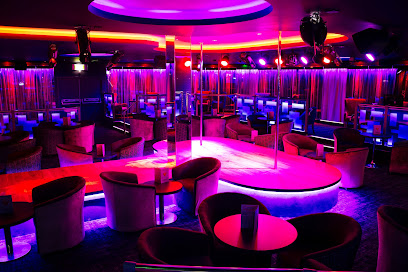
The Met Lounge
24.6 km
Peterborough’s vibrant live music venue and nightclub blending nostalgic charm with lively club nights and diverse musical acts.

Charlie's Nightclub
35.8 km
Experience Coningsby's vibrant nightlife at Charlie's Nightclub, where lively music and a welcoming atmosphere create unforgettable evenings.
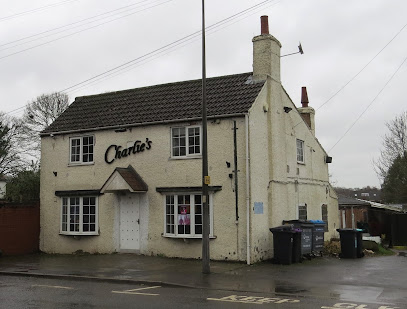
Tubes
49.6 km
Energetic nightlife and affordable drinks come alive at Tubes, Melton Mowbray’s go-to nightclub and bar for fun and dancing.
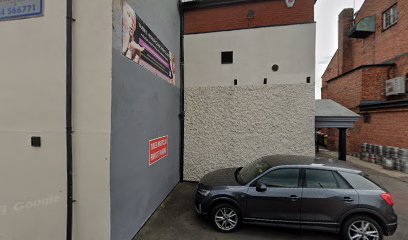
Montagu Club
50.6 km
Discover the lively Montagu Club in Huntingdon - a social haven for music lovers and friends looking to unwind and enjoy local culture.
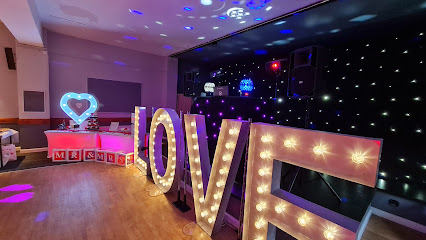
OutOut Nightclub
51.3 km
Vibrant nightlife hub in St. Ives offering dynamic club nights, private events, and a lively atmosphere from 10pm to 4am Fridays and Saturdays.
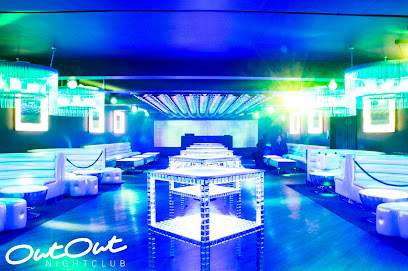
The Lounge
51.4 km
A lively nightclub and wine bar on The Broadway, offering vibrant late-night entertainment in the heart of St Ives.
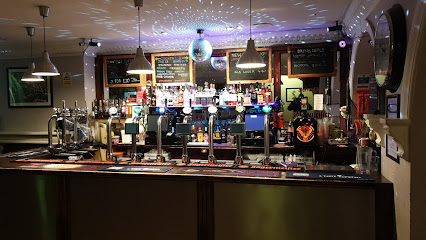
Kush Nightclub
51.7 km
Experience Skegness’ premier nightclub with luxury vibes, cutting-edge sound, and a vibrant dance floor at Kush within The Hive complex.
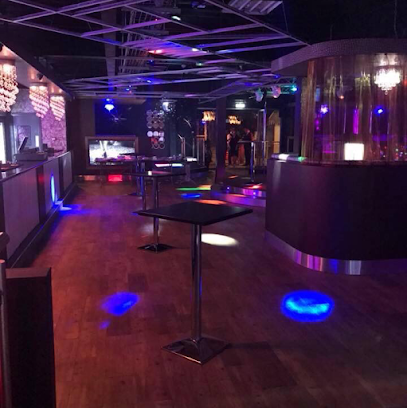
Lincoln Rock N Roll Club
52.2 km
A vibrant rock and roll nightspot in Waddington offering affordable drinks, energetic dancing, and a welcoming community atmosphere.
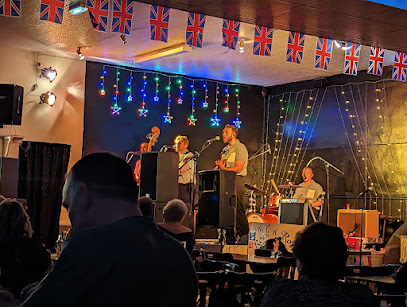
Void Nightclub
56.0 km
Lincoln’s stylish hotspot for electronic dance music, vibrant nights, and unforgettable clubbing experiences.
Atmosphere
56.0 km
Discover the vibrant nightlife of Lincoln at Atmosphere Karaoke Bar, where every night is a celebration of music and fun.
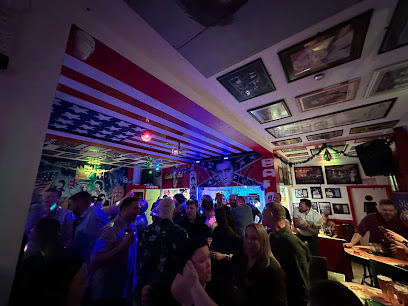
Popworld - Lincoln
56.1 km
Popworld Lincoln: Where cheesy pop hits and vibrant nightlife create unforgettable party nights on High Street.
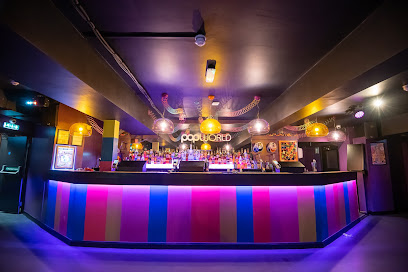
Club Desire
56.1 km
Experience Lincoln’s vibrant nightlife at Club Desire, where luxury meets affordability in a lively, welcoming gentlemen’s club setting.
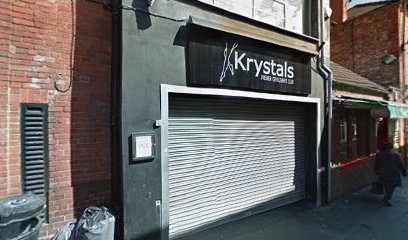
Sugarcubes Nightclub
56.1 km
Energetic and affordable nightlife in Lincoln with a unique cube-themed vibe and friendly atmosphere.

For the vibe & atmosphere seeker
- Romantic
- Relaxing
- Tranquil
- Scenic
- Unique
For the design and aesthetic lover
- Historic
- Vintage Styles
For the architecture buff
- Historic
- Landmarks
- Parks & Gardens
- Heritage Neighborhoods
For the view chaser and sunset hunter
- Iconic Views
- Panoramas
For the social media creator & influencer
- Instagrammable
- Photo Spots
- Aesthetic Corners
- Architectural Shots
For the eco-conscious traveler
- Protected Area
- Locally Managed
- Wildlife Habitat
For the kind of experience you’re after
- Cultural Heritage
- Photowalk
- Nature Escape
- Day Trip
For how adventurous you want the journey to be
- Easy Access
Location Audience
- Family Friendly
- Senior Friendly
- Child Friendly
- Wheelchair Access
- Pet Friendly
- Solo Friendly
- Couple Friendly


