

Forth Bridge, Edinburgh Travel Guide
Free Guide: A towering Victorian cantilever railway bridge and UNESCO World Heritage Site, symbolizing Scotland’s engineering heritage and spanning the majestic Firth of Forth.


A brief summary of Forth Bridge
A towering Victorian cantilever railway bridge and UNESCO World Heritage Site, symbolizing Scotland’s engineering heritage and spanning the majestic Firth of Forth.
The Forth Bridge is an engineering masterpiece and a UNESCO World Heritage Site spanning the Firth of Forth between South and North Queensferry. Completed in 1890, this 2.5 km-long cantilever railway bridge is a symbol of Scotland’s industrial heritage, carrying around 200 trains daily. Its striking red steel structure stands 110 meters tall, showcasing Victorian innovation and enduring strength.
On-site amenities
 Restrooms
 Drink options
 Food options
 Seating areas
 Information boards
 Visitor centre
- Address
- Queensferry, South Queensferry
- Website
Getting there
Train
Bus
Car
Boat Tours
Discover more about Forth Bridge
Engineering Triumph of the Victorian Era
The Forth Bridge, completed in 1890, is a pioneering cantilever railway bridge that spans the Firth of Forth between South Queensferry and North Queensferry. Designed by Sir John Fowler and Sir Benjamin Baker, it was the first major structure in Britain built from mild steel, using over 50,000 tonnes of steel and more than 6 million rivets. The bridge stretches 2,529 meters (8,296 feet) in length and stands 110 meters (361 feet) tall, with its double-track railway elevated 45.7 meters (150 feet) above high tide water level. Its two main spans measure approximately 520 meters each, making it one of the longest cantilever bridges worldwide and a marvel of industrial engineering.
Its construction was a monumental task, involving innovative techniques such as the use of massive caissons floated into position for the foundations. Despite the challenges, the bridge was completed in just eight years and opened by the Duke of Rothesay, the future Edward VII. It remains a vital rail link, carrying around 200 trains daily, connecting Edinburgh and Fife, and serving as a testament to Victorian ingenuity and determination.
A Symbol of Scottish Heritage and Global Recognition
The Forth Bridge is more than just infrastructure; it is a cultural icon and a symbol of Scotland’s industrial past. In 2015, it was designated a UNESCO World Heritage Site, recognizing its outstanding universal value as an engineering landmark. The bridge’s distinctive red color and massive steel cantilevers have become emblematic of Scottish pride and resilience.
Visitors can admire the bridge from various vantage points in South and North Queensferry, including nearby Victorian railway stations and the Forth Bridge Heritage Centre, which offers detailed exhibits on the bridge’s history and construction. The bridge is also part of the wider Forth Bridges Trail, which includes the adjacent Forth Road Bridge and the Queensferry Crossing, showcasing three centuries of bridge engineering in one spectacular location.
Surrounding Landscape and Visitor Experience
Set against the stunning backdrop of the Firth of Forth estuary, the bridge offers breathtaking panoramic views of the water, nearby islands such as Inchgarvie, and historical landmarks like Blackness Castle. The area is rich in wildlife, with opportunities to spot seals and diverse bird species from boat tours or the shore.
While public access onto the bridge itself is restricted, special guided tours allow visitors to ascend to the top platform 110 meters above the water, providing unparalleled views of the surrounding coastlines and the bridge’s intricate steelwork. The nearby towns of South and North Queensferry offer charming amenities, museums, and walking routes to explore the heritage and natural beauty of the region.
Legacy and Continuing Importance
The Forth Bridge remains an essential part of Scotland’s transport infrastructure, carrying the Edinburgh–Aberdeen railway line and supporting freight and passenger services. Its robust design and ongoing maintenance ensure it continues to operate safely over 130 years since its opening.
The bridge’s influence extends beyond engineering; it has inspired artists, photographers, and engineers worldwide, symbolizing the power of human innovation. It stands alongside the newer Forth Road Bridge and Queensferry Crossing, forming a trio of iconic bridges that represent the evolution of bridge engineering from the 19th century to the present day.
Preservation efforts and educational programs continue to celebrate the Forth Bridge’s historical significance, inviting visitors to appreciate its grandeur and the story of its creation.
Architectural and Structural Highlights
The Forth Bridge’s cantilever design features three double cantilever towers, each rising 110 meters above the water, connected by massive steel girders. Its articulated structure allows flexibility and strength, distributing loads efficiently across the spans. The bridge’s red paint, originally a protective coating, has become a signature aesthetic element.
The construction involved over 4,600 workers, with 98 fatalities during the build, reflecting the immense human effort behind the project. Today, the bridge is maintained with modern techniques while retaining its historic character, ensuring it remains a functional and visual landmark.
Integration with Local Culture and Tourism
The bridge is central to the identity of South and North Queensferry, towns with rich maritime and pilgrimage histories dating back to the 11th century. The Forth Bridges Trail connects visitors to local heritage sites, museums, and natural attractions, enhancing the cultural experience.
Events such as guided bridge climbs and boat tours provide immersive ways to engage with the bridge’s history and environment. The area’s hospitality and visitor facilities offer a warm Scottish welcome, making the Forth Bridge not only a feat of engineering but also a vibrant cultural destination.
Evendo Review Centre
 Google
Guest reviews
Best time to go
Quietest: Jan, Feb & Dec · before 6am or at 10pm
Busy times are Evendo estimates for a typical year, to help you plan. Actual crowds vary with events, school holidays and the weather.
Explore Forth Bridge on the map
A handpicked selection of must-see spots near Forth Bridge, mapped for you.
Get your free copy of our complete guide to Forth Bridge, delivered straight to you.
Everything on this page, from opening hours and how to get there to Eve’s tips and the best time to go, in one PDF you can read offline, print or share.
Already have an account? Sign in
Your Forth Bridge guide is ready.
We'll send it to · Not you? Sign out

Getting your guide ready…
We are putting together a fresh copy of the Forth Bridge guide. This can take up to a minute.
This can take a few moments. If your browser asks, choose Allow so the download can start. You'll find the guide in your Downloads folder.
Nothing happened? Download it again
Sorry, the guide is taking longer than usual. Please try again in a minute, or get it by email instead.
Unlock the best of Forth Bridge
Skip-the-line tickets, guided tours with entry, and walking tours of the area, booked in a few clicks.

 Tour
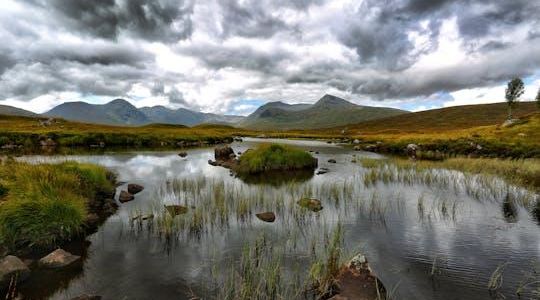
TourLoch Ness and the Highlands of Scotland day trip from Edinburgh
from $61.73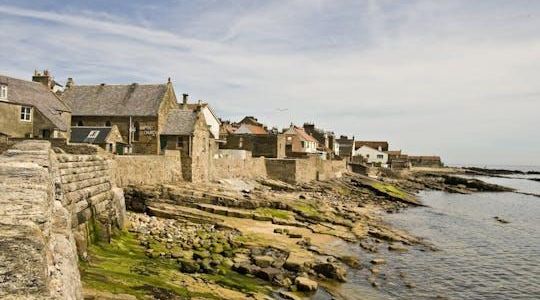 Tour
TourSt Andrews and the fishing villages of Fife tour from Edinburgh
from $71.81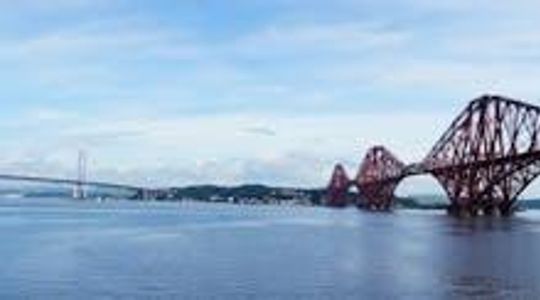 Tour
TourSt Andrews, Falkland Palace and fishing villages tour
from $74.33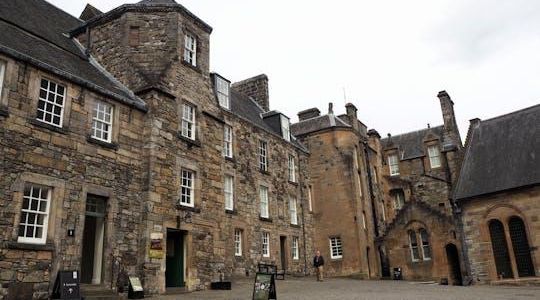 Tour
TourGuided tour from Edinburgh of Rosslyn Chapel, Stirling Castle and Dunfermline Abbey
from $80.63
Other nearby places you may find interesting
The closest places of the same kind, if this one is not quite what you had in mind.
-
-
-
-
-


Swipe for more places
More to explore near Forth Bridge

 Best experiences near Forth Bridge
 Best hotels near Forth Bridge
 Best landmarks near Forth Bridge
 Best attractions near Forth Bridge
 Best shops near Forth Bridge
 Best restaurants near Forth Bridge
 Best bars near Forth Bridge
Do you manage this location?
Take control to get all the benefits, like improved information, better appearance, and stronger visibility across AI-powered discovery.
Explore more

Explore more of Edinburgh
Discover the enchanting blend of history, culture, and natural beauty in Edinburgh, Scotland's captivating capital city.
Explore Edinburgh
Explore more of United Kingdom
Discover the United Kingdom: A blend of rich history, stunning landscapes, and vibrant cities, offering a unique travel experience for every visitor.
Explore United Kingdom
