
St. Bernard's Well: Edinburgh's Classical Healing Sanctuary
An elegant 18th-century Greco-Roman temple in Edinburgh, famed for its healing mineral spring and classical beauty beside the Water of Leith.
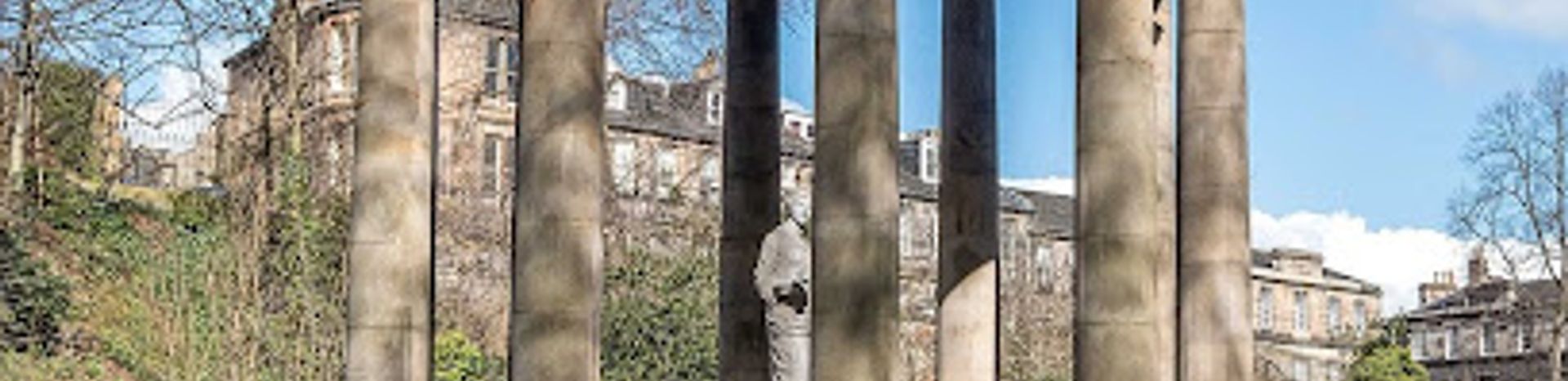
Nestled beside the Water of Leith in Edinburgh, St. Bernard's Well is an exquisite 18th-century monument inspired by ancient Roman temples. Designed by Alexander Nasmyth in 1789, it features a domed roof, Doric columns, and a statue of Hygieia, the goddess of health. Once famed for its mineral spring believed to have healing powers, the well has a rich history linked to Scottish Enlightenment ideals and remains a serene landmark surrounded by woodland.
A brief summary to St. Bernard's Well
- 2 Clarendon Cres, Edinburgh, EH4 1PT, GB
- Visit website
- Duration: 0.5 to 1.5 hours
- Free
-
 Outdoor
- Mobile reception: 4 out of 5
Local tips
- Visit during the Edinburgh Arts Festival or Doors Open Days to access the interior chamber and see intricate details up close.
- Explore the nearby Water of Leith walkway for scenic views and peaceful woodland surroundings.
- After heavy rain, the water flow intensifies, enhancing the sensory experience of the well and its setting.
- Look for the golden pine cone atop the dome, recently restored with gilding during the 2012 conservation project.

For the on-the-go comforts that matter to you
- Seating Areas
- Information Boards
Getting There
-
Public Bus
Take Lothian Buses routes 8 or 23 from Edinburgh city center to Stockbridge; from there, it’s a 10-15 minute walk along the Water of Leith walkway to St. Bernard's Well. Bus fares range from £1.80 to £2.50. Service runs every 10-15 minutes during the day.
-
Walking
From Edinburgh city center, a scenic 40-minute walk along the Water of Leith walkway leads directly to St. Bernard's Well. The path is mostly flat and paved but includes some natural terrain, suitable for most fitness levels.
-
Taxi or Ride-Hailing
A taxi or ride-hailing service from central Edinburgh takes about 10 minutes depending on traffic. Expect fares around £7-£12. Drop-off is near 2 Clarendon Crescent; note limited parking in the area.
St. Bernard's Well location weather suitability
-
 Any Weather
-
 Rain / Wet Weather
-
 Clear Skies
-
 Mild Temperatures
Discover more about St. Bernard's Well
A Classical Gem by the Water of Leith
St. Bernard's Well stands gracefully on the banks of the Water of Leith, framed by the lush greenery of Edinburgh’s New Town parks. Its design, inspired by the ancient Roman Temple of Vesta at Tivoli, Italy, was crafted by the celebrated Scottish landscape painter Alexander Nasmyth in 1789. The circular temple features ten Doric columns supporting an elegant domed ceiling, crowned with a gilded pine cone finial. At its heart is a marble statue of Hygieia, the Greek and Roman goddess of health, symbolizing the well’s historic association with healing waters.Historical Roots and Medicinal Legends
The well’s mineral spring was discovered in the mid-18th century, reputed for its restorative properties. Locals and visitors alike believed the water could cure ailments such as arthritis, muscle pain, and even blindness. The site was commissioned by Lord Gardenstone, an abolitionist and prominent figure in Edinburgh’s Scottish Enlightenment, who helped establish the well as a place of health and social gathering. For nearly two centuries, people “took the waters” here, drawn by the promise of wellness. The inscription above the entrance, "Bibendo Valeris" — "Drink and you will be well" — captures this enduring hope.From Lavish Restoration to Modern Preservation
In 1885, wealthy publisher William Nelson purchased the well and undertook a lavish refurbishment, gifting it to the people of Edinburgh in 1888. However, the well closed in the 1940s due to contamination concerns, including arsenic in the water. After decades of neglect, a major restoration was completed in 2012 as part of Edinburgh’s Twelve Monuments project. This work included careful repairs to the domed roof and the re-gilding of the pine cone finial, preserving the monument’s classical splendor for future generations.An Enchanting Interior and Serene Setting
Though the interior is usually closed, special events such as the Edinburgh Arts Festival and Doors Open Days allow visitors to enter the small, tiled chamber. Inside, intricate details abound: an ornate marble housing for the waterworks, decorative spigots, and a richly adorned pump handle evoke the elegance of an earlier era. The well’s woodland surroundings and the gentle flow of the Water of Leith create a tranquil oasis within the city, inviting quiet reflection and appreciation of its heritage.Literary and Cultural Connections
St. Bernard's Well is linked to Edinburgh’s rich cultural tapestry, including a reputed connection to Mary Wollstonecraft Shelley’s "Frankenstein." The novel’s protagonist, Victor Frankenstein, is said to have admired the well and its surroundings, highlighting the site’s place in the city’s literary imagination. The well also honors St. Bernard of Clairvaux, a 12th-century monk believed to have lived nearby, adding spiritual depth to its historical significance.A Timeless Landmark Amidst Urban Nature
Today, St. Bernard's Well remains a striking landmark visible from the Water of Leith walkway, a testament to Edinburgh’s neoclassical architectural heritage and its historical pursuit of health and enlightenment. Its peaceful location, classical design, and rich stories make it a unique destination for those seeking beauty, history, and a moment of calm in the city.Iconic landmarks you can’t miss

The Dean Bridge
0.3 km
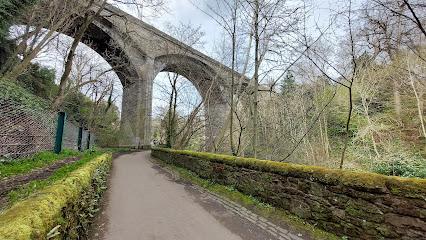
A soaring 19th-century stone bridge by Thomas Telford, linking Edinburgh’s New Town with the scenic Water of Leith valley.
15 Charlotte Square
0.4 km
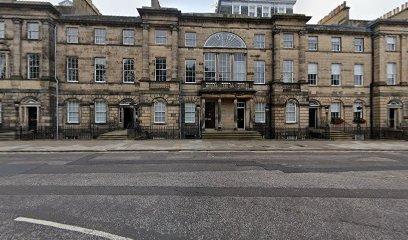
Elegant Georgian townhouse in Edinburgh’s historic Charlotte Square, blending architectural grandeur with rich cultural heritage.
Robert Louis Stevenson Memorial
0.8 km
A modest stone tribute nestled in Edinburgh’s Princes Street Gardens celebrating the enduring legacy of Robert Louis Stevenson.
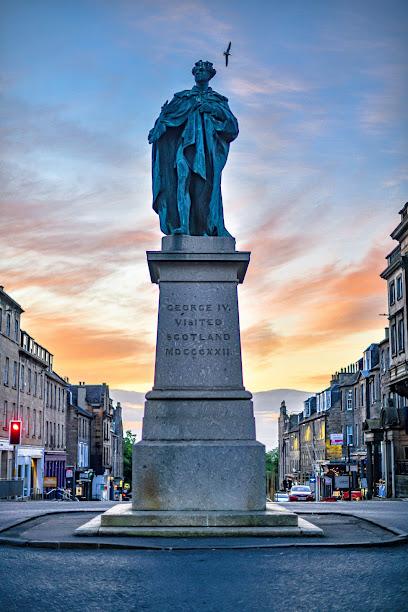
Statue of King George Ⅳ
0.9 km
A regal bronze tribute to King George IV’s historic 1822 visit, standing proudly at Edinburgh’s vibrant Hanover and George Street intersection.
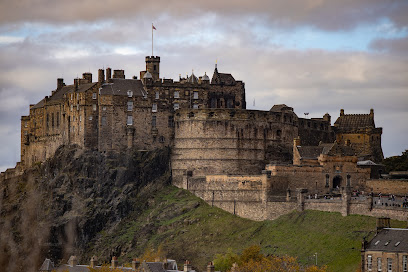
Edinburgh Castle
1.0 km
Explore the iconic Edinburgh Castle, a symbol of Scotland's heritage with stunning views, rich history, and cultural treasures.
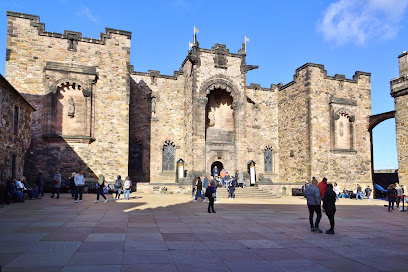
Scottish National War Memorial
1.1 km
Explore the Scottish National War Memorial, a poignant tribute within Edinburgh Castle honoring the valor and sacrifice of Scottish soldiers across history.
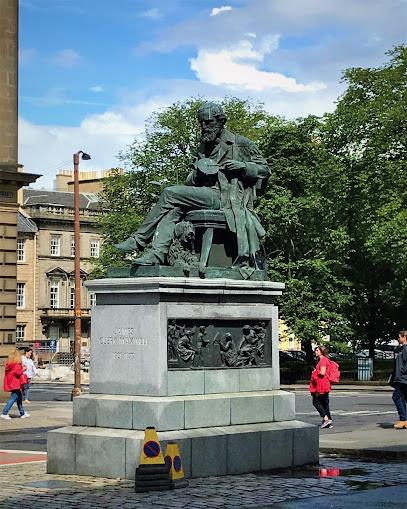
James Clerk Maxwell Statue
1.1 km
Celebrate the legacy of James Clerk Maxwell, the father of modern physics, with this evocative statue in Edinburgh’s historic New Town.
Royal Palace
1.1 km
Discover the Royal Palace of Edinburgh: a historical landmark showcasing Scotland's royal heritage, breathtaking architecture, and stunning gardens in the heart of the city.
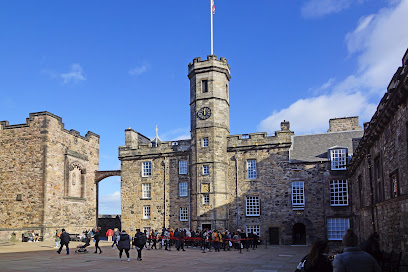
St Andrew Square & George St
1.1 km
Discover the vibrant charm of St Andrew Square & George Street, where historic elegance meets modern flair in the heart of Edinburgh.
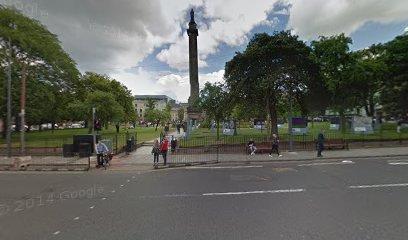
Great Hall
1.1 km
Explore The Great Hall at Edinburgh Castle, a stunning historical landmark showcasing Scotland's royal heritage and architectural beauty.
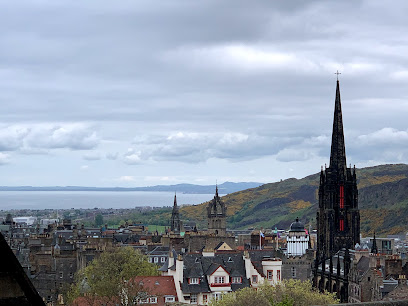
Royal Botanic Garden Edinburgh
1.1 km
Uncover the beauty and biodiversity at the Royal Botanic Garden Edinburgh, a serene retreat showcasing thousands of plant species in a stunning natural setting.
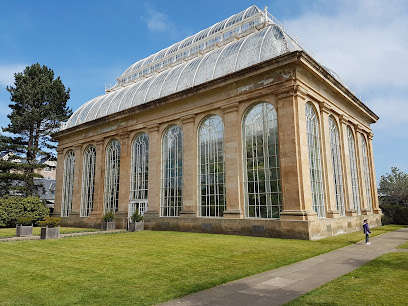
Forward and Half Moon Battery
1.1 km
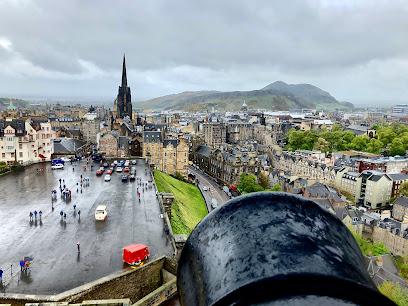
Discover the rich military history and breathtaking views of the Forward and Half Moon Battery at Edinburgh Castle, a must-see for every traveler.
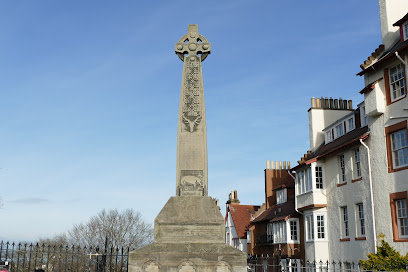
The India Cross
1.1 km
Discover The India Cross in Edinburgh, a historical landmark that showcases the city's cultural connections with India amidst stunning surroundings.
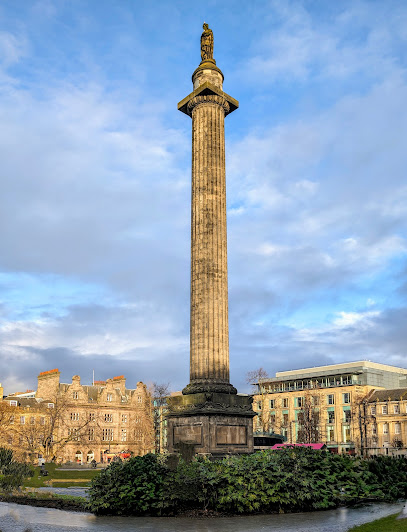
Melville Monument
1.1 km
A towering neoclassical column in Edinburgh’s New Town, commemorating Henry Dundas with rich history and architectural grandeur.
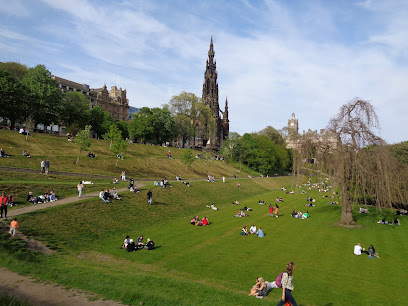
East Princes Street Gardens
1.2 km
Explore the beauty and tranquility of East Princes Street Gardens in Edinburgh, a hidden gem offering stunning views and a peaceful retreat.
Unmissable attractions to see

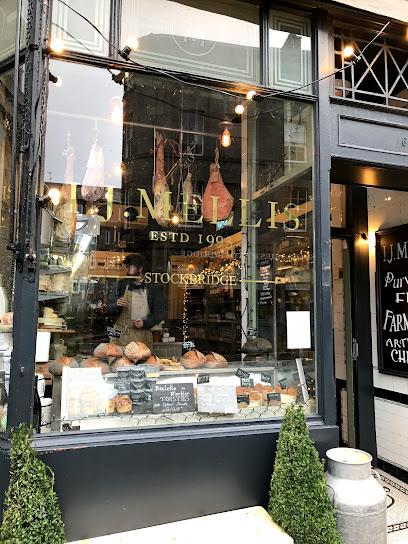
Stockbridge Market
0.3 km
Edinburgh’s vibrant Sunday market offering fresh local produce, street food, crafts, and a lively community atmosphere in charming Stockbridge.
The Georgian House
0.4 km
Step back into 18th-century Edinburgh life in this exquisitely restored Georgian townhouse filled with authentic period furnishings and stories.
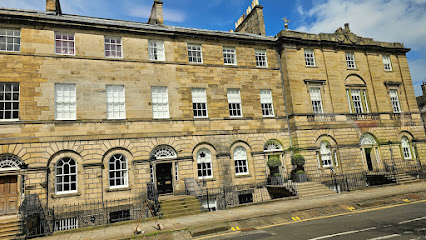
Charlotte Square
0.4 km
Charlotte Square: Edinburgh’s elegant Georgian masterpiece, home to historic architecture, tranquil gardens, and Scotland’s First Minister.
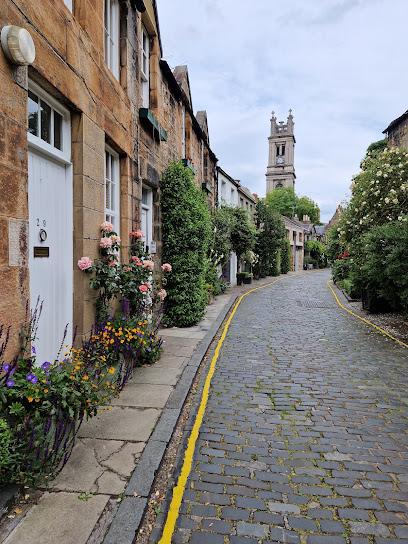
Circus Lane
0.5 km
Explore the enchanting Circus Lane in Edinburgh, a hidden gem lined with colorful flowers and charming architecture, perfect for a leisurely stroll.
The Oxford Bar
0.5 km
Experience the heart of Edinburgh at The Oxford Bar, a historic pub known for its literary connections and welcoming atmosphere.
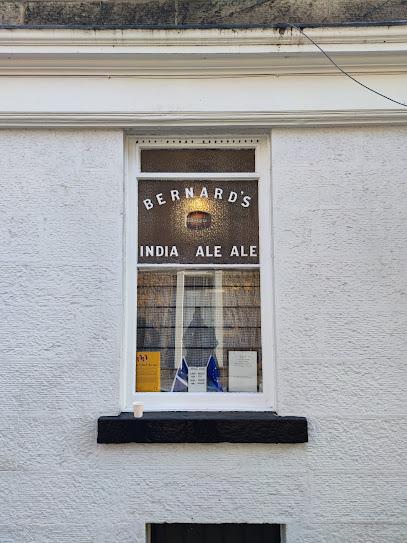
Well Court
0.5 km
Discover Well Court, a beautifully restored Victorian Arts and Crafts social housing gem nestled in Edinburgh’s tranquil Dean Village.
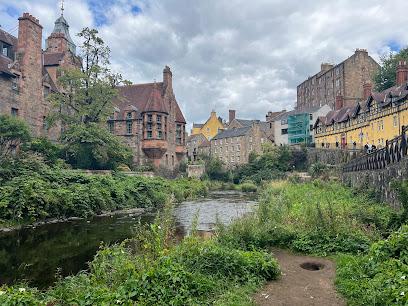
Dean Village
0.5 km
Discover Dean Village, Edinburgh’s tranquil historic milling village with cobbled streets, scenic river views, and timeless Victorian charm.
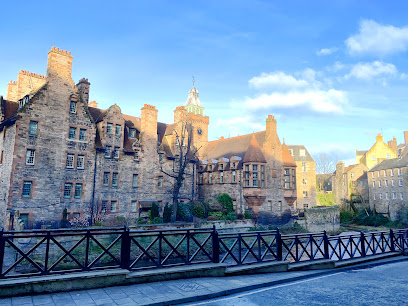
Water of Leith Walkway
0.6 km
A serene 13-mile riverside trail weaving through Edinburgh’s history, nature, and culture from Balerno to Leith.
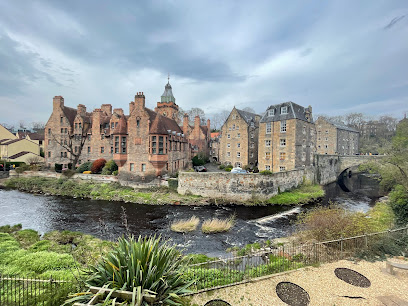
Heriot Row
0.6 km
Discover the timeless elegance and historic charm of Heriot Row, a prestigious Georgian street overlooking tranquil gardens in the heart of Edinburgh’s New Town.
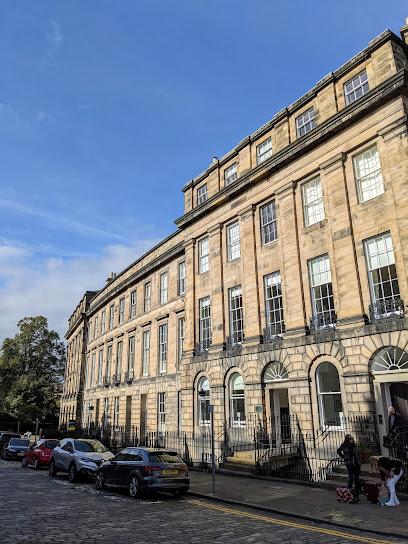
Stockbridge
0.6 km
A charming village atmosphere with Georgian elegance, artisan markets, riverside walks, and cosy cafés just minutes from Edinburgh city centre.
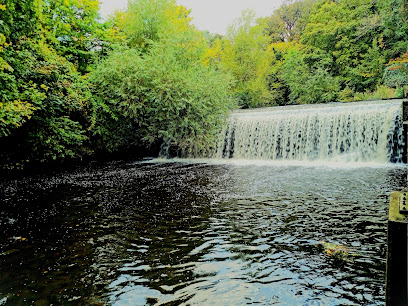
Water of Leith Weir
0.6 km
A serene and historic riverside retreat near Dean Village, blending nature, heritage, and tranquil waters in the heart of Edinburgh.
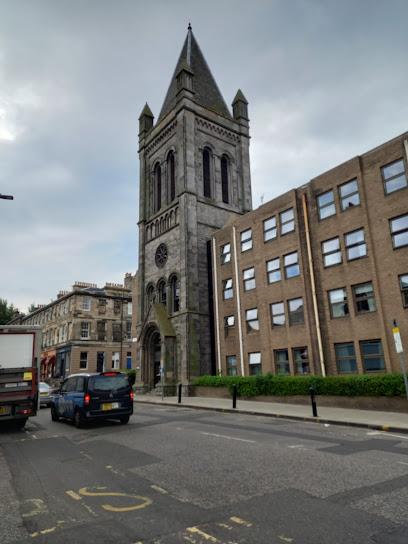
St. John's Church Hall
0.7 km
Historic Gothic church hall on Princes Street, blending stunning stained glass artistry with vibrant community events in Edinburgh’s New Town.
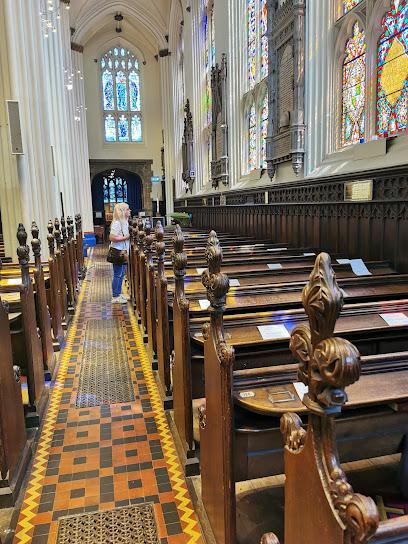
Dean Cemetery
0.7 km
A serene Victorian garden cemetery in Edinburgh, rich with historic monuments and the resting place of Scotland’s cultural icons.
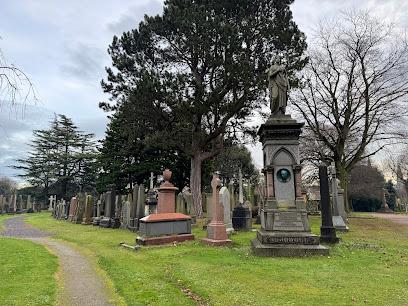
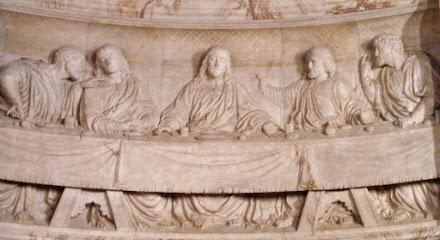
The Parish Church of St Cuthbert
0.7 km
Explore the Parish Church of St Cuthbert, Edinburgh's historic spiritual haven filled with stunning architecture and rich heritage.
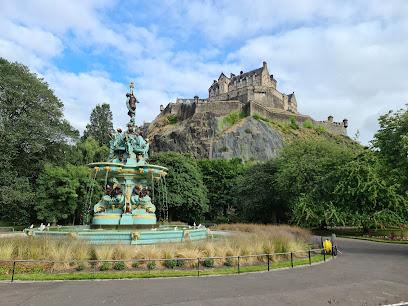
Ross Fountain
0.8 km
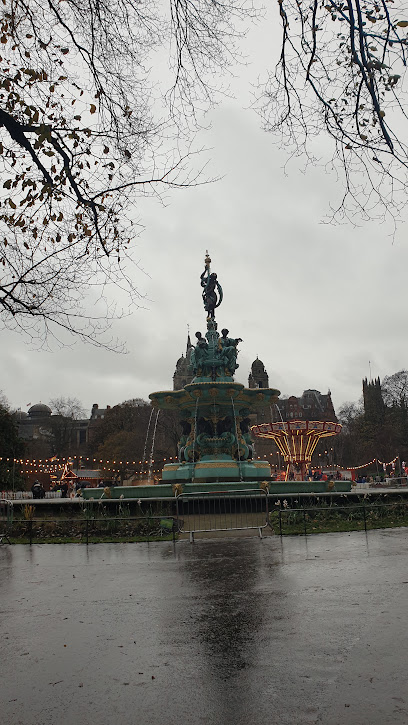
A dazzling Victorian cast-iron fountain beneath Edinburgh Castle, blending French artistry with Scottish heritage in vibrant color.
Essential places to dine

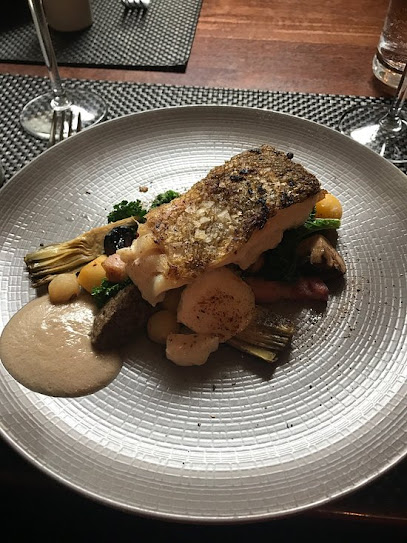
Purslane Restaurant
0.4 km
Intimate basement fine dining where ambitious modern cuisine meets Scottish sourcing and genuine hospitality.
BABA
0.5 km
Levantine spices and charcoal-grilled excellence on Edinburgh's George Street.
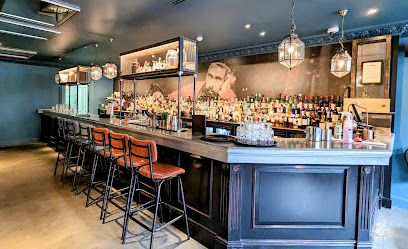
Forage & Chatter
0.5 km
Discover innovative Scottish cuisine crafted from local ingredients in a cozy West End setting at Forage & Chatter, Edinburgh.
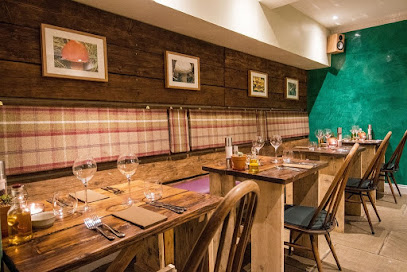
Aizle
0.5 km
Discover Edinburgh’s acclaimed modern European tasting menu with seasonal Scottish ingredients in a bright, relaxed Garden Room setting.
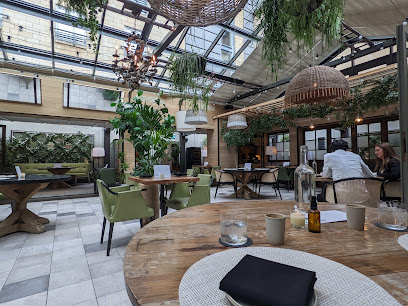
Contini George Street
0.6 km
Elegant Italian dining in a stunning Georgian banking hall, blending authentic flavors with Scottish freshness on Edinburgh’s George Street.
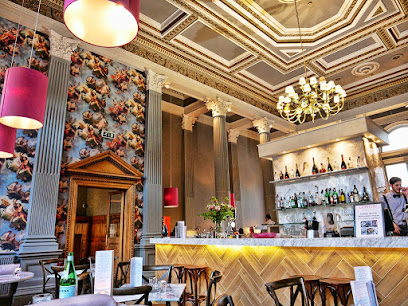
Badger & Co
0.6 km
A charming Wind in the Willows–themed gastropub in Edinburgh serving elevated Scottish pub classics and creative cocktails in a lively, welcoming setting.
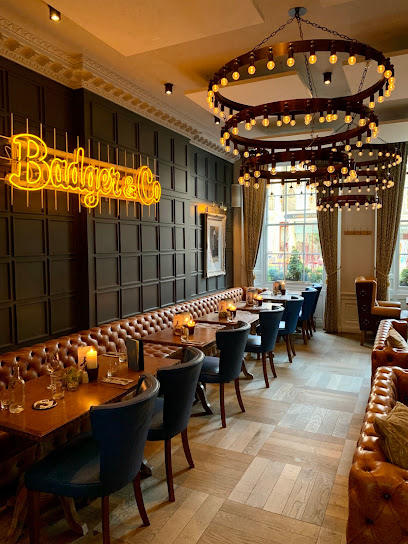
Chaophraya Thai Restaurant
0.6 km
Sophisticated Thai dining with panoramic views of Edinburgh Castle, blending authentic flavors and stylish ambiance in the heart of New Town.
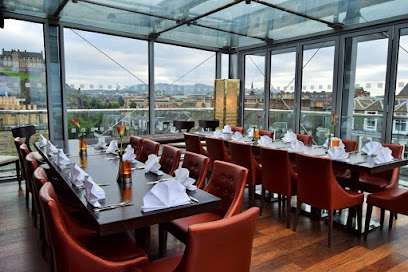
The Pompadour
0.7 km
Experience refined modern Scottish cuisine with stunning Edinburgh Castle views in the elegant setting of 1925 at The Pompadour.
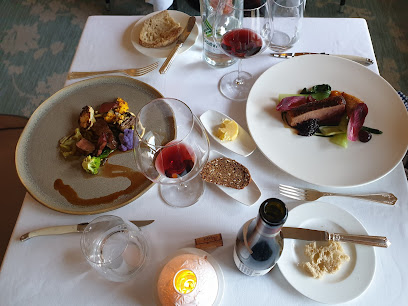
The Table
0.8 km
Ten seats, two chefs, one unforgettable table—Edinburgh's most intimate fine dining theatre.
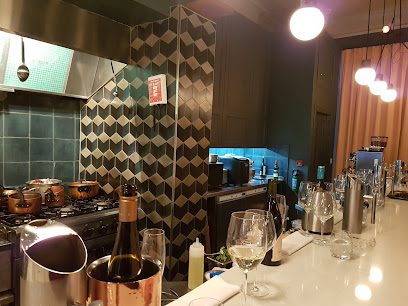
Six by Nico Edinburgh
0.9 km
Discover Edinburgh’s Six by Nico for innovative six-course tasting menus blending playful flavors and stylish ambiance in the city’s vibrant New Town.
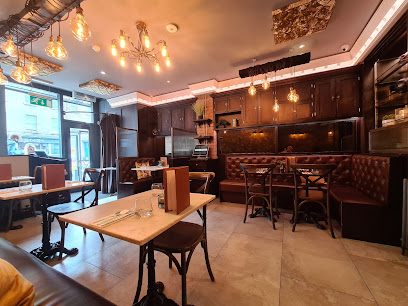
The Palmerston
0.9 km
A stylish West End restaurant serving modern Scottish cuisine in a refined, relaxed setting just steps from Edinburgh’s city centre.
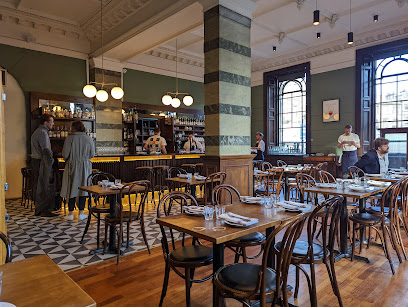
Dine Edinburgh
0.9 km
Elegant Scottish brasserie above the Traverse Theatre, blending seasonal local flavors with refined service and a chic cocktail lounge.
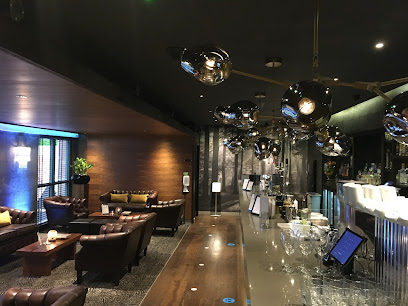
Amarone
1.1 km
Experience authentic Italian flavors and lively ambiance in the heart of Edinburgh’s New Town at Amarone, a bustling Italian restaurant with a rich menu.
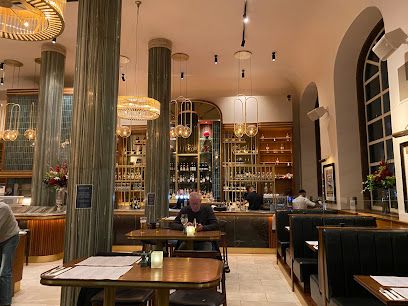
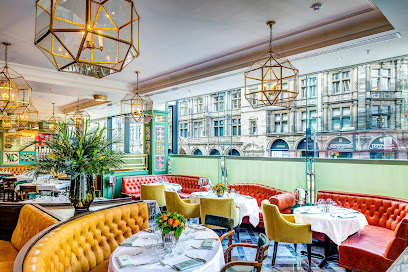
The Ivy On The Square Edinburgh
1.1 km
Elegant British brasserie with Scottish flair, inventive cocktails, and a vibrant atmosphere in Edinburgh’s St Andrew Square.
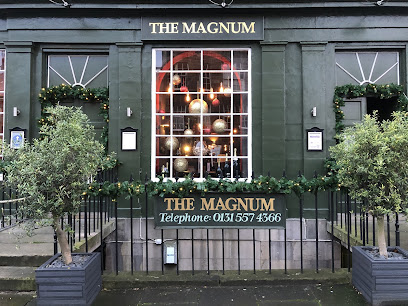
The Magnum
1.2 km
A cozy yet stylish Edinburgh restaurant blending classic Scottish flavors with creative modern cuisine and a lively bar atmosphere.
Markets, malls and hidden boutiques

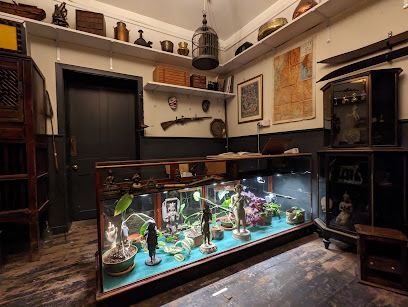
CIRCUS Vintage and Curios
0.3 km
Discover timeless vintage treasures and curiosities in Edinburgh’s charming Stockbridge at CIRCUS Vintage and Curios.
Those Were The Days Vintage
0.4 km
Discover timeless elegance and authentic vintage fashion from the 1920s to the 1990s at Edinburgh’s curated boutique, Those Were The Days Vintage.

Scottish Design Exchange
0.5 km
Discover Edinburgh’s vibrant hub where over 300 local artists showcase unique creations, supporting Scotland’s creative economy with every purchase.
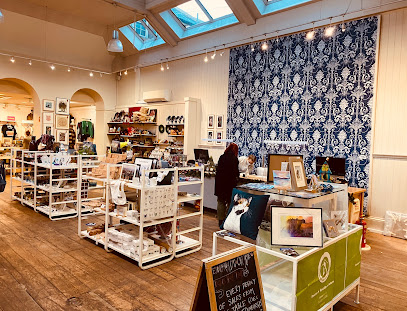
ScotlandShop
0.5 km
Discover bespoke tartans, tailored kilts, and authentic Scottish gifts at Edinburgh’s ScotlandShop on Queensferry Street.

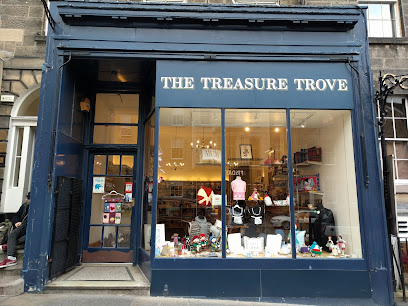
The Treasure Trove
0.6 km
Discover Edinburgh’s charming charity shop with unique handmade gifts that support local artisans and meaningful causes.
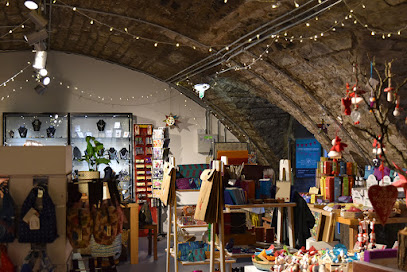
One World Shop
0.7 km
Edinburgh’s oldest fair trade shop offering ethical gifts and vegan treats beneath historic St John's Church on Princes Street.
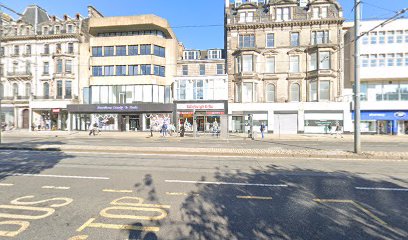
Mangue - The Gift Shop
0.7 km
Discover unique gifts and local treasures in a friendly boutique on Edinburgh’s vibrant Rose Street.

Edinburgh Gifts
0.8 km
Discover authentic Scottish treasures and local craftsmanship in the heart of Edinburgh on iconic Princes Street.
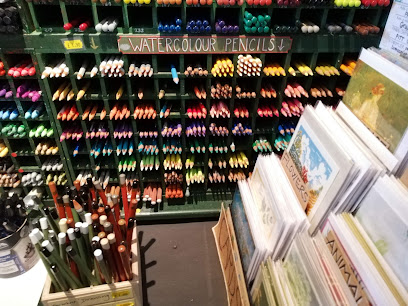
Greyfriars Art
0.8 km
A welcoming art supply haven in Edinburgh’s New Town, fostering creativity with quality materials and expert advice.
Unicorn Antiques
0.8 km
Discover Edinburgh’s hidden gem for authentic antiques, vintage furniture, and timeless treasures at Unicorn Antiques on Dundas Street.
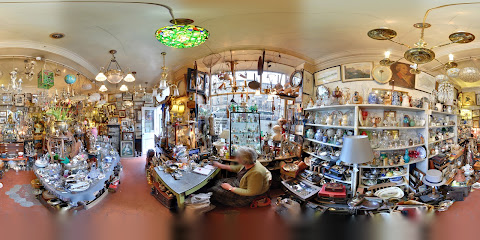
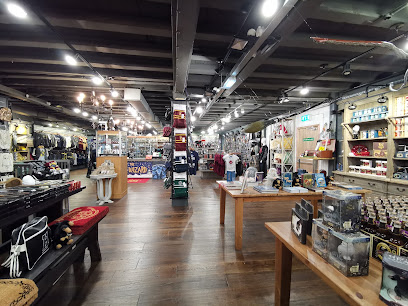
Great Scot
1.0 km
Discover authentic Scottish heritage and craftsmanship at Great Scot, a vibrant gift shop on Edinburgh’s iconic Princes Street.

Portcullis Gift Shop
1.0 km
Edinburgh Castle’s largest gift shop, offering exclusive Scottish crafts, clan gifts, and souvenirs in a historic setting.
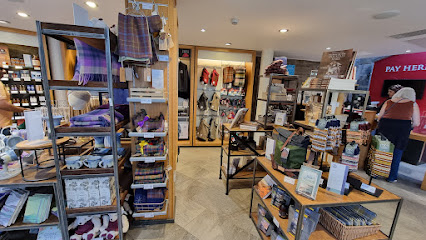
Tartan Weaving Mill and Exhibition
1.2 km
Discover Scotland's rich textile heritage at the Tartan Weaving Mill, where history meets craftsmanship in a vibrant exhibition and unique shopping experience.
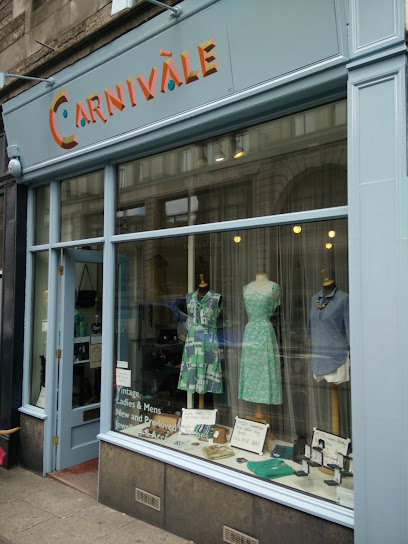
Carnivàle Vintage
1.2 km
Discover unique vintage clothing and timeless treasures in Edinburgh’s charming Carnivàle Vintage boutique.
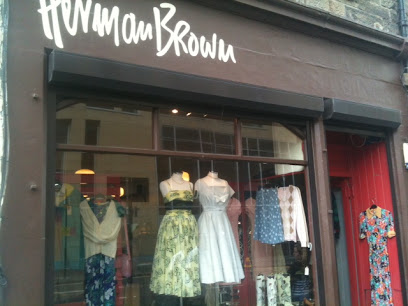
Herman Brown
1.2 km
Discover timeless vintage fashion and sustainable style at Herman Brown, Edinburgh’s iconic vintage clothing shop since 1983.
Essential bars & hidden hideouts

Panda & Sons
0.4 km
Edinburgh's hidden speakeasy where barbershop secrets unlock theatrical cocktails, smoky spectacles, and a fictional family's boozy tales in cosy, low-lit elegance.
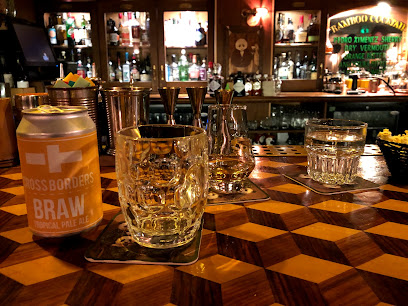
The Last Word
0.4 km
A cosy, stylish cocktail bar in Edinburgh’s Stockbridge, famed for creative drinks, expert whisky selection, and a warm, intimate atmosphere.

Copper Blossom
0.6 km
A glamorous cocktail bar and restaurant on George Street, blending stylish decor with inventive drinks and shareable plates in vibrant Edinburgh.
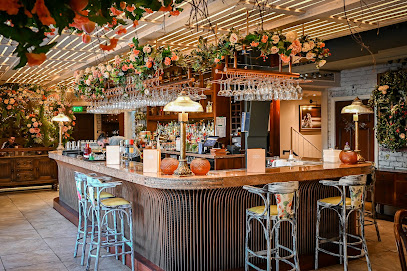
Dirty Dick's Pub
0.6 km
Experience Edinburgh’s quirky and cozy Dirty Dick's Pub, famed for whisky, lively charm, and hearty Scottish classics on vibrant Rose Street.
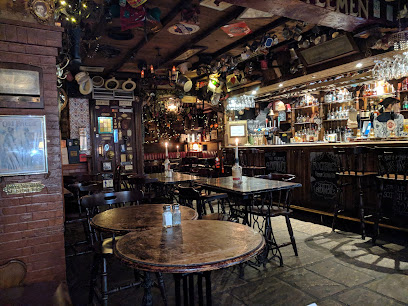
The Rat Pack - Piano & Cocktail Bar
0.6 km
Edinburgh’s iconic American-style piano bar blending live music and classic cocktails in a lively West End setting.
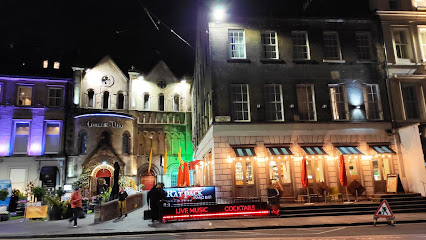
Lucky Liquor Co
0.6 km
Intimate and creative cocktail bar in Edinburgh’s New Town, blending expert mixology with a vinyl soundtrack and a welcoming vibe.
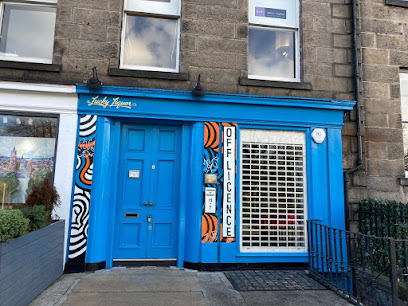
Heads & Tales Gin Bar
0.6 km
Discover Edinburgh’s hidden gin haven where craft distilling meets cozy speakeasy charm in the heart of the West End.
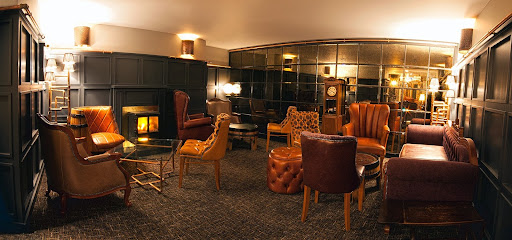
The Caley Bar
0.7 km
Step into The Caley Bar for a refined blend of Victorian railway heritage, bespoke cocktails, and Scotland’s finest whiskies in the heart of Edinburgh.
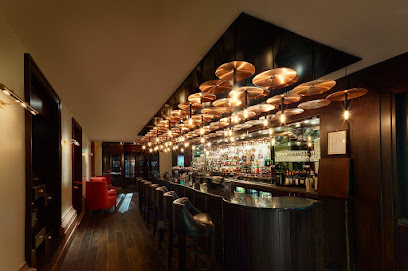
Never Really Here
0.7 km
Edinburgh's ultimate speakeasy: knock the graffiti door for bespoke cocktails in an intimate, menu-free den of mixology magic.
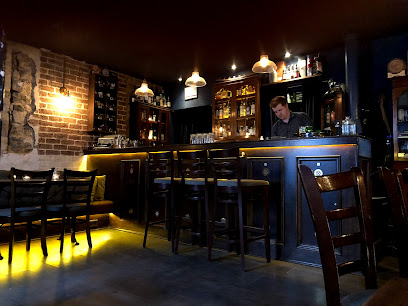
The Bon Vivant
0.7 km
Candlelit bistro haven on Thistle Street, pouring award-winning cocktails and serving local Scottish fare with French finesse since 2008.
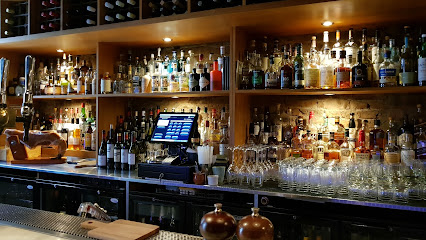
Thistle Street Bar
0.8 km
A cozy and authentic Scottish bar in Edinburgh’s Old Town, famed for superb ales, live traditional music, and warm local hospitality.
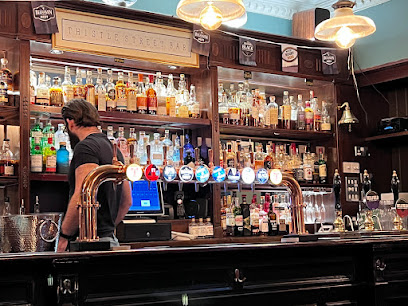
NQ64 Edinburgh
0.8 km
A neon-lit arcade bar in Edinburgh blending retro gaming classics with creative cocktails and a lively, nostalgic atmosphere.
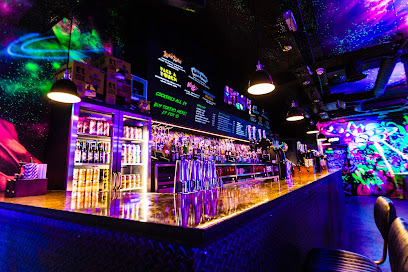
Bramble Bar
0.9 km
Edinburgh's speakeasy legend: masterful cocktails, dim-lit nooks, and beats that linger until 1am in a Queen Street basement hideaway.
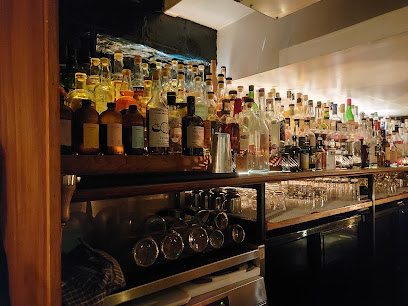
Grand Cru
0.9 km
Edinburgh's cocktail haven on Hanover Street, blending masterful drinks, modern European bites, and seamless day-to-night vibes in the heart of New Town.
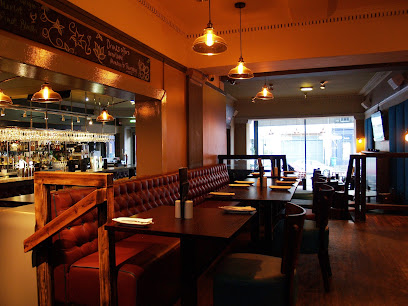
All Bar One Exchange Plaza
0.9 km
Stylish and contemporary wine bar in Edinburgh’s heart, perfect for relaxed socializing and after-work drinks with attentive service.
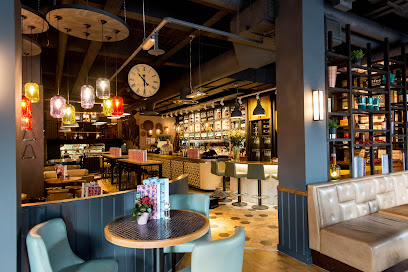
Nightclubs & after hour spots

Lulu Bar and Nightclub
0.5 km
Edinburgh's George Street gem: chic cocktails, thumping beats, and dance floors that ignite the night in upscale style.
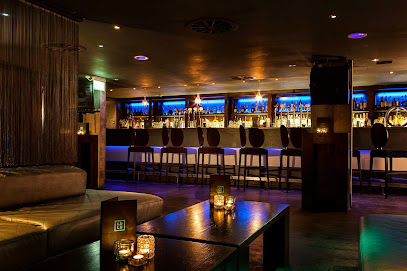
PDT Please Don’t Tell
0.6 km
Edinburgh’s intimate speakeasy-style nightclub offering expertly crafted cocktails and a cozy, conversation-friendly atmosphere.

The Shack Retro Bar & Club
0.7 km
Edinburgh's retro dance den blasting 60s-90s hits amid quirky decor and sweaty dance floors—pure nostalgic escapism on Rose Street.

Opal Lounge
0.8 km
A stylish live music bar and nightclub in Edinburgh’s New Town, perfect for celebrations and vibrant nightlife.
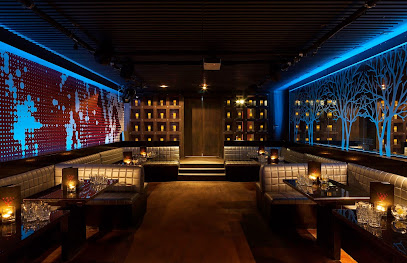
Club Tropicana
0.8 km
Experience Edinburgh’s vibrant retro nightlife with classic disco hits and lively dance floors at Club Tropicana on Lothian Road.
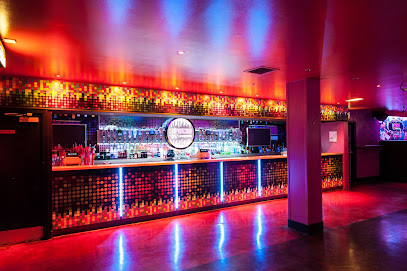
Garibaldi's
0.9 km
Edinburgh's tiniest nightclub packs the biggest late-night punch on Hanover Street, with killer margaritas and a dance floor that never quits till 3am.
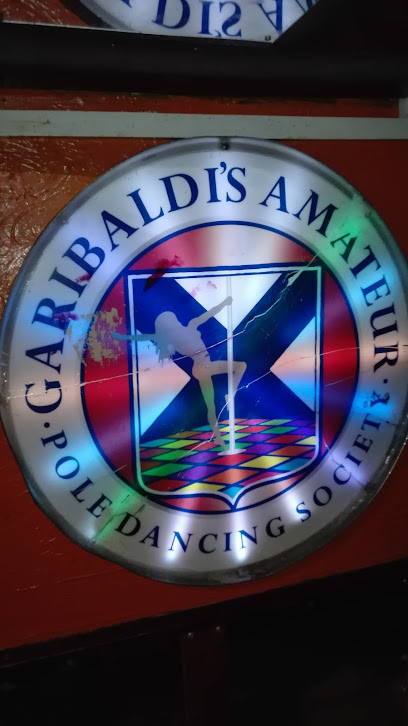
El Barrio Latino
0.9 km
Edinburgh's sizzling Latin nightclub where salsa beats pulse through New Town nights, drawing dancers to its vibrant Hanover Street heart until the early hours.
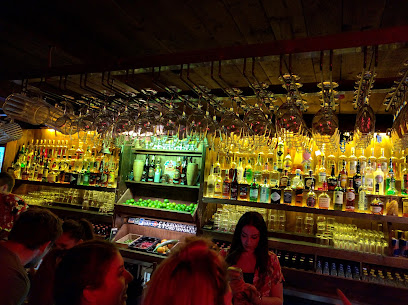
Shanghai Nightclub
1.0 km
Edinburgh's Oriental nightlife den: Asian decor, themed beats, VIP vibes, and non-stop energy on George Street.
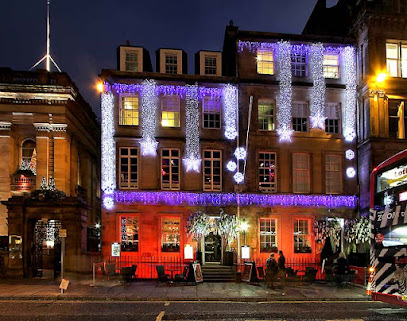
Why Not Nightclub
1.0 km
Edinburgh's multi-award-winning late-night haven with LED immersion, garden vibes, and non-stop beats on George Street.
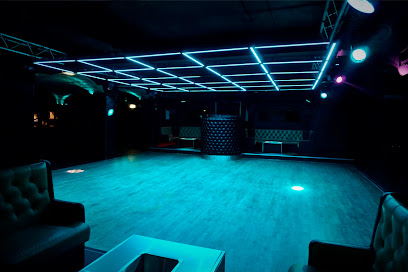
The Liquid Room
1.3 km
Edinburgh's multi-level nightlife gem: techno thumps, live gigs, and warehouse vibes on historic Victoria Street.
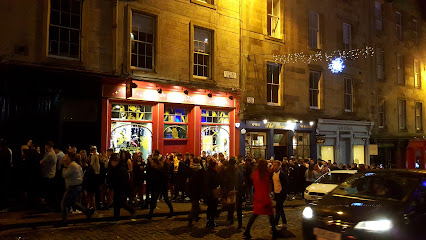
The Bongo Club
1.4 km
Edinburgh’s underground hotspot blending eclectic music, live art, and a vibrant late-night scene in the historic Old Town.

Legends
1.5 km
Edinburgh’s only 24/7 rock nightclub, Legends pulses with raw energy and live alternative music in the heart of Cowgate.
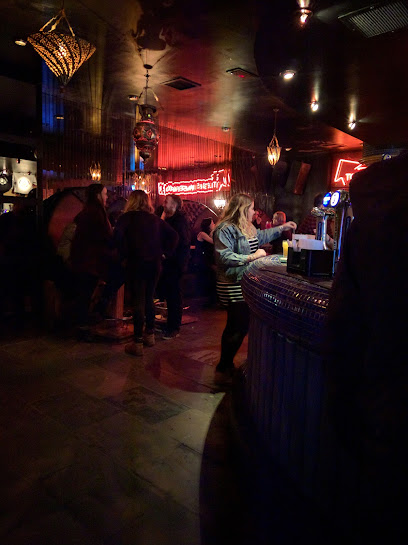
Sneaky Pete's
1.5 km
Intimate live music and club nights in Edinburgh’s Old Town, where emerging talent meets vibrant nightlife.
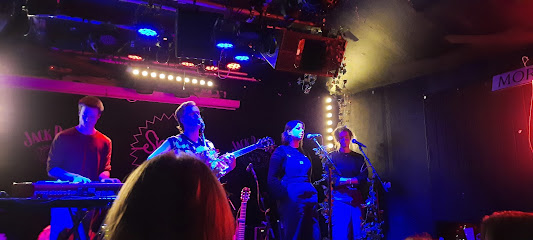
The Hive Nightclub & Venue
1.7 km
Edinburgh's gritty Cowgate nightclub: cheap drinks, multi-room beats, and non-stop energy until 3am in the heart of Old Town.
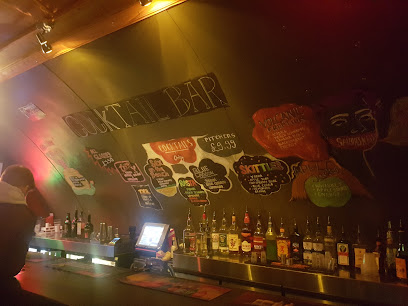
La Belle Angele
1.7 km
Edinburgh’s intimate nightclub and live music venue blending historic charm with vibrant themed nights and diverse performances.
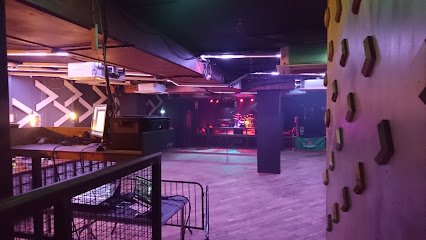
For the vibe & atmosphere seeker
- Tranquil
- Scenic
- Unique
- Relaxing
For the design and aesthetic lover
- Vintage Styles
- Classical Designs
For the architecture buff
- Historic
- Landmarks
- Parks & Gardens
For the view chaser and sunset hunter
- Iconic Views
- Waterfront
For the social media creator & influencer
- Instagrammable
- Photo Spots
For the eco-conscious traveler
- Public-Transport Accessible
- Low Impact
For the kind of experience you’re after
- Cultural Heritage
- Photowalk
- Nature Escape
- Day Trip
For how adventurous you want the journey to be
- Easy Access
Location Audience
- Family Friendly
- Senior Friendly
- Child Friendly
- Teen Friendly
- Wheelchair Access
- Solo Friendly
- Couple Friendly


