Hawes Pier, Queensferry, Stirling Travel Guide
Free Guide: Historic ferry pier where centuries of Scottish maritime heritage meet modern tourism beneath the iconic Forth Rail Bridge.


A brief summary of Hawes Pier, Queensferry
Historic ferry pier where centuries of Scottish maritime heritage meet modern tourism beneath the iconic Forth Rail Bridge.
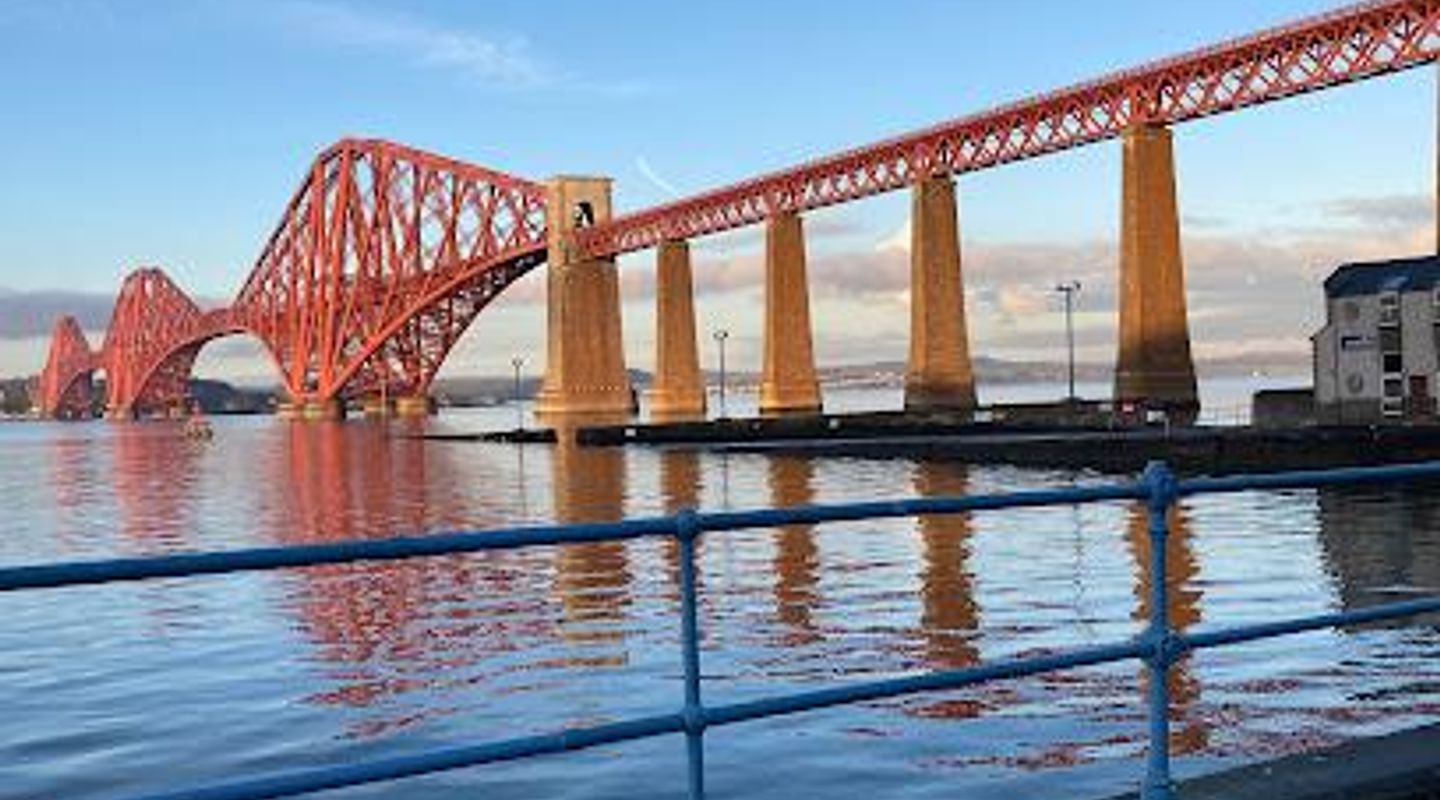
Hawes Pier is a historic waterfront landmark in South Queensferry, built around 1812 by renowned Scottish civil engineer John Rennie. Located directly beneath the Forth Rail Bridge, this Category B listed structure served as the departure point for the ferry crossing that operated for centuries until the Forth Road Bridge opened in 1964. Today, it remains a significant heritage site and tourist attraction, offering views across the Firth of Forth and serving as a departure point for boat tours to nearby islands.
On-site amenities
 Restrooms
 Drink options
 Food options
 Seating areas
 Information boards
 Visitor centre
- Address
- Hawes Pier, South Queensferry EH30 9TB
Getting there
Bus
Train
Car
Walking
Discover more about Hawes Pier, Queensferry
A Gateway Built by Engineering Genius
Hawes Pier stands as a testament to Scotland's engineering heritage, constructed around 1812 by the celebrated civil engineer John Rennie, likely in collaboration with Robert Stevenson. This Category B listed building has endured for over two centuries, its sturdy Victorian stonework weathering the tides and seasons of the Firth of Forth. Positioned almost directly beneath the iconic Forth Rail Bridge, the pier occupies a dramatic location where industrial heritage and natural landscape converge, creating a setting rich with historical significance.
The Ferry's Final Chapter
For centuries, Hawes Pier served as the vital departure point for the ferry crossing that gave South Queensferry its name. The ferry service itself traces its origins to the 11th century, when Queen Margaret established a crossing to facilitate pilgrimages to Dunfermline Abbey. This ancient connection to royalty and religious devotion transformed a simple river crossing into a named place of historical importance. The pier continued its essential function until 1964, when the opening of the Forth Road Bridge rendered the traditional ferry service obsolete, marking the end of an era that had defined the town's character and economy for nearly a thousand years.
A Hub of Local Life and Commerce
Beyond its role as a ferry terminus, Hawes Pier was embedded in the fabric of South Queensferry's community. The adjacent Hawes Inn, dating from the 17th century and featuring in Robert Louis Stevenson's 1886 novel Kidnapped, served as a change house for stagecoaches during the 18th century. The nearby Hawes Garage, originally constructed as stables and coach houses, evolved into Queensferry's first garage and taxi service. From the 1950s onwards, the garage became famous for providing elegant vehicles—Lagondas, Rolls Royces, and horse-drawn carriages—for the annual Ferry Fair procession, where the Ferry Fair Queen and her court paraded through town in style.
Modern Purpose and Tourist Access
Today, Hawes Pier has been reimagined for contemporary visitors. The pier now serves as a departure point for tourist boat services, including ferries to Inchcolm Island, allowing modern travelers to experience the Firth of Forth much as their predecessors did centuries ago. The location offers unobstructed views of the three Forth bridges—the historic Rail Bridge, the modern Road Bridge, and the newer Queensferry Crossing—creating a unique vantage point where three eras of engineering achievement are visible simultaneously.
Architectural Significance and Heritage Status
The pier's designation as a Category B listed building reflects its architectural and historical importance to Scotland's built heritage. Its Victorian-era construction techniques and materials have proven remarkably durable, allowing the structure to continue functioning and welcoming visitors more than two centuries after its completion. The lighthouse associated with the pier adds another layer of maritime heritage, guiding vessels through one of Scotland's busiest waterways and serving as a beacon of the region's seafaring traditions.
Evendo Review Centre
 Google
Guest reviews
Best time to go
Quietest: Jan, Feb & Dec · before 6am or at 10pm
Busy times are Evendo estimates for a typical year, to help you plan. Actual crowds vary with events, school holidays and the weather.
Explore Hawes Pier, Queensferry on the map
A handpicked selection of must-see spots near Hawes Pier, Queensferry, mapped for you.
Get your free copy of our complete guide to Hawes Pier, Queensferry, delivered straight to you.
Everything on this page, from opening hours and how to get there to Eve’s tips and the best time to go, in one PDF you can read offline, print or share.
Already have an account? Sign in
Your Hawes Pier, Queensferry guide is ready.
We'll send it to · Not you? Sign out

Getting your guide ready…
We are putting together a fresh copy of the Hawes Pier, Queensferry guide. This can take up to a minute.
This can take a few moments. If your browser asks, choose Allow so the download can start. You'll find the guide in your Downloads folder.
Nothing happened? Download it again
Sorry, the guide is taking longer than usual. Please try again in a minute, or get it by email instead.
Other nearby places you may find interesting
The closest places of the same kind, if this one is not quite what you had in mind.
-
-
-
-
-


Swipe for more places
More to explore near Hawes Pier, Queensferry
-
 Best experiences near Hawes Pier, Queensferry
-
 Best hotels near Hawes Pier, Queensferry
-
 Best landmarks near Hawes Pier, Queensferry
-
 Best attractions near Hawes Pier, Queensferry
-
 Best shops near Hawes Pier, Queensferry
-
 Best restaurants near Hawes Pier, Queensferry
-
 Best bars near Hawes Pier, Queensferry


Do you manage this location?
Take control to get all the benefits, like improved information, better appearance, and stronger visibility across AI-powered discovery.
Explore more

Explore more of Stirling
Discover Stirling: A city where history comes alive amidst stunning landscapes and cultural richness in the heart of Scotland.
Explore Stirling
Explore more of United Kingdom
Discover the United Kingdom: A blend of rich history, stunning landscapes, and vibrant cities, offering a unique travel experience for every visitor.
Explore United Kingdom