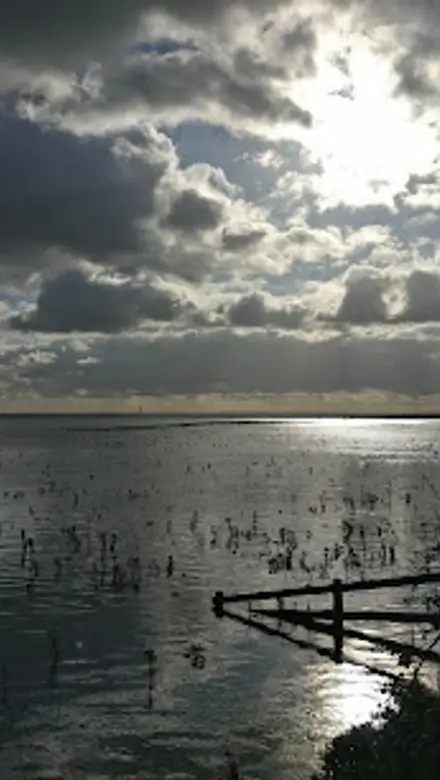
Two Tree Island Travel Guide
Free Guide: A tranquil Essex nature reserve on the Thames Estuary, rich in wildlife, scenic trails, and coastal heritage.


A brief summary of Two Tree Island
A tranquil Essex nature reserve on the Thames Estuary, rich in wildlife, scenic trails, and coastal heritage.
Two Tree Island is a 259-hectare nature reserve located on the Thames Estuary near Leigh-on-Sea, Essex. Originally reclaimed from the sea in the 18th century for farming, it now serves as a vital habitat for diverse birdlife and saltmarsh flora. Managed by the Essex Wildlife Trust, the reserve features walking trails, bird hides, and coastal views, offering a tranquil escape for nature lovers, birdwatchers, and outdoor enthusiasts.
On-site amenities
 Restrooms
 Drink options
 Drinking water
 Food options
 Seating areas
 Trash bins
 Information boards
- Address
- Two Tree Island
Getting there
Train and Walk
Car Access
Bus and Walk
Discover more about Two Tree Island
Origins and Landscape Transformation
Two Tree Island was reclaimed from the Thames Estuary in the 18th century when a seawall was constructed around the saltmarsh, converting the area into farmland. Its name reflects the island’s isolated nature, accessible by a causeway and bridge crossing a channel to the north. Over time, the island’s use evolved: from pastureland supporting livestock to parts being used as a sewage works in the early 20th century, and later as landfill during the 1970s. Today, the island’s landscape is dominated by saltmarshes, mudflats, and grasslands, forming a rich mosaic of habitats crucial for wildlife conservation.
Wildlife Haven and Conservation Efforts
Managed by the Essex Wildlife Trust, Two Tree Island is an internationally important nature reserve supporting a wide variety of bird species, especially during winter. The mudflats provide feeding grounds for thousands of wildfowl and waders, including dark-bellied brent geese, curlew, dunlin, avocet, redshank, and black-tailed godwit. The reserve also hosts rare insects and butterflies in summer, such as the shrill and brown-banded carder bees and marbled white butterflies. Visitors may spot kestrels hunting for voles or sunbathing adders and slow-worms on warm mornings. The island’s saltmarsh plants include golden samphire, sea purslane, and common sea-lavender, highlighting its ecological richness.
Visitor Experience and Facilities
Two Tree Island offers miles of well-maintained walking paths and trails that wind through its varied habitats, making it an ideal location for leisurely strolls, jogging, and nature photography. Two purpose-built bird hides, including the recently opened Monty's Lookout, allow visitors to observe wildlife up close without disturbance. The reserve also features a small airstrip for model aircraft enthusiasts and a slipway for boating and paddleboarding. Free parking is available at the entrance, and the reserve is accessible year-round during daylight hours, providing a peaceful retreat close to the town of Leigh-on-Sea.
Historical and Cultural Context
The island’s history as reclaimed land and its proximity to the River Thames estuary connect it to the region’s maritime and agricultural heritage. Remnants of a World War II pillbox remain as silent witnesses to the area’s strategic importance during times of conflict. Nearby landmarks such as Hadleigh Castle overlook the island, adding historical depth to the natural setting. The island also marks the last Port of London landing place on the Thames, linking it to the river’s long-standing role in trade and transport.
Scenic Views and Surrounding Attractions
From Two Tree Island, visitors enjoy panoramic views across the Thames Estuary, with sights extending to Canvey Island and the modern London Gateway port with its towering container cranes. The coastal path connects to the charming Old Leigh fishing village, enhancing the visitor experience with opportunities to explore local culture and cuisine. The island’s tranquil environment, combined with its scenic vistas and rich biodiversity, makes it a compelling destination for day trips and nature escapes.
Environmental Importance and Future Prospects
As part of the Leigh National Nature Reserve, Two Tree Island plays a vital role in protecting one of the best surviving saltmarsh habitats in the Thames Estuary. Conservation efforts focus on maintaining the delicate balance of this ecosystem, supporting both resident and migratory species. The Essex Wildlife Trust continues to enhance visitor facilities and promote sustainable access, ensuring that Two Tree Island remains a sanctuary for wildlife and a cherished natural space for future generations.
Evendo Review Centre
 Google
Guest reviews
Best time to go
Quietest: Feb, Mar & Nov · at 1am or at 2am or at 3am
Busy times are Evendo estimates for a typical year, to help you plan. Actual crowds vary with events, school holidays and the weather.
Explore Two Tree Island on the map
A handpicked selection of must-see spots near Two Tree Island, mapped for you.
Get your free copy of our complete guide to Two Tree Island, delivered straight to you.
Everything on this page, from opening hours and how to get there to Eve’s tips and the best time to go, in one PDF you can read offline, print or share.
Already have an account? Sign in
Your Two Tree Island guide is ready.
We'll send it to · Not you? Sign out

Getting your guide ready…
We are putting together a fresh copy of the Two Tree Island guide. This can take up to a minute.
This can take a few moments. If your browser asks, choose Allow so the download can start. You'll find the guide in your Downloads folder.
Nothing happened? Download it again
Sorry, the guide is taking longer than usual. Please try again in a minute, or get it by email instead.
Other nearby places you may find interesting
The closest places of the same kind, if this one is not quite what you had in mind.
-
-

-
-
-


Swipe for more places
More to explore near Two Tree Island

 Best experiences near Two Tree Island
 Best hotels near Two Tree Island
 Best landmarks near Two Tree Island
 Best attractions near Two Tree Island
 Best shops near Two Tree Island
 Best restaurants near Two Tree Island
 Best bars near Two Tree Island
Do you manage this location?
Take control to get all the benefits, like improved information, better appearance, and stronger visibility across AI-powered discovery.
Explore more
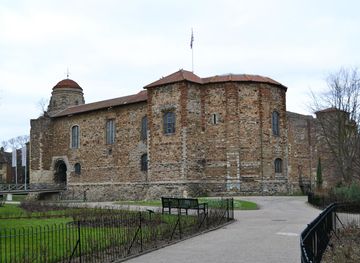
Explore more of Essex
Discover the charm of Essex, a county where historic towns, scenic countryside, and vibrant coastal resorts come together for an unforgettable English getaway.
Explore Essex
Explore more of United Kingdom
Discover the United Kingdom: A blend of rich history, stunning landscapes, and vibrant cities, offering a unique travel experience for every visitor.
Explore United Kingdom