

Hill Hall: An Elizabethan Renaissance Masterpiece in Essex
Explore Hill Hall, Essex’s exquisite Elizabethan mansion blending Renaissance art, French-inspired architecture, and Tudor intellectual legacy.
Hill Hall, located in Theydon Mount near Epping, Essex, is a remarkable Elizabethan mansion built between 1568 and 1577 by Sir Thomas Smith, a Tudor intellectual and diplomat. Known as one of England’s earliest Renaissance houses, it features French-inspired classical architecture and intricate allegorical murals. Though currently closed for restoration, Hill Hall offers a deep historical insight into Tudor England and the evolution of country houses.
A brief summary to Hill Hall
- Greyfriars M25, Epping, CM16 7QQ, GB
- +443703331181
- Visit website
- Duration: 1 to 3 hours
- Mid ranged
-
 Outdoor
- Mobile reception: 4 out of 5
Local tips
- Plan your visit after April 2026 when guided tours resume following restoration work.
- Wear comfortable shoes for walking around the historic gardens and estate grounds.
- Take time to appreciate the allegorical murals and classical architectural details inside the house.
- Combine your visit with a trip to nearby Epping Forest for a scenic nature experience.

For the on-the-go comforts that matter to you
- Restrooms
- Seating Areas
- Information Boards
Getting There
-
Train and Taxi
Take the London Underground Central Line to Epping Station (approximately 50 minutes from central London). From Epping, a taxi ride of around 10 minutes will bring you to Hill Hall. Taxi fares typically range from £10 to £15. Note that taxi availability may vary, so pre-booking is recommended.
-
Car
Driving from London, take the M25 motorway to the Greyfriars exit near Epping. Hill Hall is about a 15-minute drive from the M25. Parking is limited on-site, so plan accordingly. The route involves rural roads that may be narrow and winding.
-
Bus and Walking
From Epping town center, local bus services connect to stops near Theydon Mount, from which Hill Hall is a 20-minute walk through quiet country lanes. Bus frequency may be limited on weekends, and walking paths are uneven in places.
Hill Hall location weather suitability
-
 Any Weather
-
 Mild Temperatures
-
 Rain / Wet Weather
-
 Clear Skies
Discover more about Hill Hall
Origins and Historical Evolution
Hill Hall began as a modest hunting lodge in the late 11th century, gradually evolving through the 13th and 14th centuries into a small courtyard manor at the heart of the Theydon Mount estate. Its transformation into a Renaissance masterpiece started in 1556 when Sir Thomas Smith acquired the property. Smith, a distinguished scholar and diplomat, rebuilt the house from 1557 onwards, introducing French classical architectural elements and elaborate symbolic decorations. Over centuries, Hill Hall served diverse roles, including a women’s open prison in the mid-20th century, before being damaged by fire in 1969 and later taken into state care for preservation and study.Architectural Significance and Design
Hill Hall is celebrated as one of the earliest examples of Renaissance architecture in England, heavily influenced by French models such as Fontainebleau. The house features a courtyard layout with elevations marked by vertical window units framed by superimposed Doric and Ionic columns, crowned with Corinthian dormers. The 1570s expansions introduced a ‘giant’ order spanning two stories, unifying the façade’s irregularities. The use of mortared brick and classical orders marked a departure from medieval styles, reflecting Sir Thomas Smith’s intellectual engagement with Renaissance humanism and aesthetics.Artistic and Symbolic Decoration
The interiors of Hill Hall were adorned with a coherent programme of allegorical wall paintings, including scenes of Cupid and Psyche and King Hezekiah. These murals conveyed complex moral and philosophical messages, drawing on Renaissance scholarship and French artistic precedents. The decorative scheme extended to stained glass and tile work, making the house a unique cultural statement of its era. This rich iconography was uncovered and analyzed through archaeological excavation and scholarship, revealing the intellectual ambitions behind the house’s design.Later History and Conservation Efforts
Following its Tudor heyday, Hill Hall experienced varied uses and neglect. It became a women’s open prison from 1952, famously housing Christine Keeler, before suffering extensive fire damage in 1969. Since coming under the care of the Department of the Environment in 1980, extensive archaeological work and restoration have been undertaken to preserve its surviving fabric and murals. Hill Hall remains a significant heritage site, exemplifying Elizabethan architecture and the Renaissance’s impact on English country houses.Setting and Surroundings
Situated within the tranquil Essex countryside near Epping, Hill Hall is surrounded by historic gardens and parkland, including lakes and tennis courts on the estate. Its proximity to Epping Forest adds to the scenic and peaceful environment, making it a notable landmark within the region’s rich cultural landscape. Though currently closed to the public for restoration, it is slated to reopen for guided tours, offering visitors a rare glimpse into Tudor intellectual life and architectural innovation.Visitor Experience and Future Prospects
Visitors to Hill Hall can anticipate exploring one of England’s pioneering Renaissance houses, with its blend of classical architecture and symbolic artistry. The house’s reopening in April 2026 will provide guided tours that illuminate its history, design, and the life of Sir Thomas Smith. The site’s ongoing preservation reflects a commitment to safeguarding England’s architectural heritage for future generations, promising an enriching cultural experience amid the serene Essex countryside.Iconic landmarks you can’t miss

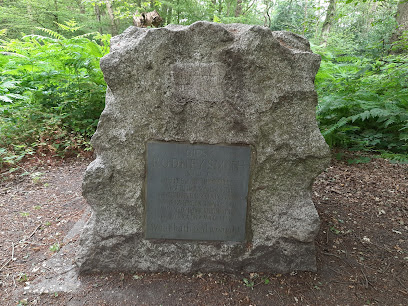
The Gypsy Stone
13.0 km
Discover the Gypsy Stone in Woodford, a serene forest monument honoring evangelist Rodney 'Gipsy' Smith and Romani heritage.
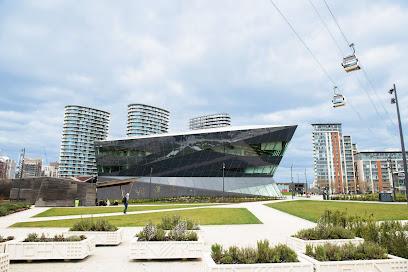
City Hall
20.8 km
Discover London’s eco-friendly City Hall, a striking architectural landmark and vibrant hub of governance and public engagement on the Royal Docks waterfront.
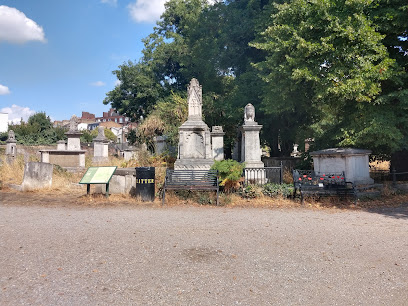
Tower Hamlets Cemetery Park
20.9 km
Discover the serene beauty of Tower Hamlets Cemetery Park, a unique blend of nature, history, and community nestled in the heart of London.
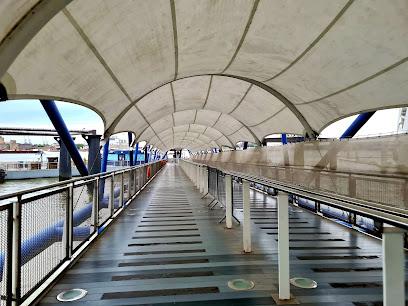
North Greenwich Pier
21.6 km
Modern Thames gateway where industrial heritage meets contemporary culture and entertainment.
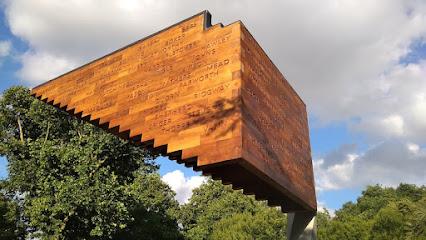
Stairway to Heaven, Bethnal Green Memorial
21.7 km
A powerful inverted staircase memorial in Bethnal Green Gardens, honouring the 173 civilians who died in the 1943 tube shelter disaster, the worst civilian loss of life in Britain during WWII.
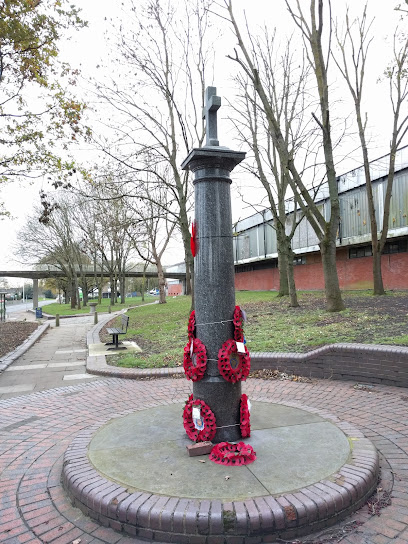
Laindon War Memorial
21.8 km
A solemn tribute in Basildon honoring Laindon's wartime heroes, blending history with community remembrance.
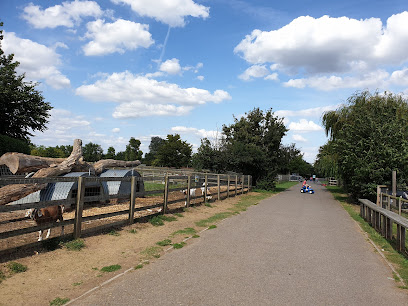
Barleylands Farm Park
21.9 km
Experience the charm of Barleylands Farm Park, where family fun meets educational adventures in the heart of the countryside.
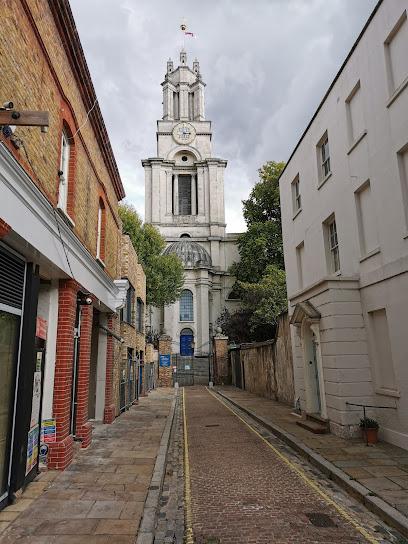
St Anne's Church, Limehouse
22.0 km
Discover St Anne's Church, Limehouse—an 18th-century Baroque maritime landmark with rich naval heritage and mysterious architectural features.
Panshanger Park
22.6 km
Explore the beauty of Panshanger Park in Hertford, a natural paradise perfect for relaxation, adventure, and breathtaking scenic views.
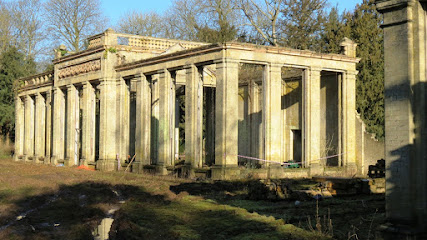
Shoreditch Park
22.6 km
Experience the lush greenery and vibrant culture at Shoreditch Park, an urban oasis in the heart of London.
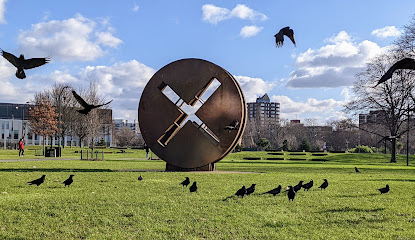
Arnold Circus
22.8 km
Arnold Circus: The historic heart of London's first council estate, born from slum clearance and social reform, now a vibrant community landmark.
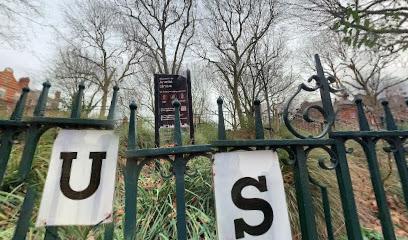
Shoreditch Church
22.8 km
Explore Shoreditch’s historic Palladian church, a sanctuary of Shakespearean theatre heritage and architectural grandeur in vibrant East London.
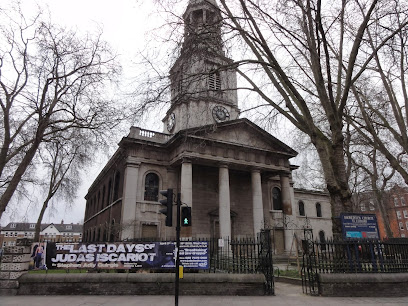
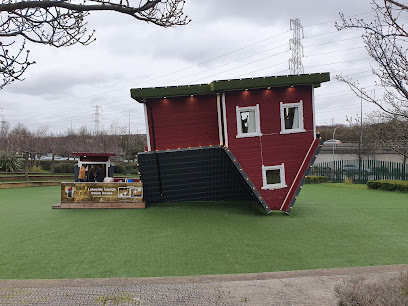
Upside Down House – Lakeside
22.9 km
Discover the Upside Down House in Lakeside, a whimsical amusement park attraction that turns reality on its head for a fun-filled day of exploration and laughter.
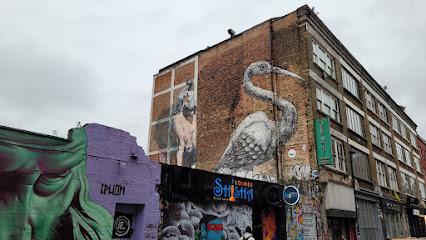
Brick Ln
22.9 km
East London's ever-evolving cultural heart, where centuries of immigration, street art, and multicultural heritage converge on a single vibrant street.
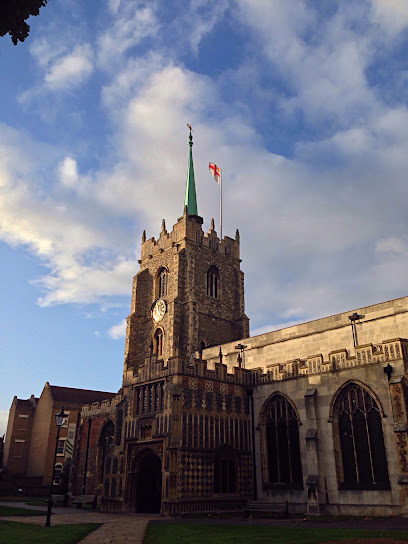
Chelmsford Cathedral
23.1 km
A serene 11th-century cathedral in the city centre offering free entry, beautiful architecture, and vibrant cultural events.
Unmissable attractions to see

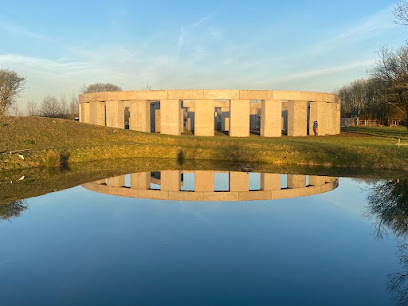
UnHenged
4.7 km
Explore Romford’s unique concrete Stonehenge replica, blending prehistoric inspiration with modern art in a tranquil meadow setting.
Hainault Forest
6.1 km
Explore ancient woodlands, family-friendly farms, and scenic trails at Hainault Forest Country Park—London’s peaceful natural escape.
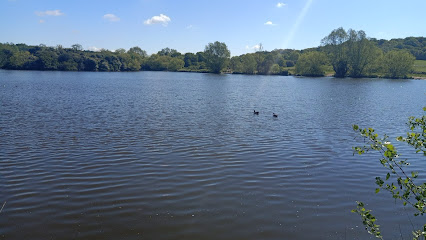
Epping Forest
6.7 km
Explore ancient woodlands, rich wildlife, and historic landmarks in London’s sprawling natural sanctuary, Epping Forest.
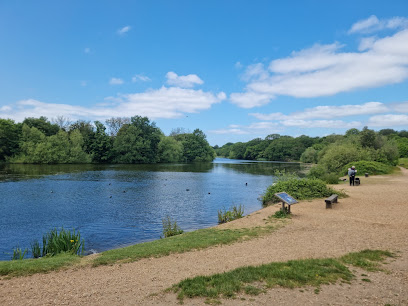
Kelvedon Hatch Secret Nuclear Bunker
7.1 km
Explore the vast underground Cold War bunker hidden beneath a modest Essex bungalow, revealing Britain's secret nuclear defense history.
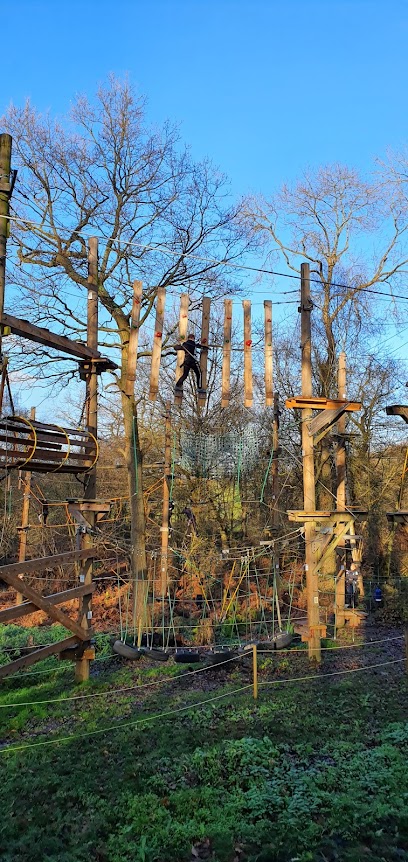
Bedfords Park
7.8 km
Explore 215 acres of historic parkland with red deer, wildflower meadows, and sweeping views over East London and Kent.
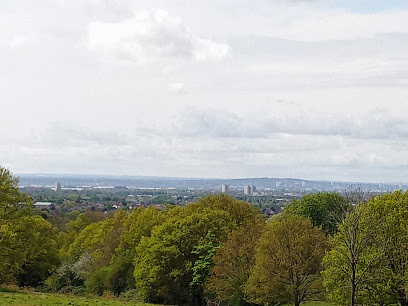
Old MacDonald's Farm & Fun Park
7.9 km
A vibrant family farm and fun park in Brentwood, blending hands-on animal encounters with thrilling rides and indoor play for all ages.
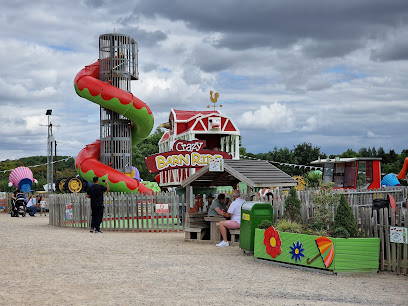
Parndon Wood Nature Reserve
8.9 km
Explore centuries-old woodland with tranquil trails, wildlife hides, and welcoming facilities in the heart of Harlow’s green sanctuary.
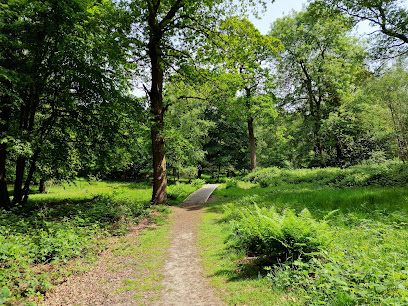
Powerleague Fairlop
9.1 km
Experience premier 5-a-side football year-round on floodlit 3G pitches at Powerleague Fairlop, Ilford’s top sports hub with family-friendly facilities.

Weald Country Park
9.5 km
Explore 520 acres of historic Essex parkland with deer, lakes, play trails, and scenic walking and cycling routes for all ages.
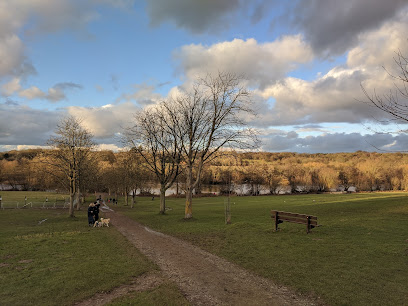
Epping Forest District Museum
10.6 km
Discover centuries of local history and culture in a family-friendly museum with interactive exhibits and a peaceful garden in Waltham Abbey.
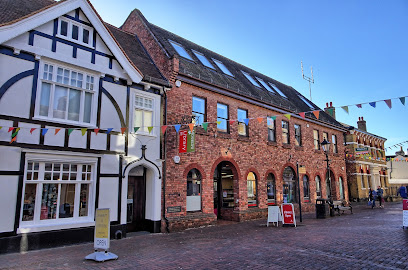
Havering Museum Ltd
10.9 km
Discover the rich local history of Havering in the charming former Romford Brewery, where community heritage comes alive through engaging exhibits and stories.
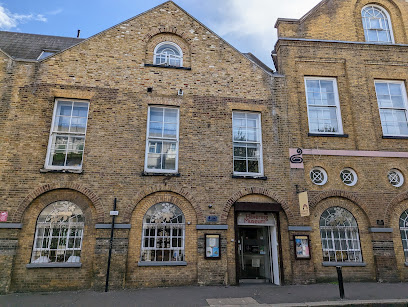
Hopefield Animal Sanctuary
11.3 km
Essex sanctuary rescuing 700+ animals with ethical encounters and countryside peace.
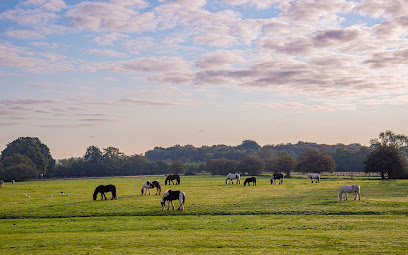
The Harvey Centre
11.3 km
A vibrant shopping and leisure destination at the heart of Harlow, blending high street brands with local charm.
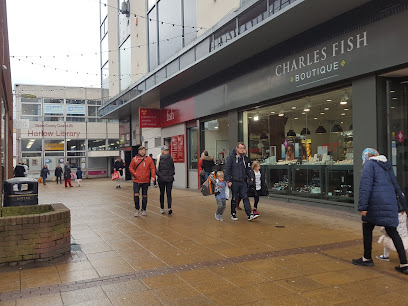
Harlow Town Park
12.1 km
Explore 164 acres of gardens, wildlife, and family fun in Harlow’s award-winning urban park with free entry year-round.
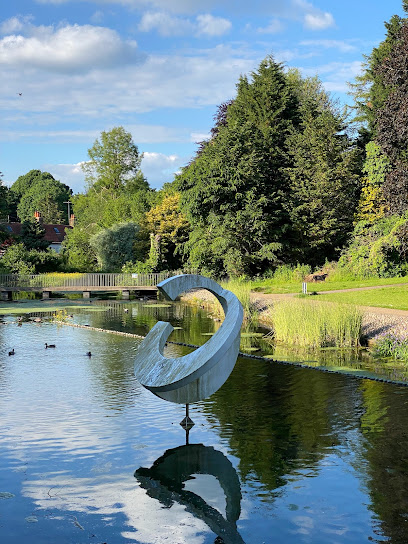
Queensgate Centre
12.5 km
Queensgate Centre in Harlow offers diverse shopping, dining, and entertainment with excellent accessibility and a welcoming atmosphere.

Essential places to dine

The Cart Shed Restaurant
5.4 km
A rustic yet refined British dining experience in the tranquil village of Thornwood near Epping, blending seasonal local produce with countryside charm.
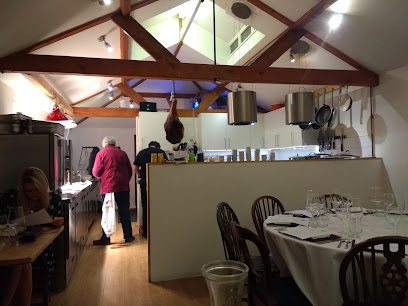
Alec's Restaurant
7.6 km
Alec's Restaurant in Brentwood offers exquisite seafood and fine dining in a beautifully restored historic setting with impeccable service.
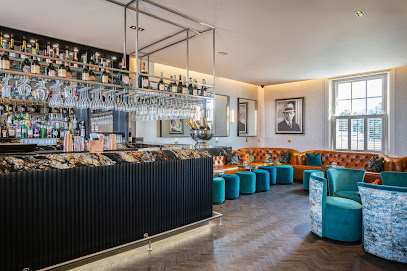
The Chequers Matching Green
12.4 km
A charming gastro-pub overlooking Matching Green’s cricket pitch, blending traditional English village charm with modern dining comfort.
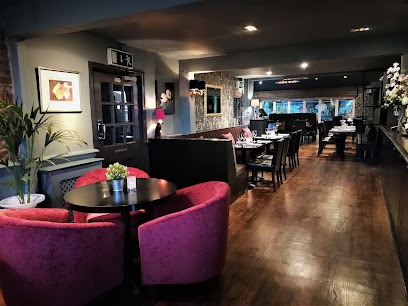
The Fox & Hounds Restaurant & Pub
16.3 km
A Michelin-recognized gastropub in Hunsdon serving seasonal British and Mediterranean dishes in a warm, rustic setting.
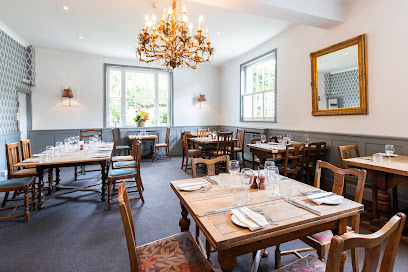
College Arms
17.9 km
Traditional charm meets contemporary comfort at College Arms, a cozy gastropub nestled in Hertford Heath’s tranquil countryside.
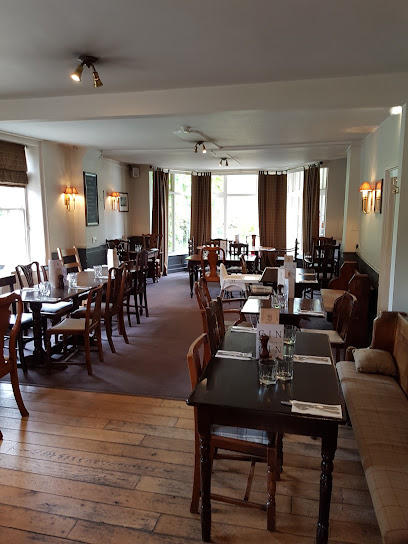
Bartellas Restaurant
18.0 km
Experience authentic Mediterranean cuisine in a warm, inviting setting nestled in the Essex countryside near Ingatestone.
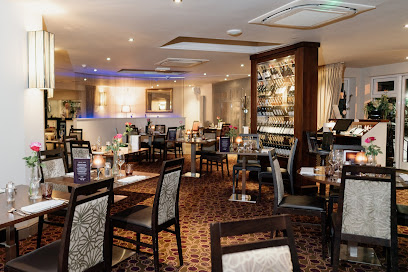
The Goat
18.4 km
Experience authentic British cuisine and warm hospitality at The Goat in Hertford Heath - the perfect pub for every traveler.
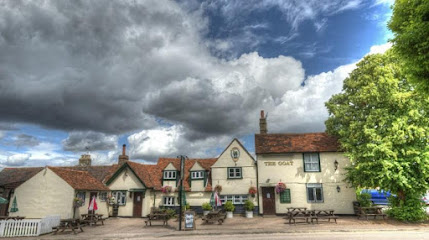
Dukes Head Billericay
19.4 km
A charming gastropub in Billericay blending traditional British fare with a warm, inviting atmosphere and scenic outdoor spaces.
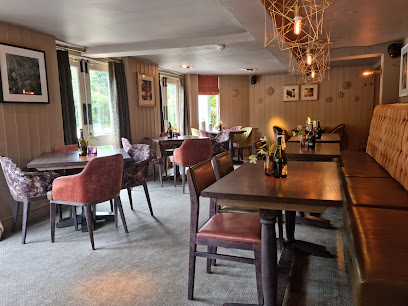
Gables Restaurant - Home
19.6 km
Experience vibrant Mediterranean cuisine and warm hospitality in the charming village setting of Hertford’s Gables Restaurant.
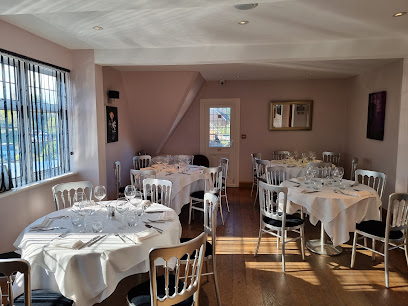
Hoop at Stock
20.2 km
Historic 15th-century gastropub in Stock village serving award-winning modern British cuisine in a cozy, traditional setting.
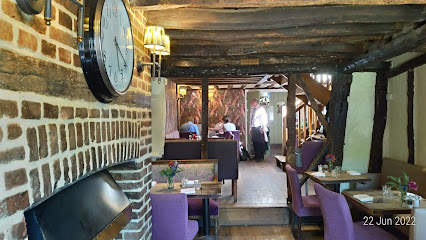
Veyso’s Brasserie
20.8 km
Award-winning Turkish cuisine and glamorous dining in the heart of Hertford, blending tradition with contemporary flair.
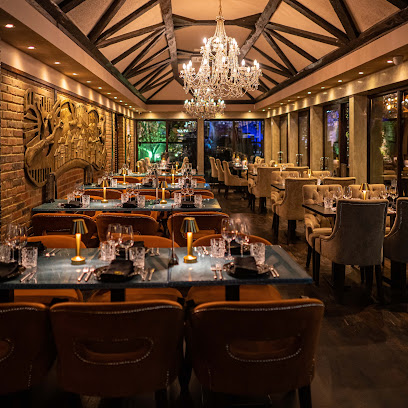
Lussmanns Sustainable Kitchen & Bar - Hertford
20.8 km
Savor sustainably sourced modern British cuisine in a warm, spacious Hertford bistro with attentive service and seasonal menus.
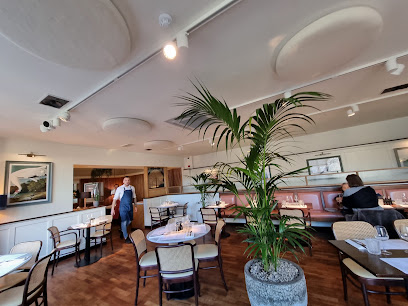
Dinnio Restaurant
20.9 km
A vibrant Mediterranean dining experience blending Italian and Turkish flavors in the heart of Hertford’s historic Fore Street.
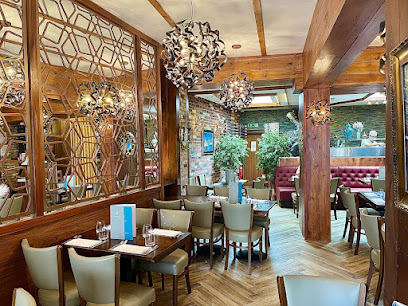
Behind Restaurant
20.9 km
An intimate Michelin-starred fish tasting restaurant in London Fields offering immersive chef-served seasonal menus in an open kitchen setting.
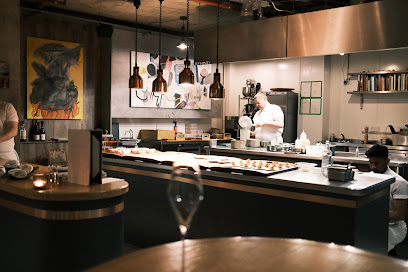
The Old Barge
21.0 km
Discover The Old Barge: A charming English pub offering delicious cuisine, live music, and scenic views along the waterways.
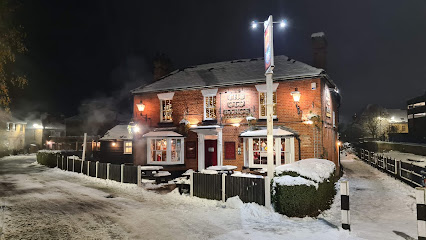
Markets, malls and hidden boutiques

Blush Boutique Essex
3.9 km
Chic and contemporary ladies’ fashion boutique on Epping High Street, blending quality, style, and comfort in every piece.

B-Invogue - Ladies Clothes Essex
4.4 km
A friendly Epping boutique offering stylish, affordable ladies’ fashion in a welcoming, personal setting.
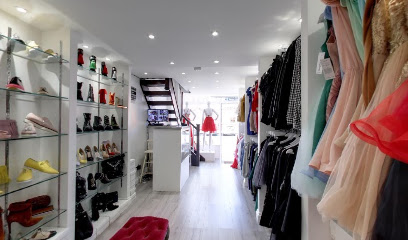
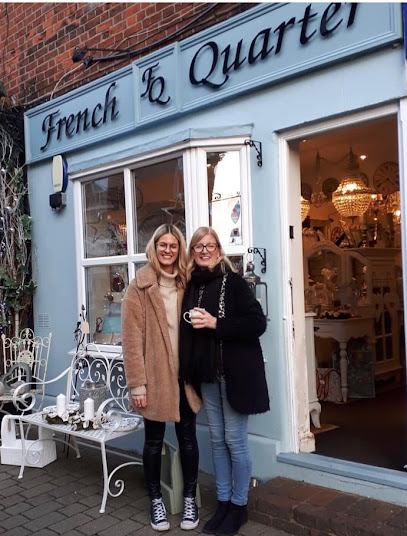
French Quarter
11.9 km
Discover unique gifts and artisan homewares in Brentwood’s welcoming French Quarter boutique.
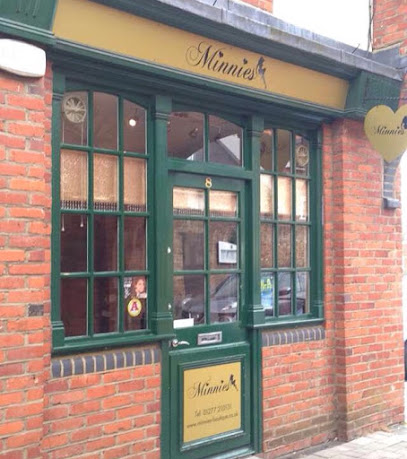
Minnie's Boutique
11.9 km
Discover unique styles and personalized service at Minnie's Boutique, a charming ladies' clothing shop in Brentwood, perfect for every fashion enthusiast.
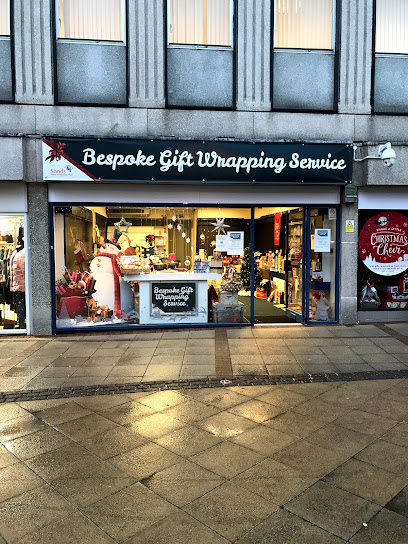
The Baytree Shopping Centre
12.0 km
A practical and accessible shopping centre at the heart of Brentwood, offering everyday essentials and local services.
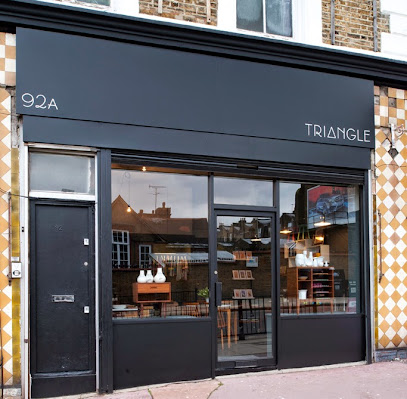
Triangle Store
19.2 km
Independent East London boutique championing sustainable fashion, ethical homeware, and conscious living.
Unique Store
20.0 km
Explore London's Unique Store: Your go-to convenience shop for local snacks, souvenirs, and essentials, right in the heart of the city.
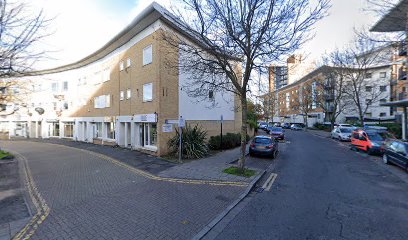
Nook Shop
20.4 km
A chic, eco-conscious lifestyle boutique offering curated gifts and design treasures in the heart of Stoke Newington.
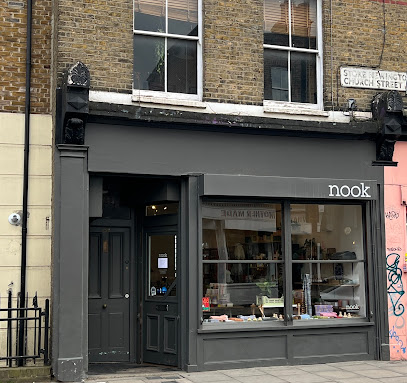
Eye Mind Heart
20.8 km
Discover unique gifts, stylish homewares, and charming toys at Eye Mind Heart, Hertford’s beloved boutique shop for all ages.
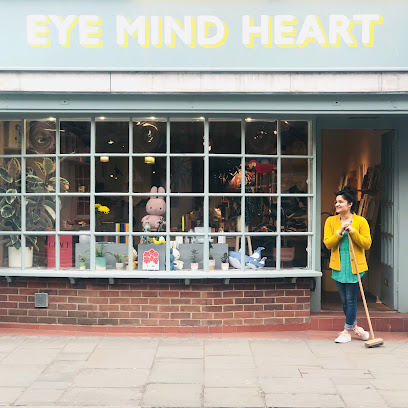
Mint of Hertford
20.8 km
Discover sustainable luxury and personalized styling at Mint of Hertford, your destination for exquisite pre-loved ladies’ fashion in Hertford.
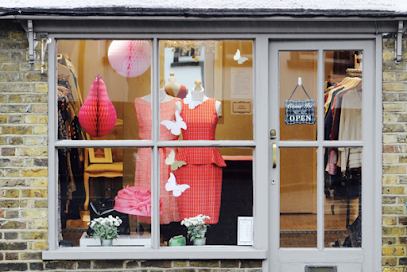
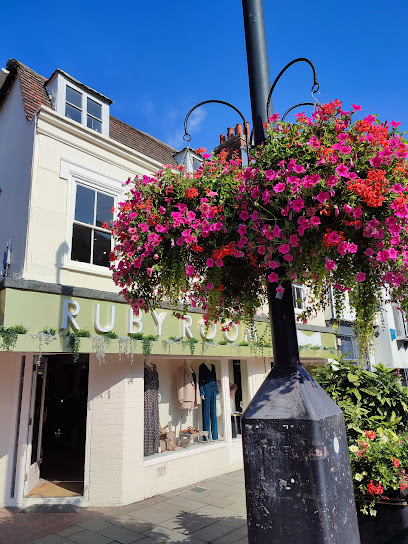
Ruby Room
20.9 km
Discover quirky, independent women’s fashion and unique gifts at Ruby Room, Hertford’s family-run boutique celebrating style across generations.
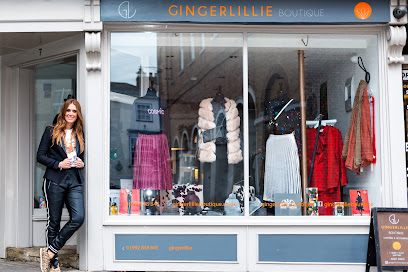
Gingerlillie Boutique - Women's Clothing in Hertford
20.9 km
Discover curated designer women's fashion and accessories with personalized service in the heart of Hertford’s historic Market Place.
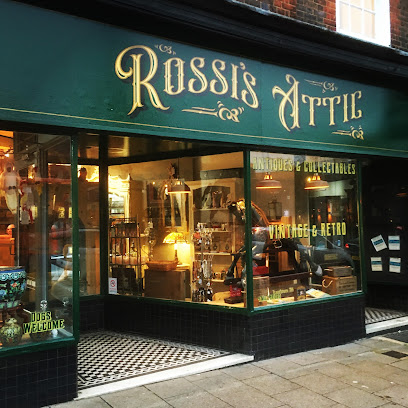
Rossi's Attic
21.0 km
Discover unique vintage treasures and charming collectibles at Rossi's Attic, Hertford’s beloved boutique gift and antique shop.
The Women's Society Boutique
21.1 km
Hertford’s award-winning independent designer boutique, offering curated womenswear, accessories and personal styling in a charming historic setting.
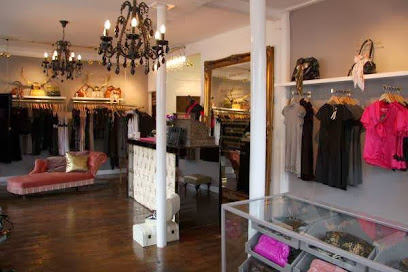
Magpie Amore
21.1 km
Discover unique vintage fashion and gifts at Magpie Amore, Hertford’s curated boutique for exceptional style and sustainable shopping.
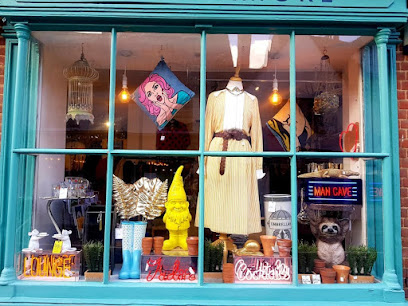
Essential bars & hidden hideouts

The Bar People
3.6 km
Expert cocktail bar and event specialists in Theydon Bois, blending bespoke drinks with professional event management for unforgettable celebrations.
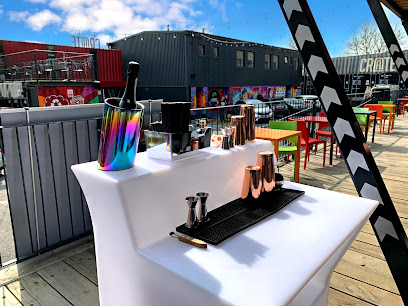
Top Oak Restaurant & Pub Essex Venue Hire Stapleford Abbotts
5.5 km
A charming Essex country pub blending rustic ambiance with contemporary comfort and classic British cuisine.
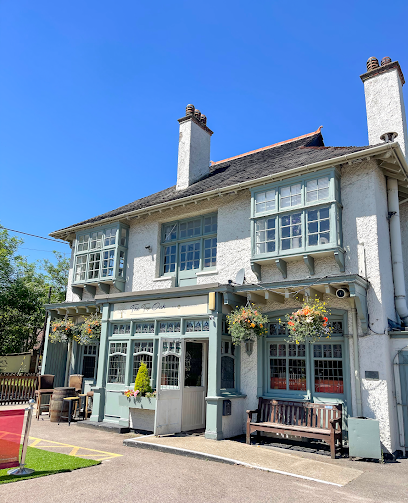
The Leather Bottle Blackmore
11.6 km
A charming gastropub in Blackmore blending quirky decor, seasonal British cuisine, and a welcoming village atmosphere all year round.
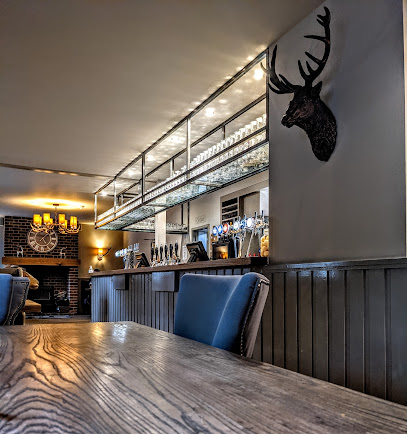
The Merchant Brentwood
11.8 km
A vibrant pub on Brentwood High Street serving artisan comfort food, lively sports, and spirited social gatherings from day to night.
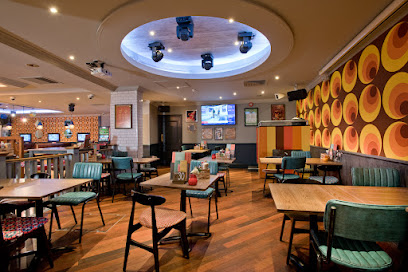
Vertigo
13.4 km
A lively multi-level bar and restaurant in Hornchurch, perfect for casual drinks, celebrations, and enjoying great music in a stylish setting.
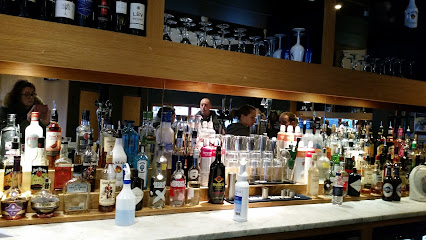
George And Dragon Mount Nessin
14.0 km
A charming British gastropub in Mountnessing blending rustic tradition with modern dining and a welcoming atmosphere.
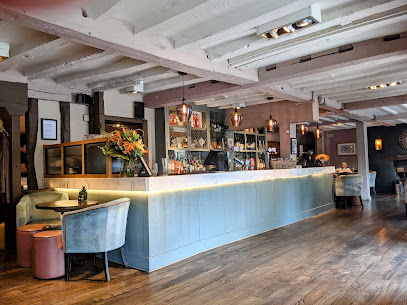
Fête Lounge
14.7 km
Experience vibrant Caribbean-inspired cocktails and afternoon teas in a lively, welcoming lounge at Upminster’s Fête Lounge.
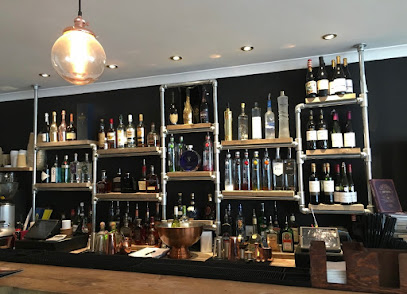
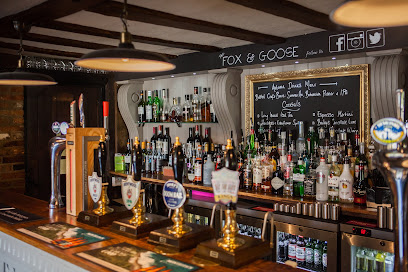
The Fox and Goose
16.0 km
A modern gastropub in Chelmsford blending traditional charm with seasonal British cuisine and inviting garden dining.
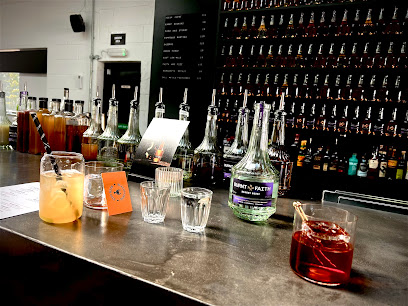
Burnt Faith Brandy House
16.1 km
Discover London's first dedicated brandy distillery and bar, blending innovative spirits with bold BBQ in a vibrant East London setting.
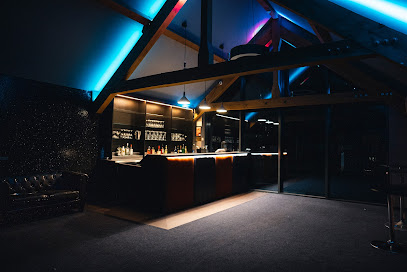
Cristi's Bar
19.1 km
Experience authentic Italian flavors and expertly crafted cocktails in Billericay’s vibrant and stylish Cristi's Bar.
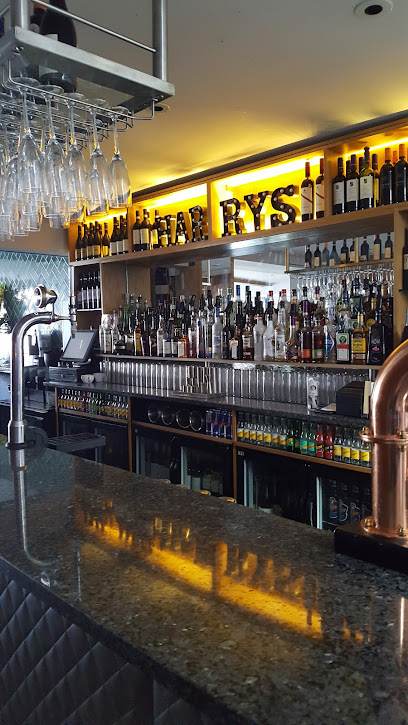
Harry's Bar
19.1 km
A stylish and welcoming bar and restaurant in Billericay’s heart, perfect for relaxed dining and vibrant socializing.
Coach & Horses
19.5 km
Quintessential British pub in Hertford offering traditional fare, local ales, live music, and a warm, welcoming atmosphere every day from noon till late.
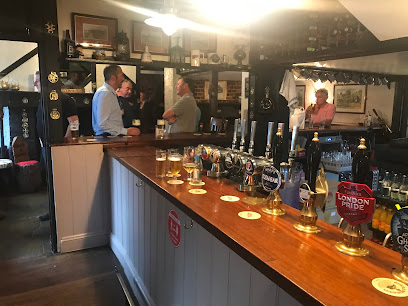
Behind This Wall
20.0 km
Discover Hackney’s cozy basement bar with bespoke cocktails, vintage sounds, and an intimate atmosphere that invites you to savor every sip.
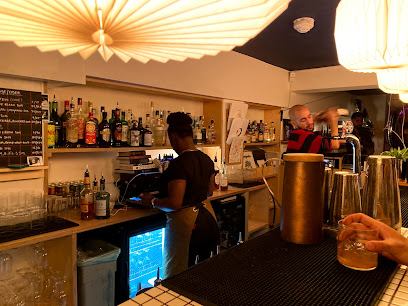
The Bear Inn - Stock
20.1 km
A warm, traditional gastropub in Stock offering hearty British fare, a large beer garden, and a welcoming village atmosphere.
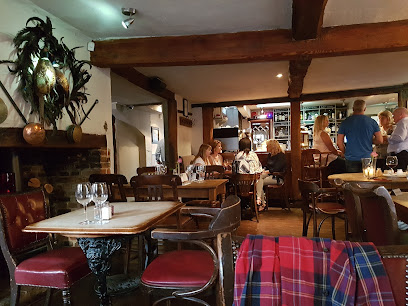
The Beehive
20.7 km
A charming Hertford country pub offering hearty British fare, warm hospitality, and a cozy rural atmosphere in Epping Green.
Nightclubs & after hour spots

Epping Roof Garden & Nightclub
4.0 km
A stylish rooftop nightclub in Epping blending lively nightlife with blooming garden charm and sophisticated cocktails.
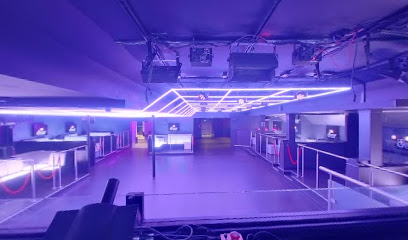
Faces NightClub
12.3 km
A stylish, vibrant nightclub in Gants Hill with immersive sound, dynamic visuals, and a versatile space for unforgettable nights and events.
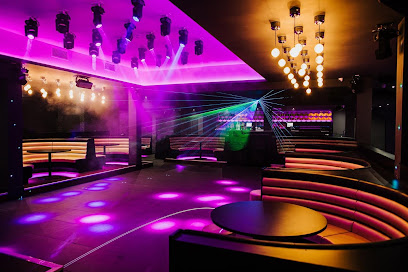
—
20.9 km
Vibrant nightclub and Asian fusion lounge blending historic charm with lively nightlife in Hertford’s Parliament Square.
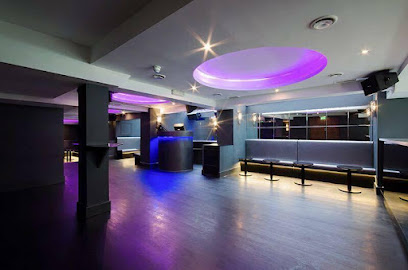
The Hertford Club
21.0 km
A historic private members’ club in Hertford, renowned for real ales, hearty home-cooked meals, and a vibrant social scene.
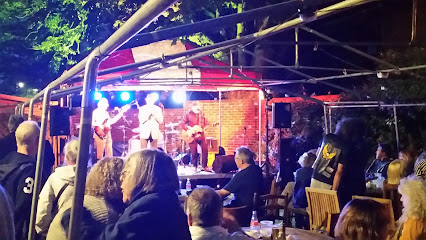
LA Lounge
21.0 km
London's top Afrobeats nightclub in Docklands: ethnic sophistication, VIP vibes, cocktails, and late-night dances until 4am on weekends.
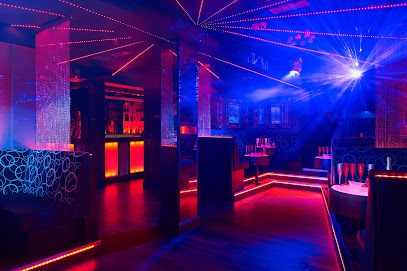
CQ LOUNGE
21.3 km
South London's Afrobeats epicenter: dance, shisha, cocktails, and culture until 5am in Woolwich's vibrant CQ Lounge.
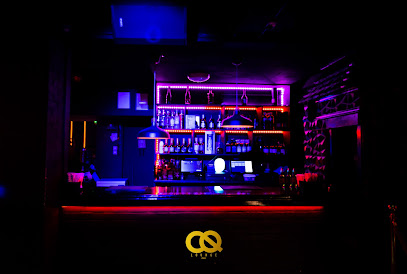
American Express Invites Lounge
21.7 km
A backstage‑inspired, Cardmember-only lounge at The O2 with distinct seating zones, crafted drinks and a complimentary welcome drink on event nights.
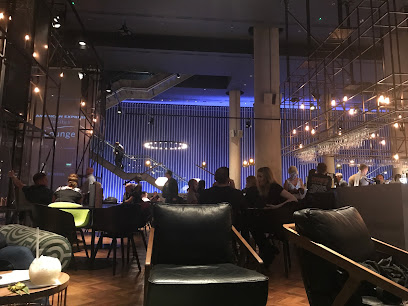
(Admin Office) The Mobile Nightclub
21.7 km
Discover the joy of nightlife on the move with The Mobile Nightclub in London, where the party comes to you!

Basing House - Shoreditch
22.7 km
An intimate Shoreditch nightclub with top electronic beats, a Funktion One sound system, and a lively rooftop bar under the London skyline.

Trafik
23.0 km
Shoreditch’s dynamic nightclub with underground beats, two floors of dancing, and a late licence for unforgettable nights.

Club Tantalize
23.0 km
Chelmsford’s largest and most luxurious lapdancing club offering stylish nightlife with live pole shows and private VIP experiences.
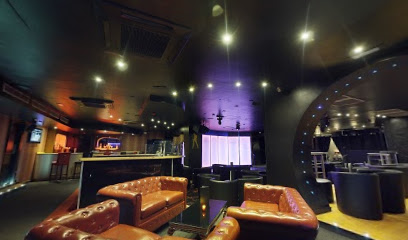
The Hoxton Pony
23.1 km
Edgy Shoreditch cocktail bar and nightclub blending vintage style with vibrant nightlife energy in East London.

Bar & Beyond Chelmsford
23.1 km
A large, lively nightclub in Chelmsford known for affordable drinks, vibrant atmosphere, and a mix of praise and controversy around its staff and music.
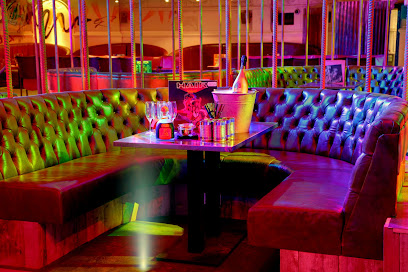
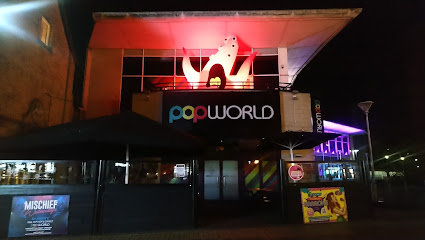
Popworld - Chelmsford
23.2 km
Experience Chelmsford’s ultimate pop-themed nightclub with vibrant music, creative cocktails, and unforgettable themed parties.
XOYO LONDON
23.3 km
Experience Shoreditch’s iconic XOYO, where cutting-edge DJs and vibrant nightlife create an unforgettable London clubbing atmosphere.

For the vibe & atmosphere seeker
- Tranquil
- Scenic
- Unique
- Historic
For the design and aesthetic lover
- Vintage Styles
- Rustic Designs
For the architecture buff
- Historic
- Landmarks
- Heritage Neighborhoods
For the view chaser and sunset hunter
- Iconic Views
- Panoramas
For the social media creator & influencer
- Instagrammable
- Photo Spots
- Architectural Shots
For the eco-conscious traveler
- Protected Area
- Public-Transport Accessible
- Locally Managed
For the kind of experience you’re after
- Cultural Heritage
- Photowalk
- Day Trip
- Weekend Getaway
For how adventurous you want the journey to be
- Easy Access
Location Audience
- Family Friendly
- Senior Friendly
- Child Friendly
- Couple Friendly
- Solo Friendly


