
Kelvedon Hatch Secret Nuclear Bunker
Explore the vast underground Cold War bunker hidden beneath a modest Essex bungalow, revealing Britain's secret nuclear defense history.
Kelvedon Hatch Secret Nuclear Bunker in Brentwood, Essex, is a vast Cold War-era underground complex built in the 1950s as part of Britain's air defense and later as a government emergency headquarters. Now a museum, it offers a rare glimpse into Cold War history with original equipment, three subterranean levels, and a disguised entrance beneath a typical bungalow.
A brief summary to Kelvedon Hatch Secret Nuclear Bunker
- Brentwood, Kelvedon Hatch, CM15 0LA, GB
- +441277364883
- Visit website
- Duration: 1 to 2.5 hours
- Mid ranged
-
 Mixed
Mixed
- Mobile reception: 4 out of 5
- Monday 10 am-4 pm
- Tuesday 10 am-4 pm
- Wednesday 10 am-4 pm
- Thursday 10 am-4 pm
- Friday 10 am-4 pm
- Saturday 10 am-4 pm
- Sunday 10 am-4 pm
Local tips
- Wear comfortable shoes as the tour involves walking through underground corridors and tunnels.
- Visit during weekdays or early in the day to avoid peak crowd times.
- Bring a camera to capture the unique Cold War-era equipment and bunker interiors.
- Note that the museum is largely self-guided with informative signs, so reading carefully enhances the experience.
- The underground environment can be cool and damp; dress accordingly.

For the on-the-go comforts that matter to you
- Restrooms
- Food Options
- Drink Options
- Seating Areas
- Information Boards
Getting There
-
Car
Driving from central London takes approximately 45 to 60 minutes via the M25 and A128. Parking is available on-site, but spaces are limited during peak times. The route involves rural roads with some narrow sections.
-
Train and Taxi
Take a train from London Liverpool Street to Brentwood station (about 30-40 minutes), then a taxi for the remaining 10 km to Kelvedon Hatch bunker, approximately 20 minutes. Taxi fares typically range from £20 to £30.
-
Bus
Local bus services connect Brentwood to nearby villages, but no direct bus stops at the bunker. Walking from the nearest bus stop involves a rural path of about 2 km, suitable for visitors comfortable with some walking.
Kelvedon Hatch Secret Nuclear Bunker location weather suitability
-
 Any Weather
-
 Rain / Wet Weather
-
 Clear Skies
-
 Cold Weather
-
 Mild Temperatures
Discover more about Kelvedon Hatch Secret Nuclear Bunker
Origins and Cold War Purpose
Constructed between 1951 and 1953, the Kelvedon Hatch Secret Nuclear Bunker was initially part of the RAF ROTOR program, designed as a metropolitan sector operations control center to defend London from Soviet air attacks. Its three-level subterranean structure, buried approximately 38 meters underground, was built with reinforced concrete and tungsten rods to withstand nuclear blasts. Over time, its role evolved from an air defense radar station to a Regional Seat of Government (RSG) and later a Regional Government Headquarters (RGHQ), intended to house up to 600 military and civilian personnel, including senior government officials, to maintain command and control during a nuclear crisis.Design and Facilities
The bunker is accessed through a disguised entrance hidden beneath a seemingly ordinary yellow-brick bungalow that served as a military guardhouse. A 120-meter-long tunnel leads visitors down to the main underground complex. Inside, the facility includes extensive communication rooms with original Cold War-era telecommunications and computer equipment, a plotting room for tracking aircraft and nuclear events, a BBC broadcasting studio for emergency public communications, living quarters, medical facilities, a kitchen, and a canteen. The bunker was self-sufficient with its own air filtration and conditioning systems, water supply including a deep well, and generators capable of powering the site for up to three months.Historical Significance and Transition
Kelvedon Hatch played a critical role during the Cold War, symbolizing Britain's readiness to continue governance and civil defense in the event of nuclear war. Following the end of the Cold War and the dissolution of the Soviet Union, the bunker was decommissioned in 1992 and returned to the Parrish family, the original landowners. It has since been converted into a privately owned museum preserving much of its original equipment and layout, offering visitors an immersive experience of Cold War military and civil defense history.Visitor Experience and Atmosphere
Exploring the bunker reveals a chilling yet fascinating environment, with the heavy blast doors, narrow corridors, and operational rooms evoking the tension of a nuclear standoff era. The museum is largely self-guided with informative signage, allowing visitors to absorb the historical context and technical details at their own pace. The contrast between the unassuming bungalow above ground and the vast, fortified complex below adds to the intrigue. The site also features outdoor exhibits, including remnants of military equipment and the tall radio mast once used for emergency broadcasts.Legacy and Educational Value
Today, Kelvedon Hatch serves as a vital educational resource, preserving a unique chapter of British and global Cold War history. It highlights the technological, political, and social dimensions of nuclear preparedness and civil defense. The bunker’s survival and conversion into a museum provide an authentic setting to understand the fears and strategies of a bygone era, making it a compelling destination for history enthusiasts, students, and anyone interested in military heritage.Preservation and Ownership
The bunker remains privately owned by the Parrish family, who have maintained the site since its return from government ownership. The museum operates with minimal staff presence, relying on detailed signage and preserved original equipment to convey its story. The site’s preservation ensures that this Cold War relic remains accessible for future generations to explore and reflect on the complex legacy of nuclear deterrence and government continuity planning.Iconic landmarks you can’t miss

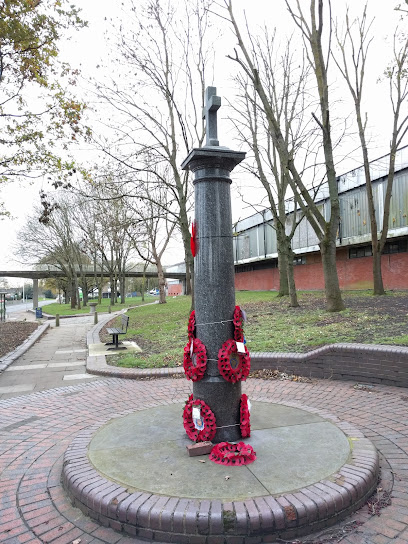
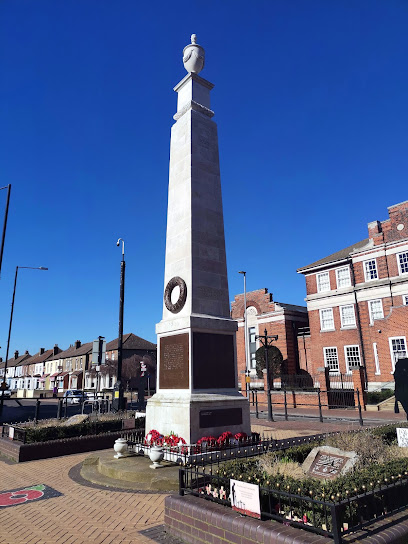
Laindon War Memorial
15.9 km
A solemn tribute in Basildon honoring Laindon's wartime heroes, blending history with community remembrance.
Great Baddow Chain Home Radar Tower
17.1 km
The only complete Chain Home radar tower in the UK, a towering symbol of WWII air defence and Cold War innovation in Great Baddow.
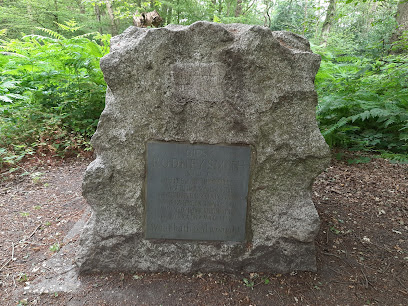
The Gypsy Stone
18.9 km
Discover the Gypsy Stone in Woodford, a serene forest monument honoring evangelist Rodney 'Gipsy' Smith and Romani heritage.
Falklands Island Monument
22.1 km
A solemn tribute in Grays honoring merchant seafarers who sacrificed their lives in the 1982 Falklands War.
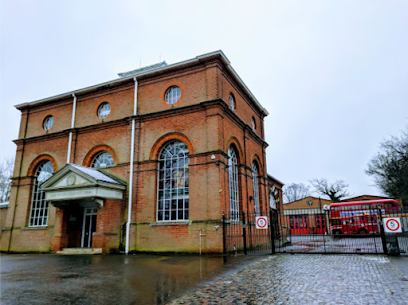
Whitewebbs Museum of Transport
24.2 km
Explore the rich history of transportation at Whitewebbs Museum of Transport, featuring vintage vehicles and fascinating memorabilia in Enfield.
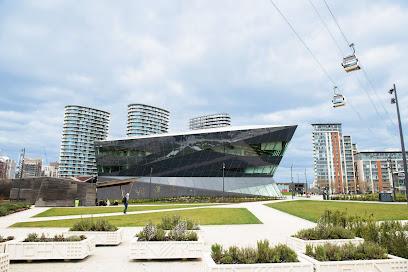
City Hall
24.7 km
Discover London’s eco-friendly City Hall, a striking architectural landmark and vibrant hub of governance and public engagement on the Royal Docks waterfront.
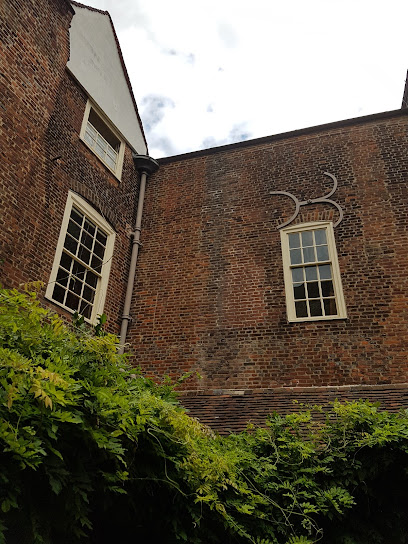
National Trust - Sutton House and Breaker's Yard
25.2 km
Discover the enchanting Sutton House and Breaker's Yard, a historical jewel in London offering a glimpse into Tudor life and vibrant cultural events.
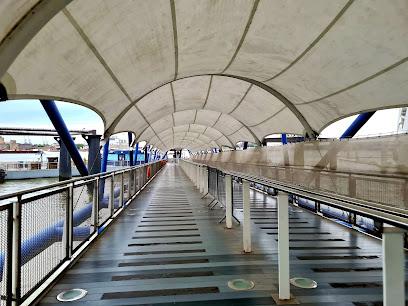
North Greenwich Pier
25.5 km
Modern Thames gateway where industrial heritage meets contemporary culture and entertainment.
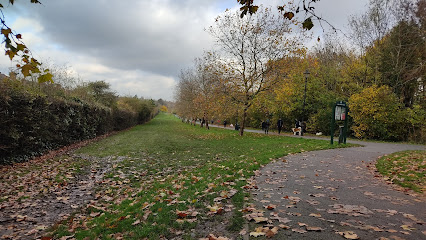
Downhills Park
25.5 km
Explore Downhills Park, a tranquil oasis in London offering picturesque gardens, expansive green spaces, and enjoyable recreational activities for all.
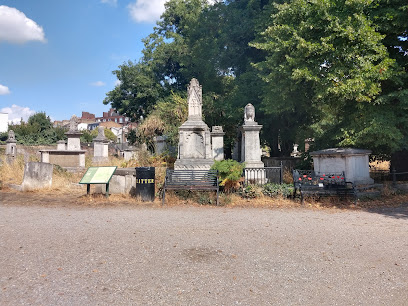
Tower Hamlets Cemetery Park
25.6 km
Discover the serene beauty of Tower Hamlets Cemetery Park, a unique blend of nature, history, and community nestled in the heart of London.
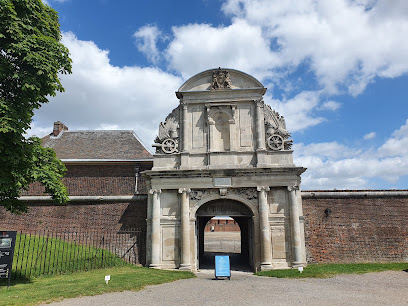
Tilbury Fort
25.8 km
Discover the historical significance of Tilbury Fort, a well-preserved fortress along the River Thames, showcasing Britain's military heritage.
Hackney Museum
25.8 km
Explore Hackney Museum, a vibrant cultural destination showcasing Hackney's rich history and diverse community through engaging exhibits and events.
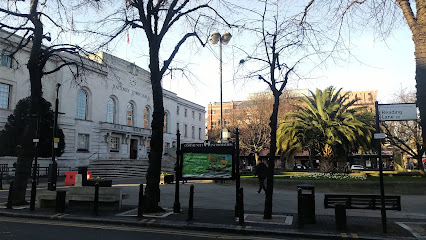
Mountfitchet Castle & Norman Village
25.8 km
Explore the enchanting Mountfitchet Castle & Norman Village in Stansted Mountfitchet, where history comes alive through immersive experiences and medieval charm.
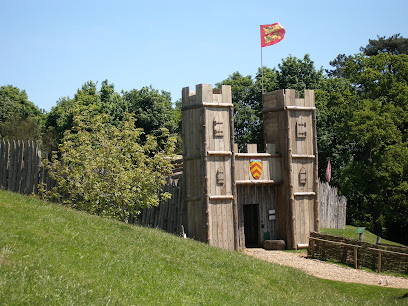
National Trust - Rayleigh Mount
25.8 km
Explore the historic Rayleigh Mount Castle in Essex, offering stunning views, rich heritage, and a perfect day out amidst beautiful landscapes.
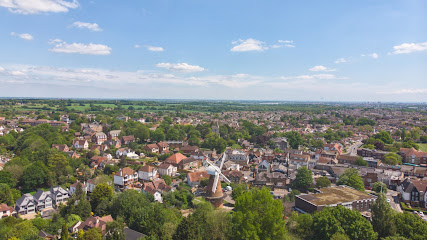
Rayleigh Windmill
25.9 km
Experience the enchanting history and scenic beauty at Rayleigh Windmill, a heritage gem perfect for families and history buffs alike.
Unmissable attractions to see

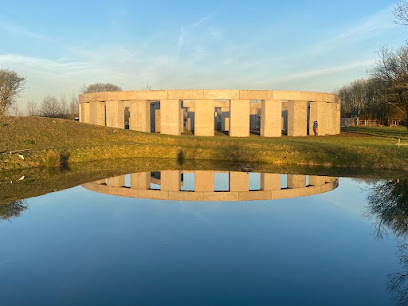
UnHenged
4.7 km
Explore Romford’s unique concrete Stonehenge replica, blending prehistoric inspiration with modern art in a tranquil meadow setting.
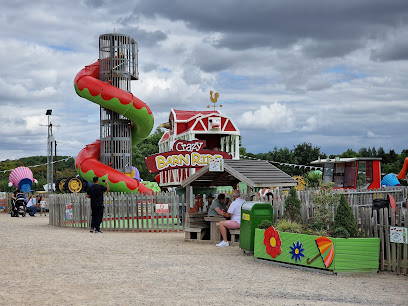
Old MacDonald's Farm & Fun Park
5.3 km
A vibrant family farm and fun park in Brentwood, blending hands-on animal encounters with thrilling rides and indoor play for all ages.
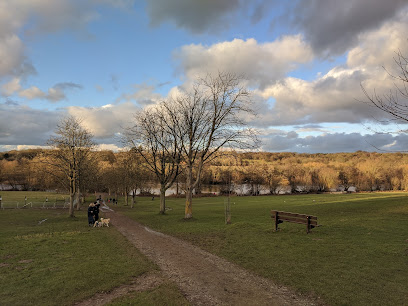
Weald Country Park
5.4 km
Explore 520 acres of historic Essex parkland with deer, lakes, play trails, and scenic walking and cycling routes for all ages.
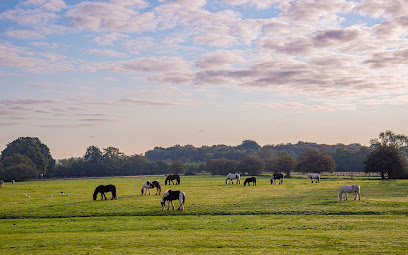
Hopefield Animal Sanctuary
5.6 km
Essex sanctuary rescuing 700+ animals with ethical encounters and countryside peace.
Hill Hall
7.1 km
Explore Hill Hall, Essex’s exquisite Elizabethan mansion blending Renaissance art, French-inspired architecture, and Tudor intellectual legacy.
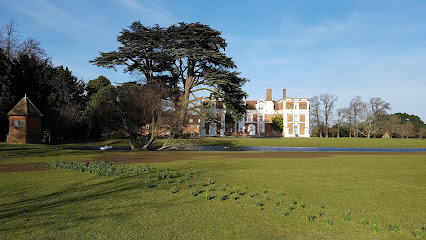
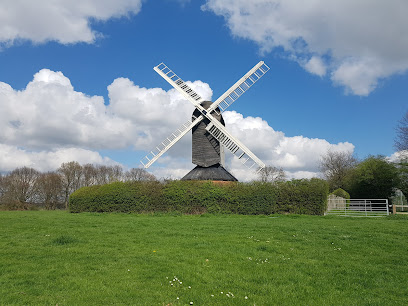
Mountnessing Windmill
7.2 km
Historic 1807 post mill in Essex, fully restored and working, offering heritage milling and scenic village charm.
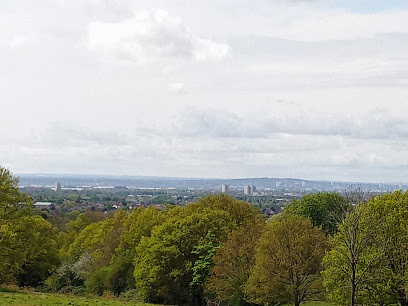
Bedfords Park
8.3 km
Explore 215 acres of historic parkland with red deer, wildflower meadows, and sweeping views over East London and Kent.
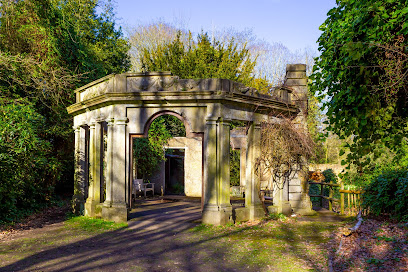
Warley Place Nature Reserve
8.7 km
Explore the historic gardens and vibrant wildlife of Warley Place Nature Reserve, a tranquil 25-acre sanctuary near Brentwood, Essex.
Ingatestone Hall
9.4 km
Explore the intimate grandeur and Tudor heritage of Ingatestone Hall, set within serene gardens in the heart of Essex countryside.
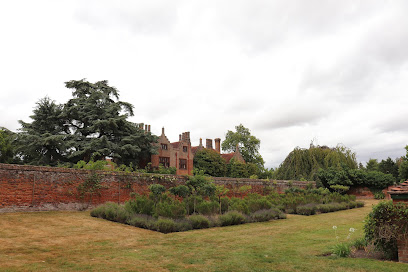
Thorndon Country Park
9.5 km
Explore 500+ acres of ancient woodlands, scenic parkland, and the original Gruffalo Trail in Essex’s historic Thorndon Country Park.
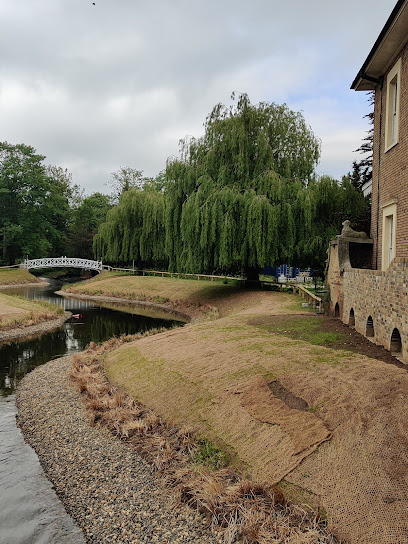
Hainault Forest
10.3 km
Explore ancient woodlands, family-friendly farms, and scenic trails at Hainault Forest Country Park—London’s peaceful natural escape.
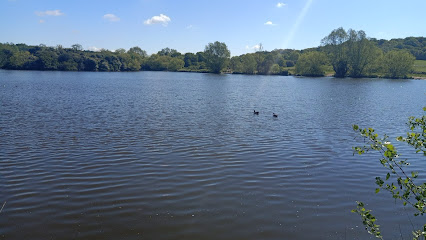
Havering Museum Ltd
11.8 km
Discover the rich local history of Havering in the charming former Romford Brewery, where community heritage comes alive through engaging exhibits and stories.
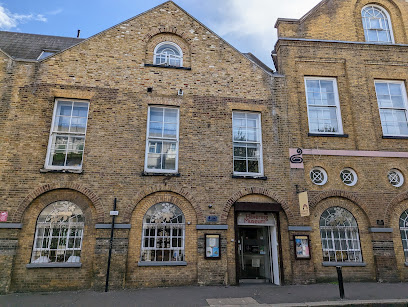
Thorndon Country Park South
11.9 km
Rolling parkland with sweeping views, perfect for picnics, dog walking, and fishing at Old Hall Pond in Brentwood, Essex.
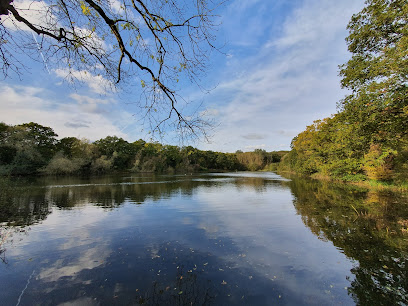
Cater Museum
12.3 km
Discover Billericay’s heritage at the quaint Cater Museum, where local history comes alive in a charming High Street setting.

Hylands Park
13.1 km
Explore 574 acres of historic parkland and a stunning neo-classical mansion in Chelmsford's cherished Hylands Park.
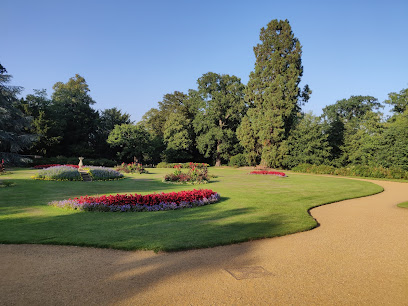
Essential places to dine

Alec's Restaurant
2.0 km
Alec's Restaurant in Brentwood offers exquisite seafood and fine dining in a beautifully restored historic setting with impeccable service.
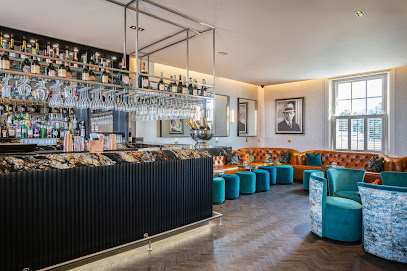
The Cart Shed Restaurant
10.0 km
A rustic yet refined British dining experience in the tranquil village of Thornwood near Epping, blending seasonal local produce with countryside charm.
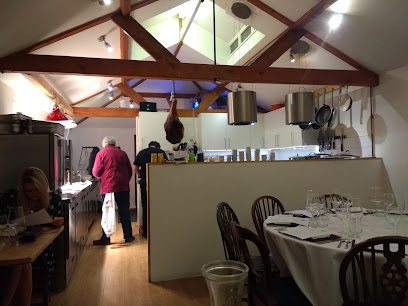
Bartellas Restaurant
11.0 km
Experience authentic Mediterranean cuisine in a warm, inviting setting nestled in the Essex countryside near Ingatestone.
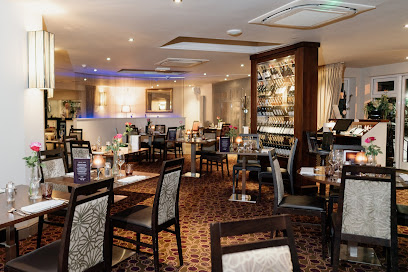
The Chequers Matching Green
11.8 km
A charming gastro-pub overlooking Matching Green’s cricket pitch, blending traditional English village charm with modern dining comfort.
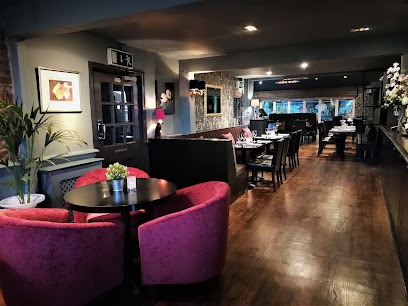
Dukes Head Billericay
13.0 km
A charming gastropub in Billericay blending traditional British fare with a warm, inviting atmosphere and scenic outdoor spaces.
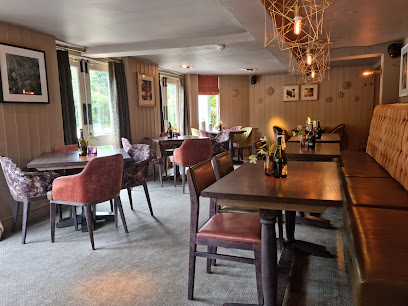
Hoop at Stock
13.1 km
Historic 15th-century gastropub in Stock village serving award-winning modern British cuisine in a cozy, traditional setting.
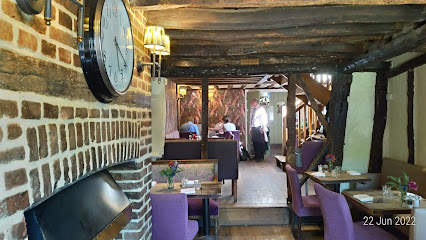
The Magic Mushroom
15.3 km
A stylish fine dining experience blending British and Mediterranean flavors in a charming converted barn on Billericay’s outskirts.
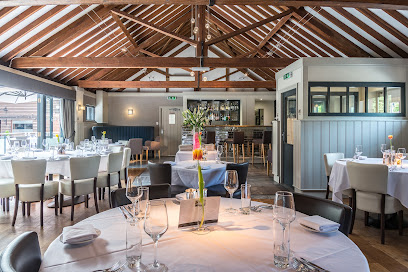
The New London
15.9 km
Upscale Chelmsford restaurant offering scratch-made dishes, attentive service, and a cozy contemporary lounge atmosphere.
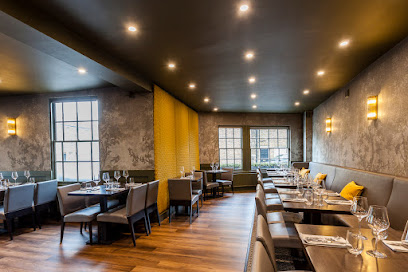
Samphire Restaurant @ The County Hotel
16.0 km
Award-winning British cuisine with fresh, local ingredients in a stylish, family-friendly Chelmsford setting.
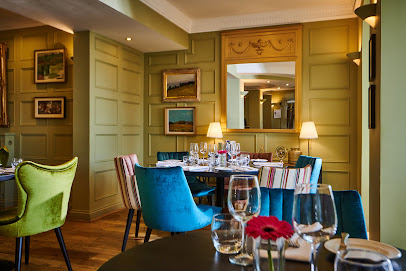
Acanteen
16.4 km
Chelmsford’s all-day bar, restaurant and live music venue – brunch, pizza, cocktails and events in a buzzing city-centre setting.
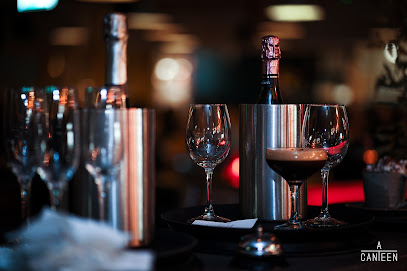
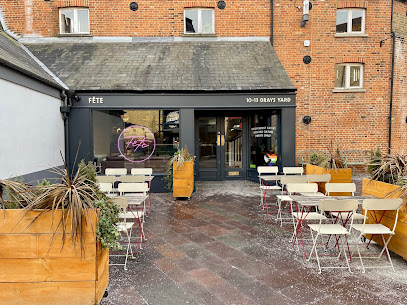
Fête at Grays Brewery Yard
16.5 km
Eclectic global flavours and vibrant cocktails in a quirky, welcoming eatery at Chelmsford’s lively Brewery Yard.
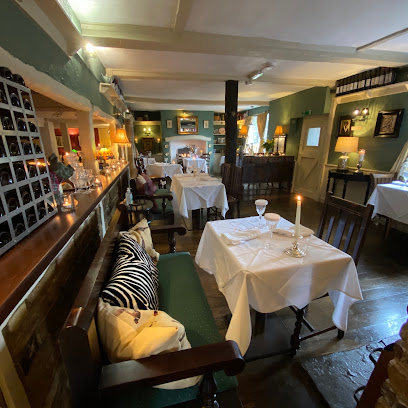
Pig & Whistle Restaurant
16.6 km
Charming 16th-century countryside restaurant in Chelmsford offering award-winning British cuisine and a cosy, intimate dining experience.
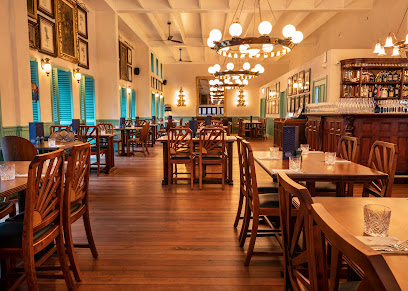
Cosy Club
16.6 km
Experience timeless art deco charm and inclusive British dining at Cosy Club Chelmsford, open all day for every occasion.
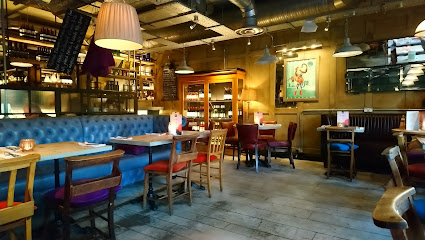
Bill's Chelmsford Restaurant
16.7 km
A vibrant British restaurant in Chelmsford’s town centre, serving all-day meals, seasonal specials, and welcoming guests with a lively atmosphere.
Russells Restaurant
17.6 km
Historic vaulted barn setting meets refined French and English fine dining with seasonal dishes and exceptional service in Great Baddow.
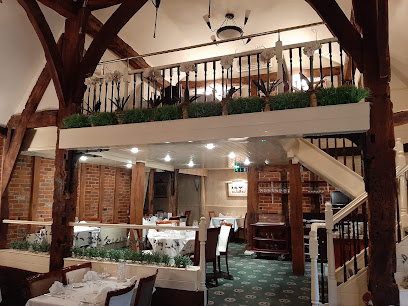
Markets, malls and hidden boutiques

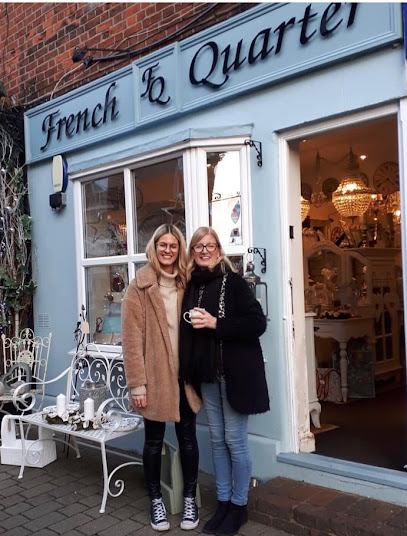
French Quarter
6.7 km
Discover unique gifts and artisan homewares in Brentwood’s welcoming French Quarter boutique.
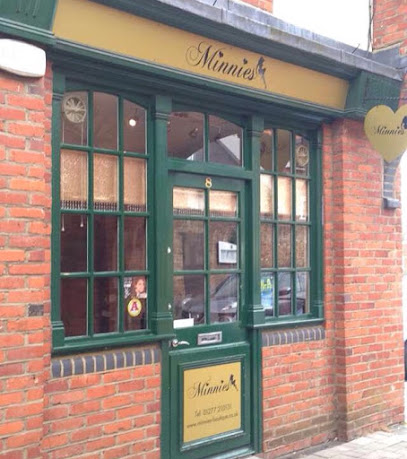
Minnie's Boutique
6.7 km
Discover unique styles and personalized service at Minnie's Boutique, a charming ladies' clothing shop in Brentwood, perfect for every fashion enthusiast.
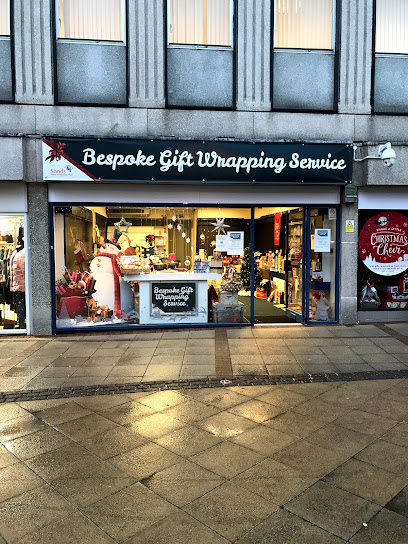
The Baytree Shopping Centre
6.8 km
A practical and accessible shopping centre at the heart of Brentwood, offering everyday essentials and local services.
B-Invogue - Ladies Clothes Essex
9.9 km
A friendly Epping boutique offering stylish, affordable ladies’ fashion in a welcoming, personal setting.
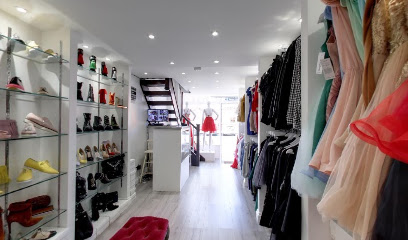
Blush Boutique Essex
10.4 km
Chic and contemporary ladies’ fashion boutique on Epping High Street, blending quality, style, and comfort in every piece.

Riverside Retail Park
17.1 km
A convenient and lively retail hub in Chelmsford offering diverse stores, eateries, and accessible parking on Victoria Road.
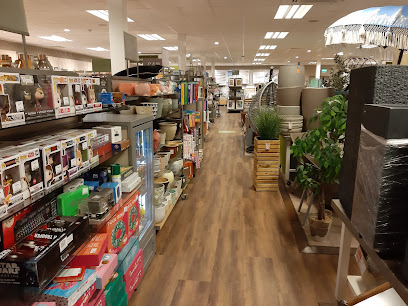
Unique Store
22.9 km
Explore London's Unique Store: Your go-to convenience shop for local snacks, souvenirs, and essentials, right in the heart of the city.
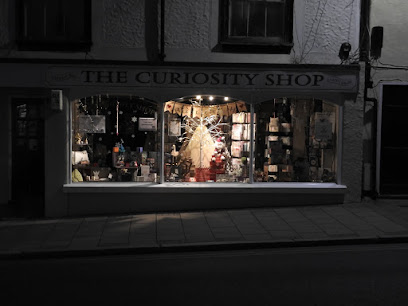
The Curiosity Shop
23.5 km
Discover unique gifts and local treasures in the heart of Great Dunmow at The Curiosity Shop, a charming boutique with a warm, welcoming atmosphere.
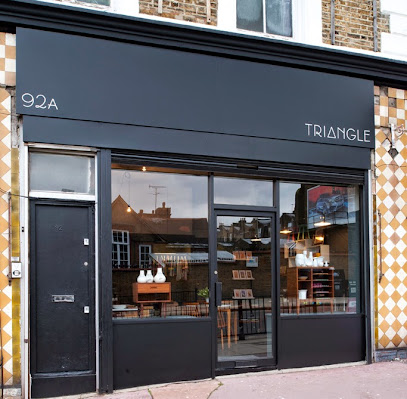
Triangle Store
24.6 km
Independent East London boutique championing sustainable fashion, ethical homeware, and conscious living.
The Factory Shops
26.0 km
Discover unbeatable bargains and a diverse range of discounted goods at The Factory Shops, Rayleigh’s favorite value retail destination.
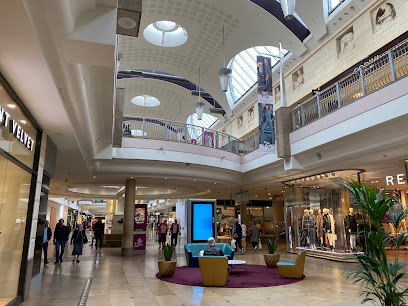
Bluewater Shopping Centre
26.0 km
Explore Bluewater Shopping Centre, a premier shopping destination with over 300 stores, diverse dining options, and entertainment for the whole family.
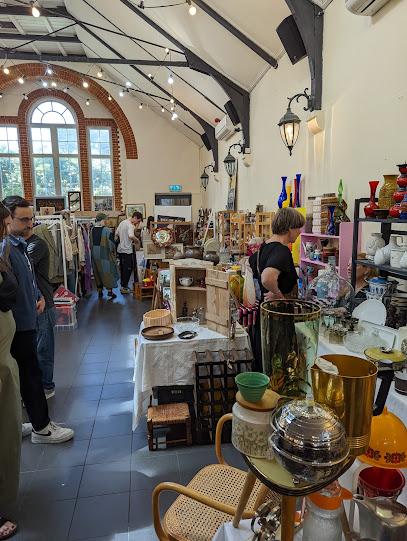
Hackney Flea Market
26.1 km
Discover rare vintage treasures and salvaged antiques in a lively, community-focused market nestled in Stoke Newington’s historic Abney Hall.
Nook Shop
26.4 km
A chic, eco-conscious lifestyle boutique offering curated gifts and design treasures in the heart of Stoke Newington.
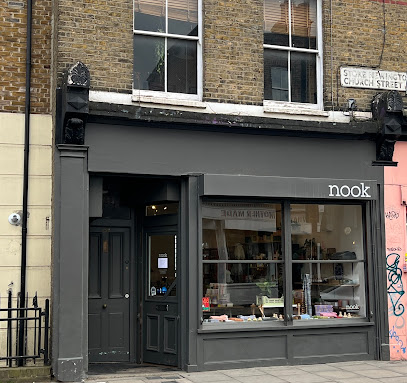
69b Boutique Sustainable Style
26.5 km
London’s first boutique dedicated to stylish, sustainable fashion with a focus on ethical brands and eco-friendly materials.

Broadway Market
26.6 km
A lively Victorian street market in East London offering global street food, unique crafts, and a vibrant community atmosphere every weekend.
Essential bars & hidden hideouts

The Leather Bottle Blackmore
4.9 km
A charming gastropub in Blackmore blending quirky decor, seasonal British cuisine, and a welcoming village atmosphere all year round.
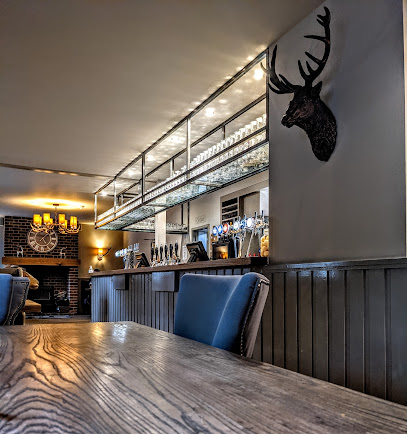
The Merchant Brentwood
6.6 km
A vibrant pub on Brentwood High Street serving artisan comfort food, lively sports, and spirited social gatherings from day to night.
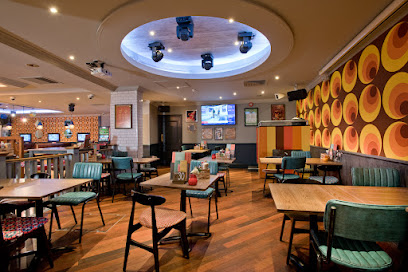
George And Dragon Mount Nessin
7.0 km
A charming British gastropub in Mountnessing blending rustic tradition with modern dining and a welcoming atmosphere.
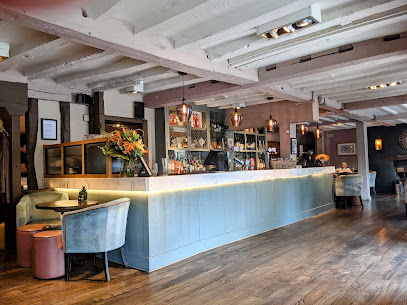
Top Oak Restaurant & Pub Essex Venue Hire Stapleford Abbotts
7.0 km
A charming Essex country pub blending rustic ambiance with contemporary comfort and classic British cuisine.
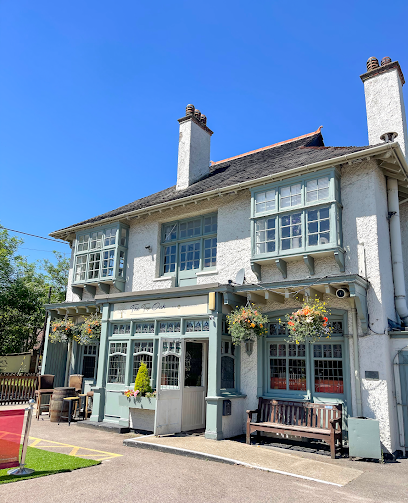
The Fox and Goose
9.6 km
A modern gastropub in Chelmsford blending traditional charm with seasonal British cuisine and inviting garden dining.
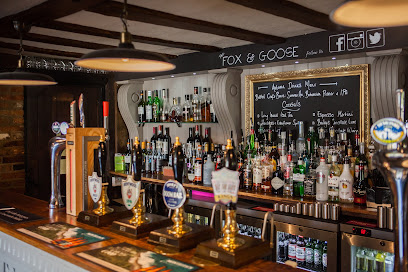
The Bar People
10.7 km
Expert cocktail bar and event specialists in Theydon Bois, blending bespoke drinks with professional event management for unforgettable celebrations.
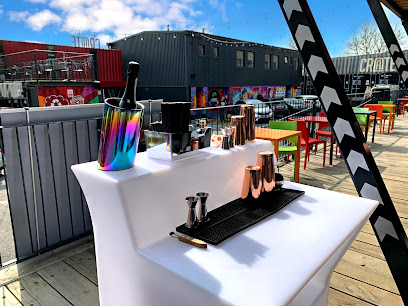
Harry's Bar
12.3 km
A stylish and welcoming bar and restaurant in Billericay’s heart, perfect for relaxed dining and vibrant socializing.
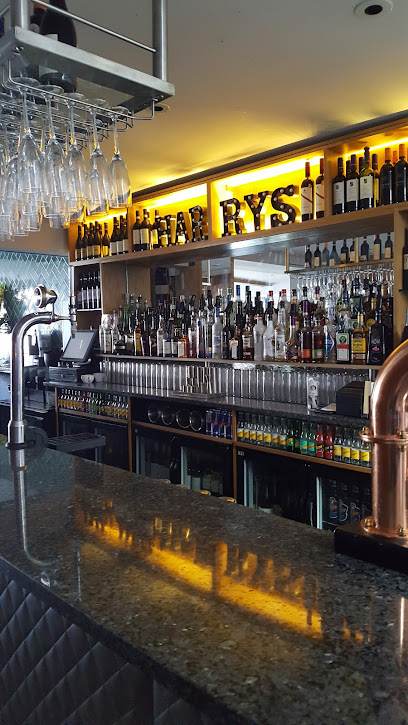
Cristi's Bar
12.4 km
Experience authentic Italian flavors and expertly crafted cocktails in Billericay’s vibrant and stylish Cristi's Bar.
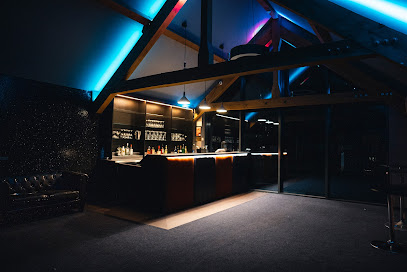
Vertigo
12.6 km
A lively multi-level bar and restaurant in Hornchurch, perfect for casual drinks, celebrations, and enjoying great music in a stylish setting.
Fête Lounge
12.9 km
Experience vibrant Caribbean-inspired cocktails and afternoon teas in a lively, welcoming lounge at Upminster’s Fête Lounge.
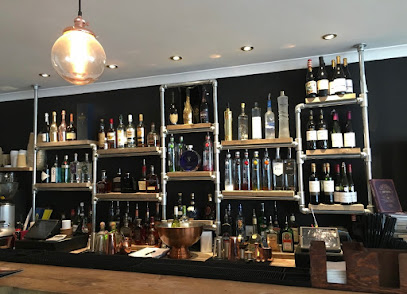
The Bear Inn - Stock
12.9 km
A warm, traditional gastropub in Stock offering hearty British fare, a large beer garden, and a welcoming village atmosphere.
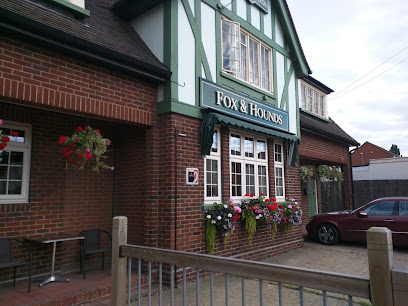
Fox & Hounds
15.0 km
A welcoming Chelmsford pub offering hearty British classics, lively sports viewing, and a warm, friendly atmosphere for all visitors.
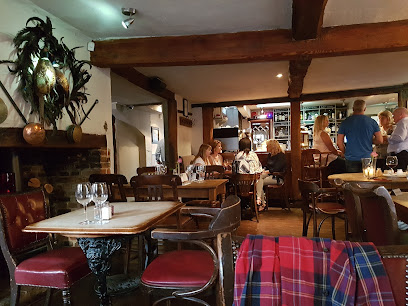
The Orange Tree
15.8 km
A lively gastro pub in Chelmsford offering excellent ales, hearty meals, and a warm, welcoming atmosphere for locals and visitors alike.
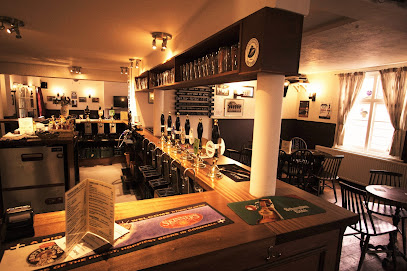
The Ale House
16.2 km
Chelmsford’s vibrant craft beer bar where you can bring your own food and enjoy a welcoming, lively atmosphere with expert service.
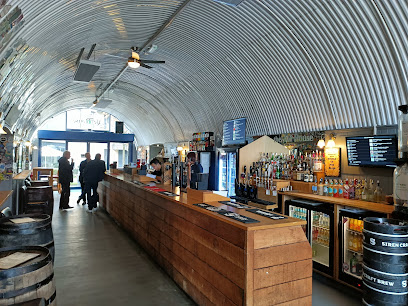
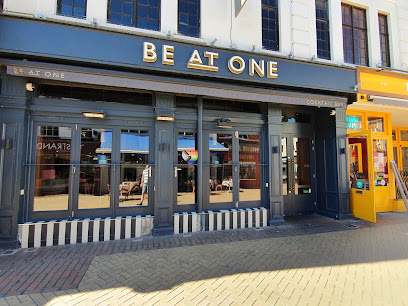
Be At One - Chelmsford
16.4 km
Discover over 100 cocktails and vibrant nightlife at Be At One Chelmsford, featuring rooftop terrace and unbeatable happy hour deals.
Nightclubs & after hour spots

Epping Roof Garden & Nightclub
10.4 km
A stylish rooftop nightclub in Epping blending lively nightlife with blooming garden charm and sophisticated cocktails.
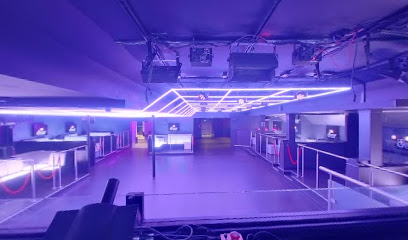
Club Tantalize
16.4 km
Chelmsford’s largest and most luxurious lapdancing club offering stylish nightlife with live pole shows and private VIP experiences.
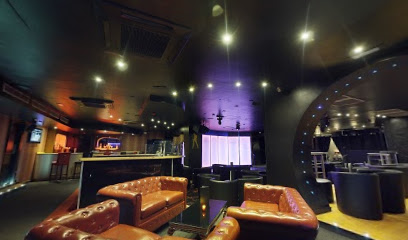
Bar & Beyond Chelmsford
16.4 km
A large, lively nightclub in Chelmsford known for affordable drinks, vibrant atmosphere, and a mix of praise and controversy around its staff and music.
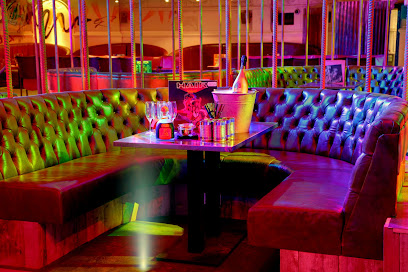
Popworld - Chelmsford
16.6 km
Experience Chelmsford’s ultimate pop-themed nightclub with vibrant music, creative cocktails, and unforgettable themed parties.
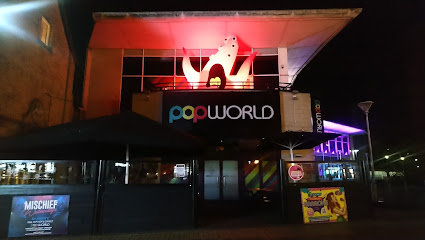
Faces NightClub
16.7 km
A stylish, vibrant nightclub in Gants Hill with immersive sound, dynamic visuals, and a versatile space for unforgettable nights and events.
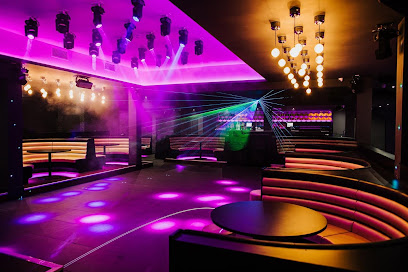
The Loft Basildon
18.0 km
Experience Basildon’s vibrant dance scene with energetic music nights, friendly staff, and a lively atmosphere at The Loft Basildon.
CQ LOUNGE
24.6 km
South London's Afrobeats epicenter: dance, shisha, cocktails, and culture until 5am in Woolwich's vibrant CQ Lounge.
Funky Friday Over 30's Night
24.8 km
Funky Friday Over 30's Night in Greenhithe offers a vibrant atmosphere with live music, perfect for dancing and socializing with friends.
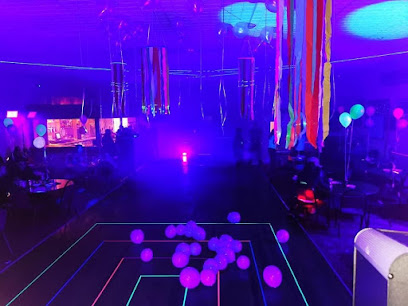
LA Lounge
24.9 km
London's top Afrobeats nightclub in Docklands: ethnic sophistication, VIP vibes, cocktails, and late-night dances until 4am on weekends.
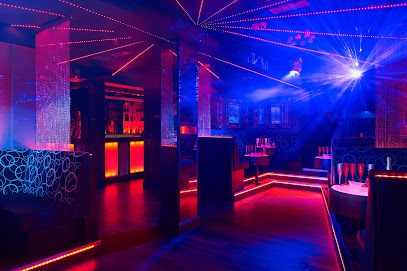
Air & Breathe Nightclub
25.3 km
Vibrant dual-zone nightclub in Dartford blending youthful energy with plush exclusivity for over 25s.
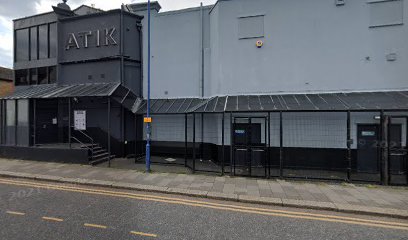
American Express Invites Lounge
25.7 km
A backstage‑inspired, Cardmember-only lounge at The O2 with distinct seating zones, crafted drinks and a complimentary welcome drink on event nights.
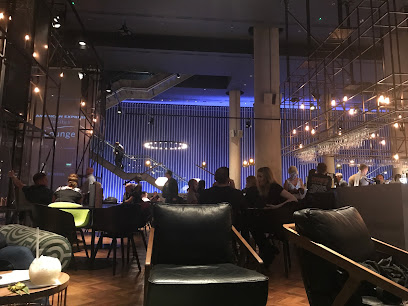
(Admin Office) The Mobile Nightclub
25.8 km
Discover the joy of nightlife on the move with The Mobile Nightclub in London, where the party comes to you!

—
26.8 km
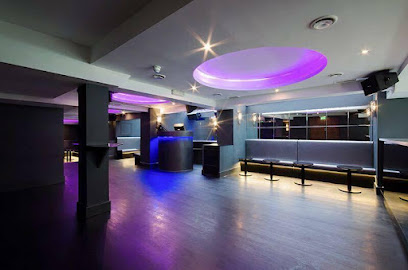
Vibrant nightclub and Asian fusion lounge blending historic charm with lively nightlife in Hertford’s Parliament Square.
The Hertford Club
26.9 km
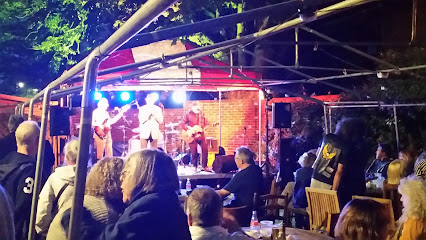
A historic private members’ club in Hertford, renowned for real ales, hearty home-cooked meals, and a vibrant social scene.
Basing House - Shoreditch
28.0 km
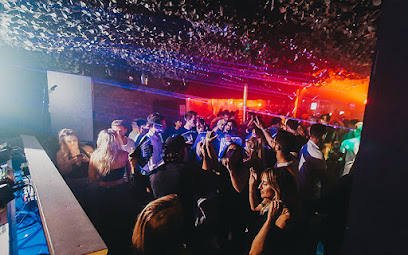
An intimate Shoreditch nightclub with top electronic beats, a Funktion One sound system, and a lively rooftop bar under the London skyline.
For the vibe & atmosphere seeker
- Unique
- Scenic
- Tranquil
- Quirky
For the design and aesthetic lover
- Minimalist Designs
- Retro Vibes
For the architecture buff
- Historic
- Landmarks
- Heritage Neighborhoods
For the view chaser and sunset hunter
- Iconic Views
For the social media creator & influencer
- Instagrammable
- Photo Spots
- Selfie Spots
For the eco-conscious traveler
- Public-Transport Accessible
- Locally Managed
For the kind of experience you’re after
- Cultural Heritage
- Myth & Legends
- Day Trip
- Weekend Getaway
- Photowalk
For how adventurous you want the journey to be
- Easy Access
Location Audience
- Family Friendly
- Senior Friendly
- Child Friendly
- Teen Friendly
- Couple Friendly
- Solo Friendly
- Vegetarian Friendly
- Vegan Friendly


