Tully Castle Travel Guide
Free Guide: Explore the evocative ruins of Tully Castle, a 17th-century plantation fortress steeped in history and tragedy on the shores of Lower Lough Erne.


A brief summary of Tully Castle
Explore the evocative ruins of Tully Castle, a 17th-century plantation fortress steeped in history and tragedy on the shores of Lower Lough Erne.
Tully Castle is a striking early 17th-century fortified house and bawn located on the scenic shores of Lower Lough Erne near Derrygonnelly, County Fermanagh. Built by Scottish planter Sir John Hume between 1611 and 1613, it was designed for defense amid the turbulent Plantation of Ulster. The castle witnessed a tragic massacre during the 1641 Irish Rebellion, after which it was burned and never reoccupied. Today, its evocative ruins and surrounding grounds offer a poignant glimpse into Northern Ireland’s plantation history.
On-site amenities
 Restrooms
 Information boards
 Visitor centre
 Seating areas
 Picnic areas
 Trash bins
Opening hours
- Every dayOpen 24 hours
Opening hours as listed on the venue’s Google Business Profile. Hours can change for services and special events, so check with the venue before you go.
- Address
- Lough Shore Rd, Derrygonnelly, Enniskillen BT93 6HP
- Website
Getting there
Car
Bus
Boat
Walking
Discover more about Tully Castle
Origins and Strategic Design of Tully Castle
Tully Castle was constructed between 1611 and 1613 by Sir John Hume, a Scottish planter granted land during the Plantation of Ulster. Situated on the southern shore of Lower Lough Erne, the castle was built with defense as a priority, reflecting the tensions between the new Scottish settlers and the native Irish population. The fortified house features a rectangular bawn—a walled courtyard roughly 100 feet square—surrounded by high stone walls and four projecting corner towers called flankers. These towers were designed to provide musket and pistol defense, a hallmark of plantation castles of the era. The castle’s architecture blends Scottish influences with local Irish masonry techniques, a testament to the collaboration of cultures during its construction.
The Tragic Events of the 1641 Irish Rebellion
Tully Castle’s history is marked by a dark episode during the Irish Rebellion of 1641. On Christmas Eve, rebel forces led by Rory Maguire, whose family had previously held the land, arrived with over 800 men. Most of the castle’s male defenders were absent, leaving Lady Mary Hume and the settlers vulnerable. After surrendering under the promise of safe conduct, the castle’s occupants—approximately 15 men and 60 women and children—were imprisoned in the vaulted cellar. The following day, these prisoners were massacred, and the castle was set ablaze. The Hume family was spared but never returned, leaving the castle a ruin. This event is one of the most infamous massacres of the rebellion and contributes to the castle’s haunting atmosphere.
Preservation and Visitor Experience Today
Today, Tully Castle stands as one of the best-preserved plantation castles in Fermanagh, with the stronghouse surviving to nearly full height and parts of the bawn walls still visible. A sensitive conservation program began in the 1970s, stabilizing the ruins and revealing features such as cobbled garden paths within the bawn. Visitors can explore the castle’s footprint, including the barrel-vaulted ground floor, which once served as a kitchen and storeroom, and admire the distinctive quarter-round turret. Interpretation panels provide vivid accounts of the castle’s history, including the 1641 massacre, enhancing the visitor’s understanding of the site’s significance.
Natural Setting and Surrounding Attractions
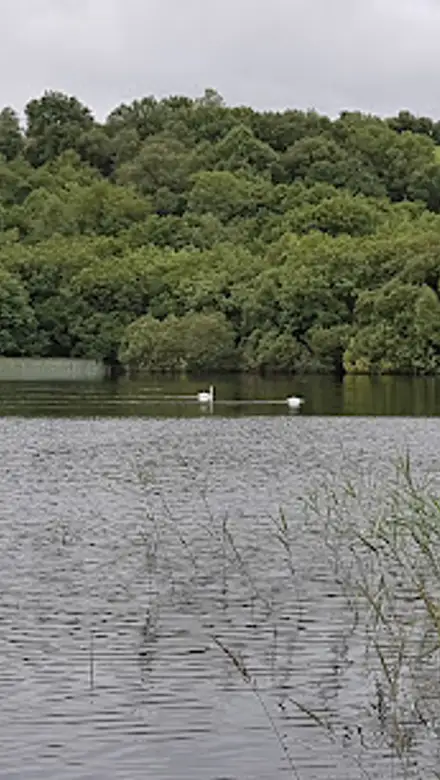
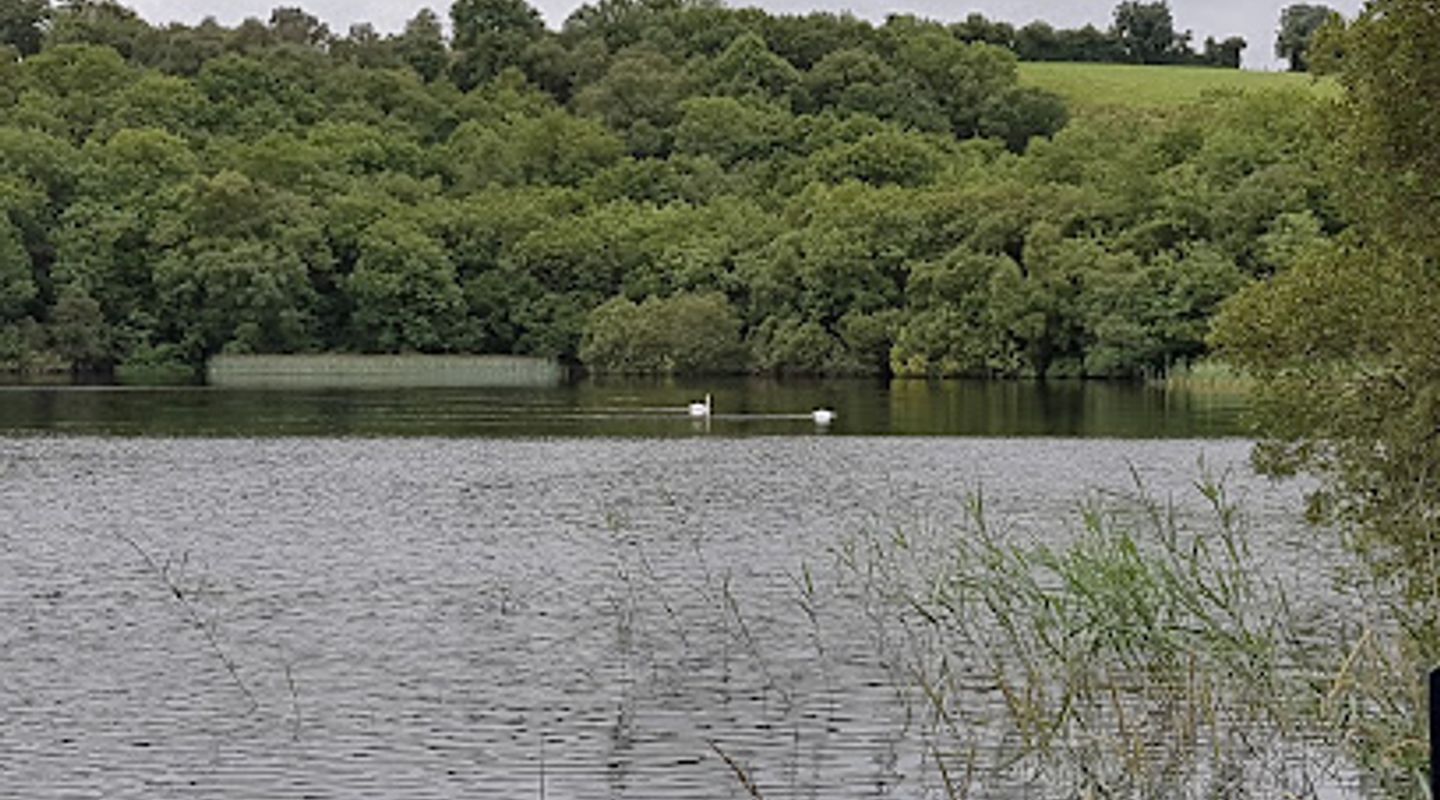
Set on a scenic headland on Lower Lough Erne, the castle is surrounded by natural beauty, including views across the lough to nearby islands such as Heron, Gay, and Inishmakill. A walking route around the castle and along the lough shore offers opportunities to enjoy the tranquil woodland and spot local wildlife, particularly wild birds that inhabit the area. Nearby facilities include a restored farmhouse visitor centre with exhibitions on the Plantation era and local history, parking, toilets, and picnic areas. The site is also accessible by boat via a jetty, making it a unique destination for waterborne visitors.
Cultural Legacy and Folklore
Tully Castle’s turbulent past has left a lasting cultural imprint. The massacre of 1641 has inspired local folklore and ghost stories, contributing to a dark, brooding atmosphere that some visitors find compelling. The castle and its surrounding village site are protected as State Care Historic Monuments, preserving an important chapter of Northern Ireland’s plantation history. Nearby castles such as Monea Castle share similar origins and histories, offering further exploration of the region’s plantation heritage.
Planning Your Visit and Accessibility
Admission to Tully Castle and the visitor centre is free, with the centre staffed during open hours, though it may close occasionally due to staffing or seasonal factors. The site is dog-friendly, with paved paths suitable for families, though picnics are not permitted within the formal grounds. While the castle ruins and grounds are easily accessible, visitors should be prepared for uneven surfaces typical of historic sites. The jetty provides a distinctive arrival point for those exploring by boat, though facilities there are minimal. Overall, Tully Castle offers a poignant, atmospheric experience blending history, architecture, and natural beauty.
Evendo Review Centre
 Google
Guest reviews
Best time to go
Quietest: Jan, Feb & Dec · before 6am or at 9pm
Busy times are Evendo estimates for a typical year, to help you plan. Actual crowds vary with events, school holidays and the weather.
Explore Tully Castle on the map
A handpicked selection of must-see spots near Tully Castle, mapped for you.
Get your free copy of our complete guide to Tully Castle, delivered straight to you.
Everything on this page, from opening hours and how to get there to Eve’s tips and the best time to go, in one PDF you can read offline, print or share.
Already have an account? Sign in
Your Tully Castle guide is ready.
We'll send it to · Not you? Sign out

Getting your guide ready…
We are putting together a fresh copy of the Tully Castle guide. This can take up to a minute.
This can take a few moments. If your browser asks, choose Allow so the download can start. You'll find the guide in your Downloads folder.
Nothing happened? Download it again
Sorry, the guide is taking longer than usual. Please try again in a minute, or get it by email instead.
Other nearby places you may find interesting
The closest places of the same kind, if this one is not quite what you had in mind.
-
-
-
-
-


Swipe for more places
More to explore near Tully Castle

 Best experiences near Tully Castle

 Best hotels near Tully Castle

 Best landmarks near Tully Castle

 Best attractions near Tully Castle

 Best shops near Tully Castle

 Best restaurants near Tully Castle

 Best bars near Tully Castle
Do you manage this location?
Take control to get all the benefits, like improved information, better appearance, and stronger visibility across AI-powered discovery.
Explore more
Explore more of Fermanagh
Discover Fermanagh, Northern Ireland's hidden gem, known for its enchanting lakelands, historical sites, and breathtaking natural beauty.
Explore Fermanagh
Explore more of United Kingdom
Discover the United Kingdom: A blend of rich history, stunning landscapes, and vibrant cities, offering a unique travel experience for every visitor.
Explore United Kingdom