

Free Fermanagh Travel Guide & Mobile App
Explore Fermanagh with free travel guides. Discover regional history, expert tips, proposed trips, and audio guides on web or mobile app.


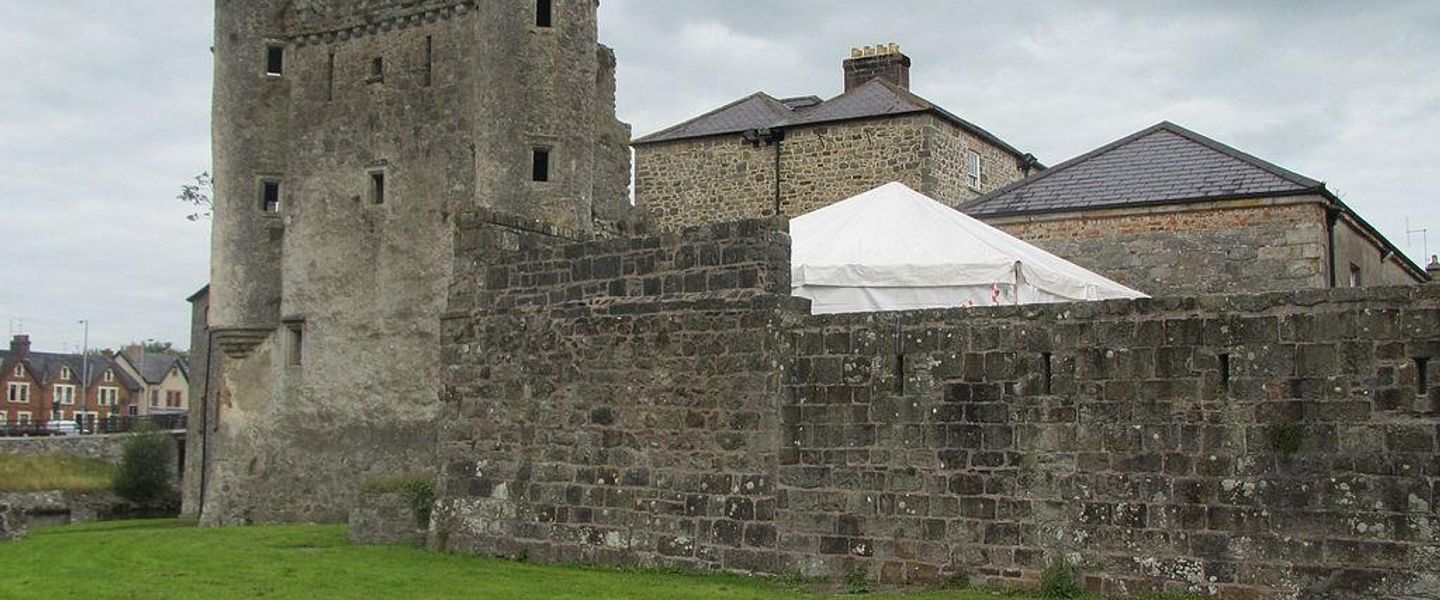


Explore Fermanagh's Lough Erne islands, caves, country estates, historic Enniskillen and quiet landscapes in Northern Ireland's lakeland county.
Read more about Fermanagh
When is the best time to visit Fermanagh?
Best: June–August · 18–20°C| Month | High (°C) | Rainfall (mm) |
|---|---|---|
| January | 8 | 90 |
| February | 8 | 70 |
| March | 10 | 80 |
| April | 12 | 60 |
| May | 15 | 60 |
| June (best) | 18 | 60 |
| July (best) | 20 | 70 |
| August (best) | 20 | 70 |
| September | 18 | 70 |
| October | 14 | 80 |
| November | 10 | 80 |
| December | 8 | 90 |
Getting to and around Fermanagh
How to get there
Transportation
Best attractions in Fermanagh
Fermanagh's attractions are shaped by the relationship between water, limestone and historic settlement. On Lough Erne, boat trips, marinas, fishing and kayaking reveal a landscape of islands and wooded inlets, while Devenish Island offers an especially atmospheric encounter with early Christian remains. Enniskillen Castle combines a strong strategic setting with museums devoted to local, military and natural history. The county's great estates provide a different experience: Castle Coole presents neoclassical architecture and formal interiors, while Florence Court combines a historic house with gardens, woodland and views towards Cuilcagh. In the west, the Marble Arch Caves offer a guided journey through an underground limestone system, subject to seasonal and weather-related arrangements. The Cuilcagh Boardwalk crosses a protected upland environment, and Castle Archdale Country Park provides woodland trails and lakeside heritage. Belleek Pottery adds an industrial and craft dimension, while the Magho Cliffs, Boa Island and smaller lakeshore settlements reward visitors who take time to travel beyond the county town.
-
Tourist attraction
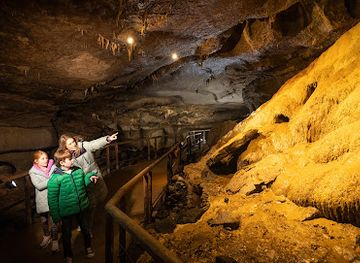
Marble Arch Caves (Open Year-Round)
Explore the stunning underground rivers and limestone formations of Northern Ireland’s Marble Arch Caves, a captivating natural wonder open year-round.
-
Gift shop
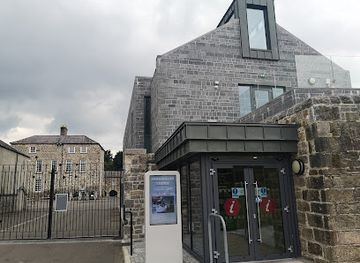
Enniskillen Castle
A 15th‑century fortress on the River Erne, now home to two fascinating museums and a modern heritage gateway in the heart of Enniskillen.
-
Hiking area
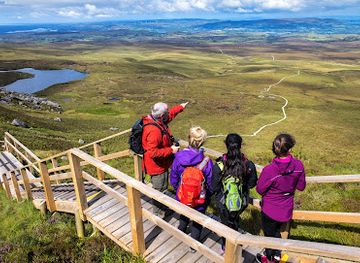
Cuilcagh Boardwalk Trail
Explore Northern Ireland’s iconic Cuilcagh Boardwalk Trail, a breathtaking 11km hike through pristine bogland to a stunning mountain summit viewing platform.
-
Tourist attraction
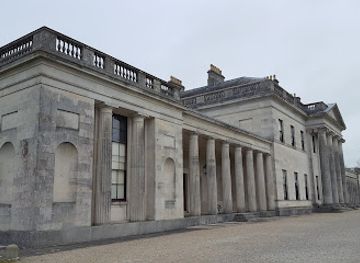
National Trust - Castle Coole
Explore Castle Coole’s grand neo-classical mansion, historic servants’ tunnel, and tranquil 700-acre estate near Enniskillen.
Best landmarks in Fermanagh
Enniskillen Castle is Fermanagh's defining historic landmark, occupying a strategic position between Upper and Lower Lough Erne and embodying the county's Gaelic, military and civic history. The round tower and ruined churches of Devenish Island form one of the most important early medieval ensembles in the region, their island setting adding to their visual impact. Castle Coole is a major neoclassical house whose ordered architecture and designed landscape express eighteenth-century aristocratic ambition, while Florence Court is notable for its historic interiors, demesne and setting below Cuilcagh. In the west, Belleek Pottery represents a continuing tradition of industrial porcelain manufacture rather than a medieval monument. The Boa Island carved figures are among Fermanagh's most intriguing archaeological landmarks, while the Magho Cliffs provide a natural counterpart, looking across the broad waters and wooded shores of Lower Lough Erne. Together these places show how geology, religion, defence, estate culture and craft have shaped the county's identity.
-
Historical landmark
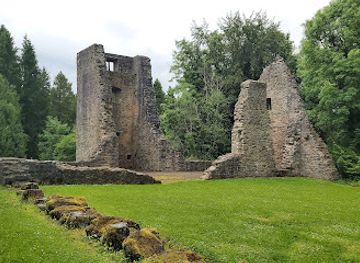
Old Castle Archdale (State Care Monument)
Explore the evocative ruins of Old Castle Archdale, a historic Plantation stronghold and WWII RAF base nestled in scenic County Fermanagh.
Explore Fermanagh on the map
Plan your trip on one map. See where the top cities, national parks and sights are, and book hotels and experiences in a few clicks.
Best hotels in Fermanagh
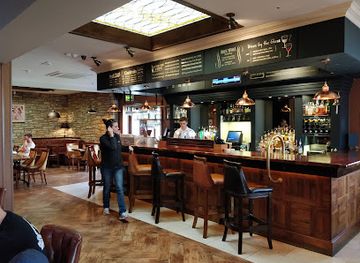
Best restaurants in Fermanagh
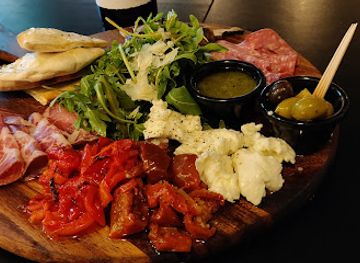
Fermanagh's dining scene is concentrated in Enniskillen, with additional restaurants, cafés, country-house dining rooms and traditional pubs spread through the market towns and rural districts. Local produce often reflects the county's farming landscape: beef, lamb, dairy products, vegetables, game and freshwater fish from the Erne system appear in seasonal cooking. Smoked fish, trout and pike may feature on menus, although availability changes with season and supplier. Farm shops and food markets provide opportunities to buy cheeses, breads, preserves, cakes and other regional produce for picnics beside the lakes. Enniskillen offers the broadest choice, from casual cafés and bakeries to contemporary restaurants, while village pubs and rural inns tend to emphasise hearty meals and a relaxed pace. Visitors should distinguish Fermanagh's lake and farm produce from dishes identified with other parts of Ireland; the county's culinary character lies more in high-quality local ingredients and cooking than in one defining signature dish.
-
Traditional restaurant
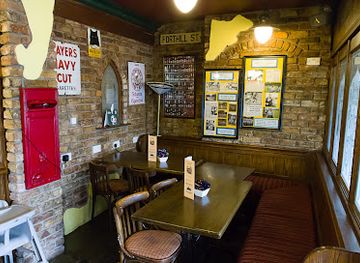
Horseshoe & Saddlers
A welcoming traditional restaurant and bar in Enniskillen offering hearty dishes and a friendly atmosphere from midday to midnight.
-
Pizza
Little Wing Pizzeria
Authentic Naples-style pizzas crafted with passion and premium Italian ingredients in the heart of Enniskillen’s vibrant High Street.
-
Gastropub
The Taphouse Gastro Pub
A vibrant gastropub blending global flavors with local warmth in Enniskillen’s welcoming Old Tempo Road setting.
-
Italian
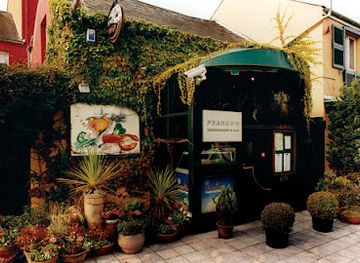
Franco's
Upscale Italian dining in Enniskillen with a diverse menu, cozy ambiance, and attentive service on Queen Elizabeth Road.
Best bars in Fermanagh
Fermanagh's evening life is modest and locally focused rather than centred on a large nightclub economy. Enniskillen has the county's widest choice of traditional pubs, hotel bars, restaurants and occasional live-music venues, with activity generally concentrated around the town centre. Rural towns and villages are more likely to offer long-established pubs where conversation, televised sport and music shape the evening, while lakeside hotels and country properties provide quieter dining and drinks. Seasonal events and visitor activity can bring more life to the Erne shoreline, particularly during the warmer months, but opening arrangements vary. Breweries and locally produced drinks may appear on menus without defining the whole nightlife scene. Those staying outside Enniskillen should plan transport in advance, as late public transport is limited and rural roads are poorly suited to driving after drinking.
-
Grill
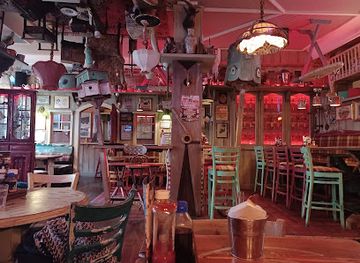
Granny Annies
A quirky grill and bar in Enniskillen offering hearty meals, creative cocktails, and a uniquely playful atmosphere.
-
Irish pub
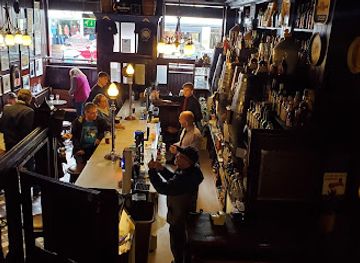
Blakes of the Hollow
Step into Enniskillen’s oldest Victorian pub, where tradition, live Irish music, and expertly poured Guinness create an unforgettable atmosphere.
-
Bar
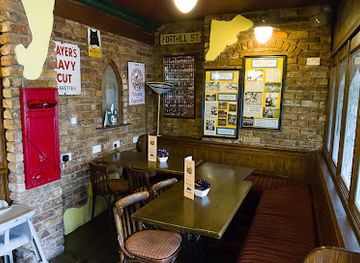
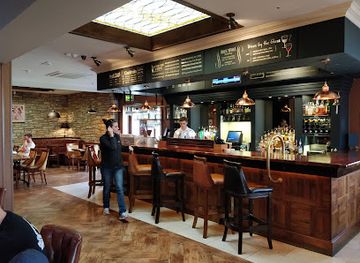
Horseshoe & Saddlers
A beloved family-run bar and restaurant in Enniskillen offering hearty traditional dishes and a warm, welcoming atmosphere.
-
Gastropub
The Taphouse Gastro Pub
A welcoming gastropub blending Irish, Italian, and French flavors in Enniskillen’s inviting Old Tempo Road setting.
Best nightclubs in Fermanagh
Fermanagh's evening life is modest and locally focused rather than centred on a large nightclub economy. Enniskillen has the county's widest choice of traditional pubs, hotel bars, restaurants and occasional live-music venues, with activity generally concentrated around the town centre. Rural towns and villages are more likely to offer long-established pubs where conversation, televised sport and music shape the evening, while lakeside hotels and country properties provide quieter dining and drinks. Seasonal events and visitor activity can bring more life to the Erne shoreline, particularly during the warmer months, but opening arrangements vary. Breweries and locally produced drinks may appear on menus without defining the whole nightlife scene. Those staying outside Enniskillen should plan transport in advance, as late public transport is limited and rural roads are poorly suited to driving after drinking.
-
Night Club
The Gasworks Club
Energetic nightclub with a large dance floor and beer garden, The Gasworks Club is Enniskillen’s go-to spot for lively nights and live music.
-
Lounge
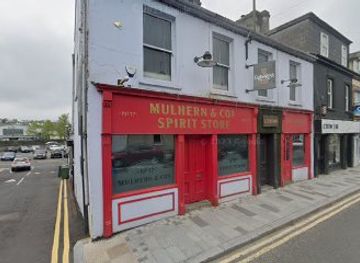
Wildes Lounge
Stylish lounge with locally sourced cuisine, an extensive whisky room, and a cozy atmosphere in the heart of Enniskillen.
Best shops in Fermanagh
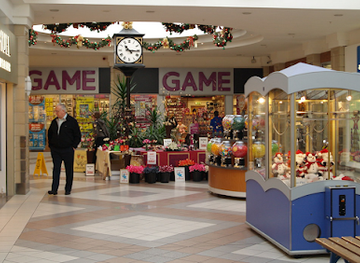
Enniskillen is Fermanagh's principal shopping centre, with a practical town-centre mix of national retailers, independent shops, cafés, galleries and services. Smaller settlements such as Irvinestown, Lisnaskea and Belleek provide more limited local shopping and are useful for everyday provisions rather than extensive retail browsing. Farm shops and food producers are the best places to look for regional cheeses, preserves, baked goods, meats and other products connected with the county's agricultural economy. Belleek Pottery is the most recognisable specialist shopping experience in Fermanagh, offering porcelain associated with the village's long manufacturing tradition. Craft galleries and visitor outlets may also carry ceramics, textiles, artwork, books and locally made gifts. Markets and seasonal food events vary by date, so consult local listings before planning a visit. Souvenirs are generally more meaningful when they reflect the Erne landscape, local food production or Fermanagh's craft heritage rather than generic Irish merchandise.
-
Shopping Centre
Erneside
A bustling shopping hub in Enniskillen offering diverse retail, dining, and community experiences with scenic river views.
-
Discount shop
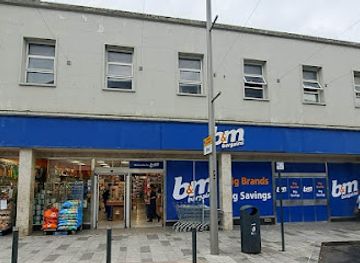
B&M Store
Affordable variety and convenience await at Enniskillen’s central B&M Store on High Street.
-
Discount shop
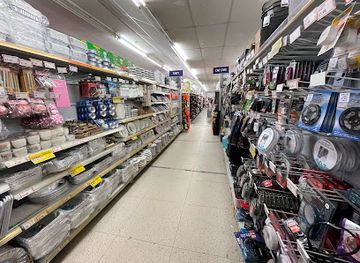
Poundstretcher
Affordable essentials and unbeatable deals await at Poundstretcher Enniskillen, your local discount shopping destination.
-
Sporting Goods Shop
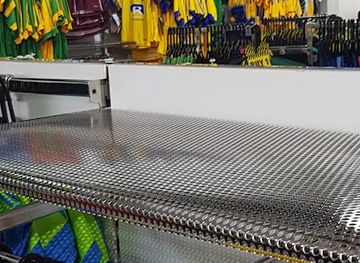
O'Neills Sports Superstore Enniskillen
Discover authentic Irish sportswear and equipment at O'Neills Enniskillen, your premier destination for quality teamwear and sporting goods.
Get your free copy of our complete guide to Fermanagh, delivered straight to you.
Everything on this page, from attractions and restaurants to essentials and local phrases, in one PDF you can read offline, print or share.
Already have an account? Sign in
Your Fermanagh guide is ready.
We'll send it to · Not you? Sign out

Getting your guide ready…
We are putting together a fresh copy of the Fermanagh guide. This can take up to a minute.
This can take a few moments. If your browser asks, choose Allow so the download can start. You'll find the guide in your Downloads folder.
Nothing happened? Download it again
Sorry, the guide is taking longer than usual. Please try again in a minute, or get it by email instead.
Fermanagh essentials
Currency and Payment
Safety
Emergency Situations
Do's and Don'ts
Local Tips
From Eve
Local phrases worth knowing
You don't need to get them perfect. A few words go a long way, and locals appreciate the effort.
Basics
| English | Local | Say it |
|---|---|---|
| Hello | Hello | [hɛloʊ] |
| Goodbye | Goodbye | [ɡʊdˈbaɪ] |
| Yes | Yes | [jɛs] |
| No | No | [noʊ] |
| Please/You're welcome | Please/You're welcome | [pliːz/ jʊər ˈwɛlkəm] |
| Thank you | Thank you | [θæŋk juː] |
| Excuse me/Sorry | Excuse me/Sorry | [ɪkˈskjuːz mi/ˈsɔːri] |
| How are you? | How are ye? | [haʊ ɑːr ji] |
| Fine. And you? | Grand. And ye? | [ɡrænd. ənd ji] |
| Do you speak English? | Do ye speak English? | [duː ji spiːk ˈɪŋɡlɪʃ] |
| I don't understand | I don’t understand | [aɪ doʊnt ˌʌndərˈstænd] |
Eating & Drinking
| English | Local | Say it |
|---|---|---|
| I'd like to see the menu, please | I’d like to see the menu, please | [aɪd laɪk tuː siː ðə ˈmɛnjuː, pliːz] |
| I don't eat meat | I don’t eat meat | [aɪ doʊnt iːt miːt] |
| Cheers! | Cheers! | [tʃɪrz] |
| I would like to pay, please | I’d like to pay, please | [aɪd laɪk tuː peɪ, pliːz] |
Emergencies
| English | Local | Say it |
|---|---|---|
| Help! | Help! | [hɛlp] |
| Go away! | Go away! | [ɡoʊ əˈweɪ] |
| Call the Police! | Call the Police! | [kɔːl ðə pəˈliːs] |
| Call a doctor! | Call a doctor! | [kɔːl ə ˈdɒktər] |
| I'm lost | I’m lost | [aɪm lɔst] |
| I'm ill | I’m unwell | [aɪm ʌnˈwɛl] |
Shopping
| English | Local | Say it |
|---|---|---|
| I'd like to buy... | I’d like to buy... | [aɪd laɪk tuː baɪ...] |
| I'm just looking | I’m just looking | [aɪm dʒʌst ˈlʊkɪŋ] |
| How much is it? | How much is it? | [haʊ mʌtʃ ɪz ɪt] |
| That's too expensive | That’s too dear | [ðæts tuː dɪr] |
| Can you lower the price? | Can ye lower the price? | [kæn ji ˈloʊər ðə praɪs] |
Time & Numbers
| English | Local | Say it |
|---|---|---|
| What time is it? | What time is it? | [wɑt taɪm ɪz ɪt] |
| It's one o'clock | It’s one o’clock | [ɪts wʌn əˈklɒk] |
| Half past (10) | Half past (10) | [hɑːf pæst (10)] |
| Morning | Morning | [ˈmɔrnɪŋ] |
| Afternoon | Afternoon | [ˌæftərˈnun] |
| Evening | Evening | [ˈiːvnɪŋ] |
| Yesterday | Yesterday | [ˈjɛstərdeɪ] |
| Today | Today | [təˈdeɪ] |
| Tomorrow | Tomorrow | [təˈmɔroʊ] |
| 1 | 1 | [wʌn] |
| 2 | 2 | [tuː] |
| 3 | 3 | [θriː] |
| 4 | 4 | [fɔr] |
| 5 | 5 | [faɪv] |
| 6 | 6 | [sɪks] |
| 7 | 7 | [sɛvən] |
| 8 | 8 | [eɪt] |
| 9 | 9 | [naɪn] |
| 10 | 10 | [tɛn] |
Transport & Directions
| English | Local | Say it |
|---|---|---|
| Where's a/the...? | Where’s a/the...? | [wɛrz ə/ðə...?] |
| What's the address? | What’s the address? | [wɑts ðə əˈdrɛs] |
| Can you show me (on the map)? | Can ye show me (on the map)? | [kæn ji ʃoʊ mi (ɒn ðə mæp)?] |
| When's the next (bus)? | When’s the next (bus)? | [wɛn'z ðə nɛkst (bʌs)?] |
| A ticket (to ....) | A ticket (to ....) | [ə ˈtɪkɪt (tuː ....)] |
History of Fermanagh
Prehistoric Fermanagh and the Cuilcagh Landscape
Fermanagh's lakes, limestone country and uplands contain evidence of human activity extending back thousands of years. Megalithic monuments, prehistoric burial sites and carved stones show that communities used the region for settlement, ritual and farming long before the emergence of the modern county. The limestone landscape around the Marble Arch Caves was shaped by water over immense periods, creating underground passages and chambers as well as fertile valleys and upland habitats. These archaeological and geological legacies help explain why Fermanagh's history is so closely tied to its distinctive land and water systems.
Early Christian Monasteries and Island Communities
The islands and shores of Lough Erne became important locations for early Christian communities. Devenish Island, founded traditionally by Saint Molaise, developed into a monastic centre whose round tower, churches and carved stones remain among Fermanagh's most significant medieval remains. Monastic sites provided religious, educational and economic functions, and their island settings offered both symbolic separation and access by water. Other early ecclesiastical remains, ruined churches and carved stones across the county reflect the importance of Christianity in shaping settlement and cultural life during the early medieval period.
The Maguire Lords and Gaelic Fermanagh
From the later medieval period until the seventeenth century, much of Fermanagh was dominated by the Maguire dynasty, whose principal stronghold was at Enniskillen. The family controlled territory around Lough Erne and participated in the political and military affairs of Gaelic Ireland while maintaining alliances and rivalries with neighbouring powers. Enniskillen Castle, strategically placed between Upper and Lower Lough Erne, illustrates the importance of waterborne movement and defence. Maguire influence remains central to Fermanagh's historical identity, although the county's later landscapes were transformed by conquest and plantation.
Plantation, Conflict and the Formation of Enniskillen
The early seventeenth century brought major political change as the Crown's plantation policies altered landownership and settlement in Ulster. New estates, fortified buildings and incoming communities were established alongside older Gaelic settlements, creating tensions that contributed to the conflicts of the 1640s. Enniskillen became a strategically important garrison town and later played a notable role in the Williamite war in Ireland during the 1690s. The town's castle, walls and civic form preserve traces of a period when control of the Erne crossing was militarily and politically significant.
Country Estates and Eighteenth-Century Improvement
During the eighteenth century, wealthy landowning families developed estates that combined residences, designed landscapes, agriculture and administration. Castle Coole, created for the earls of Belmore, is an important neoclassical house, while Florence Court became associated with the Cole family and an extensive demesne beneath Cuilcagh. These estates introduced formal avenues, gardens, woodland management and architectural styles influenced by Britain and continental Europe. They also depended on the labour of surrounding rural communities, making them part of a wider social and economic system rather than isolated country houses.
Belleek Pottery and Industrial Craft
Belleek Pottery was founded in the village of Belleek in 1857 and became one of the best-known manufacturing enterprises associated with Fermanagh. Its fine porcelain, often recognised for delicate forms and lustrous decoration, connected a remote border area with international markets and changing tastes in Victorian Britain and beyond. The factory remains an important example of how skilled craft, industrial production and local employment could develop in a rural setting. Belleek's continuing association with porcelain gives western Fermanagh a distinctive industrial and artistic heritage.
The Erne Waterway and Modern Fermanagh
The Erne system has long supported fishing, transport, farming and local exchange, but improvements to navigation and the growth of tourism gave the lakes a broader recreational role in the twentieth century. The opening of the Shannon–Erne Waterway in 1994 created a navigable link between waterways in Northern Ireland and the Republic of Ireland, encouraging cruising and water-based tourism. Fermanagh's position beside the border also means that modern travel, commerce and community life cross the political boundary, while the county's historic sites and natural landscapes remain central to its visitor economy.
Fermanagh in Photos
Browse through our photo collection highlighting the charm and character of the destination.
Neighbouring regions of Fermanagh
The closest regions to Fermanagh, if you have time for more than one.
-

-

-

-

-


Swipe for more regions
Explore more

Explore more of United Kingdom
Discover the United Kingdom: A blend of rich history, stunning landscapes, and vibrant cities, offering a unique travel experience for every visitor.
Explore United Kingdom