

National Trust - Crom Travel Guide
Free Guide: Ancient woodlands, castle ruins, and lough-side serenity on one of Ireland's most important nature reserves.


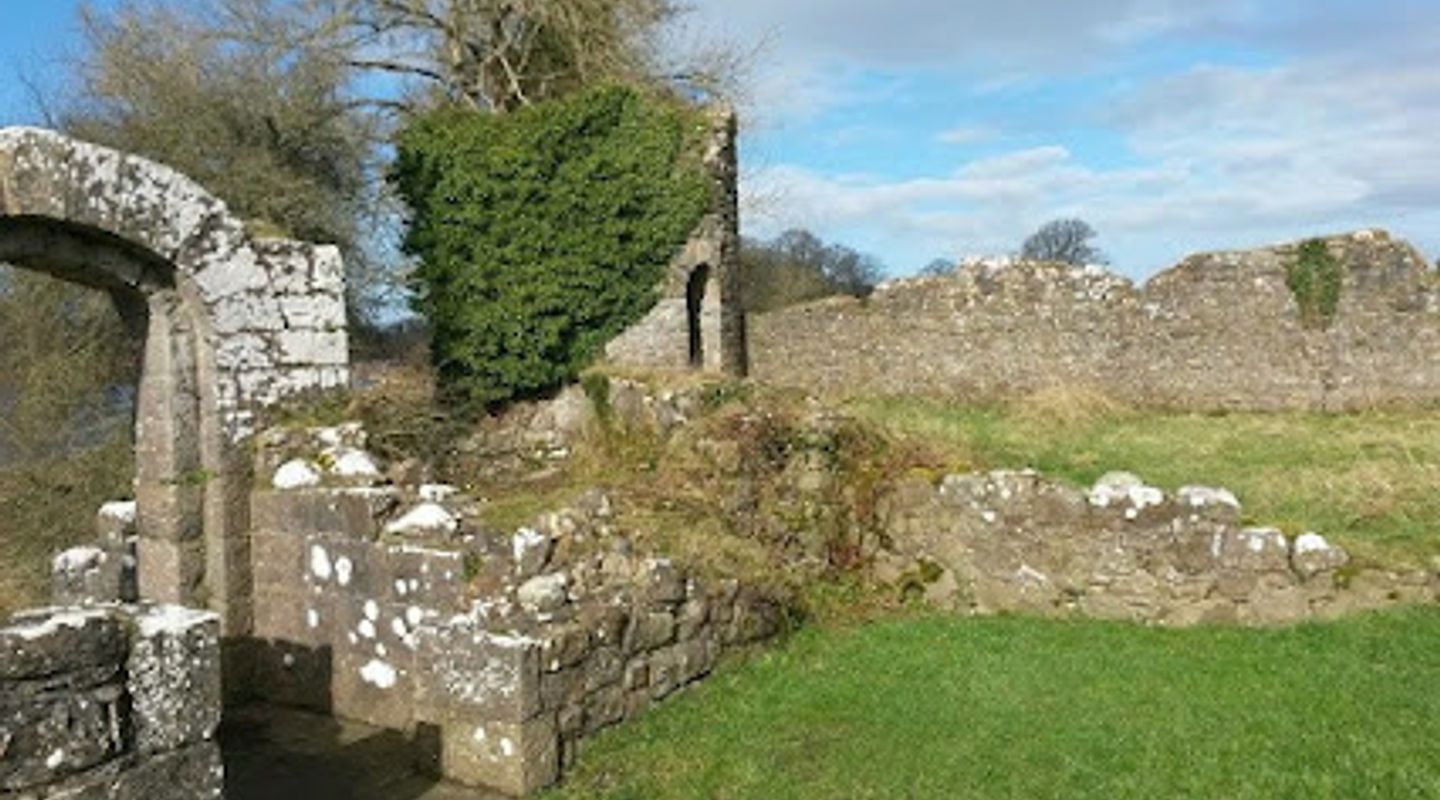
A brief summary of National Trust - Crom
Ancient woodlands, castle ruins, and lough-side serenity on one of Ireland's most important nature reserves.
Crom Estate is a 2,000-acre National Trust property on the shores of Upper Lough Erne in County Fermanagh, Northern Ireland. This ancient landscape blends natural conservation with historical significance, featuring the ruins of 17th-century Old Crom Castle, 800-year-old yew trees, and over 12 miles of waymarked walking trails. The estate is one of Ireland's most important nature reserves, home to diverse wildlife including deer, pine martens, and butterflies. Visitors can enjoy boat trips, coarse fishing, cycling, and a children's play area, with self-catering cottages and glamping available for overnight stays.
On-site amenities
 Restrooms
 Drink options
 Food options
 Seating areas
 Picnic areas
 Trash bins
 Information boards
 Visitor centre
Opening hours
- Every day10 am–7 pm
Opening hours as listed on the venue’s Google Business Profile. Hours can change for services and special events, so check with the venue before you go.
- Address
- Upper Lough Erne Newtownbutler County Fermanagh BT92 8AJ
- Phone
- Website
Getting there
Car from Enniskillen
Bus from Enniskillen
Taxi or ride-share from Enniskillen
Cycling from Newtownbutler
Discover more about National Trust - Crom
A Landscape Shaped by History and Nature
Crom Estate sprawls across 2,000 acres of tranquil parkland beside Upper Lough Erne, a setting that has witnessed centuries of Irish history. The estate's origins trace to 1611, when Scottish planter Michael Balfour constructed the first fortified house during the Plantation of Ulster. This original structure, Old Crom Castle, survived two Jacobite sieges in 1689 during the Williamite War in Ireland, when Colonel Abraham Crichton held the castle against attack until reinforcements arrived from Enniskillen. Today, the castle ruins stand as a testament to this turbulent period, their weathered stone towers and remaining walls creating a haunting focal point within the landscape.
The Victorian Castle and Aristocratic Legacy
Following a devastating domestic fire in 1764 that destroyed the original castle, the estate's character was transformed in 1840 with the construction of the present Crom Castle. Designed by renowned English architect Edward Blore, this Gothic-style country house became the seat of the Earls Erne and remains their private residence today. The castle's dramatic crenellated battlements and formal gardens dominate views across the estate, though the building itself is not open to the public. However, the West Wing is available for exclusive hire for events, and visitors can admire the castle's exterior from designated viewpoints throughout the grounds. The estate remained in the Erne family's hands for over 350 years until 1987, when the 6th Earl of Erne transferred the majority of the property to the National Trust, ensuring its preservation as a heritage landscape for future generations.
Ancient Woodlands and Living History
Near Old Crom Castle stand two English yew trees of extraordinary age, believed to be nearly 800 years old and among Ireland's oldest living trees. These gnarled giants, with a combined circumference of 377 feet, create an almost mystical atmosphere and are carefully protected from visitor impact through restricted access. The ancient woodlands surrounding them represent one of Ireland's most significant conservation areas, with diverse habitats supporting an exceptional range of wildlife. Deer roam freely across the parkland, pine martens inhabit the woodland canopy, and the lough shores teem with birdlife. Butterflies dance through clearings, and the wetland areas provide crucial breeding grounds for amphibians and aquatic species. This ecological richness has earned Crom recognition as one of Ireland's most important nature reserves.
Trails, Water Activities, and Wartime Echoes
Over 12 miles of waymarked trails cater to all abilities, from the Castle Walk, which passes the Old Castle ruins and ancient yews in a journey of 1–2 hours, to the Loughside Walk, ideal for birdwatchers seeking views of waterfowl and waders. The West Wing Walk offers external views of Crom Castle's grandeur. Most trails are relatively flat but can become muddy, requiring sturdy footwear. Beyond walking, the estate offers boat and canoe hire on Lough Erne, some of Northern Ireland's finest coarse fishing, and cycling trails with bike hire available. Visitors can explore the islands dotting the lough, including Gad Island, home to the Crighton Tower, a 19th-century stone folly built as an observatory.Scattered across the parkland are tangible reminders of the Second World War, when Crom was requisitioned by the War Office from November 1940 and became a major military base. At its peak, around 800 American servicemen were stationed here, with concrete bases of Nissen huts still visible today. The Old Castle Greens served as rifle ranges and training grounds, and an assault course remains partially preserved. This wartime chapter, when up to one quarter of Fermanagh's population consisted of American servicemen, adds another layer to Crom's complex historical narrative.
Visitor Facilities and Accommodation
The estate features a visitor centre near the main car park, where maps and information are available. A children's play area provides entertainment for younger visitors. Several self-catering cottages, including Inishfendra Cottage, offer unique overnight stays within the estate, while camping and glamping facilities provide additional accommodation options. These facilities allow visitors to experience the estate's tranquility across multiple days, deepening their connection to this remarkable landscape.
Evendo Review Centre
 Google
Guest reviews
Best time to go
Quietest: Jan, Feb & Dec · before 7am or at 8pm
Busy times are Evendo estimates for a typical year, to help you plan. Actual crowds vary with events, school holidays and the weather.
Explore National Trust - Crom on the map
A handpicked selection of must-see spots near National Trust - Crom, mapped for you.
Get your free copy of our complete guide to National Trust - Crom, delivered straight to you.
Everything on this page, from opening hours and how to get there to Eve’s tips and the best time to go, in one PDF you can read offline, print or share.
Already have an account? Sign in
Your National Trust - Crom guide is ready.
We'll send it to · Not you? Sign out

Getting your guide ready…
We are putting together a fresh copy of the National Trust - Crom guide. This can take up to a minute.
This can take a few moments. If your browser asks, choose Allow so the download can start. You'll find the guide in your Downloads folder.
Nothing happened? Download it again
Sorry, the guide is taking longer than usual. Please try again in a minute, or get it by email instead.
Other nearby places you may find interesting
The closest places of the same kind, if this one is not quite what you had in mind.
-
-
-
-
-


Swipe for more places
More to explore near National Trust - Crom

 Best experiences near National Trust - Crom
 Best hotels near National Trust - Crom
 Best landmarks near National Trust - Crom
 Best attractions near National Trust - Crom
 Best shops near National Trust - Crom
 Best restaurants near National Trust - Crom
 Best bars near National Trust - Crom
Do you manage this location?
Take control to get all the benefits, like improved information, better appearance, and stronger visibility across AI-powered discovery.
Explore more
Explore more of Fermanagh
Discover Fermanagh, Northern Ireland's hidden gem, known for its enchanting lakelands, historical sites, and breathtaking natural beauty.
Explore Fermanagh
Explore more of United Kingdom
Discover the United Kingdom: A blend of rich history, stunning landscapes, and vibrant cities, offering a unique travel experience for every visitor.
Explore United Kingdom
