

Ulster Way / Causeway Coast Way: Northern Ireland’s Scenic Coastal Trek
Explore Northern Ireland’s rugged northern coastline on the Ulster Way and Causeway Coast Way, a scenic hiking trail rich in natural beauty and cultural heritage.
The Ulster Way and Causeway Coast Way form a spectacular hiking route along Northern Ireland’s rugged northern coastline. Starting near Portballintrae and Bushmills, this trail offers walkers a blend of dramatic cliffs, rolling green hills, and cultural heritage sites, including proximity to the Giant’s Causeway. Ideal for multi-day treks, the route features varied terrain, charming villages, and opportunities to experience authentic local hospitality.
A brief summary to Ulster Way / Causeway Coast Way
- 1 Gortnee Ct, Bushmills, Portballintrae, BT57 8DQ, GB
- Duration: 4 to 48 hours
- Mid ranged
-
 Outdoor
- Mobile reception: 3 out of 5
- Monday 12 am-12 am
- Tuesday 12 am-12 am
- Wednesday 12 am-12 am
- Thursday 12 am-12 am
- Friday 12 am-12 am
- Saturday 12 am-12 am
- Sunday 12 am-12 am
Local tips
- Wear sturdy waterproof hiking boots and bring layered clothing to adapt to changing coastal weather.
- Plan your accommodation in advance, especially during peak seasons, as options near the trail can fill quickly.
- Carry a detailed map and compass, as some rural sections have limited signage and mobile reception.
- Respect local farming areas by keeping dogs on leads and following designated paths to protect wildlife habitats.

For the on-the-go comforts that matter to you
- Restrooms
- Drink Options
- Food Options
- Seating Areas
- Trash Bins
- Information Boards
- Visitor Center
Getting There
-
Public Bus
Regular bus services operate from Belfast and other major towns to Bushmills and Portballintrae, with journey times ranging from 1.5 to 2.5 hours. Tickets cost approximately £8-£12 one way. Buses may have limited frequency on weekends and public holidays.
-
Car Rental
Driving to the trailhead near Portballintrae or Bushmills takes about 1.5 hours from Belfast via the A26 and A2. Parking is available at designated trail access points but can be limited during peak season. Fuel costs vary; expect around £20-£30 for a round trip.
-
Taxi Service
Local taxi companies provide transfers between key points along the trail and nearby towns. Typical fares start at £20 for short trips, with travel times of 10-30 minutes depending on distance. Advance booking is recommended, especially during busy periods.
-
Walking
For those staying nearby, walking to the trail sections is possible, with terrain ranging from easy to moderate difficulty. Distances from village centers to trailheads typically range from 1 to 3 kilometers over uneven ground.
Ulster Way / Causeway Coast Way location weather suitability
-
 Any Weather
-
 Rain / Wet Weather
-
 Clear Skies
-
 Windy Conditions
-
 Mild Temperatures
Discover more about Ulster Way / Causeway Coast Way
Coastal Majesty and Natural Wonders
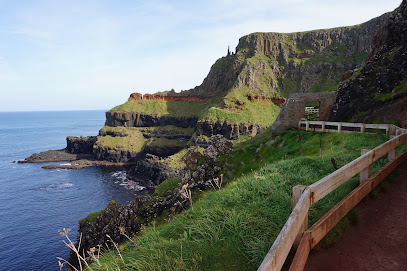
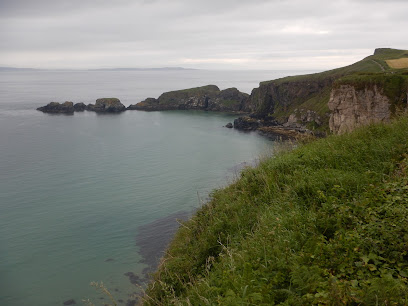
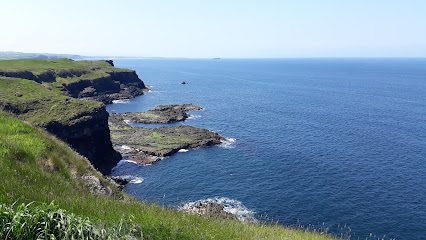
The Ulster Way and Causeway Coast Way trace a breathtaking path along Northern Ireland’s northern shore, weaving through some of the region’s most iconic landscapes. Walkers encounter towering cliffs, secluded bays, and sweeping views of the Atlantic Ocean. The trail’s proximity to the Giant’s Causeway, a UNESCO World Heritage Site renowned for its unique basalt columns, adds geological intrigue and natural beauty. The route’s coastal sections reveal panoramic vistas stretching to Scotland on clear days, while inland stretches showcase lush valleys and rolling countryside.Historic Villages and Local Culture
Along the way, the trail passes through quaint villages such as Portballintrae and Bushmills, where visitors can explore traditional Irish architecture and enjoy warm local hospitality. Bushmills is famed for its whiskey distillery, offering a taste of Northern Ireland’s cultural heritage. The villages provide essential amenities and accommodation options, from cozy B&Bs to boutique guesthouses, ensuring comfort after a day of hiking. The trail’s connection to the Ulster Way means walkers can experience a diverse range of communities and landscapes, reflecting the rich history and character of the region.Trail Experience and Terrain
This hiking route is suitable for experienced walkers prepared for varied terrain, including uneven paths, muddy sections, and occasional steep climbs. Good walking boots and weatherproof clothing are essential, as the coastal climate can be changeable. The trail is well marked but requires careful planning, especially in more rural stretches where supplies and accommodation may be limited. Walkers are advised to carry essentials such as maps, compass, food, and water, and to be mindful of local guidelines regarding dogs and environmental preservation.Accommodation and Amenities
Accommodation along the Causeway Coast Way ranges from comfortable hostels and guesthouses to self-catering cottages and luxury hotels. Many lodging options prioritize proximity to the trail, offering en-suite facilities and local flavor. Amenities such as cafes, pubs, and shops are available in larger villages, while visitor centers provide helpful information. The trail’s popularity means that booking accommodation in advance is recommended, especially during peak seasons. The availability of luggage transfer services and guided walking packages enhances the convenience for long-distance hikers.Seasonal Considerations and Accessibility
The Ulster Way and Causeway Coast Way are accessible year-round, though autumn and winter months bring more challenging weather and quieter trails. Spring and summer offer mild temperatures and longer daylight hours, ideal for extended hikes. Public transport links connect key points along the route, but some sections require private transport or taxis due to their rural nature. Walkers should plan their itinerary carefully, considering daylight, weather forecasts, and transport schedules to ensure a safe and enjoyable journey.Environmental Stewardship and Local Engagement
The trail passes through protected natural areas where conservation efforts are in place to preserve wildlife habitats and landscapes. Walkers are encouraged to follow Leave-No-Trace principles, respect local farming practices, and support community businesses. The Ulster Way’s integration with the International Appalachian Trail highlights its global significance and the commitment to sustainable tourism. Engaging with local guides and visitor centers enriches the experience, offering insights into the region’s myths, legends, and cultural heritage.Iconic landmarks you can’t miss

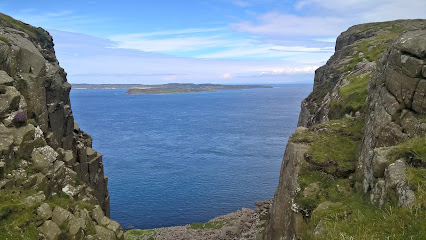
National Trust - White Park Bay
9.3 km
Experience the unspoiled beauty of White Park Bay, where dramatic landscapes meet serene beaches in Northern Ireland's breathtaking coastline.
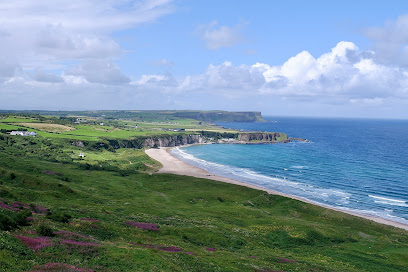
Whitepark Bay viewpoint
10.2 km
Dramatic clifftop vista of white sand and ancient dunes on the North Antrim coast.
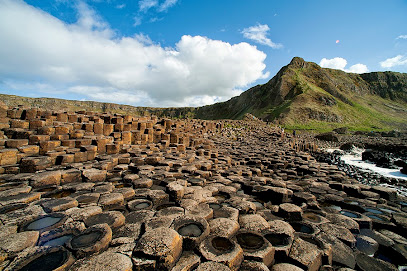
Causeway Coastal Route
12.5 km
Discover the stunning landscapes and rich heritage along the Causeway Coastal Route, a scenic journey through Northern Ireland's breathtaking coastline.
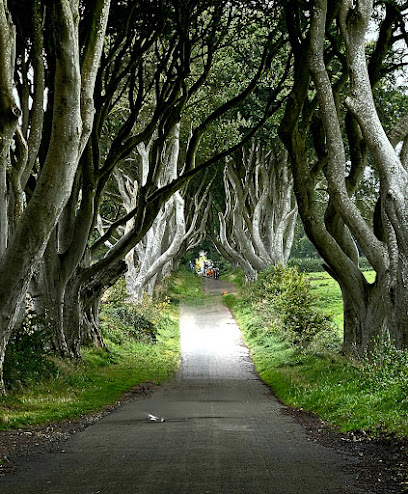
The Dark Hedges
13.9 km
Discover the enchanting beech tree-lined avenue of The Dark Hedges, a must-visit natural wonder in Northern Ireland, perfect for photography and serene strolls.
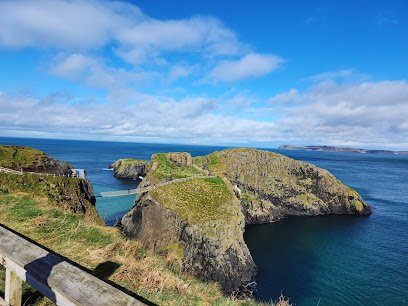
National Trust - Carrick-a-Rede
14.1 km
Experience the thrill of crossing Carrick-a-Rede Rope Bridge, a breathtaking connection to nature and history on Northern Ireland's stunning coastline.
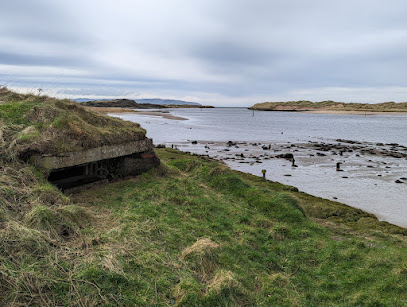
National Trust Barmouth Bird Hide
14.4 km
Discover the beauty of wildlife in its natural habitat at Barmouth Bird Hide, a serene nature preserve in Northern Ireland perfect for birdwatching.
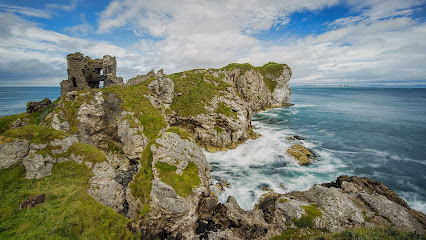
Kinbane Castle
16.6 km
Dramatic 16th-century ruin perched on white limestone cliffs with breathtaking Atlantic views and a rewarding steep descent.
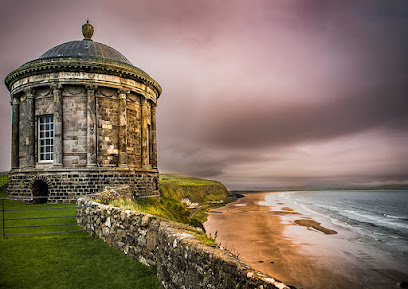
National Trust - Mussenden Temple and Downhill Demesne
17.4 km
Discover the breathtaking Mussenden Temple and Downhill Demesne, a stunning blend of nature, history, and coastal views in Northern Ireland.
Merrick Stone
21.7 km
Discover the intriguing history and stunning scenery of Merrick Stone, a captivating landmark in Limavady, Northern Ireland.
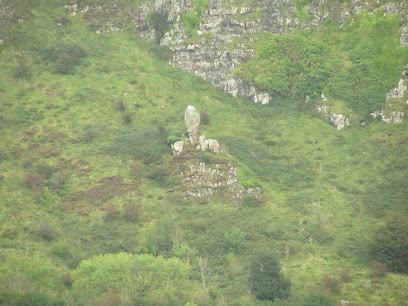
Moville Shore Path Walk, Inishowen
31.1 km
Explore the breathtaking Moville Shore Path Walk in Inishowen, where stunning coastal views and serene pathways await every nature lover.
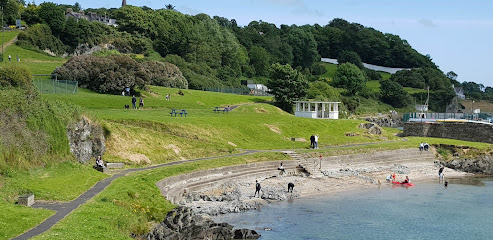
Culdaff Beach
38.8 km
Discover the beauty of Culdaff Beach in County Donegal, where golden sands meet the Atlantic, perfect for relaxation and adventure.
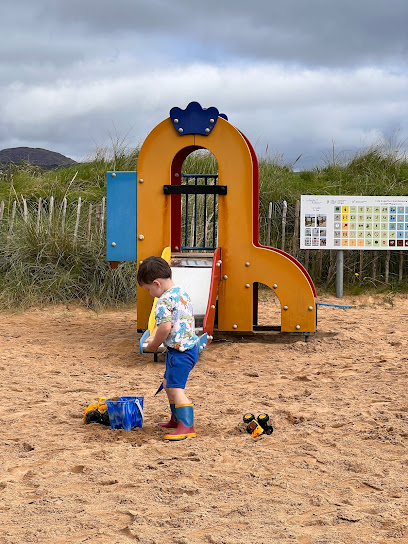
The Temple of Deen
38.9 km
Explore the Temple of Deen, a captivating historical landmark in County Donegal, surrounded by breathtaking scenery and rich cultural heritage.
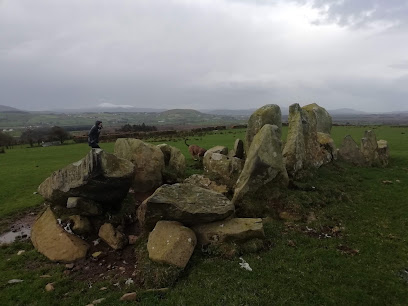
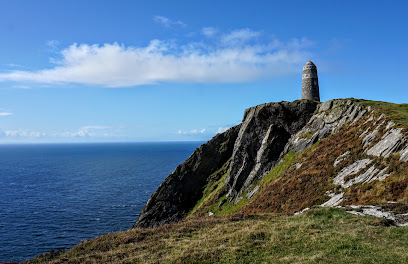
American Monument
44.2 km
A lighthouse-shaped war memorial honouring over 600 lives lost at sea during World War I, standing sentinel on a remote Scottish clifftop.
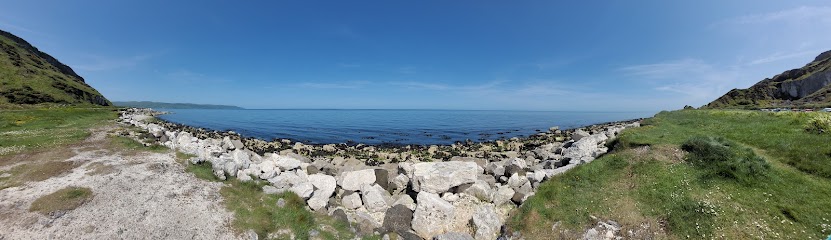
Whitebay
48.2 km
Explore the breathtaking beauty of Whitebay, a tranquil tourist attraction in Ballymena perfect for nature lovers and outdoor enthusiasts.
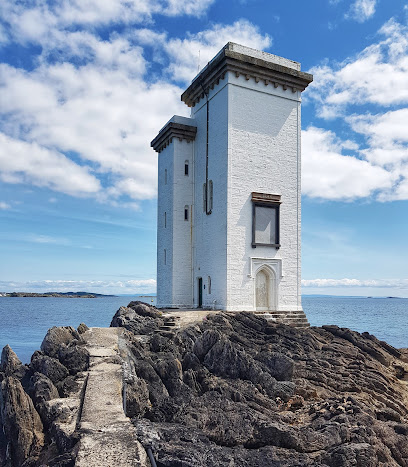
Carraig Fhada Lighthouse
50.1 km
Experience the breathtaking beauty and rich maritime history at Carraig Fhada Lighthouse on the stunning Isle of Islay.
Unmissable attractions to see

Giants Causeway & Bushmills Heritage Railway
1.4 km
Step aboard a historic heritage railway for a scenic journey from Bushmills to the legendary basalt columns of the Giant's Causeway.
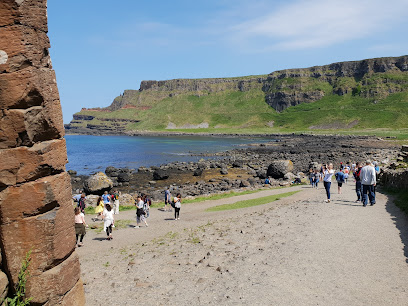
carrick bridge
1.8 km
Experience the thrill of crossing the Carrick-a-Rede Rope Bridge, a historic landmark on Northern Ireland's stunning Causeway Coast.

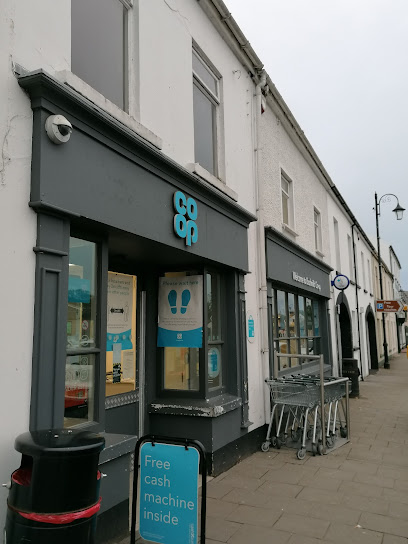
Co-op Food - Bushmills
1.8 km
Your friendly local convenience store in Bushmills, open daily from 7 AM to 10 PM for all your quick shopping needs.
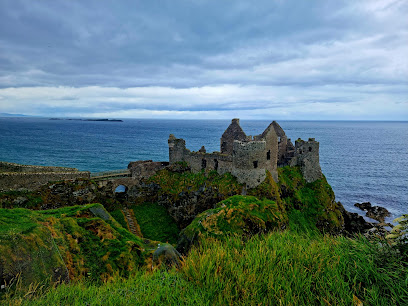
Dunluce Castle
1.9 km
Explore the enchanting Dunluce Castle, a medieval fortress on the Antrim coast, rich in history and stunning coastal views.
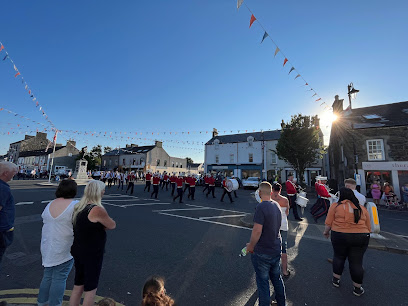
Mike's Coffee Shop
1.9 km
Cozy café in Bushmills serving hearty breakfasts and specialty coffees, perfect for a pitstop near the Giant’s Causeway.
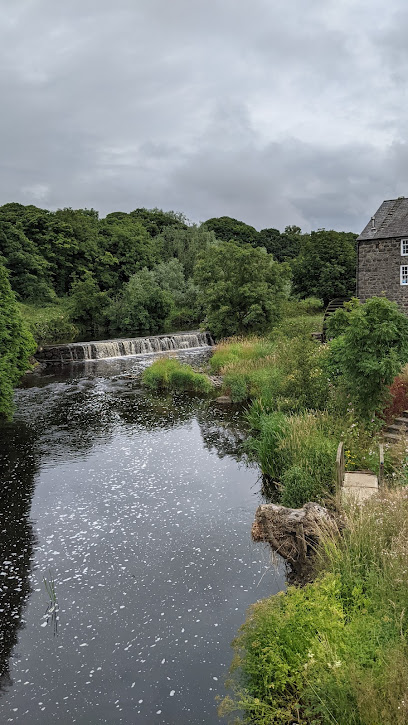
Millennium Park Bushmills
1.9 km
Explore the natural beauty and tranquility of Millennium Park Bushmills, a perfect retreat for relaxation and outdoor fun.
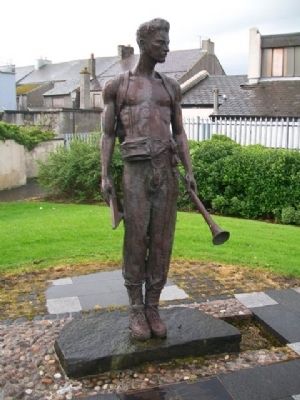
Alphabet Angel - Ulster-Scots statue
1.9 km
Experience the cultural heritage of the Ulster-Scots at the Alphabet Angel statue in Bushmills, a unique tourist attraction combining art and history.
chaussée des geants
1.9 km
Experience the breathtaking beauty of Chaussée des Géants, a UNESCO World Heritage Site featuring stunning basalt columns and rich folklore.
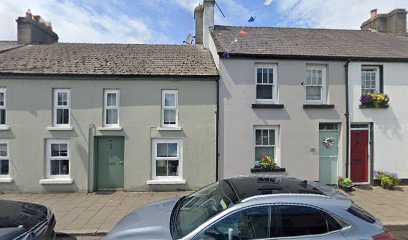
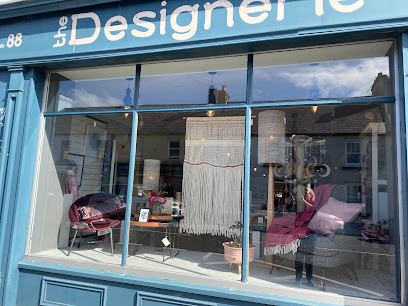
The Designerie
2.0 km
Discover handcrafted treasures and vibrant creativity at The Designerie, Bushmills’ award-winning artisan shop and creative hub.
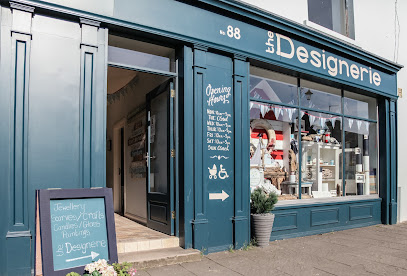
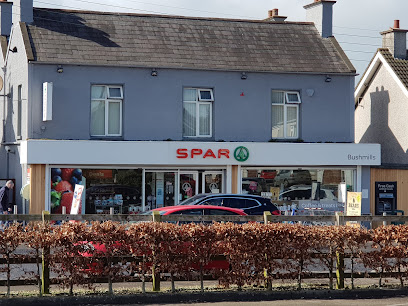
SPAR Bushmills
2.2 km
Your friendly, convenient local store in Bushmills, open daily with extended hours for all your essential needs.
Old Bushmills Distillery
2.4 km
Discover the legendary Old Bushmills Distillery, the oldest licensed whiskey distillery in the world, and experience centuries of Irish whiskey heritage.
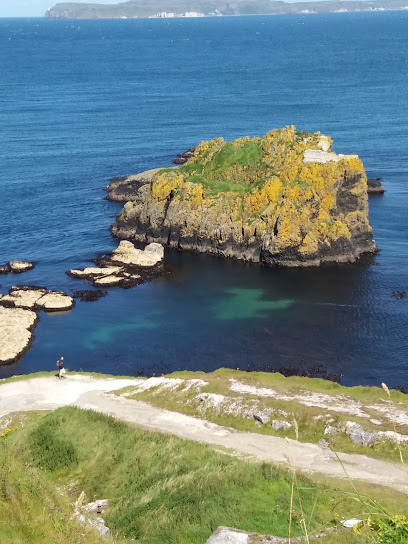
Giant's Causeway & Bushmills Railway
2.9 km
Ride a vintage train along the scenic Causeway Coast, connecting Bushmills to the Giant's Causeway on a historic railway journey.
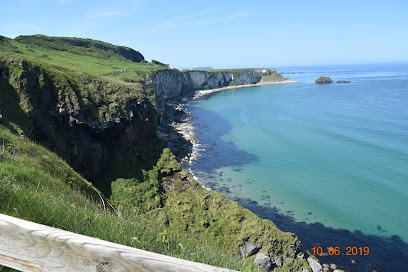
Portcoon Jetty
2.9 km
Explore the picturesque Portcoon Jetty in Northern Ireland, a breathtaking scenic spot perfect for nature lovers and unforgettable views.
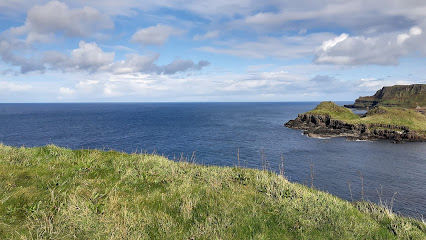
The Gajowy cave
2.9 km
Discover the breathtaking Gajowy Cave, a natural wonder in Bushmills, rich in geology and local history, perfect for adventure and exploration.
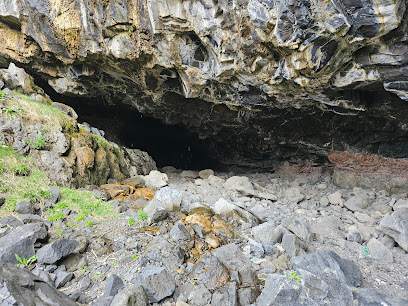
National Trust - Giant's Causeway Visitor Centre
3.1 km
Explore the Giant's Causeway: Where geology meets legend on Northern Ireland's stunning coast. Visitor Centre with tours, exhibits, and more.
Essential places to dine

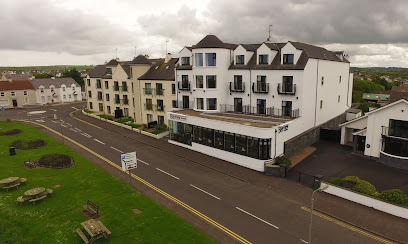
Bayview Hotel
0.5 km
Experience coastal charm at Bayview Hotel in Portballintrae - your gateway to Northern Ireland's stunning landscapes and rich heritage.
Clubhouse Restaurant & Bar
1.2 km
Discover exquisite grilled cuisine at Clubhouse Restaurant & Bar in Portballintrae – where local flavors meet breathtaking coastal views.
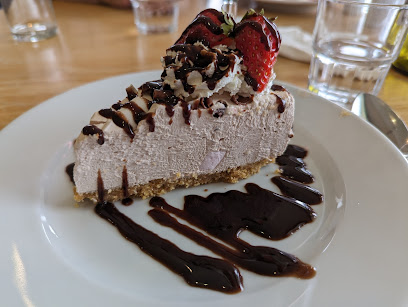
The Bushmills Inn Restaurant and Bar
1.8 km
Discover culinary delights at The Bushmills Inn Restaurant and Bar - where traditional Irish hospitality meets modern gastropub dining.
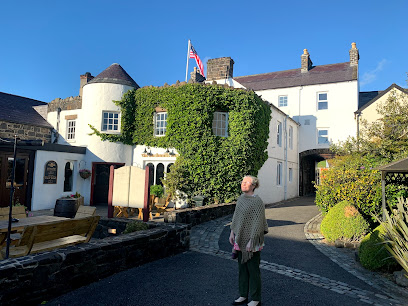
The Bushmills Inn Hotel
1.8 km
A historic 17th-century coaching inn reborn as a 4-star boutique retreat on the Causeway Coast, with peat fires, an AA Rosette restaurant, and easy access to the Giant’s Causeway.
Bushmills Townhouse
1.9 km
Discover exceptional comfort and fine dining at Bushmills Townhouse in Northern Ireland's charming village.
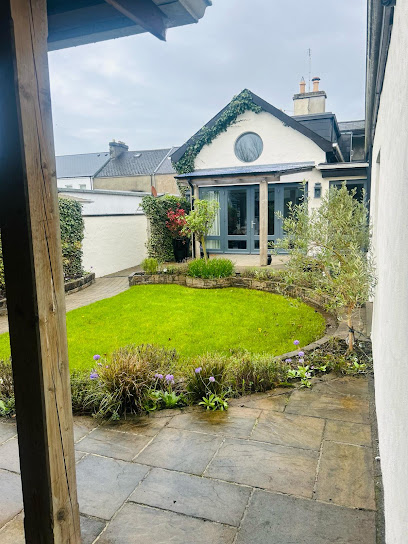
Lorna's Kitchen
1.9 km
Experience the essence of Irish cuisine at Lorna's Kitchen in Bushmills - where local flavors meet warm hospitality.
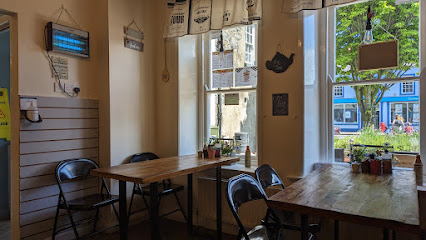
Market Square
1.9 km
Experience authentic Irish cuisine at Market Square in Bushmills - where delicious food meets vibrant culture.
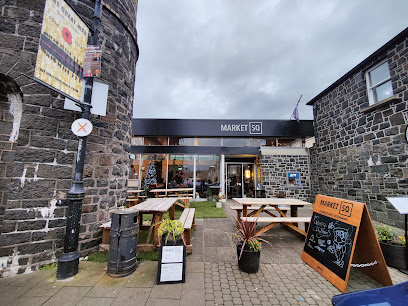
Flash In The Pan
1.9 km
Experience authentic British cuisine at Flash In The Pan in Bushmills – home of delicious fish and chips and warm hospitality.
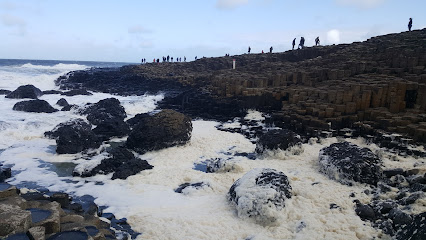
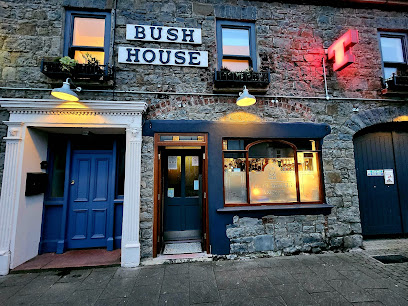
The Bush House Bar
1.9 km
Discover The Bush House Bar - A Cozy Pub Experience in Bushmills Offering Local Brews and Hearty Irish Fare.
Tartine at the Distillers Arms
2.1 km
Experience exquisite modern European cuisine at Tartine at the Distillers Arms in Bushmills, where local flavors meet culinary innovation.
Finn McCool's Giants Causeway Hostel
3.0 km
Boutique hostel with panoramic coastal views, just steps from the Giant's Causeway, offering budget-friendly comfort and a friendly atmosphere.
Hungry Giant Causeway
3.0 km
Discover delicious local cuisine at Hungry Giant Causeway while enjoying breathtaking views near Northern Ireland's iconic natural wonder.

The Nook
3.1 km
Discover delicious seafood at The Nook in Bushmills—where local flavors meet stunning coastal views for an unforgettable dining experience.
The Causeway Hotel
3.1 km
Discover comfort and stunning views at The Causeway Hotel near the iconic Giant's Causeway in Northern Ireland.
National trust cafe
3.1 km
Experience delightful refreshments at the National Trust Cafe while exploring Northern Ireland's stunning Giant's Causeway.
Markets, malls and hidden boutiques

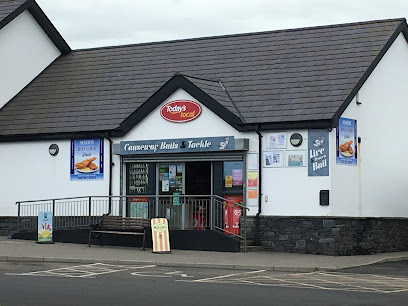
Causeway Tackle
0.9 km
Explore Causeway Tackle in Portballintrae for all your fishing needs, from equipment to expert advice, amidst stunning Northern Ireland landscapes.
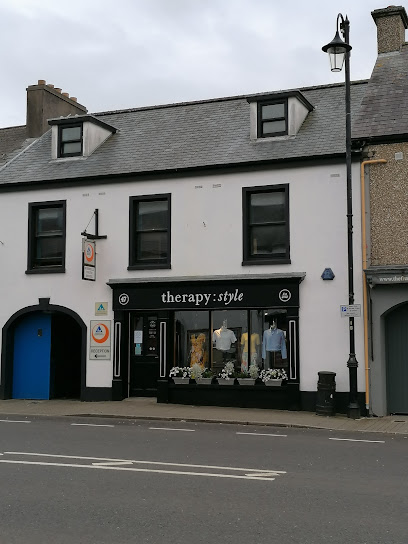
Therapy Style Studio
1.9 km
Explore Therapy Style Studio in Bushmills for unique women's fashion that reflects your style amidst stunning coastal scenery.
Therapy:Sole
1.9 km
Explore Bushmills' Sole Therapy for stylish shoes that blend comfort and local craftsmanship, perfect for every occasion.
Carleton’s Corner Shop
1.9 km
Explore Carleton’s Corner Shop in Bushmills for unique gifts and local crafts that embody the rich culture of Northern Ireland.
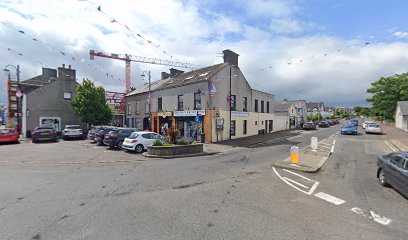
CentraBushmills
1.9 km
Discover the convenience of CentraBushmills, your go-to supermarket for fresh produce and local delicacies in the heart of Bushmills, Northern Ireland.
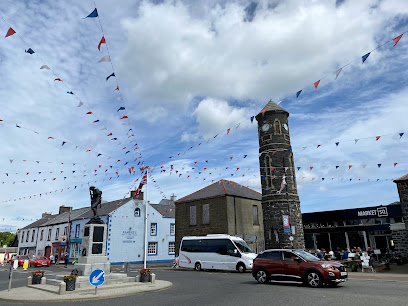
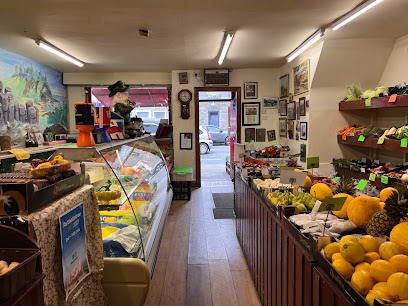
Glass's Fruiterer & Florists
1.9 km
Discover the vibrant flavors and stunning blooms at Glass's Fruiterer & Florists in Bushmills, a must-visit for nature lovers and food enthusiasts.
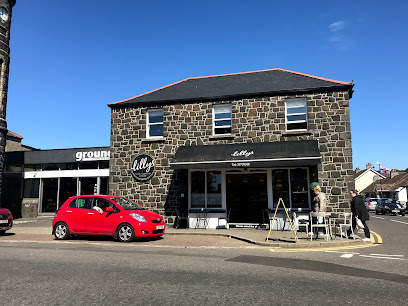
Lilly's
1.9 km
Discover the cozy charm of Lilly's in Bushmills, where delightful coffee and homemade treats await in a picturesque setting.
Hollie’s Highlighters
1.9 km
Explore Bushmills' charming school supply store, Hollie’s Highlighters, where creativity meets local craftsmanship in a delightful shopping experience.
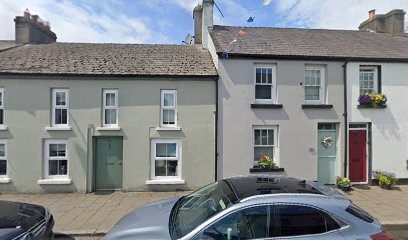
Taylor Yates
2.0 km
Explore the charm of Bushmills at Taylor Yates, where handcrafted fashion meets unique gifts for every traveler.

Linen Lane
2.0 km
Discover unique lighting designs at Linen Lane in Bushmills, a charming store offering exquisite lamps and lamp shades for every taste.
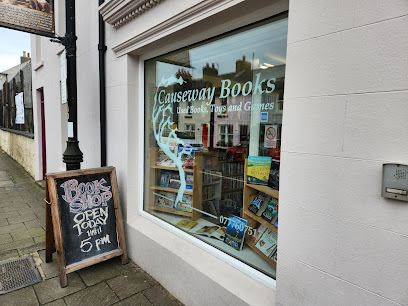
Causeway Books
2.0 km
Explore the enchanting world of literature at Causeway Books in Bushmills – a treasure trove for book enthusiasts and visitors alike.
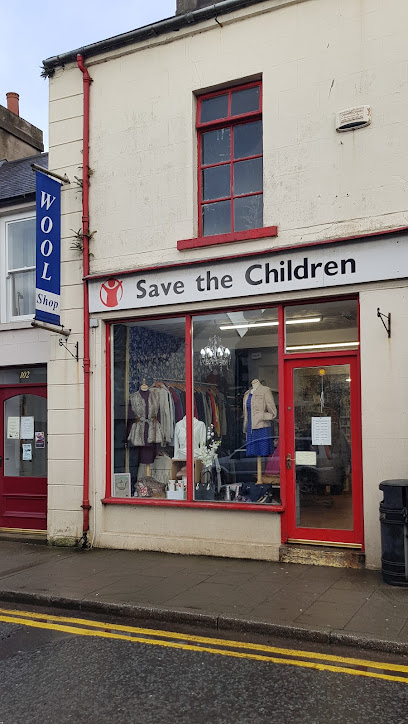
Bushmills Save the Children
2.0 km
Explore unique finds and support a noble cause at Bushmills Save the Children thrift store, a charming stop in the heart of Bushmills.
Val-U Style
2.0 km
Explore stylish clothing and accessories at Val-U Style in Bushmills, a charming destination for fashion enthusiasts and tourists alike.
MAEGDEN
2.0 km
Explore the distinct flavors of Maegden, a charming cheese and ham shop in Bushmills, offering artisanal delights from Northern Ireland.
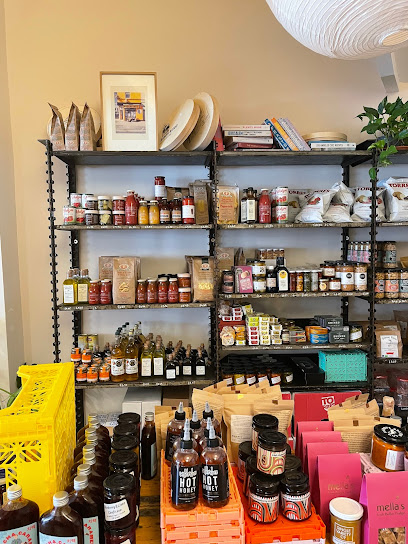
Mcconaghys Bushmills
2.0 km
Discover the essence of Northern Ireland at McConaghys Bushmills, a charming gift shop brimming with locally crafted treasures and unique souvenirs.
Essential bars & hidden hideouts

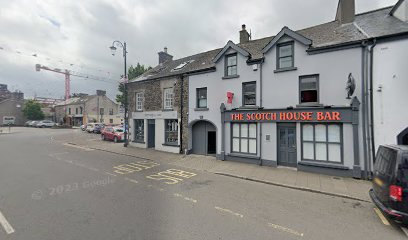
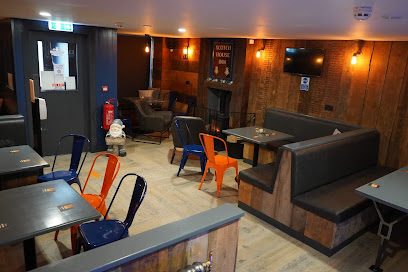
The Scotch House Bar
1.9 km
Discover the lively atmosphere of The Scotch House Bar in Bushmills, where traditional Irish music meets delicious pub fare and a warm welcome.
Chonga Castlecatt
5.3 km
Experience the warmth of Irish hospitality at Chonga Castlecatt, a charming bar in Bushmills, where local culture and relaxation meet.
McBrides Bar
5.5 km
Experience traditional Irish hospitality at McBrides Bar in Bushmills, a cozy pub with local brews and a welcoming atmosphere.
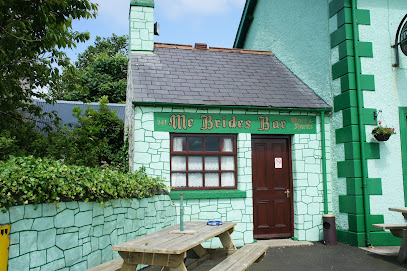
Kon-Tiki Boat Bar
5.6 km
Experience the vibrant atmosphere at Kon-Tiki Boat Bar, where tropical cocktails and stunning coastal views create an unforgettable evening in Portrush.
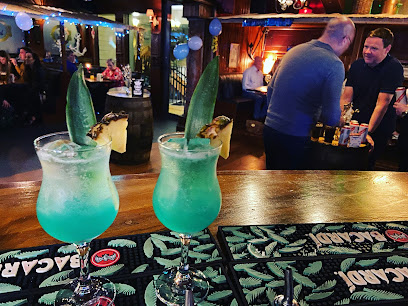
Springhill Bar
6.4 km
Experience the charm of Springhill Bar in Portrush, where great drinks and delicious pub fare await in a cozy atmosphere.
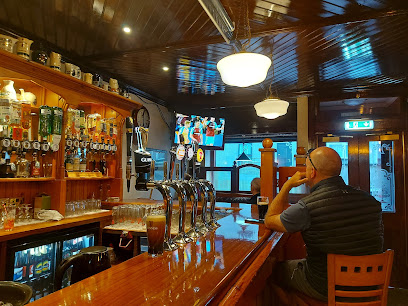
The Station Bar
6.6 km
Experience the vibrant atmosphere of The Station Bar in Portrush, where live music and great drinks come together for unforgettable nights.
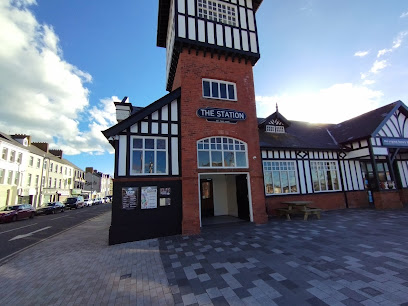
Kiwi's Brew Bar
6.6 km
Discover the flavors and sounds of Portrush at Kiwi's Brew Bar, where great food meets live entertainment in a cozy atmosphere.
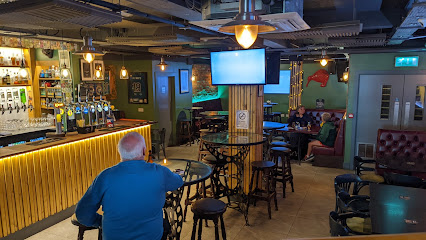
The Offshore
6.7 km
Experience authentic Irish hospitality and lively coastal vibes at The Offshore, a beloved pub in the heart of Portrush.
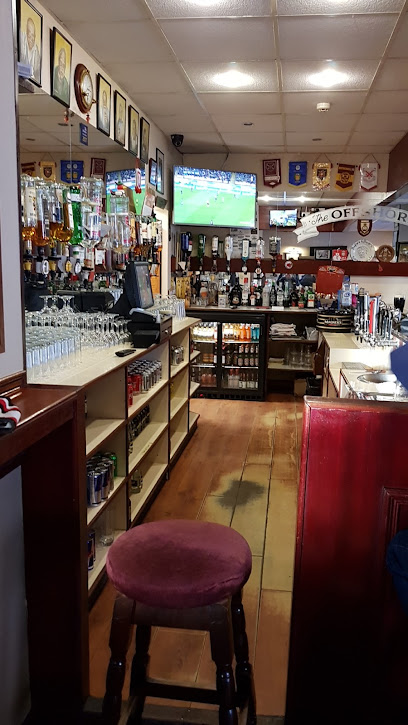
The Harbour Bar
6.9 km
Experience the charm of The Harbour Bar in Portrush, where traditional Irish hospitality meets stunning coastal views and delicious local cuisine.
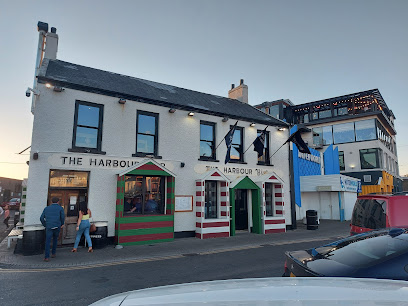
Harbour Gin Bar
6.9 km
Experience the best of Portrush's cocktail culture at Harbour Gin Bar, where creative drinks meet stunning harbor views.
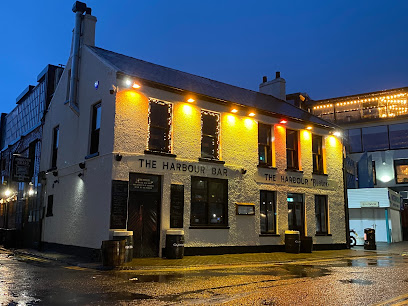
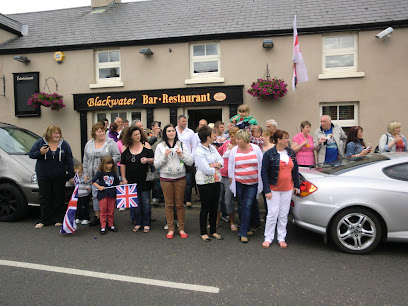
Blackwater Bar
11.1 km
Discover the cozy charm of Blackwater Bar in Dervock, a perfect retreat for travelers seeking local drinks and a friendly atmosphere.
The Armada Inn
16.9 km
Discover the charm of The Armada Inn, a cozy pub in Armoy offering authentic Irish cuisine and a welcoming atmosphere for all travelers.
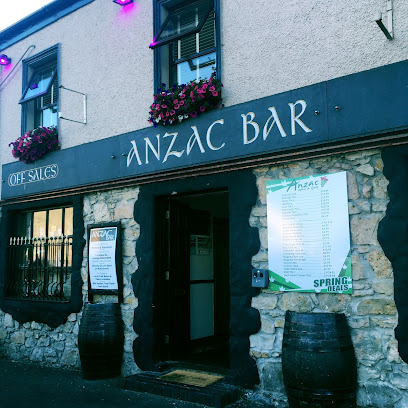
ANZAC BAR, RESTAURANT & OFF SALES
19.0 km
Discover the heart of Irish culture at ANZAC Bar, Restaurant & Off Sales in Ballycastle, where every meal is a celebration of local flavors.
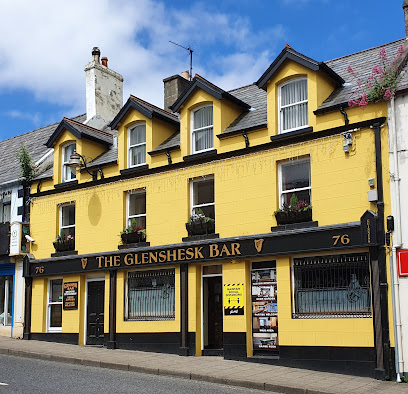
Glenshesk Bar
19.0 km
Experience the warmth of Irish hospitality at Glenshesk Bar, Ballycastle's favorite spot for local brews and live music.
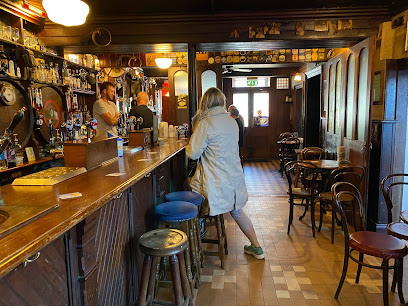
House of McDonnell
19.1 km
Discover the heart of Ballycastle at the House of McDonnell, where traditional Irish cuisine meets vibrant local culture in a cozy pub setting.
Nightclubs & after hour spots

Kellys Complex Portrush
5.6 km
Discover the pulse of Portrush nightlife at Kellys Complex, where clubbing meets culinary delights in a vibrant atmosphere.

The Legends Lounge
6.8 km
Experience the vibrant atmosphere of The Legends Lounge in Portrush, a perfect bar for enjoying drinks and local culture.

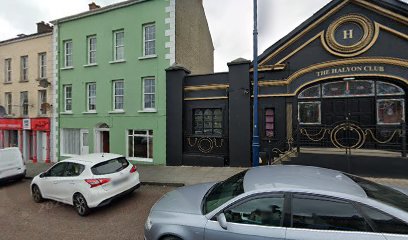
Halyon Club
31.2 km
Discover the vibrant nightlife of Halyon Club in Ballynally, Co. Donegal, where music, dance, and fun come together for an unforgettable experience.
Bailey Redcastle Nite Club
36.7 km
Discover the heart of Co. Donegal's nightlife at Bailey Redcastle Nite Club, where great music and vibrant energy await your arrival.
ORIGIN Nightclub & Bar Ballymena
42.2 km
Discover Ballymena's nightlife at ORIGIN Nightclub & Bar, where music, dancing, and vibrant crowds create an unforgettable experience.
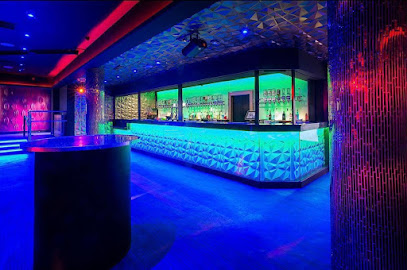
Tul Na Ri
44.4 km
Experience the vibrant nightlife of Co. Donegal at Tul Na Ri, where great music, dancing, and a friendly atmosphere await.

Ibiza Orchestra Live
53.9 km
Experience the electrifying fusion of live orchestral music and iconic Ibiza dance beats in Londonderry’s vibrant nightlife hotspot.
Sandinos
54.4 km
Experience the lively atmosphere of Sandinos in Londonderry, where great drinks, live music, and friendly vibes come together.
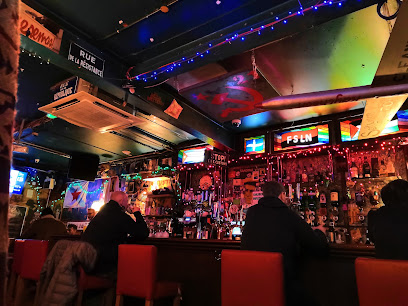
The Ritz Bar & Bistro
54.4 km
Discover the flavors of Londonderry at The Ritz Bar & Bistro, where grill specialties and a cozy atmosphere await.
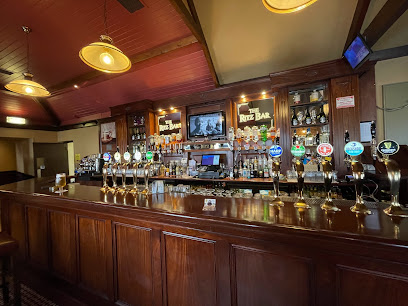
Blackbird
54.4 km
Lively pub on Foyle Street serving fresh local dishes, live music, and excellent drinks in a warm, friendly atmosphere.
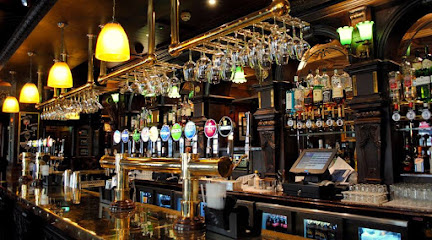
Gainsborough Bar
54.5 km
Experience the heart of Irish hospitality at Gainsborough Bar, where lively atmosphere and delicious fare await in Londonderry.
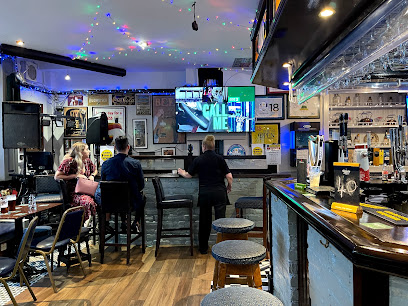
Metro Bar
54.5 km
Experience the warmth and vibrancy of Londonderry at Metro Bar, your go-to pub for local brews and a lively atmosphere.
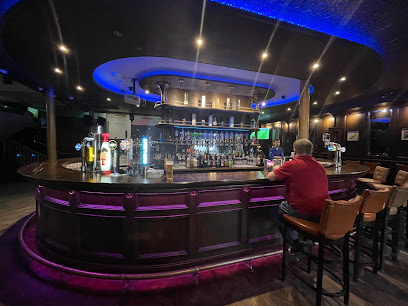
Tinney's Bar & The Shirt Factory
54.5 km
Discover the lively atmosphere of Tinney's Bar & The Shirt Factory in Londonderry, the perfect blend of tradition and modern pub culture.
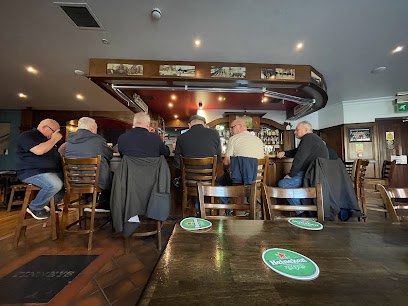
The Thirsty Goat Derry
54.5 km
Experience the vibrant charm of The Thirsty Goat Derry, where great drinks and friendly faces create the perfect pub atmosphere.
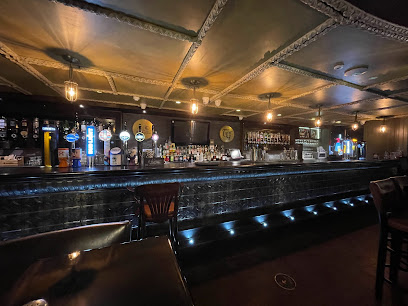
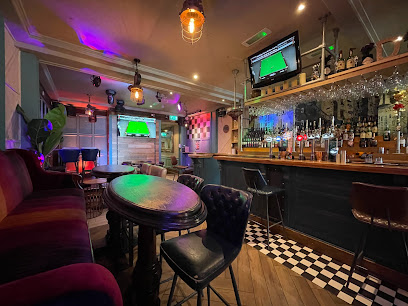
Nacional de Cuba
54.6 km
Experience the vibrant energy of Nacional de Cuba, Londonderry's premier cocktail bar with a taste of Cuban culture and lively nightlife.
For the vibe & atmosphere seeker
- Scenic
- Relaxing
- Tranquil
- Adventurous
- Unique
For the design and aesthetic lover
- Rustic Designs
- Vintage Styles
For the architecture buff
- Historic
- Parks & Gardens
- Heritage Neighborhoods
For the view chaser and sunset hunter
- Iconic Views
- Panoramas
- Waterfront
- Sunrise Spots
- Sunset Spots
For the social media creator & influencer
- Instagrammable
- Photo Spots
- Selfie Spots
- Aesthetic Corners
For the eco-conscious traveler
- Eco-Friendly
- Low Impact
- Protected Area
- Public-Transport Accessible
- Leave-No-Trace Critical
- Locally Managed
- Wildlife Habitat
For the kind of experience you’re after
- Nature Escape
- Cultural Heritage
- Photowalk
- Day Trip
- Weekend Getaway
- Myth & Legends
For how adventurous you want the journey to be
- Easy Access
- Requires Hike
Location Audience
- Family Friendly
- Senior Friendly
- Teen Friendly
- Solo Friendly
- Couple Friendly
- Vegetarian Friendly
- Vegan Friendly
- Pet Friendly


