
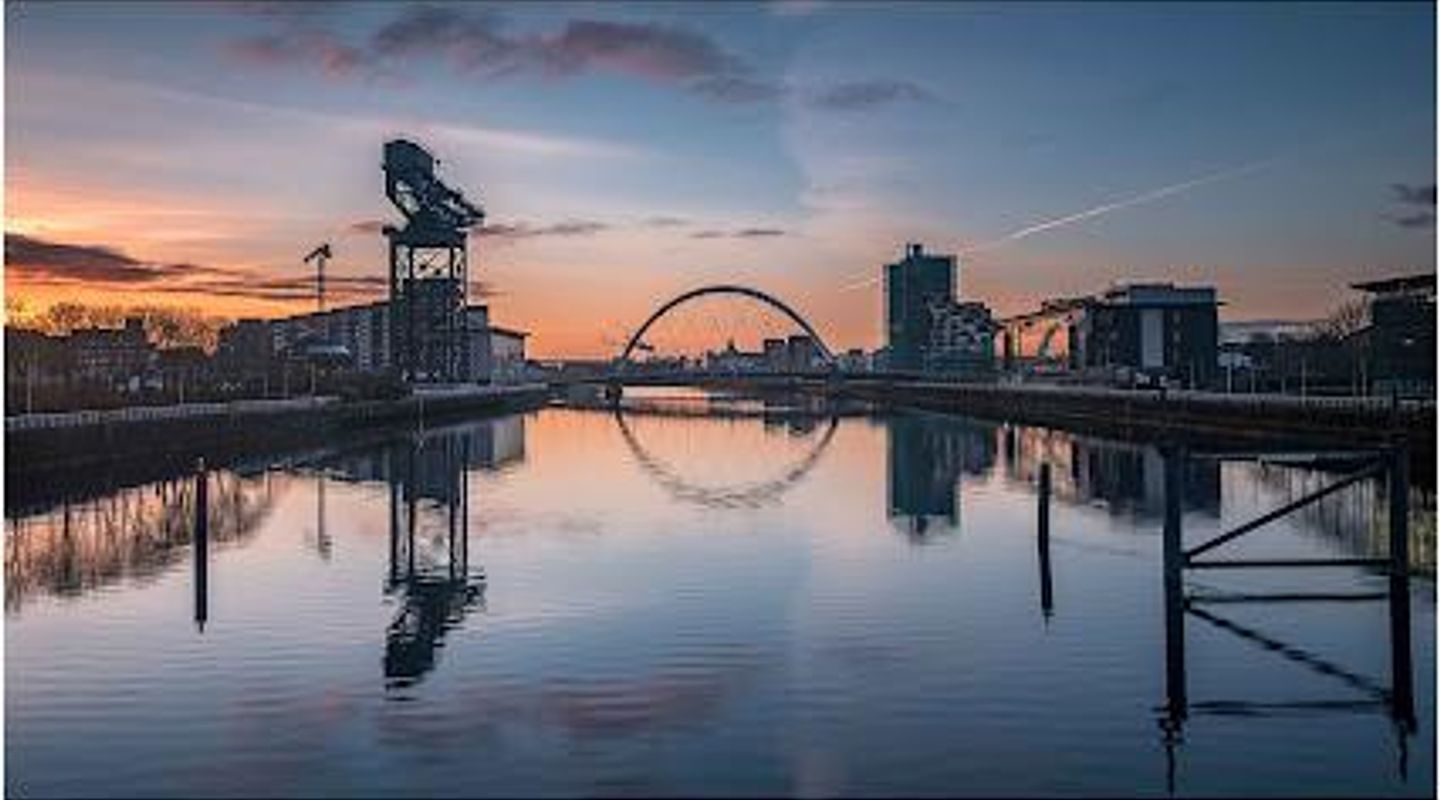
River Clyde, Glasgow Travel Guide
Explore the River Clyde, Glasgow’s historic waterway famed for its shipbuilding legacy, industrial heritage, and vibrant riverside regeneration.
The River Clyde, flowing through Glasgow and beyond, is a storied waterway central to Scotland’s industrial rise, especially renowned for its world-leading shipbuilding heritage. Once a bustling artery of commerce and industry, it now blends historical significance with modern regeneration, offering scenic riverbanks, cultural landmarks, and a glimpse into Glasgow’s transformation from industrial powerhouse to vibrant city.
A brief summary to River Clyde
- GB
- Duration: 0.5 to 3 hours
- Free
-
 Outdoor
- Mobile reception: 4 out of 5

Know before you go
Hi, I'm Eve. Here are a few practical things to know before exploring River Clyde.
- Visit the Riverside Museum and Finnieston Crane nearby to deepen your understanding of the Clyde’s shipbuilding history.
- Take a riverside walk along the regenerated Clyde waterfront to enjoy scenic views and modern cultural landmarks.
- Explore the diverse neighborhoods along the riverbanks, such as Govan and Partick, to experience Glasgow’s industrial past and present.
- Consider a boat tour on the upper Clyde to appreciate its navigational challenges and natural beauty.
Do you manage this location?
Take control to get all the benefits, like improved information, better appearance, and stronger visibility across AI-powered discovery. Learn more about listing your business on Evendo
Activate your presenceOther nearby places you may find interesting
The closest places of the same kind, if this one is not quite what you had in mind.
Explore River Clyde on the Map
A handpicked selection of must-see spots near River Clyde, mapped for you.
Unlock the Best of River Clyde
Buy tickets
-
No tickets available
Book tours with entry


Getting There
-
Train
Take a train to Glasgow Central Station from major Scottish cities; from there, the River Clyde waterfront is a 10-15 minute walk. Trains run frequently with fares typically between £5 and £20, depending on origin.
-
Bus
Numerous local buses serve stops along the Clyde in Glasgow, including routes 23, 57, and 77. Travel times vary from 20 to 40 minutes within the city, with single fares around £2.50. Services operate regularly but check schedules for evenings and weekends.
-
Car
Driving to the Clyde waterfront is possible via the M8 motorway with parking available in nearby public car parks. Expect moderate traffic during peak hours and parking fees ranging from £3 to £10 depending on duration.
For the on-the-go comforts that matter to you
-
 Restrooms
-
 Drink Options
-
 Food Options
-
 Seating Areas
-
 Information Boards
Discover more about River Clyde
Ancient Origins and Early Settlements Along the Clyde
The River Clyde’s history stretches back thousands of years, long before modern Glasgow emerged. Early Celtic tribes and Brittonic-speaking peoples settled along its fertile banks, drawn by the river’s resources and strategic importance. The river served as a vital lifeline and transport route, shaping the cultural and political landscape of the region. Its name, Clyde, remains a subject of linguistic and archaeological intrigue, symbolizing the deep-rooted connection between the river and the people who lived beside it.Glasgow’s Rise Fueled by the Clyde’s Commerce
From the 18th century onward, the Clyde became central to Glasgow’s economic expansion. Initially hampered by shallow waters, extensive engineering works—including dredging, narrowing, and the construction of piers—transformed the river into a navigable channel for larger ocean-going vessels. This enabled Glasgow to flourish as a major port, facilitating trade with the Americas and Europe. The river’s accessibility catalyzed the growth of Glasgow’s quays and shipyards, turning the city into a bustling hub of commerce and industry.The Golden Age of Shipbuilding and Industrial Might
During the 19th and early 20th centuries, the Clyde earned global renown as the world’s preeminent shipbuilding center. The riverbanks hosted some of the largest and most productive shipyards, responsible for constructing over 30,000 vessels, including iconic ships like the Lusitania. This industrial boom earned Glasgow the nickname “Second City of the British Empire.” Shipbuilding shaped the city’s identity, economy, and workforce, with the term “Clyde Built” becoming synonymous with quality and innovation in marine engineering.Challenges and Transformation in the 20th Century
The mid-20th century brought decline as global competition and changing technologies diminished the Clyde’s shipbuilding dominance. Many shipyards closed or relocated, and the river’s industrial role waned. However, the Clyde’s significance endured through regeneration efforts, including the 1988 Glasgow Garden Festival and the redevelopment of former docklands into cultural and residential spaces. Today, the river serves more as a scenic and recreational asset, with landmarks like the Riverside Museum and the Finnieston Crane standing as reminders of its storied past.Modern-Day Clyde: Balancing Heritage and Sustainability
Contemporary initiatives focus on sustainable development, balancing economic, environmental, and recreational interests. The Clyde supports a range of activities from leisure boating to cultural events, while efforts continue to protect its natural habitats and heritage sites. The river’s banks are increasingly vibrant, hosting digital media centers, housing projects, and public walkways, reflecting Glasgow’s shift towards a knowledge-based economy while honoring its industrial roots.Enduring Symbolism and Cultural Resonance
The River Clyde remains a powerful symbol of Scotland’s industrial heritage and resilience. It has witnessed the rise and fall of empires, the toil of generations of workers, and the rebirth of a city reinventing itself. The river’s story is woven into the fabric of Glasgow’s identity, offering visitors a chance to explore a landscape rich in history, culture, and natural beauty along one of Scotland’s most iconic waterways.












Your all‑in‑one travel companion app
Explore expert travel guides, compare and book tours, experiences, hotels, and more—all from the palm of your hand. Download now for seamless trip planning wherever your wanderlust takes you.


Explore More of Glasgow
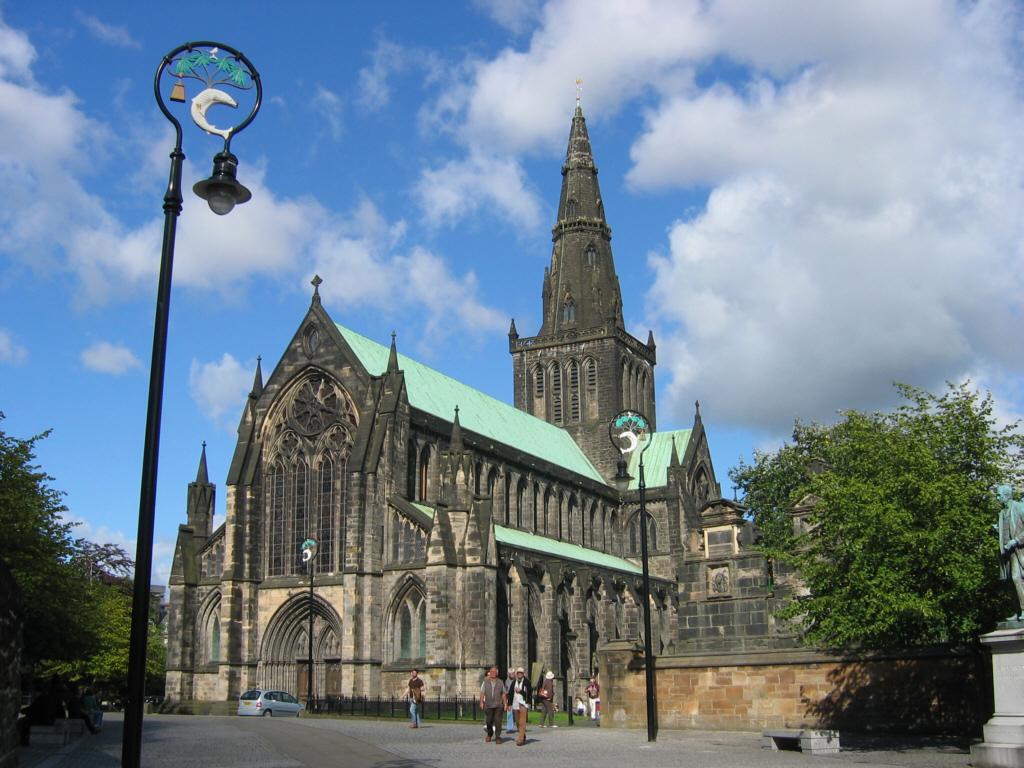
Looking beyond River Clyde? Discover Glasgow for broader travel guides, local hot-spots, and regional highlights.
Explore Glasgow
Explore scenic trails, a charming zoo, and rich wildlife at Calderglen Country Park, a nature and family haven in East Kilbride.
Discover vibrant wetlands and woodlands at RSPB Baron's Haugh, a serene nature reserve rich with birds, otters, and seasonal wildlife in Motherwell.
