

Tolbooth Steeple, Glasgow: A Historic Civic Sentinel
A towering 17th-century monument at Glasgow Cross, the Tolbooth Steeple stands as a timeless symbol of the city’s rich civic history and architectural heritage.
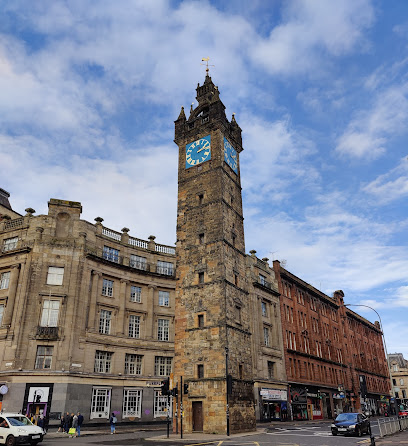
The Tolbooth Steeple is a striking 17th-century landmark in Glasgow, Scotland, standing 126 feet tall at Glasgow Cross. Originally part of the city's tolbooth—a municipal building housing the council chambers, courthouse, and prison—it is the sole surviving remnant after the main block was demolished in 1921. Its Scottish baronial architecture, crowned with a distinctive stone crown and clock faces, marks it as a symbol of Glasgow’s rich civic history and architectural heritage.
A brief summary to Tolbooth Steeple
- 1 High St, Glasgow, G1 1LX, GB
- Visit website
- Duration: 0.5 to 1.5 hours
- Free
-
 Outdoor
- Mobile reception: 4 out of 5
Local tips
- Take time to admire the intricate stonework and distinctive crown spire that define the steeple’s historic Scottish baronial style.
- Explore nearby landmarks such as Glasgow Cathedral and the Necropolis to deepen your understanding of the city’s heritage.
- Capture photos of the steeple from different angles, especially against the contrasting modern cityscape.
- Learn about the tolbooth’s role as a courthouse and prison to appreciate the steeple’s significance in Glasgow’s history.

For the on-the-go comforts that matter to you
- Information Boards
- Seating Areas
- Trash Bins
Getting There
-
Bus
Multiple frequent bus routes serve Glasgow Cross, with journey times from central Glasgow locations ranging from 10 to 20 minutes. Buses are accessible and operate daily, with fares typically between £1.80 and £3.50.
-
Subway
The nearest subway station is St Enoch, approximately a 10-minute walk from the steeple. The subway runs every 5-10 minutes during the day, with tickets costing around £1.50 to £3.00.
-
Walking
From Glasgow Central Station, walking to the Tolbooth Steeple takes about 15 minutes on mostly flat, paved urban terrain, suitable for most visitors including those with limited mobility.
Tolbooth Steeple location weather suitability
-
 Any Weather
-
 Rain / Wet Weather
-
 Clear Skies
-
 Mild Temperatures
-
 Windy Conditions
Discover more about Tolbooth Steeple
Architectural Legacy of the Tolbooth Steeple
Erected between 1626 and 1634, the Tolbooth Steeple is an imposing seven-storey tower designed by John Boyd in the Scottish baronial style. Built from ashlar stone, it features small leaded glass windows on its middle stages and clock faces on the uppermost level, all topped by a corbelled parapet and a prominent stone crown spire. Standing 126 feet (38 meters) tall, the steeple was originally part of a larger tolbooth complex that served as Glasgow’s municipal heart. The steeple’s architecture is a testament to the craftsmanship of the early 17th century, combining functionality with ornamental detail. Its stone crown and weather vane, gilded by Valentine Jenkin, add distinctive character, making it a visually commanding presence on Glasgow’s skyline.Historical Role in Glasgow’s Civic Life
The original tolbooth was central to Glasgow’s governance, housing the town clerk’s office, council chambers, and a debtors’ prison. It was the site of significant judicial activity, including 22 recorded executions, and held Covenanters such as Donald Cargill under harsh conditions in the 17th century. As a courthouse and prison, it witnessed many of the city’s dramas and legal proceedings, reflecting the turbulent history of the era. By 1814, the municipal functions moved elsewhere, and the tolbooth building was repurposed for commercial use. Despite renovations and adaptations, the main tolbooth block fell into disrepair and was demolished in 1921, leaving only the steeple standing as a poignant reminder of Glasgow’s past.Urban Context and Symbolism
Situated prominently at Glasgow Cross, the Tolbooth Steeple anchors one of the city’s historic communication hubs. It stands on a small traffic island, surrounded by vibrant streets such as Trongate and close to other heritage sites like Glasgow Cathedral and the Necropolis. This location underscores its historical importance as a civic and commercial center. The steeple’s silhouette contrasts strikingly with the modern cityscape, offering a visual link to Glasgow’s medieval and industrial heritage. Its endurance through centuries of urban transformation symbolizes the resilience and evolving identity of the city.Contemporary Recognition and Cultural Significance
Today, the Tolbooth Steeple is a Category A listed building, recognized for its architectural and historical significance. It serves as a beloved landmark and a popular photographic subject, embodying Glasgow’s rich heritage. In 2021, it became part of a climate awareness initiative with a nighttime light projection displaying the Climate Clock, connecting its historic presence to contemporary global concerns. Visitors can appreciate the steeple’s detailed stonework, its commanding presence, and its role as a silent witness to Glasgow’s centuries of civic life, from medieval times through industrial growth to modern cultural renaissance.Exploring the Surroundings and Legacy
The area around the Tolbooth Steeple invites exploration of Glasgow’s historic core, including merchant quarters and religious sites. Its proximity to the Merchant City and Glasgow Cathedral enriches the visitor experience, offering insight into the city’s commercial, religious, and social evolution. The steeple stands not only as an architectural gem but also as a symbol of Glasgow’s enduring spirit, resilience, and transformation, making it a must-see for those interested in Scottish history and urban heritage.Preservation and Future Outlook
Despite the loss of the original tolbooth building, the steeple’s preservation reflects Glasgow’s commitment to safeguarding its historic landmarks. It continues to be maintained and celebrated as a vital link to the city’s past, ensuring that future generations can connect with the stories embedded in its stone walls. Its presence at Glasgow Cross remains a powerful reminder of the city’s journey through time, from medieval governance to a modern metropolis, blending history with ongoing urban life.Iconic landmarks you can’t miss

Tolbooth Steeple
0.0 km
Glasgow’s iconic 17th-century Tolbooth Steeple stands tall as a historic clock tower and enduring symbol of the city’s rich civic past.
Glasgow City Heritage Trust
0.1 km
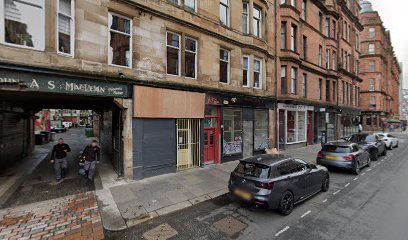
Explore Glasgow's rich history with the Glasgow City Heritage Trust, a non-profit dedicated to preserving the city's architectural and cultural heritage.
Glasgow 2014 Monument
0.5 km
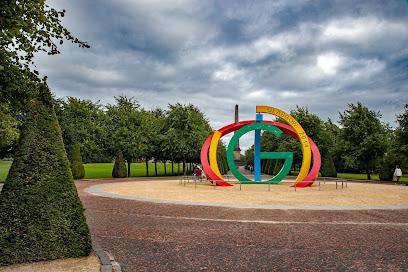
A bold, colourful sculpture celebrating Glasgow’s 2014 Commonwealth Games, where sport, art and civic pride come together in a striking riverside landmark.
The Glenlee Propellers
0.6 km
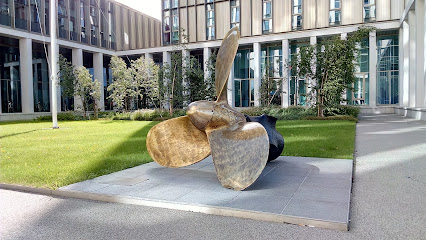
Discover the Glenlee Propellers, iconic steel relics symbolizing Glasgow’s proud shipbuilding heritage and maritime history.
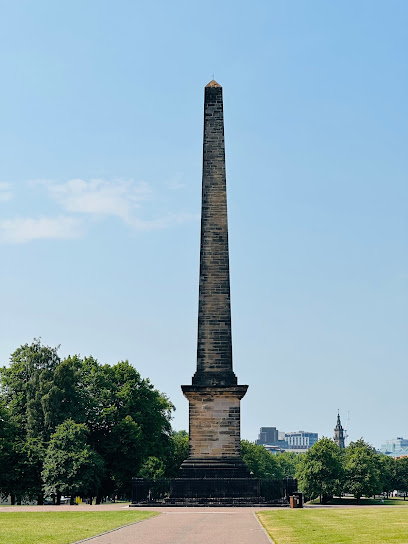
Nelson's Monument, Glasgow
0.6 km
A towering 44-meter obelisk on Glasgow Green honoring Admiral Nelson’s naval victories and Glasgow’s pioneering civic spirit.
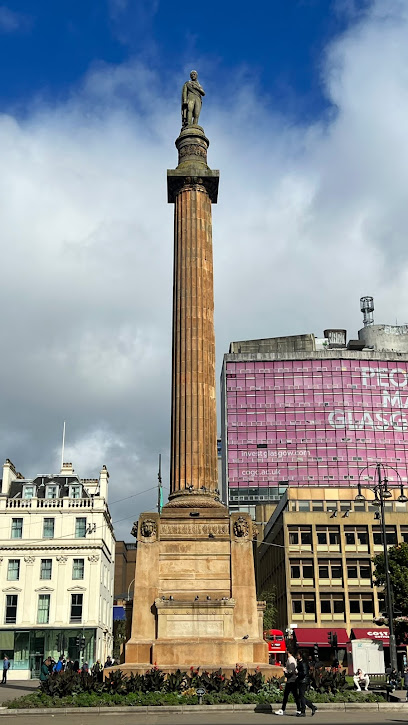
Walter Scott Monument
0.6 km
A towering Gothic tribute to Sir Walter Scott in Glasgow’s historic George Square, celebrating Scotland’s literary heritage.
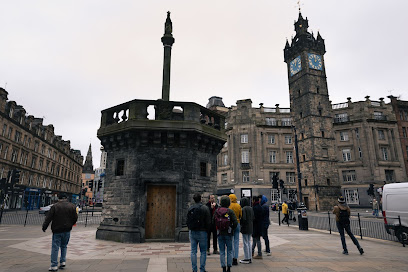
Historic Walking Tours of Glasgow
0.6 km
Explore Glasgow's rich history with guided walking tours that reveal the city's hidden gems and captivating stories.
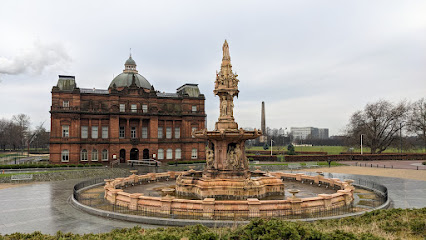
People's Palace
0.7 km
Explore Glasgow's social history at the People's Palace, where captivating exhibits and stunning architecture tell the story of the city's vibrant past.
Good as Gold Street Art
0.7 km
Explore Good as Gold Street Art in Glasgow - a vibrant open-air gallery showcasing stunning murals and street art that reflect the city's creative spirit.
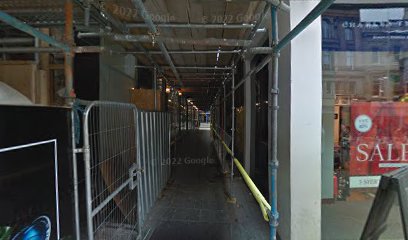
Provand's Lordship
0.7 km
Explore Provand's Lordship, Glasgow's oldest house, a captivating museum showcasing the city’s rich history and architectural heritage.
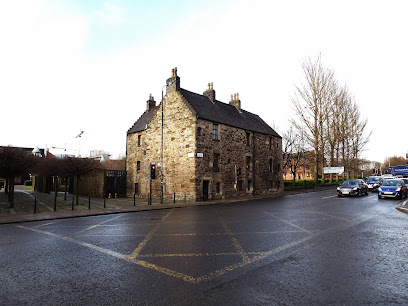
Bronze 3D Map of City Centre
0.8 km
Explore Glasgow's heart through the captivating Bronze 3D Map of City Centre, a stunning sculpture and guide to the city's rich heritage.
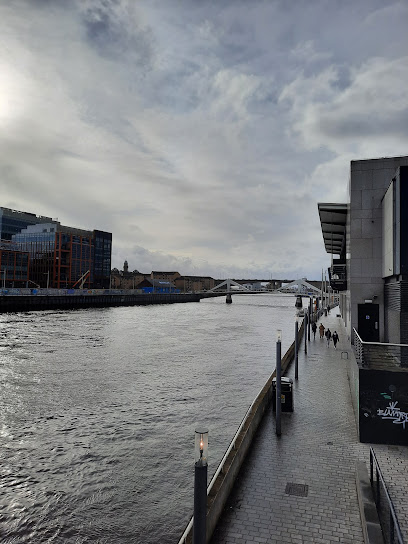
The Lighthouse
0.8 km
Experience the blend of historic architecture and contemporary art at The Lighthouse, Glasgow's premier cultural destination.
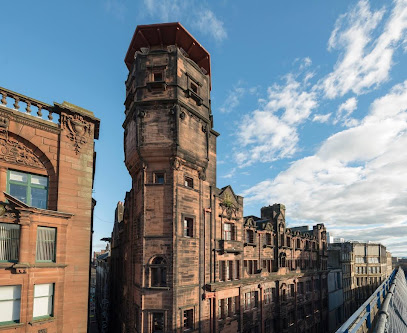
o2 accadamy
0.8 km
Discover the heart of Glasgow's music scene at O2 Academy, where iconic performances and vibrant nightlife come alive in a unique setting.
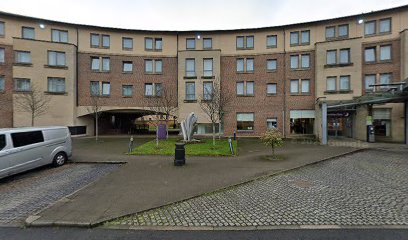
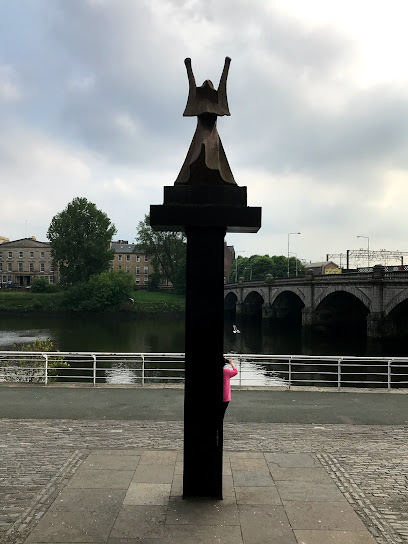
La Pasionaria
0.8 km
Discover La Pasionaria in Glasgow, a powerful sculpture symbolizing resilience and passion, capturing the essence of the city's rich history and culture.
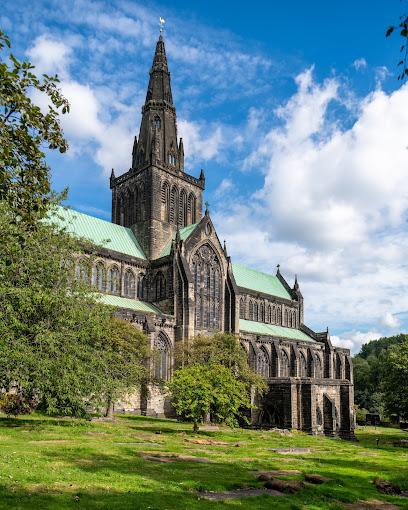
Glasgow Cathedral Burial Ground
0.9 km
Discover the historic Glasgow Cathedral Burial Ground, a tranquil oasis filled with centuries-old gravestones and rich stories in the heart of Glasgow.
Unmissable attractions to see

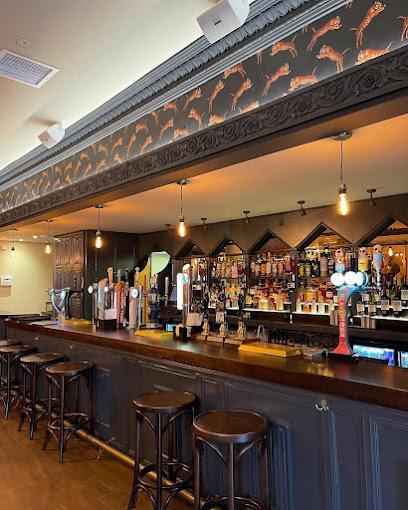
Blackfriars of Bell Street
0.1 km
Discover Glasgow's Blackfriars: A lively gastropub offering hearty meals, craft drinks, and live music in a cozy, inviting atmosphere.
Glasgow Police Museum
0.2 km
Discover Glasgow’s policing heritage through fascinating artifacts and a global uniform collection in this volunteer-run, free museum in Merchant City.
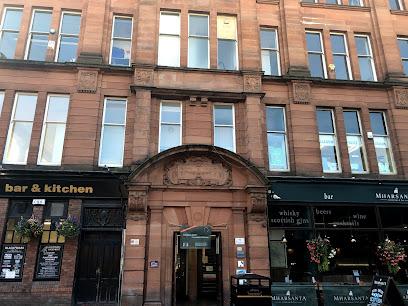
Barrowland Park
0.2 km
A lively urban park at the heart of Glasgow’s music scene, where culture and community come alive on Gallowgate.
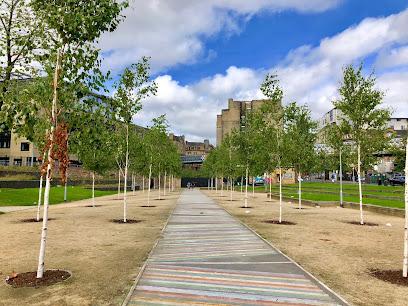
Trongate
0.2 km
Explore Trongate, Glasgow’s oldest street and historic merchant hub, where commerce, culture, and heritage converge in the city’s vibrant heart.
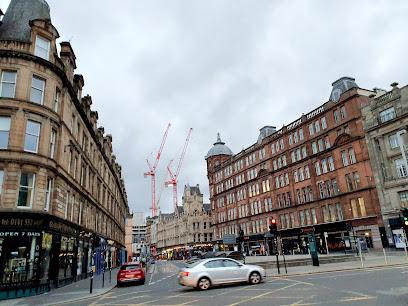
Merchant Square
0.2 km
Experience Glasgow’s Merchant City charm with vibrant dining, lively events, and a historic courtyard at Merchant Square.
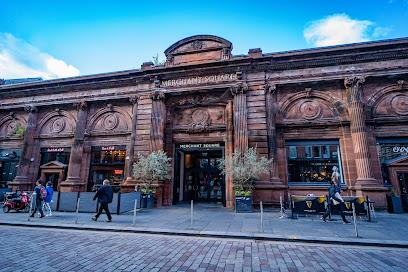
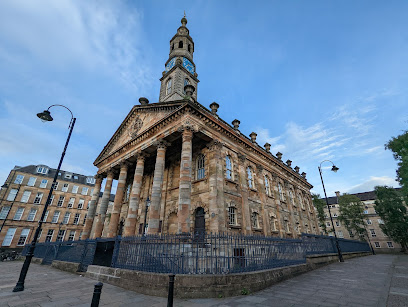
St Andrew's in the Square - Glasgow
0.2 km
An exquisite Georgian-era former church transformed into Glasgow’s premier cultural and event venue, rich in history and architectural beauty.
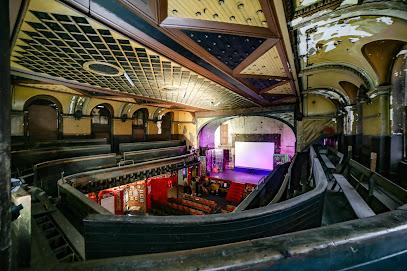
Britannia Panopticon
0.2 km
Discover Glasgow’s Britannia Panopticon, the world’s oldest surviving music hall, where Victorian variety meets early cinema in a vibrant historic venue.
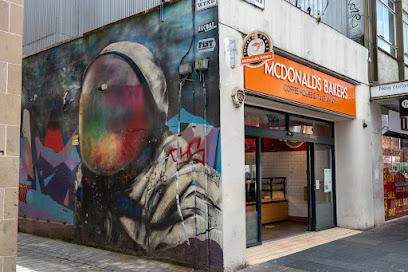
"SPACEMAN" Mural Trail #5
0.2 km
A vibrant, graphic novel-inspired mural bringing cosmic color and modern art flair to Glasgow’s historic Merchant City.
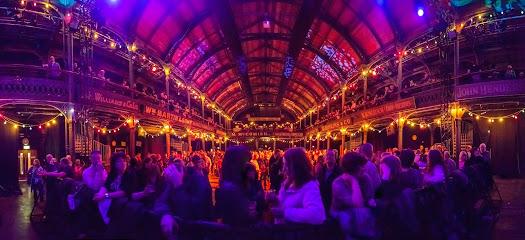
City Halls & Old Fruitmarket
0.3 km
Historic Glasgow music venues blending Victorian grandeur with vibrant live performances in the heart of Merchant City.
BOW DOWN, HONOUR THE ROOTS (#29 Mural Trail)
0.3 km
A striking mural on Brunswick Street honoring Indigenous sovereignty and heritage, part of Glasgow’s vibrant Mural Trail.
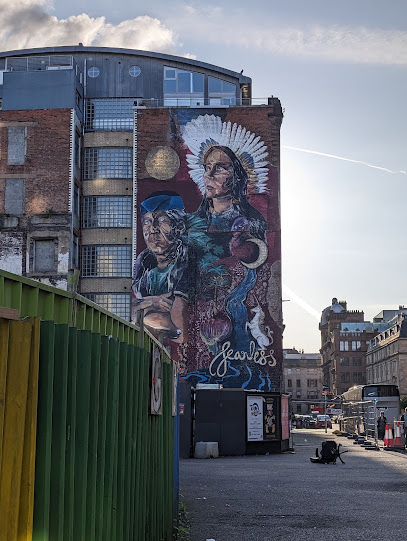
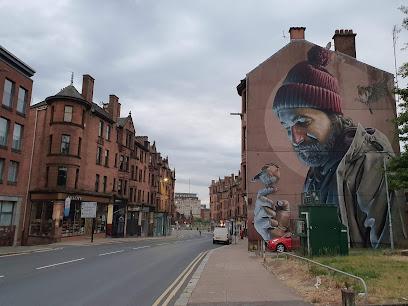
Murial of a man
0.3 km
A vibrant pop art mural blending graphic novel style and Japanese influences, lighting up Glasgow’s historic Trongate with bold color and creativity.
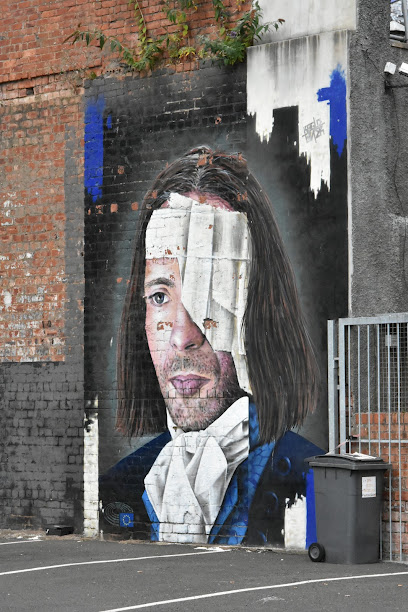
High St
0.3 km
Historic High Street in Glasgow links the city’s rich past with vibrant shopping streets and cultural landmarks.
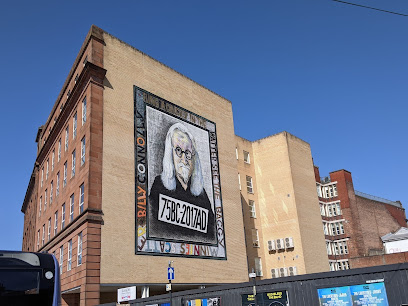
Mural Trail #.09 Billy Connolly
0.3 km
Celebrate Glasgow’s beloved comedian Billy Connolly through this vibrant mural on Osborne Street, a highlight of the city’s renowned Mural Trail.
Pavement
0.4 km
Creative grill dining with bold flavours and a relaxed vibe in the heart of Glasgow’s Merchant City.
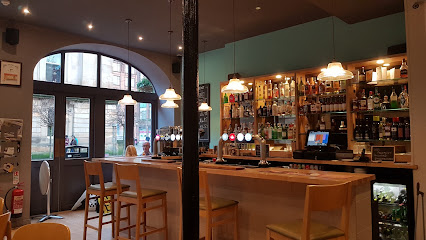
Ramshorn Graveyard
0.4 km
Historic 18th-century Glasgow graveyard and Gothic Revival kirk, resting place of Tobacco Lords and cultural pioneers in the Merchant City.
Essential places to dine

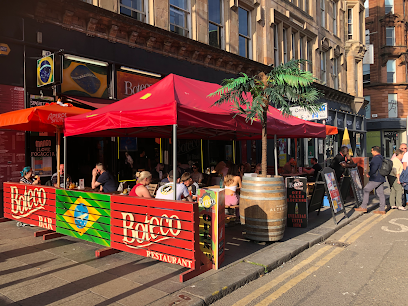
Boteco Do Brasil
0.1 km
Discover the vibrant flavors of Brazil at Boteco Do Brasil in Glasgow – where delicious cuisine meets lively nightlife.
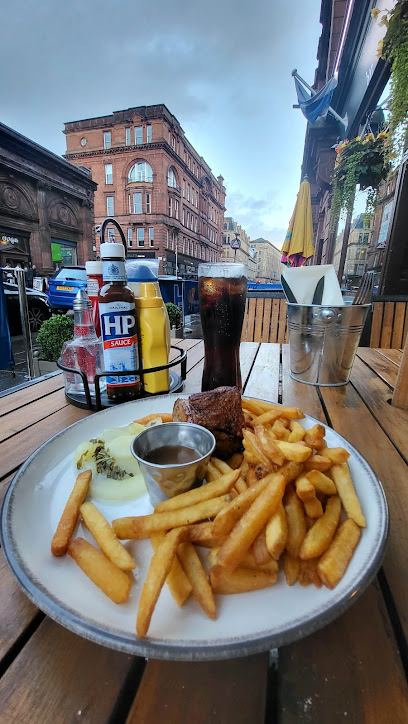
Mharsanta - Scottish Restaurant & Bar
0.2 km
Experience authentic Scottish cuisine and warm hospitality in the heart of Glasgow’s historic Merchant City.
Cafe Gandolfi
0.2 km
A historic Glasgow bistro blending Scottish culinary tradition with artisanal craftsmanship and warm, convivial atmosphere.
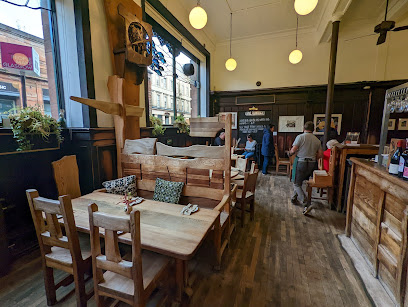
The Dhabba
0.2 km
Experience authentic Northern Indian cuisine in Glasgow with vibrant flavors, a nut-free menu, and a welcoming atmosphere at The Dhabba.
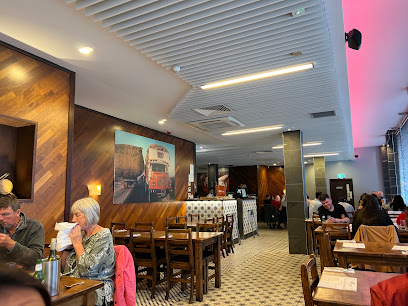
Mono
0.2 km
Glasgow’s vibrant vegan café-bar blending creative plant-based cuisine, indie music vibes, and a unique record shop atmosphere.
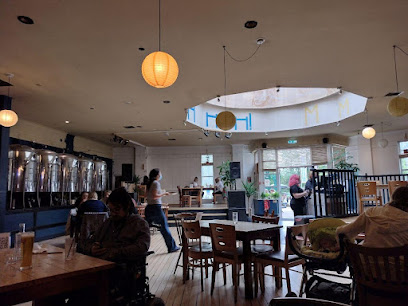
Bar Soba Merchant City
0.2 km
Experience Glasgow's Asian fusion at Bar Soba Merchant City - where unique cocktails meet vibrant flavors in an unforgettable atmosphere.
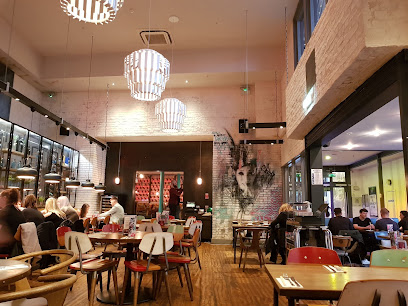
Table Twenty Eight
0.2 km
Chic restaurant and cocktail bar in Glasgow’s Merchant Square, renowned for gourmet dishes, vibrant atmosphere, and expertly crafted drinks.
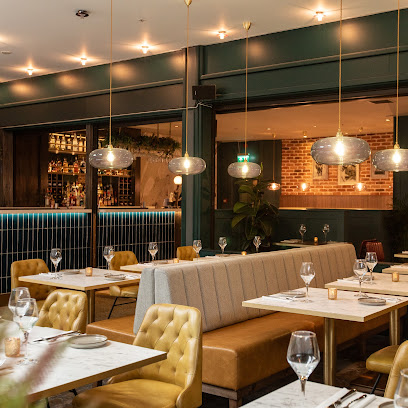
Metropolitan Bar and Restaurant
0.2 km
Experience Glasgow's vibrant culinary scene at Metropolitan Bar & Restaurant – where gourmet pub fare meets expertly crafted cocktails.
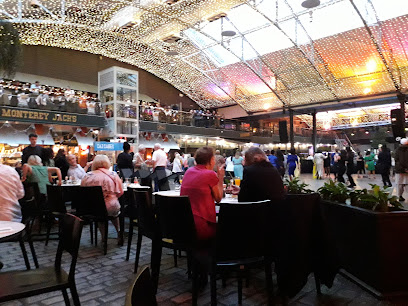
Turkiye EFES Restaurant
0.3 km
Authentic Turkish cuisine and grilled meats served with warmth and tradition in Glasgow’s vibrant Merchant City.
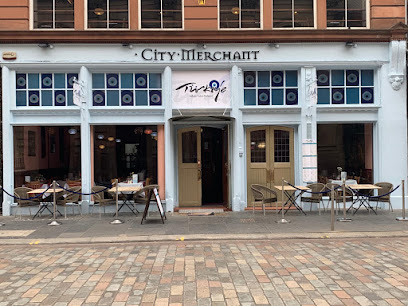
The Italian Kitchen
0.3 km
Authentic Italian flavors and warm hospitality in the heart of Glasgow’s Merchant City.
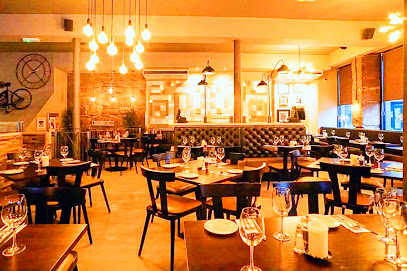
Santa Lucia Merchant City Glasgow
0.3 km
Authentic Italian dining with fresh flavors, lively ambiance, and live music in the heart of Glasgow’s Merchant City.
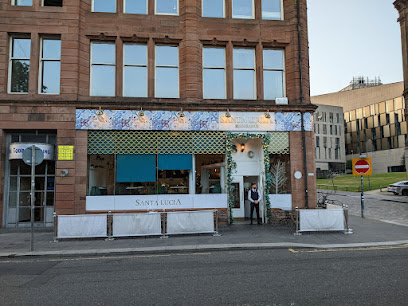
Saints of Ingram
0.4 km
Historic Hutchesons’ Hall hosts Saints of Ingram, a stylish Glasgow venue blending classic brunch, cocktails, and live weekend entertainment.
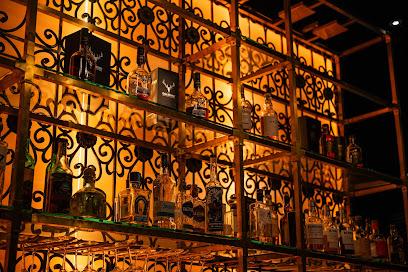
Mediterraneo Italian Restaurant & Champagne Bar
0.4 km
Experience authentic Mediterranean flavors and elegant champagne moments in the heart of Glasgow’s vibrant city centre.
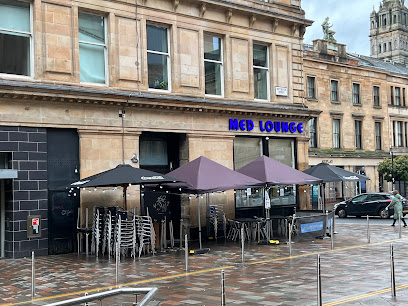
Brutti Compadres Platos Pequenos
0.5 km
Discover vibrant Mediterranean tapas and inventive cocktails in Glasgow’s charming Merchant City hotspot, Brutti Compadres Platos Pequenos.
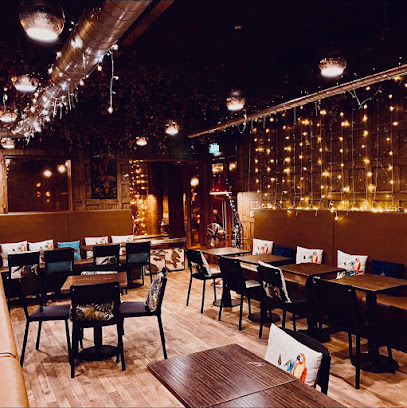
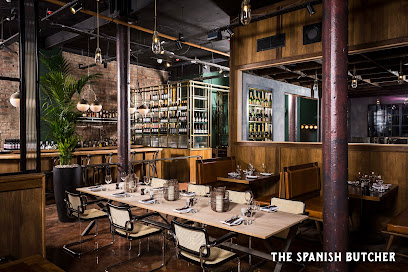
The Spanish Butcher Glasgow
0.5 km
Savor premium Galician beef and Spanish flavors in a chic, industrial-style steakhouse at Glasgow’s vibrant city centre.
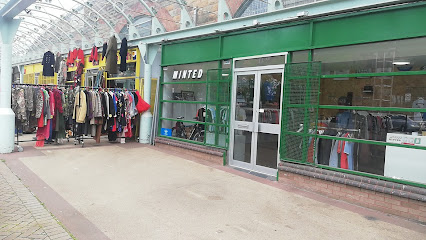
Markets, malls and hidden boutiques

Minted
0.2 km
Discover rare vintage streetwear and sustainable style at Minted, Glasgow’s curated hub for iconic 90s and sportswear fashion.
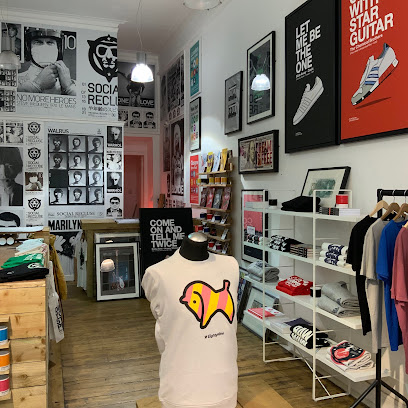
Social Recluse
0.2 km
Discover unique gifts and stylish apparel at Social Recluse, Glasgow’s boutique for creative and quality designs in the city center.
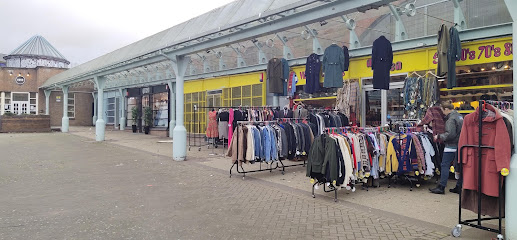
Mr Ben Retro Clothing
0.2 km
A snug, long‑established vintage boutique in Kings Court with handpicked garments, textured displays and friendly, specialist service.
Pride of Glasgow
0.4 km
Discover tartan treasures and whisky wonders at this spirited Argyle Street shop, where Scottish pride meets Glasgow's cheeky charm in every authentic souvenir.
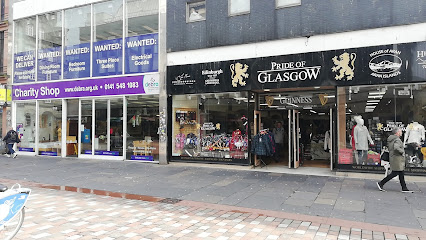
The Glasgow Souvenir Outlet
0.4 km
Authentic Scottish treasures in Glasgow's vibrant core: tartans, whisky keepsakes, and artisan crafts for every traveler's suitcase.
Never miss a gift
0.4 km
Explore Never Miss a Gift in Glasgow for unique candles and health products that capture the essence of thoughtful gifting.

Frida and Coco
0.5 km
Discover unique vintage treasures and creative flair at Frida and Coco, Glasgow’s beloved boutique for timeless style and costume fashion.
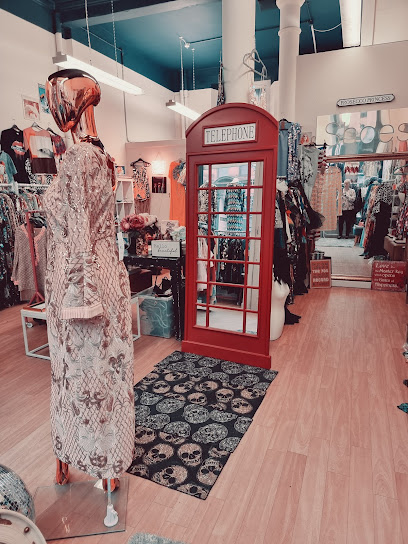
Modern Love Store
0.5 km
Pastel-hued trove of global homewares, kitsch glassware, and joyful gifts in Glasgow's east end—unique finds with character await.
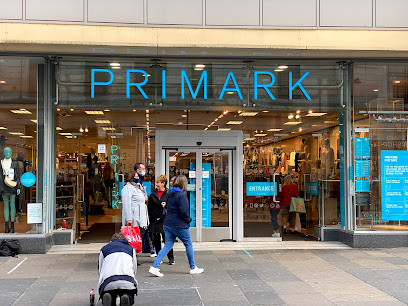
Primark
0.6 km
Vast budget fashion haven on Glasgow's Argyle Street: trendy clothes, beauty, home goods, and more in a wheelchair-accessible city-center mega-store.
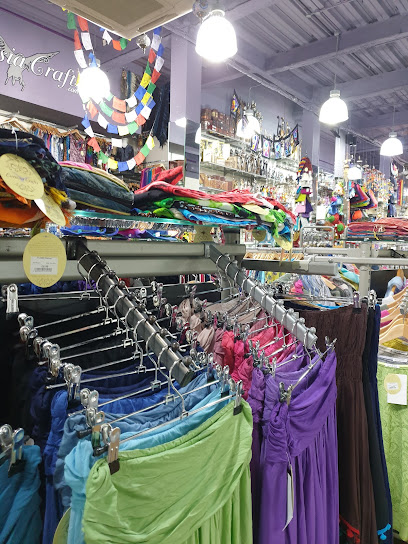
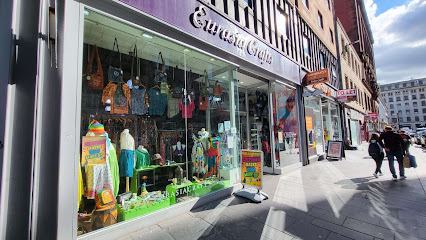
Eurasia Crafts
0.6 km
Discover handcrafted wonders from Eurasia in a cozy Glasgow gem—unique gifts, artisan stories, and cultural treasures await on elegant Queen Street.
Osiris - Alternative Fashion Store
0.6 km
A compact, characterful alternative-fashion and curios shop on Queen Street specialising in goth, emo and eclectic accessories.
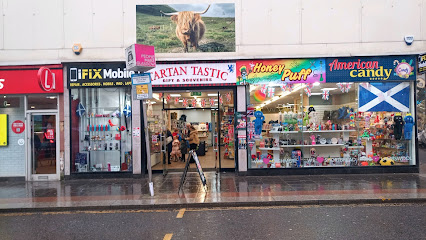
Tartan Tastic Gift & Souvenirs
0.6 km
Discover authentic Scottish tartan treasures and traditional gifts in the heart of Glasgow’s vibrant Queen Street.
Shop Small at St Enoch
0.6 km
Discover unique fashion finds at Shop Small in Glasgow’s iconic St Enoch Centre, where historic charm meets modern shopping under Europe’s largest glass roof.
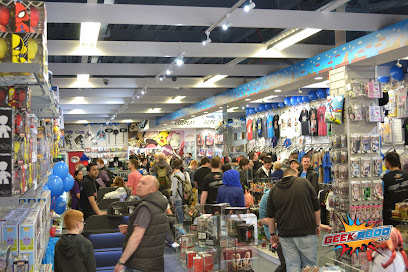
Geek-aboo
0.6 km
Dive into Glasgow's ultimate geek haven: official merch, epic collectibles, and gaming events from your favorite franchises await at Geek-aboo.
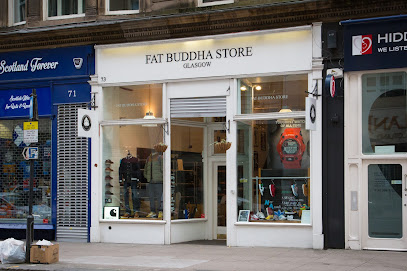
Fat Buddha Store
0.6 km
Glasgow's ultimate streetwear haven: premium menswear, spray paints, vinyl toys, and urban essentials across three vibrant floors since 2006.
Essential bars & hidden hideouts

Maggies Rock n Rodeo
0.1 km
Experience Glasgow’s wild side with live music, line dancing, and a mechanical bull at Maggie’s Rock n Rodeo in Merchant City.
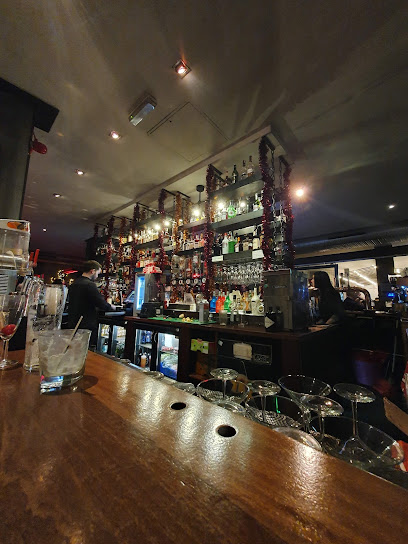
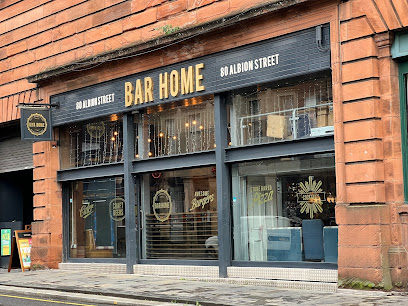
Home
0.2 km
Glasgow's go-to pub for live sports, craft cocktails, and hearty sharing plates in the vibrant Merchant City – where every visit feels like home turf.
Strathduie Bar
0.2 km
Traditional Glasgow pub revived in Merchant City: darts, live music, draught beers, and cozy rooms for authentic Scottish hospitality.
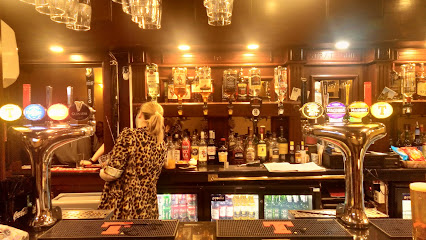
Avant Garde Music Bar & Restaurant
0.2 km
Dive into Glasgow's underground beats at Avant Garde, where live music, modern eats, and vaulted vibes create unforgettable Merchant City nights.
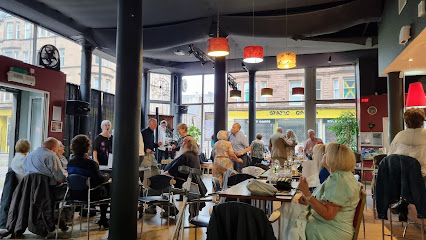
Bar 91
0.3 km
Laid-back Merchant City pub pouring craft brews, global bites, and live tunes opposite City Halls—a Glasgow essential for day-to-night vibes.
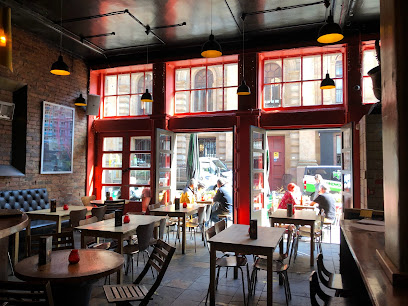
BrewDog Glasgow Merchant City
0.4 km
Craft beer rebellion meets smoky barbecue in Glasgow's historic Merchant City – 25 taps, outdoor patio, and dog-friendly vibes await.
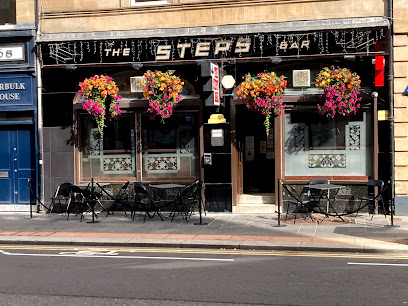
Steps Bar
0.4 km
Discover Glasgow's Art Deco time capsule: Steps Bar's preserved 1930s elegance, walnut gantry, and jukebox vibes await in Merchant City's historic heart.
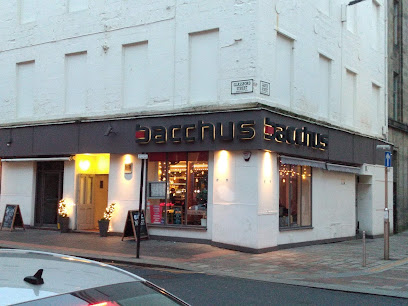
Bacchus Bar
0.4 km
Glasgow's friendliest independent bar in Merchant City, pouring wine-god vibes with live music, quizzes, and unbeatable value since over two decades.
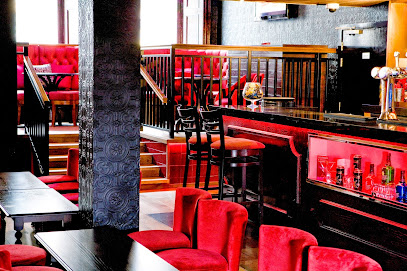
Speakeasy
0.4 km
A vibrant and welcoming gay bar in Glasgow’s Merchant City, blending relaxed pub vibes with lively nightlife and creative cocktails.
Cairns Bar
0.5 km
Cozy Merchant City pub pouring Belhaven ales, serving pub classics, and screening live sports in Glasgow's lively heart—perfect for pints and pies anytime.
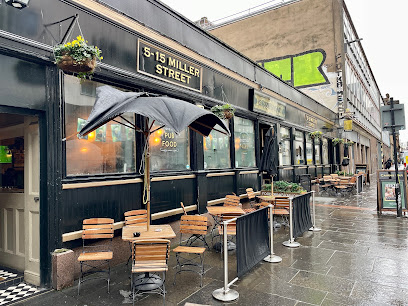
The Spiritualist Glasgow
0.5 km
Moody, theatrical cocktail bar and small-plate restaurant in central Glasgow — inventive drinks, shareable dishes and a lively evening atmosphere.
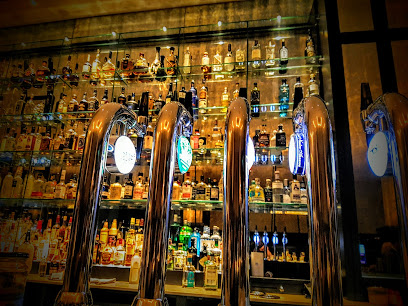
The Piper Whisky Bar
0.5 km
Glasgow's premier whisky haven with 200+ Scotches, live music nightly, and pub grub overlooking George Square – pure Scottish spirit in every sip.
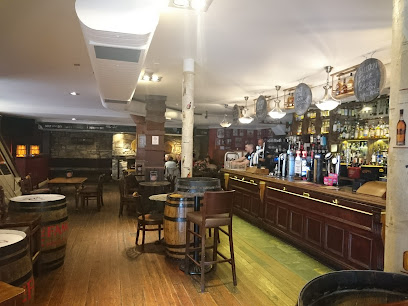
The Alchemist Glasgow
0.6 km
Experience Glasgow’s most theatrical cocktails and innovative dining in the heart of George Square’s mystical setting.
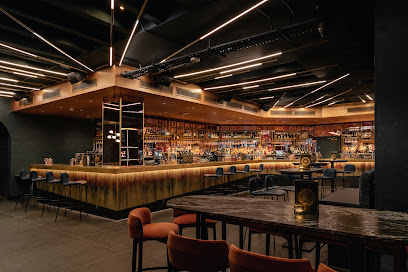
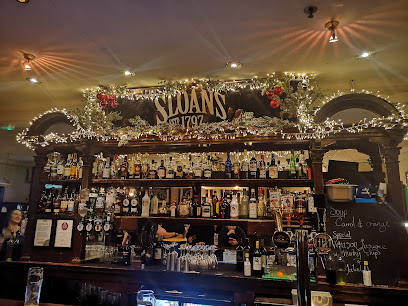
Sloans
0.7 km
Glasgow’s oldest bar and restaurant since 1797, famed for lively events, historic charm, and legendary Macaroni Cheese in a vibrant city-centre setting.
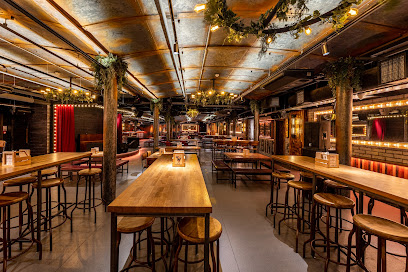
Wunderbar
0.7 km
Lively Glasgow cocktail bar blending pizza, pub vibes, and live music in a vibrant city center setting.
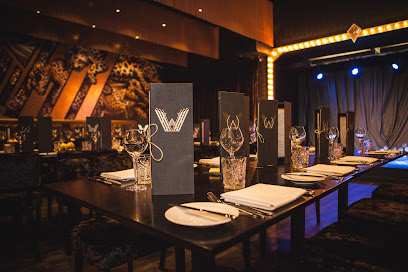
Nightclubs & after hour spots

18 Candleriggs
0.2 km
Glasgow's kitsch cabaret haven where dazzling shows, tasty grill fare, and lively vibes create unforgettable Merchant City nights.
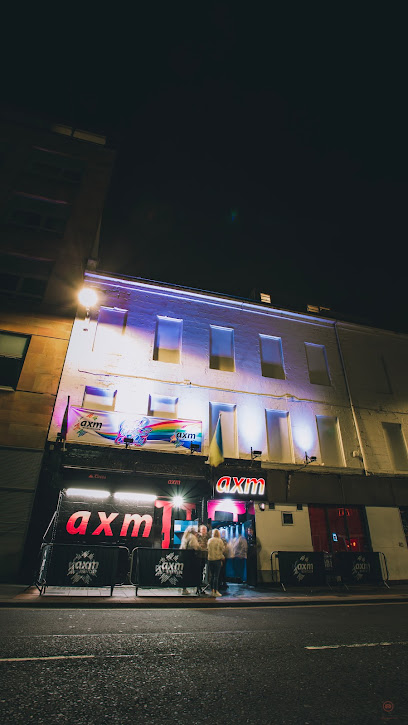
AXM Glasgow
0.4 km
Scotland's biggest LGBTQ+ nightclub: two floors of pop, charts, and dance in Glasgow's heart, with cheap drinks and zero attitude.
Polo Lounge
0.4 km
Glasgow's grandest gay nightclub: multi-level dance floors, cheap drinks, and non-stop energy until dawn in Merchant City's heart.
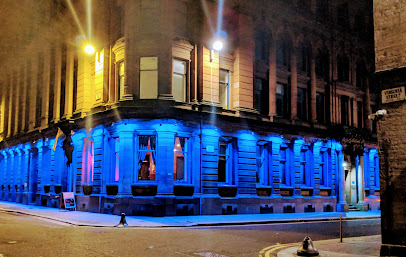
Riding Room
0.4 km
Fancy cabaret club in Glasgow's gay triangle, serving exotic kettle cocktails alongside burlesque, magic, and cheeky shows in a lively, intimate venue.
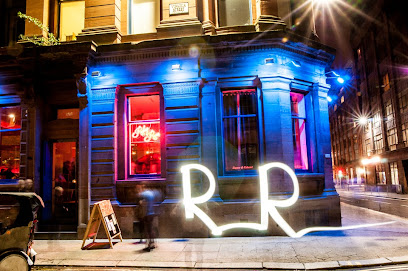
Club X
0.5 km
Glasgow's underground RnB haven: where beats throb, lights flash, and the LGBTQ+ community dances till dawn in Merchant City's beating heart.
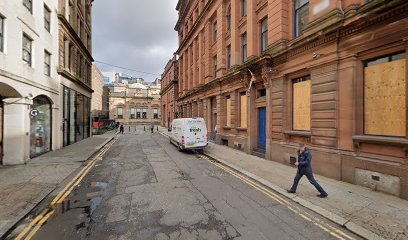
Delmonicas
0.5 km
Scotland's biggest gay club: drag shows, karaoke, DJs, and non-stop inclusive party vibes in Glasgow's Merchant City heart.
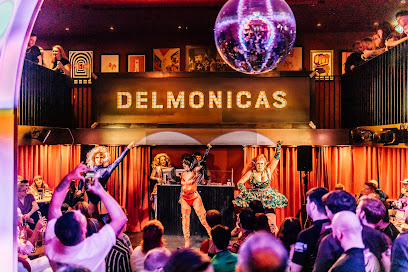
La Cheetah Club
0.6 km
Glasgow’s intimate basement club with a powerful sound system, vibrant underground beats, and a welcoming community spirit.
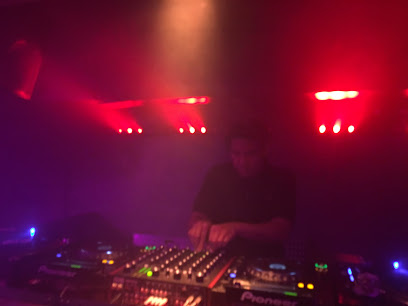
Classic Grand
0.9 km
Glasgow's ultimate electronic music haven in a reborn cinema, where thunderous beats and euphoric crowds collide until dawn.
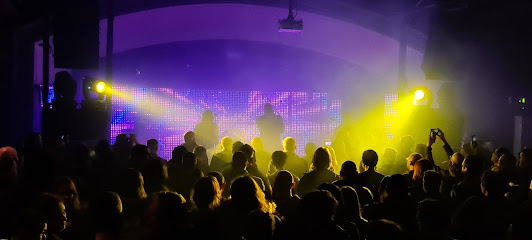
Sub Club
0.9 km
Glasgow’s legendary underground nightclub, Sub Club, pulses with cutting-edge sound and authentic dance culture in an intimate basement setting.
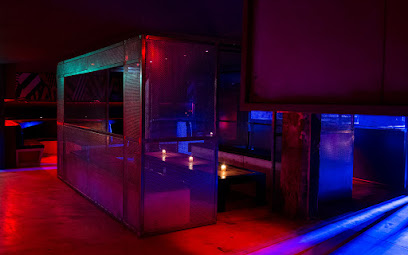
Cathouse Rock Club
0.9 km
Glasgow's unrelenting rock fortress since 1990—metal riffs, live gigs, and alternative fury across three pounding rooms.
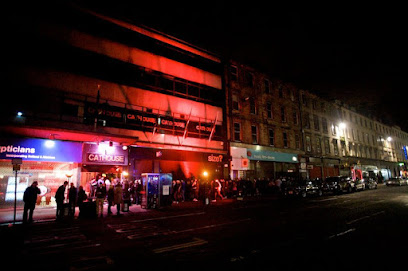
Platinum Lace Glasgow
0.9 km
Glasgow’s premier gentlemen’s club with stunning dancers, VIP luxury, and an electric nightlife atmosphere in the city centre.
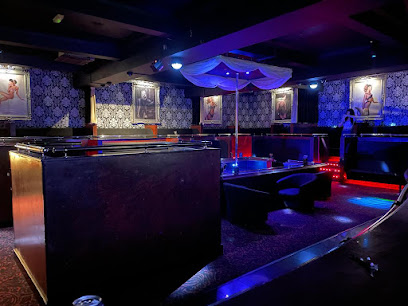
Club Tropicana & Venga
1.0 km
Two-room retro nightclub in central Glasgow with themed ’80s/’90s nights, booth bookings and a high-energy weekend atmosphere.
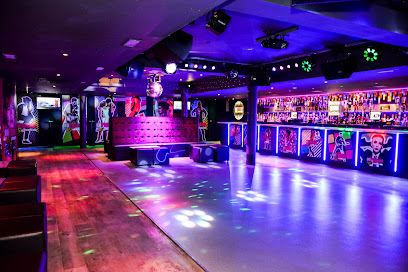
Popworld Glasgow
1.0 km
Dive into a whirlwind of 80s-00s pop anthems, retro props, and cocktail-fueled dance marathons at Glasgow's ultimate cheesy nightclub escape.
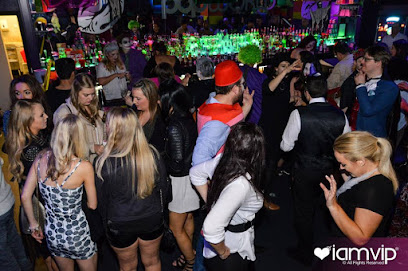
Kokomo Glasgow
1.1 km
Kokomo Glasgow was a late-night nightclub and bar known for its energetic vibe and central city location on West Regent Street.
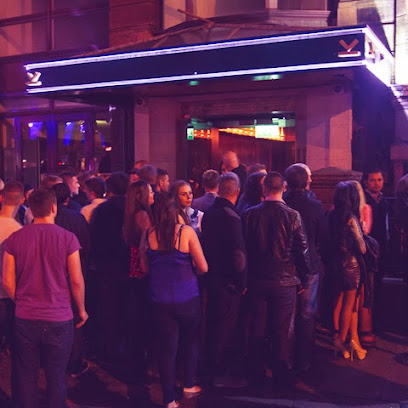
Bamboo
1.1 km
Glasgow’s energetic three-room basement nightclub offering affordable drinks and diverse music for a lively student crowd.
For the vibe & atmosphere seeker
- Historic
- Scenic
- Unique
- Tranquil
For the design and aesthetic lover
- Vintage Styles
For the architecture buff
- Historic
- Landmarks
For the view chaser and sunset hunter
- Iconic Views
- Skyline
For the social media creator & influencer
- Instagrammable
- Photo Spots
- Architectural Shots
For the eco-conscious traveler
- Public-Transport Accessible
For the kind of experience you’re after
- Cultural Heritage
- Photowalk
- Day Trip
For how adventurous you want the journey to be
- Easy Access
Location Audience
- Family Friendly
- Senior Friendly
- Child Friendly
- Teen Friendly
- Wheelchair Access
- Solo Friendly
- Couple Friendly


