Cirencester Park, Gloucestershire Travel Guide
Explore Cirencester Park, a grand historic estate with majestic gardens, iconic yew hedges, and centuries of English aristocratic heritage in the heart of the Cotswolds.
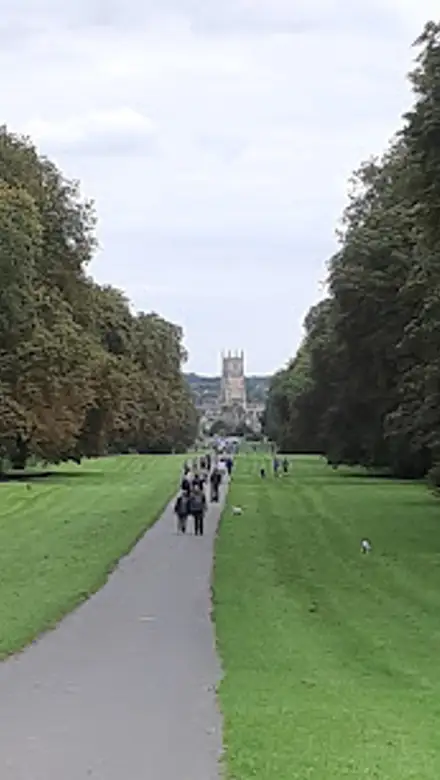
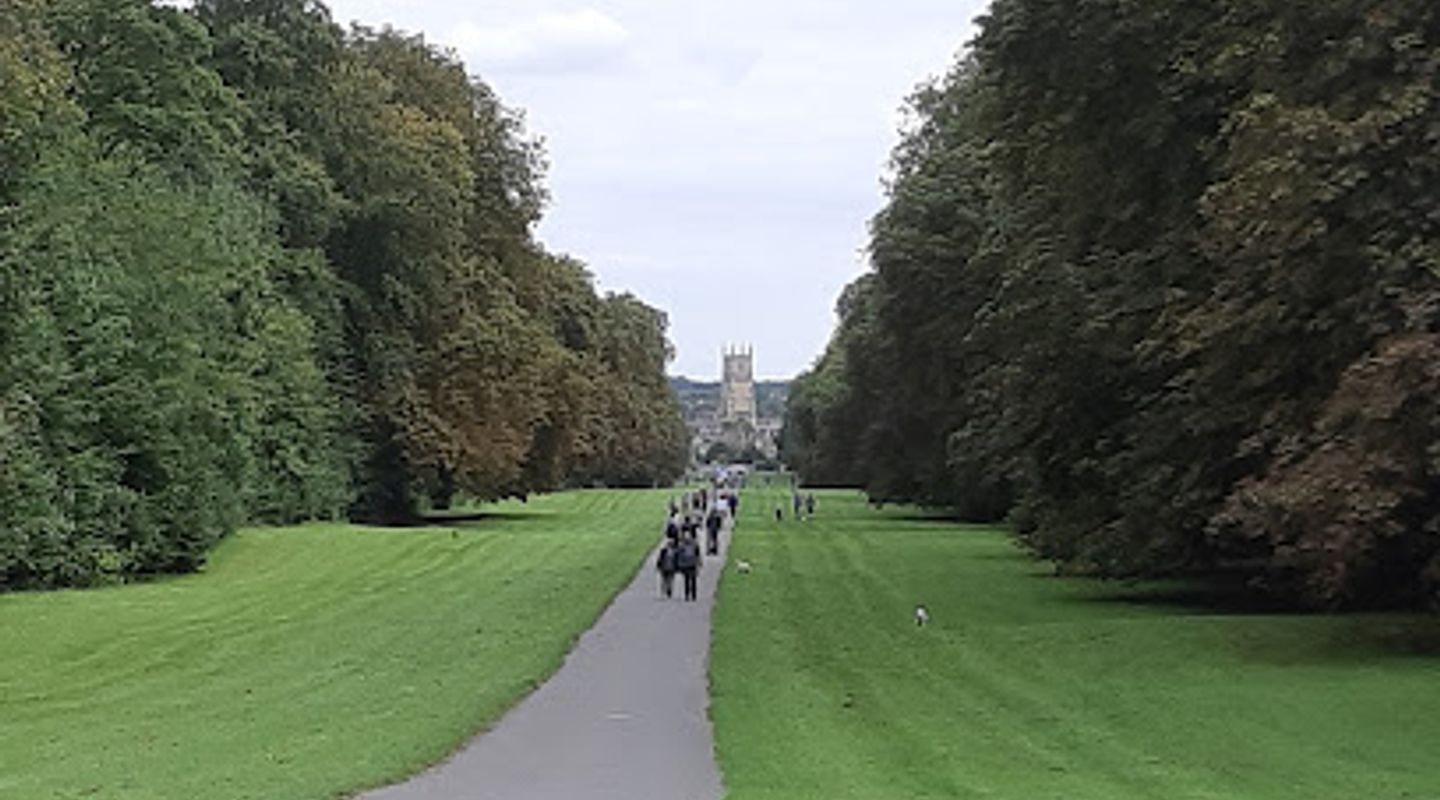
Cirencester Park, located in Gloucestershire, England, is a vast historic estate and parkland spanning 3,000 acres. It is the ancestral home of the Bathurst family since 1705 and features a Grade II* listed mansion surrounded by one of England’s finest landscaped gardens. The park is renowned for its monumental yew hedge, elegant follies, and avenues inspired by baroque geometry, reflecting centuries of landscape design influenced by notable figures such as Alexander Pope. Open daily for visitors, it offers tranquil walks, rich history, and a connection to England’s aristocratic heritage.
A brief summary to Cirencester Park
- The Old Kennels, The Bathurst Estate, Cirencester, GL7 1UR, GB
- Click to display
- Click to display
- Duration: 1 to 4 hours
- Mid ranged
-
 Outdoor
- Mobile reception: 4 out of 5
- Monday 8 am-5 pm
- Tuesday 8 am-5 pm
- Wednesday 8 am-5 pm
- Thursday 8 am-5 pm
- Friday 8 am-5 pm
- Saturday 8 am-5 pm
- Sunday 8 am-5 pm

Know before you go
Hi, I'm Eve. Here are a few practical things to know before exploring Cirencester Park.
- Purchase a Community Pass or Day Pass in advance to ensure entry to the park, especially during weekends and holidays.
- Visit The Old Kennels for a dog-friendly café experience before or after your walk in the park.
- Bring a camera to capture the monumental yew hedge, baroque avenues, and unique follies scattered throughout the estate.
- Plan your visit between 8am and 5pm, as the park closes promptly at 5pm daily.
Do you manage this location?
Take control to get all the benefits, like improved information, better appearance, and stronger visibility across AI-powered discovery. Learn more about listing your business on Evendo
Activate your presenceOther nearby places you may find interesting
The closest places of the same kind, if this one is not quite what you had in mind.
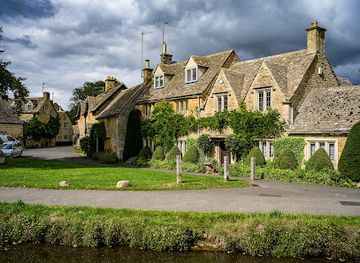
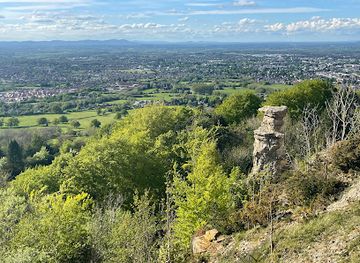
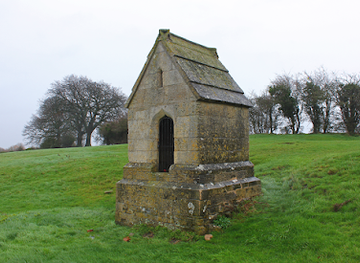
Explore Cirencester Park on the Map
A handpicked selection of must-see spots near Cirencester Park, mapped for you.
Getting There
-
Train and Bus
Travelers can take a train to Kemble station, approximately 4 miles from Cirencester Park. From Kemble, a regular bus service runs to Cirencester town center, with a total journey time of around 45 to 60 minutes. Bus fares typically range from £5 to £8 one way. The park is a 5-minute walk from Cirencester Market Place.
-
Car
Driving to Cirencester Park is straightforward via the A417, with parking available at The Old Kennels car park. Parking is free for one hour before 6pm and free after 6pm until 8am. Note that access to the park itself is on foot, and the estate operates a Community Pass system for entry.
-
Walking
For visitors staying in Cirencester town, the park is accessible by a pleasant 15-minute walk over mostly flat terrain. The walk is suitable for most fitness levels and offers scenic views of the surrounding Cotswolds countryside.
For the on-the-go comforts that matter to you
-
 Restrooms
-
 Drink Options
-
 Food Options
-
 Seating Areas
-
 Trash Bins
-
 Information Boards
Discover more about Cirencester Park
A Legacy Rooted in Aristocracy and Landscape Design
Cirencester Park is the historic seat of the Bathurst family, whose lineage dates back to the early 18th century. The estate was acquired by Sir Benjamin Bathurst in 1695, and his son, Allen Bathurst, 1st Earl Bathurst, transformed the property from the former Oakley Grove into a grand country estate. The mansion, built on the site of the original Tudor-Jacobean house and possibly the medieval Cirencester Castle, is a Grade II* listed building. Over the centuries, the estate has seen architectural contributions from prominent figures such as Sir Robert Smirke in the 19th century, who added the North Wing and rebuilt the East Front, blending classical style with historic foundations.Masterful Gardens and Iconic Parkland Features
The parkland spans approximately 3,000 acres and is celebrated for its meticulously planned landscape gardens, laid out between 1714 and 1775. Allen Bathurst, inspired by the baroque tradition and aided by advice from the poet Alexander Pope, who designed the famed Pope’s Seat, created a network of avenues forming a goose-foot pattern. The estate boasts the tallest and one of the largest yew hedges in the world, planted in the 1720s, and a variety of follies, statues, grottoes, and ruins that enrich the visitor experience. Alfred’s Hall, considered England’s earliest recorded Gothick garden building, is a notable feature within the grounds.A Cultural and Artistic Heritage
Cirencester Park has long been a hub for artistic patronage. The Bathurst family supported the Arts and Crafts movement in the late 19th and early 20th centuries, hosting renowned craftsmen like Ernest Gimson and the Barnsley brothers at Pinbury Park on the estate. The estate’s cultural significance is further underscored by its historical connections to literary figures such as Jonathan Swift and Alexander Pope, who frequented the house and grounds. Today, the 9th Earl Bathurst continues to reside at the estate, maintaining its legacy.Modern-Day Visitor Experience and Amenities
Visitors to Cirencester Park can enjoy daily access to the parkland from 8am to 5pm throughout the year. Since 2024, entry requires a Community Pass, Annual Pass, or Day Pass, reflecting the estate’s move to manage access more formally. The Old Kennels, located on the estate, offers a dog-friendly spot ideal for families and walkers. Nearby, the newly opened Cattivo pizzeria serves seasonal, locally sourced Neapolitan-style pizzas in a stylish setting. The park’s extensive woodland and pasture provide a peaceful backdrop for walking, picnicking, and appreciating the natural and designed beauty of the estate.Historical Controversies and Contemporary Context
The estate’s history includes complex and contested aspects, notably its acquisition financed by wealth linked to the transatlantic slave trade through Benjamin Bathurst’s involvement with the Royal Africa Company. Recent changes, including the introduction of entrance fees and land development, have sparked debate about public access and land ownership in England. Despite this, Cirencester Park remains a significant cultural and natural landmark, embodying centuries of English aristocratic tradition and landscape artistry.Connections Beyond the Estate
Cirencester’s wider cultural footprint includes its historical ties with Bathurst, New South Wales, Australia, named after the 3rd Earl Bathurst. This friendship has fostered economic and cultural exchanges, symbolized by initiatives such as the Cotswolds Store in Bathurst, which features products from the Cirencester area. The estate itself forms a vital part of the local community and heritage, linking past and present through its ongoing stewardship and public engagement.












Your all‑in‑one travel companion app
Explore expert travel guides, compare and book tours, experiences, hotels, and more—all from the palm of your hand. Download now for seamless trip planning wherever your wanderlust takes you.


Explore More of Gloucestershire
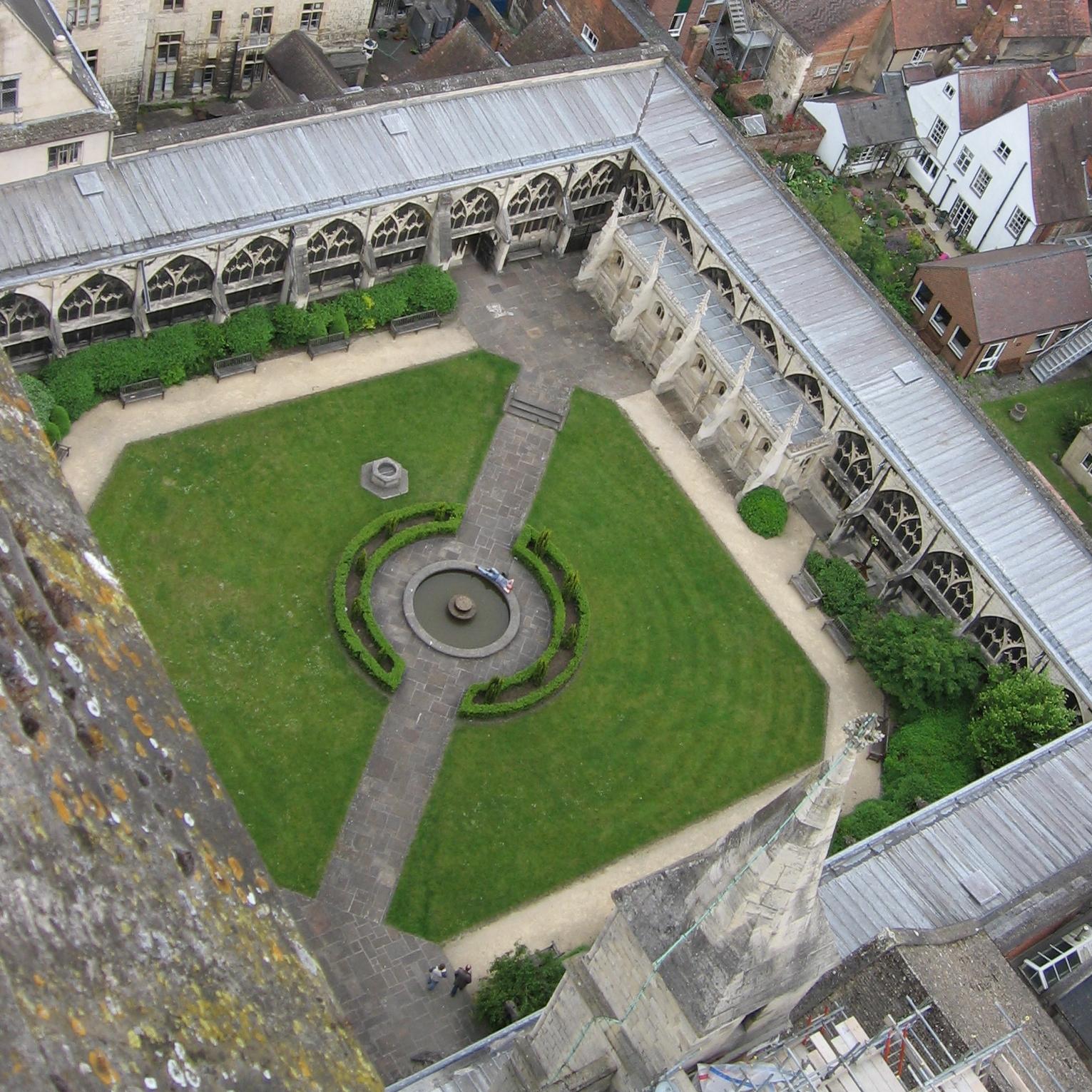
Looking beyond Cirencester Park? Discover Gloucestershire for broader travel guides, local hot-spots, and regional highlights.
Explore Gloucestershire