
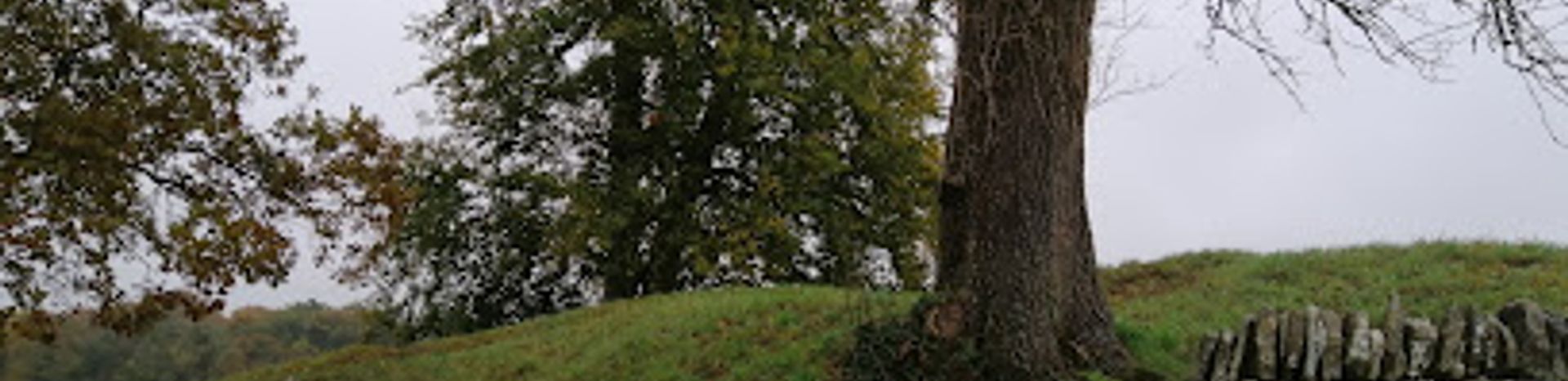
Windmill Tump Long Barrow, Rodmarton
Explore Windmill Tump, a 5,500-year-old Neolithic long barrow with a mysterious false entrance nestled in the scenic Cotswolds countryside.
Windmill Tump Long Barrow, also known as Rodmarton Long Barrow, is a Neolithic chambered tomb located in the Cotswolds near Tetbury, Gloucestershire. Dating back over 5,500 years, this ancient burial mound features a large earthen mound covering stone burial chambers and a distinctive false entrance. It served as a communal burial site for early farming communities and holds significant archaeological and cultural importance in the region.
A brief summary to Rodmarton Long Barrow
- Tetbury, Trull, GB
- +443703331181
- Visit website
- Duration: 0.5 to 1.5 hours
- Free
-
 Outdoor
- Mobile reception: 4 out of 5
- Monday 12 am-12 am
- Tuesday 12 am-12 am
- Wednesday 12 am-12 am
- Thursday 12 am-12 am
- Friday 12 am-12 am
- Saturday 12 am-12 am
- Sunday 12 am-12 am
Local tips
- Visit during daylight hours to fully appreciate the expansive views across the Cotswolds and into Wales.
- Wear sturdy footwear as the site is on uneven grassy terrain and the surrounding paths can be steep.
- Bring a guidebook or download an audio guide to understand the significance of the false entrance and burial chambers.
- Combine your visit with nearby prehistoric sites in Gloucestershire for a deeper exploration of Neolithic Britain.

For the on-the-go comforts that matter to you
- Information Boards
- Seating Areas
- Trash Bins
Getting There
-
Car
Driving from Tetbury town center to Windmill Tump takes approximately 15 to 20 minutes. Parking is limited near the site, so plan to park in designated areas nearby and walk the remaining distance. No parking fees apply.
-
Bus
Local bus services connect Tetbury to nearby villages; from Tetbury, a 30 to 40-minute walk or taxi ride is needed to reach Windmill Tump. Bus frequency varies, so check schedules in advance. Walking routes include some steep slopes.
-
Walking
For active visitors, walking from Rodmarton village to Windmill Tump is a scenic 20 to 30-minute hike over uneven terrain. Suitable footwear is recommended, and the route offers views of the Cotswold countryside.
Rodmarton Long Barrow location weather suitability
-
 Any Weather
-
 Clear Skies
-
 Mild Temperatures
-
 Rain / Wet Weather
Discover more about Rodmarton Long Barrow
Origins and Archaeological Significance
Windmill Tump Long Barrow is a remarkable Neolithic burial monument constructed around 3800 BC by the first farming communities in the Cotswolds. This long barrow is an earthen mound approximately 60 meters long and 21 meters wide, originally built from an estimated 5,000 tons of stone now hidden beneath its grassy covering. Excavations in the 19th and 20th centuries revealed stone chambers beneath the mound that once housed the remains of around 35 to 40 individuals, representing communal burial practices of early agrarian societies.Architectural Features and Symbolism
One of the most intriguing aspects of Windmill Tump is its enigmatic false entrance on the eastern side. Unlike other long barrows with accessible entrances, this false portal consists of large standing stones arranged to resemble a gateway but leads nowhere, suggesting symbolic or ritualistic significance rather than practical use. The barrow’s chambers were accessed via short passages from the sides, typical of Cotswold long barrows, and the forecourt area likely served as a ceremonial space for funerary rites.Historical Context and Landscape
Situated amidst the rolling hills of the Cotswolds near the village of Rodmarton, the barrow offers expansive views over the surrounding countryside, including vistas towards Wales. The site’s location reflects its dual role as both a burial place and a territorial marker for Neolithic communities. Nearby, other prehistoric sites and ancient field systems enrich the archaeological landscape, underscoring the area’s long-standing human significance.Cultural Legacy and Interpretations
Windmill Tump’s construction and use span several centuries, with burials continuing well after its initial creation. The arrangement of upright stones found during excavations recalls cromlech structures in Ireland and Cornwall, hinting at shared ceremonial traditions or influences across regions. The barrow’s mysterious false entrance has sparked various interpretations, from symbolic gateways to ancestral portals, reflecting the spiritual beliefs of its builders.Preservation and Visitor Experience
After archaeological excavations, the chambers were carefully refilled, preserving the site’s integrity while limiting direct access. Visitors today can explore the grassy mound and its forecourt, imagining the ancient ceremonies once held here. The surrounding Cotswold landscape adds to the site’s tranquil and contemplative atmosphere, making it a compelling destination for those interested in prehistoric heritage.Connection to Wider Prehistoric Britain
Windmill Tump is part of a network of Neolithic long barrows across southern Britain, representing some of the earliest monumental architecture by farming communities. These sites collectively illuminate early ritual practices, social structures, and territorial claims in prehistoric Britain, contributing to our understanding of Neolithic life and death.Iconic landmarks you can’t miss

Walk The Cotswolds
11.4 km
Explore the Cotswolds' breathtaking landscapes and charming villages with Walk The Cotswolds, your gateway to England's picturesque countryside adventures.
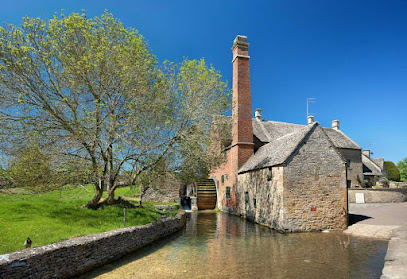
Things To Do In The Cotswolds
14.0 km
Explore the enchanting Cotswolds, where rolling hills, charming villages, and rich history create the perfect getaway for travelers seeking beauty and adventure.

Cotswold Trails
14.0 km
Experience the breathtaking beauty and rich heritage of the Cotswolds with Cotswold Trails, where every journey is an adventure.
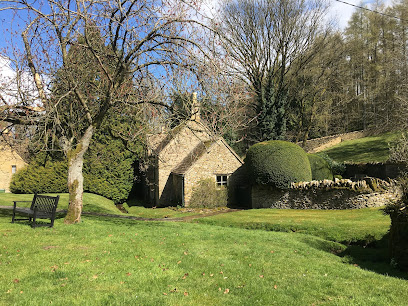
Haresfield Topograph
15.2 km
A three-dimensional map landmark on the Cotswold escarpment with panoramic views toward Wales.
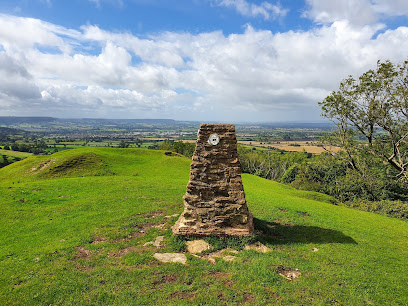
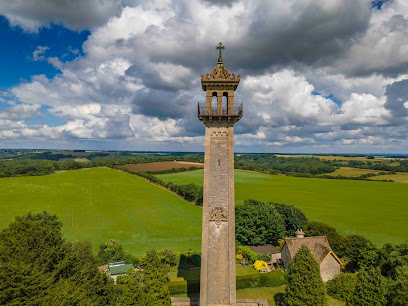
Somerset Monument
18.7 km
A towering Victorian tribute to Lord Robert Edward Somerset, commanding panoramic views over the historic Cotswold landscape.
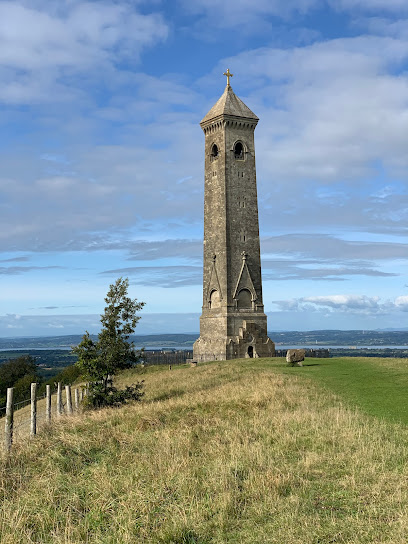
William Tyndale Monument
19.0 km
A towering tribute to William Tyndale, pioneering English Bible translator, offering stunning views over Gloucestershire’s scenic Vale of Berkeley.
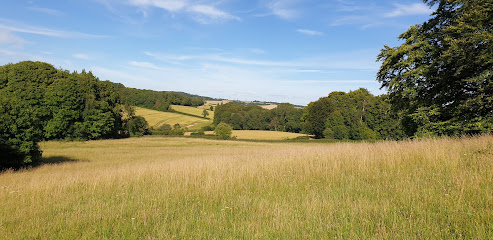
Barber wood
19.2 km
Experience the tranquility of Barber Wood, a nature reserve near Cheltenham, perfect for families and nature lovers seeking a peaceful outdoor escape.
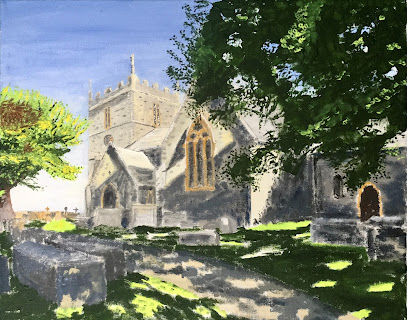
Gloucestershire Historic Churches Trust
19.3 km
Explore the rich ecclesiastical heritage of Gloucestershire through its historic churches, showcasing stunning architecture and engaging community initiatives.
Visit Cotswolds Online
19.3 km
Explore the enchanting Cotswolds, where rolling hills, historic villages, and breathtaking landscapes await every traveler seeking an unforgettable adventure.
Visit The Cotswolds
19.7 km
Discover the charm of the Cotswolds, a stunning region filled with picturesque villages, breathtaking landscapes, and rich history.
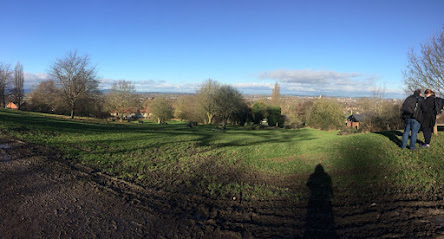
Summit of Robinswood Hill
20.0 km
Discover the breathtaking views and serene landscapes at the Summit of Robinswood Hill, a country park ideal for hikers and nature lovers in Gloucester.
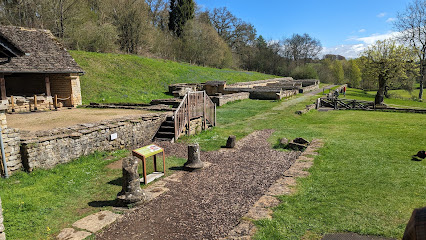
National Trust - Chedworth Roman Villa
20.1 km
Explore the remarkable Chedworth Roman Villa, a historic site showcasing the grandeur of Roman architecture and lifestyle in stunning Cotswold scenery.
National Trust - Bibury
20.4 km
Discover the timeless beauty of Bibury, a picturesque village in the Cotswolds known for its enchanting cottages, serene landscapes, and rich history.
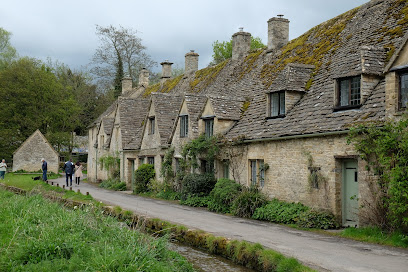
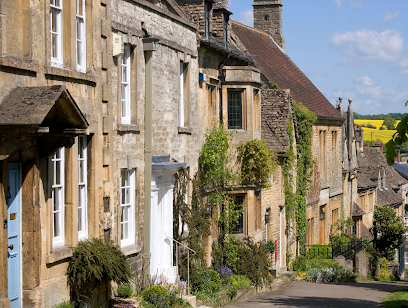
Arlington Row
20.5 km
Explore the enchanting Arlington Row in Bibury, a historic gem showcasing Cotswold architecture and serene river views for an unforgettable experience.
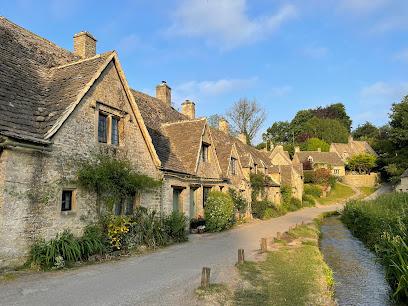
Bridge and footpath to Arlington Row
20.5 km
Uncover the beauty of Bibury's hiking trails leading to Arlington Row, where historic charm meets breathtaking scenery in the Cotswolds.
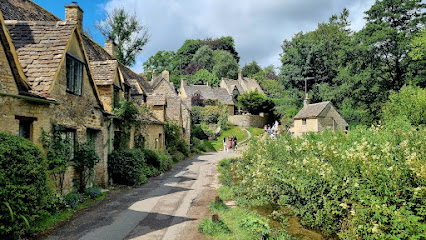
Unmissable attractions to see

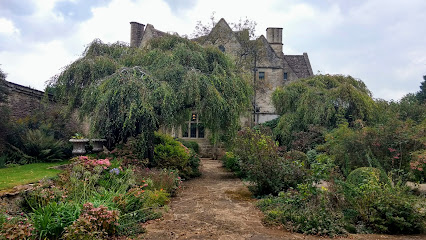
Rodmarton Manor
1.1 km
Explore Rodmarton Manor, a stunning Arts and Crafts country house with exquisite gardens and handcrafted interiors in the heart of the Cotswolds.
Cotswold Hills
4.8 km
Discover the enchanting Cotswold Hills near Tetbury, where rolling landscapes and timeless villages create a perfect English countryside escape.
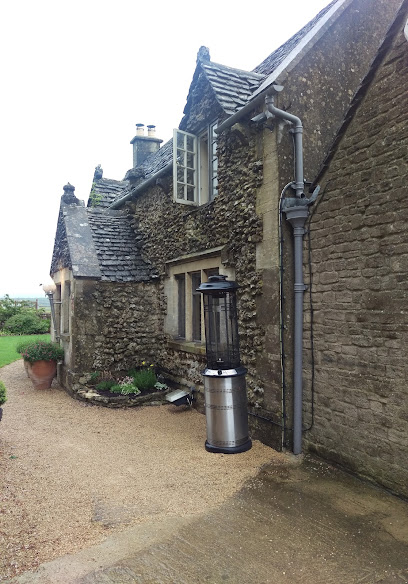
The Potting Shed Pub
4.9 km
A charming gastropub in Crudwell offering quality British fare, excellent beers, and a warm, welcoming atmosphere daily from 11am to 11pm.
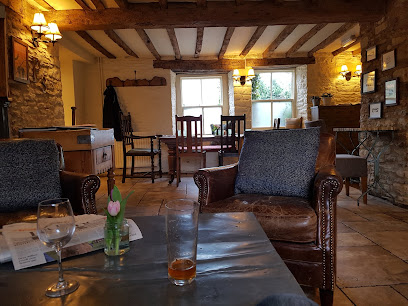
Siccaridge Wood
6.1 km
Explore the tranquil ancient coppiced woodland of Siccaridge Wood, alive with bluebells, rare orchids, and rich wildlife in Gloucestershire's Golden Valley.
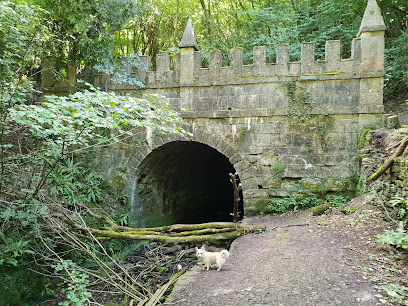
Three Groves Wood
6.1 km
Explore the tranquil ancient beech woodlands of Three Groves Wood, a biodiverse nature reserve rich in wildlife and seasonal floral beauty.
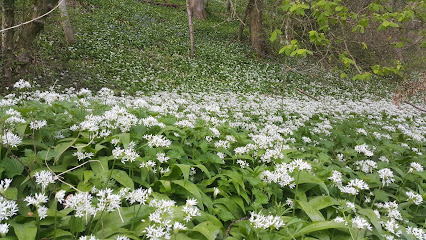
RMC - The Cave
6.6 km
Step into RMC - The Cave for an immersive hands-on journey through five decades of retro gaming history in a historic Cotswold mill.
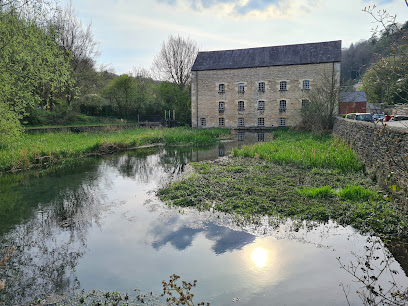
Highgrove Gardens
8.0 km
King Charles III's organic masterpiece: four decades of horticultural innovation in the Cotswolds.
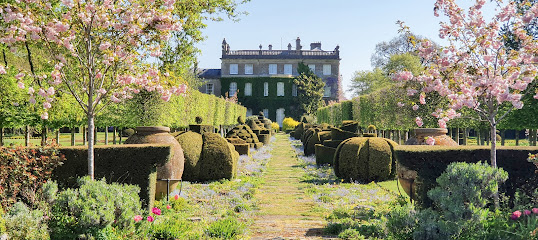
Cotswold Sculpture Park
8.7 km
Discover over 175 unique sculptures set in 10 acres of stunning Cotswold woodland and gardens, blending art and nature in a tranquil outdoor gallery.
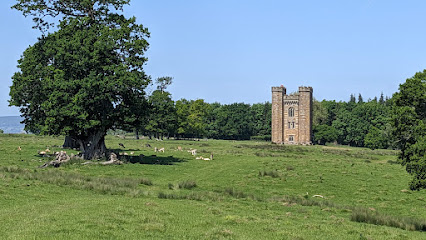
Cirencester Park
9.1 km
Explore the historic grandeur and serene landscapes of Cirencester Park, the ancestral Bathurst Estate in the heart of the Cotswolds.
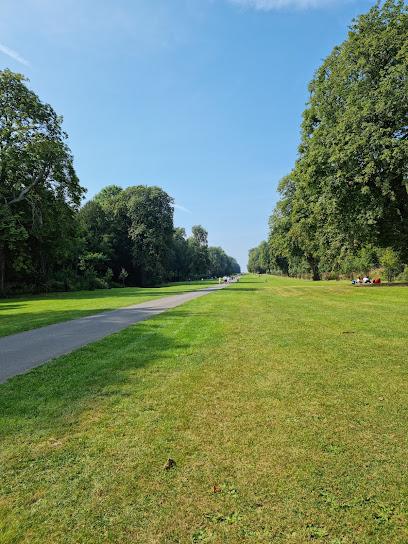
Swillbrook Lakes Nature Reserve
9.3 km
A serene wetland sanctuary within the Cotswold Lakes, perfect for tranquil walks and rich wildlife encounters near Cirencester.

Lower Mill Estate Activity Hub
9.4 km
Experience lakeside luxury, outdoor adventure, and wellness in the heart of the Cotswold Water Park at Lower Mill Estate Activity Hub.
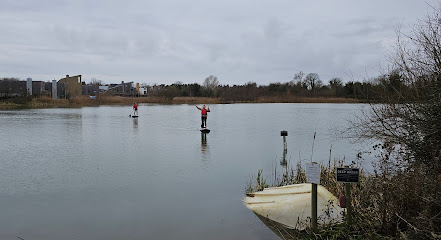
Cirencester Amphitheatre
9.6 km
Step into the grassy oval of one of Roman Britain’s largest amphitheatres, where 8,000 spectators once roared for gladiators and games.
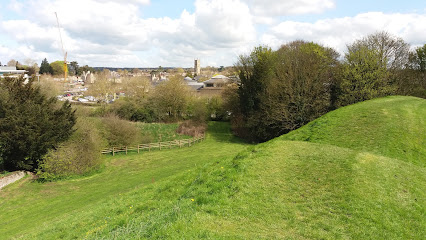
The Cotswolds Dogs & Cats Home
10.0 km
A compassionate sanctuary in Cirencester dedicated to rescuing, rehoming, and caring for vulnerable dogs and cats across the Cotswolds.
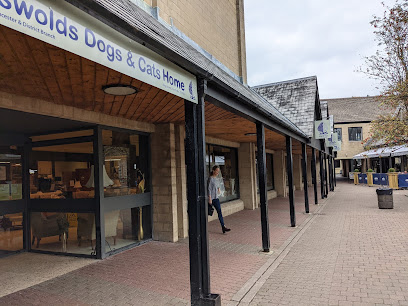
Malmesbury Abbey
10.0 km
Discover Malmesbury Abbey: Norman grandeur, royal history, and a living church at England’s ancient spiritual heart.
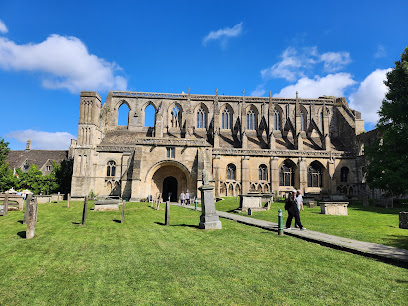
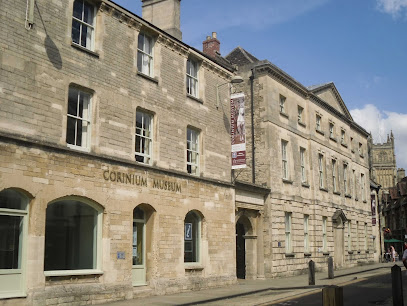
Corinium Museum
10.0 km
Explore the rich history of the Cotswolds from prehistoric times to Roman Britain at Corinium Museum, Cirencester’s award-winning cultural landmark.
Essential places to dine

The Bell at Sapperton
6.1 km
Historic Cotswold inn blending seasonal British fare, a renowned wine wall, and cozy accommodations in the heart of picturesque Sapperton village.
The Long Table
8.3 km
A pay-as-you-can community restaurant in Stroud serving locally sourced meals that nourish both body and spirit.
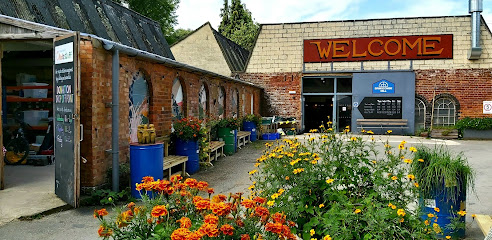
Wilder
8.6 km
Discover an intimate fine dining adventure in Nailsworth with inventive tasting menus and expertly paired wines at Wilder.
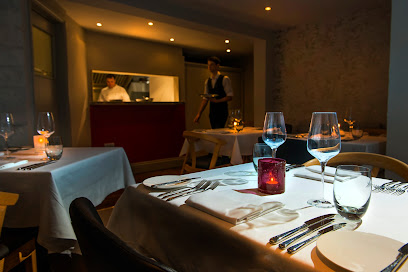
The Garden Restaurant
10.2 km
Refined modern British dining with scenic walled garden views in the heart of historic Stratton House Hotel, Cirencester.
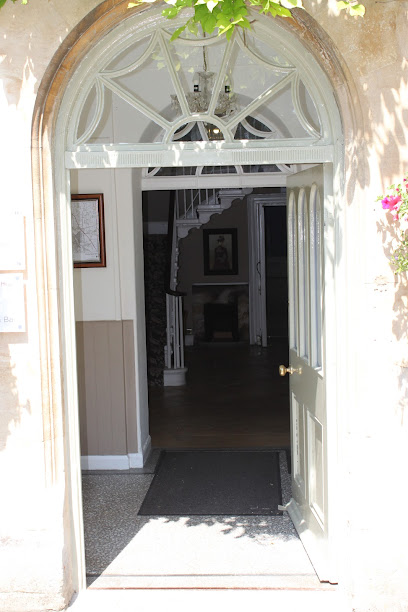
MBB BRASSERIE
10.2 km
Stylish modern British brasserie in Cirencester’s historic Corn Hall, serving classic and contemporary dishes in a vibrant open kitchen setting.
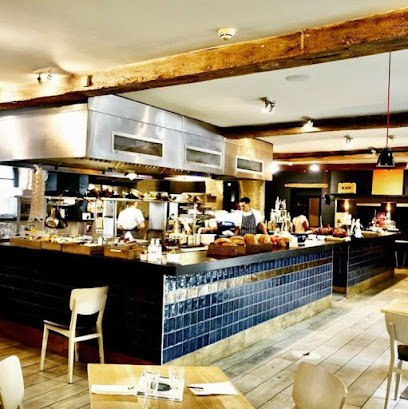
Grey's Brasserie
10.7 km
Sophisticated yet relaxed dining at Whatley Manor, featuring globally inspired small plates and traditional Sunday roasts in a stunning Cotswolds setting.
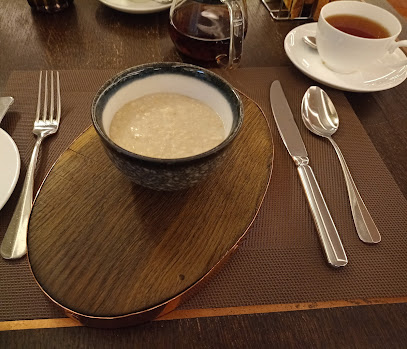
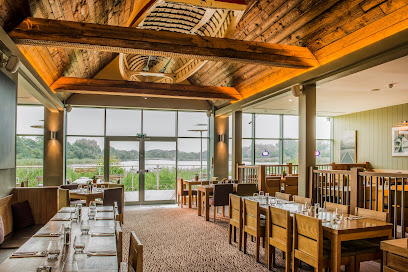
The Old Boathouse
13.9 km
Charming lakeside gastropub offering hearty British and European dishes with scenic views at Cotswold Water Park.
Fagin's
17.6 km
A charming family-friendly English pub in Brookthorpe serving hearty steaks, classic carveries, and warm hospitality in a relaxed setting.
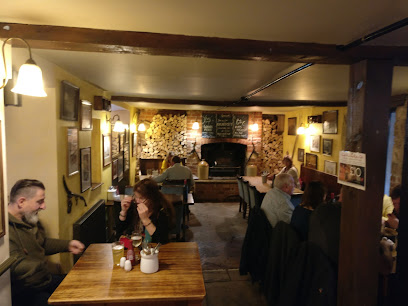
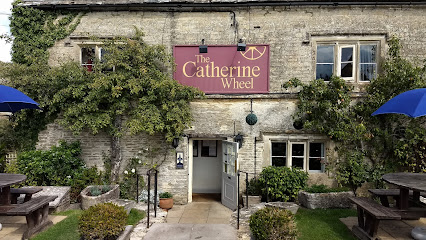
The Catherine Wheel
20.2 km
A family-run pub and inn in Bibury serving fresh local food with warm hospitality in the heart of the Cotswolds.
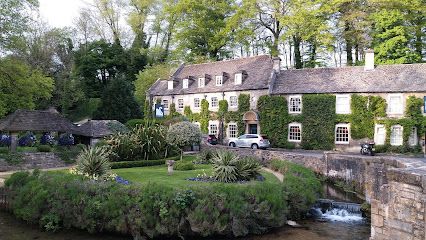
The Gallery Restaurant
20.6 km
Modern European dining in the heart of Bibury, blending local Cotswold produce with elegant country charm at The Swan Hotel.
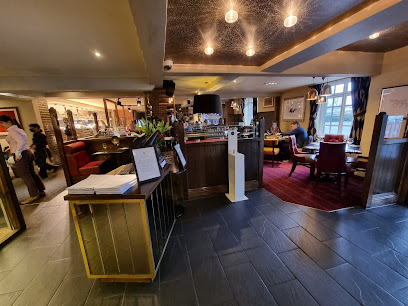
Miller & Carter Gloucester
20.9 km
Experience expertly cooked steaks and warm hospitality at Miller & Carter Gloucester in the heart of Quedgeley’s Olympus Park.
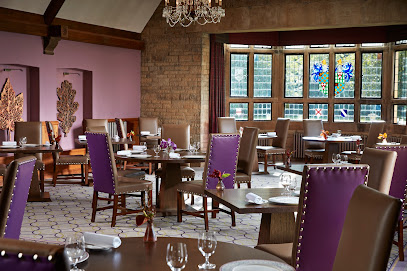
Bybrook
22.1 km
Michelin-starred modern British fine dining in a historic Cotswold manor with fresh, seasonal produce from its own kitchen garden.
Wheatstone Inn
22.6 km
A traditional British pub in Barnwood, Gloucester, serving classic pub fare and local ales in a relaxed, family-friendly setting.
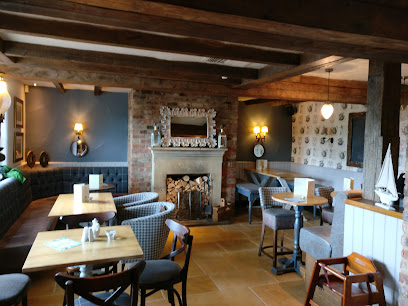
The Old Smokery
22.8 km
A lively Cotswolds hub blending rustic dining, vibrant events, and welcoming atmosphere at Far Peak Camping.
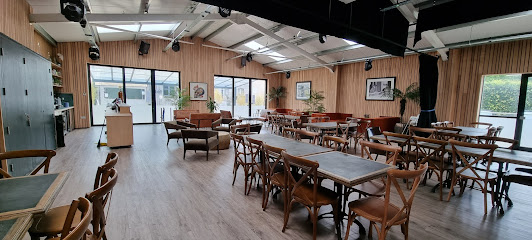
The Frogmill
23.0 km
A charming historic mill turned cozy hotel with acclaimed British dining and tranquil Cotswolds countryside charm.
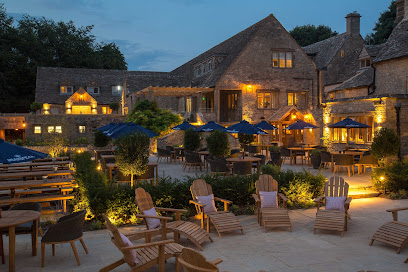
Markets, malls and hidden boutiques

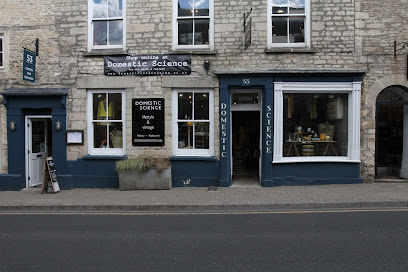
Domestic Science
5.9 km
Discover curated vintage treasures and contemporary homewares in a charming Georgian townhouse at the heart of Tetbury.
Highgrove Shop - Tetbury
5.9 km
Exclusive royal estate boutique offering sustainable crafts, fine china, and artisan gifts inspired by King Charles III’s Highgrove Gardens.
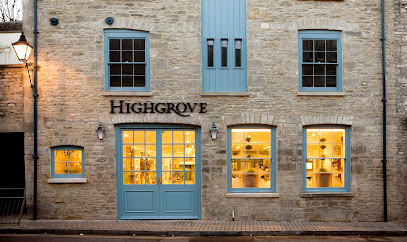
Handmade Cotswolds
6.4 km
Discover exquisite handmade crafts and unique artisan gifts in the heart of Stroud’s vibrant Cotswolds community.
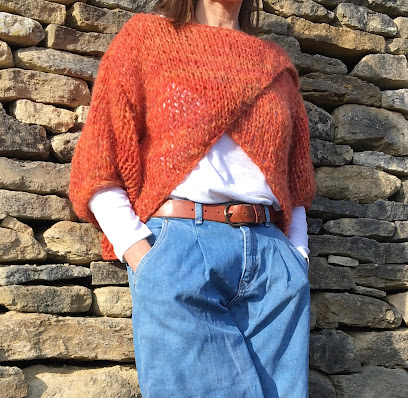
The Little Gift Shop
8.5 km
Curated gifts and local treasures in the heart of Nailsworth's independent retail scene.
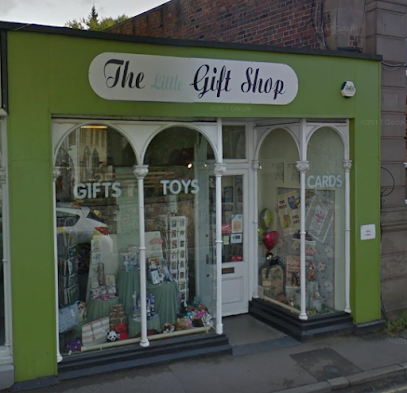
Cotswold Candle Hut
8.8 km
Discover handcrafted candles and natural fragrances in the heart of historic Cirencester at the charming Cotswold Candle Hut.

m.a.d.e.
10.1 km
British design and ethical craftsmanship in an eclectic Cotswolds emporium.
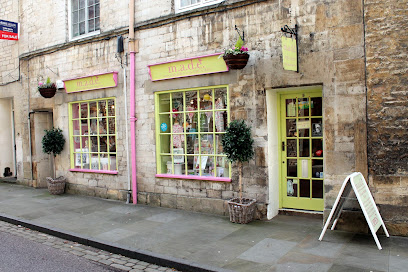
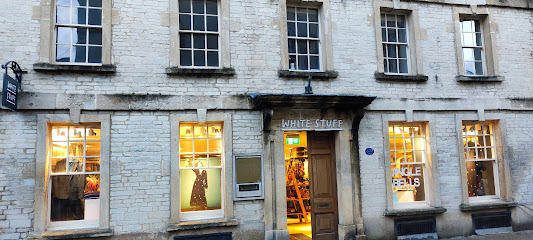
White Stuff Cirencester
10.1 km
Discover stylish, sustainable fashion for all ages at White Stuff Cirencester, nestled in the heart of historic Castle Street.
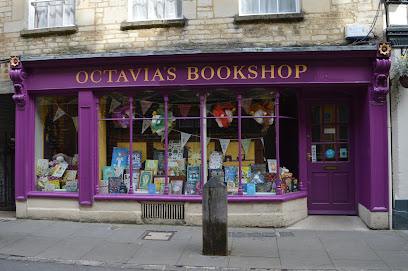
Octavia's Bookshop
10.1 km
Discover a tranquil independent bookshop in Cirencester offering a curated selection and warm, personal service in a charming setting.
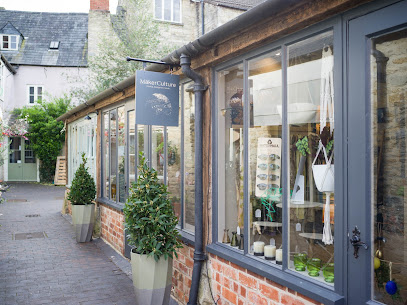
MākerCulture
10.1 km
Discover eco-friendly, handmade gifts and art crafted from recycled materials in the heart of Cirencester’s historic Stable Yard.
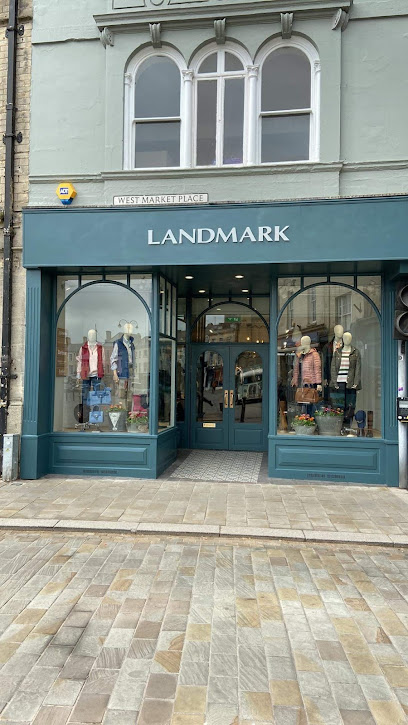
Landmark Cirencester
10.1 km
Premier British country clothing in the heart of Cirencester's historic market square.
#now_vintage
10.2 km
Curated vintage treasures and antique finds in the heart of Cirencester's charming market town.
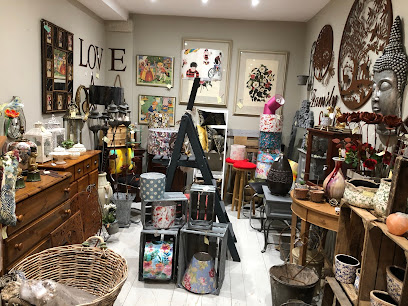
Moonstruck
10.2 km
Discover unique gifts and stylish homewares in the heart of Cirencester’s charming Market Place at Moonstruck.
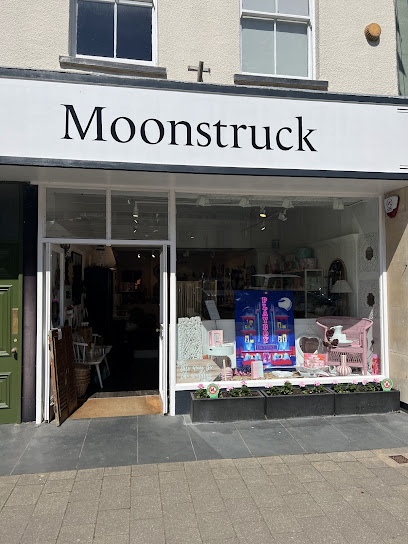
Surprises
10.3 km
Discover unique gifts and local charm at Surprises, Cirencester’s beloved Market Place gift shop open six days a week.
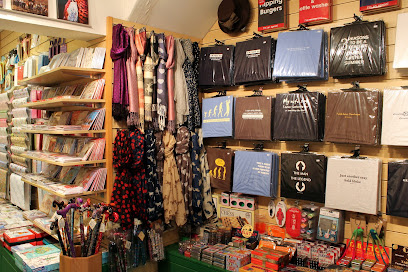
Mark Parrish mid century modern
10.3 km
Discover authentic mid-century modern furniture and timeless design treasures in Cirencester’s Love Lane Industrial Estate.
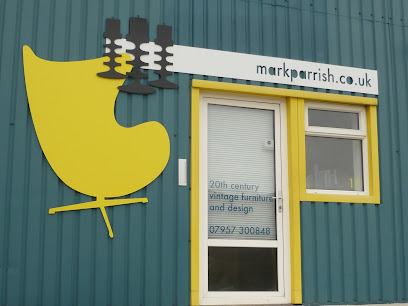
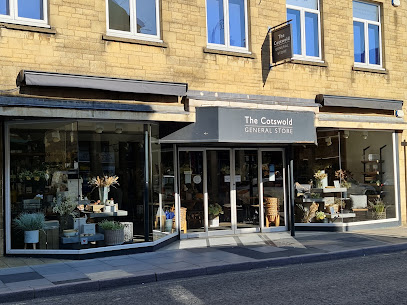
The Cotswold General Store
10.4 km
Discover unique gifts and local crafts at The Cotswold General Store, a charming boutique in the heart of historic Cirencester.
Essential bars & hidden hideouts

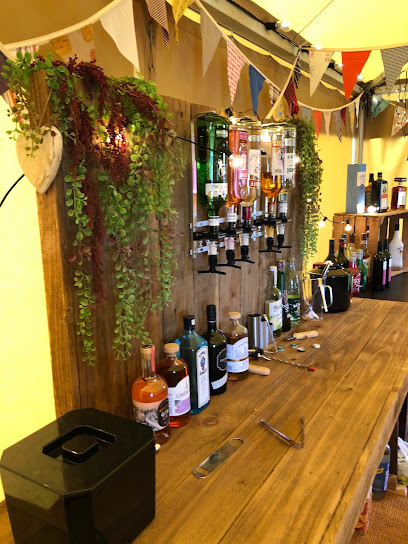
Cotswold Mobile Bar Hire
7.3 km
Bringing bespoke, fully stocked mobile bars with rustic charm and quirky inflatable pubs to your Cotswold events.
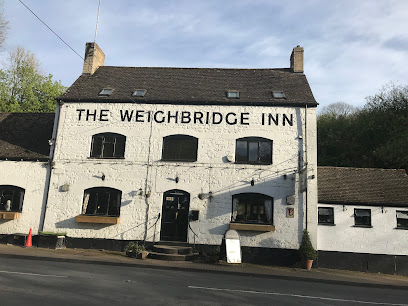
The Weighbridge Inn
7.3 km
Historic 17th-century Cotswolds pub famed for its unique 2in1 pies, local ales, and warm, rustic charm.
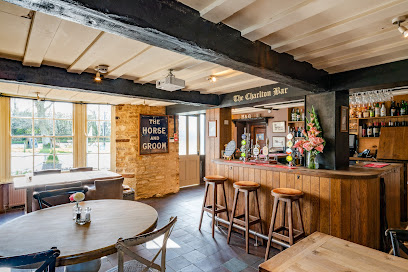
The Horse & Groom, Charlton
9.0 km
A historic 16th-century Wiltshire pub and inn blending cosy charm, seasonal British cuisine, and luxury rooms in a tranquil countryside setting.
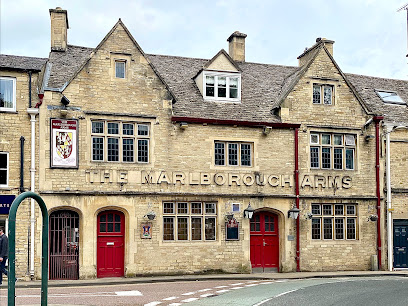
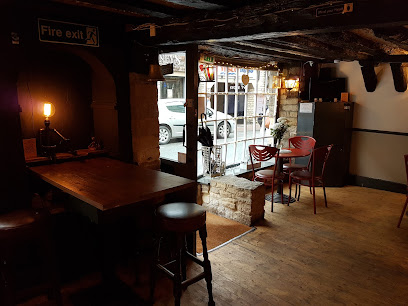
The Marlborough Arms
9.9 km
Historic Cirencester pub offering a rich selection of ales, traditional ciders, live music, and a warm, inviting atmosphere.
Mad Hatter Wine Bar
10.0 km
A lively wine bar in Cirencester blending whimsical charm, quality wines, and live music for memorable evenings.
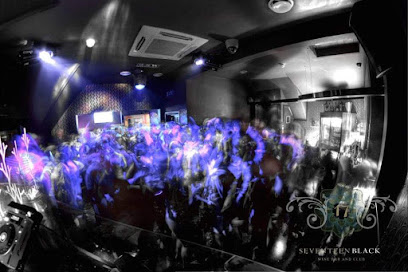
17 Black Restaurant, Cocktail and Wine Bar complete with Nightclub and Karaoke Room.
10.1 km
A stylish Cirencester hotspot offering award-winning seafood, crafted cocktails, a buzzing nightclub, and a private karaoke room for unforgettable nights.
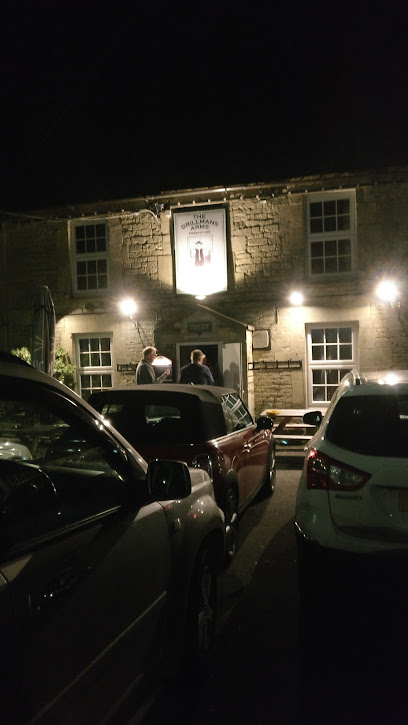
Drillmans Arms
10.2 km
Experience authentic British pub culture with real ales and timeless charm at the Drillmans Arms in Stratton, Cirencester.
The Bear Inn, Cirencester
10.3 km
Historic 14th-century pub in Cirencester offering award-winning beers, seasonal local dishes, cosy ambiance, and a welcoming atmosphere for all.
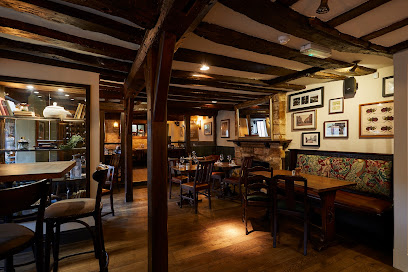
The Smoking Dog
10.3 km
A welcoming traditional pub in Malmesbury serving hearty classics and fine ales in a cozy, dog-friendly setting.
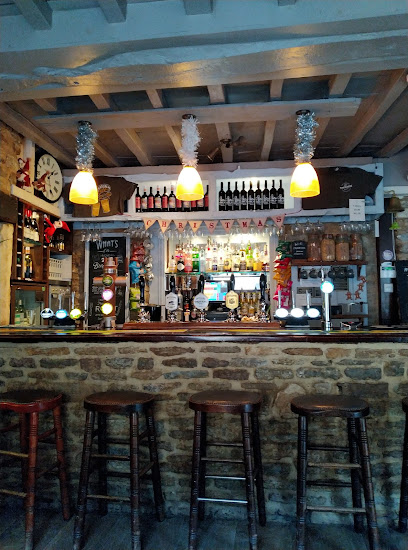
Bee's Knees
10.4 km
Authentic smoked BBQ and hearty British pub fare in a welcoming, rustic setting at Cirencester’s beloved Bee's Knees.
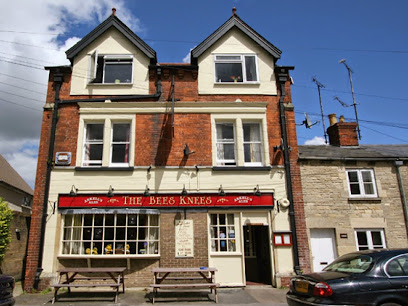
The Somerford Arms
13.3 km
A family-run village pub in Little Somerford offering exceptional food, warm hospitality, and a charming countryside atmosphere.
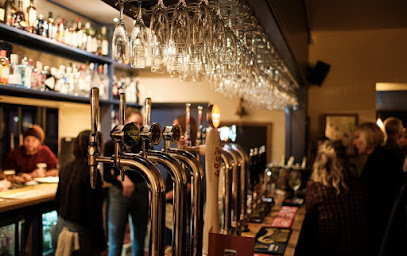
Bathurst Arms
13.7 km
A cozy riverside Cotswold pub and inn offering excellent local food, warm hospitality, and scenic charm in North Cerney.
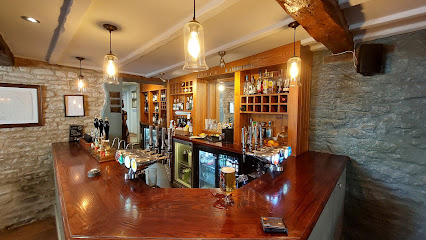
The Crown @ Cerney Wick
14.5 km
A charming Cotswolds pub blending British tradition with authentic Anglo-Indian flavors and warm hospitality.
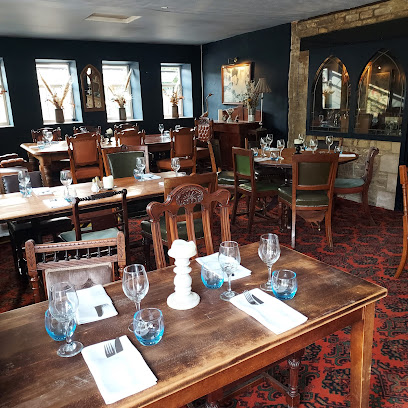
The Green Dragon Inn Pub & Shop
17.3 km
A historic 17th-century Cotswold inn blending rustic charm, fine dining, and countryside comfort in tranquil Cockleford near Cheltenham.
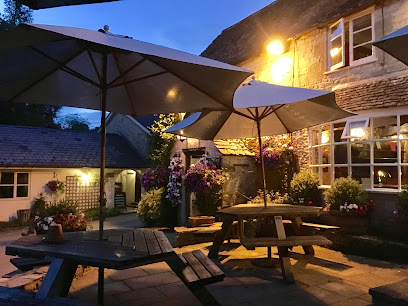
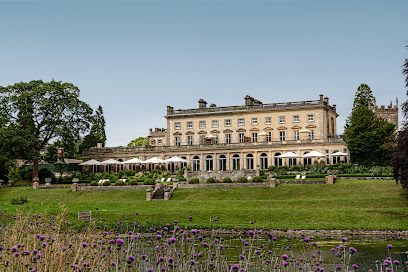
Experimental Cocktail Club Cotswolds
17.7 km
Sophisticated cocktails and vibrant DJ nights in the heart of the Cotswolds at Cowley Manor’s stylish Experimental Cocktail Club.
Nightclubs & after hour spots

ReVA Nightclub
10.1 km
Cirencester’s largest nightclub offering electrifying music, stylish cocktails, and a vibrant atmosphere for unforgettable nights.
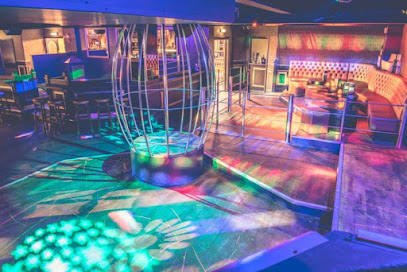
Trio Nightclub
11.3 km
Experience Stroud’s vibrant nightlife at Trio Nightclub, where music, dancing, and energetic vibes light up weekend nights.

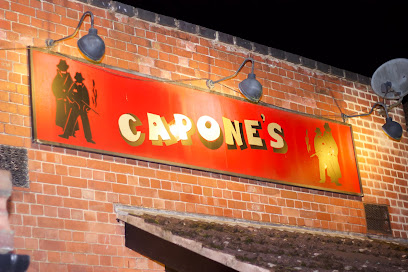
Capones
17.6 km
Historic nightclub in Dursley with legendary ties to Al Capone, offering vibrant weekend nightlife and pulsating music.
Venue Five-0 Night Club
19.9 km
Energetic weekend nights and diverse music await at Venue Five-0 Night Club, Royal Wootton Bassett’s lively nightlife hotspot.
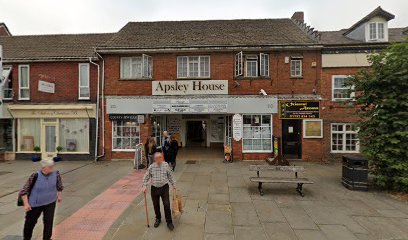
ATIK Gloucester
23.0 km
Gloucester’s largest nightclub, ATIK pulses with vibrant music, student nights, and an energetic party atmosphere until the early hours.

Bar Fever Gloucester
23.2 km
Experience Gloucester’s vibrant nightlife at Bar Fever, a trendy nightclub with dynamic music, stylish interiors, and a welcoming atmosphere.
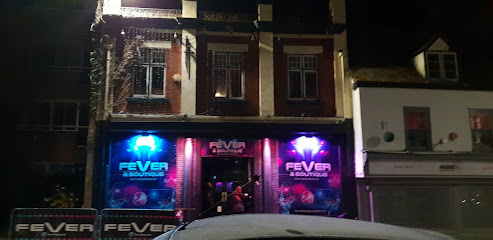
Jax Nightclub Gloucester
23.3 km
Energetic nightclub in Gloucester offering diverse music, two dance floors, and a welcoming atmosphere for late-night fun.
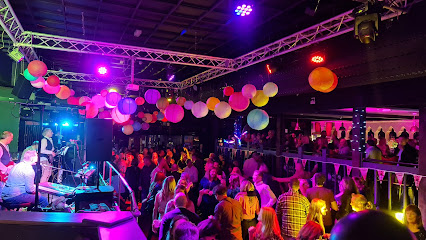
E11evn's Nightclub
23.9 km
A lively late-night hotspot in Chippenham offering weekend clubbing with a spirited local vibe and energetic dance floors.
Under the Prom
24.9 km
Experience Cheltenham’s vibrant nightlife with premium drinks, three unique bars, and VIP service at Under The Prom nightclub.

MooMoo Clubrooms Cheltenham
24.9 km
Experience Cheltenham’s vibrant nightlife with dynamic music, VIP vibes, and late-night energy at MooMoo Clubrooms.

Popworld - Cheltenham
24.9 km
Cheltenham’s lively late-night hotspot where cheesy pop tunes and creative cocktails fuel unforgettable party nights.
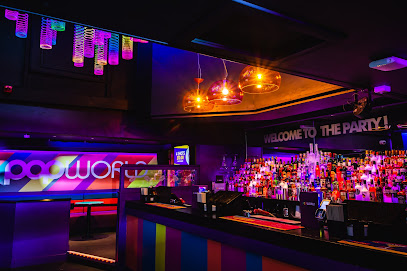
Thirteen Degrees
25.0 km
Cheltenham’s late-night hotspot for dancing, cocktails, and private events in a central urban setting.
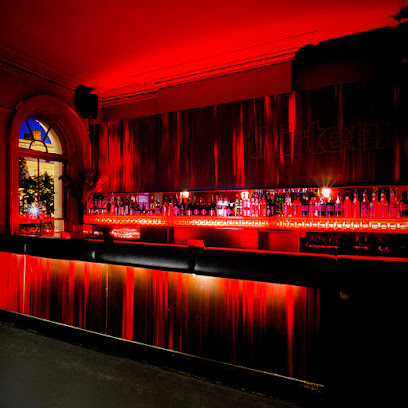
Home and Botanic Nightclub
25.0 km
Historic charm meets vibrant nightlife at Cheltenham’s Home and Botanic, a multi-room club offering cocktails, live piano, DJs, and unforgettable nights.

The 21 Club
25.0 km
Experience Cheltenham’s vibrant nightlife at The 21 Club, where music, dancing, and great drinks create unforgettable nights.
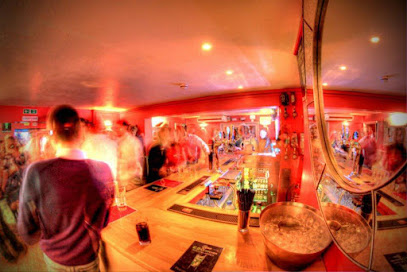
Coco
25.1 km
Cheltenham’s underground hotspot for vibrant nightlife, top DJs, and creative cocktails in a lively basement setting.
For the vibe & atmosphere seeker
- Tranquil
- Scenic
- Unique
- Relaxing
For the design and aesthetic lover
- Rustic Designs
For the architecture buff
- Historic
- Landmarks
- Heritage Neighborhoods
For the view chaser and sunset hunter
- Iconic Views
- Panoramas
- Sunrise Spots
- Sunset Spots
For the social media creator & influencer
- Instagrammable
- Photo Spots
- Selfie Spots
- Aesthetic Corners
For the eco-conscious traveler
- Eco-Friendly
- Public-Transport Accessible
- Leave-No-Trace Critical
- Locally Managed
For the kind of experience you’re after
- Cultural Heritage
- Photowalk
- Nature Escape
- Day Trip
- Weekend Getaway
- Myth & Legends
For how adventurous you want the journey to be
- Easy Access
Location Audience
- Family Friendly
- Senior Friendly
- Child Friendly
- Teen Friendly
- Wheelchair Access
- Solo Friendly
- Couple Friendly
- Vegetarian Friendly
- Vegan Friendly


