
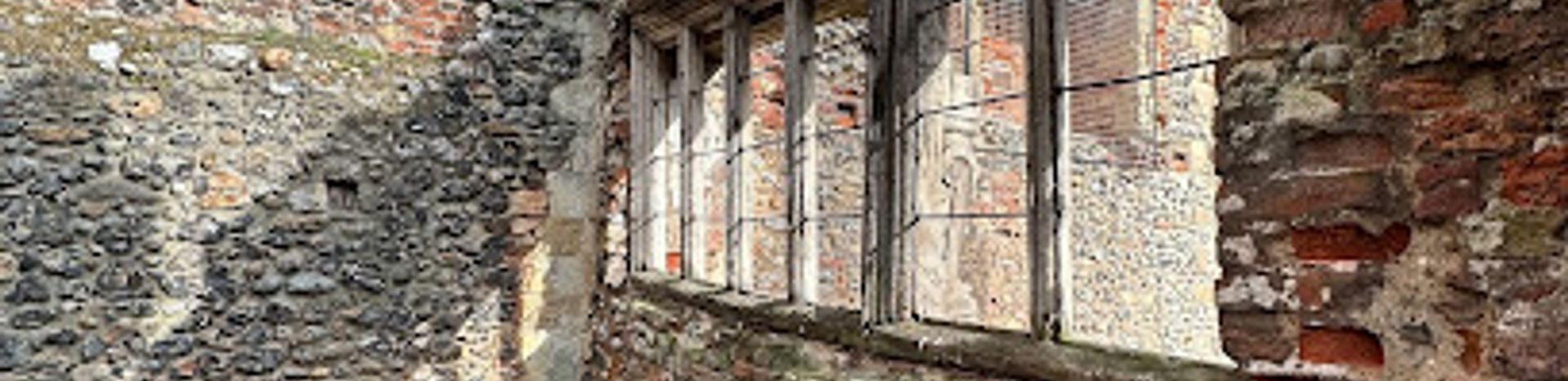
Great Yarmouth Row Houses and Greyfriars Cloisters
Discover Great Yarmouth’s unique medieval Rows and the haunting ruins of the 13th-century Greyfriars Cloisters, a window into centuries of coastal history.
Located in Great Yarmouth, Norfolk, the Greyfriars Cloisters are the substantial remains of a 13th-century Franciscan friary founded around 1226. Nearby, the historic Row Houses offer a rare glimpse into the town’s unique medieval urban layout, where narrow streets and merchant homes tell stories of centuries of social and economic change. Together, these sites reveal the layered history of Great Yarmouth from medieval religious life to bustling maritime trade.
A brief summary to English Heritage - Greyfriars Cloisters
- Greyfriars Way, Great Yarmouth, GB
- Visit website
- Duration: 1 to 2.5 hours
- Mid ranged
-
 Outdoor
- Mobile reception: 4 out of 5
Local tips
- Pre-book access to Greyfriars Cloisters as entry is by appointment or guided tours.
- Wear comfortable shoes to explore the narrow and uneven pathways of the Rows.
- Visit during mild weather to fully enjoy the outdoor ruins and the atmospheric streets.
- Combine your visit with the nearby Time and Tide Museum for broader context on Great Yarmouth’s maritime history.

For the on-the-go comforts that matter to you
- Information Boards
- Seating Areas
- Restrooms
- Trash Bins
Getting There
-
Bus
Local bus services run frequently from Great Yarmouth town center to Greyfriars Cloisters, with a travel time of approximately 10-15 minutes. Buses operate daily but check schedules for weekend frequency. Tickets cost around £2-£4.
-
Train and Walk
From Great Yarmouth railway station, it is a 20-minute walk through the town center to Greyfriars Cloisters. The route is mostly flat but involves some cobbled streets. Suitable for most visitors with moderate mobility.
-
Car
Driving to Greyfriars Cloisters is possible with nearby public parking available. Travel time from Great Yarmouth center is about 5 minutes. Parking fees apply, typically £1.50-£3 per hour. Note that the area has narrow streets and limited parking spaces.
English Heritage - Greyfriars Cloisters location weather suitability
-
 Any Weather
-
 Mild Temperatures
-
 Rain / Wet Weather
Discover more about English Heritage - Greyfriars Cloisters
Medieval Spiritual Heritage at Greyfriars Cloisters
The Greyfriars Cloisters are the surviving remains of a Franciscan friary established circa 1226 by Sir William Garbridge. The friary was home to the Franciscan 'Grey Friars,' named for their plain grey robes, who lived a life of prayer and service within the community. The site expanded in the late 13th century with additions in 1285 and 1290, reflecting its growing importance. Following over 300 years of religious activity, the friary was dissolved in 1538 during King Henry VIII’s Dissolution of the Monasteries. Today, visitors can see parts of the cloister’s west side and fragments of the church’s south wall, which are protected as Grade I listed ruins, symbolizing their national historic significance.The Unique Urban Fabric of Great Yarmouth’s Rows
The Rows are a distinctive network of narrow streets and densely packed houses unique to Great Yarmouth, dating back to at least the 11th century and first recorded in 1198. These narrow alleys, often only 90 to 150cm wide, were designed to maximize housing within the medieval town walls. By the early 17th century, many Row Houses were grand merchant residences, built close to the harbour to oversee maritime trade. Over time, as wealthier residents moved to suburbs, these houses were subdivided into smaller tenements, reflecting social changes and the town’s evolving economy.Architectural Evolution and Social Shifts
The Row Houses, including the Old Merchant’s House, were altered in the 18th century to keep pace with changing fashions, featuring sash windows and decorative interiors. However, by the 19th century, their status declined as the affluent relocated. The Rows became home to multiple tenants, often working-class families and seasonal workers known as 'herring girls' who followed the fishing fleets. Despite their cramped conditions, the Rows were a vibrant part of Great Yarmouth’s social fabric until much of the area was damaged during World War II bombing and subsequently cleared in post-war redevelopment.Preservation and Historical Significance Today
Although many of the Rows were lost to bombing and clearance, two surviving Row Houses have been conserved, offering a rare window into the town’s past. English Heritage manages the Greyfriars Cloisters and the Row Houses, preserving architectural features and historic interiors that illustrate centuries of life in Great Yarmouth. The sites together tell a story of religious devotion, maritime commerce, and urban living, making them invaluable to understanding the region’s heritage.Experiencing the Atmosphere and Legacy
Visitors to Greyfriars Cloisters can sense the tranquil spirituality that once permeated the friary, while wandering the narrow Rows reveals the intimate scale and complexity of medieval urban life. The juxtaposition of sacred ruins and bustling merchant homes encapsulates Great Yarmouth’s layered history, from its religious foundations to its role as a thriving port town. The sites are evocative reminders of the town’s resilience and transformation through centuries of change.Connection to the Wider Maritime and Cultural Landscape
Great Yarmouth’s location on the Norfolk coast shaped its development, with the harbour’s fortunes influencing the prosperity of the Rows and the town’s social dynamics. The Greyfriars Friary and Row Houses stand as enduring symbols of this maritime heritage. Their preservation allows visitors to explore the intersection of faith, commerce, and community in a unique historic environment that continues to inspire and educate.Iconic landmarks you can’t miss

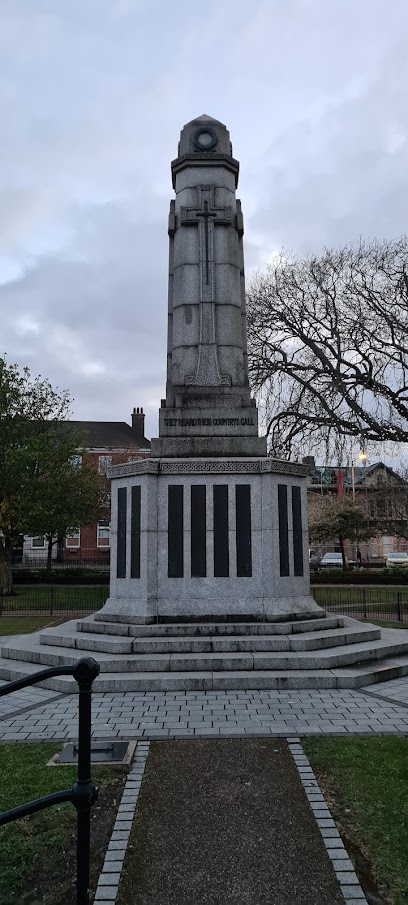
War Memorial
0.3 km
A solemn tribute in Great Yarmouth, honouring local service personnel and civilians lost in 20th-century conflicts with quiet dignity and enduring respect.
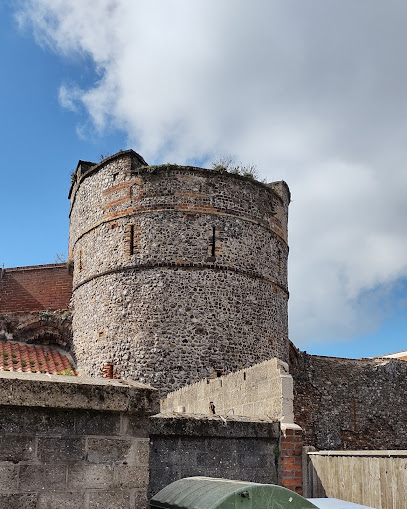
Pudding tower
0.5 km
Explore Pudding Tower, a medieval defensive relic in Great Yarmouth, steeped in history and local lore from the town’s fortified past.
Potter Heigham bridge
15.2 km
Historic 14th-century bridge and boating hub in Norfolk Broads, blending medieval charm with scenic waterways and vibrant village life.
TourNorfolk
22.6 km
Discover the essential internet marketing services at TourNorfolk, where local charm meets digital expertise in the heart of Barton Turf.
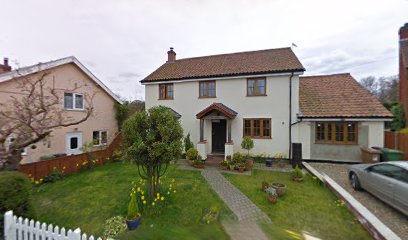
Barton House Railway
24.3 km
Discover the magic of miniature railways at Barton House Railway, a charming museum and attraction in Wroxham, Norwich, perfect for families and railway enthusiasts.
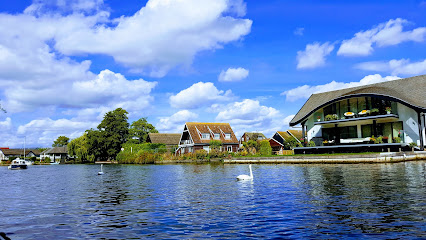
Hoveton Hall Estate
24.3 km
Experience the beauty and tranquility of Hoveton Hall Estate, a serene tourist attraction in Norfolk featuring exquisite gardens and rich history.
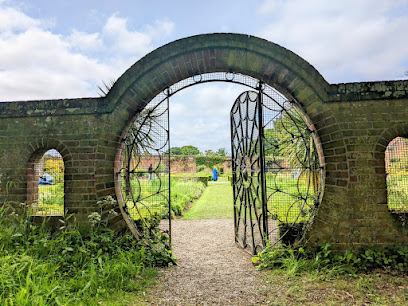
Wroxham Bridge
24.5 km
Historic 17th-century bridge and vibrant boating hub connecting Wroxham and Hoveton on the scenic Norfolk Broads.
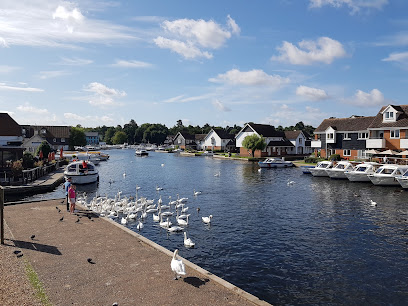
Broads Tours
24.5 km
Discover the serene beauty of the Norfolk Broads with Broads Tours – your gateway to unforgettable aquatic adventures.
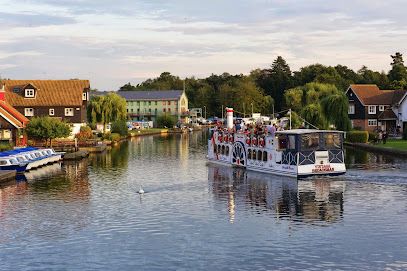
Faircraft Loynes
24.6 km
Discover the beauty of the Broads with Faircraft Loynes, your premier boat tour agency and rental service in Wroxham, offering unforgettable waterway experiences.
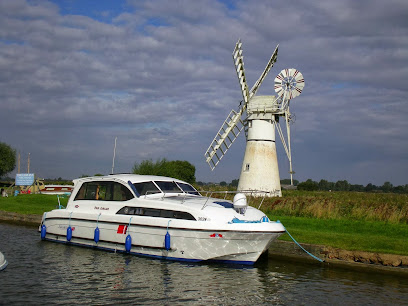
Wroxham Miniature Worlds
24.6 km
Explore the enchanting world of Wroxham Miniature Worlds, where intricate models and engaging exhibits create a magical experience for visitors of all ages.
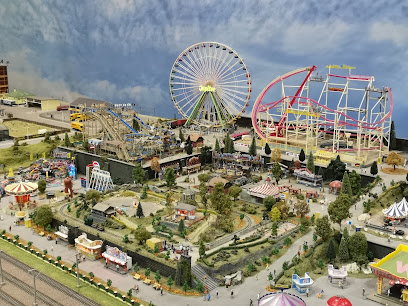
Wroxham Barns
25.5 km
Experience the charm of Wroxham Barns, where shopping, dining, and family fun come together in the heart of Norfolk's beautiful countryside.
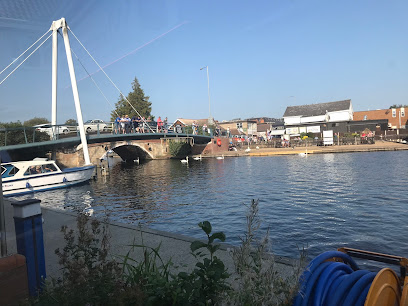
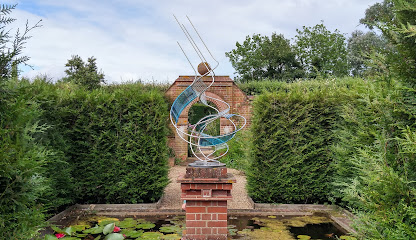
East Ruston Old Vicarage Garden
26.6 km
Explore the breathtaking East Ruston Old Vicarage Garden, a hidden gem in Norfolk, filled with stunning flora, serene landscapes, and tranquil charm.
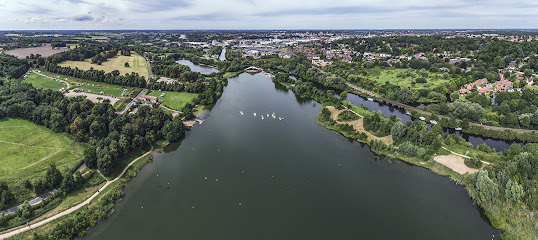
Whitlingham Country Park
26.9 km
Explore Whitlingham Country Park: a tranquil retreat with picturesque trails, diverse wildlife, and exciting outdoor activities near Norwich.
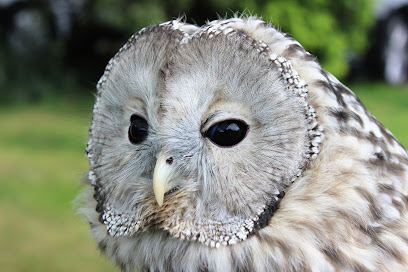
Happisburgh Owls
27.0 km
Explore the fascinating world of owls at Happisburgh Owls, a unique tourist attraction on the stunning Norfolk coast, perfect for families and wildlife lovers.
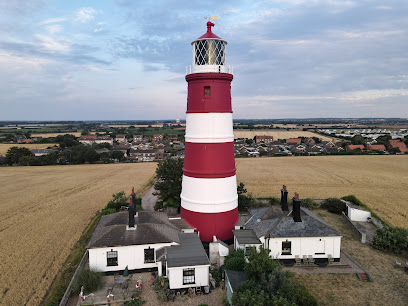
Happisburgh Lighthouse
27.1 km
Discover Happisburgh Lighthouse, a historic maritime beacon offering breathtaking views and a glimpse into Norfolk's coastal heritage.
Unmissable attractions to see

National Trust - Elizabethan House Museum
0.1 km
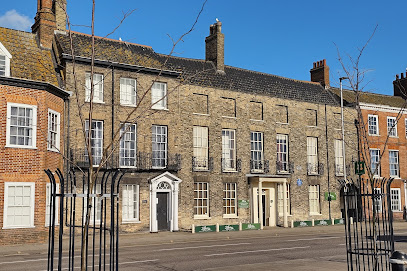
Step back into Tudor and Victorian Great Yarmouth at this immersive 16th-century merchant’s house with rich history and family-friendly fun.
The Tolhouse
0.1 km
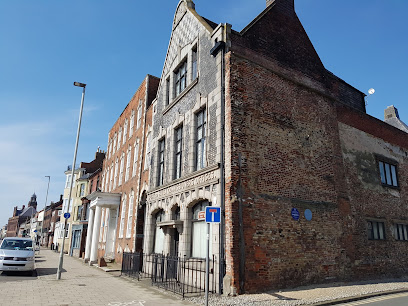
Explore Great Yarmouth’s 12th-century Tolhouse Gaol, a medieval prison and courtroom turned immersive museum of crime and punishment.
Great Yarmouth Row Houses
0.1 km
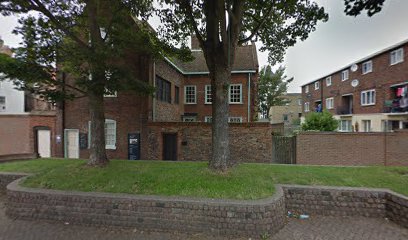
Step into Great Yarmouth’s unique medieval Rows, where early 17th-century merchant homes reveal centuries of maritime history and urban life.
Old Merchant's House
0.2 km
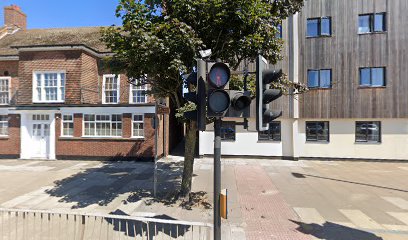
Step into Great Yarmouth’s mercantile past at the Old Merchant’s House and Row Houses, rare survivors of 17th-century maritime prosperity.
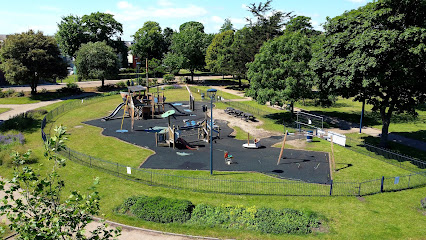
St George's Park
0.3 km
A serene green haven in Great Yarmouth linking town centre charm with coastal breezes and family-friendly fun.
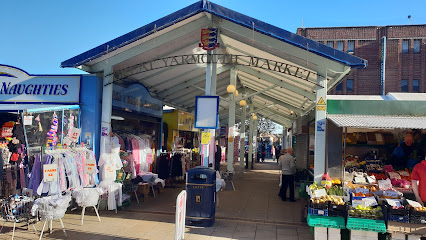
Market Gates Shopping Centre (Great Yarmouth)
0.3 km
A practical indoor shopping centre in Great Yarmouth’s town heart, blending chain stores and local shops for everyday needs.
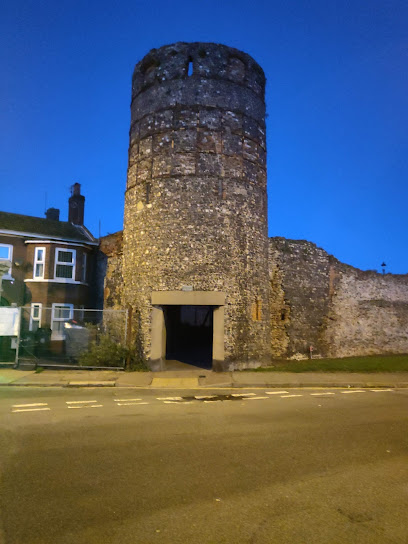
The South East Tower
0.5 km
Stay in Great Yarmouth’s medieval South East Tower—an iconic historic fortress turned unique holiday retreat with original features and sea views.
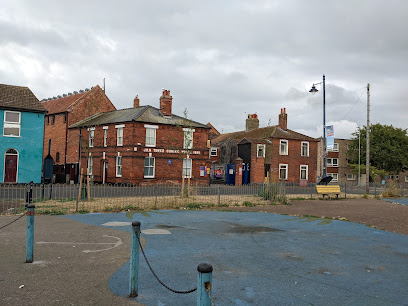
Time and Tide Museum of Great Yarmouth Life
0.5 km
Explore Great Yarmouth’s maritime heritage in a beautifully restored Victorian herring curing works, with immersive exhibits and interactive experiences.
Medieval Town Wall
0.6 km
Walk the mile-long remains of one of England’s longest medieval town walls, where flint towers and ancient defences tell the story of a powerful fishing port.
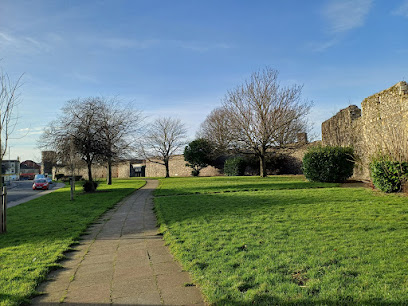
Medieval Town Wall Open Space
0.6 km
Explore one of England’s longest medieval town walls, a mile of historic fortifications nestled in tranquil parkland at Great Yarmouth.
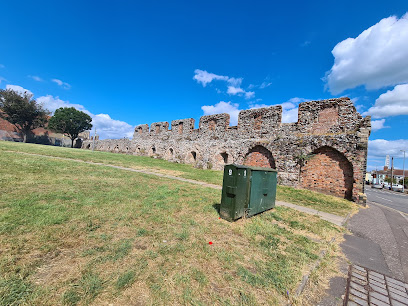
About Great Yarmouth
0.7 km
Historic seaside charm meets vibrant coastal life in Great Yarmouth, Norfolk’s gateway to the North Sea and Norfolk Broads.
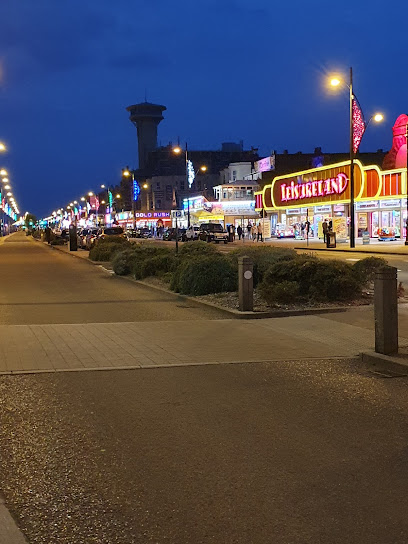
Hippodrome Circus
0.7 km
Britain’s only surviving total circus building, the Hippodrome Circus dazzles with historic charm and spectacular seaside performances.
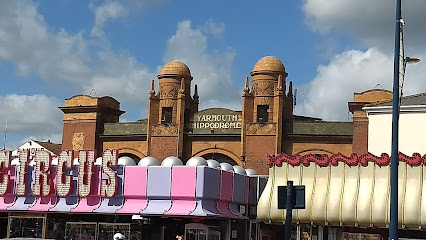
Jurassic Journey
0.7 km
Step into the prehistoric world of Jurassic Journey, where lifelike dinosaurs and fossil hunts bring ancient history to life for families and kids.
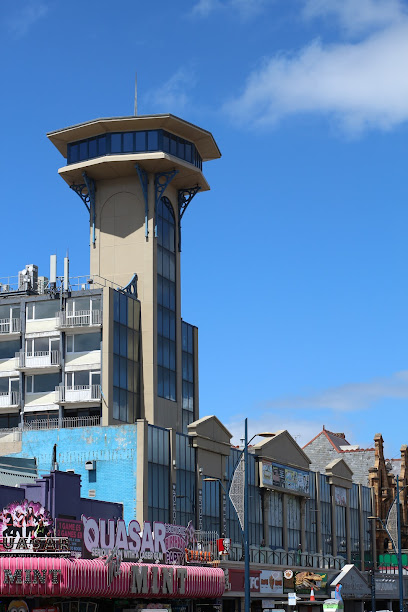
Anchor Gardens
0.8 km
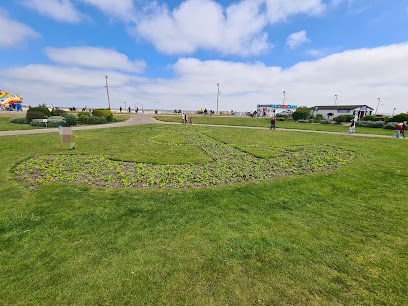
A peaceful seafront garden in Great Yarmouth offering scenic coastal views and a tranquil urban escape.
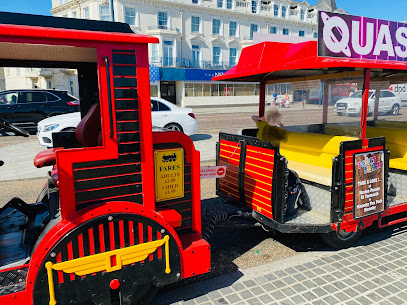
Lord Choo Choo Land Train's Ltd (Britannia Pier - Haven, Seashore Holiday Park)
0.8 km
Classic seaside fun and live entertainment meet nostalgic rides and scenic views at Great Yarmouth’s iconic Britannia Pier.
Essential places to dine

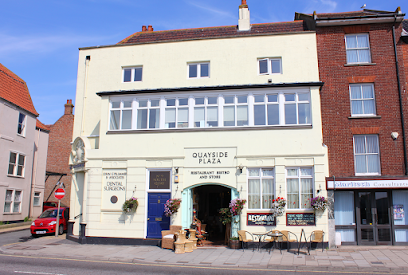
Quayside Plaza
0.0 km
Mediterranean-inspired dining with charming waterfront views and warm hospitality in the heart of Great Yarmouth’s South Quay.
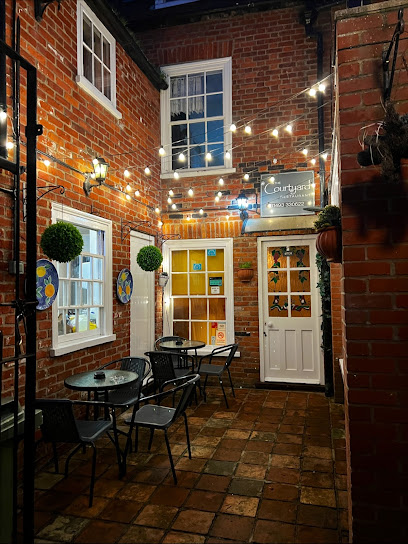
The Courtyard Italian Restaurante
0.1 km
A cozy, award-winning Italian gem in Great Yarmouth serving fresh, homemade dishes with warm, attentive service and inclusive menus.
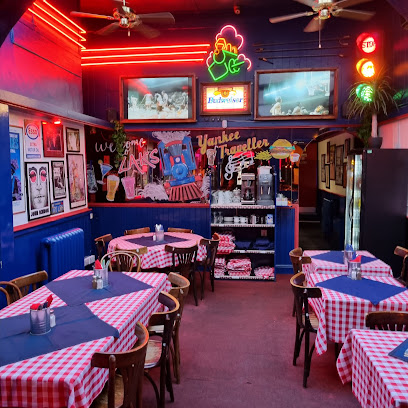
Zaks Yankee Traveller
0.2 km
Experience vibrant American dining with huge portions, diverse vegan options, and a lively atmosphere in the heart of Great Yarmouth.
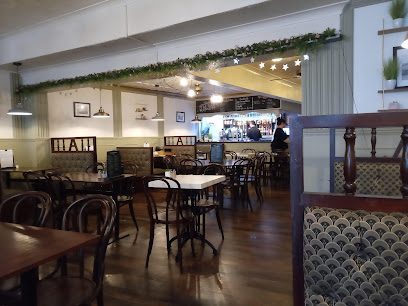
Alexandra Restaurant
0.4 km
A warm, family-run restaurant in Great Yarmouth serving traditional English and Mediterranean homemade dishes with attentive service.
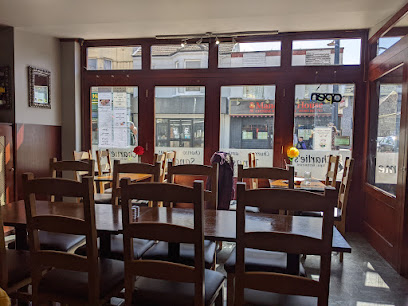
Charlie's Tapas Restaurant
0.6 km
Experience authentic Spanish tapas with diverse vegetarian and vegan options in a warm, welcoming setting at Charlie's Tapas in Great Yarmouth.
The Arches
0.6 km
A family-friendly British restaurant in Great Yarmouth serving hearty traditional dishes in a casual, welcoming setting.
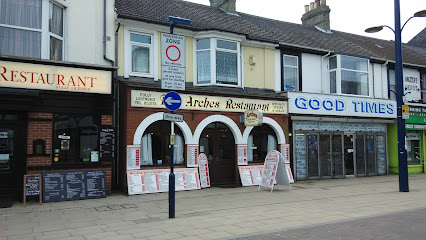
Gilfreds Restaurant
0.7 km
A beloved Great Yarmouth gem serving authentic English home-cooked meals and hearty Sunday carveries in a cozy, welcoming setting.
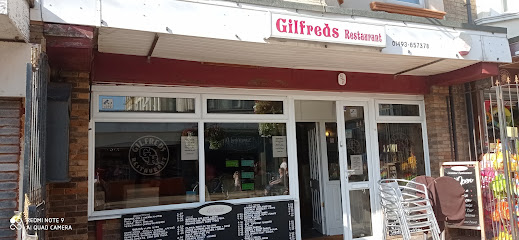
Ocean Spray
0.7 km
Fresh seafood and succulent steaks served with stunning sea views on Great Yarmouth’s iconic Marine Parade.
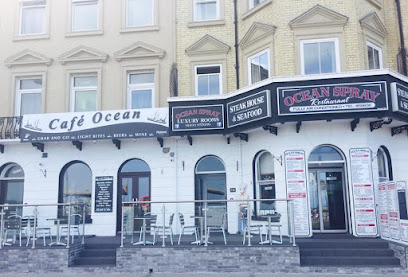
Othello
0.7 km
A cozy Mediterranean and seafood restaurant on Great Yarmouth’s Marine Parade, blending vibrant flavors with warm hospitality.
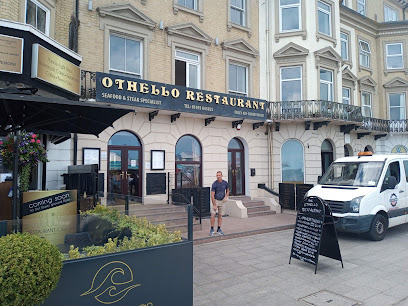
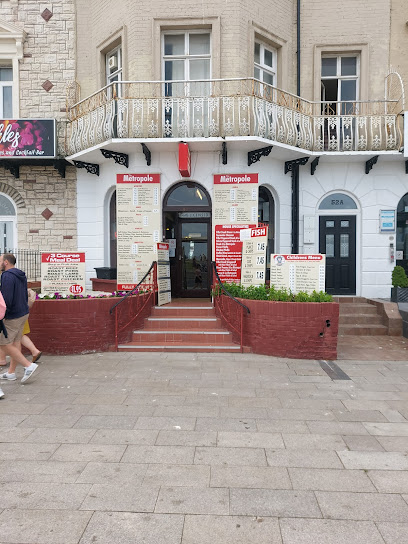
Metropole Restaurant
0.7 km
Classic British comfort food served with friendly warmth on Great Yarmouth’s vibrant Marine Parade.
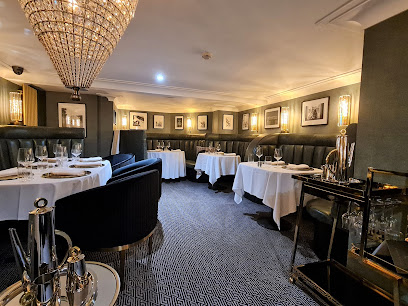
JAN Restaurant
0.7 km
Award-winning fine dining in an intimate art deco setting overlooking Great Yarmouth’s iconic seafront.
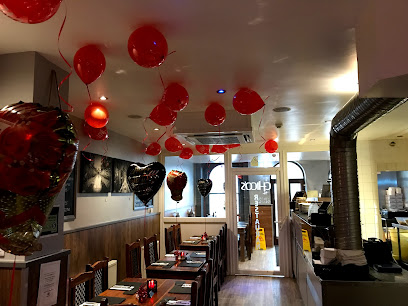
Chico's Restaurant
0.7 km
Fresh seafood and succulent steaks served with warm hospitality on Great Yarmouth’s vibrant seafront.
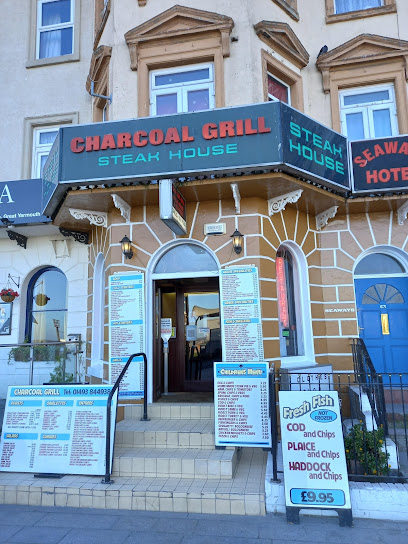
Charcoal Grill
0.7 km
A beloved Great Yarmouth steakhouse serving hearty, fresh dishes with warm hospitality on the scenic Marine Parade.
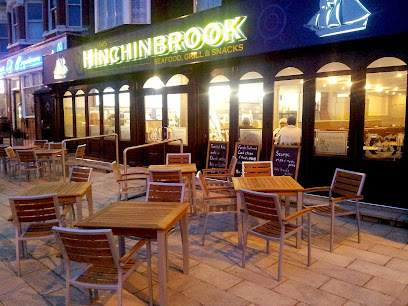
HMS Hinchinbrook great Yarmouth
0.8 km
Classic British fish restaurant on Great Yarmouth’s Marine Parade, blending tradition with modern flavors in a friendly seaside setting.
Strollers Restaurant
0.8 km
Contemporary seafood dining with fresh flavors and a relaxed, elegant atmosphere on Great Yarmouth’s scenic Marine Parade.
Markets, malls and hidden boutiques

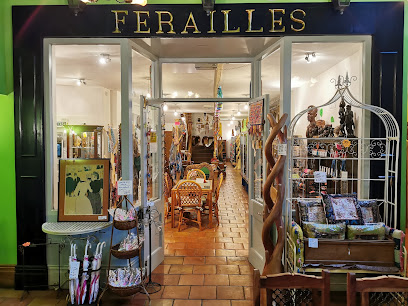
Ferailles Shop - (Knot Just A Furniture Shop!) - Great Yarmouth
0.0 km
Discover Ferailles Shop in Great Yarmouth – a treasure trove of antiques, art, and unique fashion accessories that tell timeless stories.
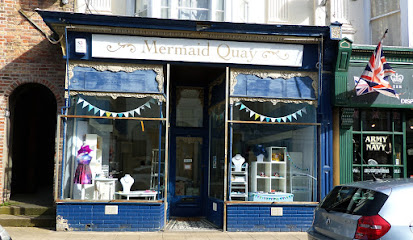
Mermaid Quay
0.2 km
Discover handcrafted gifts and local artisan treasures in the heart of Great Yarmouth’s historic seaside town.
R&D Crafts
0.2 km
Discover unique handcrafted gifts and local artistry in the charming Victoria Arcade of Great Yarmouth.
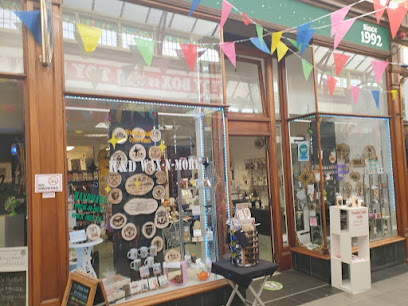
Grasshopper
0.2 km
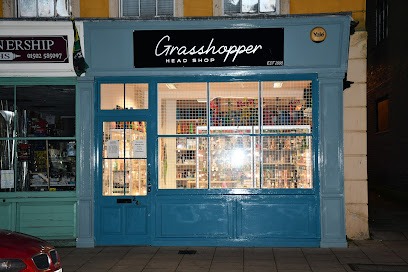
Discover unique gifts and local treasures at Grasshopper, Great Yarmouth’s charming gift shop on King Street.
Cauldron37
0.2 km
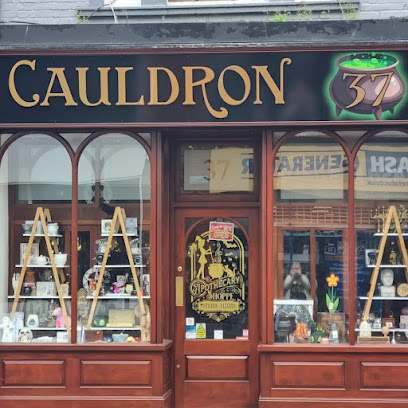
Discover unique gifts and local charm at Cauldron37, a cozy boutique in the heart of Great Yarmouth’s vibrant Regent Street.
Craftmania
0.2 km
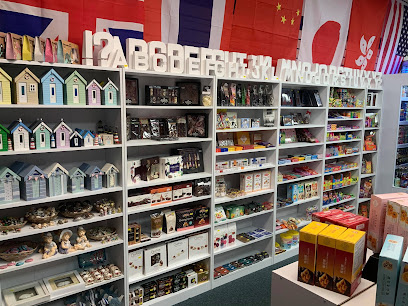
A welcoming craft shop in Great Yarmouth offering quality supplies, expert advice, and a vibrant creative community.
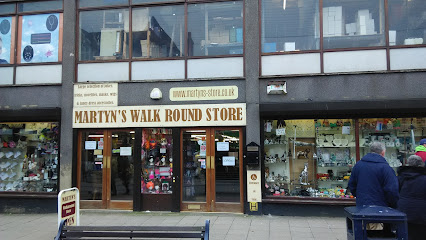
Martyns Walk Round Store
0.3 km
A quirky Great Yarmouth gift shop with a gothic and fantasy twist, perfect for unique alternative gifts and spooky collectibles.
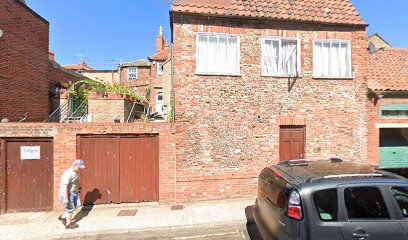
Belzart
0.4 km
Discover mystical treasures and unique gifts in the cozy charm of Belzart, Great Yarmouth’s enchanting Market Row shop.
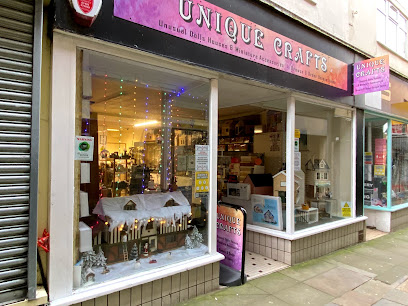
Unique Crafts
0.4 km
Discover the delicate art of dollhouses and miniatures in Great Yarmouth’s quaint Unique Crafts shop.
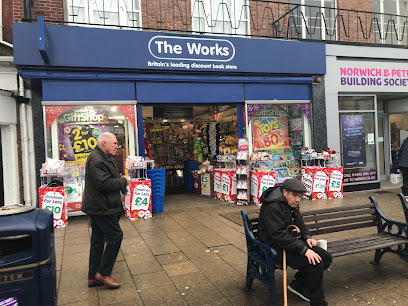
The Works
0.4 km
Affordable creativity and discovery in Great Yarmouth's vibrant Market Place.
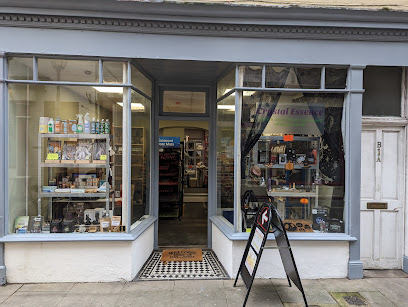
Crystal Essence
0.4 km
Discover a curated collection of crystals, spiritual tools, and artful gifts in a welcoming Great Yarmouth shop dedicated to transformation and wellness.
Steve's 'n' Mix
0.4 km
Traditional British sweet shop preserving seaside nostalgia on Great Yarmouth's Regent Road.
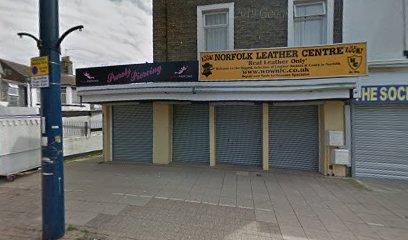
Branded Collectibles
0.4 km
Discover a vast world of licensed collectibles and rare memorabilia at Branded Collectibles, Great Yarmouth’s ultimate treasure trove for enthusiasts.

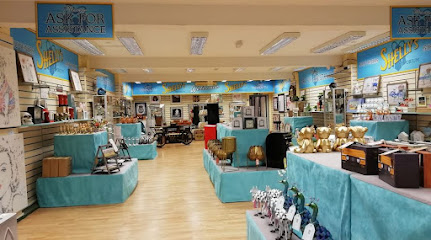
Shelly's Emporium
0.4 km
Discover handcrafted local treasures and unique gifts at Shelly's Emporium, Great Yarmouth’s charming hub of Norfolk artistry.
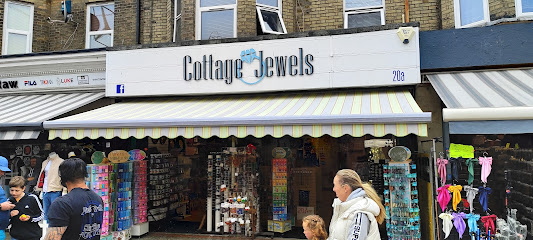
Cottage Jewels
0.4 km
Discover handcrafted jewellery and unique gifts at Cottage Jewels, a charming boutique in the heart of Great Yarmouth’s Regent Road.
Essential bars & hidden hideouts

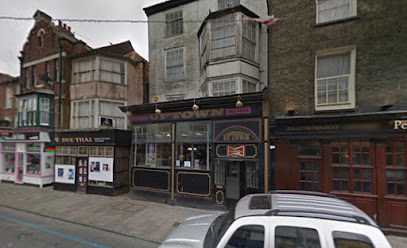
Uptown Bar
0.2 km
A friendly, affordable bar in Great Yarmouth offering lively atmosphere and good ales in a casual, welcoming setting.
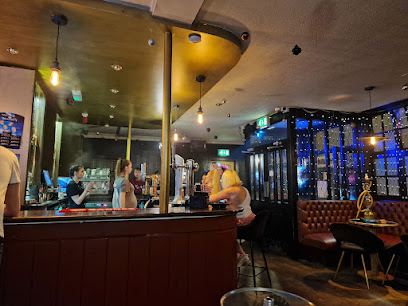
Peggotys Lounge
0.2 km
Experience vibrant nightlife and expertly crafted cocktails at Peggotys Lounge, Great Yarmouth’s lively pub and restaurant hotspot.
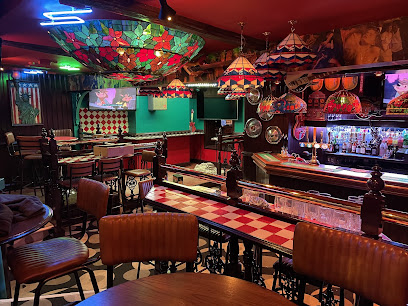
Liberty's Rock Cafe
0.2 km
A vibrant rock-themed pub in Great Yarmouth offering lively atmosphere, affordable drinks, and extended late-night hours in the heart of town.
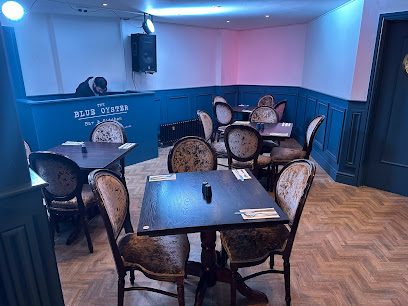
The Blue Oyster
0.3 km
A lively Great Yarmouth bar blending expertly crafted cocktails, hearty food, and warm hospitality in a vibrant social setting.
The Mariners
0.3 km
A beloved Great Yarmouth pub famed for its rich selection of cask ales, lively atmosphere, and authentic British charm.
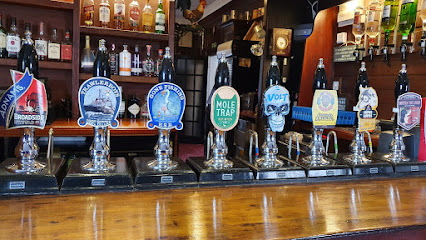
Theatre Tavern
0.3 km
A lively old-school pub in Great Yarmouth famed for karaoke nights, affordable drinks, and a welcoming, friendly atmosphere.
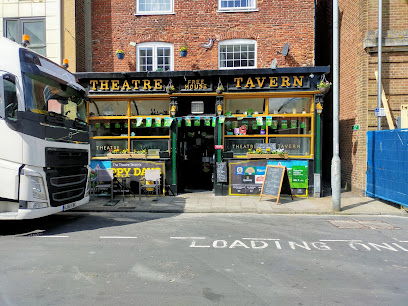
Duke's Head Hotel
0.3 km
Historic coastal charm and friendly hospitality converge at Duke's Head Hotel, a welcoming bar and stay in Great Yarmouth’s heart.
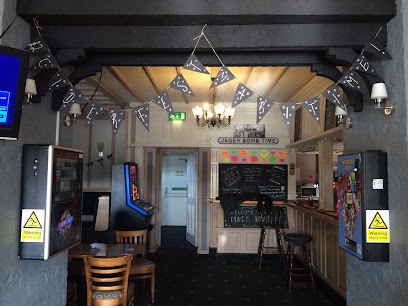
Troll Cart Wetherspoons Great Yarmouth
0.3 km
Lively Wetherspoon pub and hotel in Great Yarmouth offering affordable British fare, comfy rooms, and a friendly atmosphere near the seafront.
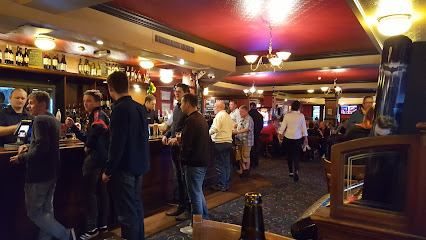
Tombstone Brewery & Saloon Bar
0.4 km
Experience Great Yarmouth’s craft beer culture in a lively Old West saloon setting with award-winning ales and a warm, welcoming atmosphere.
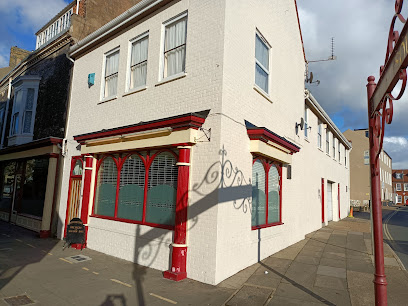
The Jube
0.4 km
A vibrant, family-friendly sports bar and nightclub in Great Yarmouth offering games, live entertainment, and a welcoming community atmosphere.
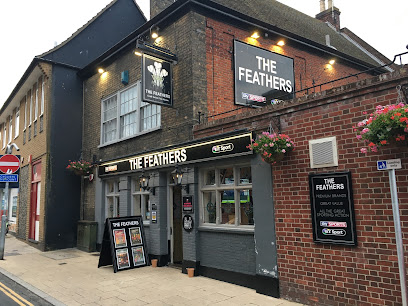
The Feathers
0.4 km
A traditional, child-free pub in Great Yarmouth offering quality ales, a peaceful atmosphere, and a strong community spirit in a spotless setting.
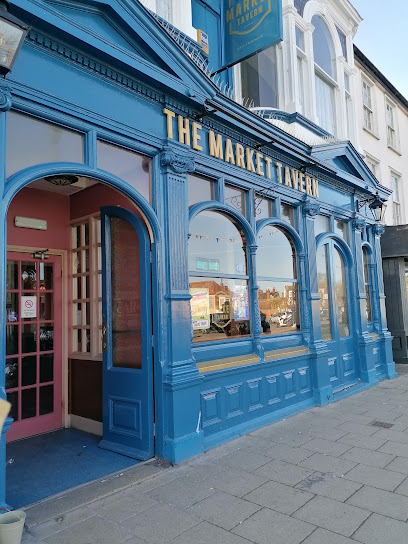
The Market Tavern Public House
0.5 km
A cozy, family-friendly pub in Great Yarmouth serving hearty British classics with generous portions and friendly service in a lively market setting.
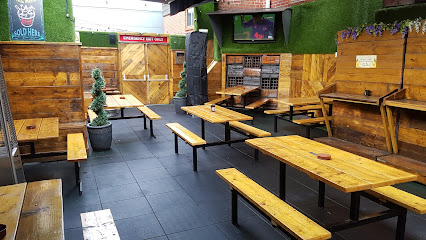
The Great Eastern Party Bar
0.5 km
A lively Great Yarmouth hotspot blending live music, karaoke, and cocktails for unforgettable nights out in a vibrant social setting.
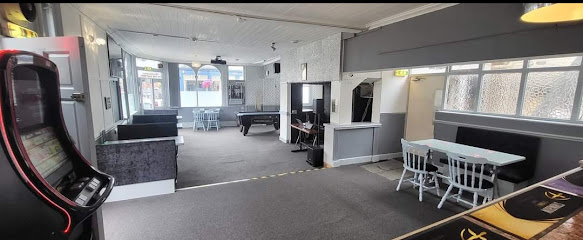
The Oliver Twist Freehouse
0.5 km
A lively and friendly Great Yarmouth pub known for its welcoming atmosphere, unique cocktails, and entertaining karaoke nights.
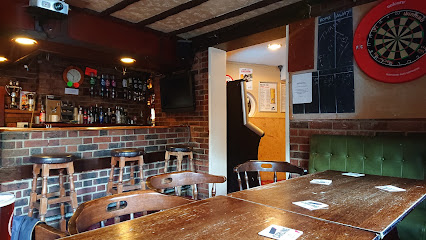
The Coachmakers Arms
0.5 km
A lively Great Yarmouth pub famed for nightly karaoke, live music, friendly staff, and a quirky parrot in the heart of Market Place.
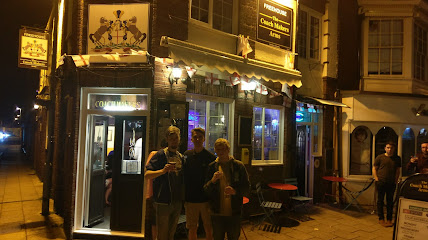
Nightclubs & after hour spots

Mavvy’s
0.7 km
Experience Great Yarmouth’s vibrant nightlife at Mavvy’s, where music, dancing, and lively atmosphere come alive until the early hours.

Buddha Club
0.7 km
Experience Great Yarmouth’s vibrant nightlife at Buddha Club, where modern beats, colorful lights, and coastal vibes create unforgettable weekend nights.

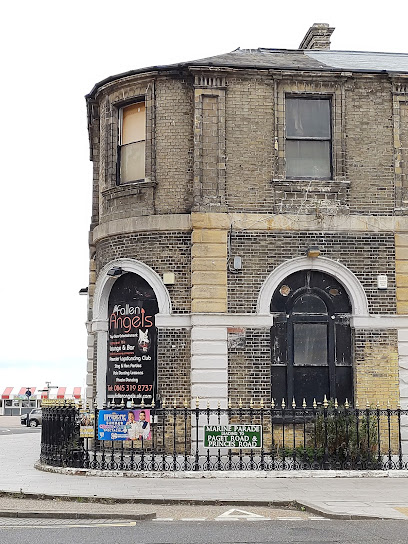
Fallen Angels
0.9 km
Experience vibrant nightlife and adult entertainment at Fallen Angels, Great Yarmouth’s premier late-night club on Marine Parade.
Moonlight Cabaret & Karaoke
2.2 km
Experience lively karaoke nights and captivating cabaret shows in the heart of Great Yarmouth’s vibrant nightlife scene.
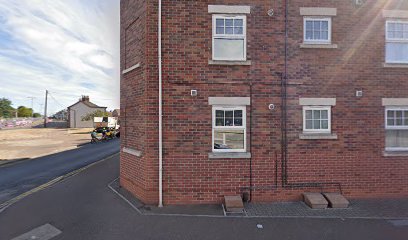
The Bermuda Club
9.9 km
A welcoming nightclub and bar in Hemsby offering lively evenings, family-friendly nights, and affordable drinks near Norfolk’s scenic coast.

Loft Nightclub
28.7 km
Norwich’s vibrant gay nightclub with over 30 years of inclusive nightlife, music, and community spirit in the heart of the city.
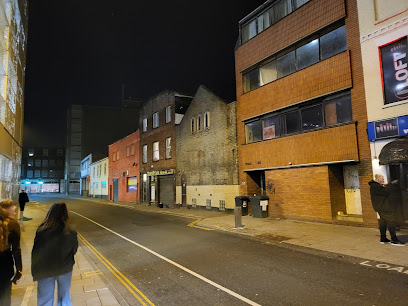
Popworld - Norwich
28.7 km
Norwich’s vibrant late-night hotspot for pop hits, friendly vibes, and unforgettable party nights on Prince of Wales Road.

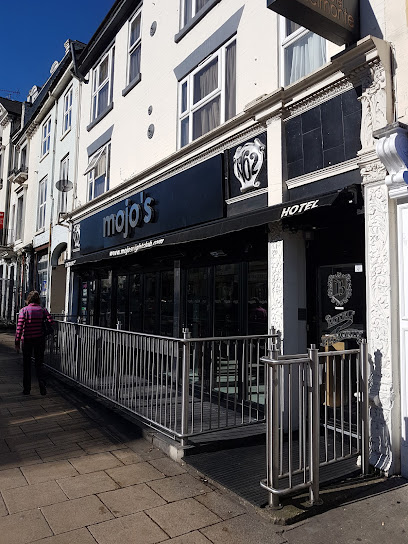
Mojo's
28.8 km
Mojo's: Norwich's gritty, no-frills nightclub pulsing with late-night beats and authentic urban energy.
Fluke
28.8 km
Experience Norwich’s vibrant nightlife at Fluke, where great music, affordable drinks, and a lively crowd come together for unforgettable nights.

Mantra
28.8 km
Experience vibrant nightlife and great music at Mantra Nightclub, Norwich’s energetic weekend party destination with friendly staff and affordable drinks.

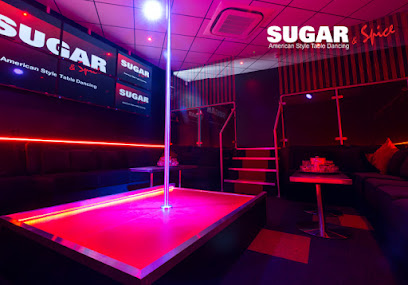
Sugar & Spice - Strip Club and Lap Dancing Norwich
28.8 km
Norwich’s premier American-style strip club offering vibrant entertainment, VIP experiences, and a welcoming atmosphere for all guests.
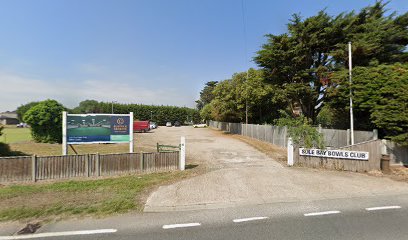
Sole Bay Bowls Club
30.3 km
Discover the serene beauty and community spirit of Sole Bay Bowls Club in Southwold, where leisure and tradition blend seamlessly.
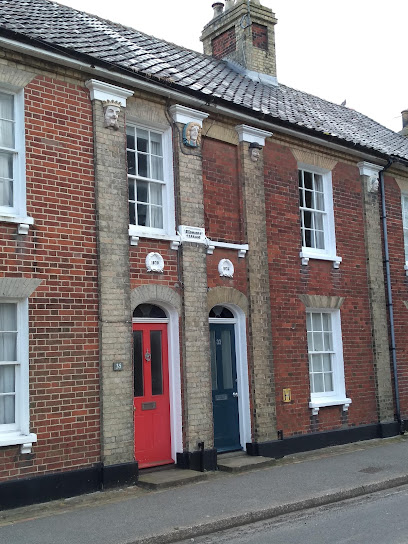
St Edmund's Hall
30.9 km
Discover the vibrant performing arts scene at St Edmund's Hall in Southwold, where culture and scenic beauty meet for an unforgettable experience.
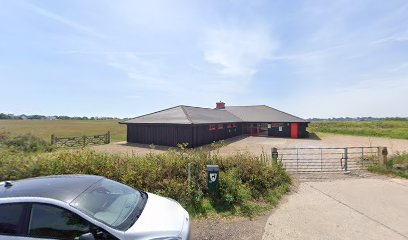
Southwold Cricket Club
31.2 km
Discover the rich heritage of cricket at Southwold Cricket Club, where tradition meets the enchanting charm of Southwold's coast.
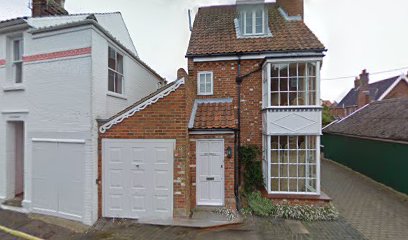
Southwold Reydon & District Constitutional Club
31.2 km
Experience the local social scene at Southwold Reydon & District Constitutional Club, where community spirit and friendly faces await.
For the vibe & atmosphere seeker
- Tranquil
- Scenic
- Historic
- Unique
For the design and aesthetic lover
- Vintage Styles
- Rustic Designs
For the architecture buff
- Historic
- Landmarks
- Heritage Neighborhoods
For the view chaser and sunset hunter
- Iconic Views
For the social media creator & influencer
- Instagrammable
- Photo Spots
- Architectural Shots
For the eco-conscious traveler
- Protected Area
- Locally Managed
- Public-Transport Accessible
For the kind of experience you’re after
- Cultural Heritage
- Photowalk
- Day Trip
- Weekend Getaway
- Myth & Legends
For how adventurous you want the journey to be
- Easy Access
Location Audience
- Family Friendly
- Senior Friendly
- Child Friendly
- Teen Friendly
- Wheelchair Access
- Solo Friendly
- Couple Friendly


