
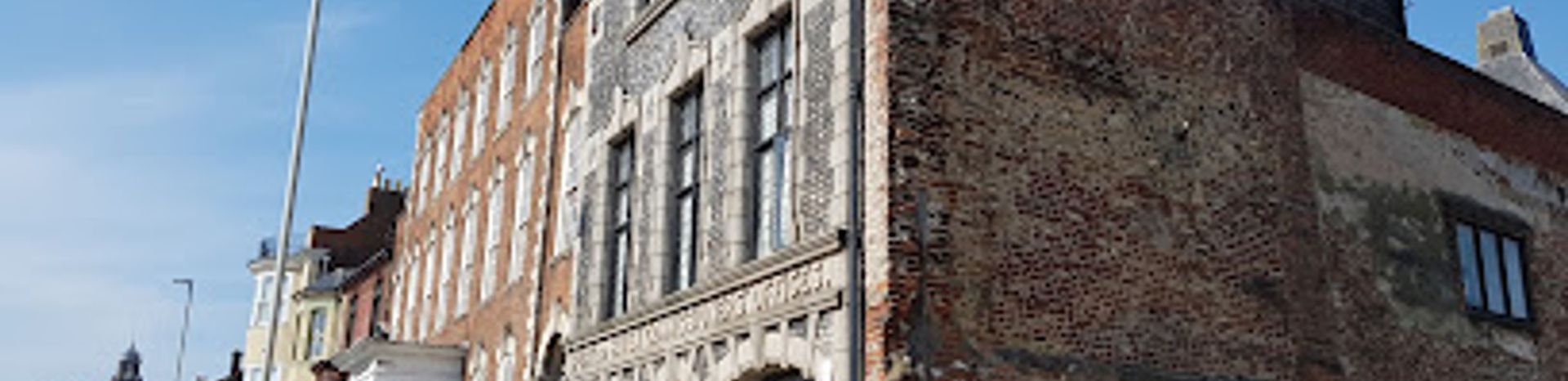
The Tolhouse Gaol Museum: Great Yarmouth’s Medieval Crime and Punishment Legacy
Explore Great Yarmouth’s 12th-century Tolhouse Gaol, a medieval prison and courtroom turned immersive museum of crime and punishment.
The Tolhouse Gaol in Great Yarmouth, Norfolk, is one of England’s oldest surviving civic buildings, dating back to the 12th century. Originally a merchant’s house, it evolved into a courthouse, jail, and police station before becoming a museum dedicated to the town’s turbulent history of crime and punishment. Visitors explore atmospheric prison cells, historic courtrooms, and interactive exhibits that reveal stories of pirates, smugglers, witches, and rebels within its ancient stone walls.
A brief summary to The Tolhouse
- 12 Tolhouse St, Great Yarmouth, NR30 2SQ, GB
- +441493858900
- Visit website
- Duration: 1 to 2 hours
- Mid ranged
-
 Indoor
- Mobile reception: 4 out of 5
Local tips
- Plan your visit during school holidays when the museum is open, typically Sunday to Friday, 10am to 4pm.
- Allow 1.5 to 2 hours to fully explore the three floors and engage with interactive exhibits.
- Wear comfortable shoes as the building has uneven floors and some narrow staircases.
- Photography is encouraged to capture the atmospheric medieval cells and historic architecture.
- Combine your visit with nearby Great Yarmouth attractions and dining options in the town center.

For the on-the-go comforts that matter to you
- Information Boards
Getting There
-
Bus
Local bus services from Great Yarmouth town center run frequently, with a journey time of approximately 10-15 minutes. Buses stop near Tolhouse Street; check local timetables for schedules. Tickets cost around £2-£4 one way.
-
Train and Walk
From Yarmouth Vauxhall railway station, about 1 mile away, it is a 20-25 minute walk along mostly flat urban streets to the Tolhouse. Suitable for most walkers; taxis available for approximately £5-£8.
-
Car
Driving from the A47, expect a 10-15 minute journey depending on traffic. Pay & display parking is available near the Historic South Quay area, with some free parking on the Quayside. Parking fees typically range from £1 to £3 per hour.
The Tolhouse location weather suitability
-
 Any Weather
-
 Rain / Wet Weather
-
 Clear Skies
-
 Mild Temperatures
Discover more about The Tolhouse
A Storied Medieval Foundation and Civic Role
The Tolhouse Gaol was constructed around 1150, originally serving as a grand merchant’s house in Great Yarmouth. By the 13th century, it had taken on a civic function as a toll house for herring catches and soon became integral to the town’s legal system. In 1261, it was officially authorized as a jail, with its basement cells housing smugglers, pirates, and other criminals. The building’s stone façade, arched windows, and finely carved doorway reflect its medieval origins, making it one of the oldest and most architecturally significant structures in the region.From Courtroom to Prison: Harsh Justice and Historic Trials
Over centuries, the Tolhouse served multiple roles: courtroom, town gaol, police station, and council chamber. Notorious for its grim conditions, prisoners sometimes waited up to a decade for trial. The 17th century saw witch trials led by Matthew Hopkins, with several local women executed. Punishments were severe, including hard labour on treadmills and oakum picking. The prison’s underground cells, known as “the Hold,” were cramped and dark, with physical evidence of shackles and candle marks still visible, evoking the harsh realities of historic incarceration.Preservation, Destruction, and Revival as a Museum
By the late 19th century, overcrowding and poor conditions led to the jail’s closure in 1878, with prisoners transferred elsewhere. Threatened with demolition, the Tolhouse was saved by local historian Frederick Danby-Palmer and reopened as a museum in 1895. The building suffered severe damage during a 1941 Nazi air raid, which destroyed the roof and museum collections. Restoration efforts in the 1960s rebuilt the structure, preserving its medieval character. Today, the Tolhouse functions as a museum focused on crime and punishment, hosting school visits, events, and paranormal investigations.An Immersive Visitor Experience and Educational Journey
Visitors explore three floors of exhibits detailing Great Yarmouth’s law enforcement history, including atmospheric prison cells, interactive displays, and opportunities to try on period costumes. The museum reveals tales of pirates, smugglers, and rebels, alongside the evolution of justice from medieval times through Victorian reforms. While no on-site toilets are available, nearby amenities in Great Yarmouth town center offer dining and facilities. The museum operates seasonally during school holidays, providing a compelling and educational experience for families and history enthusiasts alike.The Tolhouse’s Enduring Legacy in Great Yarmouth
As a Grade I listed building, the Tolhouse stands as a testament to Great Yarmouth’s rich and turbulent past. Its walls have witnessed centuries of legal history, social upheaval, and community resilience. The museum’s preservation of this heritage invites reflection on the evolution of justice and punishment in England. The Tolhouse remains a unique cultural landmark, connecting visitors to medieval architecture, historic events, and the human stories behind crime and law enforcement.Architectural and Historical Significance Today
The Tolhouse’s medieval flint and ashlar construction, sizeable hall, and historic courtroom spaces offer rare insights into civic architecture from the 12th century. Despite wartime damage and subsequent restoration, the building retains its authentic character and continues to inspire interest in heritage conservation. Its location in Great Yarmouth’s historic quarter enhances its role as a focal point for cultural tourism, education, and community identity.Iconic landmarks you can’t miss

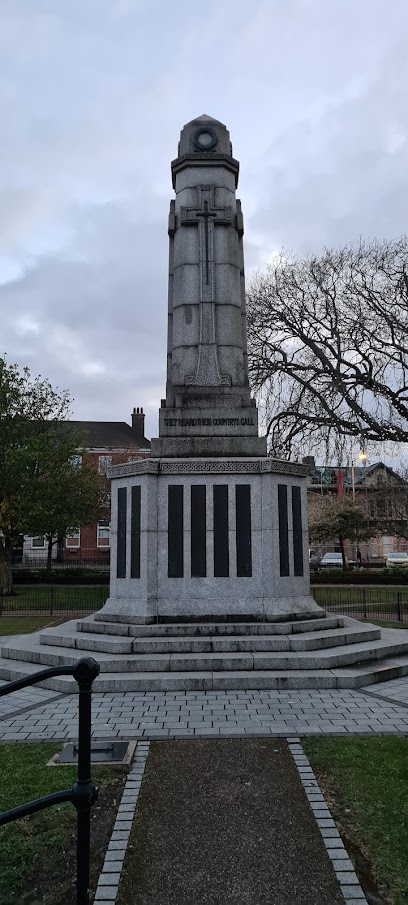
War Memorial
0.3 km
A solemn tribute in Great Yarmouth, honouring local service personnel and civilians lost in 20th-century conflicts with quiet dignity and enduring respect.
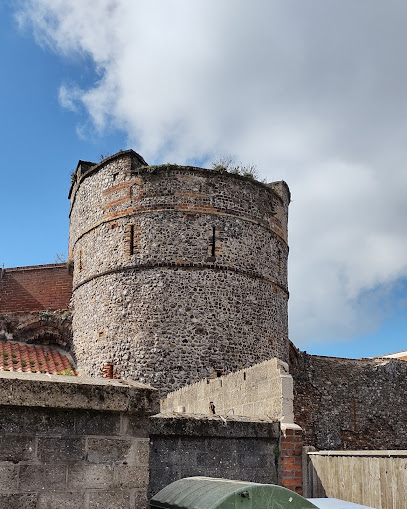
Pudding tower
0.5 km
Explore Pudding Tower, a medieval defensive relic in Great Yarmouth, steeped in history and local lore from the town’s fortified past.
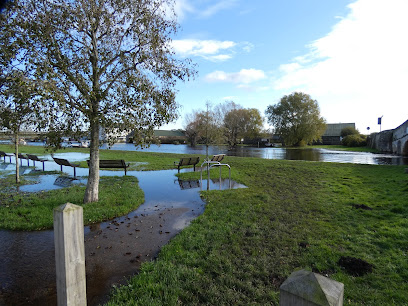
Potter Heigham bridge
15.3 km
Historic 14th-century bridge and boating hub in Norfolk Broads, blending medieval charm with scenic waterways and vibrant village life.
TourNorfolk
22.7 km
Discover the essential internet marketing services at TourNorfolk, where local charm meets digital expertise in the heart of Barton Turf.
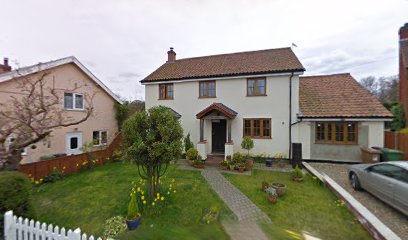
Barton House Railway
24.4 km
Discover the magic of miniature railways at Barton House Railway, a charming museum and attraction in Wroxham, Norwich, perfect for families and railway enthusiasts.
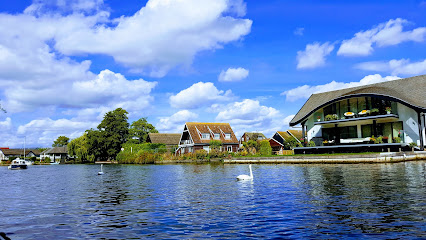
Hoveton Hall Estate
24.4 km
Experience the beauty and tranquility of Hoveton Hall Estate, a serene tourist attraction in Norfolk featuring exquisite gardens and rich history.
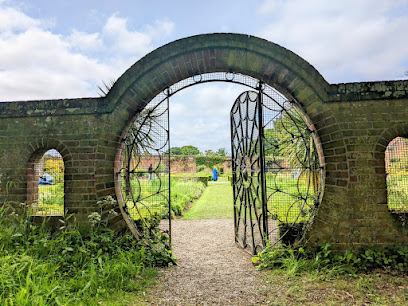
Wroxham Bridge
24.6 km
Historic 17th-century bridge and vibrant boating hub connecting Wroxham and Hoveton on the scenic Norfolk Broads.
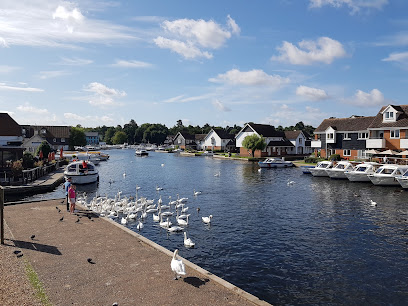
Broads Tours
24.6 km
Discover the serene beauty of the Norfolk Broads with Broads Tours – your gateway to unforgettable aquatic adventures.
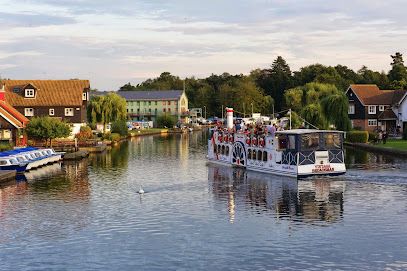
Faircraft Loynes
24.7 km
Discover the beauty of the Broads with Faircraft Loynes, your premier boat tour agency and rental service in Wroxham, offering unforgettable waterway experiences.
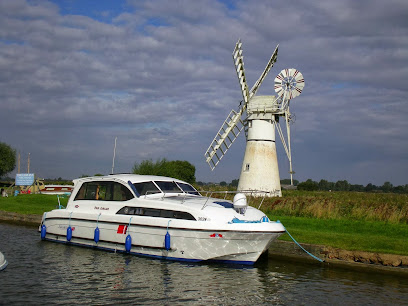
Wroxham Miniature Worlds
24.8 km
Explore the enchanting world of Wroxham Miniature Worlds, where intricate models and engaging exhibits create a magical experience for visitors of all ages.
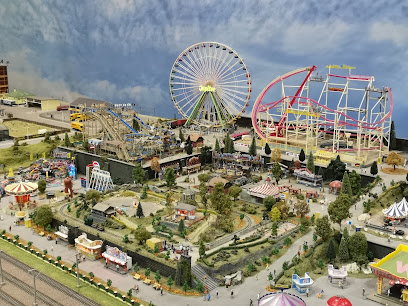
Wroxham Barns
25.6 km
Experience the charm of Wroxham Barns, where shopping, dining, and family fun come together in the heart of Norfolk's beautiful countryside.
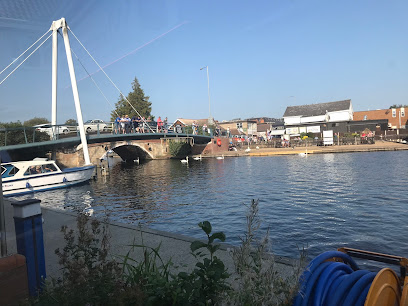
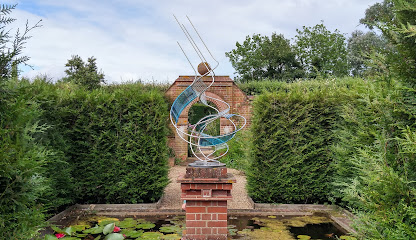
East Ruston Old Vicarage Garden
26.7 km
Explore the breathtaking East Ruston Old Vicarage Garden, a hidden gem in Norfolk, filled with stunning flora, serene landscapes, and tranquil charm.
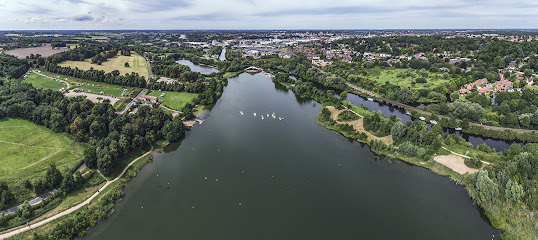
Whitlingham Country Park
27.0 km
Explore Whitlingham Country Park: a tranquil retreat with picturesque trails, diverse wildlife, and exciting outdoor activities near Norwich.
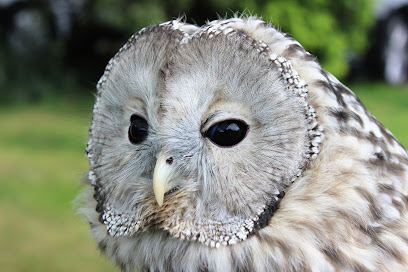
Happisburgh Owls
27.1 km
Explore the fascinating world of owls at Happisburgh Owls, a unique tourist attraction on the stunning Norfolk coast, perfect for families and wildlife lovers.
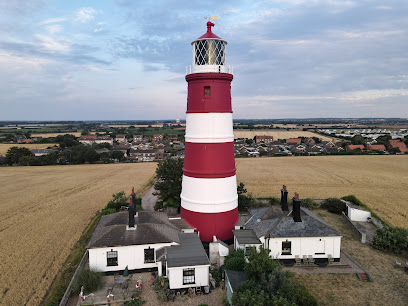
Happisburgh Lighthouse
27.2 km
Discover Happisburgh Lighthouse, a historic maritime beacon offering breathtaking views and a glimpse into Norfolk's coastal heritage.
Unmissable attractions to see

Great Yarmouth Row Houses
0.1 km
Step into Great Yarmouth’s unique medieval Rows, where early 17th-century merchant homes reveal centuries of maritime history and urban life.
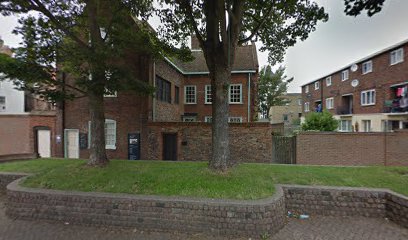
Old Merchant's House
0.1 km
Step into Great Yarmouth’s mercantile past at the Old Merchant’s House and Row Houses, rare survivors of 17th-century maritime prosperity.
English Heritage - Greyfriars Cloisters
0.1 km
Discover Great Yarmouth’s unique medieval Rows and the haunting ruins of the 13th-century Greyfriars Cloisters, a window into centuries of coastal history.
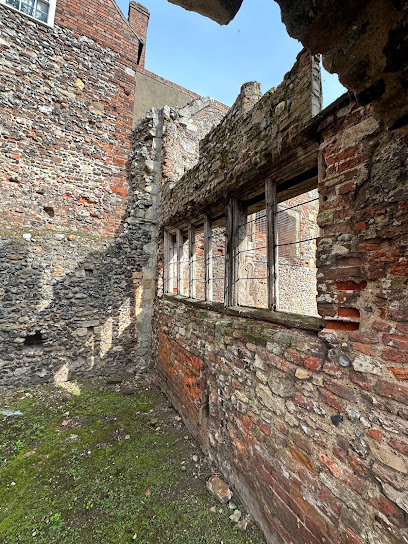
National Trust - Elizabethan House Museum
0.2 km
Step back into Tudor and Victorian Great Yarmouth at this immersive 16th-century merchant’s house with rich history and family-friendly fun.
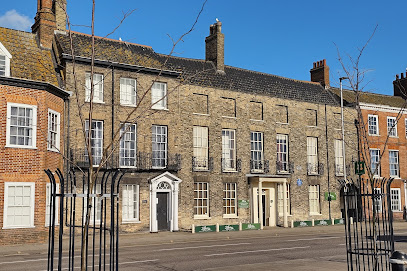
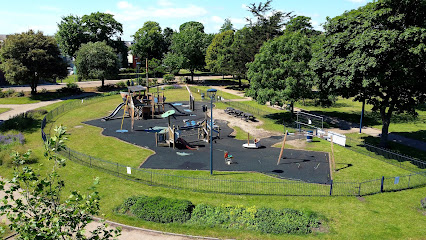
St George's Park
0.3 km
A serene green haven in Great Yarmouth linking town centre charm with coastal breezes and family-friendly fun.
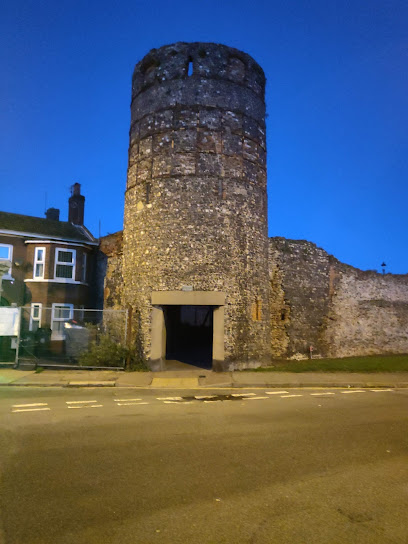
The South East Tower
0.4 km
Stay in Great Yarmouth’s medieval South East Tower—an iconic historic fortress turned unique holiday retreat with original features and sea views.
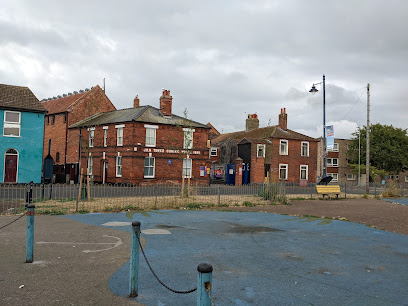
Time and Tide Museum of Great Yarmouth Life
0.4 km
Explore Great Yarmouth’s maritime heritage in a beautifully restored Victorian herring curing works, with immersive exhibits and interactive experiences.
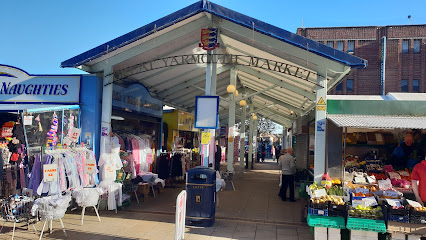
Market Gates Shopping Centre (Great Yarmouth)
0.4 km
A practical indoor shopping centre in Great Yarmouth’s town heart, blending chain stores and local shops for everyday needs.
Medieval Town Wall
0.5 km
Walk the mile-long remains of one of England’s longest medieval town walls, where flint towers and ancient defences tell the story of a powerful fishing port.
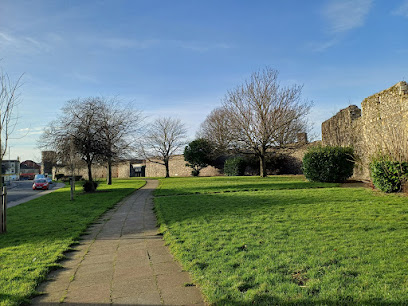
Medieval Town Wall Open Space
0.5 km
Explore one of England’s longest medieval town walls, a mile of historic fortifications nestled in tranquil parkland at Great Yarmouth.
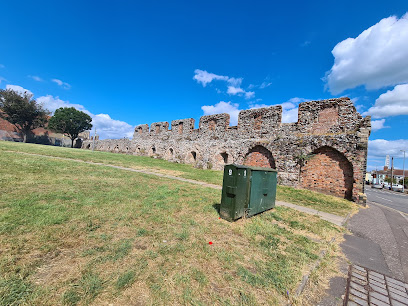
Hippodrome Circus
0.6 km
Britain’s only surviving total circus building, the Hippodrome Circus dazzles with historic charm and spectacular seaside performances.
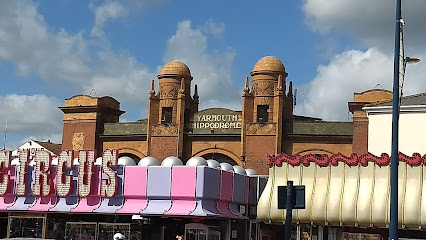
Jurassic Journey
0.6 km
Step into the prehistoric world of Jurassic Journey, where lifelike dinosaurs and fossil hunts bring ancient history to life for families and kids.
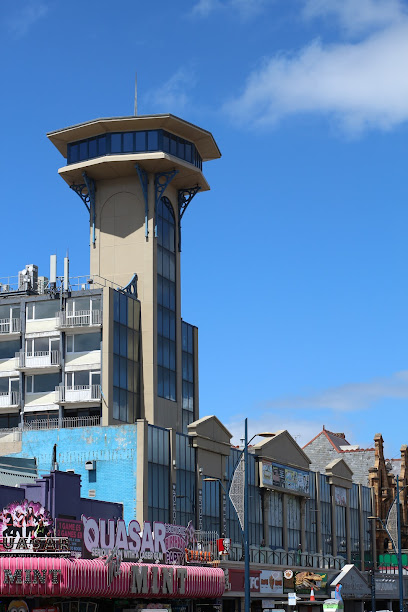
About Great Yarmouth
0.6 km
Historic seaside charm meets vibrant coastal life in Great Yarmouth, Norfolk’s gateway to the North Sea and Norfolk Broads.
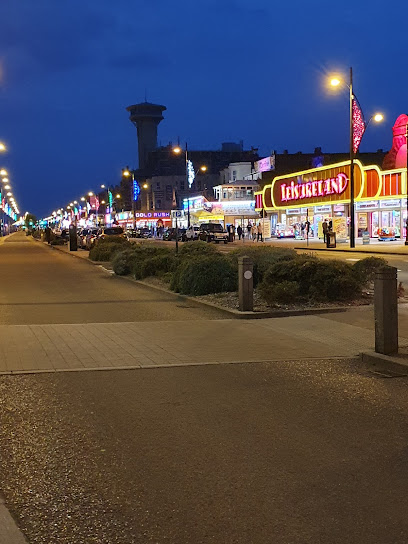
Anchor Gardens
0.7 km
A peaceful seafront garden in Great Yarmouth offering scenic coastal views and a tranquil urban escape.
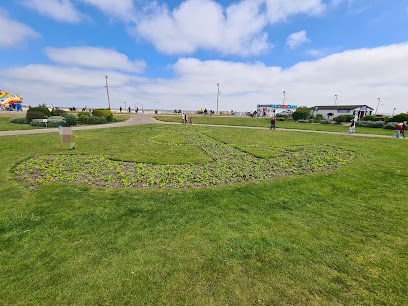
Great Yarmouth Beach
0.7 km
Expansive sandy shores and classic seaside fun await at Great Yarmouth Beach, a vibrant coastal gem on England’s Norfolk coast.
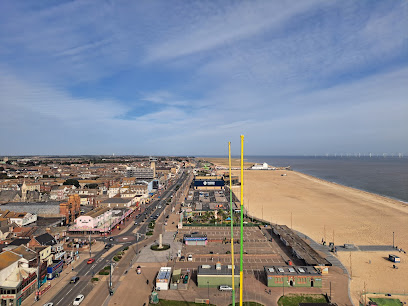
Essential places to dine

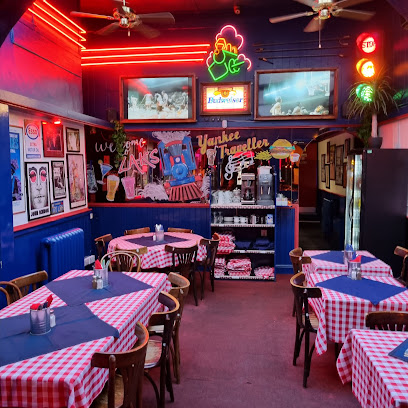
Zaks Yankee Traveller
0.1 km
Experience vibrant American dining with huge portions, diverse vegan options, and a lively atmosphere in the heart of Great Yarmouth.
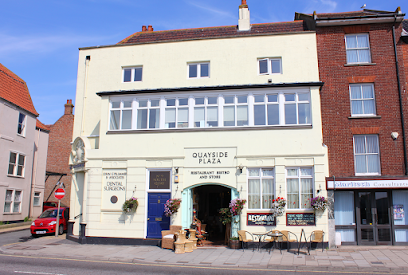
Quayside Plaza
0.1 km
Mediterranean-inspired dining with charming waterfront views and warm hospitality in the heart of Great Yarmouth’s South Quay.
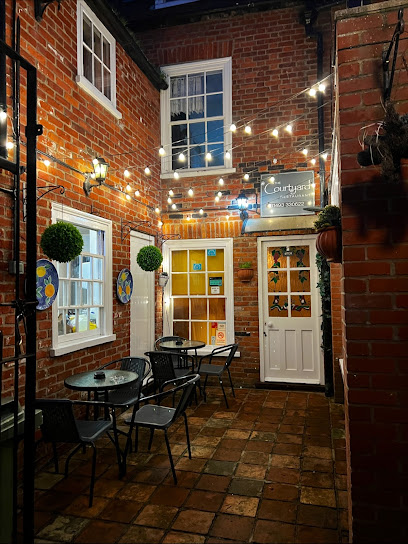
The Courtyard Italian Restaurante
0.2 km
A cozy, award-winning Italian gem in Great Yarmouth serving fresh, homemade dishes with warm, attentive service and inclusive menus.
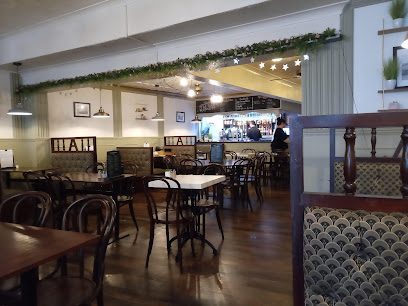
Alexandra Restaurant
0.4 km
A warm, family-run restaurant in Great Yarmouth serving traditional English and Mediterranean homemade dishes with attentive service.
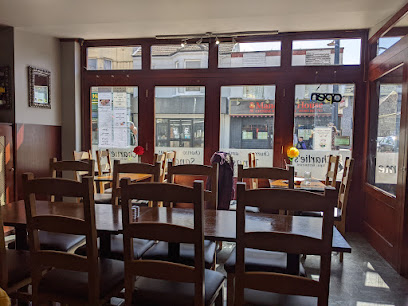
Charlie's Tapas Restaurant
0.6 km
Experience authentic Spanish tapas with diverse vegetarian and vegan options in a warm, welcoming setting at Charlie's Tapas in Great Yarmouth.
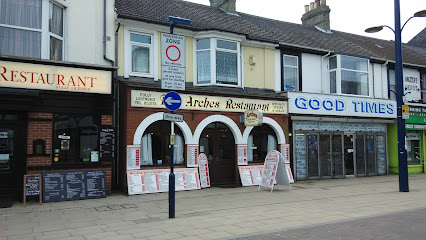
The Arches
0.6 km
A family-friendly British restaurant in Great Yarmouth serving hearty traditional dishes in a casual, welcoming setting.
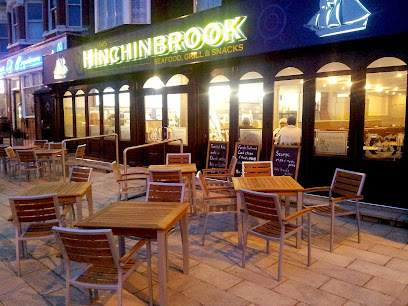
HMS Hinchinbrook great Yarmouth
0.6 km
Classic British fish restaurant on Great Yarmouth’s Marine Parade, blending tradition with modern flavors in a friendly seaside setting.
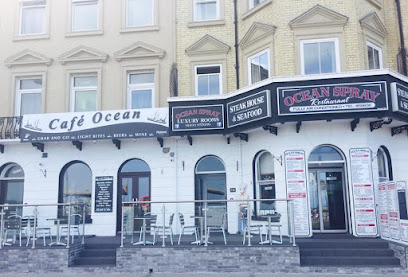
Ocean Spray
0.7 km
Fresh seafood and succulent steaks served with stunning sea views on Great Yarmouth’s iconic Marine Parade.
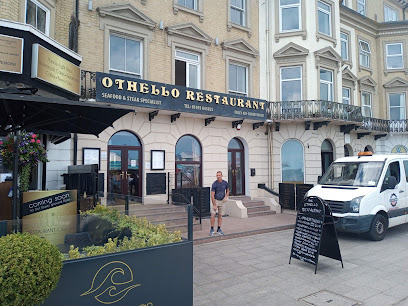
Othello
0.7 km
A cozy Mediterranean and seafood restaurant on Great Yarmouth’s Marine Parade, blending vibrant flavors with warm hospitality.
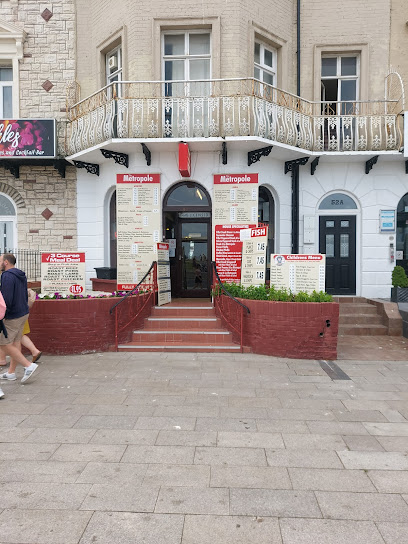
Metropole Restaurant
0.7 km
Classic British comfort food served with friendly warmth on Great Yarmouth’s vibrant Marine Parade.
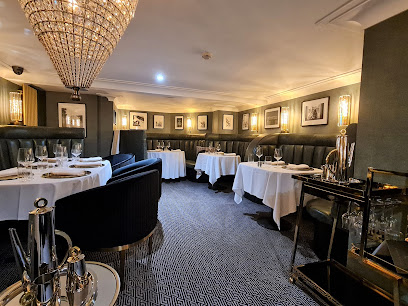
JAN Restaurant
0.7 km
Award-winning fine dining in an intimate art deco setting overlooking Great Yarmouth’s iconic seafront.
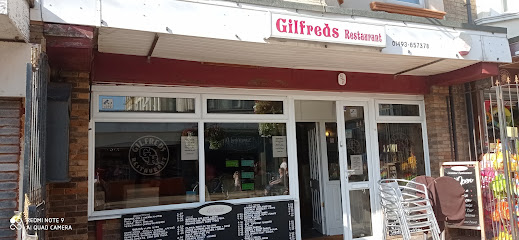
Gilfreds Restaurant
0.7 km
A beloved Great Yarmouth gem serving authentic English home-cooked meals and hearty Sunday carveries in a cozy, welcoming setting.
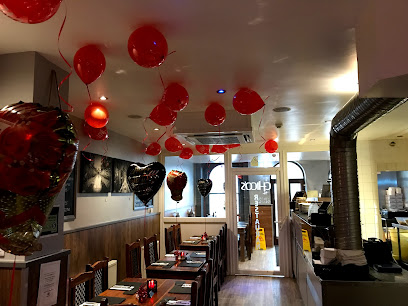
Chico's Restaurant
0.7 km
Fresh seafood and succulent steaks served with warm hospitality on Great Yarmouth’s vibrant seafront.
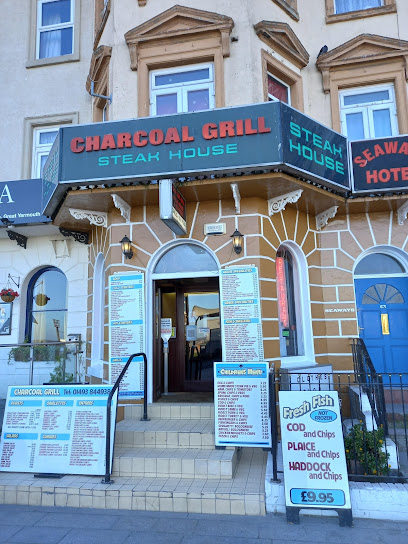
Charcoal Grill
0.7 km
A beloved Great Yarmouth steakhouse serving hearty, fresh dishes with warm hospitality on the scenic Marine Parade.
Strollers Restaurant
0.8 km
Contemporary seafood dining with fresh flavors and a relaxed, elegant atmosphere on Great Yarmouth’s scenic Marine Parade.
Markets, malls and hidden boutiques

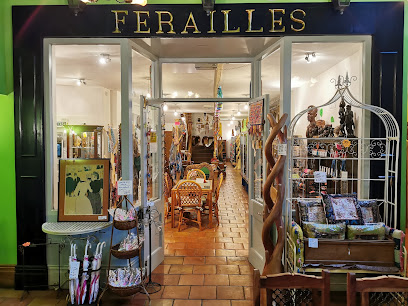
Ferailles Shop - (Knot Just A Furniture Shop!) - Great Yarmouth
0.1 km
Discover Ferailles Shop in Great Yarmouth – a treasure trove of antiques, art, and unique fashion accessories that tell timeless stories.
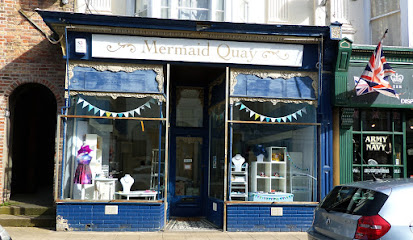
Mermaid Quay
0.2 km
Discover handcrafted gifts and local artisan treasures in the heart of Great Yarmouth’s historic seaside town.
Grasshopper
0.2 km
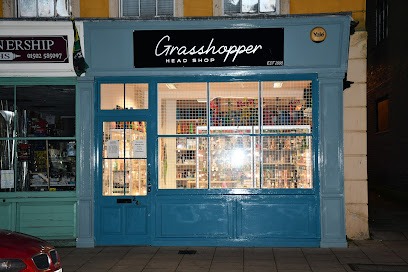
Discover unique gifts and local treasures at Grasshopper, Great Yarmouth’s charming gift shop on King Street.
R&D Crafts
0.3 km
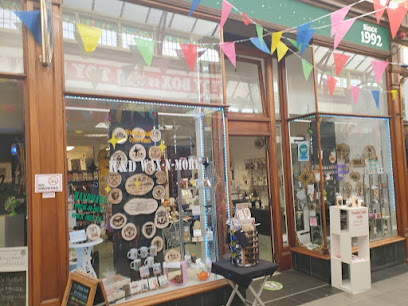
Discover unique handcrafted gifts and local artistry in the charming Victoria Arcade of Great Yarmouth.
Cauldron37
0.3 km
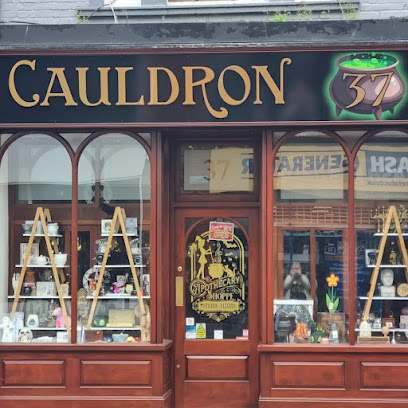
Discover unique gifts and local charm at Cauldron37, a cozy boutique in the heart of Great Yarmouth’s vibrant Regent Street.
Craftmania
0.3 km
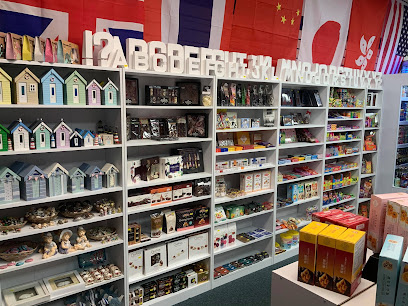
A welcoming craft shop in Great Yarmouth offering quality supplies, expert advice, and a vibrant creative community.
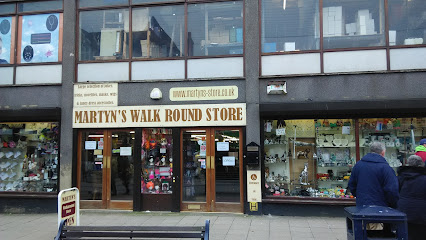
Martyns Walk Round Store
0.3 km
A quirky Great Yarmouth gift shop with a gothic and fantasy twist, perfect for unique alternative gifts and spooky collectibles.
Steve's 'n' Mix
0.4 km
Traditional British sweet shop preserving seaside nostalgia on Great Yarmouth's Regent Road.
Branded Collectibles
0.4 km
Discover a vast world of licensed collectibles and rare memorabilia at Branded Collectibles, Great Yarmouth’s ultimate treasure trove for enthusiasts.

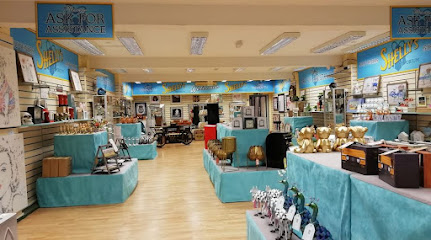
Shelly's Emporium
0.4 km
Discover handcrafted local treasures and unique gifts at Shelly's Emporium, Great Yarmouth’s charming hub of Norfolk artistry.
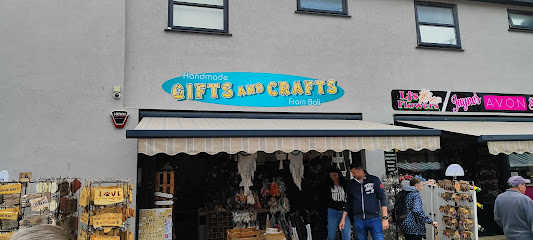
Handmade GIFTS AND CRAFTS From Bali
0.4 km
Discover authentic Balinese handmade crafts and unique gifts that bring vibrant artistry from Bali to Great Yarmouth’s Regent Road.
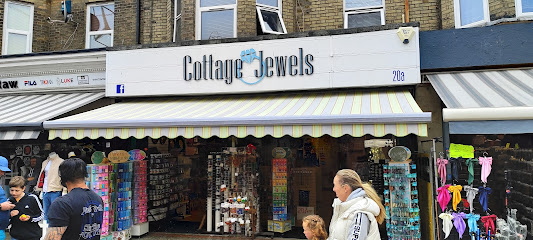
Cottage Jewels
0.4 km
Discover handcrafted jewellery and unique gifts at Cottage Jewels, a charming boutique in the heart of Great Yarmouth’s Regent Road.
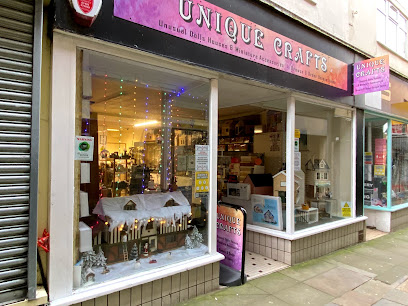
Unique Crafts
0.4 km
Discover the delicate art of dollhouses and miniatures in Great Yarmouth’s quaint Unique Crafts shop.
Belzart
0.4 km
Discover mystical treasures and unique gifts in the cozy charm of Belzart, Great Yarmouth’s enchanting Market Row shop.
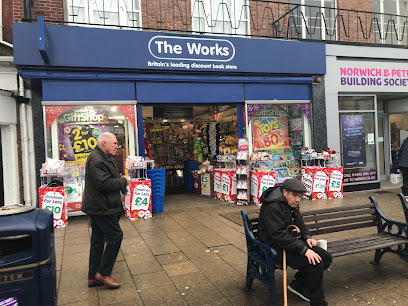
The Works
0.5 km
Affordable creativity and discovery in Great Yarmouth's vibrant Market Place.
Essential bars & hidden hideouts

Liberty's Rock Cafe
0.1 km
A vibrant rock-themed pub in Great Yarmouth offering lively atmosphere, affordable drinks, and extended late-night hours in the heart of town.
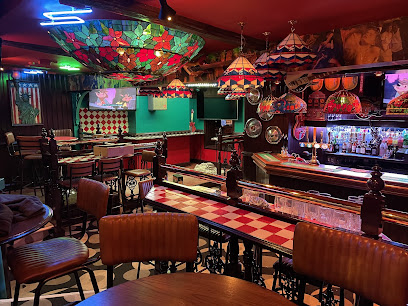
The Blue Oyster
0.2 km
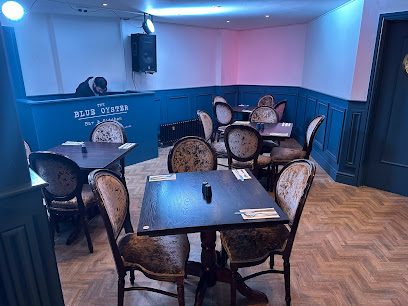
A lively Great Yarmouth bar blending expertly crafted cocktails, hearty food, and warm hospitality in a vibrant social setting.
Uptown Bar
0.2 km
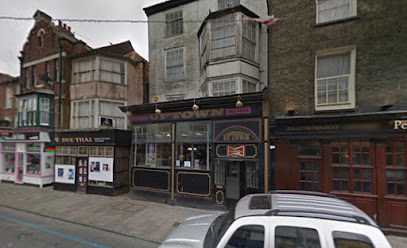
A friendly, affordable bar in Great Yarmouth offering lively atmosphere and good ales in a casual, welcoming setting.
Peggotys Lounge
0.2 km
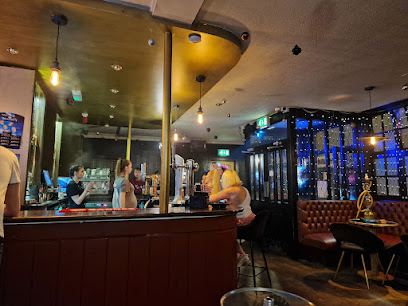
Experience vibrant nightlife and expertly crafted cocktails at Peggotys Lounge, Great Yarmouth’s lively pub and restaurant hotspot.
Theatre Tavern
0.3 km
A lively old-school pub in Great Yarmouth famed for karaoke nights, affordable drinks, and a welcoming, friendly atmosphere.
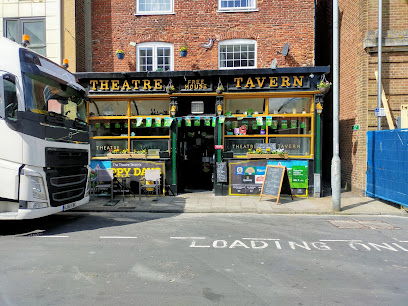
Troll Cart Wetherspoons Great Yarmouth
0.4 km
Lively Wetherspoon pub and hotel in Great Yarmouth offering affordable British fare, comfy rooms, and a friendly atmosphere near the seafront.
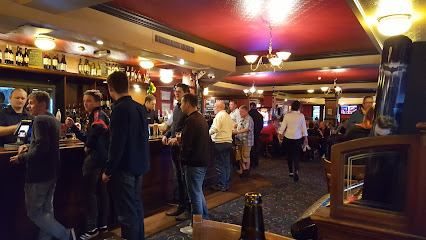
The Mariners
0.4 km
A beloved Great Yarmouth pub famed for its rich selection of cask ales, lively atmosphere, and authentic British charm.
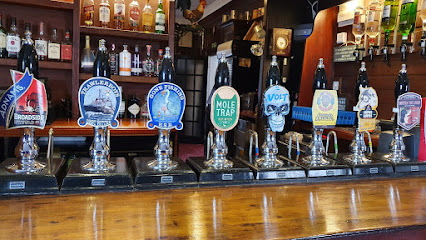
The Jube
0.4 km
A vibrant, family-friendly sports bar and nightclub in Great Yarmouth offering games, live entertainment, and a welcoming community atmosphere.
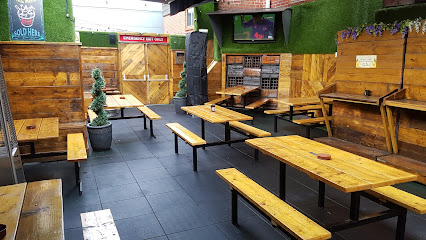
Duke's Head Hotel
0.4 km
Historic coastal charm and friendly hospitality converge at Duke's Head Hotel, a welcoming bar and stay in Great Yarmouth’s heart.
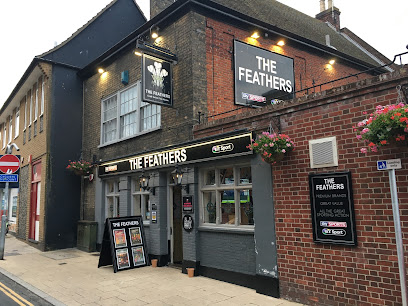
The Feathers
0.5 km
A traditional, child-free pub in Great Yarmouth offering quality ales, a peaceful atmosphere, and a strong community spirit in a spotless setting.
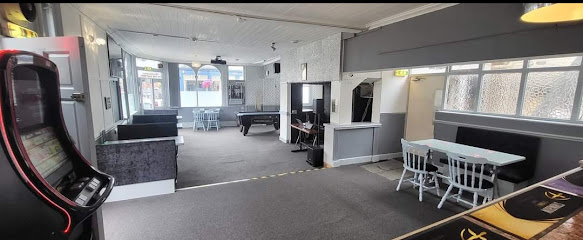
The Great Eastern Party Bar
0.5 km
A lively Great Yarmouth hotspot blending live music, karaoke, and cocktails for unforgettable nights out in a vibrant social setting.
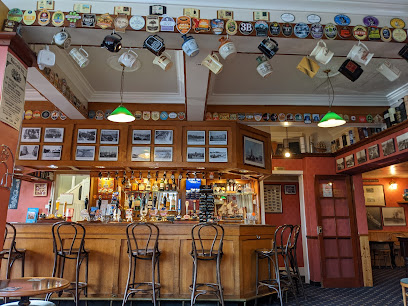
The Red Herring
0.5 km
A cozy, traditional Great Yarmouth pub offering quality ales, local charm, and a welcoming community atmosphere.
Tombstone Brewery & Saloon Bar
0.5 km
Experience Great Yarmouth’s craft beer culture in a lively Old West saloon setting with award-winning ales and a warm, welcoming atmosphere.
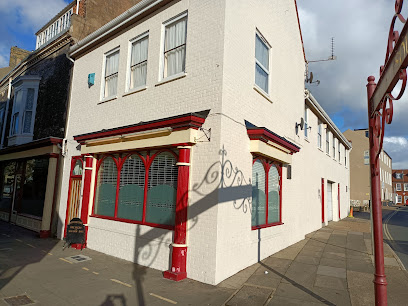
The Market Tavern Public House
0.5 km
A cozy, family-friendly pub in Great Yarmouth serving hearty British classics with generous portions and friendly service in a lively market setting.
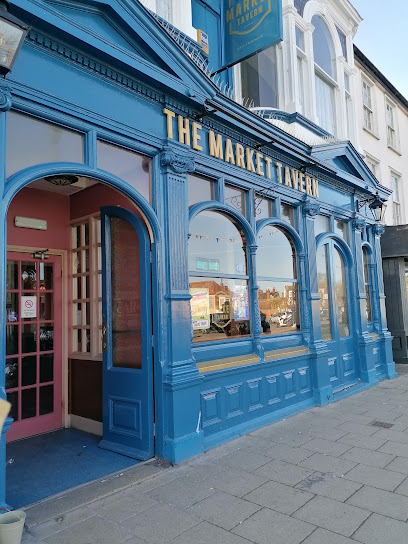
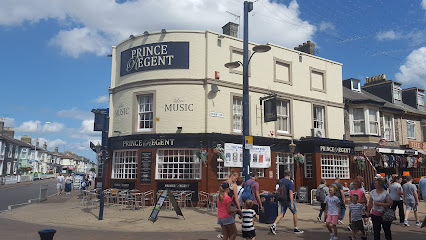
Prince Regent
0.5 km
Traditional pub with lively live music, friendly staff, and a welcoming atmosphere near Great Yarmouth’s seafront and town centre.
Nightclubs & after hour spots

Buddha Club
0.6 km
Experience Great Yarmouth’s vibrant nightlife at Buddha Club, where modern beats, colorful lights, and coastal vibes create unforgettable weekend nights.
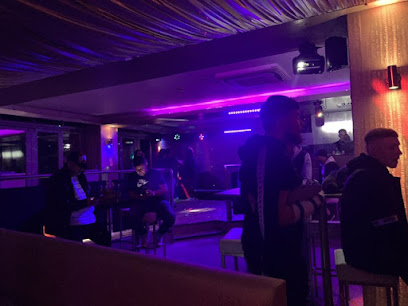
Mavvy’s
0.6 km
Experience Great Yarmouth’s vibrant nightlife at Mavvy’s, where music, dancing, and lively atmosphere come alive until the early hours.

Fallen Angels
0.9 km
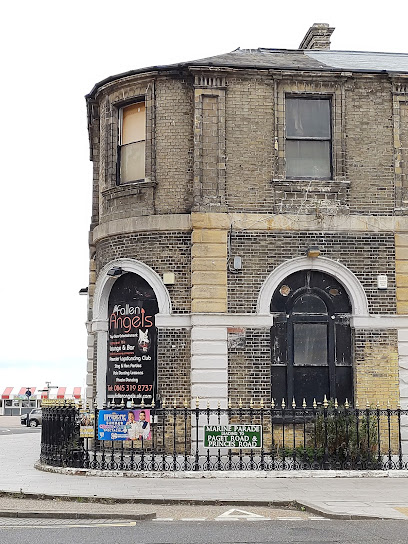
Experience vibrant nightlife and adult entertainment at Fallen Angels, Great Yarmouth’s premier late-night club on Marine Parade.
Moonlight Cabaret & Karaoke
2.1 km
Experience lively karaoke nights and captivating cabaret shows in the heart of Great Yarmouth’s vibrant nightlife scene.
The Bermuda Club
9.9 km
A welcoming nightclub and bar in Hemsby offering lively evenings, family-friendly nights, and affordable drinks near Norfolk’s scenic coast.

Loft Nightclub
28.8 km
Norwich’s vibrant gay nightclub with over 30 years of inclusive nightlife, music, and community spirit in the heart of the city.
Popworld - Norwich
28.8 km
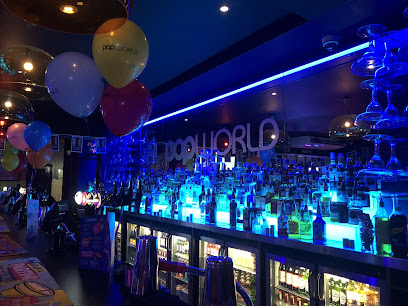
Norwich’s vibrant late-night hotspot for pop hits, friendly vibes, and unforgettable party nights on Prince of Wales Road.
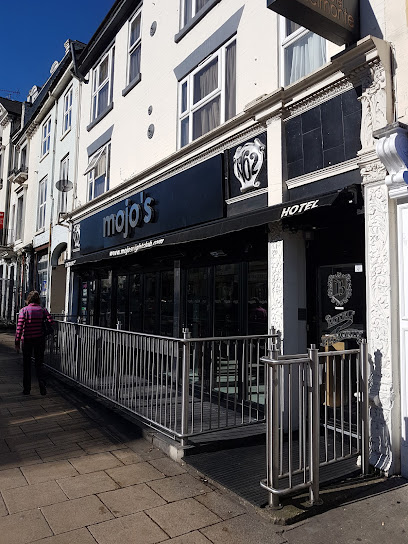
Mojo's
28.9 km
Mojo's: Norwich's gritty, no-frills nightclub pulsing with late-night beats and authentic urban energy.
Fluke
28.9 km
Experience Norwich’s vibrant nightlife at Fluke, where great music, affordable drinks, and a lively crowd come together for unforgettable nights.

Mantra
28.9 km
Experience vibrant nightlife and great music at Mantra Nightclub, Norwich’s energetic weekend party destination with friendly staff and affordable drinks.

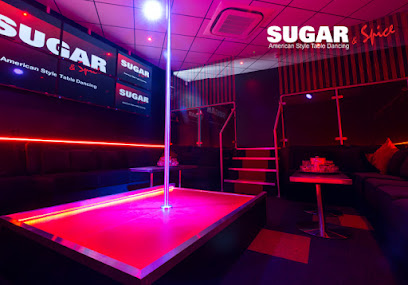
Sugar & Spice - Strip Club and Lap Dancing Norwich
28.9 km
Norwich’s premier American-style strip club offering vibrant entertainment, VIP experiences, and a welcoming atmosphere for all guests.
Sole Bay Bowls Club
30.2 km
Discover the serene beauty and community spirit of Sole Bay Bowls Club in Southwold, where leisure and tradition blend seamlessly.
St Edmund's Hall
30.8 km
Discover the vibrant performing arts scene at St Edmund's Hall in Southwold, where culture and scenic beauty meet for an unforgettable experience.
Southwold Cricket Club
31.1 km
Discover the rich heritage of cricket at Southwold Cricket Club, where tradition meets the enchanting charm of Southwold's coast.
Southwold Reydon & District Constitutional Club
31.1 km
Experience the local social scene at Southwold Reydon & District Constitutional Club, where community spirit and friendly faces await.
For the vibe & atmosphere seeker
- Tranquil
- Scenic
- Unique
- Casual
For the design and aesthetic lover
- Vintage Styles
- Rustic Designs
For the architecture buff
- Historic
- Landmarks
For the view chaser and sunset hunter
- Iconic Views
For the social media creator & influencer
- Instagrammable
- Photo Spots
- Selfie Spots
For the eco-conscious traveler
- Public-Transport Accessible
- Locally Managed
For the kind of experience you’re after
- Cultural Heritage
- Photowalk
- Day Trip
- Weekend Getaway
For how adventurous you want the journey to be
- Easy Access
Location Audience
- Family Friendly
- Senior Friendly
- Child Friendly
- Teen Friendly
- Solo Friendly
- Couple Friendly
- Vegetarian Friendly


