Trwyn Du Lighthouse Travel Guide
Free Guide: Historic lighthouse guarding Anglesey’s eastern coast with striking black bands and a legacy of maritime safety since 1838.


A brief summary of Trwyn Du Lighthouse
Historic lighthouse guarding Anglesey’s eastern coast with striking black bands and a legacy of maritime safety since 1838.
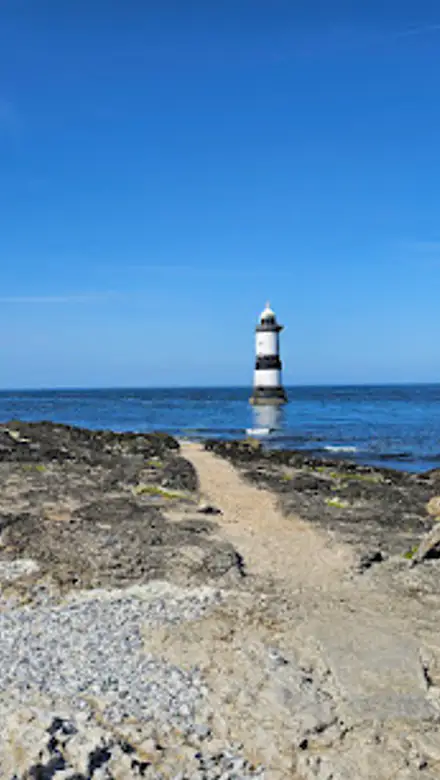
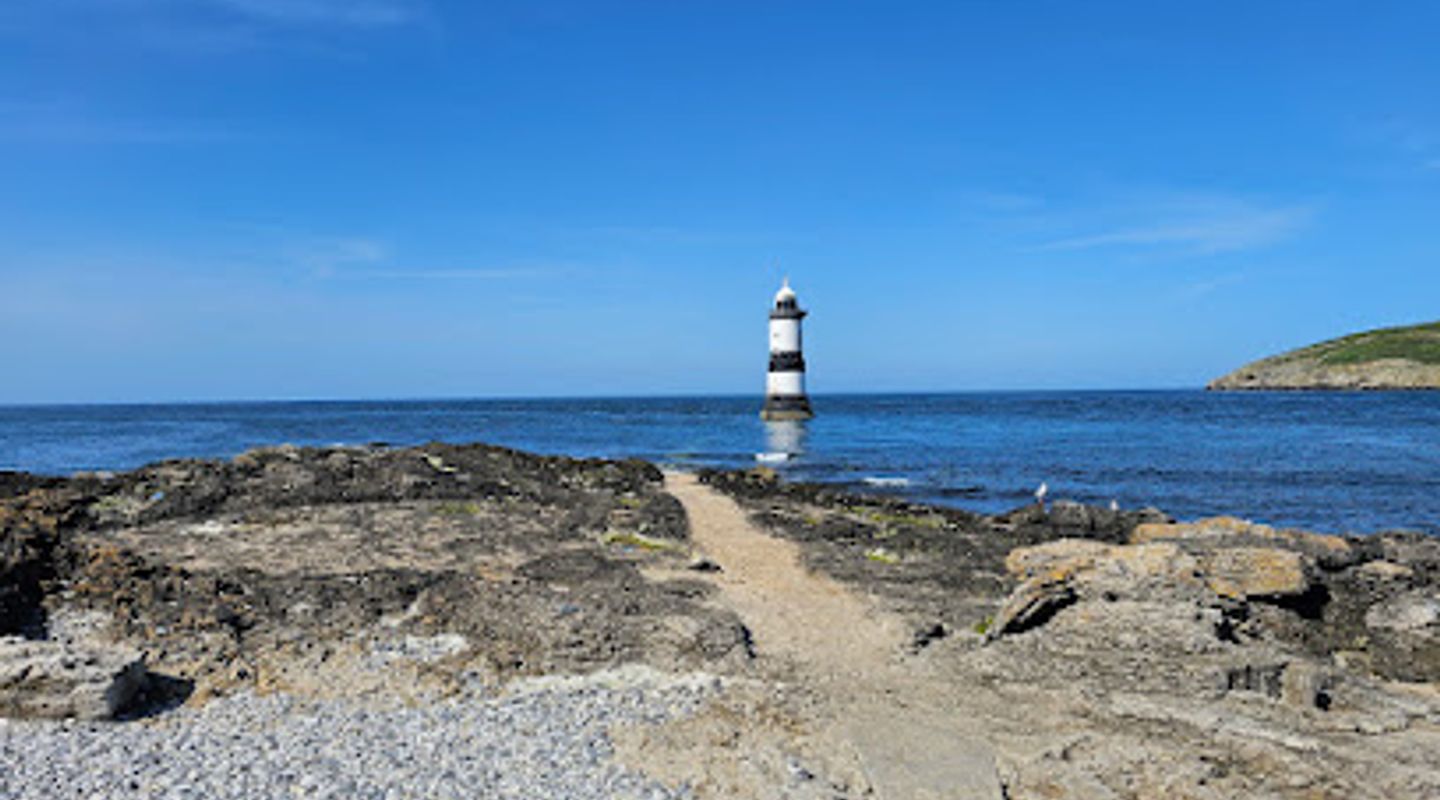
Trwyn Du Lighthouse, standing 29 meters tall on the eastern tip of Anglesey near Penmon, has warned sailors since 1838 of the treacherous currents between Puffin Island and the mainland. Designed by James Walker, this striking white tower with three black bands was the first automated Trinity House lighthouse in 1922 and now operates with a solar-powered light visible up to 22 km away.
On-site amenities
 Restrooms
 Food options
 Drink options
 Seating areas
 Information boards
- Address
- 8X75+4Q
Getting there
Bus
Car
Walking
Discover more about Trwyn Du Lighthouse
A Beacon Born from Tragedy and Maritime Necessity
Trwyn Du Lighthouse was constructed between 1835 and 1838 in response to the perilous waters off Anglesey’s eastern tip, particularly the dangerous currents separating Puffin Island from the mainland. The tragic wreck of the steamer Rothsay Castle in 1831, which claimed nearly 130 lives, galvanized calls from Liverpool’s maritime community for a guiding light at this site. The lighthouse was built at a cost of £11,589 and designed by James Walker, a pioneering civil engineer who later designed numerous notable lighthouses and iconic British landmarks.
Innovative Design to Withstand the Sea’s Fury
Walker’s design was groundbreaking for its time: the lighthouse features a stepped base to dissipate the force of storm surges and towering waves, protecting the structure from damage. Its austere, vertical walls and crenellated stone parapet distinguish it from more ornate towers. The tower narrows above its midpoint and is painted white with three distinctive black horizontal bands. On its north and south faces, the words “NO PASSAGE LANDWARD” warn ships of the hazardous waters. Walker also experimented with a primitive water closet system, though seawater surges made it impractical.
From Manned Tower to Automated Sentinel
Originally staffed by two keepers, Trwyn Du became the first Trinity House lighthouse to be automated in 1922, switching to acetylene operation and eliminating the need for permanent personnel. The light source evolved from an oil-burning Argand lamp to modern solar power in 1996. Today, the lighthouse emits a white flash every five seconds with an intensity of 15,000 candela, visible up to 22 kilometers (12 nautical miles) out to sea. It remains remotely monitored from Trinity House’s control center.
Surrounding Maritime Heritage and Natural Beauty
The lighthouse stands near the site of a former lifeboat station established in 1832, which operated until 1915, saving numerous lives from shipwrecks in these hazardous waters. Nearby, the Penmon pilots’ cottages recall the skilled navigators who guided vessels through the Menai Strait’s tricky passages. The area offers stunning views of Puffin Island, once home to abundant puffin colonies, and the wild Irish Sea. The rugged coastline, pebble beaches, and nearby Penmon Priory enrich the visitor experience with layers of history and natural charm.
Legends, Landscape, and Lasting Legacy
Local folklore imbues the area with tales of curses and hidden treasures linked to the monastic past of Puffin Island and the smuggling routes along the coast. The rhythmic tolling of the lighthouse’s fog bell, sounding every 30 seconds, adds to the atmospheric character of this exposed headland. Trwyn Du Lighthouse stands not only as a vital maritime safety aid but also as a symbol of human ingenuity confronting nature’s challenges, a sentinel where history, legend, and the sea converge.
Evendo Review Centre
 Google
Guest reviews
Best time to go
Quietest: Jan, Feb & Dec · before 6am
Busy times are Evendo estimates for a typical year, to help you plan. Actual crowds vary with events, school holidays and the weather.
Explore Trwyn Du Lighthouse on the map
A handpicked selection of must-see spots near Trwyn Du Lighthouse, mapped for you.
Get your free copy of our complete guide to Trwyn Du Lighthouse, delivered straight to you.
Everything on this page, from opening hours and how to get there to Eve’s tips and the best time to go, in one PDF you can read offline, print or share.
Already have an account? Sign in
Your Trwyn Du Lighthouse guide is ready.
We'll send it to · Not you? Sign out

Getting your guide ready…
We are putting together a fresh copy of the Trwyn Du Lighthouse guide. This can take up to a minute.
This can take a few moments. If your browser asks, choose Allow so the download can start. You'll find the guide in your Downloads folder.
Nothing happened? Download it again
Sorry, the guide is taking longer than usual. Please try again in a minute, or get it by email instead.
Other nearby places you may find interesting
The closest places of the same kind, if this one is not quite what you had in mind.
-
-
-
-
-


Swipe for more places
More to explore near Trwyn Du Lighthouse

 Best experiences near Trwyn Du Lighthouse
 Best hotels near Trwyn Du Lighthouse
 Best landmarks near Trwyn Du Lighthouse
 Best attractions near Trwyn Du Lighthouse
 Best shops near Trwyn Du Lighthouse
 Best restaurants near Trwyn Du Lighthouse
 Best bars near Trwyn Du Lighthouse
Do you manage this location?
Take control to get all the benefits, like improved information, better appearance, and stronger visibility across AI-powered discovery.
Explore more

Explore more of Gwynedd
Explore Gwynedd: A captivating blend of Snowdonia's natural wonders, medieval castles, and vibrant Welsh culture in the heart of north-west Wales.
Explore Gwynedd
Explore more of United Kingdom
Discover the United Kingdom: A blend of rich history, stunning landscapes, and vibrant cities, offering a unique travel experience for every visitor.
Explore United Kingdom