

Trwyn y Gwyddel
Windswept Welsh headland offering dramatic coastal vistas and authentic peninsula heritage.
Trwyn y Gwyddel is a dramatic coastal headland near Pwllheli on the Llŷn Peninsula, offering stunning panoramic views across Cardigan Bay and the Welsh coastline. This historic landmark combines natural beauty with rich Welsh heritage, featuring rocky outcrops, coastal paths, and sweeping vistas that have captivated visitors for generations. Perfect for photography, coastal walks, and experiencing the rugged charm of North Wales.
A brief summary to Trwyn y Gwyddel
- Q6QV+H9, Pwllheli, GB
- Duration: 1 to 3 hours
- Free
-
 Outdoor
- Mobile reception: 4 out of 5
Local tips
- Visit during sunrise or sunset for breathtaking views and optimal lighting for photography. Clear mornings often provide the best visibility across Cardigan Bay.
- Wear sturdy, waterproof walking shoes with good grip. The terrain is rocky and uneven, and coastal weather can make surfaces slippery without warning.
- Bring layers and a windproof jacket. Coastal exposure means weather changes rapidly, and wind speeds increase significantly at the headland's elevated position.
- Pack a picnic to enjoy while taking in the coastal views. There are no facilities at the headland itself, so bring refreshments and supplies from Pwllheli.
- Check local weather forecasts before visiting. Coastal conditions can deteriorate quickly, and visibility may be severely reduced in fog or heavy rain.

For the on-the-go comforts that matter to you
- Trash Bins
Getting There
-
Walking from Pwllheli Marina
From Pwllheli Marina, follow the coastal path northward along the shoreline. The walk covers approximately 1.5 kilometers and takes 20–25 minutes at a moderate pace. The route is well-established and relatively flat initially, becoming more uneven as you approach the headland. The path offers continuous coastal views and is accessible year-round, though can be muddy or slippery after rain.
-
Driving and parking near Pwllheli
Drive to Pwllheli town center and park at the marina car park or town center parking areas. From there, access the coastal path on foot as described above. Parking is available throughout the year, though spaces may be limited during peak summer months (July–August). No direct vehicle access reaches the headland itself.
-
Public transport via bus
Regional bus services operate to Pwllheli from surrounding towns and villages. Journey times vary depending on origin—typically 30 minutes to 1.5 hours from major centers. Once in Pwllheli, follow the walking route from the marina. Bus services run year-round with reduced frequency in winter months.
-
Coastal path from neighboring settlements
Trwyn y Gwyddel connects to longer coastal walking routes linking nearby attractions including Porth Meudwy and other peninsula landmarks. These extended walks range from 3–8 kilometers depending on your chosen route and destination. The paths are maintained but require sturdy footwear and reasonable fitness levels.
Trwyn y Gwyddel location weather suitability
-
 Clear Skies
-
 Mild Temperatures
-
 Windy Conditions
Discover more about Trwyn y Gwyddel
A Headland Steeped in Welsh Heritage
Trwyn y Gwyddel stands as one of the Llŷn Peninsula's most iconic coastal landmarks, a windswept headland that juts dramatically into Cardigan Bay. The name itself carries Welsh significance, reflecting the region's deep cultural roots. This promontory has long served as a beacon for travelers and locals alike, its distinctive silhouette visible from miles along the coast. The headland's rugged terrain and elevated position have made it a natural gathering point throughout history, offering commanding views across the bay and toward the distant mountains of Snowdonia.Landscape and Natural Features
The terrain surrounding Trwyn y Gwyddel is characteristically Welsh coastal landscape—rocky, windswept, and unforgiving in its beauty. Weathered stone formations rise from the headland, sculpted by centuries of Atlantic weather and sea spray. The coastal path that approaches the site winds through moorland vegetation, with heather and gorse clinging to the exposed slopes. The geology reveals layers of ancient rock, testament to Wales's complex geological history. On clear days, the panoramic vistas stretch across Cardigan Bay, encompassing the Llŷn Peninsula's dramatic coastline and, in the distance, the peaks of Snowdonia National Park.Gateway to Pwllheli's Coastal Heritage
Located near Pwllheli, a town with roots reaching back to the 13th century, Trwyn y Gwyddel sits within a landscape rich with historical significance. Pwllheli itself was granted its charter as a borough by Edward the Black Prince in 1355 and grew around shipbuilding, fishing, and granite quarrying. The town's name means 'salt-water pool' in Welsh, reflecting its maritime character. During the 1890s, entrepreneur Solomon Andrews transformed Pwllheli's West End with a promenade, hotels, and recreational facilities, establishing it as a Victorian seaside destination. Trwyn y Gwyddel represents the natural counterpart to this developed heritage—a place where the landscape remains largely unchanged, offering visitors an authentic connection to the peninsula's wild character.A Photographer's Paradise
The headland's elevated position and dramatic coastal setting make it exceptionally popular with photographers and artists. Sunrise and sunset transform the landscape, casting golden light across the rocky outcrops and illuminating the bay below. The changing weather patterns—from clear skies revealing distant mountains to moody cloud formations rolling in from the Atlantic—create constantly shifting visual compositions. The interplay of light, shadow, and water creates opportunities for both landscape and detail photography, from sweeping panoramas to intimate studies of weathered stone and coastal vegetation.Walking and Coastal Exploration
Traditional coastal paths connect Trwyn y Gwyddel to surrounding attractions and settlements, making it an ideal waypoint for longer coastal walks. The terrain demands sturdy footwear and careful footing, particularly in wet conditions when rocks become slippery. The exposed position means weather can change rapidly, with coastal winds intensifying without warning. Despite these challenges, the headland rewards visitors with unobstructed views and a genuine sense of remoteness, even though civilization lies just a short distance away. The surrounding area supports diverse coastal flora and fauna, with seabirds frequently spotted riding the thermals above the cliffs.Iconic landmarks you can’t miss

Trwyn y Gwyddel
0.0 km
Windswept Welsh headland offering dramatic coastal vistas and authentic peninsula heritage.

Ogof Ddeuddrws
4.4 km
Explore Ogof Ddeuddrws, a twin-entrance coastal cave near Pwllheli, where ancient geology meets stunning sea views and rugged Welsh coastline.
Site of Plaid Cymru’s founding
25.2 km
Historic birthplace of Plaid Cymru, where Welsh nationalism took root in 1925 at Pwllheli’s Y Maes.

Braich Las / Trwyn y Gorlech
29.3 km
Discover the rugged coastal cliffs and ancient heritage of Braich Las / Trwyn y Gorlech on Wales’ scenic Llŷn Peninsula.
Gyrn Goch
34.9 km
A quiet coastal hamlet between Caernarfon Bay and the mountain Gyrn Goch, perfect for walkers and those seeking a peaceful Welsh retreat.
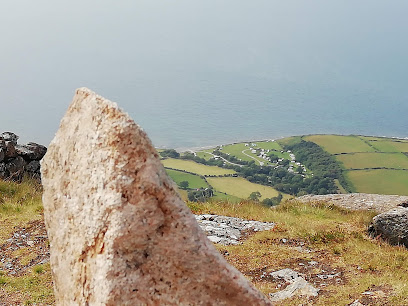
Aber-marchnad
38.2 km
Historic coastal market site at Criccieth, marked by resilience and scenic views beside the iconic castle ruins.
Ynys Cyngar
42.7 km
Historic maritime landmark on the Glaslyn estuary, offering scenic coastal views and a glimpse into North Wales’ slate and shipping heritage.
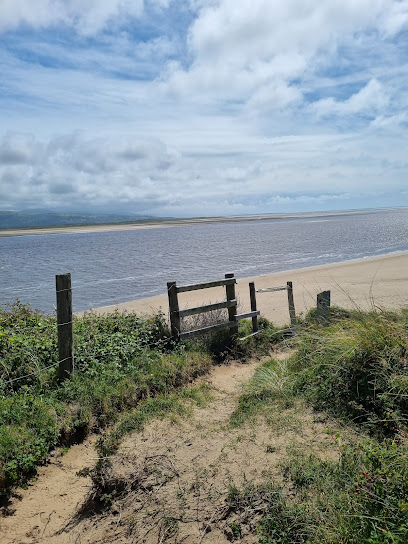
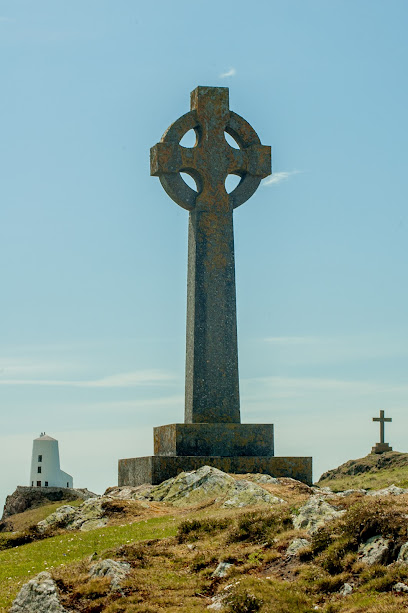
Celtic cross
45.2 km
A serene Celtic Cross memorial honoring Welsh poet Syr John Morris-Jones, set beside historic St. Mary's Church with stunning Menai Strait views.
Porth y Clochydd
45.3 km
Explore the historical landmark of Porth y Clochydd in Llanfairpwllgwyngyll, a captivating site steeped in rich Welsh heritage and scenic beauty.
Cadair y Cythraul
46.1 km
Discover the mysterious 'Chair of the Devil' in Llanfairpwllgwyngyll, a historic landmark steeped in Welsh myth and ancient landscape charm.
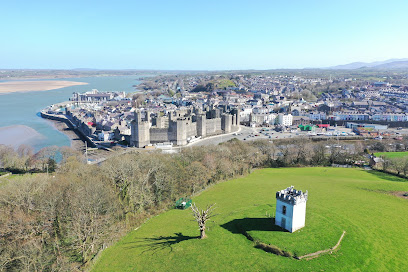
Caernarfon Tower
50.2 km
Explore Caernarfon Tower, a medieval fortress sentinel offering breathtaking views and rich Welsh history in a UNESCO World Heritage setting.
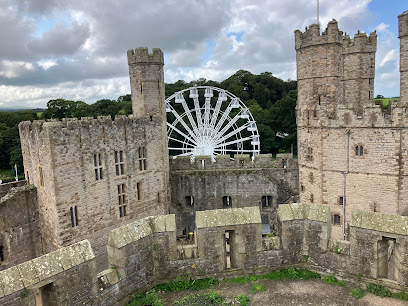
Big Wheel, Caernarfon Castle
50.5 km
Discover the grandeur of the Big Wheel at Caernarfon Castle, a historical landmark that showcases the rich heritage of Wales.
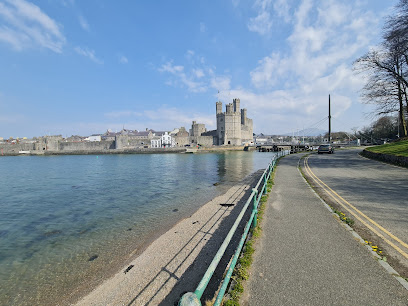
Pont Yr Aber
50.5 km
A scenic swing bridge linking Caernarfon Castle with woodland paths, offering iconic views and a touch of maritime theatre as boats pass beneath.
Maen Mawr
50.5 km
Explore Maen Mawr in Rhosneigr, a historical landmark rich in culture and surrounded by breathtaking natural beauty, perfect for history and nature lovers.
Caernarfon Castle
50.6 km
Explore Caernarfon Castle, a UNESCO World Heritage site that showcases medieval architecture and offers stunning views of Wales' beautiful landscapes.
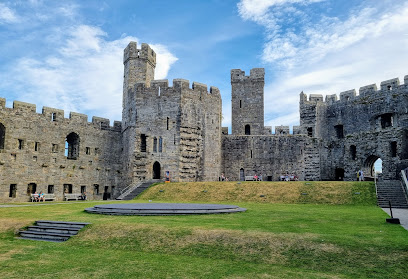
Unmissable attractions to see

Porth Meudwy
2.2 km
A tranquil Welsh cove rich in pilgrimage history, wildlife, and traditional fishing heritage on the wild Llŷn Peninsula coast.
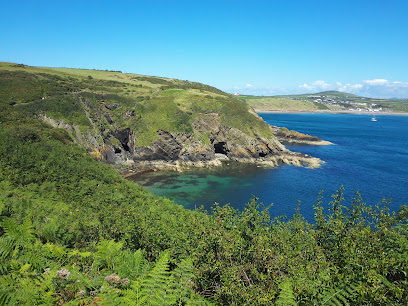
National Trust - Porth y Swnt
3.5 km
Discover Llŷn Peninsula’s culture, heritage, and coastal beauty through immersive art and nature at Porth y Swnt.
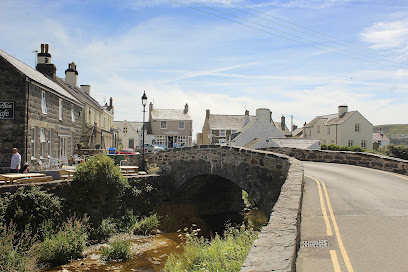
Ardal o Harddwch Naturiol Eithriadol Llŷn (AHNE) Area Of Outstanding Natural Beauty (AONB)
3.6 km
Explore the rugged beauty and rich heritage of the Llŷn Peninsula, a protected Welsh coastal sanctuary of stunning landscapes and tranquil charm.
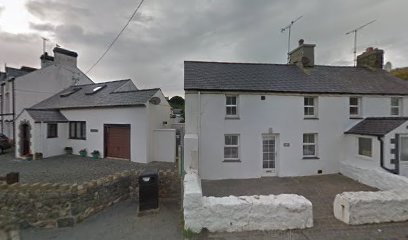
Bardsey Island
3.8 km
Discover Bardsey Island’s wild beauty, historic abbey ruins, and off-grid retreats on this tranquil Welsh sanctuary in the sea.
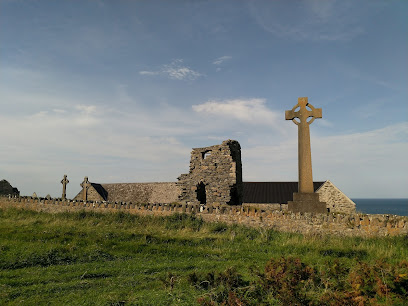
National Trust - Plas yn Rhiw
10.0 km
Historic manor gardens with organic blooms and sweeping coastal views on Wales’ scenic Llŷn Peninsula.
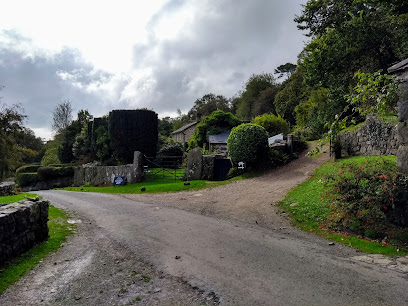
Llŷn Area of Outstanding Natural Beauty
17.9 km
Experience the wild beauty and rich Welsh culture of the Llŷn Peninsula’s stunning coastal and rural landscapes.
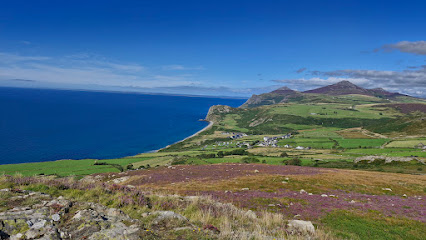
Llŷn Peninsula
20.8 km
Discover the wild beauty and rich heritage of Wales’ Llŷn Peninsula, a coastal paradise of sweeping beaches, ancient sites, and vibrant Welsh culture.
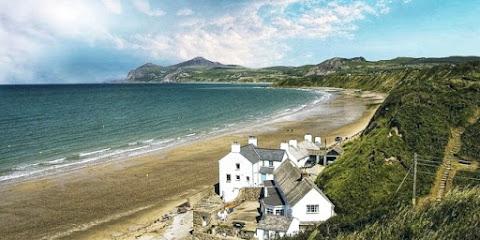
Moryn
21.4 km
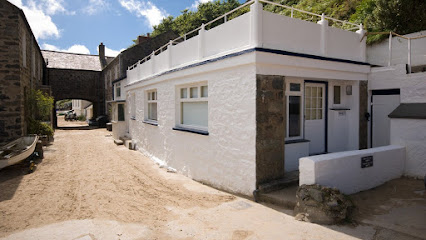
Stylish beachfront apartment in Porthdinllaen with stunning sea views and direct beach access on the beautiful Llyn Peninsula.
Tŷ Coch Inn
21.4 km
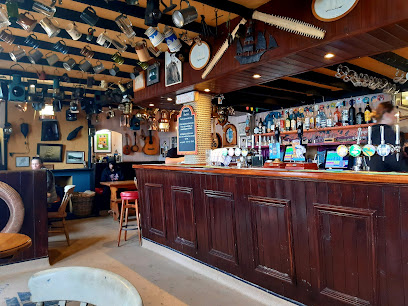
Historic red pub on a sandy beach with stunning Irish Sea views, accessible only by foot across the golf course.
Amgueddfa Forwrol Llŷn Maritime Museum
23.0 km
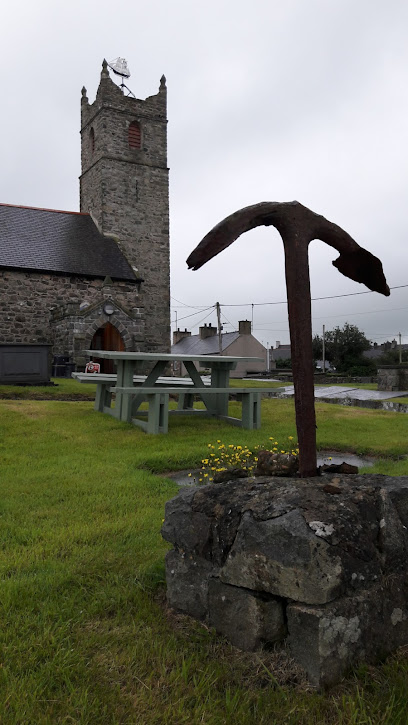
Discover the rich maritime heritage of the Llŷn Peninsula in a historic church-turned-museum with vivid exhibits and community stories.
Canolfan Dreftadaeth Heritage Centre
28.9 km
Explore the rich Welsh heritage and vibrant community spirit at Canolfan Dreftadaeth Heritage Centre in the heart of Pwllheli.
Yr Eifl
29.9 km
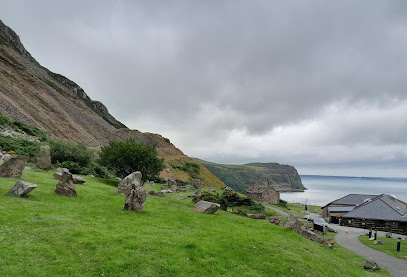
Explore the dramatic triple peaks of Yr Eifl, where ancient hillforts meet sweeping sea views on Wales’s rugged Llŷn Peninsula.
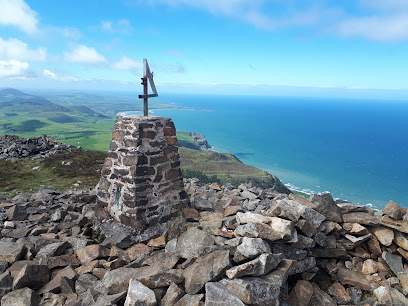
Snowdonia Attractions
30.4 km
Discover the tranquil charm and stunning natural beauty of Snowdonia Attractions at Y Ffor, a gateway to North Wales’ mountains and coast.
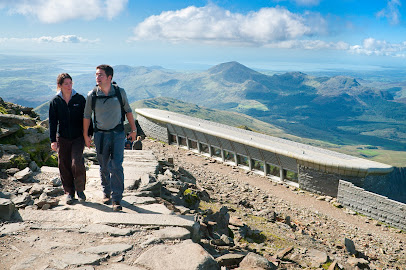
Tre'r Ceiri Hillfort
30.4 km
Explore one of Britain’s best-preserved Iron Age hillforts with intact stone walls and panoramic views atop the Llŷn Peninsula’s rugged peaks.
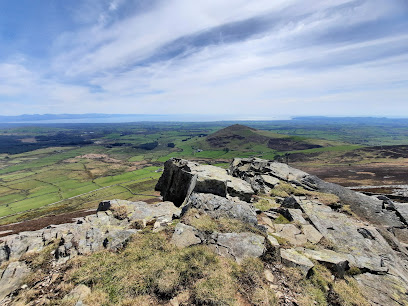
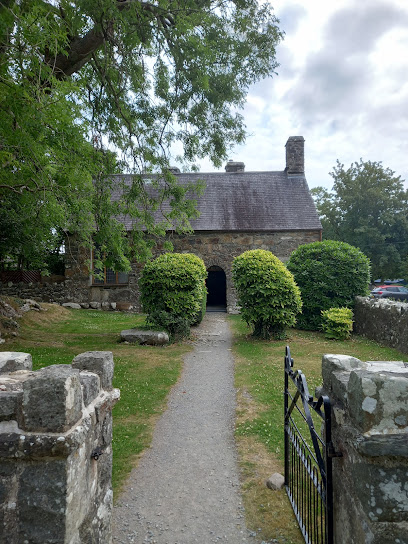
Penarth Fawr
30.5 km
Step into 15th-century Wales at Penarth Fawr, a rare medieval manor showcasing timeless stone architecture and stunning timber craftsmanship.
Essential places to dine

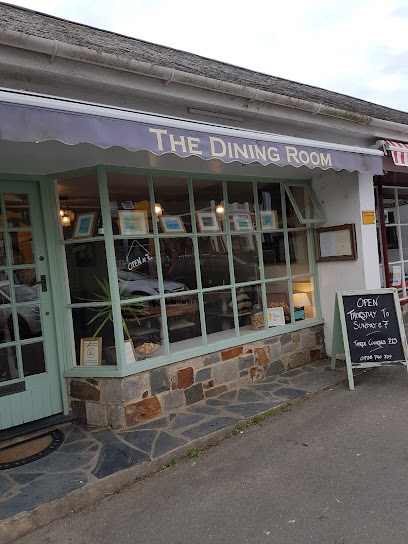
The Dining Room
17.4 km
Intimate Welsh bistro in Abersoch serving seasonal local dishes with fresh, refined flavors in a cozy, elegant setting.
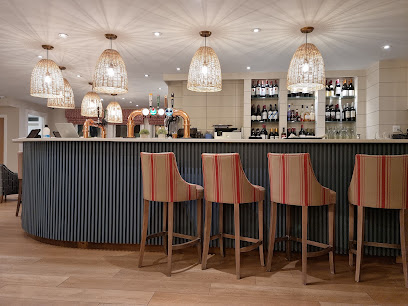
The Potted Lobster
17.4 km
Fresh, locally sourced seafood served in a stylish coastal setting with vibrant atmosphere and welcoming service in Abersoch.
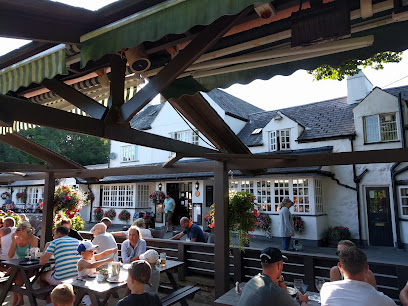
Glyn Y Weddw Arms
19.9 km
A charming coastal pub in Llanbedrog offering fresh food, family-friendly fun, and traditional Welsh hospitality in a relaxed seaside setting.
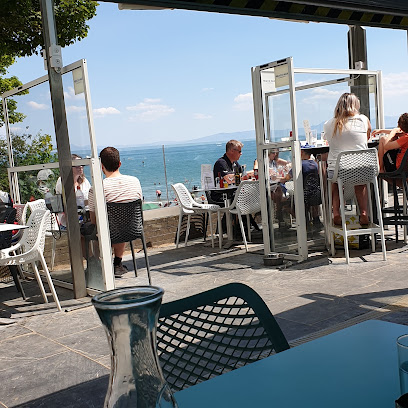
Aqua Beach Bar Restaurant
20.0 km
A contemporary beachside grill and bar with stunning coastal views, fresh seafood, and warm family hospitality in Llanbedrog.
Tremfan Hall
20.1 km
Historic coastal retreat in Llanbedrog offering modern British dining with stunning sea views and charming en-suite accommodation.

Bombay Joes
22.8 km
Experience authentic Indian cuisine with warm hospitality in the charming coastal town of Nefyn, North Wales.
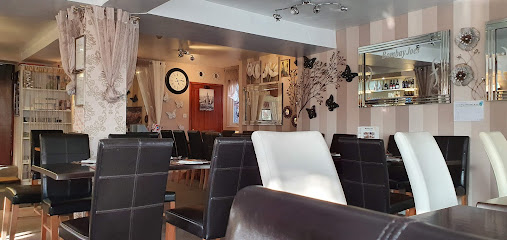
Y Madryn
32.1 km
A cozy village pub and restaurant in Chwilog offering hearty home-cooked meals and a warm, welcoming atmosphere.
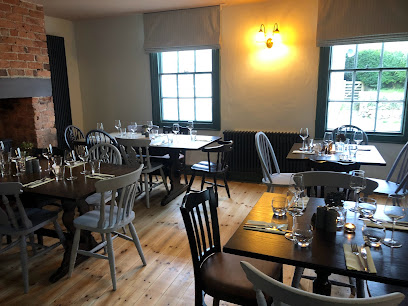
Tir a Môr
38.1 km
Fresh seafood and warm Welsh hospitality combine at Tir a Môr, a cozy café and restaurant in scenic Criccieth.
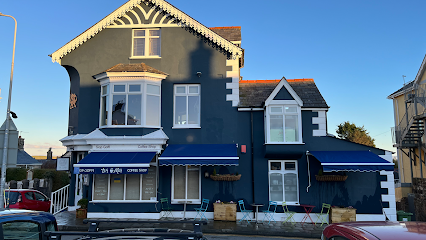
Poachers Restaurant
38.2 km
Experience the heart of Welsh cuisine with fresh local flavors and warm hospitality at Poachers Restaurant in Criccieth.
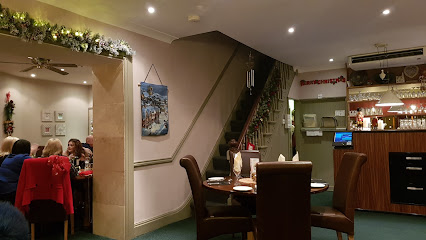
Dylan's Criccieth
38.7 km
Experience fresh Welsh seafood and stunning sea views in a charming Art Deco setting at Dylan's Criccieth on the North Wales coast.
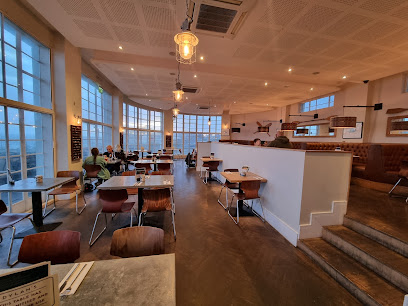
The Goat Inn - Tafarn Yr Afr
38.9 km
A cosy gastropub in Garndolbenmaen serving hearty Welsh fare with warm hospitality and a welcoming atmosphere.
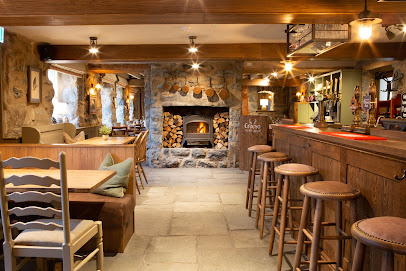
Pant Du Vineyard and Cafe
43.9 km
Discover Pant Du Vineyard and Cafe: Welsh wines, home-cooked meals, and stunning Snowdonia views in a family-friendly rural setting.
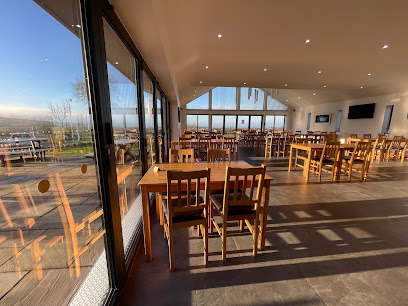
Nineteen.57
44.1 km
Experience family-friendly dining at Nineteen.57 in Islawrffordd Caravan Park – great food, welcoming atmosphere, and delightful drinks await!
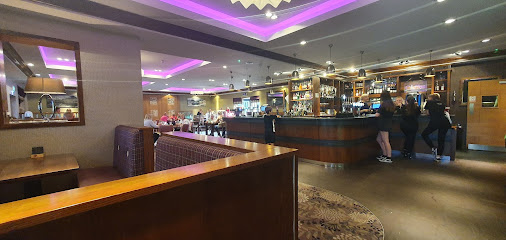
The Plas Restaurant
44.2 km
Savor traditional Welsh flavors with stunning views of Harlech Castle at The Plas Restaurant on Harlech’s High Street.
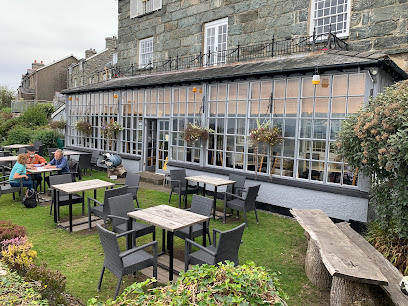
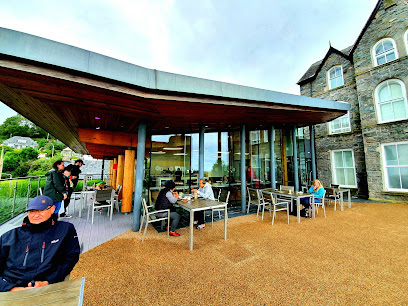
Caffi Castell Harlech
44.3 km
A cozy café in Harlech’s Castle Square serving fresh Welsh produce daily amid historic charm.
Markets, malls and hidden boutiques

Pwyth Pistyll
25.3 km
Explore Pwyth Pistyll in Pwllheli for unique gifts and local treasures that capture the essence of Welsh culture.
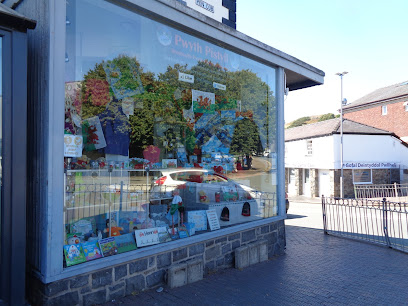
Eifion Stores
38.0 km
Discover unique Welsh gifts and homewares in a charming Criccieth shop nestled near Snowdonia’s scenic beauty.
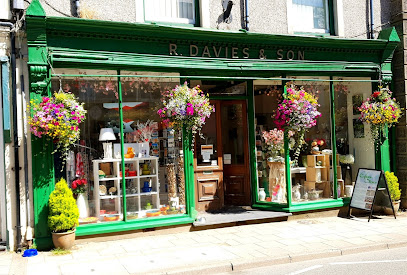
Atig Helens Attic
38.2 km
Discover unique antiques and handcrafted treasures in a warm, family-run shop nestled in the historic heart of Criccieth.
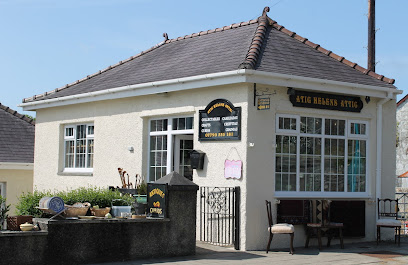
Ludicrous Allsorts
43.2 km
Quirky Welsh antique shop brimming with vintage treasures and nostalgic curiosities.
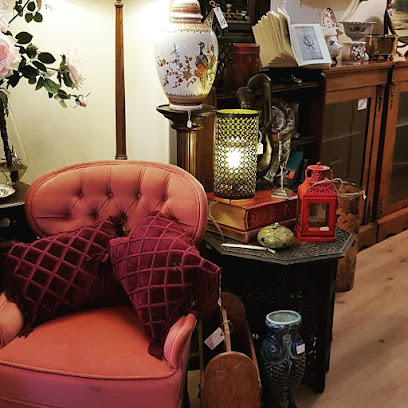
Hampers Store
43.2 km
A versatile gift and general store in Penygroes offering sweets, hardware, stationery, pet food, and DIY supplies under one welcoming roof.

Siop Hwylus Penygroes
43.4 km
Authentic Welsh flavors and everyday essentials await at Siop Hwylus Penygroes, your friendly local supermarket in the heart of Penygroes.
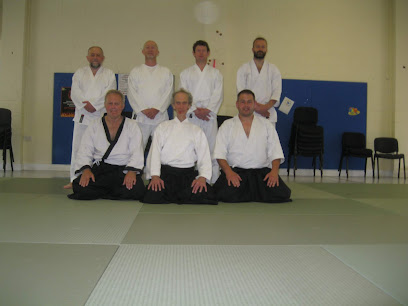
Adra | Stylish Welsh gifts
43.7 km
Discover stylish, handcrafted Welsh gifts and homeware at Adra, nestled in the scenic Parc Glynllifon near Caernarfon.
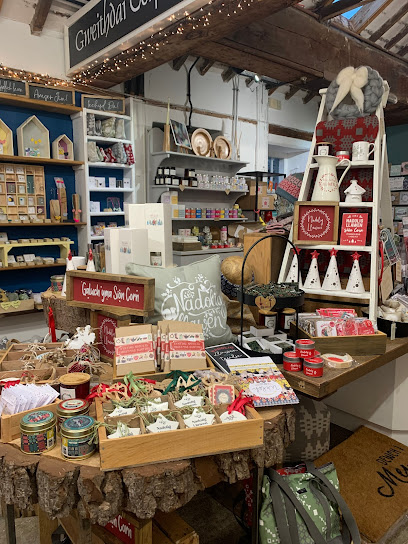
Wool & Gifts Harlech
44.3 km
Discover authentic Welsh wool crafts and charming gifts in the heart of historic Harlech’s Castle Square.
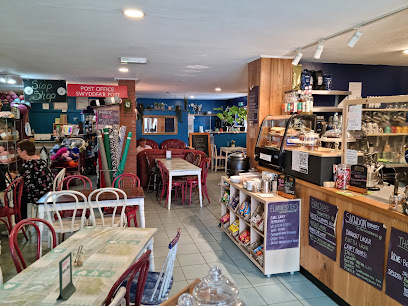
Castle Gift Shop
44.3 km
Discover authentic Welsh gifts and souvenirs at this charming family-run shop opposite historic Harlech Castle.
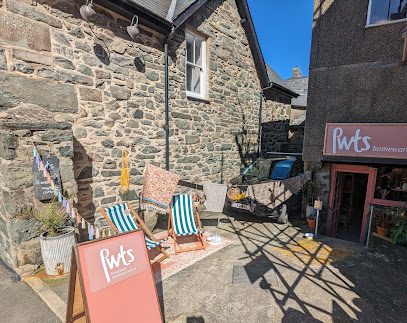
Pwts
44.3 km
Discover unique Welsh gifts and homewares at Pwts, a charming independent shop near Harlech Castle offering artisan treasures and local craftsmanship.
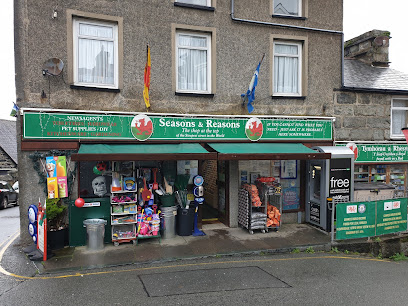
Seasons & Reasons
44.3 km
Discover the charm of Harlech at Seasons & Reasons, your ultimate DIY store for home improvement and creative projects.
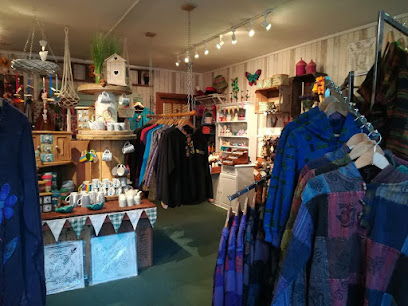
Boho Bazaar
44.7 km
A colourful, fair-trade gift shop on Porthmadog’s High Street, filled with bohemian clothing, handmade jewellery, essential oils and global-inspired décor.
The Original Factory Shop (Porthmadog)
44.7 km
Discover unbeatable deals on quality clothing, beauty, and footwear at The Original Factory Shop in the heart of Porthmadog.

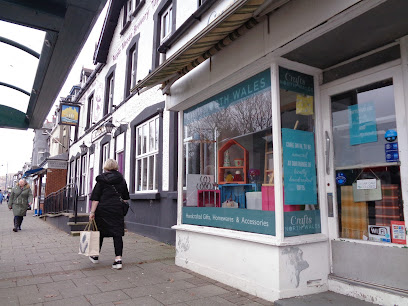
Crafts North Wales
44.8 km
Discover authentic handmade crafts and local treasures at Crafts North Wales, a charming gift shop in the heart of Porthmadog.
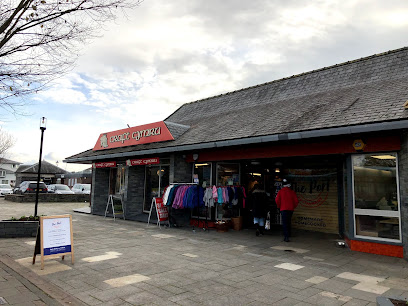
Cymru Country Store
44.8 km
Discover authentic Welsh gifts and crafts at Cymru Country Store, Porthmadog’s charming souvenir shop on High Street.
Essential bars & hidden hideouts

The Sun Inn
15.3 km
A charming traditional Welsh pub in Llanengan offering quality ales, hearty food, and a welcoming village atmosphere.
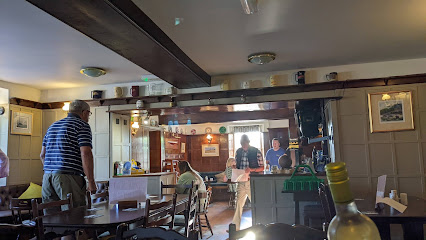
Ship Inn
19.1 km
A beloved traditional pub on the Llyn Peninsula offering warm hospitality, fresh seafood, and a family-friendly atmosphere by the sea.
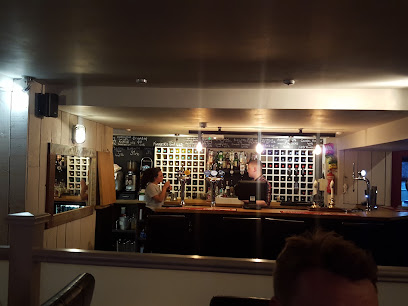
Y Bryncynan, Morfa Nefyn
21.3 km
Cozy gastropub in Morfa Nefyn offering hearty British fare, award-winning ales, vegan options, and a welcoming coastal atmosphere.
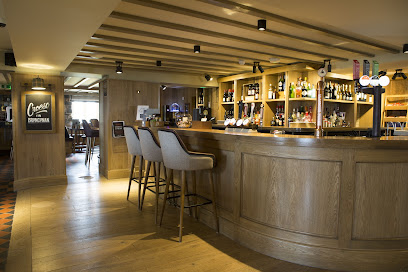
Vics Boogie-Nights
28.4 km
Energetic bar in Abererch offering lively DJ nights and a friendly atmosphere for music lovers and nightlife seekers.

Tafarn Y Plu
35.9 km
Historic Welsh pub in Llanystumdwy offering traditional fare, local ales, and a cozy atmosphere steeped in Welsh culture.
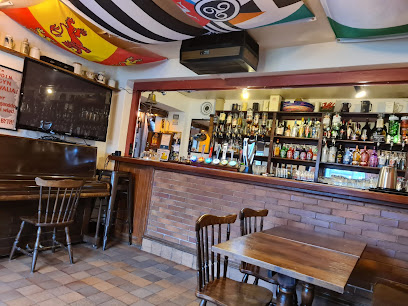
Bryn Hir Arms
37.9 km
Experience authentic Welsh pub culture with great beers, warm hospitality, and a lively atmosphere in the heart of Criccieth.
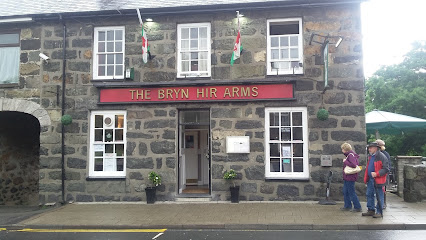
Prince of Wales
38.1 km
A welcoming traditional pub in Criccieth offering hearty meals, lively social atmosphere, and a true taste of Welsh coastal charm.
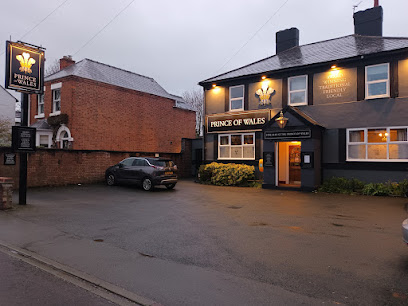
Tafarn Glanaber
41.9 km
Cozy coastal bar and restaurant in Morfa Bychan serving fresh Welsh seafood with stunning sea views and a warm, relaxed atmosphere.
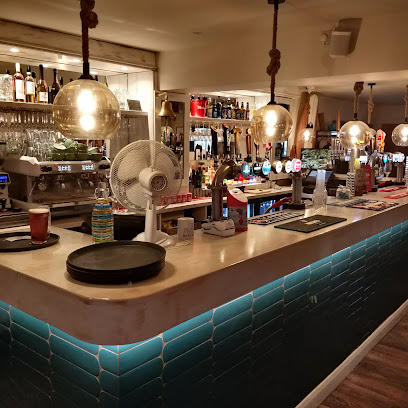
Black Rock Beach Club
41.9 km
Stylish beachside dining and drinks with heated outdoor terrace, BBQ flavors, and a welcoming vibe in Morfa Bychan, North Wales.
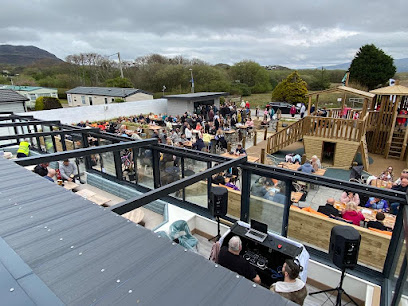
The Goat - Yr Afr
43.1 km
A warm, community-focused pub in Penygroes offering good beer, friendly faces, and a lively traditional atmosphere.
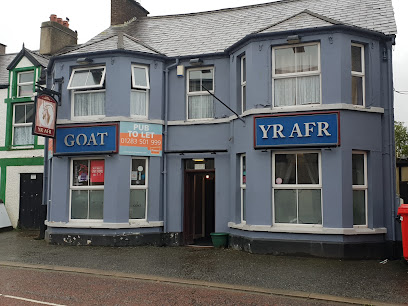
The Union Inn
44.6 km
Historic 19th-century village pub in Tremadog offering cozy rooms, traditional Welsh fare, and a warm, welcoming atmosphere.
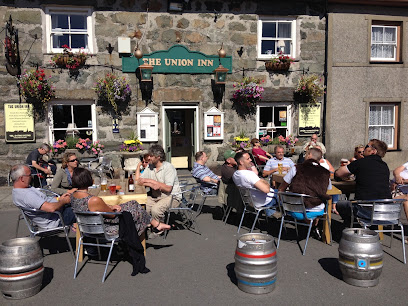
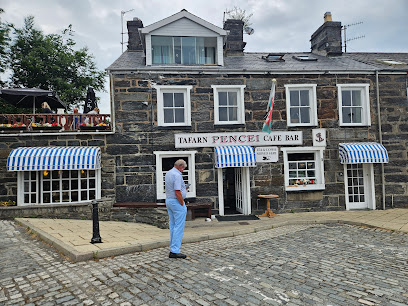
Tafarn Pencei
44.6 km
Historic Grade II listed pub on Porthmadog’s harbour, serving traditional ales and diverse food in a welcoming Welsh atmosphere.
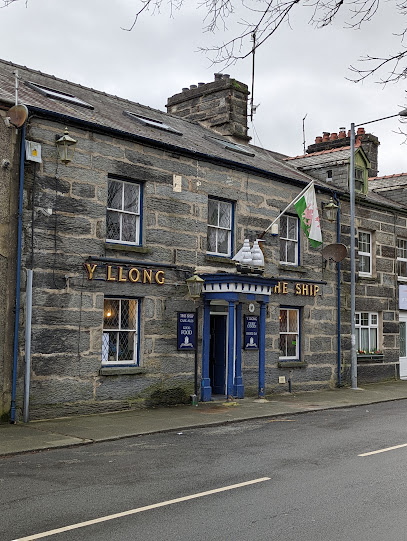
The Ship Inn/ Y Llong
44.7 km
A traditional Welsh pub in Porthmadog offering hearty homemade meals and a warm, welcoming atmosphere steeped in maritime heritage.
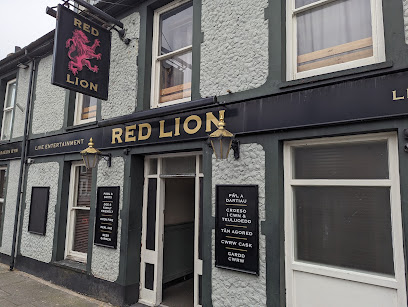
Red Lion
44.7 km
A welcoming traditional Welsh pub in Porthmadog with a spacious beer garden, pool table, and lively atmosphere for locals and visitors alike.
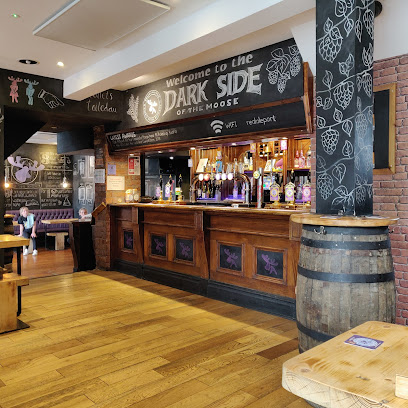
The Australia
44.8 km
A lively Purple Moose Brewery pub in Porthmadog offering hearty pub fare, vegan options, and a welcoming atmosphere with local craft beers.
Nightclubs & after hour spots

The Cove
31.3 km
Experience the vibrant nightlife at The Cove in Hafan Y Mor, North Wales, where music, dancing, and unforgettable memories await.

New Horizons
44.6 km
Experience vibrant nightlife and lively music at New Horizons, Dyffryn Ardudwy’s welcoming nightclub with spaces for all ages.

The Club Barmouth
47.6 km
Experience vibrant Saturday nights at The Club Barmouth, where stylish vibes meet lively music by the scenic Welsh coast.
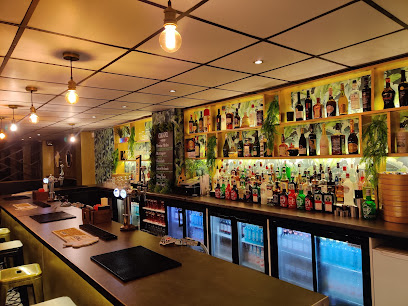
The Buffs
58.8 km
A welcoming social club in Holyhead offering lively nights, friendly faces, and a true taste of local nightlife on Cambria Street.
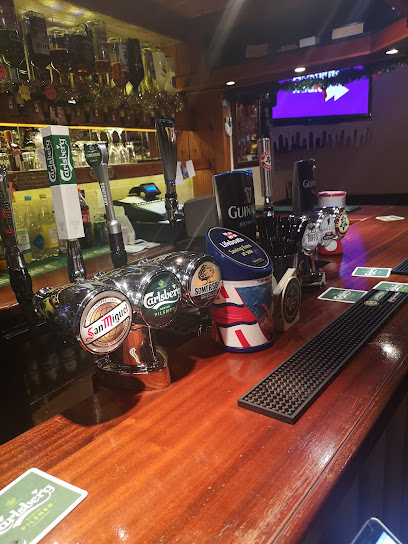
Albert Vaults
58.9 km
Experience authentic Welsh hospitality at Albert Vaults, a charming pub in Anglesey with a vibrant atmosphere and exceptional drinks.
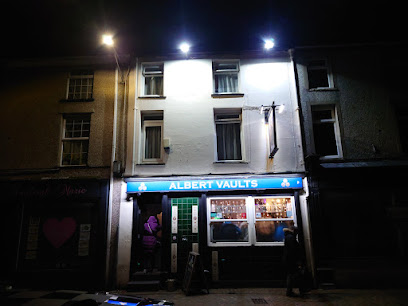
Wellman's Sports & Social Club
59.7 km
Llangefni’s vibrant social hub with lively entertainment, spacious dance floor, and a welcoming community atmosphere.
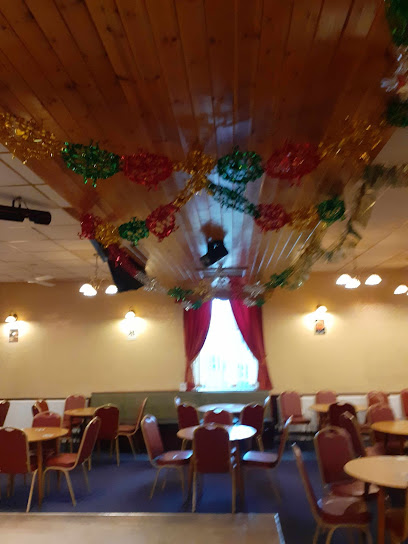
The Foundry Vaults
59.9 km
Discover the vibrant atmosphere and exciting entertainment at The Foundry Vaults, Llangefni's premier pub for drinks, karaoke, and sports.
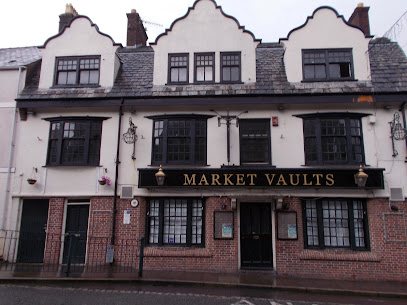
The Market Vaults
59.9 km
Experience the warm ambiance and local flavors at The Market Vaults, a beloved pub in the heart of Llangefni.
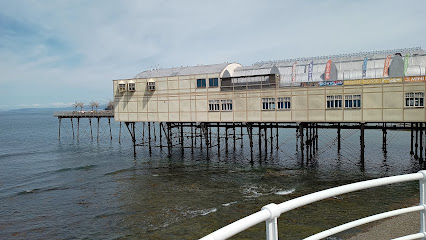
Pier Pressure
61.3 km
Experience Aberystwyth’s vibrant nightlife at Pier Pressure, a lively nightclub set on the historic Royal Pier by scenic Cardigan Bay.
Yokoswnb
61.5 km
A vibrant, budget-friendly nightclub and bar in Aberystwyth, popular with students for its lively atmosphere and central location.

The Victoria
62.7 km
Traditional Welsh pub and restaurant with scenic Menai Strait views, recently refurbished for a welcoming and modern experience.
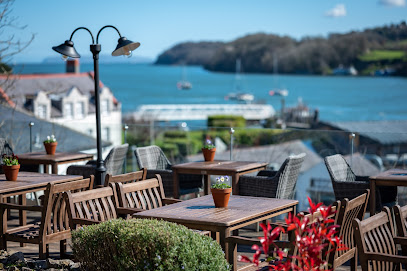
Academi
64.2 km
Bangor’s beloved student nightclub, offering vibrant music, a welcoming atmosphere, and a central role in university social life.

Trilogy Nightclub
64.8 km
Experience Bangor’s vibrant nightlife at Trilogy Nightclub, where diverse music rooms and lively weekend parties create unforgettable nights.

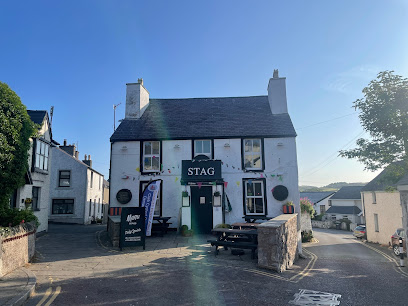
Stag Inn
72.4 km
Experience the charm of Anglesey at The Stag Inn, where delicious meals and a cozy atmosphere await you.
The Queens Head
74.4 km
Experience the heart of Amlwch at The Queens Head, a welcoming pub with local ales and hearty meals in a cozy atmosphere.
For the vibe & atmosphere seeker
- Scenic
- Adventurous
- Tranquil
- Unique
For the architecture buff
- Historic
- Landmarks
- Viewpoints
For the view chaser and sunset hunter
- Iconic Views
- Panoramas
- Waterfront
- Sunset Spots
- Sunrise Spots
For the social media creator & influencer
- Instagrammable
- Photo Spots
- Architectural Shots
- Scenic Backdrops
For the eco-conscious traveler
- Protected Area
- Low Impact
- Leave-No-Trace Critical
- Wildlife Habitat
For the kind of experience you’re after
- Photowalk
- Adventure Photo Shoot
- Nature Escape
- Day Trip
- Cultural Heritage
For how adventurous you want the journey to be
- Easy Access
- Requires Hike
- Physically Demanding
Location Audience
- Family Friendly
- Solo Friendly
- Couple Friendly
- Senior Friendly
- Pet Friendly


