

Craswall Priory, Herefordshire Travel Guide
Discover Craswall Priory, England’s highest and most remote Grandmontine monastery, steeped in austere medieval history and wild natural beauty.
Craswall Priory, founded circa 1225 by Walter de Lacy, is the highest and one of the most remote monastic sites in the UK. This rare ruin is the only surviving Grandmontine priory in England, known for its austere monastic order and unique French heritage. Though modest in size and now fragile, the site retains distinctive architectural features and offers a haunting glimpse into medieval monastic life amid the wild Herefordshire hills.
A brief summary to Craswall Priory
- Hereford, Craswall, GB
- Click to display
- Duration: 1 to 2.5 hours
- Free
-
 Outdoor
- Mobile reception: 3 out of 5

Know before you go
Hi, I'm Eve. Here are a few practical things to know before exploring Craswall Priory.
- Prepare for a hill walk to reach the priory as there is no parking nearby; sturdy footwear is recommended.
- Visit during daylight hours to fully appreciate the ruins and the surrounding pastoral landscape.
- Bring water and snacks, as there are no amenities directly at the site.
- Respect the fragile ruins and natural environment by sticking to footpaths and avoiding climbing on masonry.
Do you manage this location?
Take control to get all the benefits, like improved information, better appearance, and stronger visibility across AI-powered discovery. Learn more about listing your business on Evendo
Activate your presenceOther nearby places you may find interesting
The closest places of the same kind, if this one is not quite what you had in mind.
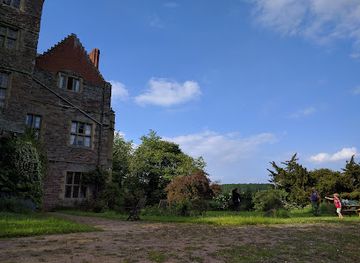
Explore Craswall Priory on the Map
A handpicked selection of must-see spots near Craswall Priory, mapped for you.
Getting There
-
Public Transport
Take a bus from Hereford to Longtown, which runs several times daily and takes approximately 50 to 70 minutes. From Longtown, a 3.5 km footpath leads to Craswall Priory, involving a steep hill walk. No direct public transport reaches the priory. Bus fares typically range from £5 to £8 one way.
-
Car and Walking
Drive to Longtown village, where limited parking is available. From there, expect a 40 to 60-minute walk on public footpaths with uneven terrain and a significant hill climb to reach the priory. No parking is available directly at the site.
-
Walking
For experienced walkers, a longer hike of 6 to 8 km from nearby villages such as Clodock or Walterstone offers scenic rural views. Terrain is hilly and can be physically demanding, so proper footwear and preparation are essential.
For the on-the-go comforts that matter to you
-
 Information Boards
-
 Seating Areas
Discover more about Craswall Priory
Origins and Historical Significance of Craswall Priory
Craswall Priory was established around 1225 by Walter de Lacy, a local lord, as a religious house for the Grandmontine order, a French monastic community known for its strict austerity. The priory was an 'alien priory,' meaning it was subordinate to its motherhouse, Grandmont Abbey in France. This foreign affiliation made it subject to scrutiny during periods of Anglo-French conflict, especially the Hundred Years War. Despite this, Craswall survived the widespread suppression of alien priories and continued functioning until its dissolution in the mid-15th century. In 1441, it was granted to God's House, Cambridge, later part of Christ's College, reflecting its enduring ecclesiastical connections.Austere Monastic Life in a Remote Setting
Situated about 1,240 feet above sea level in a secluded valley on the border of England and Wales, Craswall Priory is the highest monastic site in the UK. Its remote location in the rugged Herefordshire hills suited the Grandmontine monks' hermit-like lifestyle, emphasizing seclusion, silence, and simplicity. The monks lived in relative poverty compared to other orders, adhering closely to Gospel rules and wearing coarse habits. The harshness of medieval life here is palpable, with the site’s modest scale underscoring the monks’ austere existence.Architectural Features and Present Condition
Though now largely ruins, Craswall Priory retains distinctive architectural elements that hint at its former structure and function. The remains include a square chapter house with visible moulded bases of circular piers that once supported vaulted ceilings, and a cloister partially obscured by overgrowth. The masonry is fragile, with grass and flora reclaiming much of the site. Its small size, smaller than many parish churches, and the unique Grandmont ground plan make it architecturally significant. The site is listed on Historic England's Heritage at Risk Register, highlighting the need for conservation while preserving its wild, unkempt atmosphere.Access, Surroundings, and Visitor Experience
Craswall Priory lies on private land but benefits from generous public access granted by the landowners. Visitors typically reach the site on foot via public footpaths, involving a hill walk as there is no nearby parking. The surrounding landscape is pastoral and unspoiled, shaped by sheep farming and dotted with wildlife such as kingfishers and otters. The priory’s isolation and natural setting contribute to a profound sense of tranquility and historical mystery, offering a unique experience of medieval monastic heritage in a wild environment.Legacy and Cultural Context
The priory’s history is entwined with the marcher country heritage of the Welsh-English borderlands, an area shaped by Norman and Welsh influences. The de Lacy family’s role in establishing the priory reflects the medieval power dynamics and religious patronage of the region. Though small and austere, Craswall Priory stands as a testament to the Grandmontine order’s unique place in English monastic history and the enduring cultural landscape of Herefordshire’s border hills.Conservation and Community Stewardship
Today, Craswall Priory is cared for by the Craswall Grandmontine Society, which works to maintain the ruins and promote awareness of its historical importance. The fragile state of the remains calls for careful conservation efforts that balance preservation with the site's wild character. The priory remains a poignant symbol of medieval monastic life, inviting reflection on solitude, faith, and endurance amid the rugged borderland countryside.












Your all‑in‑one travel companion app
Explore expert travel guides, compare and book tours, experiences, hotels, and more—all from the palm of your hand. Download now for seamless trip planning wherever your wanderlust takes you.


Explore More of Herefordshire
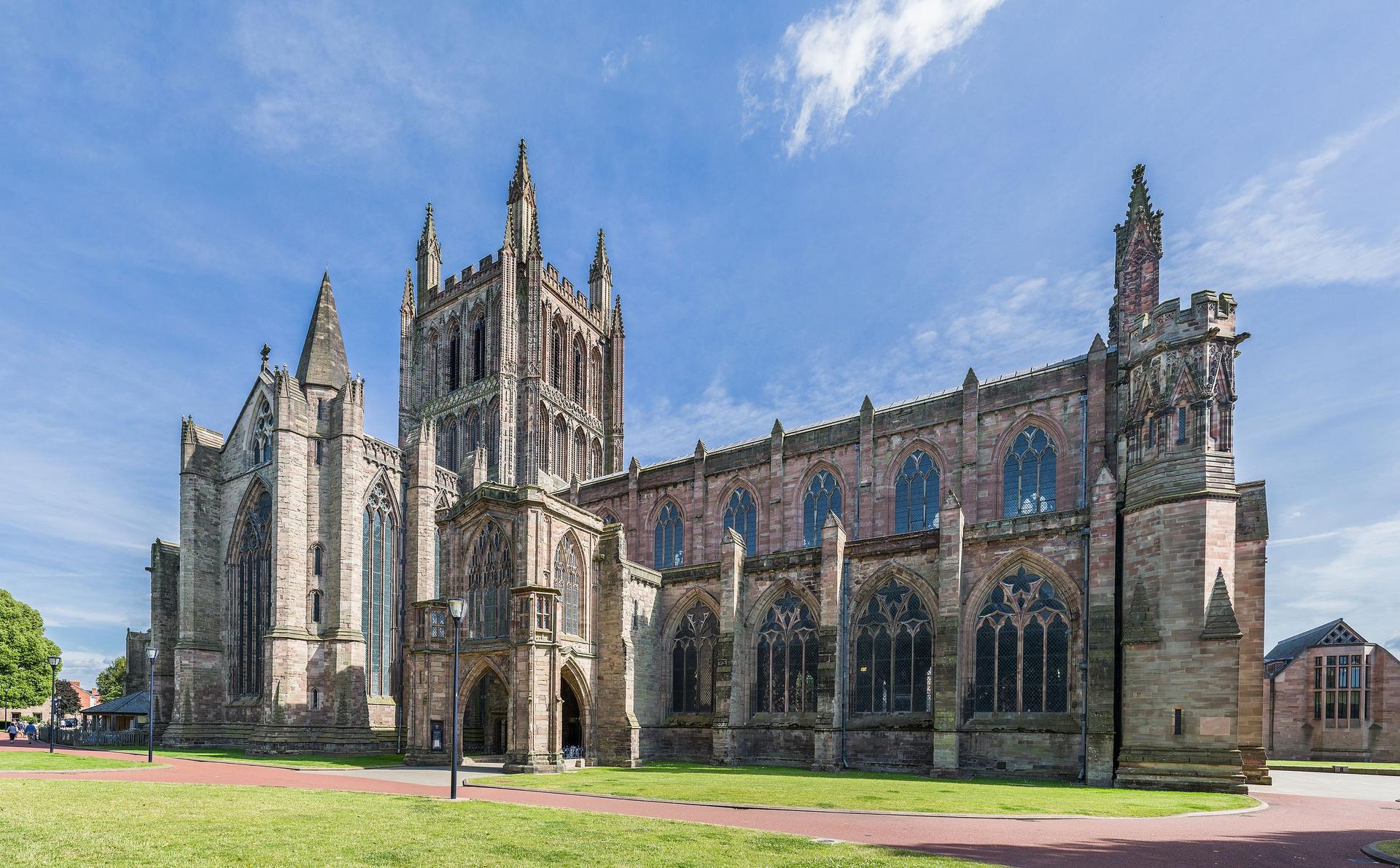
Looking beyond Craswall Priory? Discover Herefordshire for broader travel guides, local hot-spots, and regional highlights.
Explore Herefordshire
Discover the enchanting waterfall and ancient woodland of Pwll y Wrach, a peaceful nature reserve alive with spring wildflowers and wildlife near Talgarth.
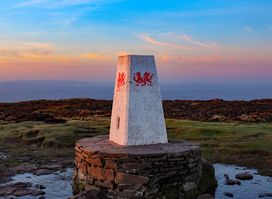
A striking border peak offering breathtaking views, accessible trails, and rich cultural history near Hay-on-Wye.
