

Free Herefordshire Travel Guide & Mobile App
Explore Herefordshire with free travel guides. Discover regional history, expert tips, proposed trips, and audio guides on web or mobile app.


Explore Herefordshire for cider orchards, Wye Valley walks, medieval landmarks, timber-framed villages and the quiet landscapes of England's Welsh border.
Read more about Herefordshire
When is the best time to visit Herefordshire?
Best: June–August · 20–22°C| Month | High (°C) | Rainfall (mm) |
|---|---|---|
| January | 7 | 60 |
| February | 8 | 55 |
| March | 10 | 60 |
| April | 14 | 55 |
| May | 17 | 60 |
| June (best) | 20 | 65 |
| July (best) | 22 | 65 |
| August (best) | 22 | 70 |
| September | 19 | 65 |
| October | 15 | 70 |
| November | 10 | 65 |
| December | 7 | 70 |
Getting to and around Herefordshire
How to get there
Transportation
Destinations in Herefordshire
Resorts, valleys and scenic spots worth a trip of their own.

Swipe for more destinations
Best attractions in Herefordshire
Herefordshire's attractions are spread through a rural landscape, making the journey between them part of the experience. In Hereford, the cathedral and its Mappa Mundi provide a major cultural focus, while the city's museums and riverside setting offer an introduction to the county's history. Historic towns including Ledbury, Leominster, Ross-on-Wye and Bromyard contain timber-framed buildings, churches, markets and independent cultural venues. Across the countryside, Goodrich Castle, Eastnor Castle and Croft Castle present different versions of aristocratic and military history, from a medieval fortress above the Wye to landscaped estates and historic collections. Smaller churches such as Kilpeck add distinctive Norman architecture. The Wye Valley supports walking, canoeing, fishing and wildlife watching, while the county's hills and orchards appeal to cyclists and landscape photographers. The Black and White Village Trail links several settlements known for their historic timber construction, and cider farms and food producers provide a more contemporary way to understand the agricultural landscape. Visitors should expect a mixture of formal attractions, accessible footpaths and working rural places rather than a concentrated resort-style sightseeing circuit.
-
Shopping Centre
Old Market Hereford
Hereford’s vibrant open-air shopping and leisure destination with top brands, eateries, cinema, and family-friendly amenities.
-
Tourist attraction
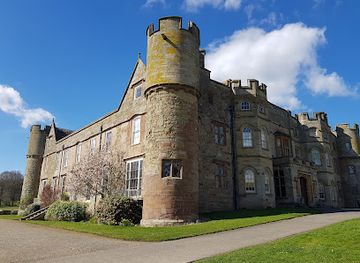
National Trust - Croft Castle and Parkland
Explore centuries of history, vast parkland, and family-friendly gardens at the enchanting Croft Castle and Parkland in Herefordshire.
-
Cathedral
Hereford Cathedral
Explore Hereford Cathedral’s 1,300-year legacy, medieval masterpieces, and serene gardens in the heart of historic Hereford.
-
Abbey
Tewkesbury Abbey
Discover the Norman splendor and medieval artistry of Tewkesbury Abbey, a historic gem in the heart of Gloucestershire.



Best landmarks in Herefordshire
Hereford Cathedral is the county's most important architectural and cultural landmark, combining a long ecclesiastical history with the Mappa Mundi and a medieval chained library. Goodrich Castle occupies a commanding position above the River Wye and is one of the clearest reminders of Herefordshire's role in the medieval Marches. Kilpeck Church is smaller but particularly notable for its Romanesque carving and unusual sculptural detail. The timber-framed buildings of Leominster, Ledbury and Weobley form a wider built landmark landscape rather than a single monument, preserving the appearance of towns and villages shaped by medieval trade. Eastnor Castle and Croft Castle represent different phases of the county's landed history, set within designed landscapes and estate country. The River Wye is itself a defining natural landmark, cutting through wooded hills and border scenery. On higher ground, traces of Offa's Dyke and the routes of the Black Mountains foothills express the county's position beside the historic Welsh frontier.
-
Historical landmark
Arthur's Stone
Discover the ancient mystery and legendary tales of Arthur's Stone, a serene Neolithic tomb set in Herefordshire’s scenic Golden Valley.
-
Museum
Black and White House Museum
Step into 17th-century Hereford at the Black and White House Museum, a beautifully preserved timber-framed Jacobean home with rich history and engaging exhibits.
-
Historical landmark
The Hereford Labyrinth
A tranquil 20-metre labyrinth on Hereford’s Bishop’s Meadow, blending ancient spiritual tradition with serene riverside nature.


Explore Herefordshire on the map
Plan your trip on one map. See where the top cities, national parks and sights are, and book hotels and experiences in a few clicks.
Best hotels in Herefordshire
Best restaurants in Herefordshire
Herefordshire's food culture is rooted in its farms, orchards and market towns. Apples and pears are central, appearing as cider and perry as well as in seasonal cooking, while local menus commonly draw on beef, lamb, game, cheeses, vegetables and other produce from the Marches. Country pubs, village inns and farm cafés often provide the most direct introduction to this regional larder, particularly around the Wye Valley and the orchard districts. Hereford and the larger towns offer a broader choice of contemporary restaurants, cafés, bakeries and international cooking. Farmers' markets and farm shops are useful for finding cider, preserves, cakes, cheeses and fresh produce, although the range and opening days vary by town. Traditional British dishes naturally feature alongside modern menus, so the county's distinctive character is usually found in the provenance of ingredients rather than in a single signature recipe. Perry deserves particular attention: it is made from pears and has a separate tradition from apple cider.
-
Hamburger
The Beefy Boys
Savor gourmet burgers crafted from premium meats in the vibrant heart of Hereford’s Old Market, blending quality with a lively atmosphere.
-
Steak
Miller & Carter Hereford
Contemporary steakhouse in Hereford’s Old Market serving expertly cooked prime cuts with attentive service in a modern, welcoming setting.
-
Pub
Bunch of Carrots
A warm, family-friendly country pub near Hereford serving hearty carvery and local brews in a cosy, rustic setting.
-
Buffet
AMAZING ASIA BUFFET
A vibrant all-you-can-eat Asian buffet blending Indian, Thai, and Bangladeshi flavors in the heart of Hereford.


Best bars in Herefordshire
Evening life in Herefordshire is centred on pubs, restaurants, historic inns and live entertainment rather than a large nightclub scene. Hereford has the widest choice, including traditional city-centre pubs, bars, music venues and places suited to an early or late meal. Ledbury, Leominster, Ross-on-Wye and Bromyard provide smaller clusters of pubs and restaurants, while rural evenings usually revolve around village inns, destination dining and community events. Cider and perry are prominent local drinks, and some producers offer tastings or seasonal events, but visitors should check arrangements rather than assume that every farm operates as a bar. The county's dispersed settlement pattern means taxis and pre-booked transport can be important after visiting rural venues. Nightlife is quieter outside the main towns, with the emphasis on conversation, food, local drinks and occasional live music rather than dense late-night entertainment districts.
-
Pub
Bunch of Carrots
Historic riverside pub in Hampton Bishop offering hearty British carvery, family-friendly amenities, and spacious dining for all occasions.
-
Pub
The Barrels
Historic 18th-century coaching inn with lively multi-room charm, large courtyard, excellent beer, and a welcoming social scene in Hereford.
-
Pub
Cock of Tupsley
A friendly and classic British pub in Hereford’s Tupsley, offering hearty meals, gluten-free options, and a warm community atmosphere every day.
-
Bar
Cosy Club
Eclectic British dining and vibrant bar atmosphere in the heart of Hereford’s historic Widemarsh Street.


Best nightclubs in Herefordshire
Evening life in Herefordshire is centred on pubs, restaurants, historic inns and live entertainment rather than a large nightclub scene. Hereford has the widest choice, including traditional city-centre pubs, bars, music venues and places suited to an early or late meal. Ledbury, Leominster, Ross-on-Wye and Bromyard provide smaller clusters of pubs and restaurants, while rural evenings usually revolve around village inns, destination dining and community events. Cider and perry are prominent local drinks, and some producers offer tastings or seasonal events, but visitors should check arrangements rather than assume that every farm operates as a bar. The county's dispersed settlement pattern means taxis and pre-booked transport can be important after visiting rural venues. Nightlife is quieter outside the main towns, with the emphasis on conversation, food, local drinks and occasional live music rather than dense late-night entertainment districts.
-
Night Club
Trilogy Hereford
Experience Hereford’s vibrant nightlife at Trilogy, a dynamic nightclub pulsing with music and energy until the early morning hours.

Best shops in Herefordshire
Shopping in Herefordshire is strongest in its market towns and independent high streets rather than in large retail complexes. Hereford has the broadest selection of national retailers, department-style shopping, books, clothing, cafés and specialist food shops, while Ledbury, Leominster, Ross-on-Wye and Bromyard offer smaller centres with antiques, galleries, second-hand books, crafts and independent businesses. Rural farm shops are useful for cider, perry, apple juice, cheeses, preserves, meats and seasonal produce, and local markets provide a changing selection of food and handmade goods. Craft shopping often includes pottery, textiles, woodwork, artwork and jewellery, especially in towns with established gallery communities. Market days and opening arrangements vary, so check locally before making a special journey. Good regional souvenirs are durable food products and drinks from Herefordshire's orchards, rather than generic items associated with the wider United Kingdom.
-
Shopping Centre
Maylord Orchards
A vibrant shopping centre in Hereford blending popular brands with local charm and community spirit.
-
Shopping Centre
Labels Shopping
A vibrant shopping and leisure centre in Ross-on-Wye offering diverse stores, dining, a luxury cinema, and free parking in a welcoming setting.
-
Homewares Shop
Dunelm
Your one-stop homewares and furnishings store in Hereford’s Spur Retail Park, offering variety, quality, and unique finds.
-
Department store
Philip Morris & Son
A historic family-run department store in Hereford offering quality homewares, clothing, and outdoor equipment with exceptional service since 1845.


Get your free copy of our complete guide to Herefordshire, delivered straight to you.
Everything on this page, from attractions and restaurants to essentials and local phrases, in one PDF you can read offline, print or share.
Already have an account? Sign in
Your Herefordshire guide is ready.
We'll send it to · Not you? Sign out

Getting your guide ready…
We are putting together a fresh copy of the Herefordshire guide. This can take up to a minute.
This can take a few moments. If your browser asks, choose Allow so the download can start. You'll find the guide in your Downloads folder.
Nothing happened? Download it again
Sorry, the guide is taking longer than usual. Please try again in a minute, or get it by email instead.
Herefordshire essentials
Currency and Payment
Safety
Emergency Situations
Do's and Don'ts
Local Tips
From Eve
Local phrases worth knowing
You don't need to get them perfect. A few words go a long way, and locals appreciate the effort.
Basics
| English | Local | Say it |
|---|---|---|
| Hello | Hello | [həˈloʊ] |
| Goodbye | Goodbye | [ɡʊdˈbaɪ] |
| Yes | Yes | [jɛs] |
| No | No | [noʊ] |
| Please/You're welcome | Please/You're welcome | [pliːz/ jʊr ˈwɛlkəm] |
| Thank you | Thank you | [θæŋk juː] |
| Excuse me/Sorry | Excuse me/Sorry | [ɪkˈskjuːz mi/ˈsɑːri] |
| How are you? | How are you? | [haʊ ɑːr juː] |
| Fine. And you? | Fine. And you? | [faɪn. ənd juː] |
| Do you speak English? | Do you speak English? | [duː juː spiːk ˈɪŋɡlɪʃ] |
| I don't understand | I don't understand | [aɪ doʊnt ˌʌndərˈstænd] |
Eating & Drinking
| English | Local | Say it |
|---|---|---|
| I'd like to see the menu, please | I'd like to see the menu, please | [aɪd laɪk tə siː ðə ˈmɛnjuː, pliːz] |
| I don't eat meat | I don't eat meat | [aɪ doʊnt iːt miːt] |
| Cheers! | Cheers! | [ʧɪrz] |
| I would like to pay, please | I would like to pay, please | [aɪ wʊd laɪk tə peɪ, pliːz] |
Emergencies
| English | Local | Say it |
|---|---|---|
| Help! | Help! | [hɛlp] |
| Go away! | Go away! | [ɡoʊ əˈweɪ] |
| Call the Police! | Call the Police! | [kɔːl ðə pəˈliːs] |
| Call a doctor! | Call a doctor! | [kɔːl ə ˈdɒktər] |
| I'm lost | I'm lost | [aɪm lɒst] |
| I'm ill | I'm ill | [aɪm ɪl] |
Shopping
| English | Local | Say it |
|---|---|---|
| I'd like to buy... | I'd like to buy... | [aɪd laɪk tə baɪ...] |
| I'm just looking | I'm just looking | [aɪm dʒʌst ˈlʊkɪŋ] |
| How much is it? | How much is it? | [haʊ mʌʧ ɪz ɪt] |
| That's too expensive | That's too expensive | [ðæts tuː ɪkˈspɛnsɪv] |
| Can you lower the price? | Can you lower the price? | [kæn juː ˈloʊər ðə praɪs] |
Time & Numbers
| English | Local | Say it |
|---|---|---|
| What time is it? | What time is it? | [wʌt taɪm ɪz ɪt] |
| It's one o'clock | It's one o'clock | [ɪts wʌn əˈklɒk] |
| Half past (10) | Half past (10) | [hɑːf pɑːst 10] |
| Morning | Morning | [ˈmɔːrnɪŋ] |
| Afternoon | Afternoon | [ˌæftərˈnuːn] |
| Evening | Evening | [ˈiːvnɪŋ] |
| Yesterday | Yesterday | [ˈjɛstərdeɪ] |
| Today | Today | [təˈdeɪ] |
| Tomorrow | Tomorrow | [təˈmɔːroʊ] |
| 1 | 1 | [wʌn] |
| 2 | 2 | [tuː] |
| 3 | 3 | [θriː] |
| 4 | 4 | [fɔːr] |
| 5 | 5 | [faɪv] |
| 6 | 6 | [sɪks] |
| 7 | 7 | [sɛvən] |
| 8 | 8 | [eɪt] |
| 9 | 9 | [naɪn] |
| 10 | 10 | [tɛn] |
Transport & Directions
| English | Local | Say it |
|---|---|---|
| Where's a/the...? | Where's a/the...? | [wɛrz ə/ðə...?] |
| What's the address? | What's the address? | [wɒts ði əˈdrɛs] |
| Can you show me (on the map)? | Can you show me (on the map)? | [kæn juː ʃoʊ miː (ɒn ðə mæp)?] |
| When's the next (bus)? | When's the next (bus)? | [wɛnʤ ðə nɛkst (bʌs)?] |
| A ticket (to ....) | A ticket (to ....) | [ə ˈtɪkɪt (tə ....)] |
History of Herefordshire
Prehistoric Landscapes and Iron Age Borderlands
Herefordshire's hills and valleys contain evidence of prehistoric settlement, cultivation and ceremonial activity, although much of the archaeological record survives as earthworks rather than monumental architecture. Hillforts and defended sites on the higher ground reflect the strategic value of the region's routes between the Welsh uplands and the English lowlands. These landscapes later became part of a frontier zone, and the pattern of farms, lanes and fields still reflects centuries of adaptation to the area's rivers, hills and fertile soils.
Roman Roads and Settlement
The Roman occupation brought roads, administrative control and new patterns of settlement to the borderlands. The major Roman town of Magnis, at present-day Kenchester north-west of Hereford, stood beside an important route linking settlements in the Welsh Marches with the wider network of Roman Britain. Although little of the town is visible above ground, archaeological remains and the course of Roman roads help explain Herefordshire's continuing importance as a passage between the Midlands, western England and Wales.
The Norman March and Medieval Castles
After the Norman Conquest, Herefordshire became part of the volatile Welsh Marches, where powerful marcher lords controlled castles, estates and religious foundations with considerable autonomy. Hereford Castle, now largely disappeared, and surviving strongholds such as Goodrich Castle demonstrate the military importance of the River Wye corridor. Norman churches, including the remarkable Romanesque church at Kilpeck, belong to the same period. The border was not simply a line on a map: it was a zone of political negotiation, raids, settlement and cultural exchange.
Medieval Wool, Markets and Timber-Framed Towns
From the later Middle Ages, wool, hides, grain and agricultural produce supported Herefordshire's market towns. Hereford, Leominster, Ledbury and smaller settlements prospered through trade, while merchants and prosperous farmers built timber-framed houses that remain among the county's most recognisable architectural features. The Black and White Village Trail reflects this legacy, particularly in settlements such as Weobley and Pembridge. Medieval churches, market buildings and burgage plots continue to reveal how commerce shaped the county's towns and villages.
The Reformation and Religious Change
The Tudor Reformation transformed religious life across Herefordshire. Monastic institutions lost their lands and influence, while parish churches were altered to reflect changing national religious policy. Hereford Cathedral survived as an important centre of worship and learning, and its library and manuscript collections preserve evidence of the county's intellectual history. The dissolution also reshaped the ownership of estates, helping establish or enlarge landed properties whose houses, parks and gardens remain prominent features of the modern landscape.
Civil War and the Border Counties
Herefordshire was drawn into the conflicts of the seventeenth-century Civil Wars because of its strategic position between royalist and parliamentary territories. Hereford changed hands during the conflict, and nearby castles and fortified houses acquired renewed military importance. The county's connections with Wales and the Midlands made it a corridor for troops, supplies and political influence. Later alterations to castles and estates, together with surviving earthworks and documentary records, preserve traces of a period when local loyalties were tested by national upheaval.
Agriculture, Orchards and Modern Cider Culture
Agriculture remained the foundation of Herefordshire's economy as industrialisation transformed other parts of Britain. Orchards expanded, and apples and pears became central to the county's commercial identity, producing cider and perry for local and national markets. Improved roads and railways connected farms with towns and larger trading centres, while twentieth-century farming brought both intensification and the loss of some traditional orchards. Today, cider-making, farm shops, food tourism and orchard conservation connect the county's historic rural economy with contemporary visitor experiences.
Herefordshire in Photos
Browse through our photo collection highlighting the charm and character of the destination.
Neighbouring regions of Herefordshire
The closest regions to Herefordshire, if you have time for more than one.
-

-

-

-
-


Swipe for more regions
Explore more

Explore more of United Kingdom
Discover the United Kingdom: A blend of rich history, stunning landscapes, and vibrant cities, offering a unique travel experience for every visitor.
Explore United Kingdom