
Clava Cairns: Mystical Bronze Age Burial Cairns Near Inverness
Explore Clava Cairns, a mystical 4,000-year-old Bronze Age burial site near Inverness, famed for its ancient stone circles and celestial alignments.
Clava Cairns is a remarkably well-preserved Bronze Age cemetery complex near Inverness, Scotland, dating back around 4,000 years. Comprising three main cairns—two passage graves and one ring cairn—each encircled by standing stones, the site reflects ancient burial rituals and astronomical alignments, notably with the midwinter sunset. Set in a tranquil woodland, it offers a powerful connection to prehistoric life and inspired the fictional Craigh na Dun in the Outlander series. Open year-round with free access and parking, it remains a serene and evocative historic landmark.
A brief summary to Clava Cairns
- Inverness, IV2 5EU, GB
- +441667460232
- Visit website
- Duration: 0.5 to 2 hours
- Free
-
 Outdoor
- Mobile reception: 4 out of 5
- Monday 12 am-12 am
- Tuesday 12 am-12 am
- Wednesday 12 am-12 am
- Thursday 12 am-12 am
- Friday 12 am-12 am
- Saturday 12 am-12 am
- Sunday 12 am-12 am
Local tips
- Wear sturdy footwear due to uneven terrain and natural stone surfaces.
- Bring water and snacks, as there are no food or drink facilities on-site.
- Visit during quieter times early or late in the day to enjoy a more tranquil experience.
- Combine your visit with nearby Culloden Battlefield for a comprehensive historical day trip.
- Respect the site by staying on paths and not climbing on the stones.

For the on-the-go comforts that matter to you
- Restrooms
- Parking
- Information Boards
- Seating Areas
- Picnic Areas
- Trash Bins
Getting There
-
Car
Driving from Inverness, the journey to Clava Cairns takes approximately 15–20 minutes via the A96 and B851 roads. Free on-site parking is available but limited, especially during peak times. Coaches are not recommended due to parking constraints.
-
Bus and Walk
Take a regional bus from Inverness to Culloden Battlefield, which takes about 30 minutes. From there, a 20–30 minute walk along rural paths leads to Clava Cairns. The terrain is uneven and may be challenging for some visitors.
-
Guided Tour
Join a guided Highland or Outlander-themed tour departing from Inverness, typically lasting 4–6 hours and including Clava Cairns and nearby Culloden Battlefield. Prices range from £40 to £70 per person depending on the provider.
Clava Cairns location weather suitability
-
 Any Weather
-
 Rain / Wet Weather
-
 Clear Skies
-
 Windy Conditions
-
 Mild Temperatures
Discover more about Clava Cairns
Ancient Origins and Archaeological Significance
Clava Cairns, located near Inverness in the Scottish Highlands, is an exceptional prehistoric site dating back approximately 4,000 years to the Bronze Age, around 2000 BCE. The complex consists of three primary burial cairns arranged in a northeast to southwest alignment. Two of these cairns are passage graves featuring stone-lined passages leading to central chambers, while the third is a sealed ring cairn without an entrance. Each cairn is surrounded by its own stone circle, highlighting the sophisticated architectural and ceremonial practices of the era. The site is part of a broader prehistoric landscape with over 50 similar cairns identified in the region, underscoring its cultural importance.Celestial Alignments and Ritual Purpose
The layout of Clava Cairns reveals an advanced understanding of astronomy by its builders. The two passage graves are aligned toward the southwest, corresponding with the setting sun at the winter solstice, suggesting the site’s use in ancient ceremonial and calendrical functions. The standing stones encircling the cairns are graded in height, with the tallest stones facing the midwinter sunset, reinforcing the connection to celestial events. This alignment may have symbolized death and rebirth cycles, reflecting spiritual beliefs about the afterlife and seasonal change.Atmosphere and Landscape Setting
Nestled in a peaceful woodland setting near the River Nairn, Clava Cairns offers a mystical and tranquil atmosphere that draws visitors into a deep sense of connection with the past. The uneven terrain and natural surroundings enhance the feeling of stepping back in time, where the weathered stones stand as silent sentinels to ancient rituals. The site’s quiet ambiance is often described as soul-stirring, inviting reflection on the lives and beliefs of Scotland’s early inhabitants. Nearby, the smaller cemetery at Milton of Clava features additional cairns and the remains of a medieval chapel, extending the historical narrative of the area.Modern Cultural Resonance and Visitor Experience
In recent years, Clava Cairns has gained wider cultural significance as the inspiration for the fictional Craigh na Dun in the popular Outlander series. This connection has attracted fans worldwide, adding a layer of storytelling magic to the site’s ancient presence. Visitors typically spend one to two hours exploring the cairns and reading the interpretive information boards, absorbing the sense of mystery and history. The site is free to visit, open 24/7 year-round, and managed by Historic Environment Scotland, though it offers no visitor centre, toilets, or cafés, preserving its untouched and natural character.Practical Considerations for Visitors
Clava Cairns is accessible via a small car park with free parking, including spaces suitable for minibuses, though coaches are not recommended. The terrain is uneven and may present challenges for visitors with mobility issues. There are no onsite facilities such as restrooms or food services, so visitors should plan accordingly. The site’s open access allows for flexible visiting times, but peak periods can fill the limited parking quickly. Combining a visit to Clava Cairns with nearby attractions like Culloden Battlefield offers a rich historical journey through Scotland’s layered past.Enduring Legacy of Scotland’s Prehistoric Heritage
Clava Cairns stands as a testament to the ingenuity, spirituality, and craftsmanship of Bronze Age societies in Scotland. The carefully constructed cairns and their celestial alignments invite ongoing exploration and interpretation, connecting modern visitors with a lineage stretching back millennia. The site’s evocative power lies in its ability to transcend time, offering a tangible link to ancient human experience and the mysteries of life, death, and the cosmos.Iconic landmarks you can’t miss

Leanach Farm
0.6 km
Experience authentic Highland farm life with luxury comfort, scenic views, and historic sites just minutes from Inverness.

Milton of Clava
0.8 km
Explore ancient Bronze Age burial cairns and standing stones in a serene Scottish setting near the historic Culloden Moor.
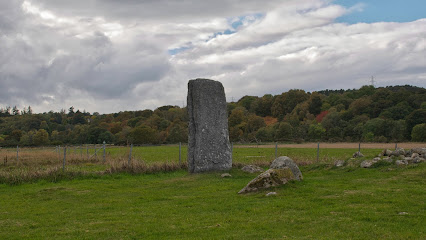
Culloden Viaduct
0.8 km
Scotland’s longest masonry viaduct, a stunning 29-arch railway bridge spanning the River Nairn valley near historic Culloden Battlefield.
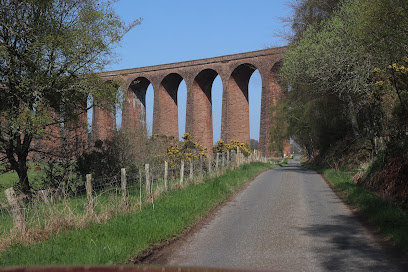
Culloden House Hotel
4.2 km
Elegant Georgian mansion with historic charm, fine dining, and tranquil gardens near Inverness in the Scottish Highlands.
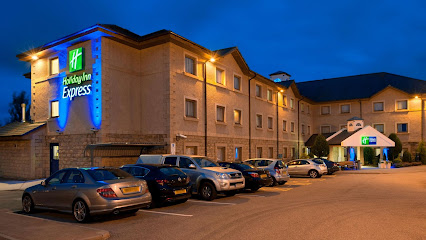
Holiday Inn Express Inverness, an IHG Hotel
6.6 km
Comfortable, eco-friendly hotel in Inverness offering modern rooms, free breakfast, and easy access to Highland attractions.
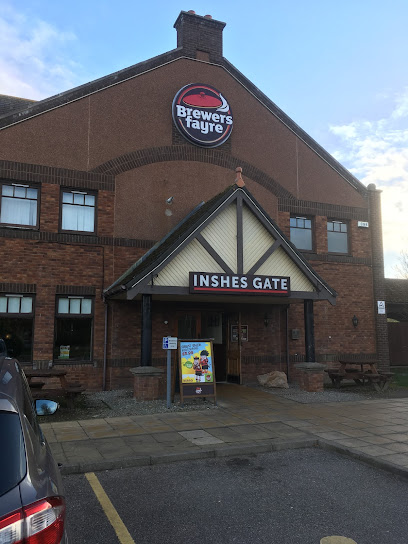
Inshes Gate Brewers Fayre
6.8 km
Experience the warmth of family dining at Inshes Gate Brewers Fayre, featuring delicious British cuisine in a welcoming atmosphere.
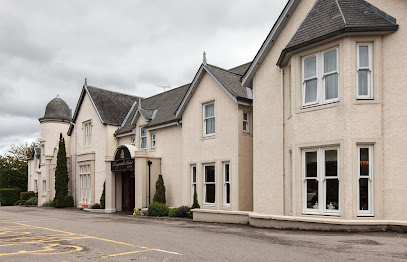
Kingsmills Hotel
8.1 km
Historic elegance meets modern luxury with spa, pool, fine dining, and tranquil grounds just minutes from Inverness city center.
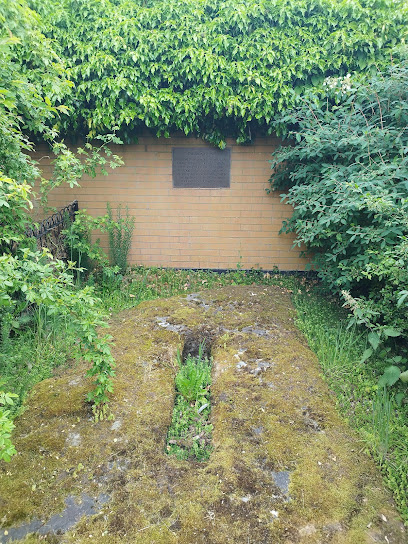
The Broad Stone, Inverness
8.5 km
Discover Inverness’s ancient Broad Stone, a mysterious medieval relic with a storied past nestled between city parks.
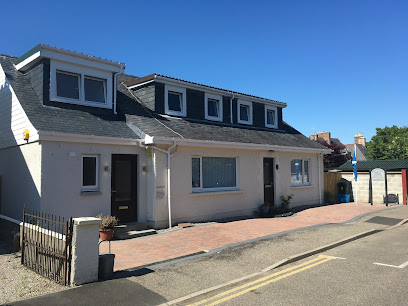
Silverstrands Guest House
8.5 km
Discover the charm of Inverness at Silverstrands Guest House, where comfort meets Scottish hospitality in a picturesque setting.
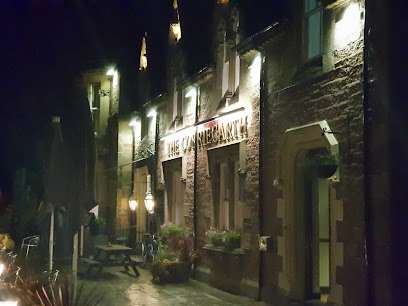
The Corriegarth
8.6 km
Cozy and friendly Highland hotel with a charming pub, quality dining, and peaceful rooms near Inverness city center.
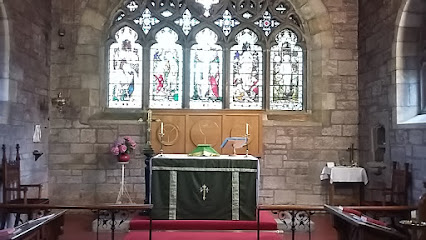
St John's Scottish Episcopal Church, Inverness
8.6 km
Explore the serene beauty and architectural splendor of St John's Scottish Episcopal Church, a historic landmark in the heart of Inverness.
Cheese & Tomatin
8.8 km
Discover the delightful flavors of Cheese & Tomatin, Inverness' favorite pizza restaurant, where every slice tells a story of quality and taste.
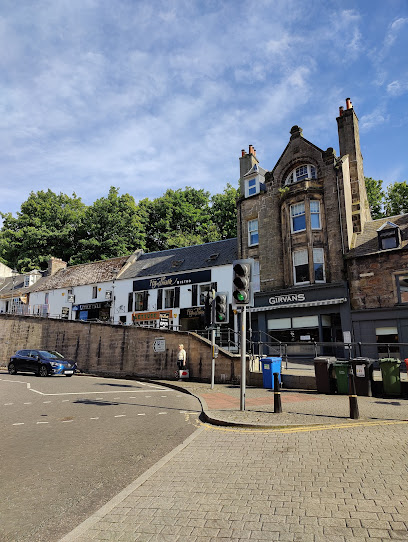
Girvans
8.9 km
Discover Girvans in Inverness, where delightful breakfasts and a warm atmosphere await, perfect for fueling your adventures in the Scottish Highlands.
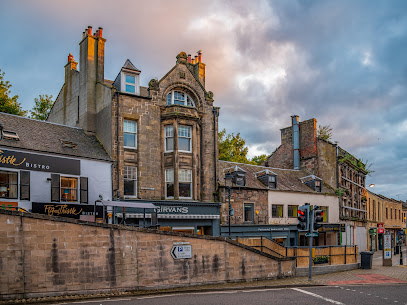
Inverness Scotland
8.9 km
Inverness, the vibrant Highland capital, offers historic charm, stunning river views, and easy access to Loch Ness and Scotland’s majestic landscapes.
Water filling station
9.0 km
Discover the Water Filling Station in Inverness, a must-visit eco-friendly tourist attraction that promotes sustainability and hydration for all travelers.
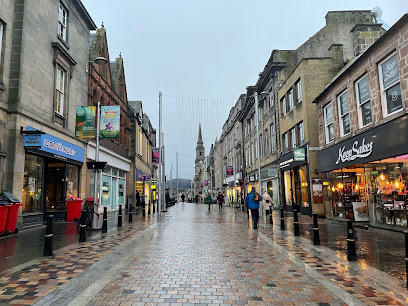
Unmissable attractions to see

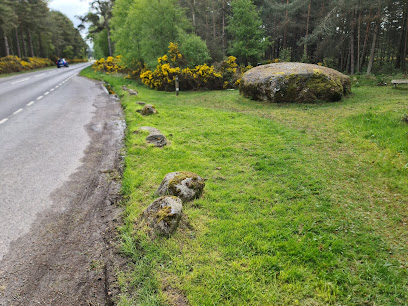
Cumberland Stone
1.1 km
Explore the captivating history and stunning views at Cumberland Stone, a must-visit historical landmark in Inverness, Scotland.
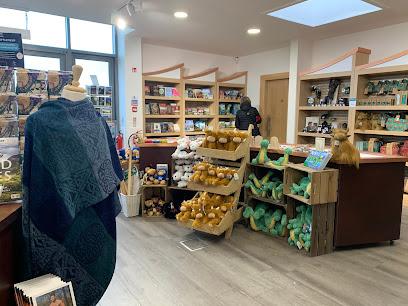
Culloden Battlefield and Visitor Centre
1.2 km
Explore the haunting moor where the 1746 Battle of Culloden ended the Jacobite Rising, with immersive exhibits and historic memorials.
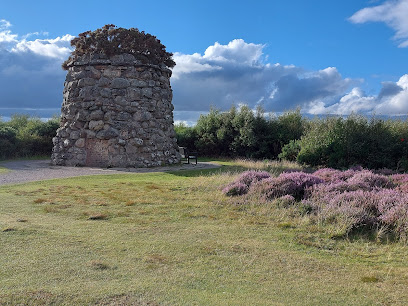
Culloden Battlefield
1.4 km
Explore the haunting moor where Scotland’s last pitched battle unfolded, with immersive exhibits and poignant memorials.
Milton of Leys viewpoint
6.3 km
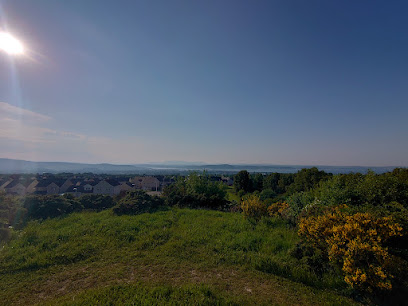
Discover stunning Highland panoramas and tranquil natural beauty at Milton of Leys viewpoint just outside Inverness.
Inverness Shopping Park
6.3 km
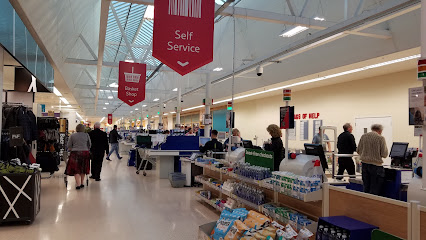
A spacious and accessible retail park offering diverse shops, dining, and entertainment just east of Inverness city centre.
Bannatyne’s Health Club And Spa
7.2 km
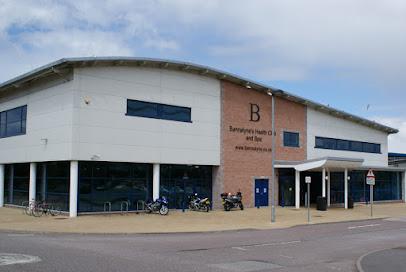
A modern health and wellness sanctuary in Inverness offering gym, spa treatments, heated pool, and a stylish café bar for complete relaxation.
North Coast 500 Moto Experience
8.0 km
Premium motorbike hire in Inverness, your perfect start to the iconic North Coast 500 adventure through Scotland’s stunning Highlands.
Walker park
8.2 km
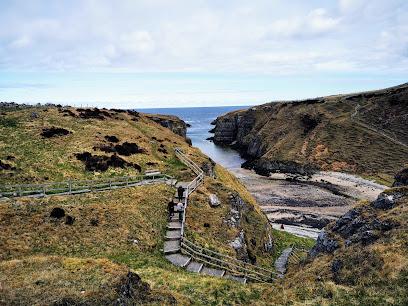
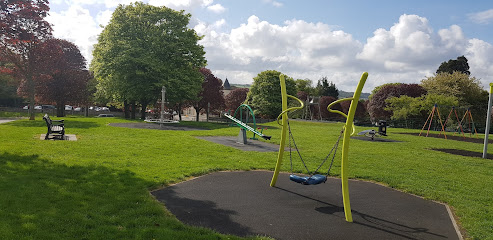
A spacious, family-friendly city park in Inverness offering vibrant play areas, peaceful green spaces, and community spirit year-round.
Visit Inverness Loch Ness
8.7 km
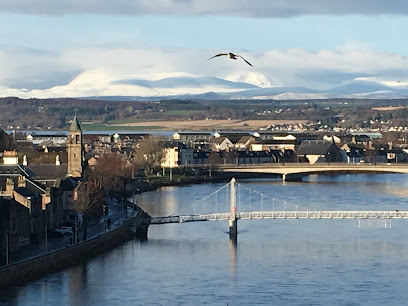
Historic Midmills Buildings transformed into a vibrant creative hub for artists, innovators, and cultural events in the heart of Inverness.
St Stephen's Church Inverness
8.7 km
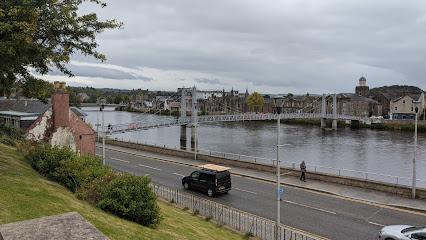
Historic Gothic Presbyterian church in Inverness with rich Highland heritage and striking stained glass artistry.
Frankie + Lola's Inverness
8.9 km
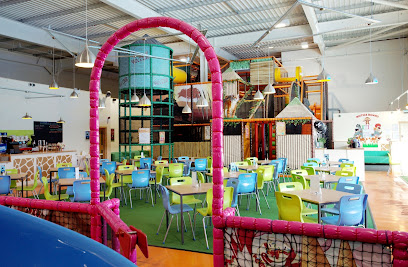
A vibrant soft play centre and bistro in Inverness offering safe family fun, homemade food, and a welcoming atmosphere for all ages.
HMP Inverness
8.9 km
Scotland’s smallest local prison, blending historic architecture with modern rehabilitation in the heart of Inverness.
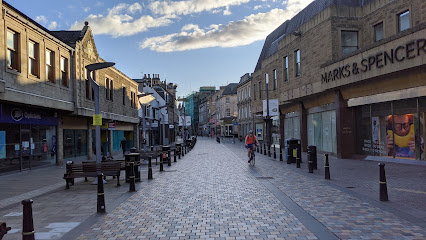
Eastgate Shopping Centre
8.9 km
A vibrant shopping hub in Inverness offering diverse stores, local markets, and convenient amenities in a welcoming city-centre setting.
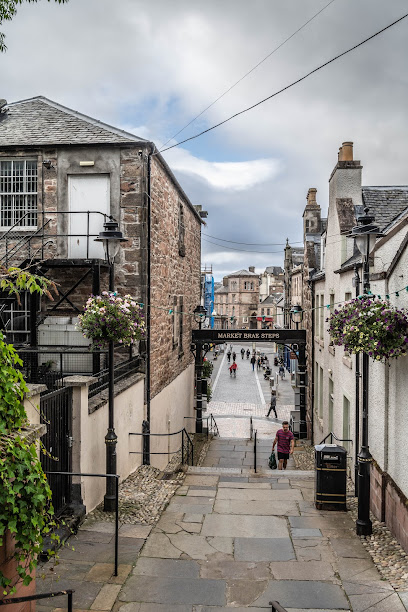
Market Brae Steps
8.9 km
Historic stone steps linking Inverness’s vibrant Crown district with its rich market heritage and scenic urban views.
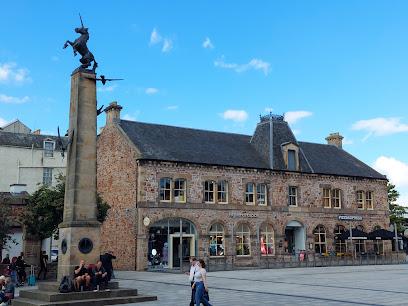
Falcon Square
9.0 km
Historic Inverness square blending industrial heritage, striking sculpture, and vibrant shopping in the city’s cultural heart.
Essential places to dine

Frankie & Benny's
6.3 km
A vibrant American-Italian dining experience in Inverness Retail Park, perfect for families, friends, and casual gatherings with bold flavours and generous portions.
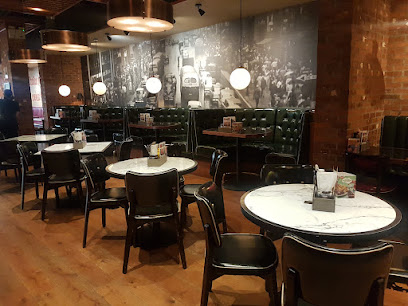
D'Lish Restaurant and Bar
7.3 km
Experience authentic Scottish flavors at D'Lish Restaurant and Bar in Inverness - your perfect dining retreat amidst breathtaking Highland scenery.
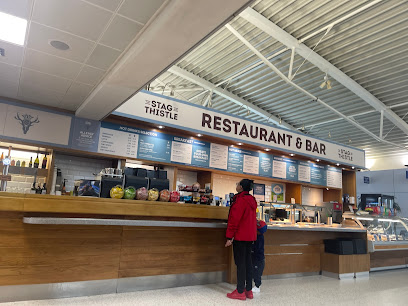
The Fluke
7.6 km
Discover The Fluke: A delightful bar and grill in Inverness offering mouthwatering grilled dishes and a cozy atmosphere for all diners.
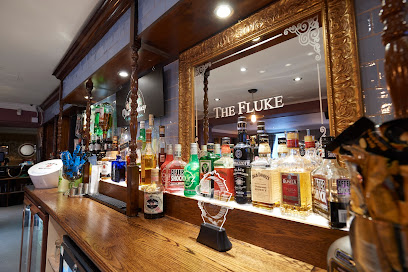
Heathmount Hotel
8.6 km
Cozy boutique hotel with stylish rooms, acclaimed British dining, and a welcoming atmosphere in the heart of Inverness.
Little Italy
8.8 km
Experience authentic Italian flavors and warm hospitality in the cozy heart of Inverness at Little Italy, a beloved local gem.
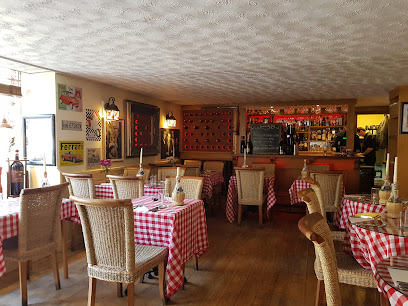
Fig & Thistle
8.8 km
Cozy modern Scottish bistro in Inverness serving fresh, locally sourced dishes with warm hospitality and a boutique atmosphere.
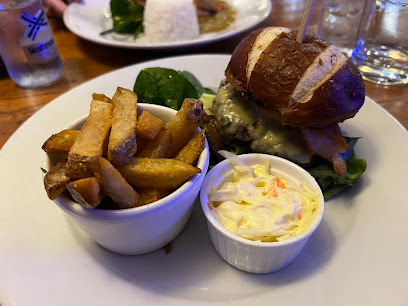
Loch & Larder
8.9 km
Casual Inverness eatery serving hearty comfort food with a friendly vibe and convenient daily hours.
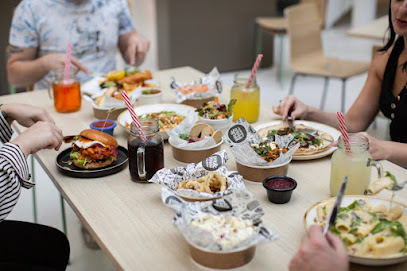
Lorimers Family Restaurant
9.0 km
A friendly, family-focused restaurant in Inverness serving classic British dishes with a welcoming atmosphere seven days a week.
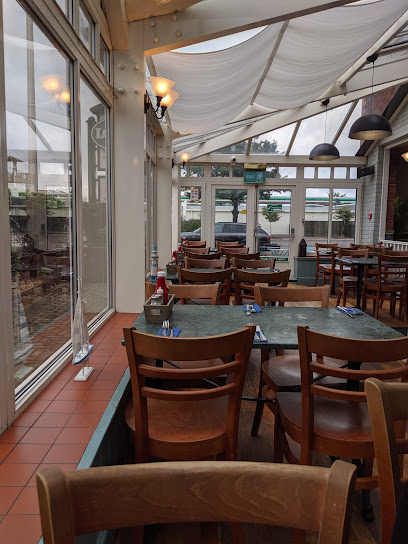
Ash
9.0 km
Contemporary Scottish bistro with craft cocktails and diverse cuisine in Inverness city centre.
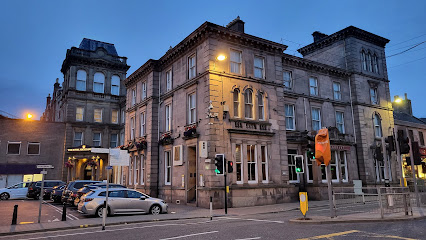
Number 27 Bar and Kitchen
9.0 km
Experience the best of Scottish cuisine at Number 27 Bar and Kitchen in Inverness – where every meal tells a story.
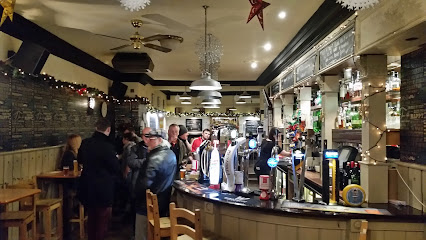
Aye Eat
9.0 km
Experience bold Scottish flavors and warm Highland hospitality in the heart of Inverness at Aye Eat.
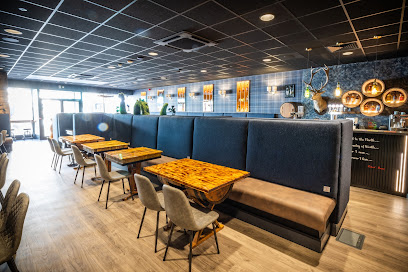
Cafe 1
9.0 km
Experience the best of Highland cuisine with locally sourced dishes and warm hospitality in the heart of Inverness.
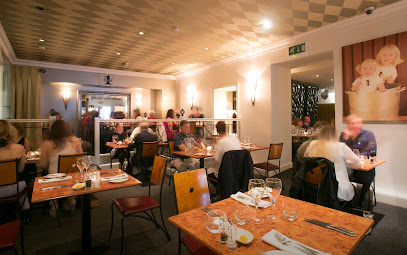
La Tortilla
9.1 km
Experience authentic Spanish tapas and paella in Inverness’s oldest and most beloved tapas bar, blending vibrant flavors with Highland charm.
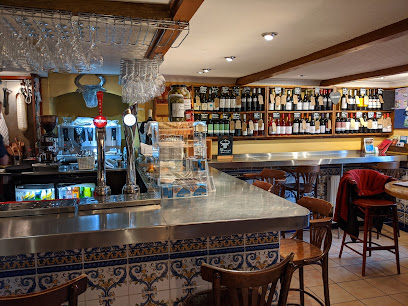
Kool Runnings
9.1 km
Experience vibrant Jamaican flavors and lively Caribbean vibes in the heart of Inverness at Kool Runnings.
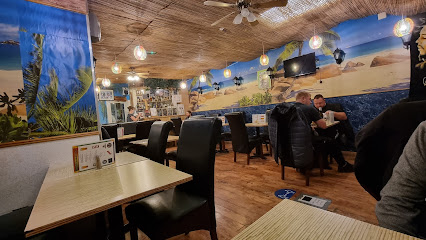
Salt’N’Fire
9.1 km
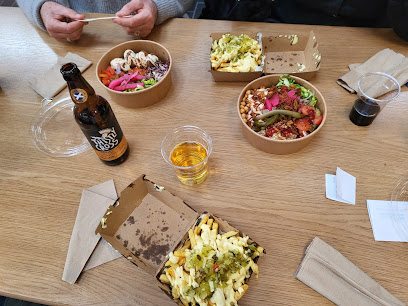
The UK’s first fully vegan takeaway, serving bold, globally inspired street food in the heart of Inverness’s Victorian Market.
Markets, malls and hidden boutiques

The Range, Inverness
6.4 km
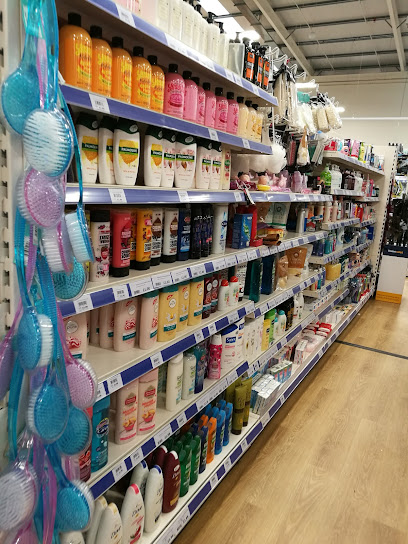
A versatile homewares and lifestyle store in Inverness Retail Park offering furniture, garden, pet, lighting, toys, and art supplies under one roof.
F&F Clothing
7.0 km
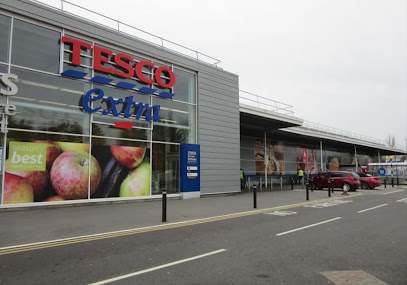
Affordable fashion for the whole family at Inverness’s Inshes Retail Park, open daily with a broad selection from F&F Clothing inside Tesco Extra.
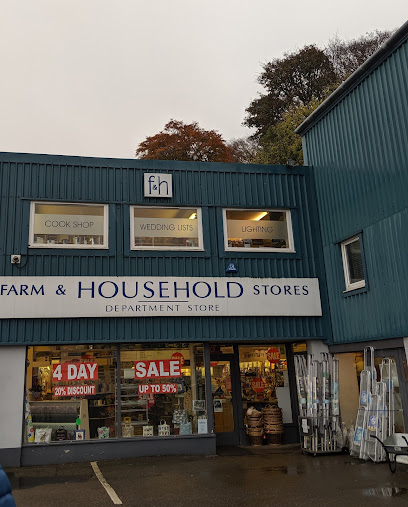
Farm & Household Stores
8.6 km
Inverness’s largest independent homewares store offering quality kitchenware, furniture, and household essentials with a family-run touch.
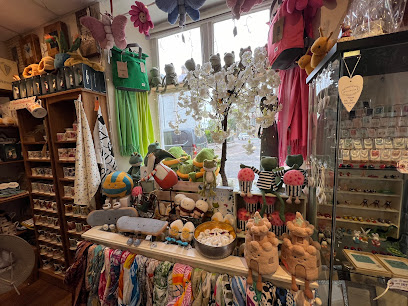
The Drawing Room
8.7 km
Discover unique, locally crafted gifts in a warm, inviting Inverness boutique that celebrates Highland creativity and culture.
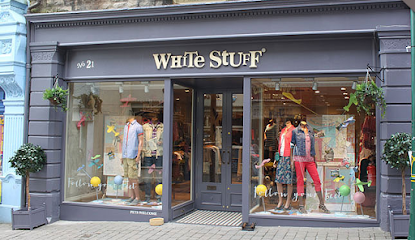
White Stuff Inverness
8.8 km
Discover stylish, affordable clothing and accessories for the whole family at White Stuff Inverness, nestled in the vibrant Eastgate Shopping Centre.
Unique Ness
8.9 km
Discover Unique Ness, Inverness’s boutique home furniture shop offering distinctive pieces and creative homeware in Eastgate Shopping Centre.
Souvenir & Gift shop
9.0 km
A convenient Highland gift shop in Inverness’s main shopping district, offering tartan souvenirs, Nessie memorabilia, and traditional Highland wear.
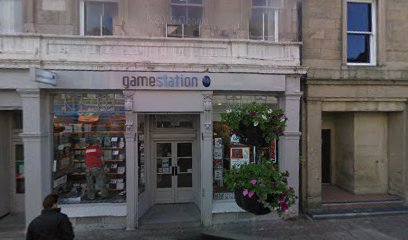
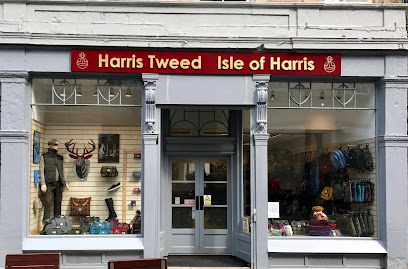
Harris Tweed Isle Of Harris
9.0 km
Discover authentic Harris Tweed heritage and craftsmanship in Inverness with timeless woollen fabrics, clothing, and accessories.
Highland tweeds Inverness
9.0 km
Discover authentic Harris Tweed craftsmanship and timeless Highland style in the warm, welcoming boutique of Highland Tweeds Inverness.
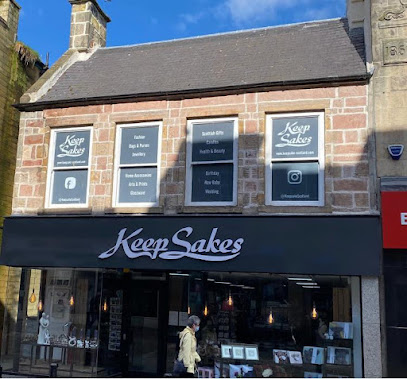
Keepsake Scotland
9.0 km
Discover unique Scottish gifts and heartfelt souvenirs in the welcoming heart of Inverness at Keepsake Scotland.
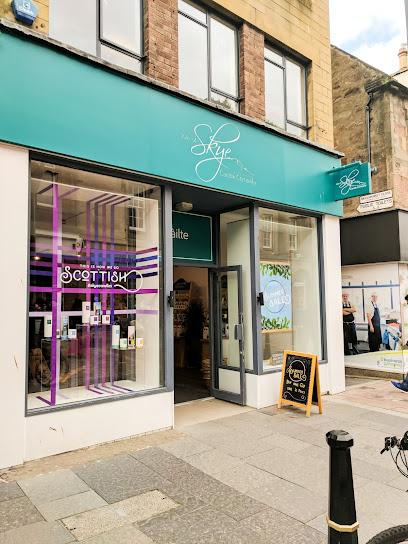
Isle of Skye Candle Company - Inverness
9.0 km
Authentic hand-poured candles inspired by the Scottish Highlands, crafted with care in Inverness’s family-run boutique.
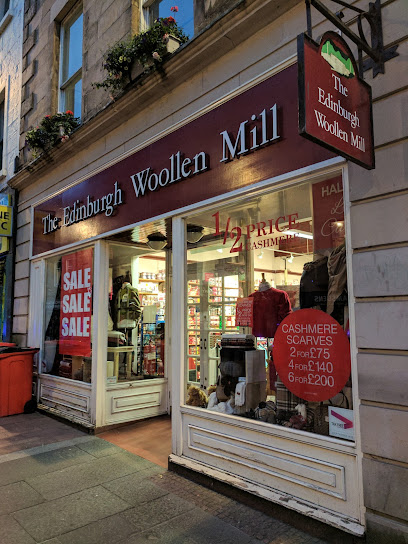
The Edinburgh Woollen Mill
9.0 km
Explore authentic Scottish woollen fashion and timeless knitwear at The Edinburgh Woollen Mill in Inverness’ historic city centre.
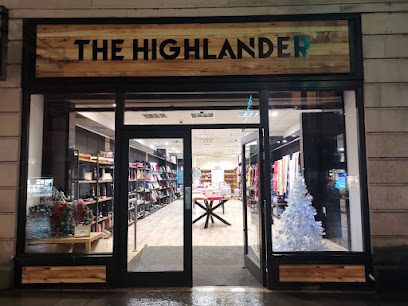
The Highlander Store
9.0 km
Discover authentic Scottish heritage and unique Highland gifts at The Highlander Store, Inverness’s premier destination for souvenirs and fashion accessories.
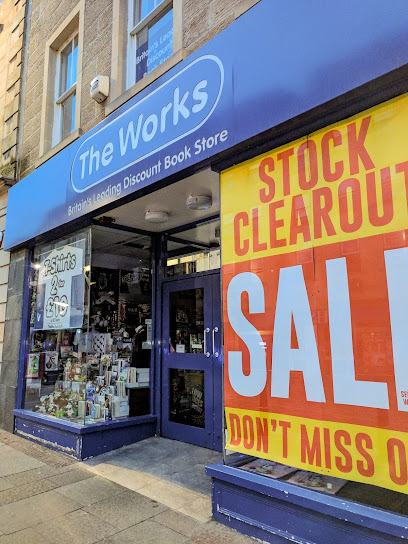
The Works
9.0 km
Affordable arts, crafts, books, and stationery in the heart of Inverness’s bustling High Street.
Rouge Boutiques
9.0 km
Discover personalized style and expert fittings at Rouge Boutiques, Inverness’ destination for elegant womenswear and exceptional service.
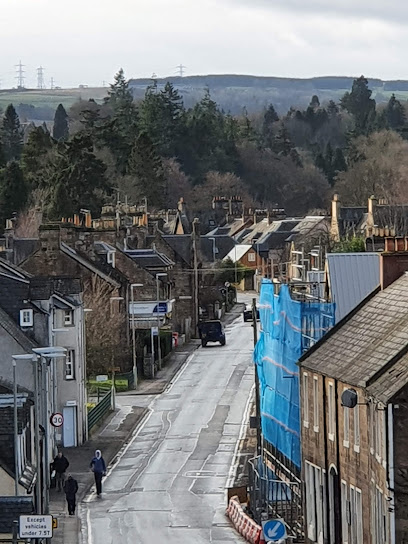
Essential bars & hidden hideouts

The Snow Goose
6.7 km
Cozy up by the fire at The Snow Goose, Inverness’s charming pub serving hearty Highland classics in a warm, welcoming setting.
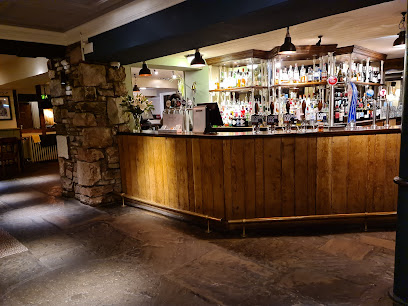
Dows Bar
8.0 km
A welcoming gastropub in Inverness blending local flavors, craft beers, and lively sports in a family-friendly setting.
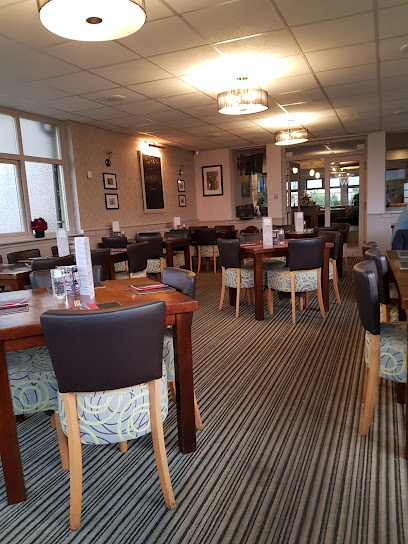
The Imperial
9.0 km
A lively traditional Scottish pub and sports bar in Inverness, offering great drinks, hearty pub grub, and nonstop sports action on big screens.
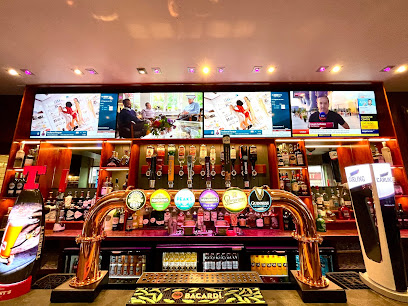
The Tooth & Claw
9.0 km
Inverness’s vibrant rock and live music bar offering rustic charm, local brews, and an inclusive, lively atmosphere.
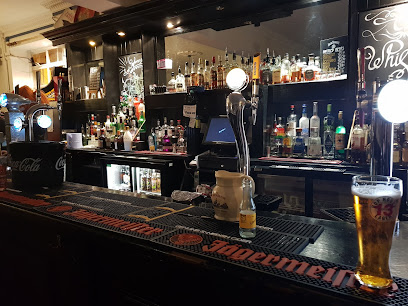
Three Witches
9.1 km
Family-friendly pub in Inverness offering a warm welcome, great carvery, vegan options, and dog-friendly spaces with a lively, casual atmosphere.
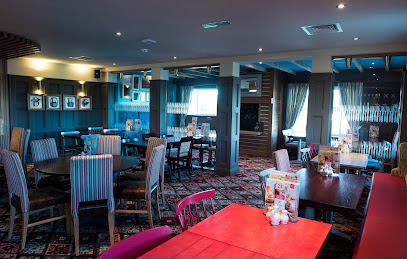
Platform 8
9.1 km
A lively Inverness pub blending classic charm with modern dining and a celebrated draft beer selection.
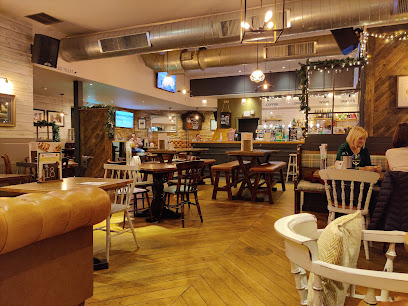
The Exchange
9.1 km
A welcoming Inverness pub offering hearty meals, great drinks, and a lively atmosphere in the city center.
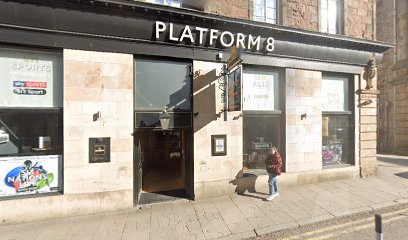
Caledonian
9.1 km
A lively and affordable Scottish pub on Inverness High Street, perfect for classic pub fare and spirited local atmosphere.
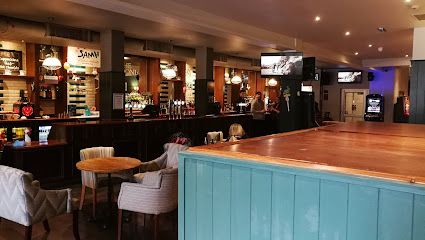
Playback
9.1 km
A lively four-story bar and restaurant in Inverness offering gourmet burgers, exclusive craft beers, rooftop vibes, and fun social games.
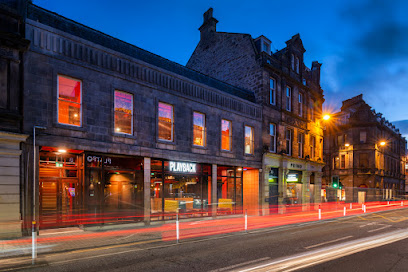
The Gunsmiths Bar
9.1 km
A lively Inverness bar with historic charm, mezzanine views, affordable drinks, and a welcoming atmosphere near the River Ness.
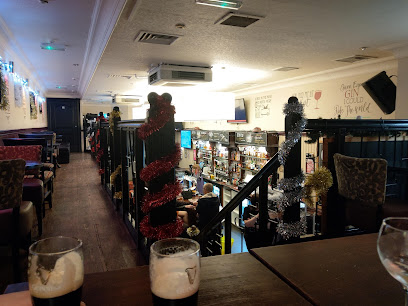
Lauders
9.1 km
Experience the vibrant spirit of Inverness at Lauders Bar, where tradition meets lively nightlife and warm Scottish hospitality.
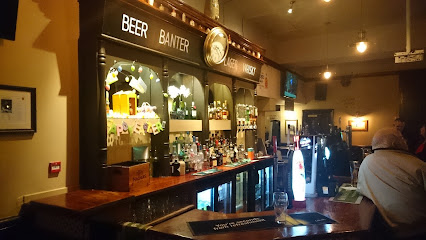
MacCallums Bar
9.1 km
Experience authentic Scottish hospitality, live music, and a vibrant atmosphere at MacCallums Bar, Inverness’s beloved traditional pub.
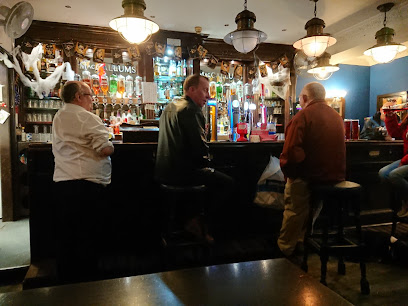
Revolution Inverness
9.1 km
Trendy city-centre bar and restaurant in Inverness known for lively vibes, cocktails, and comfort food favorites.
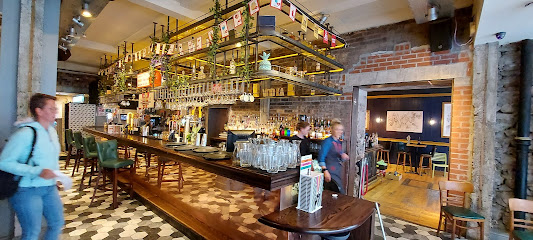
Market Bar
9.2 km
Experience authentic Scottish nightlife with live music, local ales, and a welcoming vibe at Inverness’s Market Bar on Church Street.
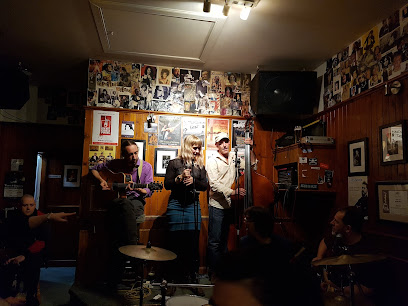
The Malt Room
9.2 km
Discover Inverness’s cozy whisky sanctuary with expert hosts, rare malts, and a warm, intimate atmosphere perfect for savoring every dram.
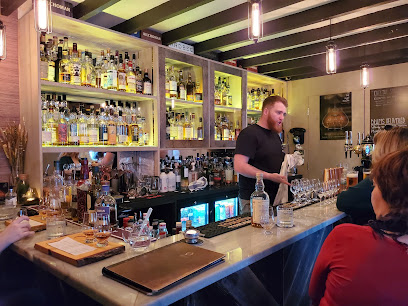
Nightclubs & after hour spots

Private Eyes Inverness
9.2 km
Experience Inverness’s vibrant nightlife at Private Eyes, where stylish decor meets great music and a welcoming party atmosphere.
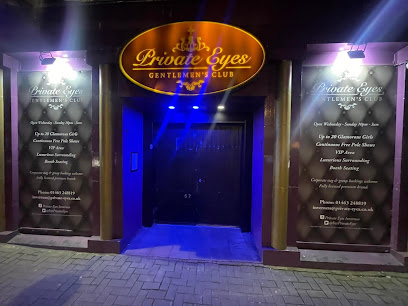
Xplosive Discos
14.7 km
Experience the vibrant nightlife at Xplosive Discos in Nairn, where unforgettable music and karaoke fun await every visitor.
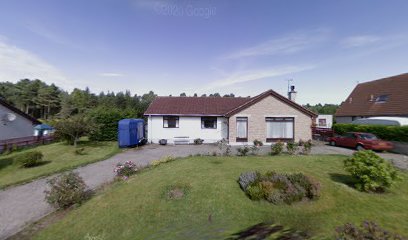
Seaforth Club
17.5 km
Experience Nairn’s vibrant social heart at Seaforth Club, where community spirit meets lively nightlife in a welcoming setting.
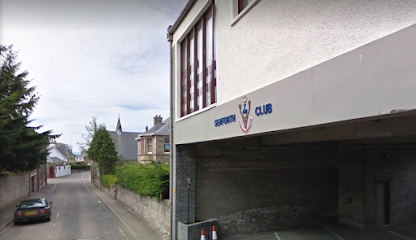
The Ross Shire Club
25.3 km
Experience Dingwall’s vibrant nightlife with a welcoming vibe, BYOB policy, and lively social scene at The Ross Shire Club.
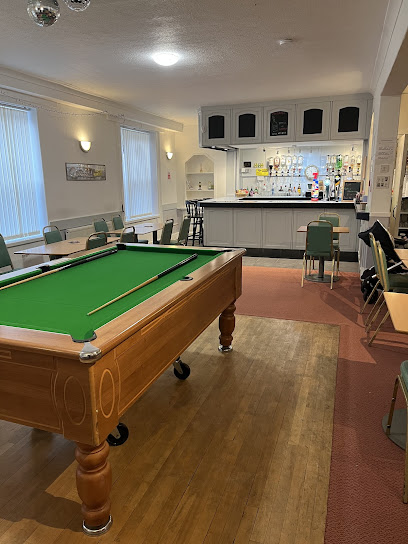
the Balavoulin
34.4 km
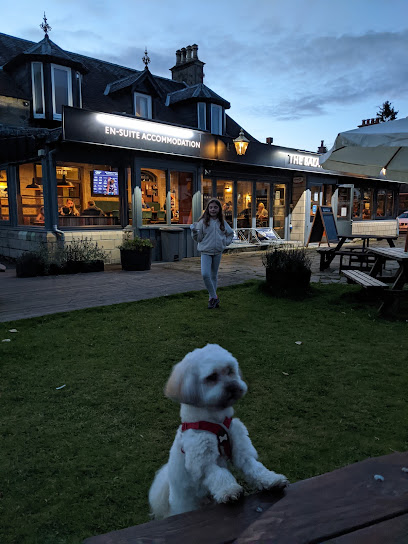
A lively, dog-friendly pub with hearty meals and cozy rooms, perfectly placed for exploring Aviemore and the Cairngorms.
The Winking Owl, Craft Ale Pub & Bar
34.4 km
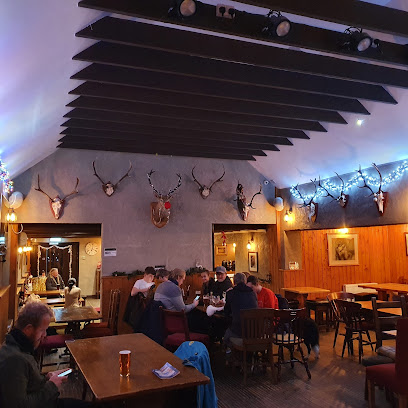
Discover The Winking Owl in Aviemore for a delightful experience of craft ales, local flavors, and a warm, inviting atmosphere.
The Vault
34.7 km
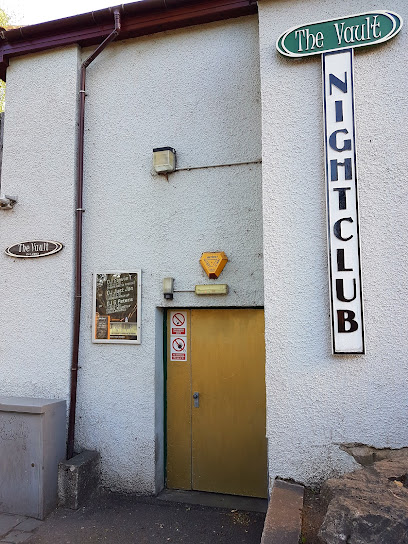
Experience Aviemore’s vibrant nightlife at The Vault, a lively nightclub blending modern beats with Highland charm every weekend.
Mambos
34.9 km
Experience the vibrant nightlife at Mambos in Aviemore, where local charm meets a lively bar atmosphere for an unforgettable evening.
The Aviemore Inn pub and grill
35.7 km
Experience the warmth of Scottish hospitality at The Aviemore Inn, the perfect pub and grill in the heart of Aviemore for travelers and locals alike.
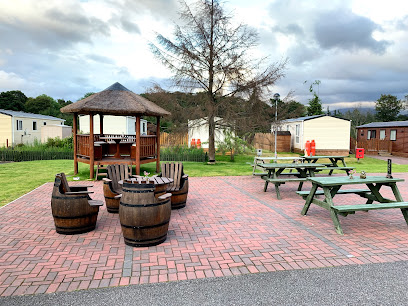
Woodshed Bar
36.9 km
Experience the warmth and charm of Woodshed Bar in Aviemore, where delightful drinks and a cozy atmosphere await you.
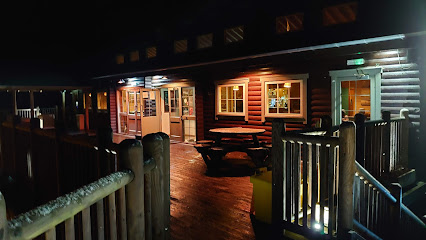
SUIE BAR
39.4 km
Discover Suie Bar: A Heartwarming Scottish Retreat in Kincraig, Perfect for Relaxation and Local Flavors.
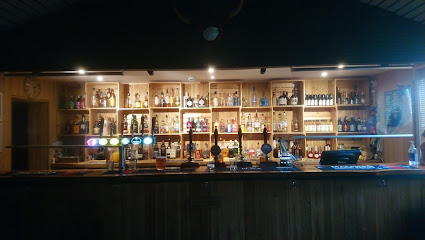
The Pine Marten Bar
40.8 km
Experience the warmth of Scottish hospitality at The Pine Marten Bar, where delicious food and breathtaking views combine for an unforgettable visit.
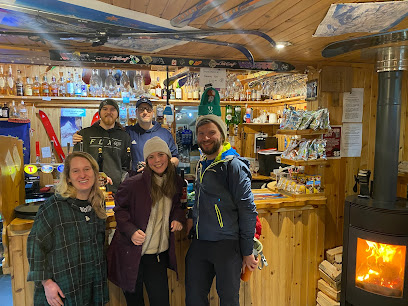
Shmelgin
49.0 km
Experience the authentic flavors of Nepal at Shmelgin, Elgin's premier Nepalese restaurant, known for its warm atmosphere and delicious dishes.
Moray Jazz Club
49.0 km
Discover the vibrant live music scene at Moray Jazz Club in Elgin, where talented musicians create unforgettable performances in an intimate setting.
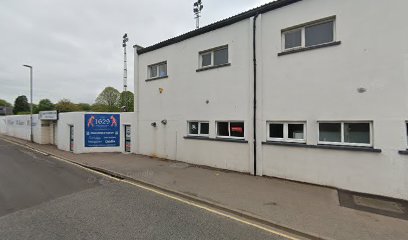
Zed Bar
49.1 km
Experience the vibrant nightlife at Zed Bar in Elgin, where great drinks and lively atmosphere await every visitor.
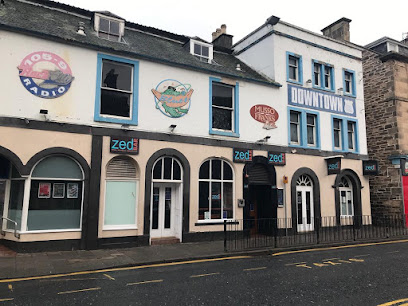
For the vibe & atmosphere seeker
- Tranquil
- Scenic
- Unique
- Relaxing
For the design and aesthetic lover
- Rustic Designs
For the architecture buff
- Historic
- Landmarks
- Sacred Sites
For the view chaser and sunset hunter
- Iconic Views
- Sunset Spots
For the social media creator & influencer
- Instagrammable
- Photo Spots
- Selfie Spots
For the eco-conscious traveler
- Protected Area
- Public-Transport Accessible
- Leave-No-Trace Critical
- Locally Managed
For the kind of experience you’re after
- Cultural Heritage
- Myth & Legends
- Photowalk
- Day Trip
- Weekend Getaway
For how adventurous you want the journey to be
- Easy Access
Location Audience
- Family Friendly
- Senior Friendly
- Child Friendly
- Teen Friendly
- Solo Friendly
- Couple Friendly
- Vegetarian Friendly
- Vegan Friendly


