Dalmore Distillery: A Highland Whisky Legacy on the Cromarty Firth
Historic Highland distillery crafting iconic single malt whiskies with a legendary stag emblem on the scenic Cromarty Firth shore.
Nestled on the scenic shores of the Cromarty Firth near Alness, Dalmore Distillery has crafted its renowned Highland single malt whisky since 1839. Founded by Sir Alexander Matheson and later owned by the Mackenzie family, Dalmore is famed for its iconic 12-point Royal Stag emblem and unique distillation methods. Though currently closed for renovations, the distillery’s rich history, distinctive stills, and exquisite whisky heritage make it a landmark of Scottish whisky culture.
A brief summary to Dalmore Distillery
- Alness, Dalmore, IV17 0UT, GB
- Click to display
- Click to display
- Duration: 1 to 3 hours
- Mid ranged
-
 Outdoor
- Mobile reception: 4 out of 5

Know before you go
Hi, I'm Eve. Here are a few practical things to know before exploring Dalmore Distillery.
- Check the official website for reopening dates and book tours in advance once available, as visitor slots will be limited.
- Explore the distillery’s unique still room and learn about the historic cooling jackets on the stills.
- Visit the shop to purchase exclusive Dalmore whiskies and limited edition releases.
- Enjoy the scenic views of the Cromarty Firth and the Black Isle from the distillery grounds.
Do you manage this location?
Take control to get all the benefits, like improved information, better appearance, and stronger visibility across AI-powered discovery. Learn more
Activate your presence
Getting There
-
Car
Driving from Inverness to Dalmore Distillery takes approximately 40 to 50 minutes via the A9. Parking is available on site, but spaces can be limited during peak seasons. Note that the distillery is currently closed for renovations, so check ahead before planning your visit.
-
Train and Taxi
Take a train from Inverness to Alness station, a journey of around 30 to 40 minutes. From Alness station, a taxi ride of about 10 minutes will bring you to the distillery. Taxi services may require advance booking, especially outside regular hours.
-
Bus and Taxi
Regional buses run from Inverness to Alness, taking approximately 50 to 70 minutes depending on the route. From the Alness bus stop, a short taxi ride of 10 minutes is needed to reach the distillery. Bus service frequency can vary, so check current timetables.
For the on-the-go comforts that matter to you
-
 Restrooms
-
 Drink Options
-
 Food Options
-
 Seating Areas
-
 Information Boards
-
 Visitor Center
Discover more about Dalmore Distillery
Founding and Early Growth of Dalmore Distillery
Dalmore Distillery was established in 1839 by Sir Alexander Matheson, a merchant adventurer who chose the picturesque banks of the Cromarty Firth near Alness for his venture. Originally a farm, the distillery began with two stills and was initially leased to the Sutherland family. The location was ideal, with access to the River Alness water sourced from Loch Morie, abundant local barley, and proximity to rail and sea transport facilitating distribution. Matheson’s business acumen laid the foundation for Dalmore’s future success, although he focused more on commerce than distilling.The Mackenzie Family and the Rise of a Whisky Icon
In 1867, the Mackenzie brothers, descendants of Clan Mackenzie, took over operations and eventually purchased the distillery outright in 1891. They introduced the now-famous 12-point Royal Stag emblem, symbolizing their family’s legendary act of saving a Scottish king. The Mackenzies pioneered longer maturation techniques and expanded production, making Dalmore the first single malt whisky exported to Australia in the 1870s. Despite facing market slumps and overproduction crises in the late 19th and early 20th centuries, their stewardship established Dalmore’s reputation for quality and innovation.Challenges and Resilience Through the World Wars
Dalmore’s history was dramatically impacted by the First World War when the British Royal Navy requisitioned the distillery from 1917 to 1920 to assemble mines. A catastrophic explosion and fire in 1920 severely damaged the site, leading to prolonged legal battles over compensation. The distillery was restored and resumed operations in the early 1920s under the Mackenzie family. The interwar years were difficult, with production halting temporarily due to economic pressures, but the distillery endured and prepared for future growth.Modern Era and Whisky Craftsmanship Excellence
In 1960, Dalmore was acquired by Whyte & Mackay, a major whisky company and longtime customer. This merger brought investment and modernization, including doubling the number of stills in 1964. Richard Paterson, who became Master Distiller in 1975 at age 26, played a crucial role in refining Dalmore’s signature robust and fruity whisky style. The distillery is noted for its distinctive stills with cooling jackets and unique flat-topped wash stills, some dating back to the 19th century. Dalmore’s meticulous cask selection and maturation processes continue to define its premium single malts.The Distillery’s Setting and Visitor Experience
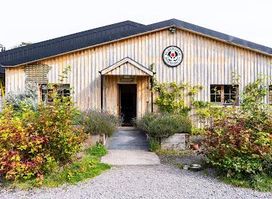
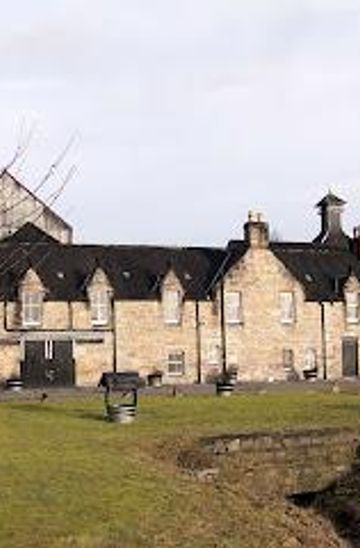
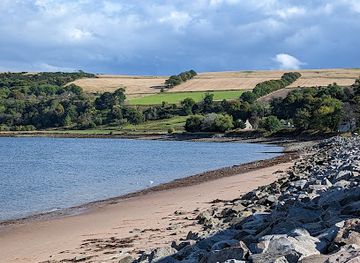
Dalmore sits on the northern shore of the Cromarty Firth, offering stunning views across the water to the Black Isle and the line of mothballed oil rigs. The historic stone buildings feature elegant wood panelling and a welcoming atmosphere. Visitors have enjoyed tours highlighting the unusual stills, the large wooden wash charger, and quirky features such as a football used to clean draff pipes. Although currently closed for renovations with a new visitor experience planned for 2026, Dalmore remains a symbol of Highland whisky heritage and craftsmanship.Legacy and Cultural Significance
Dalmore’s story is intertwined with Scottish history, from its founding by a global entrepreneur to the Mackenzie family’s stewardship and its role during wartime. The distillery’s emblem, the 12-point Royal Stag, is a mark of quality and tradition. Dalmore’s whiskies are celebrated worldwide for their complexity and elegance, embodying the spirit of the Highlands. The distillery’s commitment to innovation while honoring its past ensures its place as a revered icon in the world of single malt Scotch whisky.Explore the best of what Dalmore Distillery has to offer













More about Inverness Shire
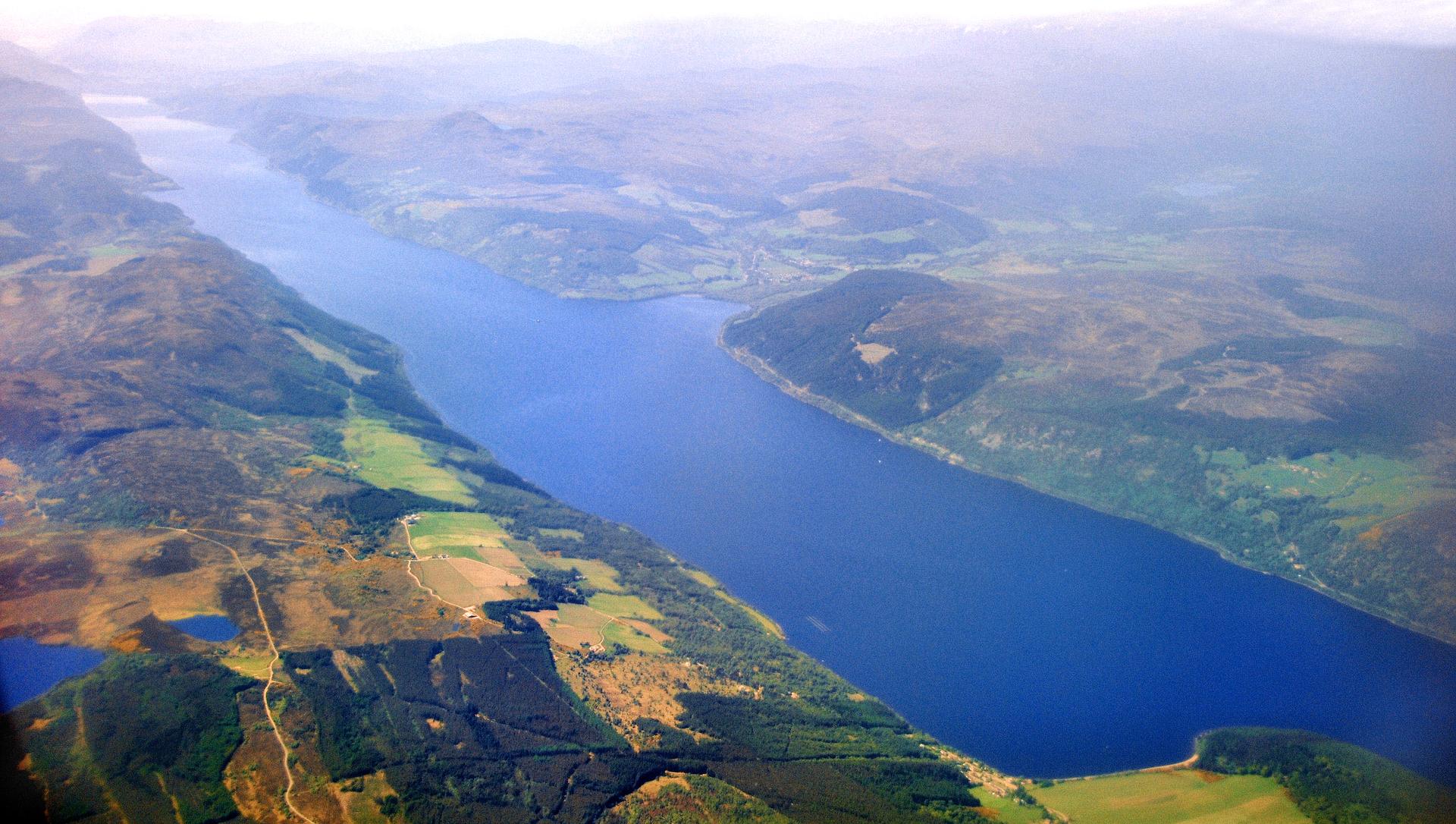
Discover Inverness-shire: A blend of stunning landscapes, rich history, and vibrant culture in the heart of the Scottish Highlands.
Tell me more about Inverness Shire