

Clava Cairns, Inverness Shire Travel Guide
Ancient Bronze Age burial cairns aligned with winter solstice, set in mystical Highland woodland.
Clava Cairns is a Bronze Age burial complex dating back approximately 4,000 years, located near Inverness in the Scottish Highlands. The site comprises three exceptionally well-preserved cairns—two passage graves and one ring cairn—each surrounded by standing stones arranged with astronomical precision. Set in a tranquil woodland setting above the River Nairn, this free, open-access site offers visitors an intimate encounter with prehistoric Scotland. The cairns' alignment with the winter solstice sunset reveals the advanced astronomical knowledge of its Bronze Age builders. The site has gained modern cultural significance as the inspiration for the fictional Craigh na Dun in the Outlander television series, attracting visitors worldwide seeking to connect with ancient history and the show's romantic narrative.
A brief summary to Clava Cairns
- Inverness, IV2 5EU, GB
- Click to display
- Click to display
- Duration: 1 to 2 hours
- Free
-
 Outdoor
- Mobile reception: 3 out of 5

Know before you go
Hi, I'm Eve. Here are a few practical things to know before exploring Clava Cairns.
- Visit during the winter solstice (around December 21) for a profound experience of the site's astronomical alignment with the midwinter sunset—the stones were deliberately positioned to mark this celestial event.
- Wear sturdy, waterproof footwear; the terrain is uneven with exposed stones and can become muddy in wet weather. There are no facilities on-site, so bring water and any supplies you may need.
- Arrive early in the morning or late afternoon to experience the site with fewer visitors and optimal lighting for photography, particularly if visiting during peak summer season.
- Combine your visit with nearby Culloden Battlefield (one mile away) to create a comprehensive Highland history experience spanning from Bronze Age burial practices to 18th-century conflict.
- Respect the sacred nature of the site by moving quietly and thoughtfully; this is an ancient burial ground where people honored their dead, and maintaining a contemplative atmosphere preserves the experience for all visitors.
Do you manage this location?
Take control to get all the benefits, like improved information, better appearance, and stronger visibility across AI-powered discovery. Learn more about listing your business on Evendo
Activate your presenceOther nearby places you may find interesting
The closest places of the same kind, if this one is not quite what you had in mind.

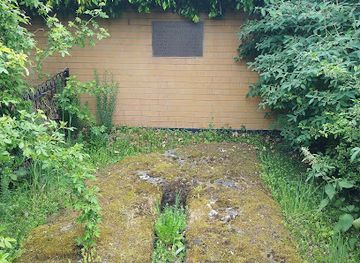
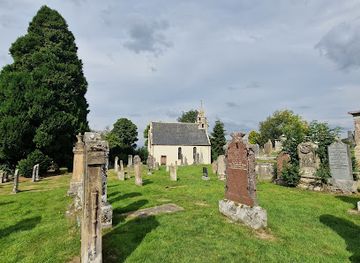


Explore Clava Cairns on the Map
A handpicked selection of must-see spots near Clava Cairns, mapped for you.
Getting There
-
Car from Inverness
Drive east from Inverness city center on the A96, then follow brown tourist signs toward Culloden Battlefield. Turn onto the B851 and continue approximately 6 miles; Clava Cairns is signposted 1 mile south of Culloden. The journey takes 15–20 minutes depending on traffic. Free parking is available on-site with approximately 20 spaces; the car park can become full during peak summer weekends and midday hours. The road is well-maintained and suitable for all vehicles, though the car park surface can be muddy in wet weather.
-
Walking from Culloden Battlefield
From Culloden Battlefield visitor center, Clava Cairns is accessible on foot via a scenic walking route of approximately 1 mile, taking 20–25 minutes. The path follows country roads and field edges with some uneven terrain. This option is ideal if you are visiting both sites in sequence and prefer to experience the landscape at a slower pace. Wear sturdy footwear and allow extra time if the ground is wet.
-
Guided Tour from Inverness
Several tour operators in Inverness offer guided excursions to Clava Cairns, often combined with Culloden Battlefield and other Highland sites. Tours typically depart from central Inverness, last 4–8 hours depending on the itinerary, and include transportation and expert commentary. Prices generally range from £40–£120 per person. This option is recommended if you do not have access to a rental vehicle or prefer structured interpretation of the site's history and significance.
-
Taxi or Ride-Share from Inverness
A taxi from central Inverness to Clava Cairns costs approximately £15–£25 one-way and takes 15–20 minutes depending on traffic and exact pickup location. Ride-share services operate in Inverness but may have limited availability in rural areas. This option provides flexibility without the commitment of a full guided tour, though you will need to arrange return transport or allow time for the driver to wait.
For the on-the-go comforts that matter to you
-
 Information Boards
-
 Trash Bins
Discover more about Clava Cairns
Four Millennia of Stone and Ceremony
Clava Cairns stands as one of Scotland's most evocative prehistoric monuments, a Bronze Age cemetery complex constructed around 2000 BCE. The site comprises three primary cairns—two passage graves with stone-lined entrances leading to central chambers, and one fully enclosed ring cairn—each surrounded by carefully arranged standing stones. These structures were built to house the dead and served as a sacred focal point in the landscape for generations. The meticulous construction reveals the remarkable craftsmanship and engineering prowess of Neolithic peoples who possessed no written language, no metal tools, and yet demonstrated profound knowledge of stone-working, spatial planning, and celestial observation.The three cairns are positioned in a northeast-to-southwest alignment, with the passages of the two outer cairns oriented toward the southwest. This deliberate positioning aligns with the midwinter sunset, suggesting that the site held deep ceremonial and spiritual significance tied to seasonal cycles and astronomical events. The standing stones surrounding each cairn are graded by height, with the tallest facing the setting sun, further emphasizing the builders' sophisticated understanding of celestial mechanics and their integration into burial practices.A Landscape Steeped in Ancient Ritual
Clava Cairns exists within a broader prehistoric landscape dotted with over 50 similar cairns and standing stones, indicating that this area was a significant center of Bronze Age activity and belief. The site itself comprises two main sections open to the public: Balnuaran of Clava, the primary complex with the three prominent cairns, and Milton of Clava, a smaller cemetery featuring additional burial monuments, the remains of a medieval chapel, and further standing stones. Walking through these sites, visitors encounter tangible evidence of how ancient communities honored their dead and maintained spiritual connections to the land and cosmos.The atmosphere at Clava Cairns is distinctly contemplative. The woodland setting, the arrangement of weathered stones, and the profound silence create an environment conducive to reflection on mortality, continuity, and humanity's enduring relationship with the earth. Many visitors report a palpable sense of connection—not eerie, but deeply grounded—as though the accumulated weight of millennia whispers through the landscape.Modern Discovery and Cultural Resonance
For centuries, Clava Cairns remained known primarily to local communities and serious archaeology enthusiasts. In recent decades, the site has experienced a surge in international recognition, largely due to its association with the Outlander television series. Although the fictional Craigh na Dun does not appear in Diana Gabaldon's original novels and the author had not visited Scotland during the books' composition, the Clava Cairns' mystical atmosphere and ancient standing stones captured the imagination of the show's creators and audiences worldwide. This cultural phenomenon has brought thousands of visitors from across the globe, many seeking to stand where the character Claire Randall experiences her fictional time-travel moment. Yet the site itself remains refreshingly uncommercialized—no gift shops, no cafés, no visitor center—preserving its authentic, undisturbed character.The Visitor Experience and Practical Realities
Clava Cairns welcomes visitors year-round at no cost, with the site remaining open 24 hours daily. A small car park accommodates approximately 20 vehicles, though it can reach capacity during peak times, particularly in summer months and weekends. The terrain is uneven and natural, with soft ground, exposed stones, and potential mud during wet weather—sturdy footwear is essential. There are no facilities on-site: no restrooms, no drinking water, no information center. However, information boards positioned throughout the site provide historical context and archaeological details.Most visitors spend between one and two hours exploring the cairns, reading the interpretive materials, and absorbing the atmosphere. The site's proximity to Culloden Battlefield, located just one mile away, makes it an ideal pairing for a day exploring Highland history. The combination of Bronze Age burial monuments and the 18th-century battlefield creates a powerful narrative arc spanning four millennia of Scottish experience.












Your all‑in‑one travel companion app
Explore expert travel guides, compare and book tours, experiences, hotels, and more—all from the palm of your hand. Download now for seamless trip planning wherever your wanderlust takes you.


Explore More of Inverness Shire
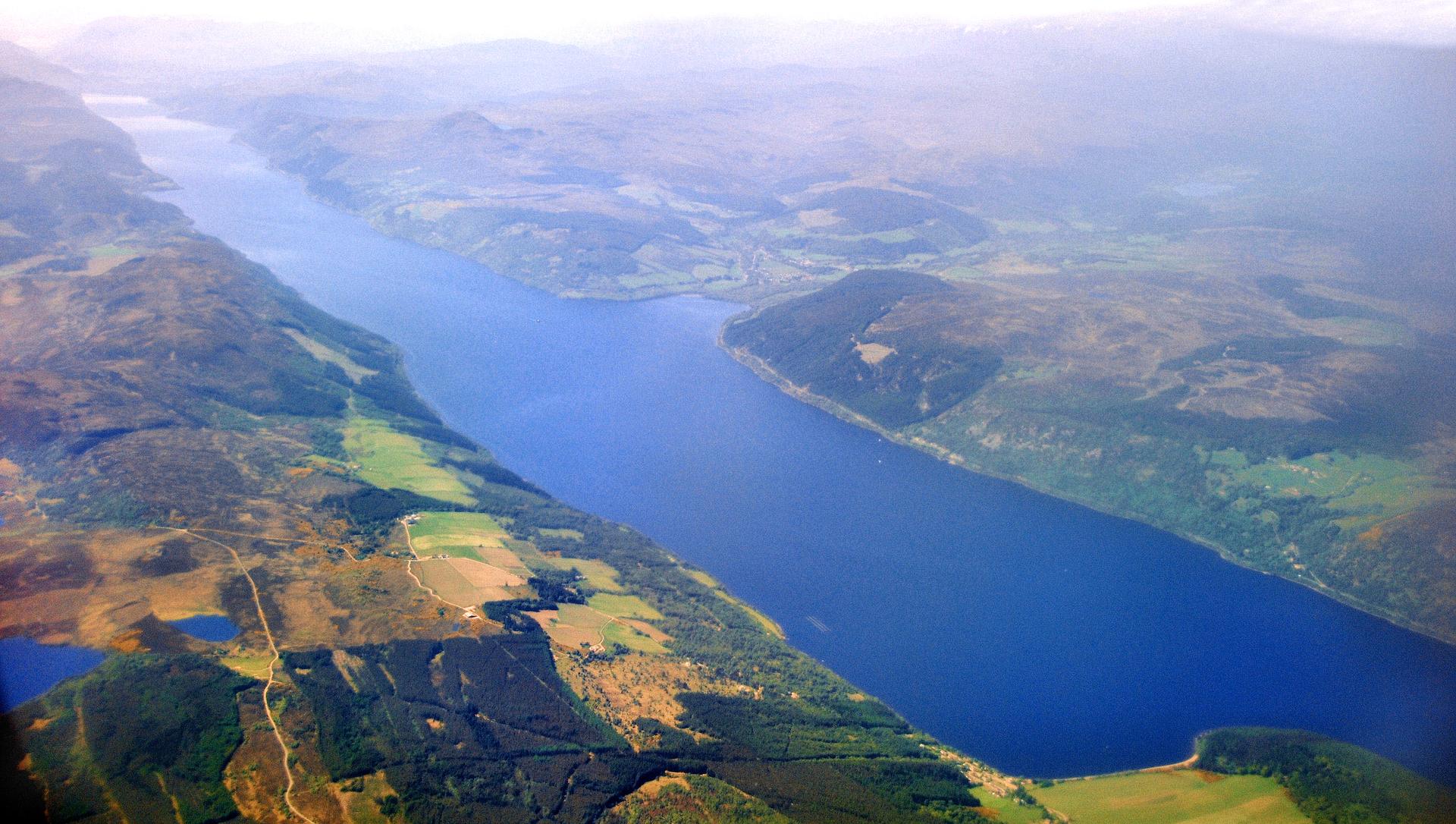
Looking beyond Clava Cairns? Discover Inverness Shire for broader travel guides, local hot-spots, and regional highlights.
Explore Inverness Shire