

Inverness Cathedral, dedicated to St Andrew
Scotland's northernmost Anglican cathedral, a Victorian Gothic masterpiece beside the River Ness.
Inverness Cathedral is the most northerly Anglican cathedral in the United Kingdom and a masterpiece of Victorian Gothic Revival architecture. Completed in 1869 on the banks of the River Ness, this historic cathedral features stunning red sandstone construction, intricate stone and wood carvings, and magnificent stained glass windows. As the Mother Church of the Diocese of Moray, Ross and Caithness, it remains a fully functioning place of worship and an essential landmark in Scotland's religious heritage.
A brief summary to Inverness Cathedral, dedicated to St Andrew
- Ardross St, Inverness, IV3 5NN, GB
- +441463225553
- Visit website
- Duration: 0.5 to 2 hours
- Budget
-
 Outdoor
- Mobile reception: 5 out of 5
Local tips
- Examine the original architectural design painting displayed near the font at the back of the cathedral to see what the building would have looked like with its intended twin spires.
- Visit during off-peak hours or outside service times for a more tranquil experience and better opportunity to appreciate the intricate stonework and stained glass windows.
- Combine your cathedral visit with a scenic walk along the River Ness banks for lovely views and photo opportunities of the building from different angles.
- Check the cathedral's event calendar for concerts and special services; attending a service is free and offers insight into the living spiritual community.
- Allow time to study the tympanum carving above the main west entrance and the statues of saints flanking the doorway—they represent significant theological symbolism.

For the on-the-go comforts that matter to you
- Restrooms
- Drink Options
- Food Options
- Seating Areas
- Information Boards
- Visitor Center
Getting There
-
Walking from City Centre
From Inverness city centre, walk south towards the River Ness. The cathedral is approximately 800 metres from the High Street, a pleasant 12–15 minute walk through the town. Follow signs towards the river and Ness Bridge; the cathedral sits prominently on the west bank. The route is flat, well-marked, and passes through accessible urban streets. No special equipment required.
-
Local Bus Service
Several local bus routes serve the Ardross Street area near the cathedral. Journey times from the city centre are typically 5–10 minutes depending on traffic and route. Buses operate regularly throughout the day. Fares are approximately £1.50–£2.50 per journey. Check local transport schedules for current routes and timetables, as services vary seasonally.
-
Private Vehicle and Parking
The cathedral has an on-site car park offering inexpensive parking with easy access to the building and nearby riverside walks. Alternatively, several public car parks are located within 200–400 metres in the city centre. Parking charges vary; on-site cathedral parking is notably economical. The cathedral is easily accessible via Ardross Street, which connects to main routes through Inverness.
-
Taxi or Ride-Share
Taxis and ride-share services are readily available throughout Inverness. Journey time from the city centre to the cathedral is approximately 5–10 minutes depending on traffic. Estimated fares range from £6–£12 for a short journey. The cathedral's address is Ardross Street, Inverness IV3 5NN, which drivers will recognize.
Inverness Cathedral, dedicated to St Andrew location weather suitability
-
 Any Weather
-
 Cold Weather
-
 Mild Temperatures
Discover more about Inverness Cathedral, dedicated to St Andrew
A Monument to Victorian Revival and Scottish Episcopacy
Inverness Cathedral stands as a testament to the resurgence of the Scottish Episcopal Church during the nineteenth century. Built between 1866 and 1869, this imposing structure was the first new Protestant cathedral to be completed in Great Britain since the Reformation. The vision of Bishop Robert Eden, who proposed a Highland cathedral in 1853, the building emerged during a period of remarkable ecclesiastical renewal when the impoverished Scottish Episcopal Church experienced what historians call a "second spring." The foundation stone was laid on 17 October 1866 by the Archbishop of Canterbury, Charles Longley, a symbolic gesture recognizing the Episcopal Church's place within the broader Anglican Communion. Though the cathedral opened for services in 1869, it was not formally consecrated until 1874, when the final debt of £8,000 had been cleared.Architectural Ambition and the Influence of Alexander Ross
Architect Alexander Ross, a prominent Inverness figure who later served as Provost of the Burgh from 1889 to 1895, designed the cathedral in the Gothic Revival style, specifically English Middle Pointed with French outline. The building is constructed of distinctive red Tarradale stone with Peterhead granite columns in the nave, each carved from a single block. The exterior presents two square towers flanking the west entrance, abbreviated transepts, and a semi-octagonal apse at the east end. The main west doorway is truly magnificent, flanked by statues of St Peter and St Paul, with higher niches containing representations of St Andrew and St John the Baptist. Above this entrance, a tympanum carving in high relief depicts Jesus instructing the disciples to spread God's word. Ross's original design envisioned two grand spires rising 30 metres above the towers, but financial constraints prevented their completion—a loss that architectural historians have long lamented. Despite this compromise, the cathedral remains widely recognized as Ross's masterpiece and seems entirely suited to its rugged Highland context.Interior Splendour and Ecclesiastical Craftsmanship
The cathedral's interior reveals the full extent of Victorian craftsmanship and artistic ambition. The nave is separated from the choir by a beautiful oak screen added in 1923, above which hangs a large cross. The choir itself is nothing short of magnificent, with stalls crafted from Austrian oak and installed in 1909. The bishop's throne dates to 1869, while the altar and reredos—the carved screen behind the altar—were fashioned from imported Caen stone, creating a stunning focal point at the east end. The walls are lined with glorious stained glass windows depicting biblical scenes, their vibrant colours casting ethereal light throughout the interior. The intricate stone and wood carvings throughout the building demonstrate exceptional artisanal skill, from the detailed choir stalls to the ornamental stonework adorning every surface.Bells, Services, and Living Worship
When the cathedral first opened for public worship in 1869, it possessed only one bell—the tenor. During the 1874 consecration service, Bishop Eden appealed for a complete set of bells, and within three years eleven bells hung in the south tower. Eight were hung for change ringing, with the remainder for chiming only. The opening peal, known as "The True Peal of Kent" or "Tremble Bob Major," was rung on 28 September 1877 by members of the Ancient Society of College Youths from London, marking the first time this method had been rung in Scotland. The ninth bell was recast by Whitechapel Foundry in 2012. Today, Inverness Cathedral remains a fully functioning cathedral with a gathered congregation. Daily eucharist is offered, along with morning and evening prayer services. The cathedral serves as the Mother Church for the Diocese of Moray, Ross and Caithness within the Scottish Episcopal Church, which traces its history back to St Columba and the early days of Christianity in Scotland.Visitor Experience and Accessibility
The cathedral welcomes visitors throughout the year, opening daily from 9 am to 6 pm. Free walk-around guide books are available in multiple languages, and friendly volunteer welcomers are present during the main summer season to share the building's rich history. A small admission fee is requested for general exploration of the interior, though donations are gratefully accepted. The cathedral grounds include a welcoming café and gift shop offering refreshments, souvenirs, and local crafts. The location on the west bank of the River Ness provides a picturesque setting, with easy access from the city centre and opportunities for scenic riverside walks. The cathedral also hosts concerts and special events throughout the year, enriching the cultural life of Inverness and the wider region.Iconic landmarks you can’t miss

Glen Mhor Hotel & Apartments
0.2 km
Experience the charm of the Scottish Highlands at Glen Mhor Hotel & Apartments, your ideal base in Inverness for relaxation and adventure.

Ness Bank Church
0.2 km
A stunning Gothic Revival church on the River Ness, blending rich history, striking architecture, and vibrant community life in Inverness.
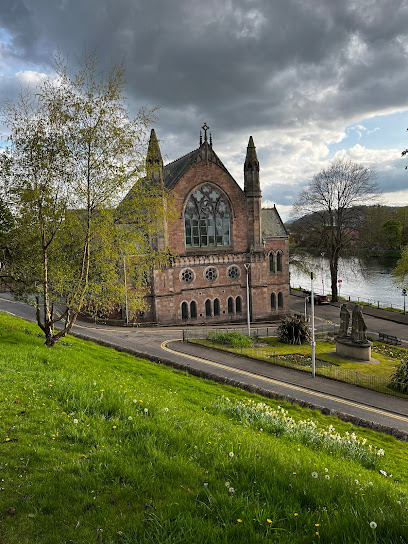
Best Western Inverness Palace Hotel & Spa
0.2 km
Elegant riverside hotel blending historic charm with modern spa comforts in the heart of Inverness.
Rowan Guest House Group Ltd
0.2 km
Comfortable and welcoming bed and breakfast in Inverness, perfect for exploring the Scottish Highlands with quality breakfast and friendly hospitality.
Glenmoriston Townhouse Hotel Inverness
0.2 km
Elegant riverside boutique hotel in Inverness offering stylish rooms, award-winning dining, and a gateway to the Scottish Highlands.
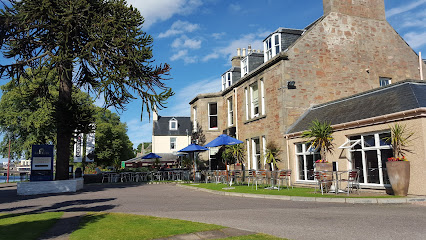
Inverness Bike Tours
0.2 km
Experience the stunning landscapes and rich history of Inverness with guided bike tours through the Scottish Highlands.
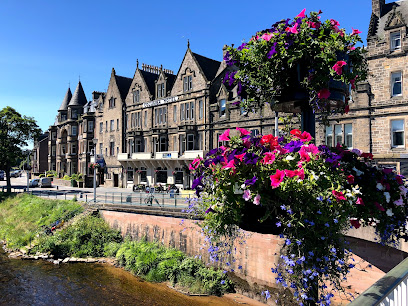
Highland Historical Home
0.2 km
Discover the Highland Historical Home in Inverness, where Scottish heritage meets modern comfort in a charming holiday apartment rental.
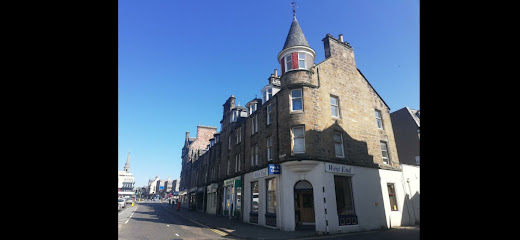
Prime | Steak & Seafood
0.2 km
Indulge in a luxurious dining experience at Prime | Steak & Seafood, where exquisite flavors of land and sea meet in the heart of Inverness.
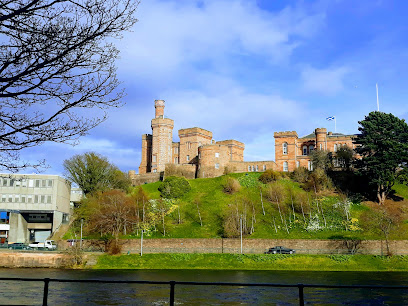
Start/Finish of Great Glen way, Inverness
0.2 km
Discover the gateway to Scotland’s iconic Great Glen Way, where urban charm meets Highland adventure in Inverness.
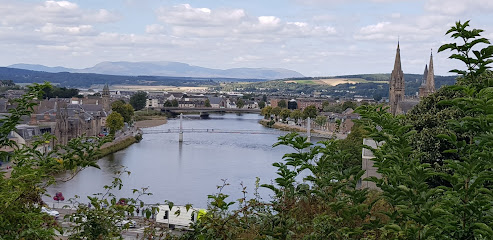
Rocpool
0.2 km
Savor the finest seafood and local dishes at Rocpool, Inverness' premier restaurant with stunning riverside views.
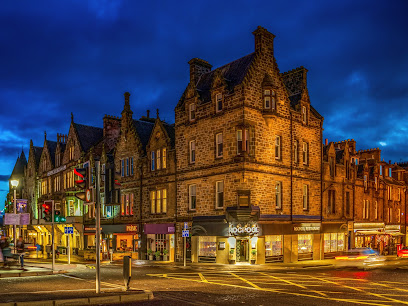
Urquhart's Restaurant
0.3 km
Discover the flavors of Scotland at Urquhart's Restaurant, where British and European cuisine meet warm Highland hospitality.
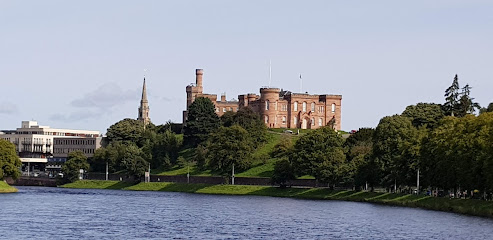
The Ness Bridge, Inverness
0.3 km
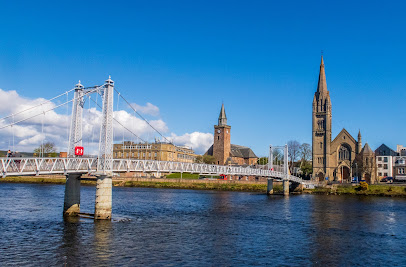
Historic crossing over the River Ness offering panoramic city views and access to Inverness’s scenic riverside and heritage sites.
Redcliffe Hotel, Restaurant and Beer Garden
0.3 km
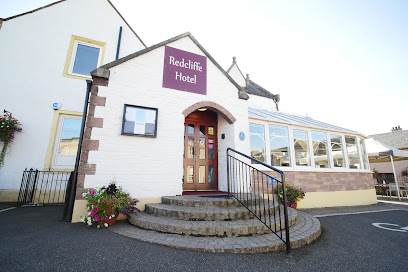
A friendly, well-located Inverness hotel with a popular restaurant and scenic beer garden terrace, perfect for a relaxed Highland stay.
Premier Inn Inverness Centre River Ness
0.3 km
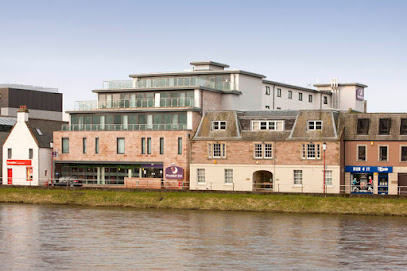
Comfortable riverside hotel in central Inverness with friendly service, modern rooms, and easy access to city attractions.
Johnny Foxes
0.3 km
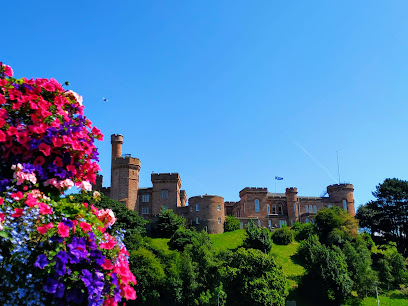
Experience the vibrant atmosphere and delicious offerings at Johnny Foxes, the must-visit pub in Inverness for tourists seeking local flavor and fun.
Unmissable attractions to see

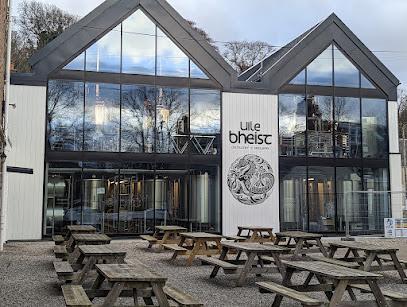
Uilebheist Distillery & Brewery
0.2 km
Discover Inverness’s pioneering sustainable brewstillery crafting artisan whisky and fresh craft beers on the scenic River Ness.
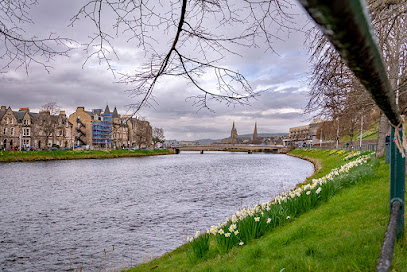
Inverness town
0.2 km
A historic Gothic Revival church and tranquil riverside gardens at the cultural heart of Inverness.
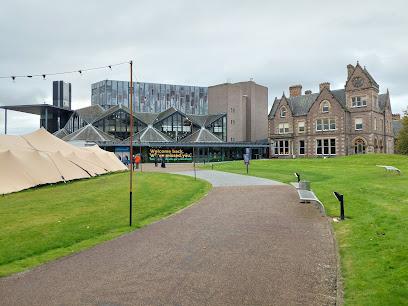
Eden Court Inverness
0.2 km
Inverness’s premier arts venue blending historic charm with vibrant theatre, cinema, and cultural events on the scenic River Ness.
Happy Tours Scotland Ltd
0.2 km
Discover the breathtaking Scottish Highlands with Happy Tours Scotland Ltd, your premier tour operator in Inverness for unforgettable adventures.
The Castle Tavern
0.2 km
Experience the best of Scottish hospitality at The Castle Tavern, where great food, local brews, and stunning river views await.
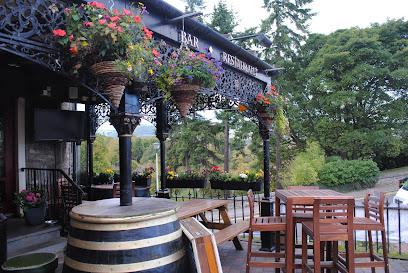
Flora Macdonald statue
0.3 km
A striking tribute to Scotland’s heroine Flora Macdonald, overlooking Inverness Castle and the River Ness with timeless historical significance.
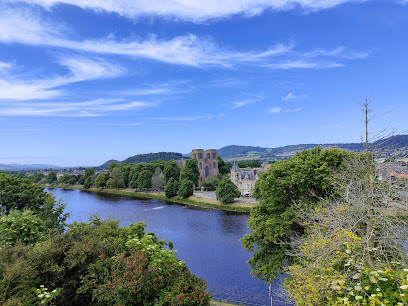
Inbhir Nis
0.3 km
Charming B&B with stunning castle views, warm hospitality, and hearty homemade breakfasts in the heart of Inverness.
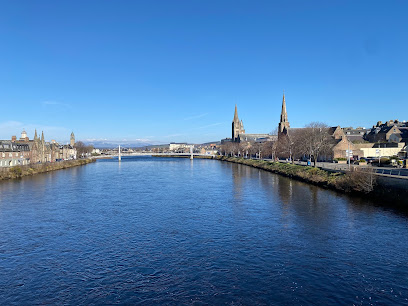
The Scottish Kiltmaker Visitor Centre
0.3 km
Discover Scotland’s iconic national dress and craftsmanship at Inverness’s unique kilt-making workshop and visitor centre.
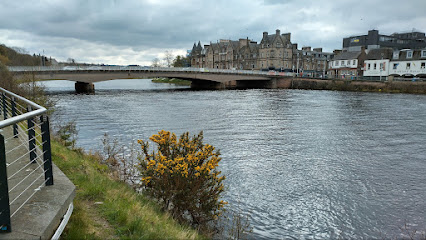
Inverness Castle
0.3 km
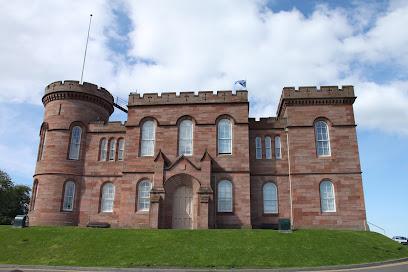
Historic Inverness Castle, a red sandstone landmark overlooking the River Ness, is transforming into a vibrant Highland cultural experience in 2025.
Browns Gallery
0.3 km
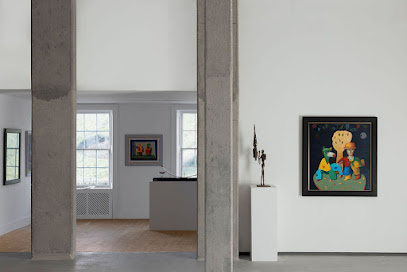
Contemporary Scottish art in an elegant space beneath Inverness Castle—a curator's vision of artistic integrity.
Knocknagael Boar Stone
0.3 km
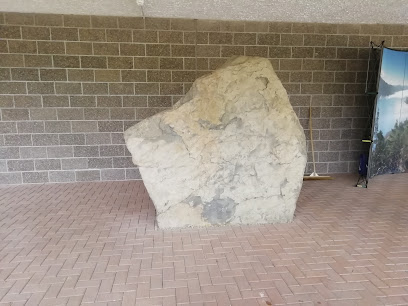
Discover the captivating Pictish boar carving that bridges ancient Scottish artistry and Roman military symbolism near Inverness.
Inverness Museum and Art Gallery
0.4 km
Discover Highland history, culture, and art in the heart of Inverness with free entry and engaging exhibits for all ages.
Cavell Gardens
0.4 km
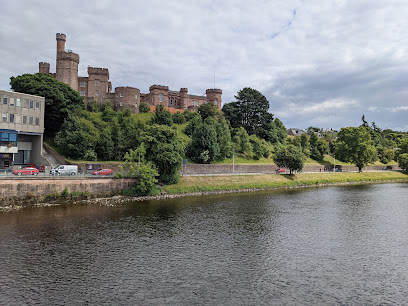
A peaceful riverside garden in Inverness honoring WWI nurse Edith Cavell and home to the striking Inverness War Memorial.
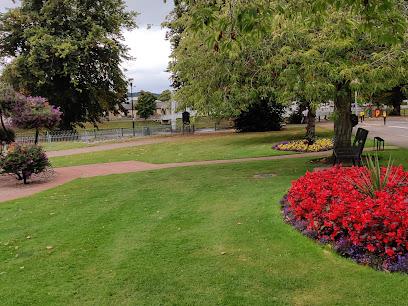
Gellions Bar
0.4 km
Discover the lively atmosphere of Gellions Bar in Inverness, where great drinks, delicious food, and live music create unforgettable memories.
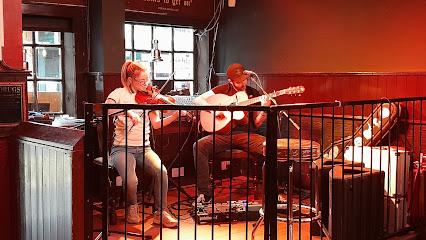
Castle Gallery
0.4 km
Contemporary art gallery showcasing Scottish and British artists in the heart of Inverness.
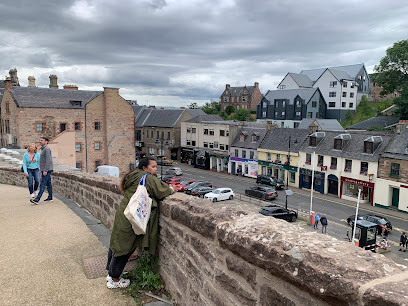
Essential places to dine

Tiger on The Wall
0.1 km
Authentic Indian and Asian flavors served daily in the heart of Inverness at Tiger on The Wall, Strathness House’s celebrated restaurant.
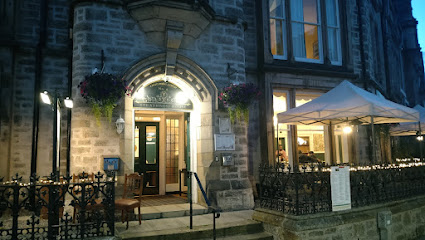
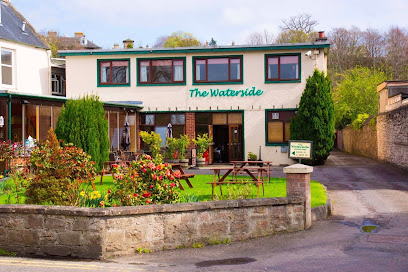
The Waterside Restaurant
0.2 km
Scenic riverside dining in Inverness serving sustainable, locally sourced Scottish cuisine with handcrafted spirits from the adjacent distillery.
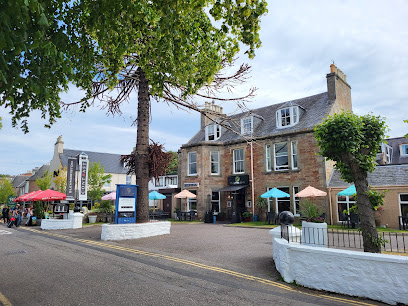
Contrast Brasserie Inverness
0.2 km
Stylish riverside dining with fresh, modern Scottish and Pan-Asian cuisine in Inverness’s renowned Glenmoriston Townhouse Hotel.
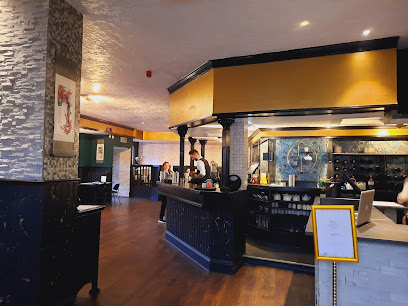
Hou Hou Mei
0.2 km
Discover Hou Hou Mei, Inverness’s vibrant Asian fusion restaurant blending Thai, Japanese, Korean, and Chinese flavors with generous vegan options.
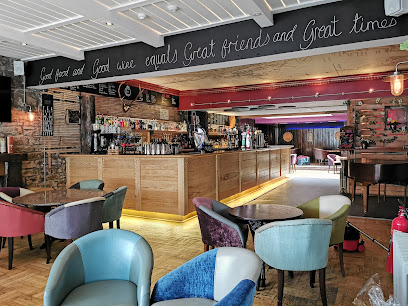
Encore
0.2 km
Experience hearty Scottish flavors and warm hospitality at Encore, Inverness’s vibrant restaurant and bar on Young Street.
La Tortilla
0.3 km
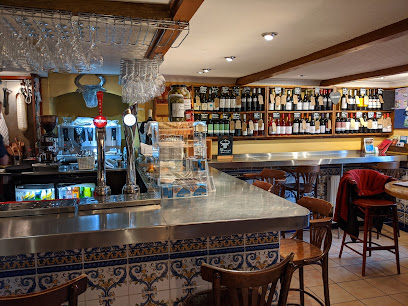
Experience authentic Spanish tapas and paella in Inverness’s oldest and most beloved tapas bar, blending vibrant flavors with Highland charm.
The Kitchen Restaurant
0.3 km
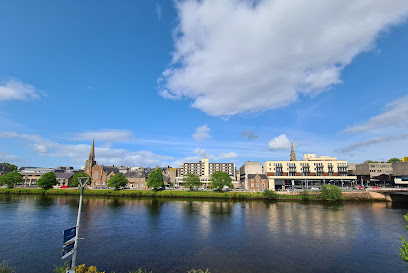
Savor inventive modern British cuisine with stunning River Ness views in a stylish, family-run Inverness restaurant.
Cafe 1
0.3 km
Experience the best of Highland cuisine with locally sourced dishes and warm hospitality in the heart of Inverness.
Zizzi - Inverness
0.3 km
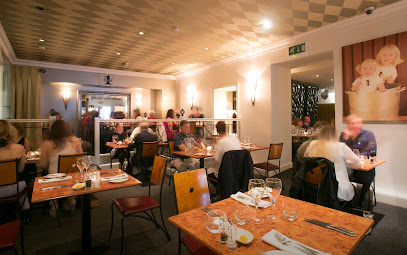
Experience vibrant Italian flavors and fresh pasta delights in the heart of Inverness with a welcoming atmosphere and scenic river views.
nar
0.4 km
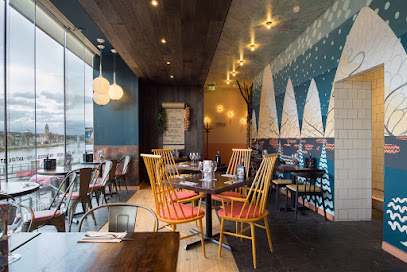
Experience authentic Mediterranean flavors with warm hospitality in the heart of Inverness at Nar, a cozy and highly regarded restaurant.
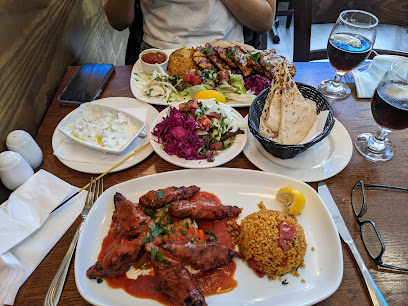
Coyote Burger
0.4 km
Savor premium burgers and vibrant vibes with scenic River Ness views in the heart of Inverness city centre.
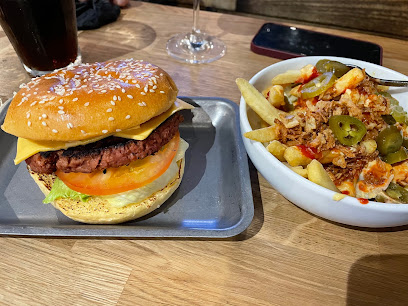
Number 27 Bar and Kitchen
0.4 km
Experience the best of Scottish cuisine at Number 27 Bar and Kitchen in Inverness – where every meal tells a story.
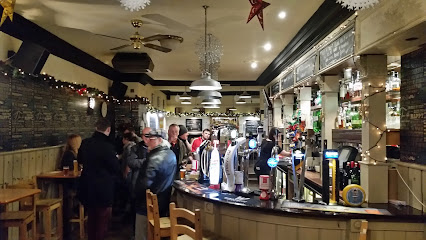
Kool Runnings
0.4 km
Experience vibrant Jamaican flavors and lively Caribbean vibes in the heart of Inverness at Kool Runnings.
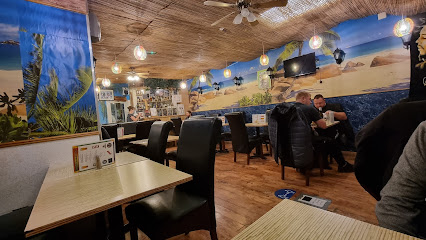
Aye Eat
0.4 km
Experience bold Scottish flavors and warm Highland hospitality in the heart of Inverness at Aye Eat.
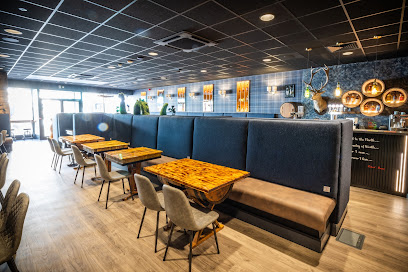
Comfort Foods
0.5 km
Cozy café in Inverness serving hearty homemade meals with fresh local ingredients and generous portions all day long.
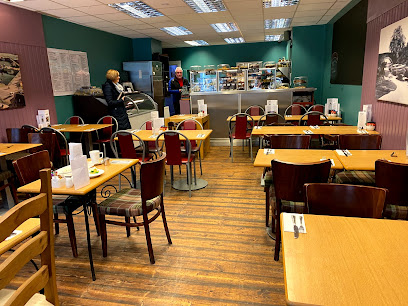
Markets, malls and hidden boutiques

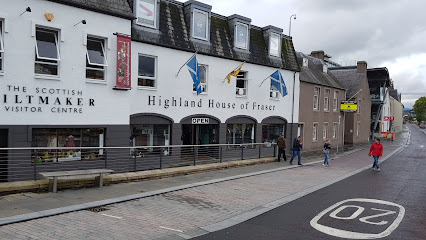
Highland House of Fraser
0.3 km
Discover authentic Scottish Highland dress and witness traditional kilt making at Highland House of Fraser in Inverness, a family-run heritage landmark.
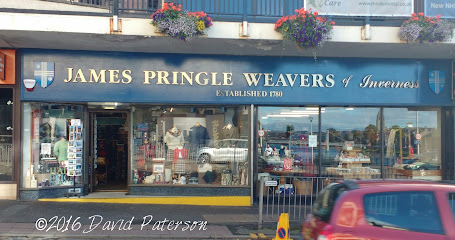
James Pringle Weavers of Inverness
0.3 km
Discover authentic Scottish woollens and heritage craftsmanship at James Pringle Weavers in the heart of Inverness.
The Whisky Shop
0.3 km
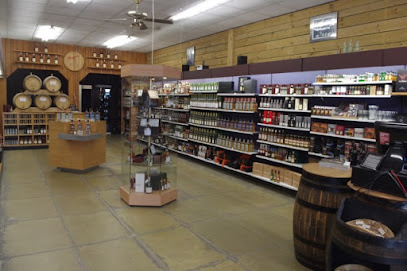
Discover Scotland’s finest whiskies and expert tastings in the heart of Inverness at The Whisky Shop.
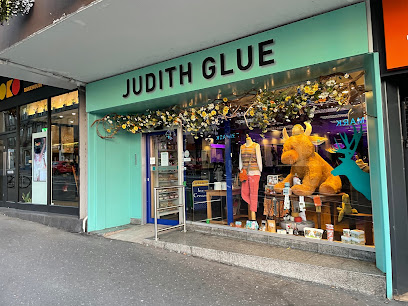
Judith Glue
0.3 km
Discover authentic Orkney knitwear and Scottish gifts in a charming Inverness boutique blending heritage and style near the River Ness.
Rouge Boutiques
0.3 km
Discover personalized style and expert fittings at Rouge Boutiques, Inverness’ destination for elegant womenswear and exceptional service.
GLENEAGLES OF SCOTLAND
0.4 km
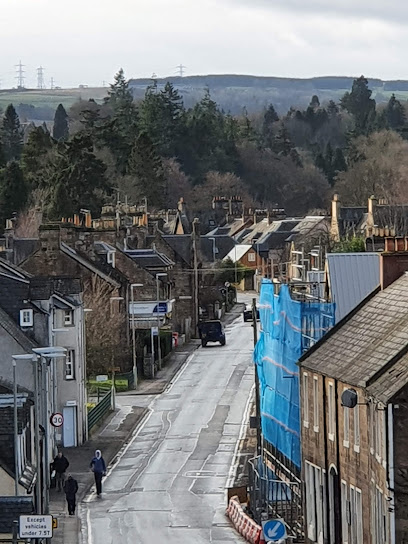
A refined Scottish clothing shop in Inverness, specialising in premium knitwear and country-style fashion with a Highland soul.
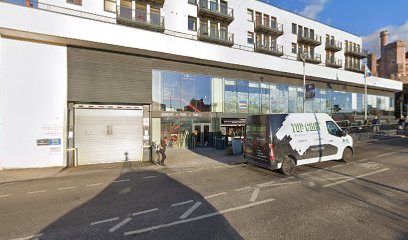
Primark
0.4 km
Discover budget-friendly fashion and homeware in Inverness city centre at Primark’s welcoming multi-floor store.
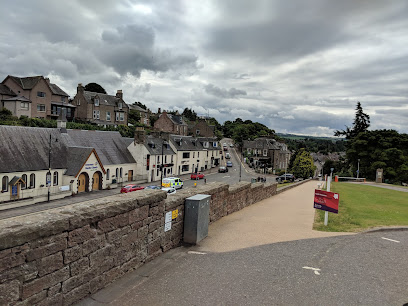
Edinburgh Woollen Mill
0.4 km
Discover authentic Scottish knitwear and heritage fashion at Edinburgh Woollen Mill in the heart of Inverness.
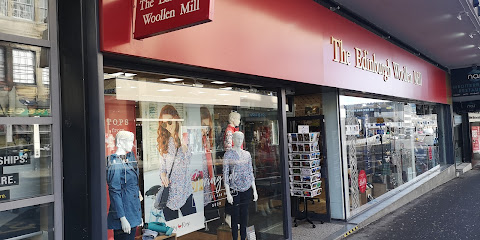
House of Highlands
0.4 km
Discover authentic Scottish Highland dress and handcrafted kilts at Inverness’s House of Highlands, a cultural gem in the heart of the Highlands.
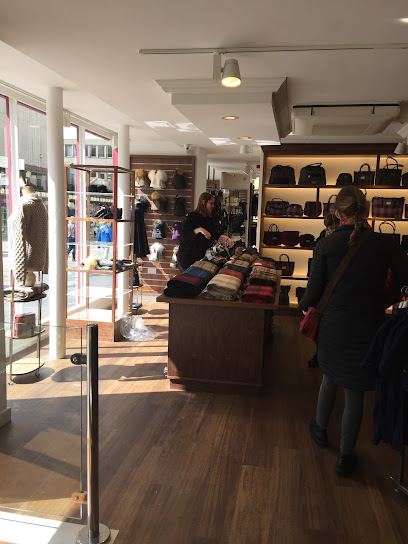
The Merchant
0.4 km
Discover Inverness’s hidden antique gem blending vintage treasures with modern charm on Greig Street.
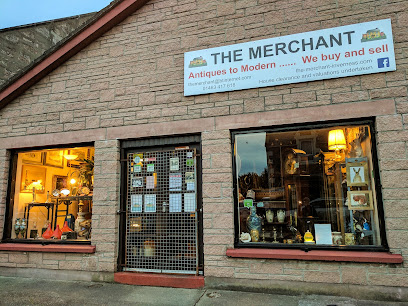
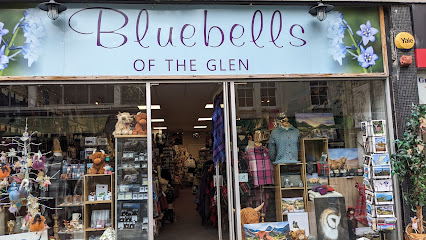
Bluebells Of The Glen Souvenirs & Gifts Shop
0.4 km
Discover unique Highland treasures and charming gifts at Bluebells Of The Glen, a cozy souvenir shop in the heart of Inverness.
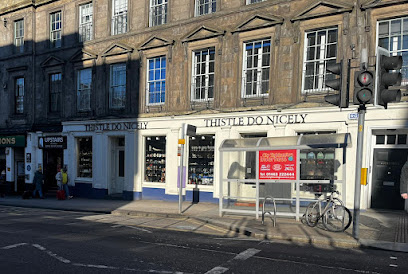
Thistle Do Nicely
0.4 km
Authentic Scottish gifts and souvenirs in the heart of Inverness, where warm hospitality meets curated Highland heritage.
Gifts & Souvenirs SALE
0.4 km
Authentic Scottish gifts and Highland treasures in the heart of Inverness, offering unique souvenirs and traditional clan items with guaranteed value.
The Works
0.5 km
Affordable arts, crafts, books, and stationery in the heart of Inverness’s bustling High Street.

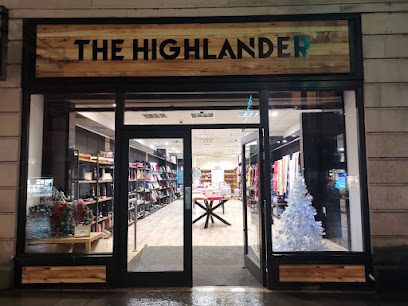
The Highlander Store
0.5 km
Discover authentic Scottish heritage and unique Highland gifts at The Highlander Store, Inverness’s premier destination for souvenirs and fashion accessories.
Essential bars & hidden hideouts

The Piano and Whisky Bar Inverness
0.2 km
Discover Inverness’s premier whisky and piano bar, blending riverside elegance with live music and an extensive malt whisky collection.
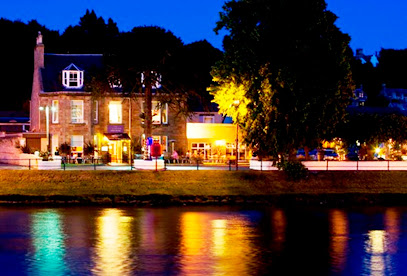
The Wee Bar
0.2 km
A cosy Inverness cocktail bar above Ness Walk, famed for masterful drinks, Highland hospitality, and a warm, intimate vibe.
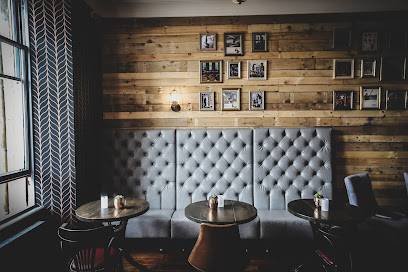
Glenalbyn Bar
0.3 km
Experience authentic Scottish hospitality with fine whiskies, live music, and a cozy atmosphere at Glenalbyn Bar in Inverness.
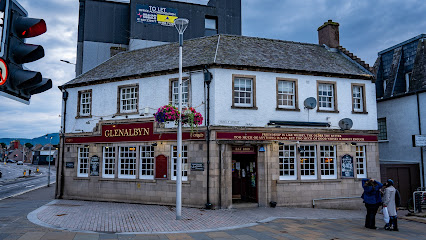
Revolution Inverness
0.4 km
Trendy city-centre bar and restaurant in Inverness known for lively vibes, cocktails, and comfort food favorites.
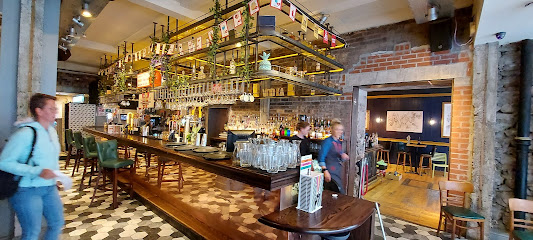
Caledonian
0.5 km
A lively and affordable Scottish pub on Inverness High Street, perfect for classic pub fare and spirited local atmosphere.
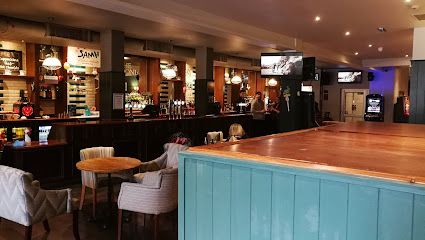
Lauders
0.5 km
Experience the vibrant spirit of Inverness at Lauders Bar, where tradition meets lively nightlife and warm Scottish hospitality.
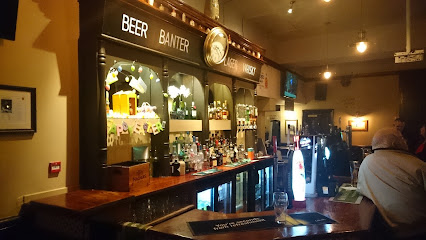
Highlander
0.5 km
Experience daily live Scottish music, authentic cuisine, and a vibrant atmosphere at Highlander Bar, Inverness’s cultural heart.
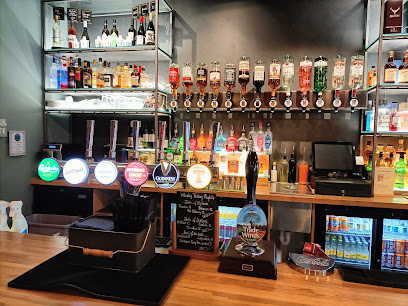
MacCallums Bar
0.5 km
Experience authentic Scottish hospitality, live music, and a vibrant atmosphere at MacCallums Bar, Inverness’s beloved traditional pub.
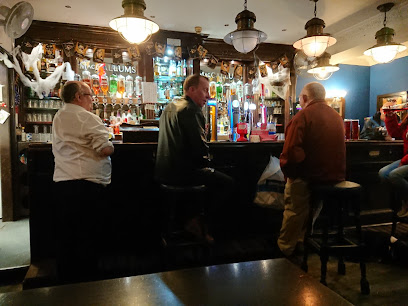
The Malt Room
0.5 km
Discover Inverness’s cozy whisky sanctuary with expert hosts, rare malts, and a warm, intimate atmosphere perfect for savoring every dram.
Market Bar
0.5 km
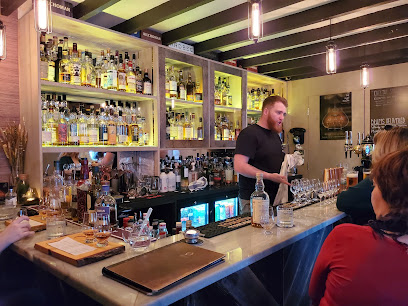
Experience authentic Scottish nightlife with live music, local ales, and a welcoming vibe at Inverness’s Market Bar on Church Street.
R&Bs
0.5 km
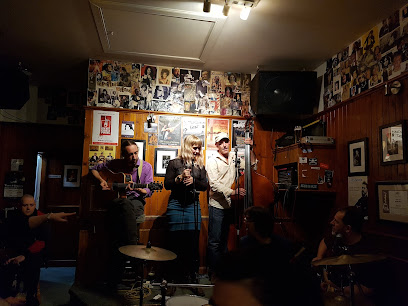
A lively family-run bar and restaurant in Inverness offering local flavors, gluten-free dishes, and the Highlands’ only karaoke nights.
The Gunsmiths Bar
0.5 km
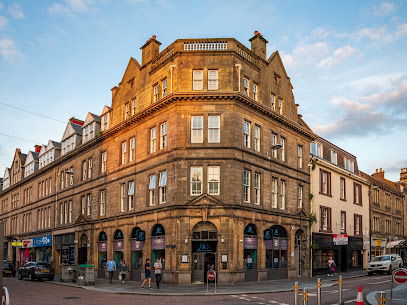
A lively Inverness bar with historic charm, mezzanine views, affordable drinks, and a welcoming atmosphere near the River Ness.
The Tooth & Claw
0.6 km
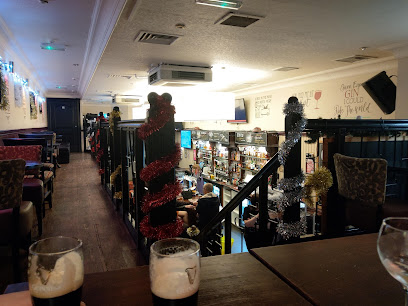
Inverness’s vibrant rock and live music bar offering rustic charm, local brews, and an inclusive, lively atmosphere.
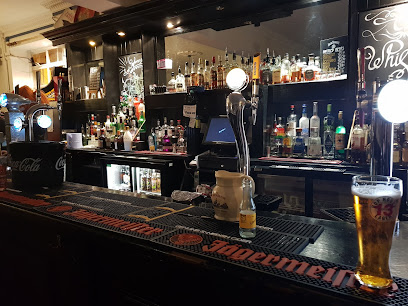
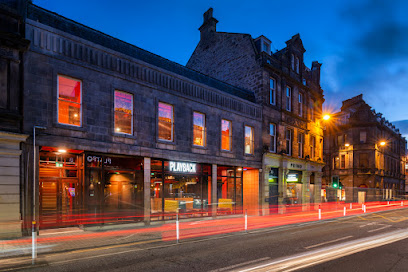
Playback
0.6 km
A lively four-story bar and restaurant in Inverness offering gourmet burgers, exclusive craft beers, rooftop vibes, and fun social games.
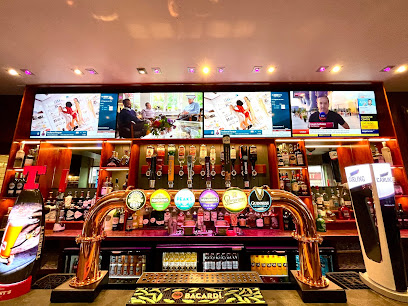
The Imperial
0.6 km
A lively traditional Scottish pub and sports bar in Inverness, offering great drinks, hearty pub grub, and nonstop sports action on big screens.
Nightclubs & after hour spots

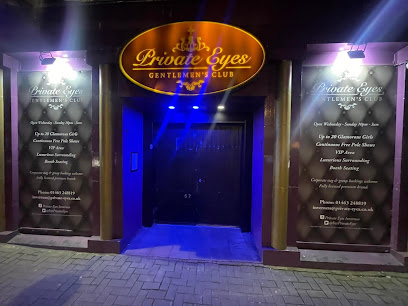
Private Eyes Inverness
0.6 km
Experience Inverness’s vibrant nightlife at Private Eyes, where stylish decor meets great music and a welcoming party atmosphere.
The Ross Shire Club
18.0 km
Experience Dingwall’s vibrant nightlife with a welcoming vibe, BYOB policy, and lively social scene at The Ross Shire Club.
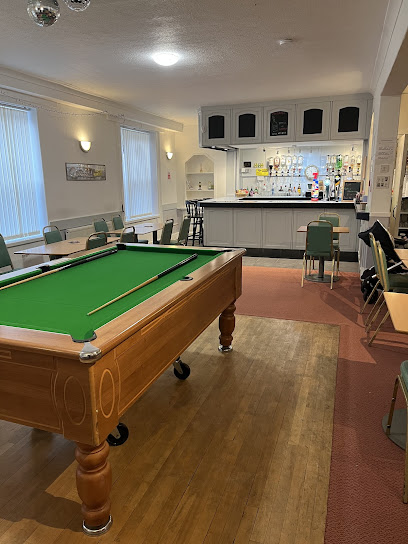
Xplosive Discos
22.0 km
Experience the vibrant nightlife at Xplosive Discos in Nairn, where unforgettable music and karaoke fun await every visitor.
Seaforth Club
24.9 km
Experience Nairn’s vibrant social heart at Seaforth Club, where community spirit meets lively nightlife in a welcoming setting.
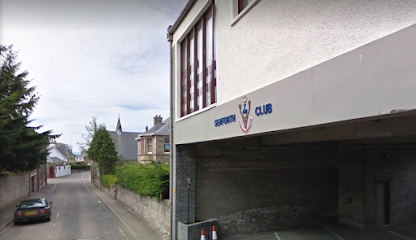
Jackos Bar & Diner
25.1 km
Discover the vibrant atmosphere and delicious grill options at Jackos Bar & Diner in Nairn, perfect for families and sports fans alike.
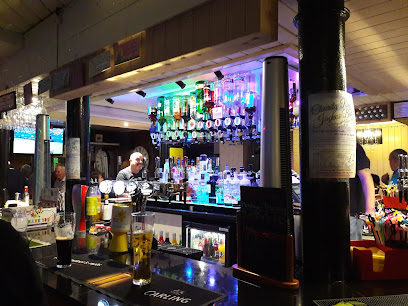
the Balavoulin
39.4 km
A lively, dog-friendly pub with hearty meals and cozy rooms, perfectly placed for exploring Aviemore and the Cairngorms.
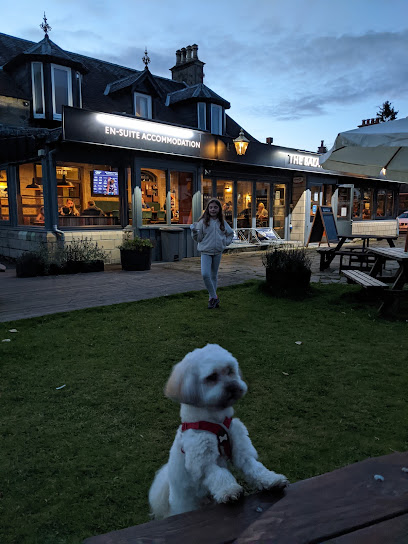
The Winking Owl, Craft Ale Pub & Bar
39.4 km
Discover The Winking Owl in Aviemore for a delightful experience of craft ales, local flavors, and a warm, inviting atmosphere.
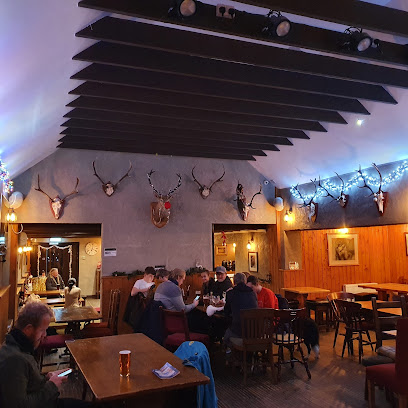
The Vault
39.7 km
Experience Aviemore’s vibrant nightlife at The Vault, a lively nightclub blending modern beats with Highland charm every weekend.
Mambos
39.8 km
Experience the vibrant nightlife at Mambos in Aviemore, where local charm meets a lively bar atmosphere for an unforgettable evening.
The Aviemore Inn pub and grill
40.5 km
Experience the warmth of Scottish hospitality at The Aviemore Inn, the perfect pub and grill in the heart of Aviemore for travelers and locals alike.
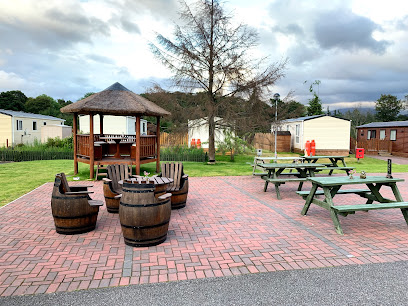
Woodshed Bar
42.0 km
Experience the warmth and charm of Woodshed Bar in Aviemore, where delightful drinks and a cozy atmosphere await you.
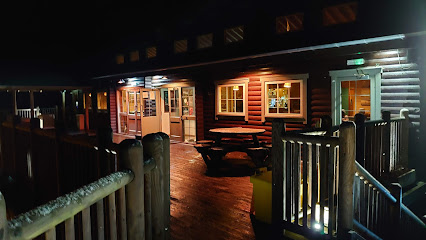
SUIE BAR
42.4 km
Discover Suie Bar: A Heartwarming Scottish Retreat in Kincraig, Perfect for Relaxation and Local Flavors.
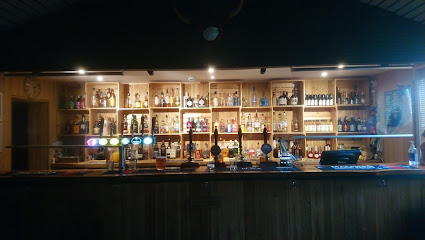
The Pine Marten Bar
46.7 km
Experience the warmth of Scottish hospitality at The Pine Marten Bar, where delicious food and breathtaking views combine for an unforgettable visit.
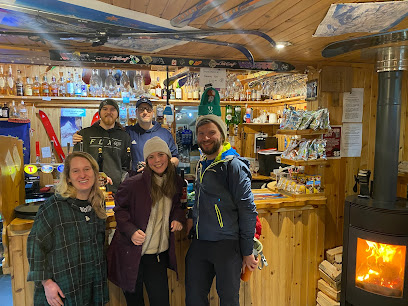
Moray Jazz Club
57.6 km
Discover the vibrant live music scene at Moray Jazz Club in Elgin, where talented musicians create unforgettable performances in an intimate setting.

Shmelgin
57.7 km
Experience the authentic flavors of Nepal at Shmelgin, Elgin's premier Nepalese restaurant, known for its warm atmosphere and delicious dishes.
For the vibe & atmosphere seeker
- Tranquil
- Scenic
- Unique
- Romantic
For the design and aesthetic lover
- Vintage Styles
- Industrial Designs
- Rustic Designs
For the architecture buff
- Historic
- Landmarks
- Art & Design
- Sacred Sites
- Heritage Neighborhoods
For the view chaser and sunset hunter
- Iconic Views
- Panoramas
- Waterfront
- Sunset Spots
For the social media creator & influencer
- Instagrammable
- Photo Spots
- Architectural Shots
For the eco-conscious traveler
- Protected Area
- Locally Managed
For the kind of experience you’re after
- Spiritual / Energy Spot
- Myth & Legends
- Cultural Heritage
- Photowalk
- Day Trip
For how adventurous you want the journey to be
- Easy Access
Location Audience
- Family Friendly
- Senior Friendly
- Wheelchair Access
- Solo Friendly
- Couple Friendly
- Solo Female Friendly


