
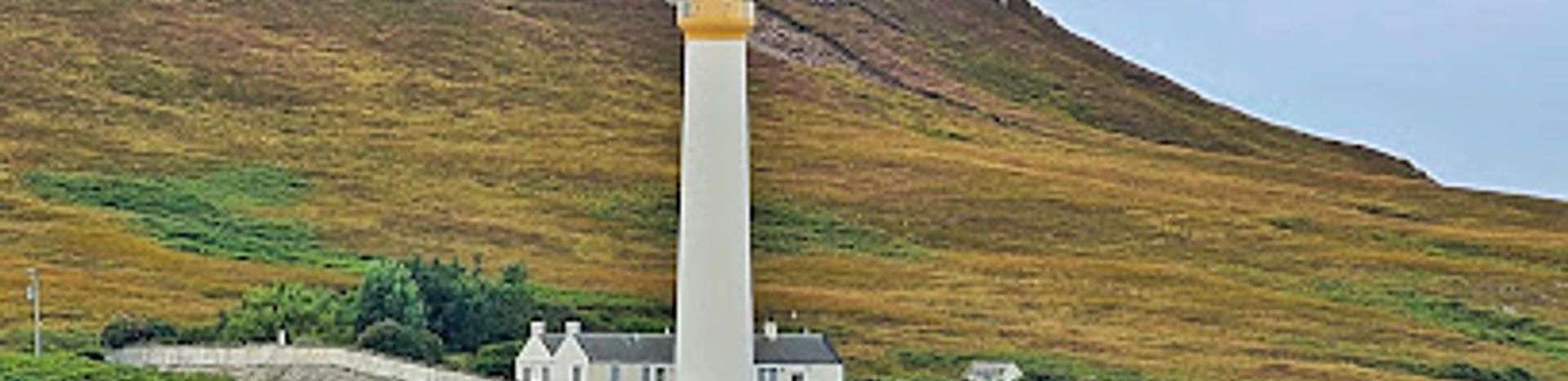
Ruvaal Lighthouse
Victorian lighthouse guarding the Sound of Islay, designed by the legendary Stevenson engineers in 1859.
Perched on a rocky headland at the northeastern tip of Islay, Ruvaal Lighthouse stands as a sentinel guarding the entrance to the Sound of Islay. Designed by the renowned Stevenson engineering family and completed in 1859, this listed 19th-century tower combines Victorian engineering with dramatic Scottish coastal scenery. The lighthouse remains an iconic landmark visible from the ferry crossing, offering visitors a glimpse into Scotland's maritime heritage and the engineering brilliance that shaped the nation's seafaring history.
A brief summary to Ruvaal Lighthouse
- Isle of Islay, GB
- Visit website
- Duration: 1.5 to 3 hours
- Free
-
 Outdoor
- Mobile reception: 2 out of 5
Local tips
- Visit during clear weather for the best photography and views across the Sound of Islay. The dramatic coastal setting is most striking when visibility is excellent and light conditions are favorable.
- Combine your visit with the ferry journey itself—the lighthouse is clearly visible from the water, providing an excellent vantage point before or after your walk to the tower.
- Wear sturdy footwear and bring weather-appropriate clothing. The terrain is rocky and exposed, and Hebridean weather can change rapidly throughout the day.
- Allow extra time for photography and exploration. The isolated location and dramatic landscape reward unhurried visits, and the walk provides excellent opportunities for landscape photography.
- Check tide times before visiting, as coastal access can be affected by tidal conditions. Local information is available at the ferry terminal or visitor centers on Islay.

Getting There
-
Ferry and Walking
Take the ferry to Islay from Kennacraig on the Kintyre peninsula (approximately 2 hours). From Port Askaig ferry terminal, walk approximately 3 kilometers to Ruvaal Lighthouse, following the coastal path. The walk takes 45 minutes to 1 hour depending on pace and terrain. No vehicle access to the lighthouse; walking is the only option once on the island. Ferry services operate year-round with reduced frequency in winter months.
-
Car Rental and Driving
Rent a vehicle at Port Askaig or Port Ellen ferry terminals. Drive north from Port Askaig toward Bunnahabhain, then follow local roads toward the northern coast. Park at the nearest accessible point and walk the final distance to the lighthouse. Driving time from Port Askaig is approximately 30-40 minutes. Roads are narrow and winding; allow extra time during poor weather or peak season.
-
Guided Tour
Book a guided tour through Islay visitor centers or local tour operators. Tours typically include transportation from ferry terminals and guided walks to the lighthouse with historical commentary. Tours usually last 3-4 hours and operate seasonally. Prices vary but typically range from £40-70 per person depending on group size and operator.
-
Bicycle
Rent a bicycle at Port Askaig or Port Ellen. Cycle north toward Bunnahabhain and follow roads toward the northern coast. The final approach to the lighthouse requires walking the bicycle over rough terrain. Total journey time approximately 1.5-2 hours including cycling and walking. Suitable for experienced cyclists comfortable with rural Scottish roads and variable weather.
Ruvaal Lighthouse location weather suitability
-
 Clear Skies
-
 Mild Temperatures
-
 Any Weather
Discover more about Ruvaal Lighthouse
A Monument to Victorian Engineering Excellence
Ruvaal Lighthouse was completed in January 1859 as part of the Northern Lighthouse Board's ambitious expansion of Scotland's maritime safety infrastructure. Designed by David and Thomas Stevenson—members of the legendary Stevenson engineering dynasty—the lighthouse represents the pinnacle of 19th-century lighthouse design and construction. The tower stands on a rocky cliff at the northeastern end of Islay, strategically positioned to guide vessels safely through the Sound of Islay, one of Scotland's busiest maritime passages. The lighthouse is officially listed as a building of architectural and historical interest, recognizing both its engineering significance and its contribution to Scotland's cultural heritage.Strategic Position and Maritime Significance
Located at the entrance to the Sound of Islay, Ruvaal Lighthouse plays a crucial role in maritime navigation for vessels traveling between the Inner Hebrides and the Scottish mainland. The tower's position on the northern tip of the island makes it one of the first lights encountered by ferries and commercial shipping entering or leaving the sound. Passengers aboard the Islay ferry can see the lighthouse clearly from the water, making it an instantly recognizable landmark for anyone traveling to or from the island. This strategic placement reflects the careful planning of the Northern Lighthouse Board, which was founded in 1786 and continues to operate today with the mission of ensuring the safety of mariners navigating Scotland's treacherous waters.Architectural Character and Coastal Setting
The lighthouse tower rises from a dramatic rocky promontory, its distinctive form silhouetted against the Hebridean sky. The structure exemplifies the functional elegance characteristic of Stevenson lighthouse design, combining practical maritime engineering with aesthetic consideration. The rocky cliff setting provides a naturally commanding position, allowing the light to project far across the waters of the Sound. The surrounding landscape is quintessentially Scottish—windswept, rugged, and steeped in maritime history. The isolation and remoteness of the location add to its appeal, offering visitors an authentic experience of Scotland's lighthouse heritage without the crowds found at more accessible attractions.Historical Context Within the Stevenson Legacy
The Stevenson family's contribution to Scotland's lighthouse infrastructure cannot be overstated. David and Thomas Stevenson, who designed Ruvaal, were part of a family whose engineering legacy shaped maritime safety across Scotland and beyond. Their work on Islay was particularly significant, as the island's strategic location required multiple lighthouses to ensure safe passage through its surrounding waters. Ruvaal was one of several lighthouses completed during this period of intensive lighthouse construction in the Hebrides, reflecting the growing importance of maritime trade and the technological advances that made such ambitious projects possible.Access and the Visitor Experience
Reaching Ruvaal Lighthouse requires a pleasant walk from the ferry landing point, making it an ideal destination for visitors seeking to combine their Islay journey with exploration of the island's maritime heritage. The walk offers stunning views across the Sound and provides an opportunity to experience the raw beauty of the Hebridean landscape. The lighthouse itself remains an active aid to navigation, and while visitors cannot access the interior, the exterior setting provides excellent photography opportunities and a tangible connection to Scotland's seafaring past. The journey to the lighthouse is as much part of the experience as the destination itself, offering solitude and contemplation in one of Scotland's most remote and beautiful locations.Iconic landmarks you can’t miss

Islay Ferry Terminal
9.9 km
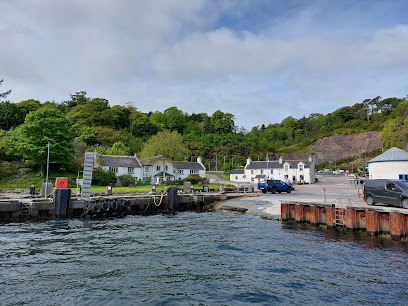
Scenic ferry gateway on Islay connecting to Jura and the Scottish mainland, blending maritime heritage with stunning coastal views.
The Whisky Island Gallery & Studio
15.9 km
Explore The Whisky Island Gallery & Studio for breathtaking art and photography that captures the spirit of the stunning Isle of Jura.
Skerrols House
16.9 km
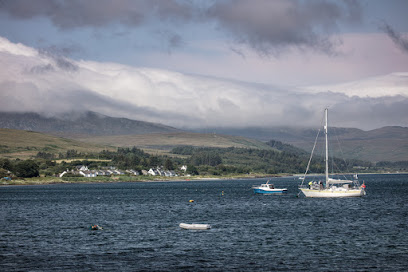
A peaceful guesthouse retreat on Islay offering luxurious comfort, scenic views, and warm Scottish hospitality in Bridgend.
Monument to Irish immigrants aboard the Exmouth Castle
20.7 km
A solemn tribute on Islay’s rugged coast honoring 241 Irish emigrants lost in the 1847 Exmouth Castle shipwreck.
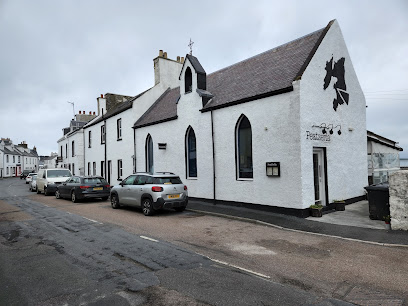
Peatzeria - Restaurant and Takeaway
22.3 km
Discover Peatzeria in Bowmore, Islay—your destination for delectable Italian cuisine and exquisite pizzas in a charming atmosphere.
The Island Bear
22.4 km
A warm, traditional bed and breakfast in Bowmore offering cozy comfort and easy access to Islay’s whisky heritage and scenic charm.

Old Lochindaal Distillery Warehouses
27.0 km
Historic whisky warehouses anchoring Port Charlotte’s rich distilling heritage on scenic Islay’s coast.
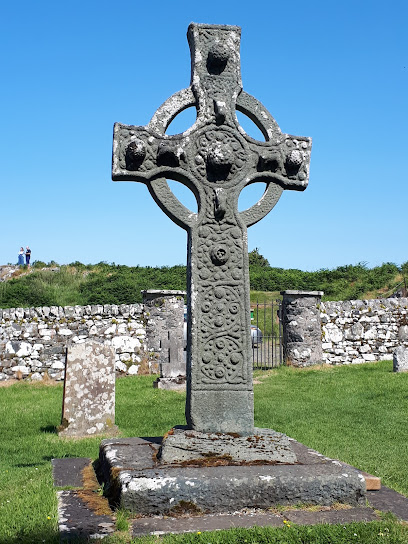
Kildalton Cross
28.5 km
Discover the exquisite 8th-century Kildalton Cross on Islay—one of Scotland’s finest Celtic high crosses, rich in history and intricate biblical carvings.
Tormisdale Croft Crafts
30.8 km
Explore unique handmade crafts that embody the spirit of Isle of Islay at Tormisdale Croft Crafts, a must-visit destination for art lovers.
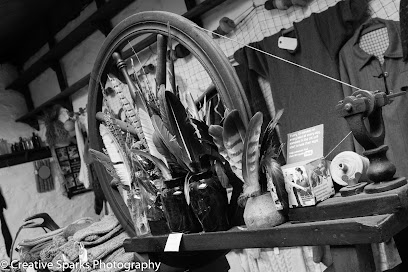
The Machrie
31.5 km
A stylish coastal retreat on Islay blending world-class golf, modern luxury, and serene Hebridean landscapes.
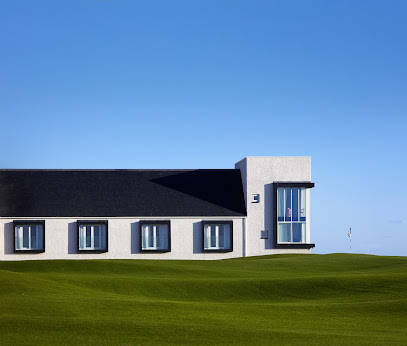
Cultoon Stone Circle
31.9 km
Bronze Age ellipse of standing and fallen stones bearing mysterious cup-and-ring carvings on Islay's windswept moorland.
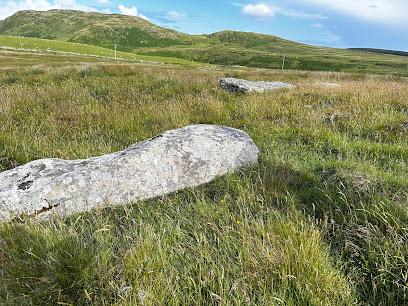
Leodamais
34.3 km
Luxury self-catering homes overlooking Leodamais beach, blending coastal tranquility with Islay’s rich heritage and whisky culture.
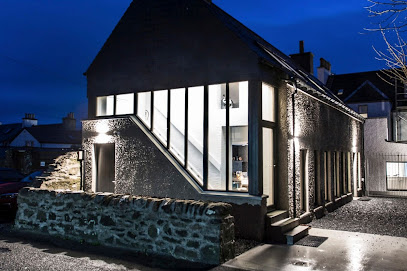
Port Ellen War Memorial
34.5 km
A solemn memorial to local sacrifice, standing witness to two world wars and maritime tragedy.
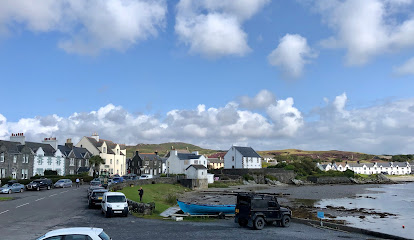
American Monument
40.6 km
A lighthouse-shaped war memorial honouring over 600 lives lost at sea during World War I, standing sentinel on a remote Scottish clifftop.
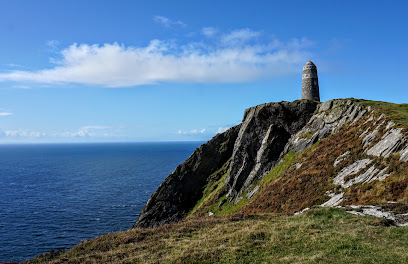
Nether Largie Standing Stones
44.2 km
Discover the ancient allure of Nether Largie Standing Stones, a remarkable historical landmark and hiking area nestled in the stunning landscape of Argyll, Scotland.
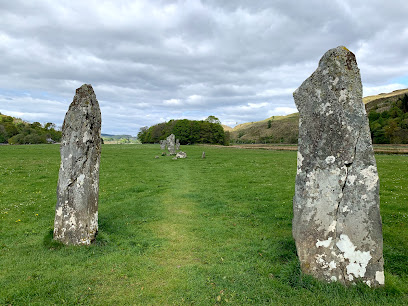
Unmissable attractions to see

Bunnahabhain Bay Scenic Lookout
6.3 km
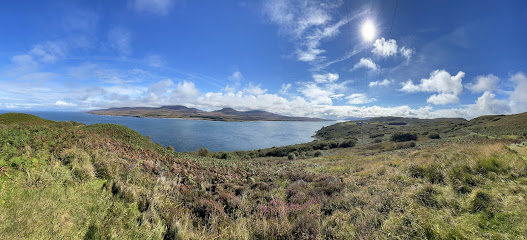
Discover breathtaking coastal panoramas and tranquil natural beauty overlooking Bunnahabhain Bay and the Paps of Jura on scenic Isle of Islay.
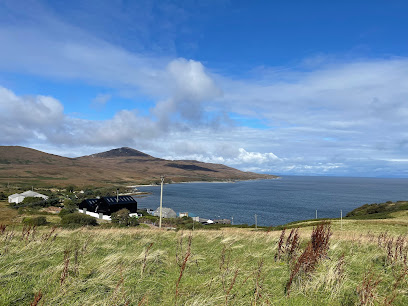
Jura View Point
6.8 km
Experience breathtaking panoramic views of Scotland’s rugged coastline and the iconic Paps of Jura from this serene Isle of Islay vantage point.
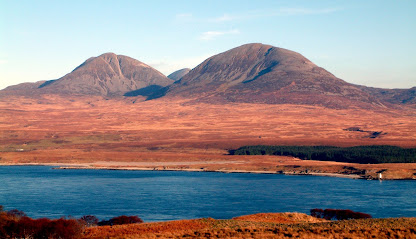
Paps of Jura
7.8 km
Iconic rounded peaks on Scotland’s Isle of Jura offering challenging climbs, wild landscapes, and rich natural heritage.
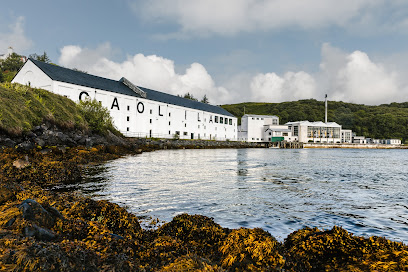
Caol Ila Distillery
9.2 km
Discover Caol Ila Distillery on Islay, where tradition meets innovation amid stunning coastal views and world-class whisky experiences.
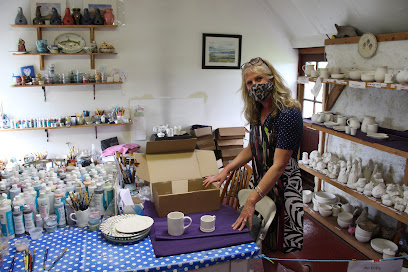
Persabus Pottery, Ceramics and Art
10.1 km
Discover handcrafted ceramics and artistic heritage at Persabus Pottery, a serene artisan studio in scenic Port Askaig, Isle of Islay.
Persabus farm, Accommodation and Pottery
10.1 km
Rustic farm stays and creative pottery on Islay with stunning views and warm Highland hospitality near Port Askaig.
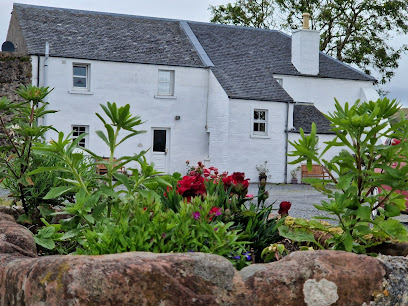
Finlaggan Trust
11.2 km
Explore the historic seat of the Lords of the Isles on Islay, where medieval ruins and immersive exhibits reveal Scotland’s Gaelic heritage.
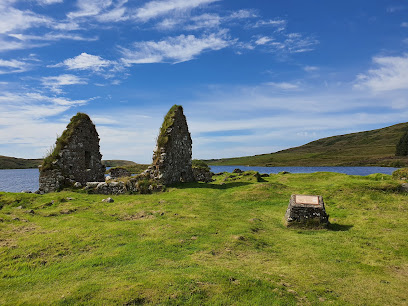
Jura
11.9 km
Discover Jura’s wild deer, rugged mountains, and legendary whisky in Scotland’s remote Inner Hebrides island.
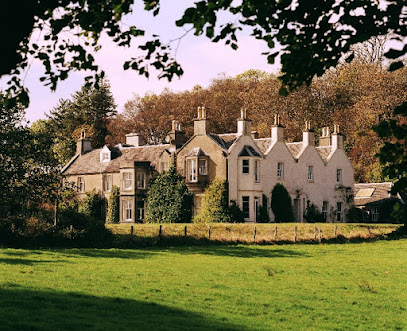
Hangman's Rock
12.0 km
A hauntingly beautiful crag on Colonsay, Hangman's Rock offers wild views and a glimpse into the island’s shadowed past.
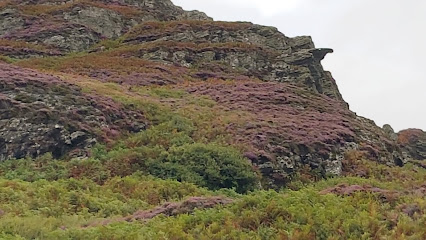
Cable Bay
12.1 km
Discover the serene beauty and pristine sands of Cable Bay, a tranquil coastal gem on the Isle of Colonsay with stunning sea views and rich natural charm.
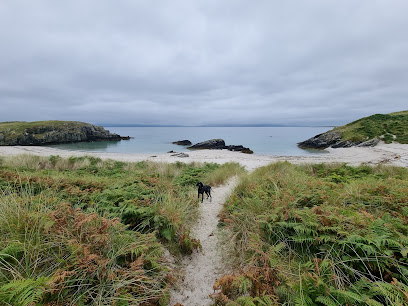
Whistlers Bay
12.9 km
Discover the serene white sands and tranquil coastal beauty of Whistlers Bay on the Isle of Colonsay.
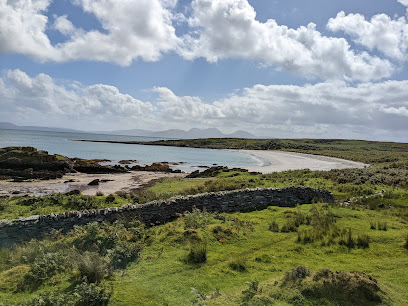
Craigard Kitchen of Ballygrant
13.2 km
Cozy coffee shop in Ballygrant serving artisanal brews and homemade pastries with a warm island welcome.
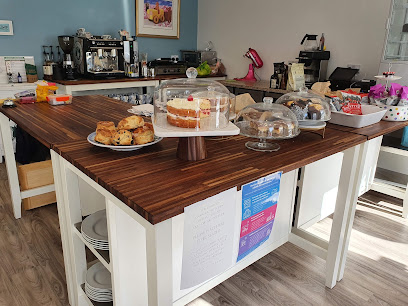
Ballygrant Trail | Loch Ballygrant
13.3 km
Discover tranquil woodlands and serene lochside views on the accessible Ballygrant Trail, a peaceful nature escape on the Isle of Islay.
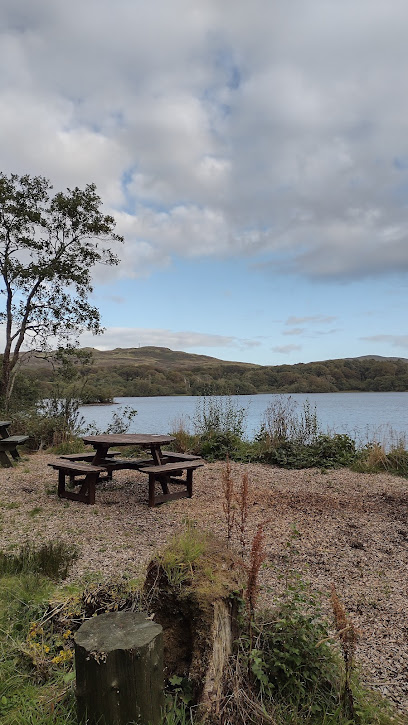
Kilmeny Church [Church Of Scotland] : Islay
13.9 km
Explore the serene Kilmeny Church on the Isle of Islay, a beautiful blend of history and nature that offers peace and reflection.
Kilearnadil
14.3 km
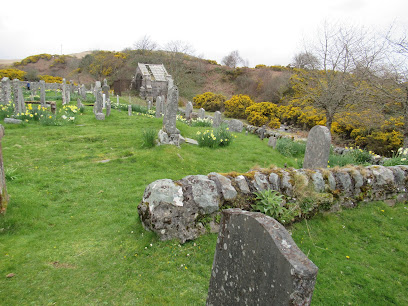
Explore Kilearnadil Cemetery on the Isle of Jura: A serene resting place surrounded by breathtaking landscapes and rich history.
Essential places to dine

Ballygrant Inn
12.7 km
Family-run inn on Islay offering cozy modern rooms, fresh local cuisine, and an award-winning whisky bar in a tranquil northern setting.
Jura Hotel
15.8 km
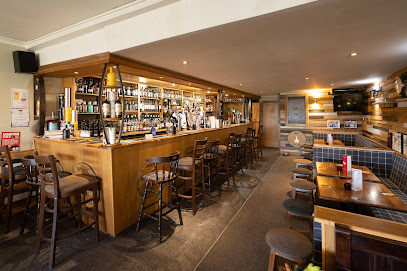
Traditional charm meets modern comfort in the heart of Jura’s coastal village, with stunning sea views and local whisky on your doorstep.
Bridgend Restaurant & Katie's Bar
19.0 km
Authentic island dining with local flavors, cozy charm, and a celebrated selection of Islay whiskies and gins in Bridgend’s welcoming heart.
Bridgend Hotel
19.0 km
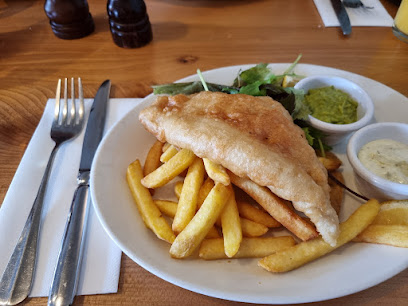
Charming boutique hotel on Islay offering cozy rooms, exceptional local cuisine, and warm hospitality at the island’s heart.
The Lochside Hotel & Restaurant
22.3 km
Charming waterfront hotel in Bowmore offering cozy rooms, local cuisine, and stunning views over Loch Indaal on the Isle of Islay.
Taj Mahal Indian Restaurant
22.4 km
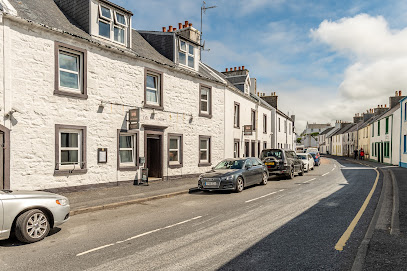
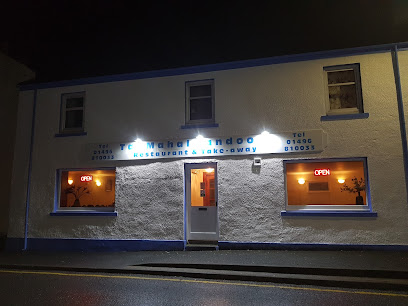
Authentic Indian flavors and warm hospitality await you at Taj Mahal Indian Restaurant in Bowmore, Isle of Islay.
An Cuan
22.4 km
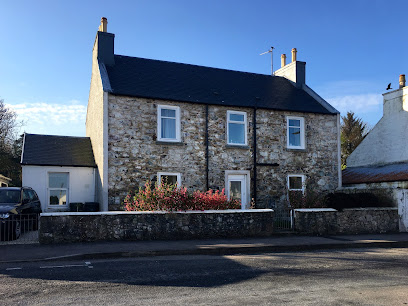
Comfortable boutique B&B in the heart of Bowmore village, offering scenic sea or garden views and easy access to Islay’s cultural gems.
The Harbour Inn
22.4 km
A charming waterfront inn in Bowmore offering fresh seafood, cozy rooms, and warm island hospitality on Islay.
Golden Dragon
22.4 km
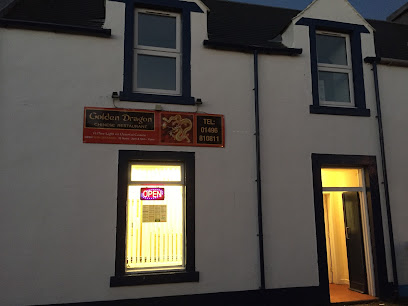
Authentic Chinese takeaway nestled in Bowmore’s charming village square, serving classic dishes with island warmth and convenience.
Bowmore Hotel Restaurant
22.4 km
Experience authentic Islay flavors and world-class whisky in the welcoming heart of Bowmore village.
Bowmore Hotel
22.4 km
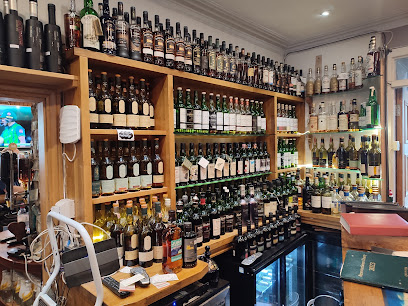
Family-run Bowmore Hotel blends local cuisine, cozy rooms, and an exceptional whisky bar in the heart of Islay’s capital.
The Cottage Cafe & fish bar
22.4 km
A simple, homely café in Bowmore serving fresh seafood and traditional dishes with local island charm.
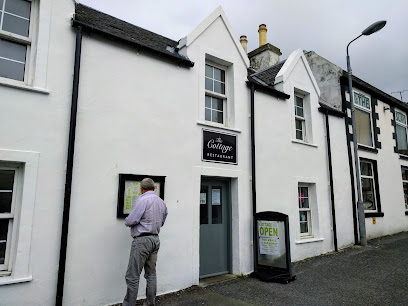
Lochindaal Seafood Kitchen
26.8 km
Savor fresh, locally sourced seafood in a warm, coastal setting at Port Charlotte’s acclaimed Lochindaal Seafood Kitchen on Islay.
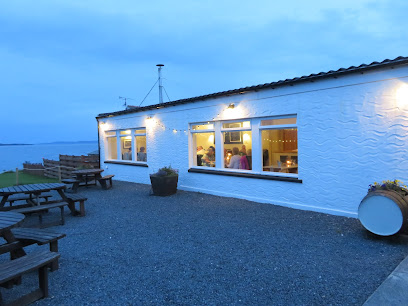
Port Charlotte Hotel
27.0 km
Charming Victorian hotel on Islay’s coast with stunning sea views, fine dining, and a renowned whisky bar in a tranquil village setting.
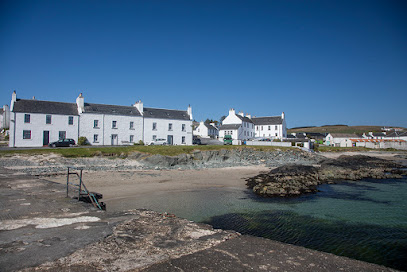
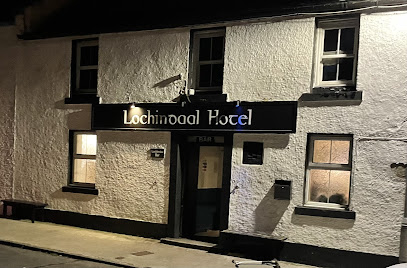
Lochindaal Hotel
27.1 km
Experience authentic island hospitality, fresh seafood, and cozy comfort at Lochindaal Hotel in Port Charlotte, Isle of Islay.
Markets, malls and hidden boutiques

Minimarket
9.9 km
Explore the Isle of Islay with convenience at Minimarket, your go-to supermarket in Port Askaig for local goods and essentials.
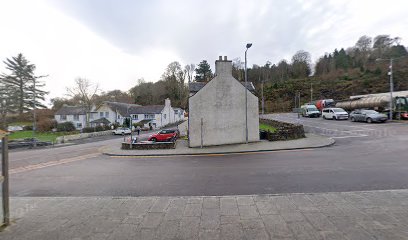
Port Askaig Hotel and Stores
9.9 km
Charming family-run Highland inn with stunning harbour views, local whisky bars, and fresh seafood dining on the shores of the Sound of Islay.
islaywhiskyjugs.co.uk
10.1 km
Discover handcrafted Scottish ceramics and creative workshops in the serene coastal setting of Persabus Pottery on the Isle of Islay.
Charlotte Hannett Jewellery
10.1 km
Handmade island-inspired jewellery capturing the rugged beauty and heritage of Islay’s shores.
The Island Shop - Isle of Colonsay
15.4 km
The Island Shop in Scalasaig: Your essential local store for fresh produce, island specialties, and warm community spirit on Colonsay.
Christine's Den
15.5 km
Explore the charm of the Isle of Colonsay at Christine's Den, your go-to gift shop for local treasures and unique souvenirs.
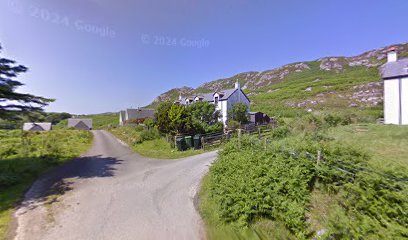
The Antlers Bistro Restaurant
15.7 km
Experience the flavors of Isla of Jura at The Antlers Bistro, a cozy restaurant offering local cuisine in a picturesque setting.
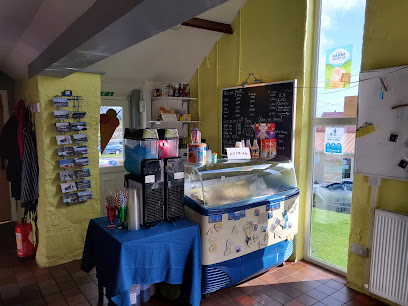
Islay Woollen Mill Co Ltd
17.5 km
Victorian looms and Hollywood tweeds on Scotland's remote Isle of Islay
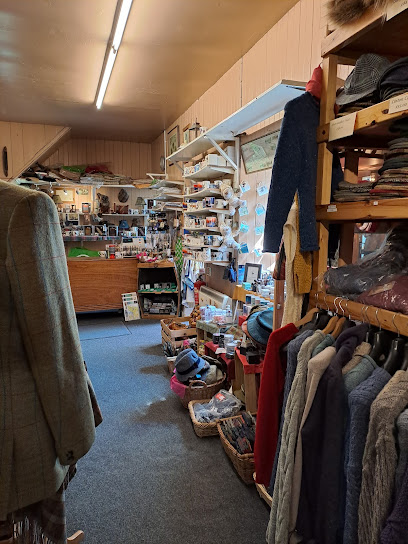
The Islay Whisky Vault
18.6 km
Discover the rich smoky heritage of Islay whiskies at The Islay Whisky Vault, your expert guide to rare drams and local treasures.

Islay Quilters
18.6 km
Discover the vibrant quilting community and handcrafted artistry at Islay Quilters in Bridgend, Isle of Islay’s charming craft hub.
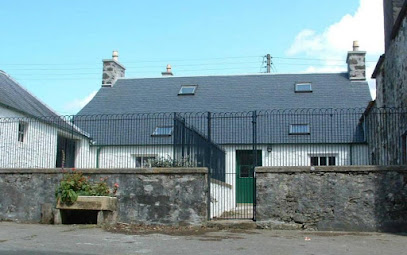
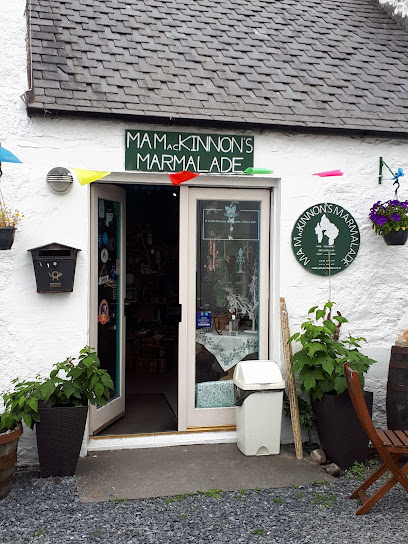
Mackinnon's Marmalade
18.7 km
Handcrafted Islay marmalades bursting with local fruits and island whisky—artisanal preserves capturing the essence of Scotland.
Re-Jig Whin Park
18.9 km
Discover unique secondhand treasures and support Islay’s community-driven sustainability at Re-Jig Whin Park.
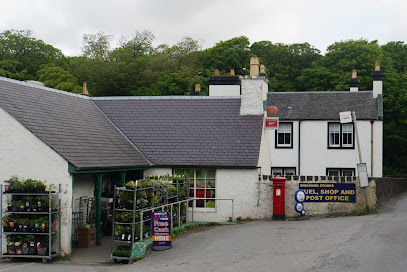
Bridgend Shop
18.9 km
Your friendly, convenient fuel and grocery stop in Bridgend, Isle of Islay, offering essentials with a local touch.
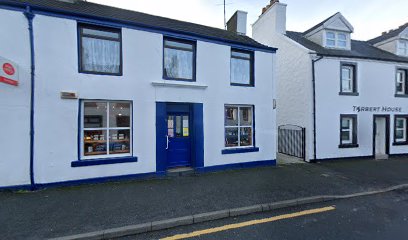
Wild Islay Refillery
22.4 km
A community-centered sustainable market in Bowmore offering zero waste and organic products for eco-conscious shoppers on Islay.
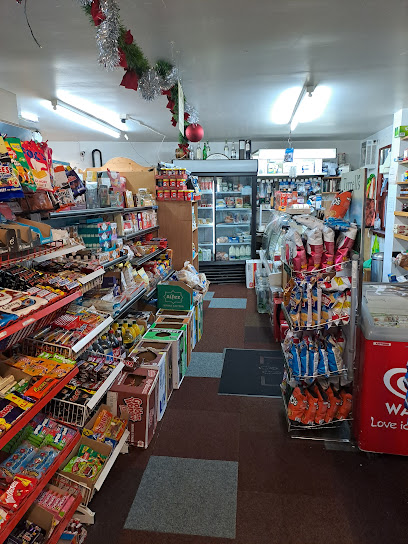
The Islay Whisky Shop
22.4 km
Islay's premier whisky retailer offering rare bottlings, expert guidance, and curated collections for connoisseurs and newcomers alike.
Essential bars & hidden hideouts

Colonsay Pub
15.4 km
Experience authentic island hospitality and local brews at Colonsay Pub, the vibrant social hub of the Isle of Colonsay.
DUFFIE'S BAR
22.3 km
Experience the ultimate Islay whisky bar in Bowmore, where rare malts, warm hospitality, and island charm converge.
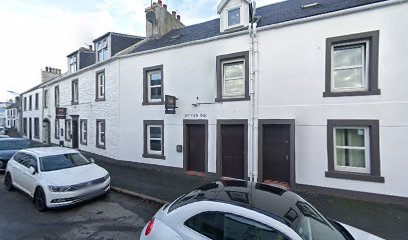
AVS-Ls
22.5 km
Cozy bar on Isle of Islay offering local flavors, friendly faces, and a genuine island atmosphere in a tranquil setting.
The Malt Mill Bar
33.4 km
A cozy whisky haven nestled in historic Malt Mill buildings, offering authentic Lagavulin drams and rich Islay heritage.
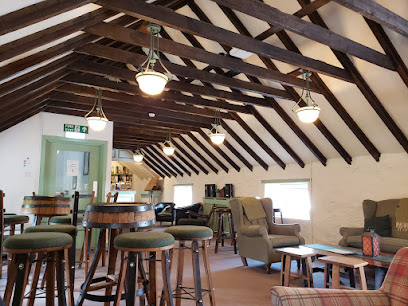
Dmitry Severianov's piece of Laphroag
33.8 km
A unique tribute on Islay celebrating the iconic smoky spirit and heritage of Laphroaig whisky.
Bunessan Inn
42.8 km
Historic Isle of Mull pub and inn offering hearty food, local whiskies, cozy rooms, and stunning loch views in a warm community setting.
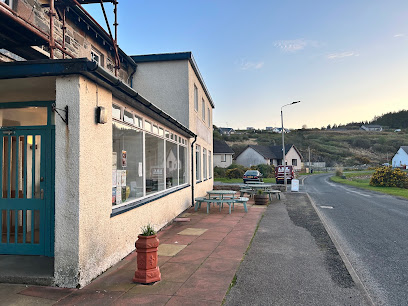
The Anderson Lounge
42.8 km
A cozy, rustic bar in Cairnbaan offering local craft beers and a welcoming atmosphere for travelers exploring the Scottish Highlands.
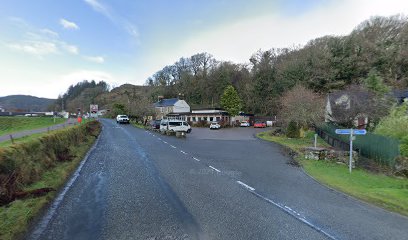
The Argyll Inn
44.5 km
A cozy local bar in Lochgilphead offering traditional Scottish hospitality and a welcoming atmosphere every day from noon to late evening.
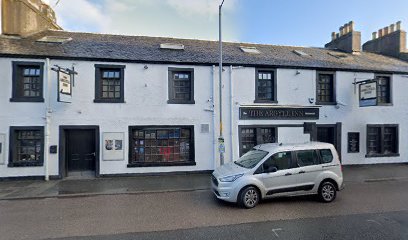
The Corner House
45.0 km
A cozy and lively pub on Tarbert’s Harbour Street, famed for warm welcomes, quality drinks, and a true taste of Scottish coastal life.
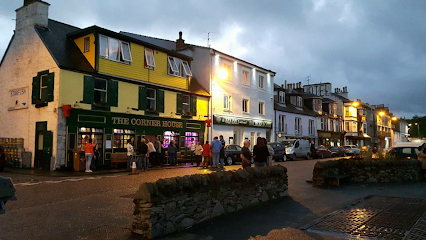
The Keel Row
45.7 km
Cozy pub and restaurant in Fionnphort offering hearty Scottish dishes, scenic bay views, and a warm, welcoming atmosphere on the Isle of Mull.
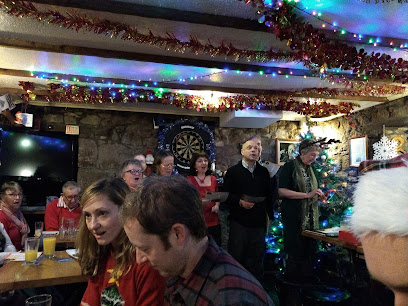
Snack Bar
45.9 km
Experience the charm of the Isle of Mull at the Snack Bar, where delightful bites and stunning views create unforgettable memories.
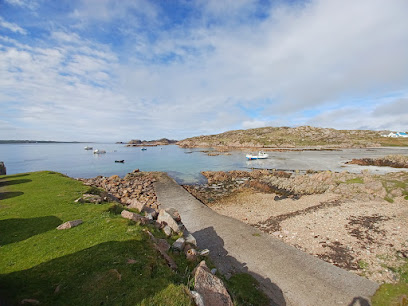
The Oyster Bar
49.5 km
A charming seafood haven in historic Ellenabeich, offering fresh oysters, scenic coastal views, and warm Scottish hospitality.
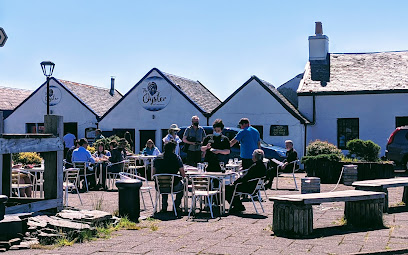
Lochranza Country Inn
57.7 km
Community-owned historic inn with stunning loch views, cozy rooms, and hearty dining at the northern tip of Isle of Arran.
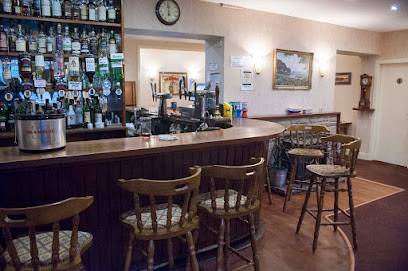
Craignure Inn
64.7 km
A cozy, dog-friendly pub and inn in Craignure offering hearty fare, comfortable rooms, and a warm welcome on the Isle of Mull.
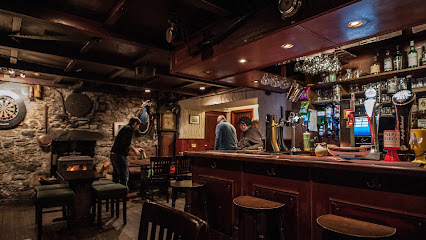
Isle of Mull Hotel & Spa
65.2 km
A welcoming coastal retreat on the Isle of Mull, blending scenic views, spa relaxation, and warm Scottish hospitality.
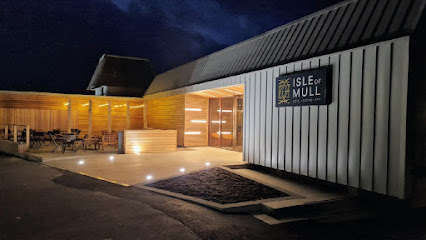
Nightclubs & after hour spots

Jura Brewery
14.8 km
Discover Jura Brewery: A Craft Beer Experience in the Heart of the Isle of Jura, Where Tradition Meets Nature's Bounty.
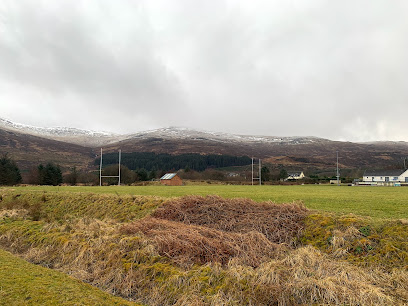
Isle of Mull Rugby Club
66.0 km
Discover the Isle of Mull Rugby Club: A vibrant community hub where sports and local culture come together amidst stunning Scottish scenery.
Duncan's On The Green
76.2 km
Experience the charm of Duncan's On The Green, where stunning views and local flavors combine for an unforgettable bar experience on the Isle of Arran.
MacDonald Arms Hotel
76.3 km
Discover the warm hospitality and local flavors at MacDonald Arms Hotel, a charming pub in Tobermory, Isle of Mull.
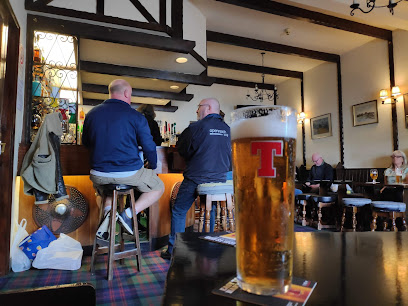
Mishnish
76.5 km
Discover the vibrant atmosphere and local flavors at Mishnish, the heart of Tobermory's bar and restaurant scene, perfect for music lovers and foodies alike.
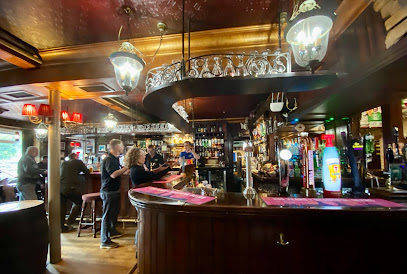
Auld Mull Bar
76.6 km
Experience the warmth of Auld Mull Bar in Tobermory - a perfect blend of local drinks, cuisine, and stunning harbor views on the Isle of Mull.
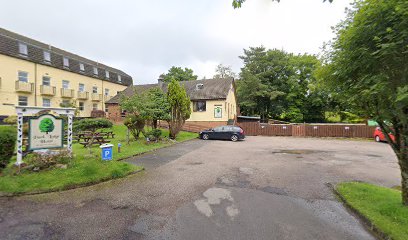
Pierhead Tavern
76.7 km
Discover the warmth and flavors of the Isle of Arran at Pierhead Tavern, a cozy pub and restaurant in Lamlash offering stunning views and local cuisine.
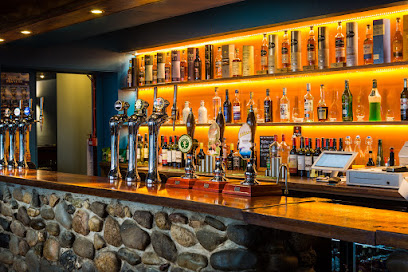
Drift Inn
76.8 km
Discover Drift Inn on the Isle of Arran: a cozy restaurant with a stunning beer garden and delightful local cuisine.
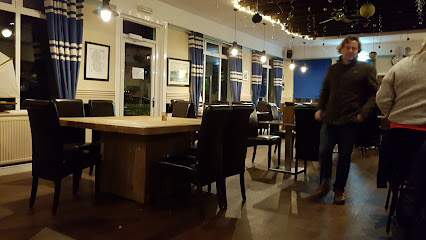
The Lagg Inn 1791
78.0 km
Experience the historic charm and warm hospitality of The Lagg Inn 1791, a perfect retreat on the stunning Isle of Arran.
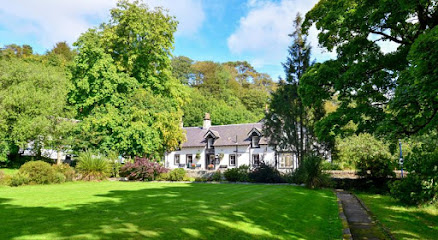
The Shurig
81.7 km
Experience the charm and flavor of The Shurig in Whiting Bay, Isle of Arran, where exquisite grilled dishes meet stunning island views.
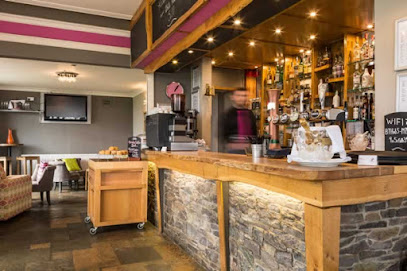
McBrides Bar
82.2 km
Discover the authentic charm of McBrides Bar in Dunseverick, where local ales and warm hospitality create an unforgettable experience.
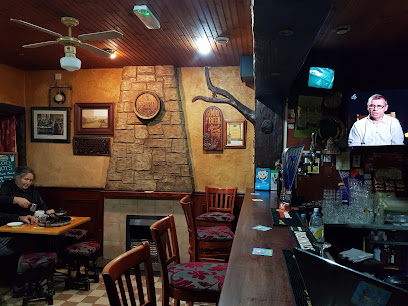
Halo Ballycastle
82.2 km
Discover the lively nightlife at Halo Ballycastle, a must-visit bar and nightclub featuring live music and a vibrant atmosphere in Ballycastle.
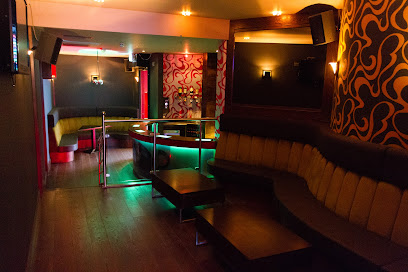
Clubhouse Restaurant & Bar
83.9 km
Discover the best of local dining at Clubhouse Restaurant & Bar in beautiful Portballintrae, where fresh flavors meet stunning coastal views.
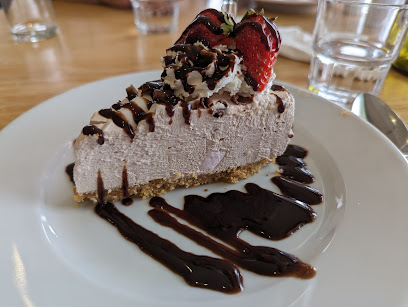
Word Up
84.9 km
Experience Greenock's revitalized nightlife at Word Up, a modern nightclub with vibrant energy and a welcoming atmosphere.
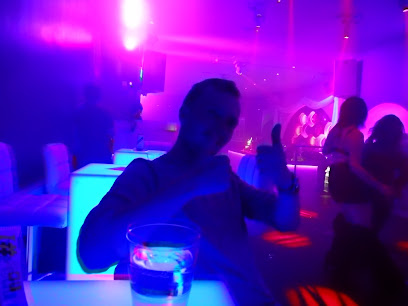
The Bush House Bar
85.1 km
Discover the lively spirit of The Bush House Bar in Bushmills, where authentic Irish hospitality meets a cozy atmosphere and vibrant community.
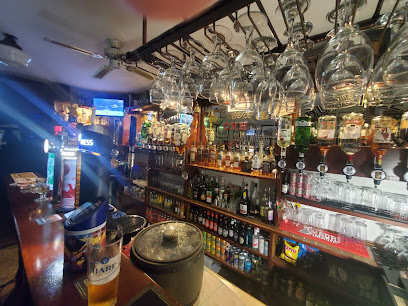
For the vibe & atmosphere seeker
- Scenic
- Adventurous
- Tranquil
- Unique
For the design and aesthetic lover
- Vintage Styles
- Industrial Designs
For the architecture buff
- Historic
- Landmarks
- Viewpoints
For the view chaser and sunset hunter
- Iconic Views
- Panoramas
- Waterfront
For the social media creator & influencer
- Instagrammable
- Photo Spots
- Architectural Shots
For the eco-conscious traveler
- Protected Area
- Low Impact
- Leave-No-Trace Critical
For the kind of experience you’re after
- Cultural Heritage
- Photowalk
- Nature Escape
- Day Trip
For how adventurous you want the journey to be
- Requires Hike
- Remote
Location Audience
- Family Friendly
- Solo Friendly
- Couple Friendly
- Senior Friendly


