
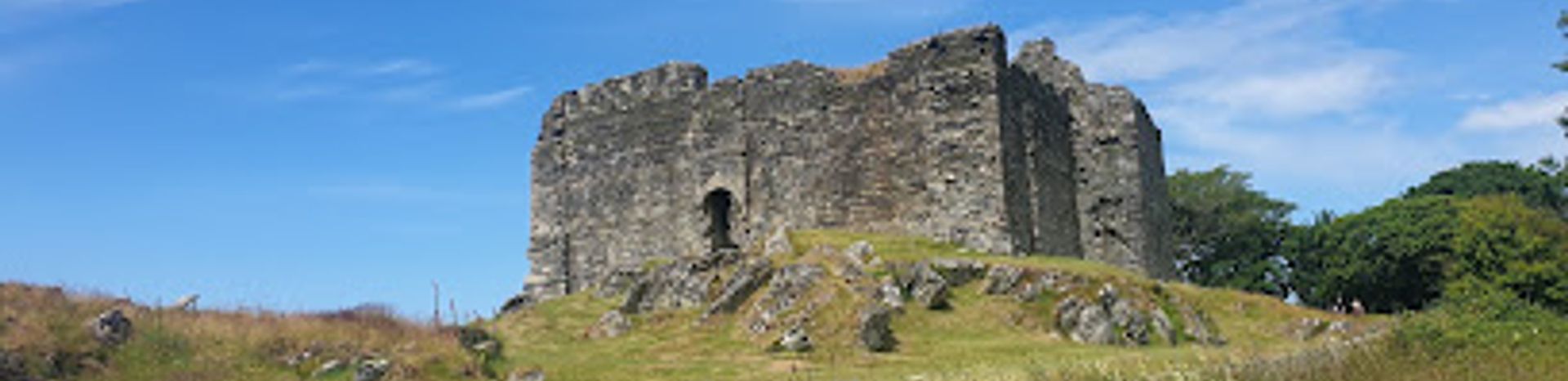
Castle Sween
Scotland's oldest dated stone castle, a 12th-century Norse-founded fortress commanding Loch Sween's strategic waters.
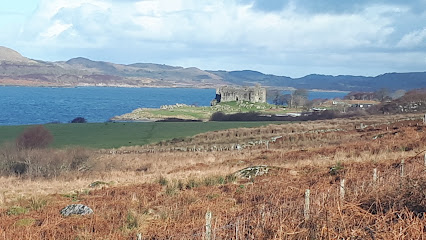
Castle Sween stands as Scotland's oldest dated stone castle, built around 1100–1150 on the eastern shore of Loch Sween in Knapdale, Argyll. This imposing medieval fortress, with its 2-meter-thick curtain walls and Norman buttresses, was constructed by Suibhne 'the Red', a Norse-descended chieftain whose name evolved into both the castle's name and the MacSween clan. Perched on a low rocky ridge overlooking the loch with views toward Jura, the castle commanded vital sea routes and served as a strategic stronghold through centuries of clan warfare, changing hands between the MacSweens, MacDonalds, and Campbells before being destroyed and abandoned in 1647.
A brief summary to Castle Sween
- Lochgilphead, GB
- Visit website
- Duration: 0.75 to 2.5 hours
- Free
-
 Outdoor
- Mobile reception: 3 out of 5
Local tips
- Visit during clear weather to fully appreciate the panoramic views across Loch Sween toward the Isle of Jura and surrounding hills. The castle's exposed ridge position offers exceptional vistas but can be windswept and atmospheric in mist.
- Explore the courtyard carefully to spot the broad Norman buttresses and the contrast between the original 12th-century walls and later medieval additions like the MacMillan tower. The arched gateway entrance in the south wall is particularly well-preserved.
- Allow time to walk the perimeter and examine the western cliff face above the sea, where the original defensive position becomes evident. The small cleared islet visible from the castle illustrates its historical role as a naval stronghold.
- Bring binoculars to observe the surrounding landscape and understand the castle's strategic command of sea routes. The location's isolation emphasizes why medieval powers fought so fiercely for control of this fortress.
- Combine your visit with exploration of nearby Knapdale's other historical sites and natural features. The surrounding peninsula offers walking trails and additional archaeological interest that complement the castle experience.

For the on-the-go comforts that matter to you
- Information Boards
- Trash Bins
Getting There
-
Private vehicle from Lochgilphead
From Lochgilphead town centre, travel approximately 20 kilometres southwest via the A83 and B8024 toward Achnamara. The drive takes 25–35 minutes depending on road conditions. Follow signs for Castle Sween near Achnamara. Parking is available at the castle site. The final approach involves a short walk from the parking area to the castle ruins. Road surfaces are generally well-maintained but can be narrow in places; standard vehicles are suitable.
-
Bus service from Lochgilphead
Local bus services operate from Lochgilphead toward Tarbert and surrounding villages, with some routes passing near Achnamara. Journey time is approximately 45–60 minutes depending on the specific service and stops. Services are limited and may operate only on certain days; check local timetables in advance. From the bus stop, you may need to walk 1–3 kilometres to reach the castle, depending on where the bus stops. This option requires advance planning and is best suited for those without time constraints.
-
Guided tour from regional operators
Several regional tour operators based in Argyll offer guided visits to Castle Sween as part of wider heritage tours. Tours typically depart from Lochgilphead or nearby towns and include transport, guided interpretation, and access to the site. Journey times vary but generally range from 30–45 minutes from departure points. Costs typically range from £25–£50 per person depending on the operator and tour length. Tours provide historical context and are ideal for visitors seeking deeper understanding of the castle's significance.
-
Walking approach from Achnamara
For those based in or passing through Achnamara village, a walking route to Castle Sween is possible. The walk covers approximately 2–3 kilometres and takes 30–45 minutes depending on pace and terrain. The route follows local paths and minor roads; terrain is generally accessible but can be muddy or uneven in wet weather. This option is suitable for those with moderate fitness and is best undertaken in daylight hours. Wear appropriate footwear and weather-appropriate clothing.
Castle Sween location weather suitability
-
 Any Weather
-
 Clear Skies
-
 Windy Conditions
Discover more about Castle Sween
Scotland's Oldest Standing Stone Castle
Castle Sween holds the distinction of being the oldest stone castle on the Scottish mainland that can be dated with confidence. Built around 1100–1150, it predates most other Scottish castles by generations. The fortress was constructed by Suibhne 'the Red', a chieftain of Irish descent and grandson of Hugh the Splendid O'Neill, High King of Ireland. Suibhne's name, pronounced with a soft 'v' sound in Gaelic (Suibhne), was later anglicised to 'Sween', giving the castle its enduring name and founding the MacSween dynasty that would dominate the region for centuries. The castle's architectural features reveal its 12th-century origins with remarkable clarity. Its massive curtain wall, measuring 2 meters thick and 8 meters high, is reinforced by broad buttresses in the Norman style—a hallmark of early medieval military architecture. The original structure surrounded a quadrangular courtyard, with the entrance marked by an arched gateway set within a 3-meter-thick section of masonry. Notably, the castle lacks windows and other openings aside from entrances, a defensive design typical of early stone fortifications when comfort was sacrificed entirely for security.A Naval Stronghold in the Age of Sea Power
Castle Sween's strategic significance lay not in controlling land routes, but in commanding the sea. In the 12th century, western Argyll remained under Norse influence, and maritime power dominated the region's politics and commerce. The castle was deliberately positioned on a low ridge above Loch Sween, with a small cleared islet nearby serving as a boat landing. This arrangement allowed Suibhne's warships—the small galleys essential to medieval naval warfare—to be hauled from the water for protection and repair. The castle functioned as both a fortress and a naval base, its location providing easy access to the sea while offering defensive advantages over potential attackers approaching by water. The MacSween family leveraged this strategic position to build considerable power. By the 13th century, their lands stretched from Loch Awe in the north to Skipness in the south, making them one of Argyll's most influential clans. However, their dominance proved vulnerable to the shifting allegiances of Scottish politics.Centuries of Contested Control
The castle's ownership changed dramatically during the Wars of Scottish Independence. The MacSweens initially opposed Robert the Bruce, aligning instead with the MacDougalls of Lorne. Following Bruce's victory and ascension to the Scottish throne, he granted Castle Sween to his loyal supporter Angus Og MacDonald of Islay around 1300. This transfer marked the beginning of MacDonald control that would last approximately 150 years. During this period, the castle's keepers were first drawn from Clan MacNeill, later replaced by Clan MacMillan. Around 1300, John MacSween attempted to reclaim his family's ancestral stronghold, reportedly assembling a fleet against the castle, but his effort failed. Shortly after this failed assault, a new three-storey seaward tower was constructed, likely as a response to the threat and to strengthen the castle's defences. This tower, along with subsequent modifications, transformed the original Norman structure into a more complex fortress adapted to changing medieval warfare. In 1490, King James IV of Scotland granted Castle Sween to Colin Campbell, 1st Earl of Argyll, marking the beginning of Campbell dominance. The Campbells, already one of Scotland's most powerful families, held the castle through the turbulent 16th and early 17th centuries. During their tenure, additional structures were added to the courtyard, including a rectangular building that may have served as barracks. The MacMillan tower, a round structure built at the northwest corner, also dates to this period of Campbell occupation.Archaeological Riches and Cultural Significance
Excavations at Castle Sween have revealed layers of human activity spanning millennia. Works conducted in the 1920s uncovered a Neolithic six-knobbed stone ball, a stone axe, a whetstone, medieval brooches, and a barbed and tanged arrowhead—evidence that the site held significance long before the castle's construction. Further excavations in the 1980s identified at least five distinct periods of occupation within the courtyard alone. Among the most evocative finds was a 15th-century harp-peg, associated with the MacDonald Lords of the Isles and hinting at the cultural refinement maintained within these fortress walls. The castle also appears in Scottish Gaelic literature. The 16th-century manuscript known as The Book of the Dean of Lismore includes a lament composed by Aithbhreac Inghean Coirceadail around 1460. After being widowed, Aithbhreac composed this poem addressed to the rosary of her late husband, a Tacksman of Clan MacNeill and former constable of Castle Sween. Her lament remains a highly important work in Scottish Gaelic literature, preserving the emotional landscape of medieval castle life.Destruction and Abandonment
Castle Sween's long history came to a violent end during the Wars of the Three Kingdoms (1642–1651), a conflict that pitted Royalist forces against Scottish Covenanters and English Parliamentarians. In 1647, Alasdair MacColla, a Scottish-Irish soldier and descendant of the MacDonalds, launched a vindictive assault on the castle. MacColla's forces attacked and burned Castle Sween with such ferocity that the damage proved irreparable. The Campbells, who had been using the castle as a distribution centre for imported supplies destined for their other garrisoned strongholds, abandoned it. The fortress never recovered from this destruction and gradually fell into the ruin visible today. In 1933, Castle Sween was placed under the care of the Historic Building and Monuments Directorate. Today, it remains under the protection of Historic Scotland, preserved as a tangible link to Scotland's medieval past and the complex web of clan politics that shaped the nation's history.Iconic landmarks you can’t miss

The Whisky Island Gallery & Studio
21.8 km
Explore The Whisky Island Gallery & Studio for breathtaking art and photography that captures the spirit of the stunning Isle of Jura.
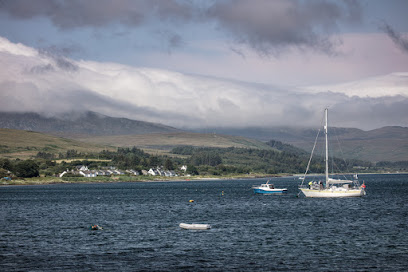
Nether Largie Mid Cairn
22.7 km
Bronze Age burial cairn at the heart of Scotland's most significant prehistoric landscape, carved with rare axehead symbols.
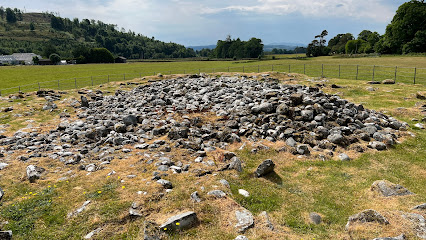
Kilmartin Museum
23.4 km
Discover 12,000 years of history at Kilmartin Museum, where ancient artefacts meet the stunning prehistoric landscape of Kilmartin Glen.
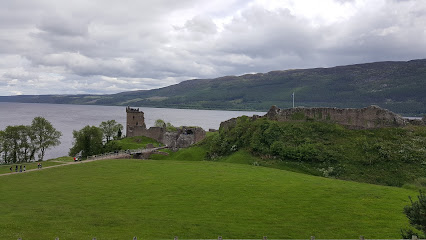
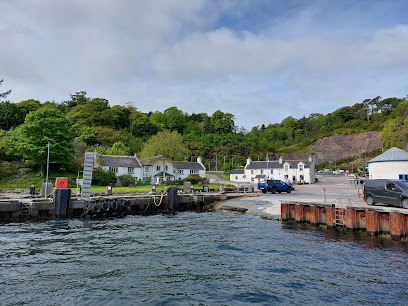
Islay Ferry Terminal
29.6 km
Scenic ferry gateway on Islay connecting to Jura and the Scottish mainland, blending maritime heritage with stunning coastal views.
Lochranza Youth Hostel
36.0 km
Experience the natural beauty and cultural charm of Lochranza Youth Hostel on the Isle of Arran, the perfect retreat for adventure and relaxation.

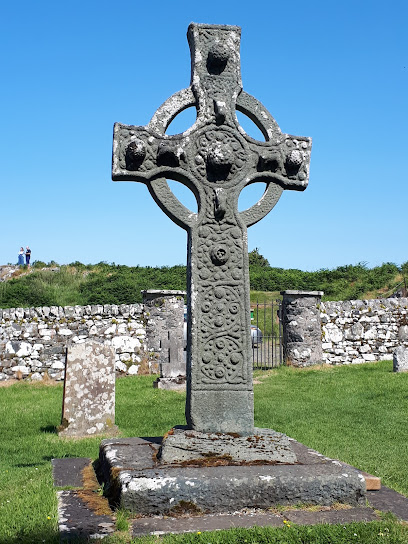
Kildalton Cross
37.7 km
Discover the exquisite 8th-century Kildalton Cross on Islay—one of Scotland’s finest Celtic high crosses, rich in history and intricate biblical carvings.
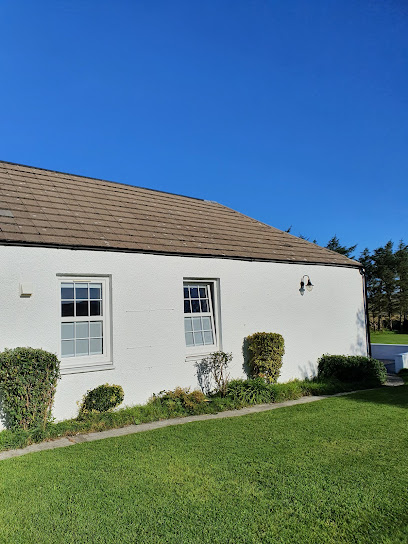
Skerrols House
38.9 km
A peaceful guesthouse retreat on Islay offering luxurious comfort, scenic views, and warm Scottish hospitality in Bridgend.
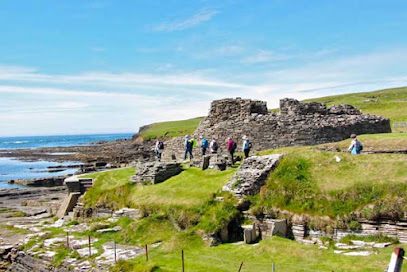
About Argyll Walking Holidays
42.3 km
Explore Argyll’s stunning landscapes with expert guided walking holidays from Cairndow’s trusted outdoor activity organizer.
Benmore Botanic Garden
43.4 km
Experience the breathtaking beauty of Benmore Botanic Garden, a must-visit destination for plant lovers and nature enthusiasts in the heart of Dunoon, Scotland.
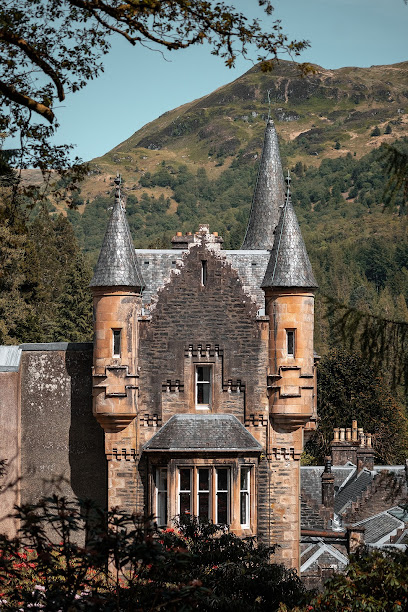
Puck's Glen
43.6 km
Discover the enchanting beauty of Puck's Glen, a hidden gem in Argyll Forest Park, perfect for nature lovers and adventure seekers.
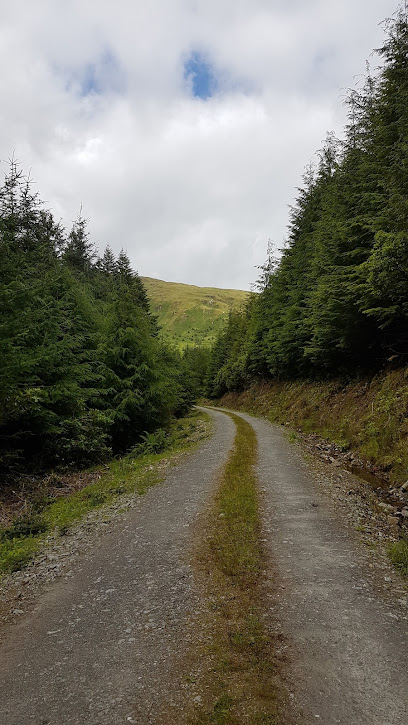
Mount Stuart
43.9 km
Explore Mount Stuart, a breathtaking Victorian Gothic mansion on the Isle of Bute, blending rich history with stunning gardens for a unique experience.
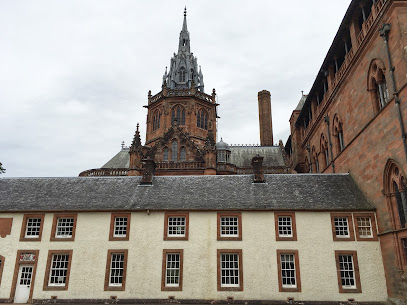
Peatzeria - Restaurant and Takeaway
44.2 km
Discover Peatzeria in Bowmore, Islay—your destination for delectable Italian cuisine and exquisite pizzas in a charming atmosphere.
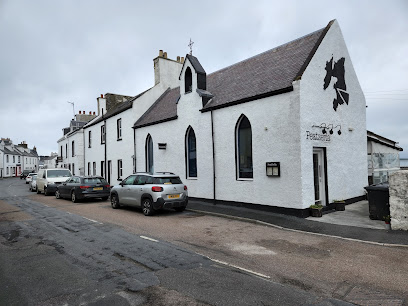
The Island Bear
44.3 km
A warm, traditional bed and breakfast in Bowmore offering cozy comfort and easy access to Islay’s whisky heritage and scenic charm.
South Islay Parish: Kilarrow Church
44.3 km
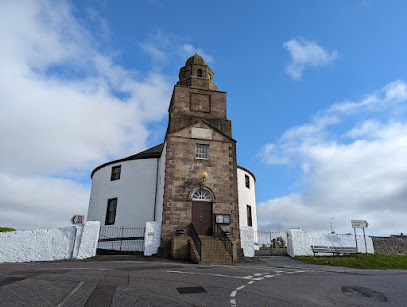
Islay’s iconic Round Church, a unique 18th-century circular parish church standing proudly at the head of Bowmore’s Main Street with views to Loch Indaal.
Bowmore Distillery
44.4 km
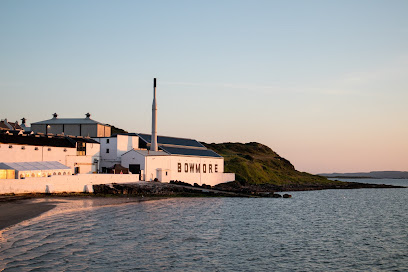
Discover the rich heritage and craftsmanship of Bowmore Distillery, a must-visit destination for whisky lovers on the Isle of Islay.
Unmissable attractions to see

Keills Chapel
2.7 km
Discover the tranquil 12th-century Keills Chapel, home to rare Celtic carved stones and the unique 8th-century Keills Cross, set above scenic Loch Keills.
Kilmory Knap Chapel
3.9 km
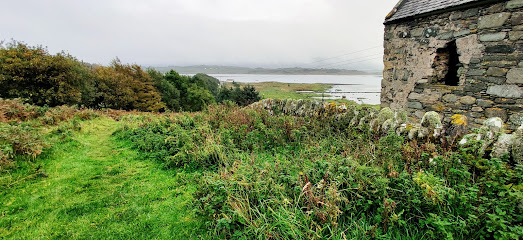
Explore Kilmory Knap Chapel, a 13th-century Highland ruin famed for its medieval West Highland sculptures and iconic MacMillan’s Cross.
Taynish National Nature Reserve
6.3 km
Ancient oakwoods, mossy glades and lochside trails in one of Scotland’s finest temperate rainforests.
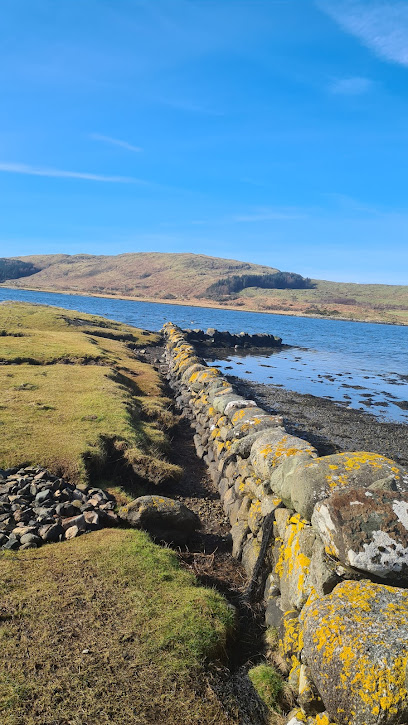
Carsaig Beach
9.2 km
A secluded Hebridean cove with dramatic arches, fossil-rich shores, and sweeping island views.
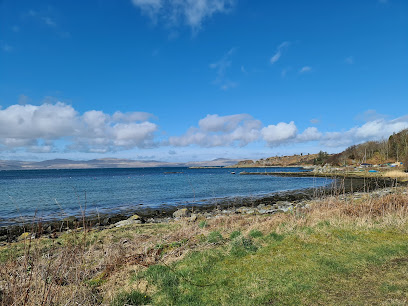
Lussa Gin
11.0 km
Discover Lussa Gin, a female-owned distillery crafting exquisite gin from Jura’s wild botanicals in a breathtaking, remote Scottish island setting.
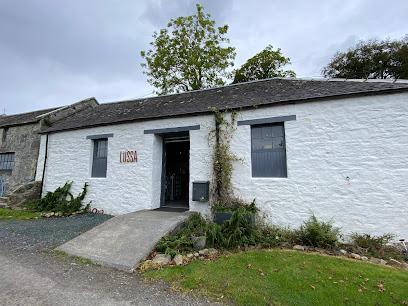
Wild About Argyll
11.6 km
Experience Scotland’s rugged Argyll region through exhilarating gravel riding, stunning landscapes, and rich local culture.
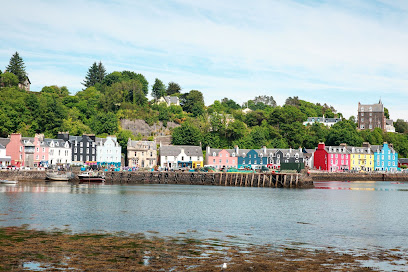
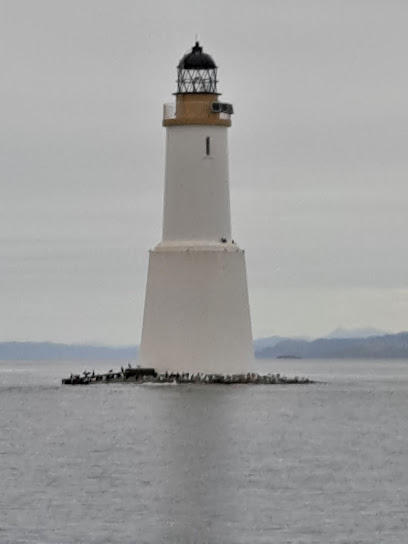
Skervuile lighthouse
13.2 km
A historic 19th-century lighthouse on Jura’s rugged east coast, blending maritime heritage with dramatic coastal scenery.
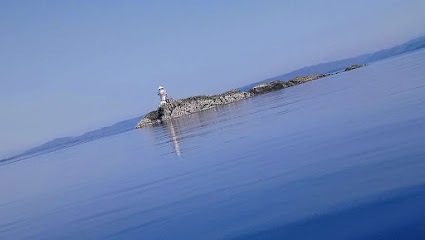
Phare de Ruadh Sgeir
13.8 km
Experience the scenic beauty and historical significance of Phare de Ruadh Sgeir, a breathtaking lighthouse on Scotland's rugged coast.
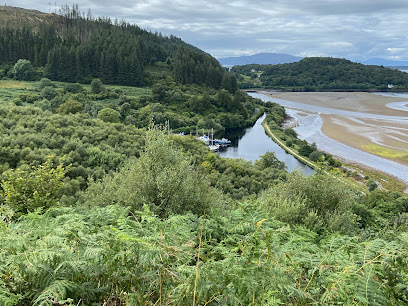
Knapdale Scottish Beaver Trail
14.4 km
Discover Scotland’s pioneering beaver reintroduction project along an accessible trail through tranquil woodlands and lochs near Lochgilphead.
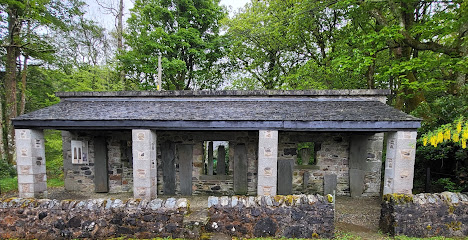
Kilberry Sculptured Stones
14.6 km
Discover Kilberry Sculptured Stones, a captivating collection of early Christian and medieval grave markers nestled in the serene Scottish countryside.
The Kilberry Inn
14.6 km
A remote Scottish gastropub and inn offering award-winning cuisine, warm hospitality, and a tranquil escape from modern life.
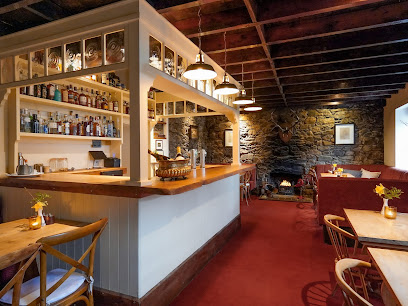
Jura Guided
14.9 km
Explore the wild beauty and rich heritage of the Isle of Jura with expert guided tours from Jura Guided in Craighouse.
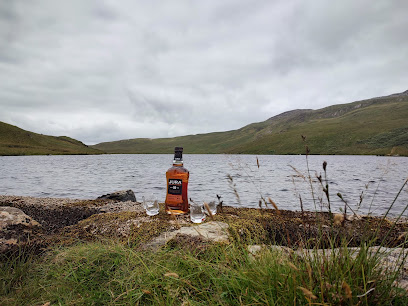
Heart of Argyll Tourism Alliance
17.5 km
Your essential gateway to exploring the rich heritage, stunning landscapes, and vibrant community of the Heart of Argyll region.
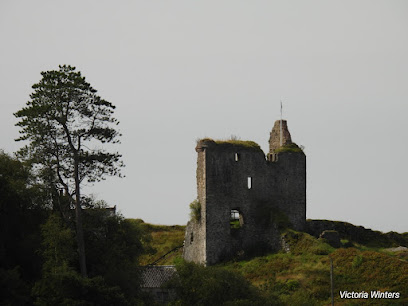
Moine Mhor National Nature Reserve
17.7 km
Explore Scotland’s ancient peat bog sanctuary, where wildlife thrives and 5,000 years of natural history unfold amid tranquil trails and wetlands.
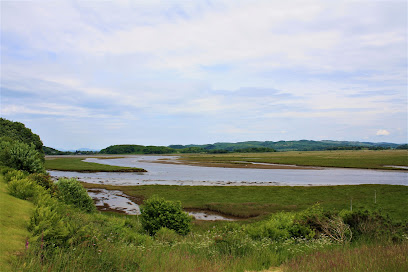
Jura
17.9 km
Discover Jura’s wild deer, rugged mountains, and legendary whisky in Scotland’s remote Inner Hebrides island.
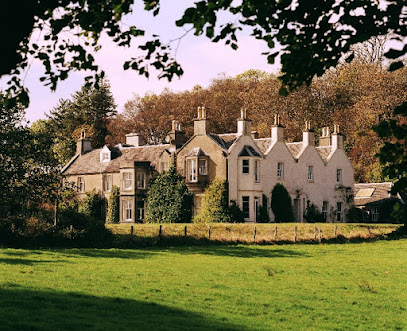
Essential places to dine

The Tayvallich Inn
9.2 km
A charming seafood inn nestled on Loch Sween’s shores, blending local flavors with stunning harbour views and warm Scottish hospitality.
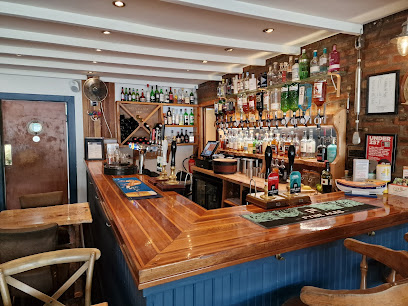
The Smiddy Bistro
17.5 km
A cozy bistro in Lochgilphead serving homemade cakes, hearty lunches, and excellent coffee with vegan and gluten-free options in a friendly atmosphere.
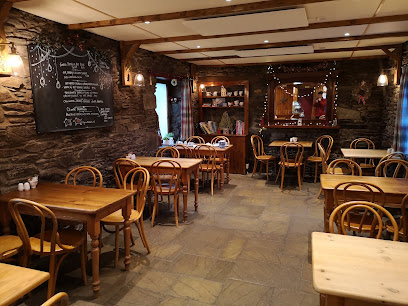
Marine Bistro
18.2 km
Experience fresh local cuisine with stunning views at Marine Bistro in Tarbert - a must-visit culinary destination.
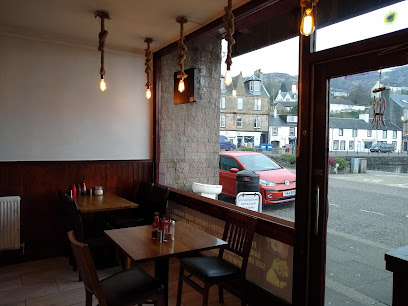
The Anchorage Bistro
18.4 km
Experience fresh Scottish seafood in a cozy bistro setting on Tarbert’s charming Harbour Street, where local flavors meet modern cuisine.
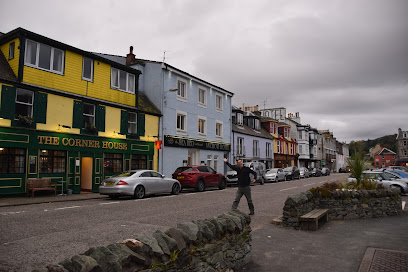
Jura Hotel
21.9 km
Traditional charm meets modern comfort in the heart of Jura’s coastal village, with stunning sea views and local whisky on your doorstep.
The Oystercatcher
22.4 km
A charming seafood restaurant on Loch Fyne’s shore, serving fresh local catches in a relaxed, scenic setting in Otter Ferry.
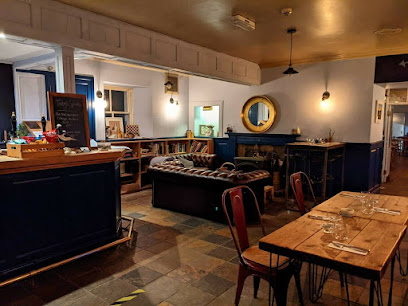
Skipness Seafood Cabin
28.6 km
Fresh, locally sourced seafood served in a cozy cabin with stunning views of Skipness Bay and the Isle of Arran.
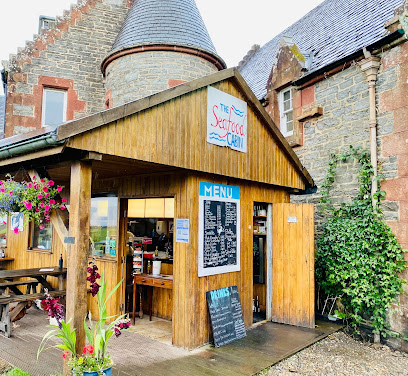
Restaurant at Loch Melfort Hotel
32.7 km
Savor inventive Scottish cuisine with stunning sea loch views at the acclaimed Restaurant at Loch Melfort Hotel in Arduaine.
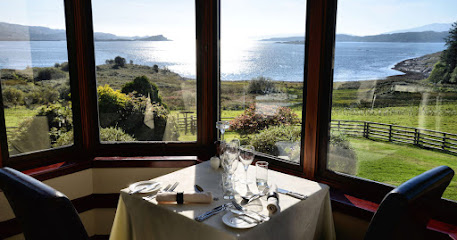
Inver Restaurant & Rooms
33.5 km
Discover a refined Scottish dining experience with fresh local ingredients and cozy rooms on the tranquil shores of Loch Fyne.
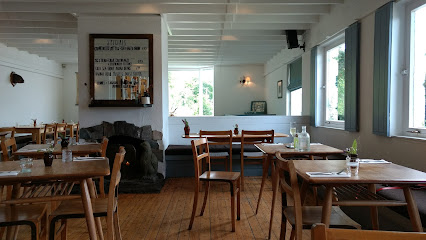
Ballygrant Inn
33.7 km
Family-run inn on Islay offering cozy modern rooms, fresh local cuisine, and an award-winning whisky bar in a tranquil northern setting.
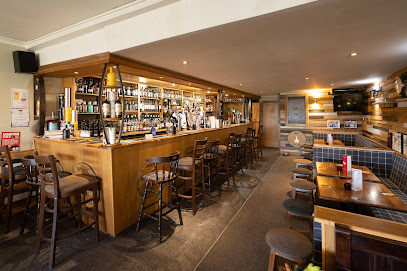
Ettrick Bay Tea Room
34.5 km
A historic seaside tea room offering stunning bay views, homemade treats, and warm hospitality on the Isle of Bute.
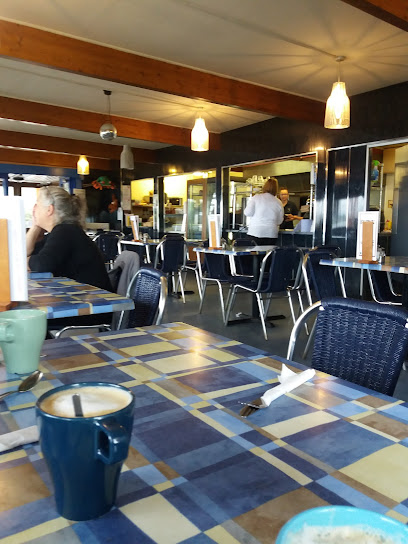
The Stags Pavilion
36.8 km
A cozy, family-run BYOB restaurant in Lochranza serving fresh, local Scottish and Italian-inspired dishes with stunning golf course views.
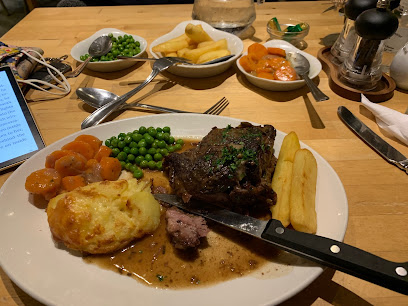
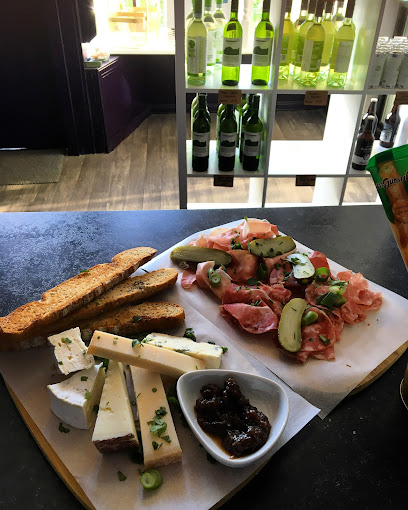
Caledonia Bistro & Deli
37.7 km
A cozy bistro and deli on Isle of Bute’s waterfront, serving fresh local dishes and wines in a warm, inviting atmosphere.
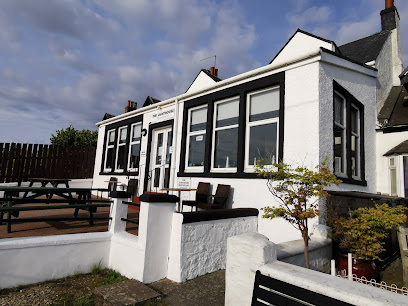
The Lighthouse
38.1 km
A cozy coastal restaurant in Pirnmill serving fresh, local seafood with stunning views on the Isle of Arran.
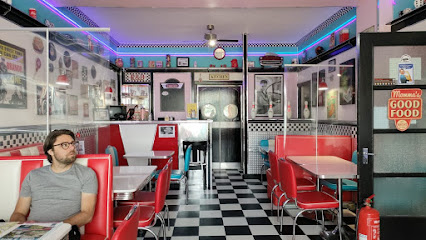
Rockabilly Diner
38.8 km
Step into a vibrant 1950s American diner on the Isle of Bute, where hearty Southern food, rockabilly culture, and a lively atmosphere await.
Markets, malls and hidden boutiques

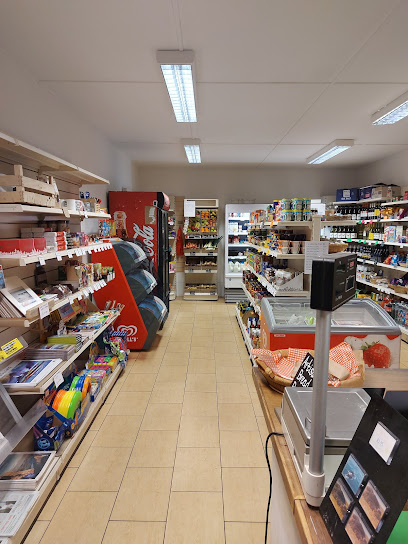
Tayvallich Village Shop
8.8 km
A welcoming village store offering local flavors and essentials in the heart of scenic Tayvallich, Scotland.
The Square Peg Gift Shops
17.5 km
Discover unique gifts and local Scottish charm at The Square Peg, Lochgilphead’s beloved creative gift shop in Colchester Square.
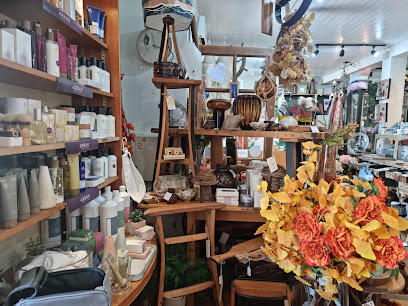
Argyll Gift Co
17.5 km
Discover authentic Scottish gifts and handmade treasures at Argyll Gift Co in Lochgilphead, your gateway to local culture and craftsmanship.
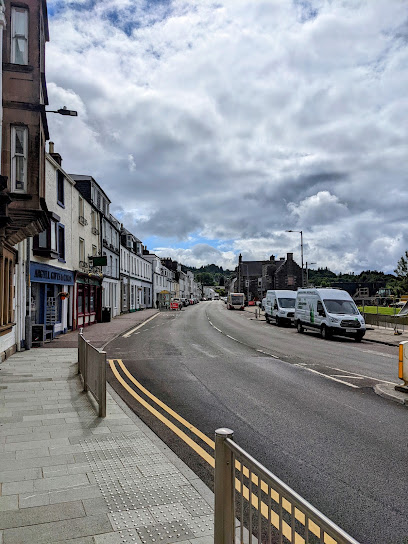
Bluestone Gift Shop
17.6 km
A charming independent gift shop in Lochgilphead, offering Scottish-made cards, jewellery, and souvenirs with a personal touch.

The Argyll Gift Co
18.3 km
Discover authentic Scottish crafts and unique local gifts in the cozy charm of Tarbert’s Argyll Gift Co.
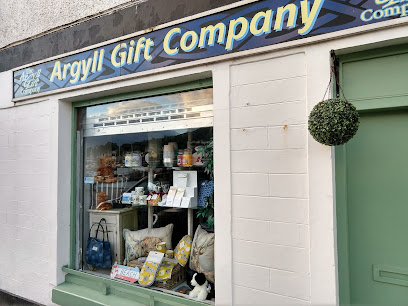
The Antlers Bistro Restaurant
21.9 km
Experience the flavors of Isla of Jura at The Antlers Bistro, a cozy restaurant offering local cuisine in a picturesque setting.
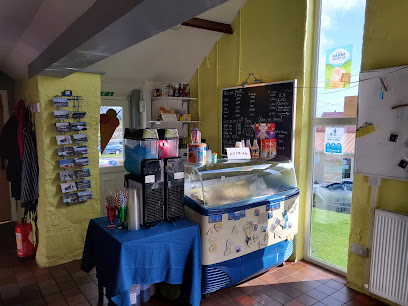
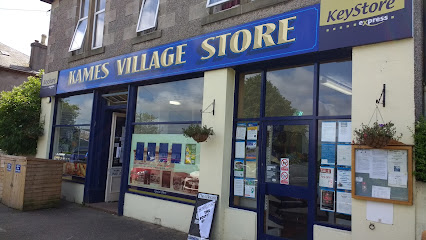
Kames Village Store
27.0 km
A friendly, well-stocked village store in scenic Kames, offering fresh produce and local specialties amid coastal charm.
Ardfern Village Store
27.2 km
Charming village store offering local Scottish produce, essentials, and warm hospitality in the heart of Ardfern near Lochgilphead.
Port Askaig Hotel and Stores
29.6 km
Charming family-run Highland inn with stunning harbour views, local whisky bars, and fresh seafood dining on the shores of the Sound of Islay.
Minimarket
29.6 km
Explore the Isle of Islay with convenience at Minimarket, your go-to supermarket in Port Askaig for local goods and essentials.
islaywhiskyjugs.co.uk
30.9 km
Discover handcrafted Scottish ceramics and creative workshops in the serene coastal setting of Persabus Pottery on the Isle of Islay.
Charlotte Hannett Jewellery
30.9 km
Handmade island-inspired jewellery capturing the rugged beauty and heritage of Islay’s shores.
The Island Shop - Isle of Colonsay
35.2 km
The Island Shop in Scalasaig: Your essential local store for fresh produce, island specialties, and warm community spirit on Colonsay.
Christine's Den
35.3 km
Explore the charm of the Isle of Colonsay at Christine's Den, your go-to gift shop for local treasures and unique souvenirs.
Islay Woollen Mill Co Ltd
39.1 km
Victorian looms and Hollywood tweeds on Scotland's remote Isle of Islay
Essential bars & hidden hideouts

The Anderson Lounge
17.4 km
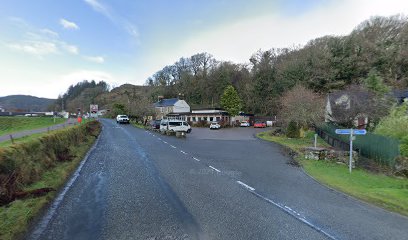
A cozy, rustic bar in Cairnbaan offering local craft beers and a welcoming atmosphere for travelers exploring the Scottish Highlands.
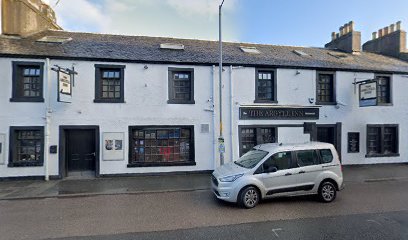
The Argyll Inn
17.6 km
A cozy local bar in Lochgilphead offering traditional Scottish hospitality and a welcoming atmosphere every day from noon to late evening.
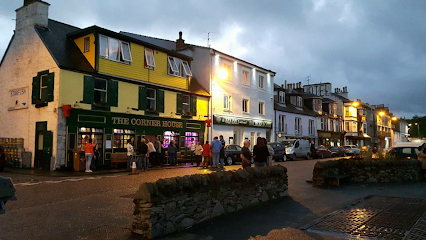
The Corner House
18.3 km
A cozy and lively pub on Tarbert’s Harbour Street, famed for warm welcomes, quality drinks, and a true taste of Scottish coastal life.
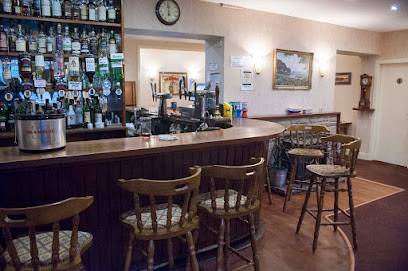
Lochranza Country Inn
35.4 km
Community-owned historic inn with stunning loch views, cozy rooms, and hearty dining at the northern tip of Isle of Arran.
Colonsay Pub
35.7 km
Experience authentic island hospitality and local brews at Colonsay Pub, the vibrant social hub of the Isle of Colonsay.
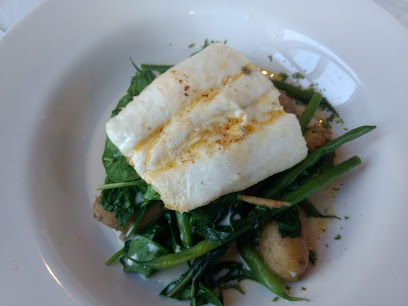
The Anchor Tavern & Hub
37.7 km
A welcoming community-owned pub and social hub with scenic coastal views in the heart of Port Bannatyne, Isle of Bute.
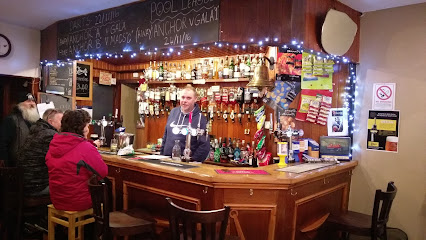
The Oyster Bar
38.5 km
A charming seafood haven in historic Ellenabeich, offering fresh oysters, scenic coastal views, and warm Scottish hospitality.
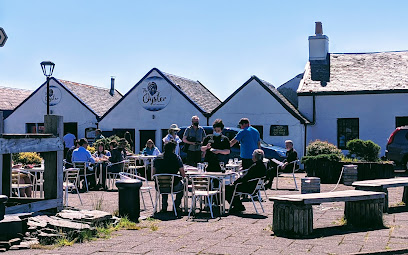
AVS-Ls
39.7 km
Cozy bar on Isle of Islay offering local flavors, friendly faces, and a genuine island atmosphere in a tranquil setting.
The Islander Bar
39.8 km
Cozy and friendly local pub in Rothesay offering warm hospitality, live entertainment, and a welcoming atmosphere on the Isle of Bute.
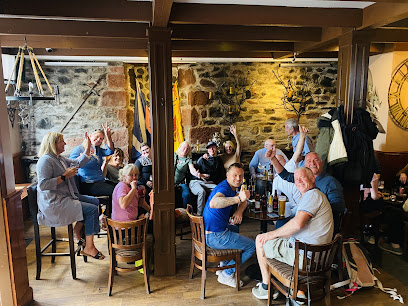
Grapes Bar
39.9 km
A cozy and lively local pub in Rothesay offering great beers, malt whiskies, and a friendly atmosphere with a pool table upstairs.
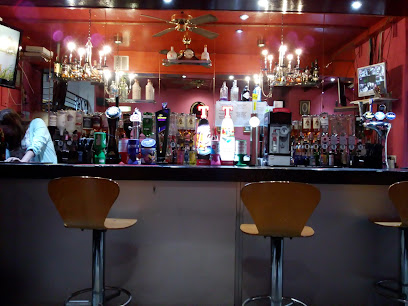
Mac's Bar
40.0 km
Experience authentic Scottish hospitality and local charm at Mac's Bar in Rothesay, a historic pub with a lively atmosphere and rich community spirit.
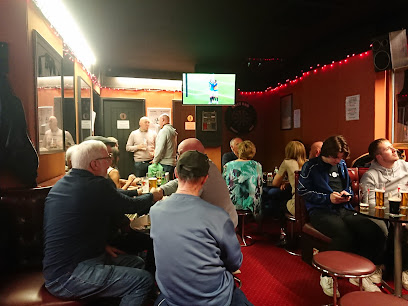
Palace Bar
40.2 km
A vibrant karaoke hub and friendly pub in Rothesay’s heart, welcoming locals and visitors on the beautiful Isle of Bute.
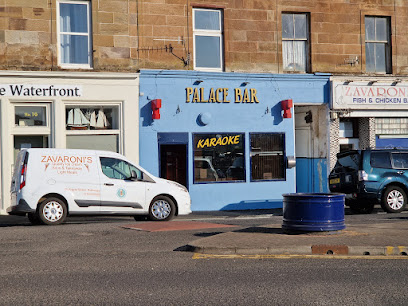
DUFFIE'S BAR
44.2 km
Experience the ultimate Islay whisky bar in Bowmore, where rare malts, warm hospitality, and island charm converge.
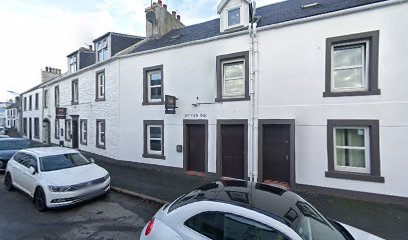
The Clachan Bar
44.4 km
Experience authentic Scottish village hospitality and cozy charm at The Clachan Bar in picturesque Strachur.
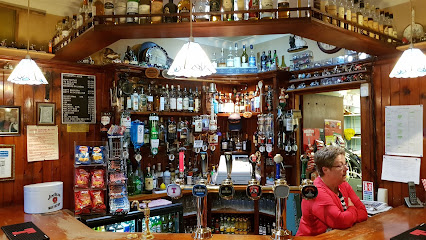
The Royal Bar
44.7 km
Historic coastal pub in Innellan serving hearty Scottish fare with stunning Firth of Clyde views and a welcoming, dog-friendly atmosphere.
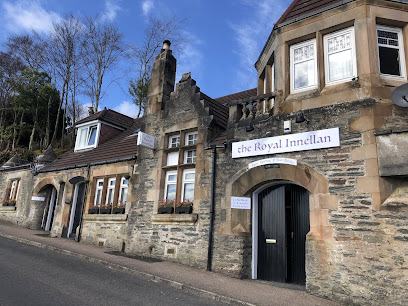
Nightclubs & after hour spots

Jura Brewery
21.4 km
Discover Jura Brewery: A Craft Beer Experience in the Heart of the Isle of Jura, Where Tradition Meets Nature's Bounty.
Word Up
56.3 km
Experience Greenock's revitalized nightlife at Word Up, a modern nightclub with vibrant energy and a welcoming atmosphere.
Red
56.7 km
Experience Greenock’s vibrant nightlife at Red Nightclub, where intimate vibes meet lively dance floors and affordable fun every weekend.
Isle of Mull Rugby Club
61.7 km
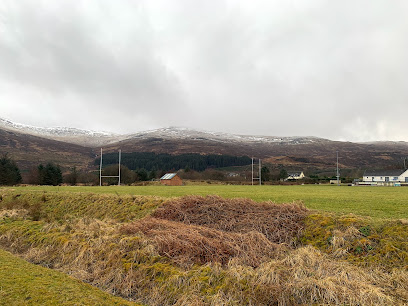
Discover the Isle of Mull Rugby Club: A vibrant community hub where sports and local culture come together amidst stunning Scottish scenery.
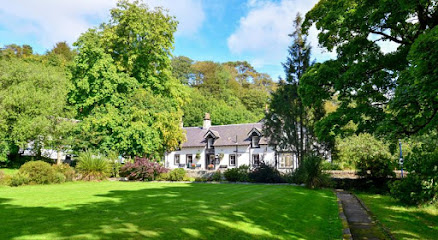
The Lagg Inn 1791
62.0 km
Experience the historic charm and warm hospitality of The Lagg Inn 1791, a perfect retreat on the stunning Isle of Arran.
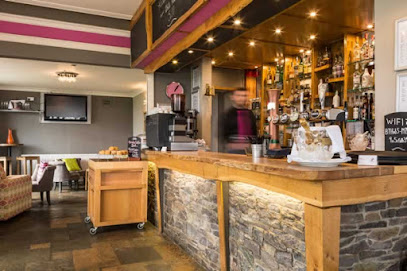
The Shurig
62.6 km
Experience the charm and flavor of The Shurig in Whiting Bay, Isle of Arran, where exquisite grilled dishes meet stunning island views.
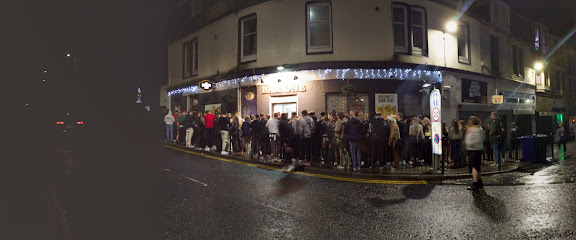
The Box Night Club
65.2 km
Discover Saltcoats' nightlife at The Box Night Club, where vibrant music and a welcoming atmosphere create unforgettable nights out.
Great Scotts Bar
66.2 km
Experience the perfect blend of stunning loch views and a vibrant bar atmosphere at Great Scots Bar, your ideal retreat in Loch Lomond.
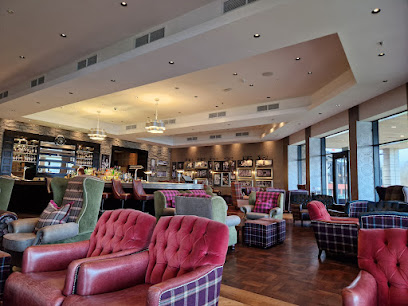
The Tavern
66.2 km
Discover The Tavern, a charming bar by Loch Lomond, perfect for unwinding with drinks amidst stunning natural beauty.
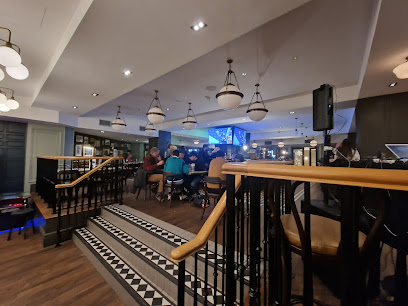
The Lobby Bar
66.3 km
Discover the perfect blend of relaxation and local charm at The Lobby Bar, nestled by the scenic shores of Loch Lomond.
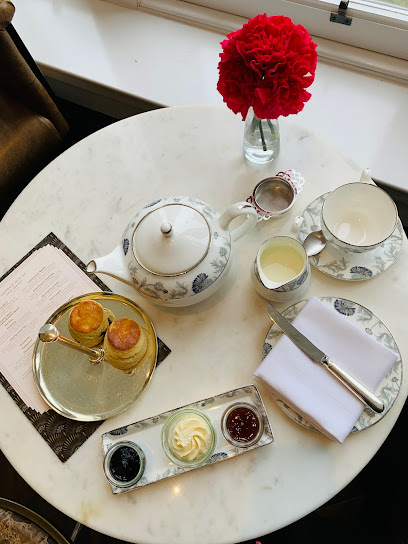
Queen Of The Loch
67.1 km
A charming family and dog-friendly pub and lodge on Loch Lomond’s banks, serving hearty British classics in a warm, scenic setting.
Desire Nightclub
67.5 km
Experience Balloch’s vibrant nightlife at Desire Nightclub, where energetic music and welcoming vibes create unforgettable evenings.
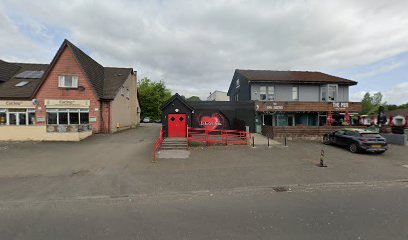
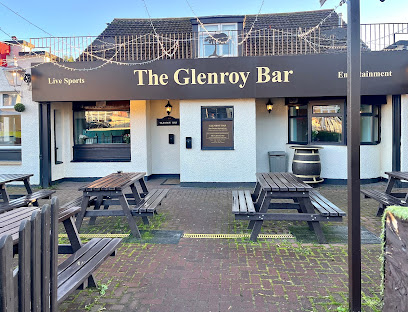
Glenroy Bar
67.6 km
Experience the friendly ambiance and local flavors at Glenroy Bar, your perfect retreat in Balloch, Scotland.
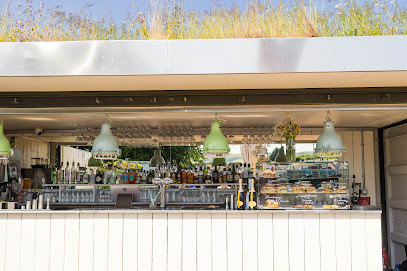
Monkey Island Cafe Bar
67.6 km
Discover the serene beauty and delightful refreshments at Monkey Island Cafe Bar, the perfect riverside retreat in Balloch.
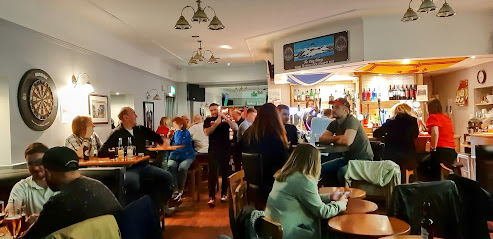
Dog House
67.9 km
Experience the vibrant nightlife at The Dog House, a welcoming pub in Balloch with great drinks and lively entertainment, perfect for tourists.
For the vibe & atmosphere seeker
- Scenic
- Historic
- Adventurous
- Unique
For the design and aesthetic lover
- Historic
- Rustic Designs
For the architecture buff
- Historic
- Landmarks
- Heritage Neighborhoods
For the view chaser and sunset hunter
- Iconic Views
- Panoramas
- Waterfront
- Sunset Spots
For the social media creator & influencer
- Instagrammable
- Photo Spots
- Architectural Shots
For the eco-conscious traveler
- Protected Area
- Leave-No-Trace Critical
- Locally Managed
For the kind of experience you’re after
- Cultural Heritage
- Myth & Legends
- Photowalk
- History
- Day Trip
For how adventurous you want the journey to be
- Easy Access
- Remote
Location Audience
- Family Friendly
- Senior Friendly
- Solo Friendly
- Couple Friendly
- History Enthusiasts


