
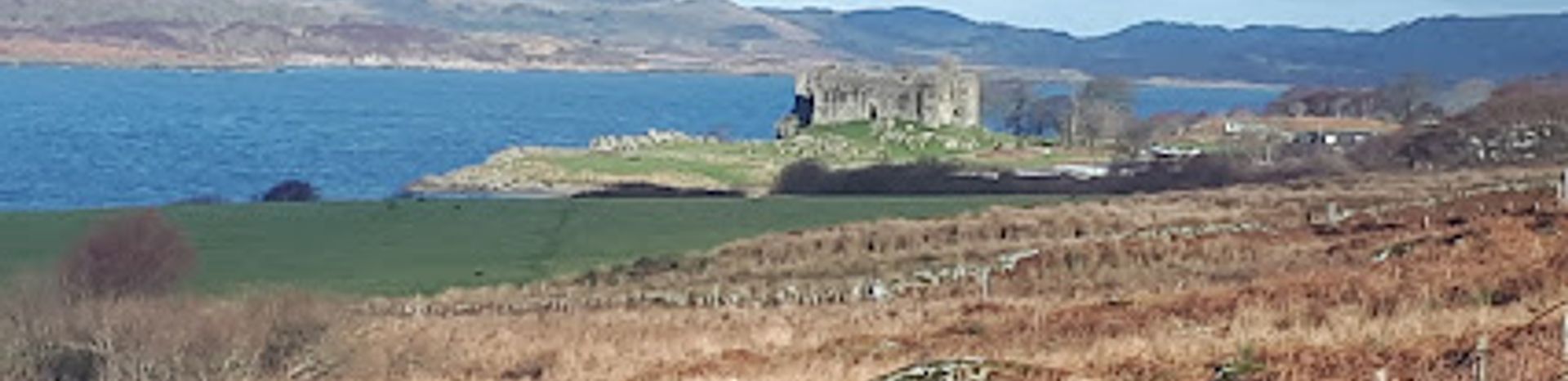
Kilmory Knap Chapel: A Highland Testament to Medieval Christian Art and Clan Heritage
Explore Kilmory Knap Chapel, a 13th-century Highland ruin famed for its medieval West Highland sculptures and iconic MacMillan’s Cross.
Kilmory Knap Chapel, built in the early 13th century near Lochgilphead, Scotland, is a historic site renowned for its remarkable collection of early Christian and late medieval West Highland carved stones. The chapel, a dependency of the parish church of Knapdale at Keills, houses nearly 40 sculptured stones and the iconic MacMillan’s Cross, commemorating Alexander MacMillan, keeper of Castle Sween. Its ruins and graveyard reveal centuries of Christian worship and burial, reflecting the region’s rich cultural and clan history.
A brief summary to Kilmory Knap Chapel
- Lochgilphead, PA31 8PB, GB
- Visit website
- Duration: 0.5 to 2 hours
- Budget
-
 Outdoor
- Mobile reception: 3 out of 5
Local tips
- Visit during daylight hours to fully appreciate the intricate carvings and the scenic views across Loch Sween.
- Bring a camera for detailed shots of the medieval grave-slabs and MacMillan’s Cross, which are highly photogenic.
- Wear sturdy footwear as the chapel is a ruin with uneven ground and the surrounding churchyard is active and natural.
- Take time to read the information boards to understand the historical context and symbolism of the sculptures.

For the on-the-go comforts that matter to you
- Information Boards
- Seating Areas
- Trash Bins
Getting There
-
Car
Travel by car from Lochgilphead town center, approximately 12 km southeast via the A816 and minor roads. The journey takes around 20-30 minutes. Parking is limited near the chapel, so arrive early to secure a spot. No parking fees apply.
-
Bus and Walking
Take a regional bus from Lochgilphead to the nearest stop at Ardrishaig, then walk approximately 4 km on rural roads and footpaths to the chapel. The walk is moderate with some uneven terrain and may take about 50-60 minutes. Bus services run several times daily; ticket prices range from £4 to £7.
-
Cycling
Cycling from Lochgilphead to Kilmory Knap Chapel covers roughly 12 km on quiet country roads. The route offers scenic views but includes some hills, suitable for experienced cyclists. Allow 45-60 minutes cycling time. No fees apply.
Kilmory Knap Chapel location weather suitability
-
 Any Weather
-
 Rain / Wet Weather
-
 Clear Skies
-
 Mild Temperatures
Discover more about Kilmory Knap Chapel
Origins and Architectural Heritage
Kilmory Knap Chapel was constructed in the early 1200s, likely on the site of an earlier ecclesiastical building, as suggested by the discovery of early Christian cross-marked stones used as grave markers. The chapel is a simple rectangular Highland church, whose walls have survived mostly intact except for the east gable. It was listed as a dependency of the parish church of Knapdale at Keills by the late 13th century. Although much of the dressed stonework has been lost over time, the surviving architectural details indicate that the chapel was once more grand than its modest remains suggest.Rich Collection of Medieval Sculpture
Inside the chapel and its surrounding churchyard are nearly 40 carved stones dating from the early Christian period through to the 16th century. These include a variety of grave-slabs and standing crosses, many in the distinctive West Highland style that flourished in late medieval Scotland. The grave-slabs, dating from the 1300s to 1500s, depict warriors, clerics, noblemen, and craftsmen, often adorned with swords, crosses, galleys, animals, and intricate interlace patterns. This collection is one of the most significant assemblies of medieval sculpture in Scotland, reflecting the high status and artistry of the region’s stonemasons.MacMillan’s Cross and Clan Connections
The centerpiece of the site is MacMillan’s Cross, a towering disc-headed cross nearly three meters high, erected in the 15th century to honor Alexander MacMillan, keeper of nearby Castle Sween. The cross is richly decorated with scenes including a crucifixion flanked by saints, a hunting tableau with hounds and a stag, and symbolic interlace and animal motifs. The Latin inscription identifies it as Alexander MacMillan’s cross, underscoring the chapel’s deep ties to the MacMillan clan and their historical prominence in Knapdale.Historical Significance and Cultural Context
Kilmory Knap Chapel’s long history as a place of Christian burial and worship is intertwined with the cultural development of the West Highlands. The West Highland style of art represented here is a key chapter in Scotland’s medieval heritage. The site attracted notable antiquarians such as Edward Lhuyd and John Anstis, who documented its sculptures in the 17th and 18th centuries. The chapel ceased active worship shortly after the Reformation around 1560 but remains a vital link to the religious and social history of the area.Setting and Landscape Importance
Situated on the east side of Loch Sween, the chapel offers views across to the islands of Islay and Jura, emphasizing the maritime connections that shaped the region. The surrounding churchyard remains an active burial ground, preserving the continuity of local traditions. The stones were quarried locally, and the site’s location near Castle Sween highlights its strategic and clan significance. The landscape reflects a time when sea travel was paramount, with the chapel serving as a spiritual waypoint amid the coastal communities.Preservation and Visitor Experience
Though roofless, the chapel’s walls and the extensive collection of carved stones provide a profound sense of the medieval past. The site is protected and managed to preserve its archaeological and cultural value. Visitors can explore the evocative ruins, study the intricate stonework, and appreciate the chapel’s role as a repository of Highland history and artistry. The tranquil setting invites reflection on the lives and beliefs of those who shaped this remarkable heritage site.Iconic landmarks you can’t miss

The Whisky Island Gallery & Studio
19.1 km
Explore The Whisky Island Gallery & Studio for breathtaking art and photography that captures the spirit of the stunning Isle of Jura.
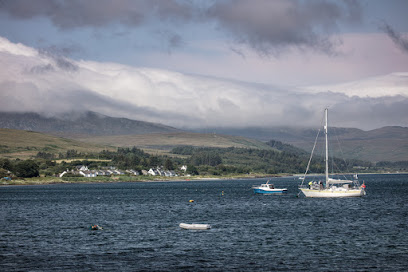
Nether Largie Mid Cairn
26.4 km
Bronze Age burial cairn at the heart of Scotland's most significant prehistoric landscape, carved with rare axehead symbols.
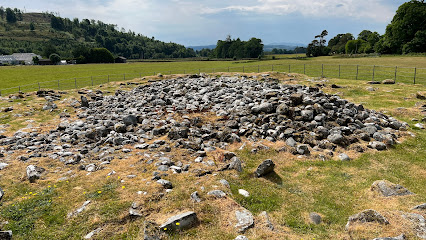
Kilmartin Museum
27.1 km
Discover 12,000 years of history at Kilmartin Museum, where ancient artefacts meet the stunning prehistoric landscape of Kilmartin Glen.
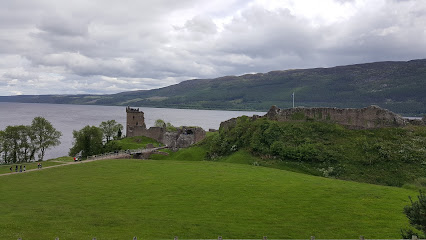
Islay Ferry Terminal
27.7 km
Scenic ferry gateway on Islay connecting to Jura and the Scottish mainland, blending maritime heritage with stunning coastal views.
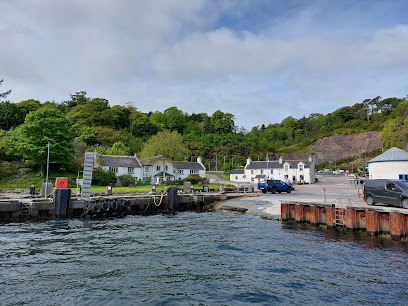
Lochranza Youth Hostel
33.8 km
Experience the natural beauty and cultural charm of Lochranza Youth Hostel on the Isle of Arran, the perfect retreat for adventure and relaxation.

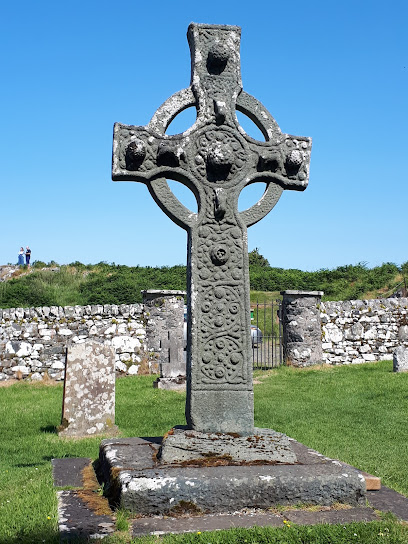
Kildalton Cross
34.4 km
Discover the exquisite 8th-century Kildalton Cross on Islay—one of Scotland’s finest Celtic high crosses, rich in history and intricate biblical carvings.
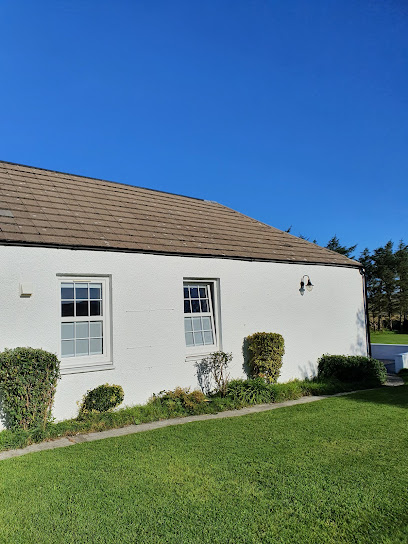
Skerrols House
36.7 km
A peaceful guesthouse retreat on Islay offering luxurious comfort, scenic views, and warm Scottish hospitality in Bridgend.
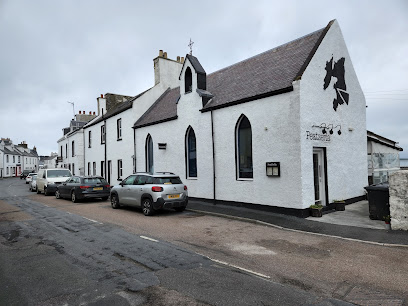
Peatzeria - Restaurant and Takeaway
41.8 km
Discover Peatzeria in Bowmore, Islay—your destination for delectable Italian cuisine and exquisite pizzas in a charming atmosphere.
Dunyvaig Castle
41.8 km
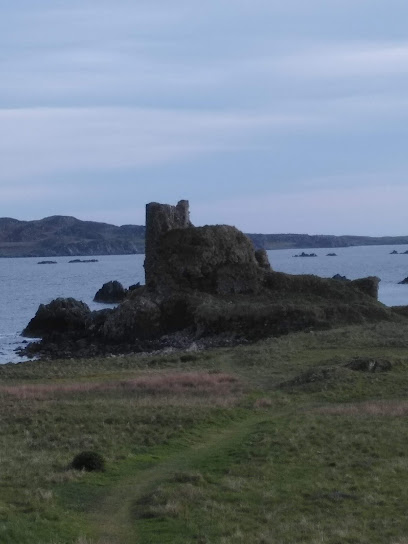
Ruins of a mighty clan fortress on Islay’s coast, where history, sea, and legend converge in dramatic fashion.
The Island Bear
41.9 km
A warm, traditional bed and breakfast in Bowmore offering cozy comfort and easy access to Islay’s whisky heritage and scenic charm.
South Islay Parish: Kilarrow Church
41.9 km
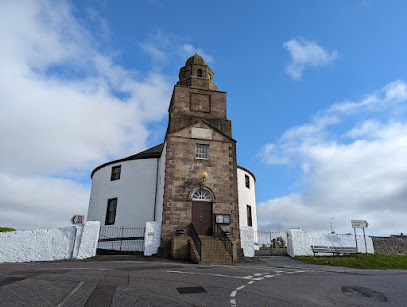
Islay’s iconic Round Church, a unique 18th-century circular parish church standing proudly at the head of Bowmore’s Main Street with views to Loch Indaal.
Bowmore Distillery
42.0 km
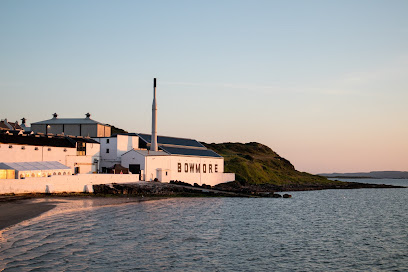
Discover the rich heritage and craftsmanship of Bowmore Distillery, a must-visit destination for whisky lovers on the Isle of Islay.
Auchindrain Historic Township
42.9 km
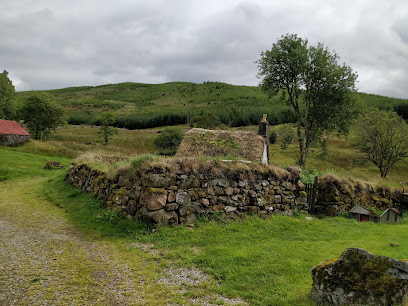
Explore Auchindrain Historic Township, a captivating museum showcasing Scotland's rural heritage through authentic buildings, exhibits, and a charming tea room.
Devils Punch Bowl, Isle of Arran
43.1 km
Discover the breathtaking beauty of the Devil's Punch Bowl on the Isle of Arran, a stunning natural amphitheater with cascading waterfalls and panoramic views.
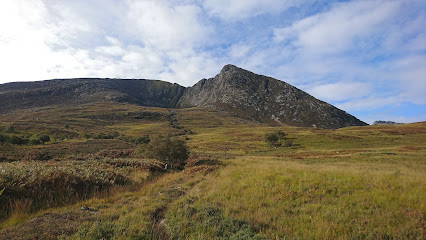
Mount Stuart
43.3 km
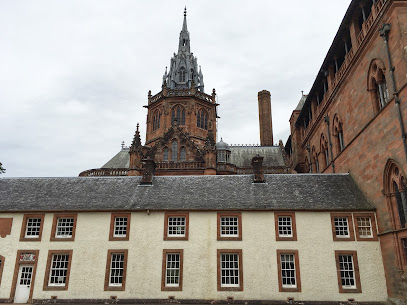
Explore Mount Stuart, a breathtaking Victorian Gothic mansion on the Isle of Bute, blending rich history with stunning gardens for a unique experience.
Unmissable attractions to see

Castle Sween
3.9 km
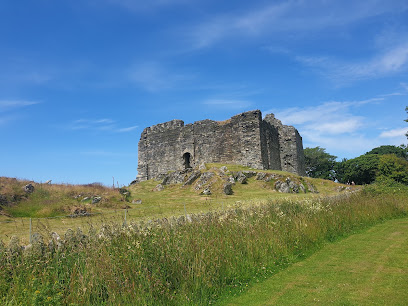
Explore Castle Sween, an ancient Scottish castle rich in history, surrounded by breathtaking landscapes along the shores of Loch Sween.
Keills Chapel
5.5 km
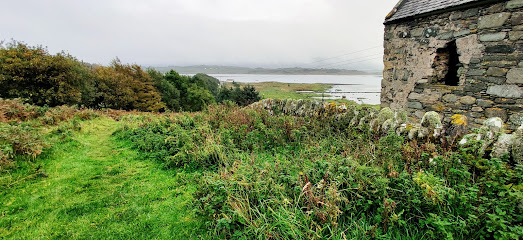
Discover the tranquil 12th-century Keills Chapel, home to rare Celtic carved stones and the unique 8th-century Keills Cross, set above scenic Loch Keills.
Taynish National Nature Reserve
10.1 km
Ancient oakwoods, mossy glades and lochside trails in one of Scotland’s finest temperate rainforests.
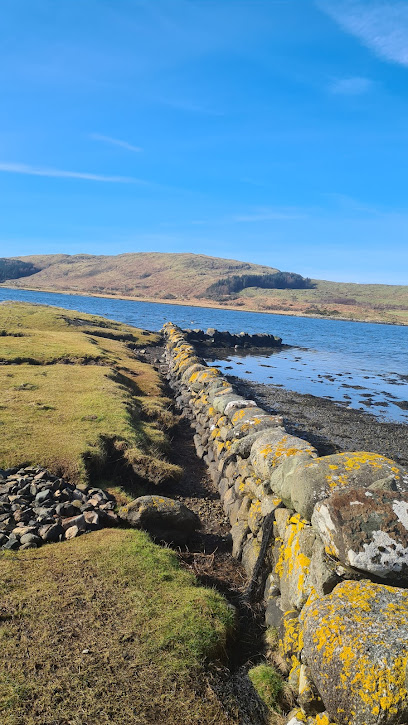
Skervuile lighthouse
10.5 km
A historic 19th-century lighthouse on Jura’s rugged east coast, blending maritime heritage with dramatic coastal scenery.
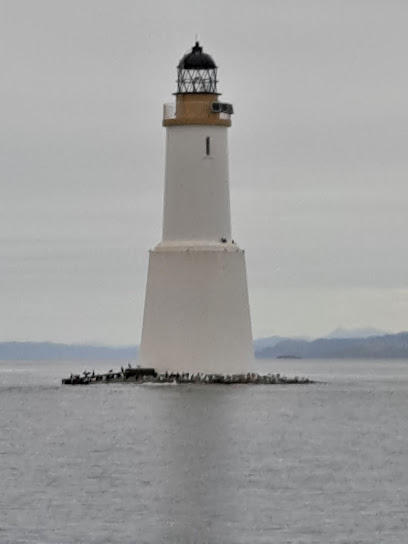
Kilberry Sculptured Stones
10.9 km
Discover Kilberry Sculptured Stones, a captivating collection of early Christian and medieval grave markers nestled in the serene Scottish countryside.
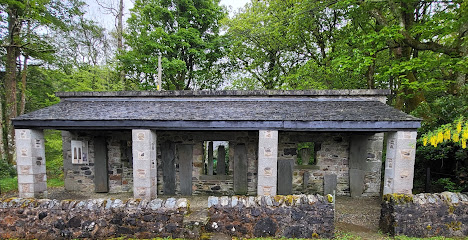
The Kilberry Inn
11.0 km
A remote Scottish gastropub and inn offering award-winning cuisine, warm hospitality, and a tranquil escape from modern life.
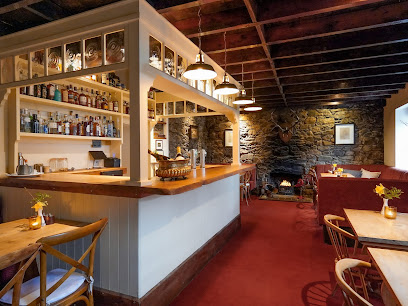
Wild About Argyll
13.0 km
Experience Scotland’s rugged Argyll region through exhilarating gravel riding, stunning landscapes, and rich local culture.
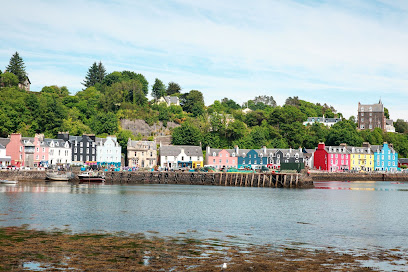
Carsaig Beach
13.1 km
A secluded Hebridean cove with dramatic arches, fossil-rich shores, and sweeping island views.
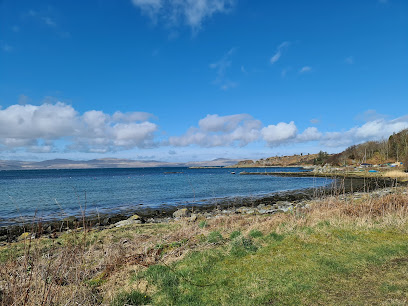
Jura Guided
13.1 km
Explore the wild beauty and rich heritage of the Isle of Jura with expert guided tours from Jura Guided in Craighouse.
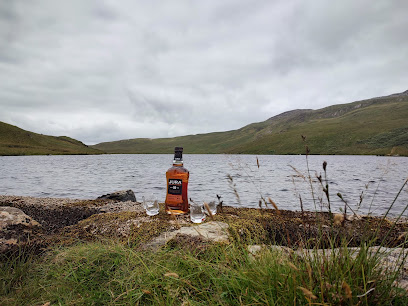
Lussa Gin
13.8 km
Discover Lussa Gin, a female-owned distillery crafting exquisite gin from Jura’s wild botanicals in a breathtaking, remote Scottish island setting.
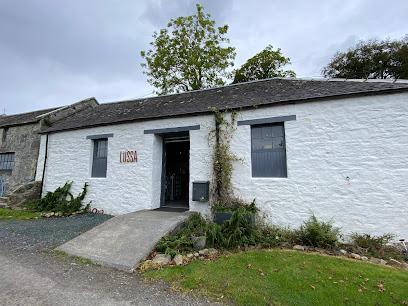
Kilnaish Nature Reserve
15.5 km
Explore Kilnaish Nature Reserve, a 300-acre Highland sanctuary with protected woodlands, hill vistas, and a serene lochan near Tarbert, Scotland.
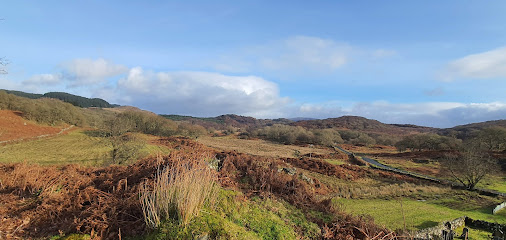
Jura
16.5 km
Discover Jura’s wild deer, rugged mountains, and legendary whisky in Scotland’s remote Inner Hebrides island.
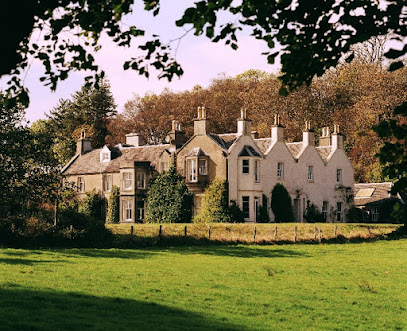
Phare de Ruadh Sgeir
17.6 km
Experience the scenic beauty and historical significance of Phare de Ruadh Sgeir, a breathtaking lighthouse on Scotland's rugged coast.
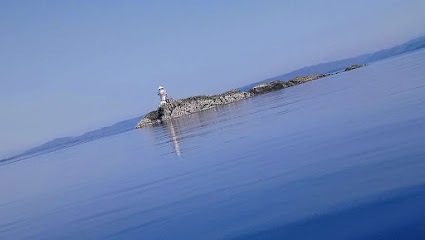
Royal Castle of Tarbert
17.7 km
Explore the dramatic ruins of the 13th-century Royal Castle of Tarbert, a historic sentinel overlooking Loch Fyne and Scotland’s rugged west coast.
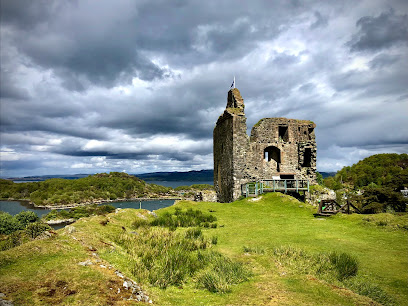
Knapdale Scottish Beaver Trail
18.1 km
Discover Scotland’s pioneering beaver reintroduction project along an accessible trail through tranquil woodlands and lochs near Lochgilphead.
Essential places to dine

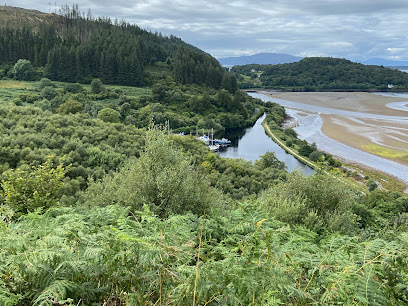
The Tayvallich Inn
13.0 km
A charming seafood inn nestled on Loch Sween’s shores, blending local flavors with stunning harbour views and warm Scottish hospitality.
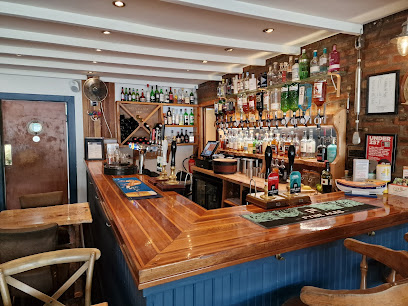
Marine Bistro
17.3 km
Experience fresh local cuisine with stunning views at Marine Bistro in Tarbert - a must-visit culinary destination.
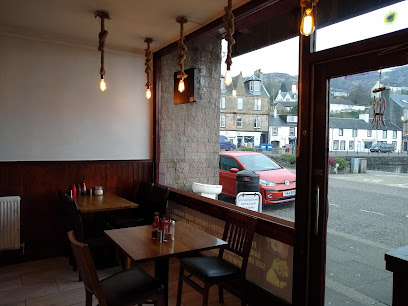
The Anchorage Bistro
17.5 km
Experience fresh Scottish seafood in a cozy bistro setting on Tarbert’s charming Harbour Street, where local flavors meet modern cuisine.
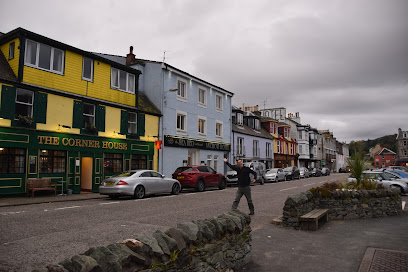
Jura Hotel
19.3 km
Traditional charm meets modern comfort in the heart of Jura’s coastal village, with stunning sea views and local whisky on your doorstep.
The Smiddy Bistro
20.5 km
A cozy bistro in Lochgilphead serving homemade cakes, hearty lunches, and excellent coffee with vegan and gluten-free options in a friendly atmosphere.
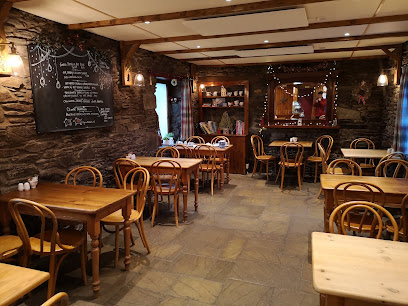
The Oystercatcher
24.5 km
A charming seafood restaurant on Loch Fyne’s shore, serving fresh local catches in a relaxed, scenic setting in Otter Ferry.
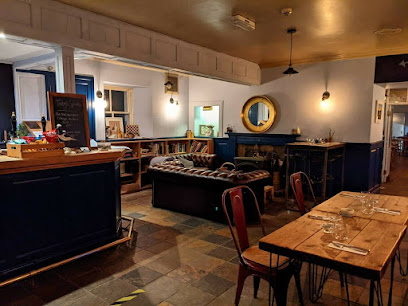
Skipness Seafood Cabin
26.7 km
Fresh, locally sourced seafood served in a cozy cabin with stunning views of Skipness Bay and the Isle of Arran.
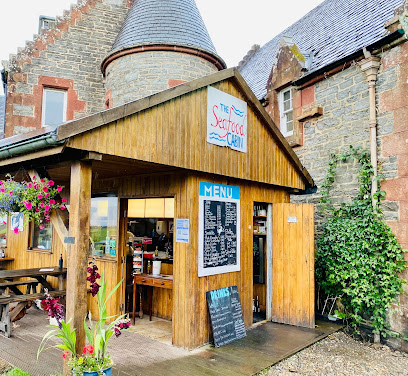
Ballygrant Inn
31.6 km
Family-run inn on Islay offering cozy modern rooms, fresh local cuisine, and an award-winning whisky bar in a tranquil northern setting.
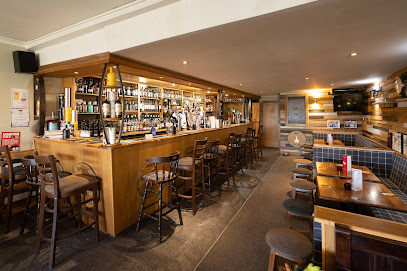
Ettrick Bay Tea Room
34.2 km
A historic seaside tea room offering stunning bay views, homemade treats, and warm hospitality on the Isle of Bute.
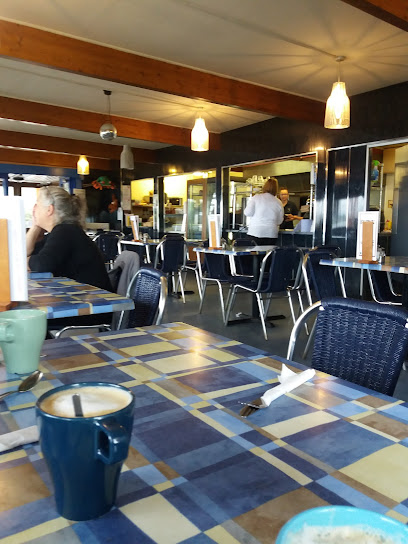
The Stags Pavilion
34.6 km
A cozy, family-run BYOB restaurant in Lochranza serving fresh, local Scottish and Italian-inspired dishes with stunning golf course views.
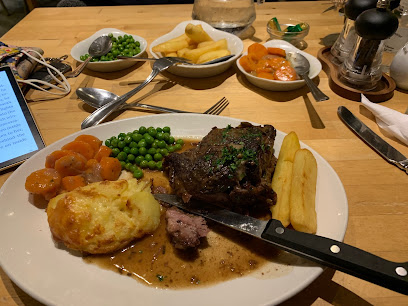
The Lighthouse
35.2 km
A cozy coastal restaurant in Pirnmill serving fresh, local seafood with stunning views on the Isle of Arran.
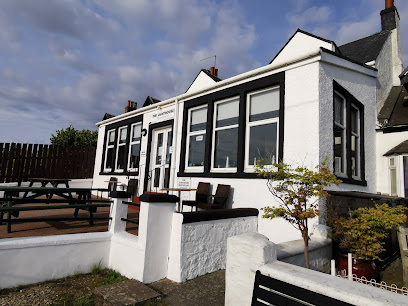
Inver Restaurant & Rooms
36.2 km
Discover a refined Scottish dining experience with fresh local ingredients and cozy rooms on the tranquil shores of Loch Fyne.
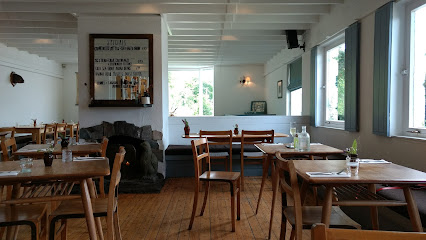
Restaurant at Loch Melfort Hotel
36.5 km
Savor inventive Scottish cuisine with stunning sea loch views at the acclaimed Restaurant at Loch Melfort Hotel in Arduaine.
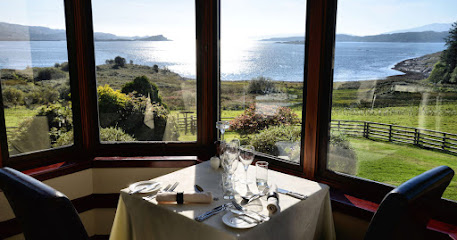
Caledonia Bistro & Deli
37.7 km
A cozy bistro and deli on Isle of Bute’s waterfront, serving fresh local dishes and wines in a warm, inviting atmosphere.
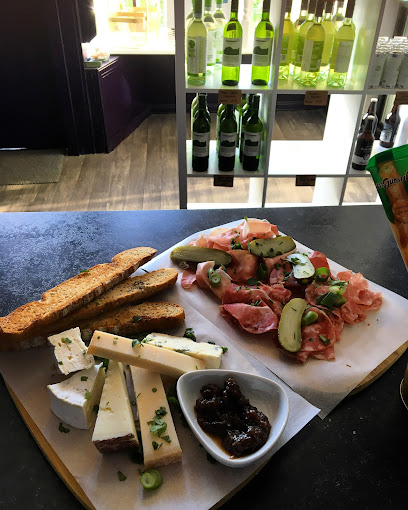
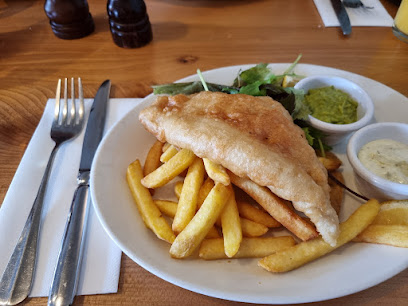
Bridgend Restaurant & Katie's Bar
38.6 km
Authentic island dining with local flavors, cozy charm, and a celebrated selection of Islay whiskies and gins in Bridgend’s welcoming heart.
Markets, malls and hidden boutiques

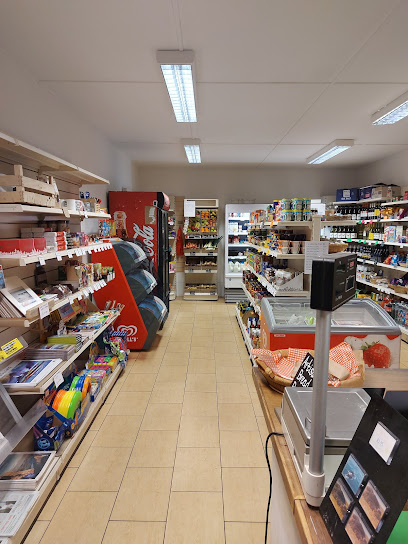
Tayvallich Village Shop
12.7 km
A welcoming village store offering local flavors and essentials in the heart of scenic Tayvallich, Scotland.
The Argyll Gift Co
17.4 km
Discover authentic Scottish crafts and unique local gifts in the cozy charm of Tarbert’s Argyll Gift Co.
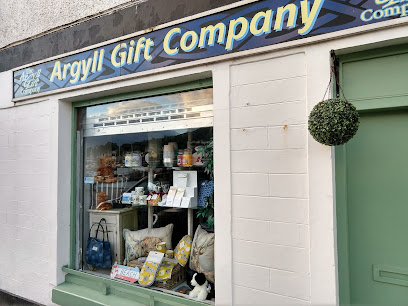
The Antlers Bistro Restaurant
19.3 km
Experience the flavors of Isla of Jura at The Antlers Bistro, a cozy restaurant offering local cuisine in a picturesque setting.
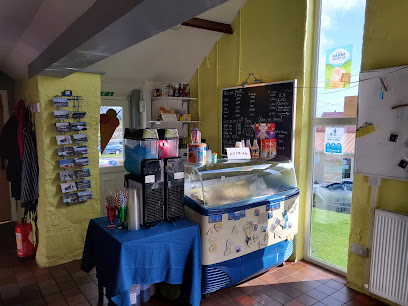
The Square Peg Gift Shops
20.4 km
Discover unique gifts and local Scottish charm at The Square Peg, Lochgilphead’s beloved creative gift shop in Colchester Square.
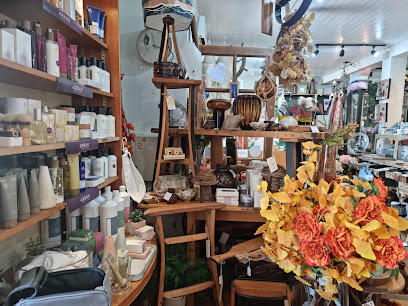
Argyll Gift Co
20.4 km
Discover authentic Scottish gifts and handmade treasures at Argyll Gift Co in Lochgilphead, your gateway to local culture and craftsmanship.
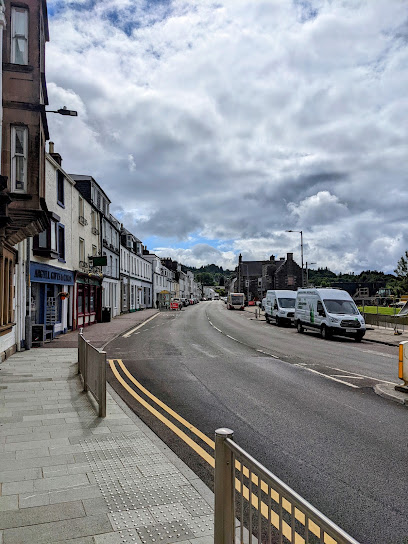
Bluestone Gift Shop
20.6 km
A charming independent gift shop in Lochgilphead, offering Scottish-made cards, jewellery, and souvenirs with a personal touch.

Kames Village Store
27.2 km
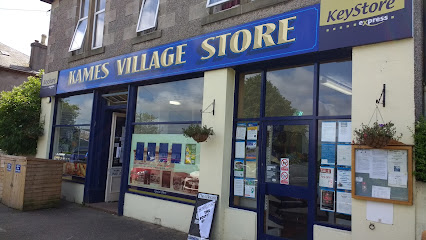
A friendly, well-stocked village store in scenic Kames, offering fresh produce and local specialties amid coastal charm.
Port Askaig Hotel and Stores
27.7 km
Charming family-run Highland inn with stunning harbour views, local whisky bars, and fresh seafood dining on the shores of the Sound of Islay.
Minimarket
27.7 km
Explore the Isle of Islay with convenience at Minimarket, your go-to supermarket in Port Askaig for local goods and essentials.
islaywhiskyjugs.co.uk
29.0 km
Discover handcrafted Scottish ceramics and creative workshops in the serene coastal setting of Persabus Pottery on the Isle of Islay.
Charlotte Hannett Jewellery
29.0 km
Handmade island-inspired jewellery capturing the rugged beauty and heritage of Islay’s shores.
Ardfern Village Store
31.0 km
Charming village store offering local Scottish produce, essentials, and warm hospitality in the heart of Ardfern near Lochgilphead.
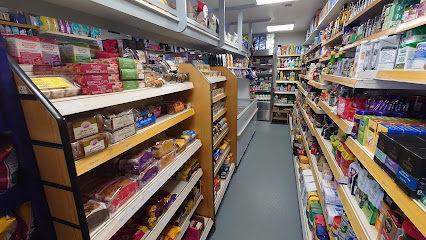
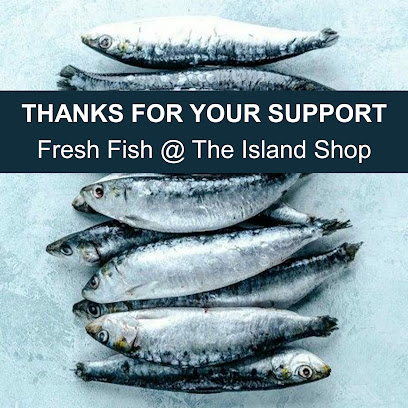
The Island Shop - Isle of Colonsay
36.2 km
The Island Shop in Scalasaig: Your essential local store for fresh produce, island specialties, and warm community spirit on Colonsay.
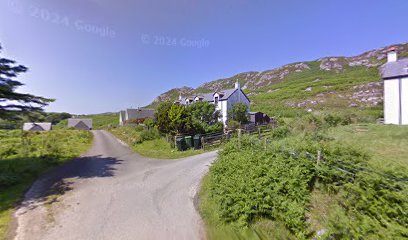
Christine's Den
36.3 km
Explore the charm of the Isle of Colonsay at Christine's Den, your go-to gift shop for local treasures and unique souvenirs.
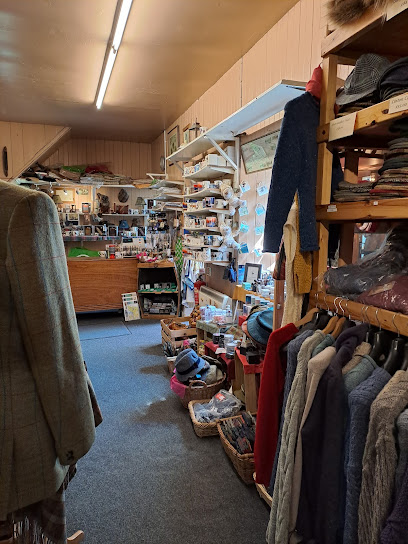
Islay Woollen Mill Co Ltd
36.9 km
Victorian looms and Hollywood tweeds on Scotland's remote Isle of Islay
Essential bars & hidden hideouts

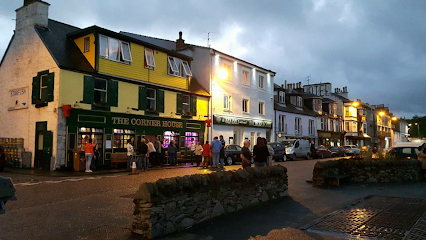
The Corner House
17.4 km
A cozy and lively pub on Tarbert’s Harbour Street, famed for warm welcomes, quality drinks, and a true taste of Scottish coastal life.
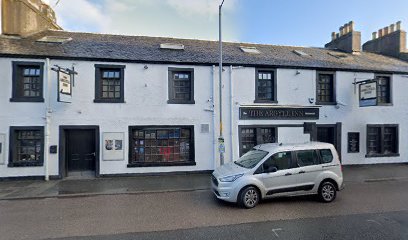
The Argyll Inn
20.5 km
A cozy local bar in Lochgilphead offering traditional Scottish hospitality and a welcoming atmosphere every day from noon to late evening.
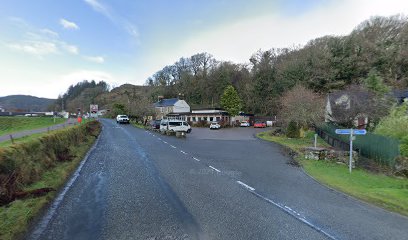
The Anderson Lounge
20.8 km
A cozy, rustic bar in Cairnbaan offering local craft beers and a welcoming atmosphere for travelers exploring the Scottish Highlands.
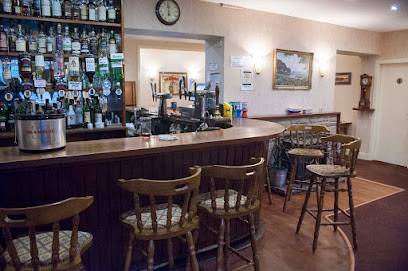
Lochranza Country Inn
33.2 km
Community-owned historic inn with stunning loch views, cozy rooms, and hearty dining at the northern tip of Isle of Arran.
Colonsay Pub
36.6 km
Experience authentic island hospitality and local brews at Colonsay Pub, the vibrant social hub of the Isle of Colonsay.
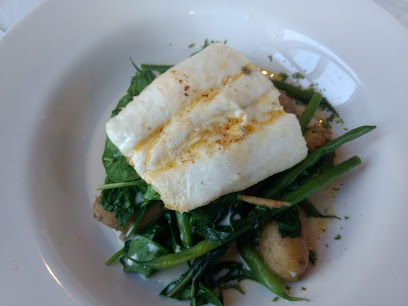
AVS-Ls
36.9 km
Cozy bar on Isle of Islay offering local flavors, friendly faces, and a genuine island atmosphere in a tranquil setting.
The Anchor Tavern & Hub
37.7 km
A welcoming community-owned pub and social hub with scenic coastal views in the heart of Port Bannatyne, Isle of Bute.
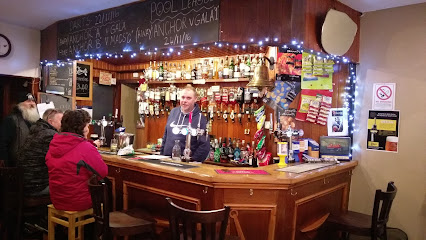
The Islander Bar
39.6 km
Cozy and friendly local pub in Rothesay offering warm hospitality, live entertainment, and a welcoming atmosphere on the Isle of Bute.
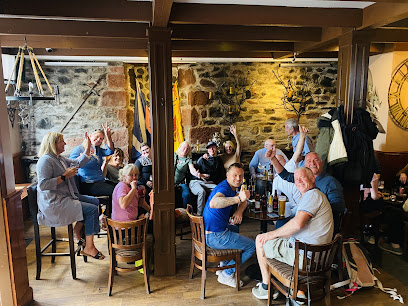
Grapes Bar
39.7 km
A cozy and lively local pub in Rothesay offering great beers, malt whiskies, and a friendly atmosphere with a pool table upstairs.
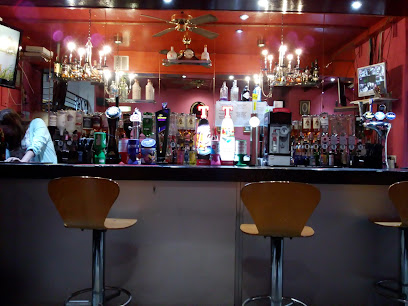
Mac's Bar
39.8 km
Experience authentic Scottish hospitality and local charm at Mac's Bar in Rothesay, a historic pub with a lively atmosphere and rich community spirit.
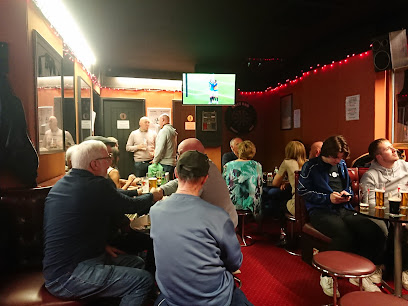
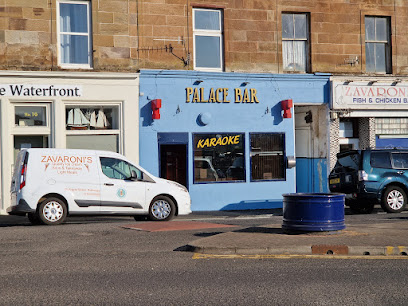
Palace Bar
40.0 km
A vibrant karaoke hub and friendly pub in Rothesay’s heart, welcoming locals and visitors on the beautiful Isle of Bute.
The Malt Mill Bar
41.7 km
A cozy whisky haven nestled in historic Malt Mill buildings, offering authentic Lagavulin drams and rich Islay heritage.
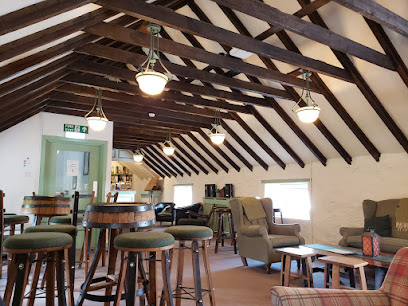
DUFFIE'S BAR
41.8 km
Experience the ultimate Islay whisky bar in Bowmore, where rare malts, warm hospitality, and island charm converge.
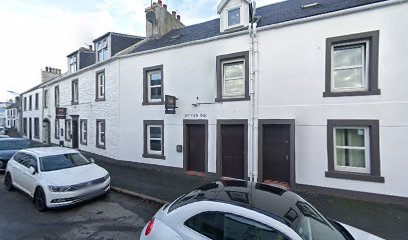
The Oyster Bar
42.3 km
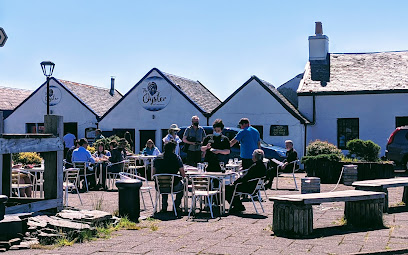
A charming seafood haven in historic Ellenabeich, offering fresh oysters, scenic coastal views, and warm Scottish hospitality.
Dmitry Severianov's piece of Laphroag
43.0 km
A unique tribute on Islay celebrating the iconic smoky spirit and heritage of Laphroaig whisky.
Nightclubs & after hour spots

Jura Brewery
18.9 km
Discover Jura Brewery: A Craft Beer Experience in the Heart of the Isle of Jura, Where Tradition Meets Nature's Bounty.
Word Up
57.2 km
Experience Greenock's revitalized nightlife at Word Up, a modern nightclub with vibrant energy and a welcoming atmosphere.
Red
57.7 km
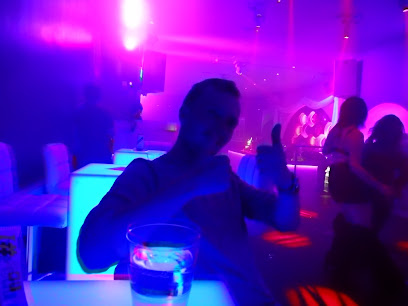
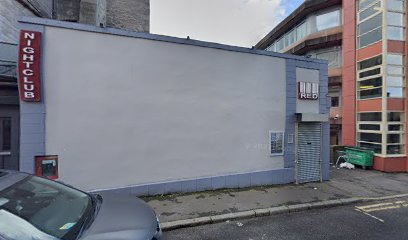
Experience Greenock’s vibrant nightlife at Red Nightclub, where intimate vibes meet lively dance floors and affordable fun every weekend.
Isle of Mull Hotel & Spa
62.6 km
Experience luxury and nature at the Isle of Mull Hotel & Spa, a serene retreat with stunning views and exceptional amenities on the Scottish coast.
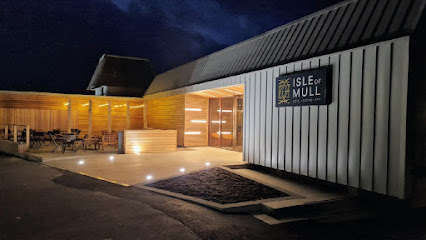
Snack Bar
62.7 km
Discover the cozy Snack Bar on the Isle of Mull, where delicious food meets stunning landscapes in a friendly atmosphere.
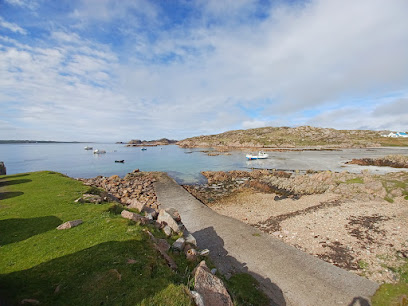
The Box Night Club
64.0 km
Discover Saltcoats' nightlife at The Box Night Club, where vibrant music and a welcoming atmosphere create unforgettable nights out.
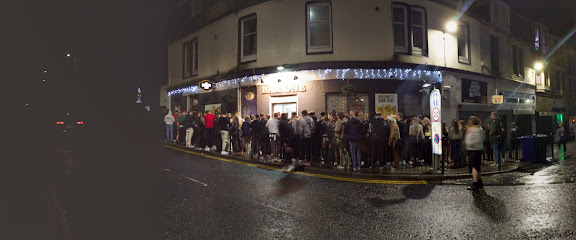
Isle of Mull Rugby Club
65.3 km
Discover the Isle of Mull Rugby Club: A vibrant community hub where sports and local culture come together amidst stunning Scottish scenery.
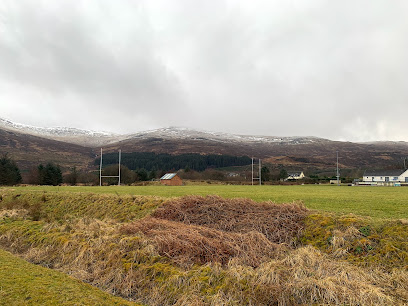
Great Scotts Bar
67.5 km
Experience the perfect blend of stunning loch views and a vibrant bar atmosphere at Great Scots Bar, your ideal retreat in Loch Lomond.
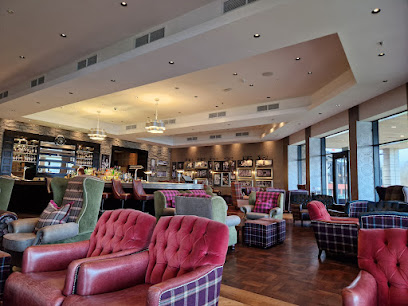
The Tavern
67.5 km
Discover The Tavern, a charming bar by Loch Lomond, perfect for unwinding with drinks amidst stunning natural beauty.
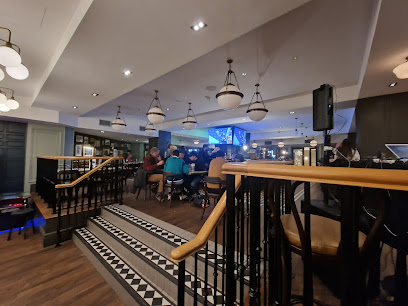
The Lobby Bar
67.6 km
Discover the perfect blend of relaxation and local charm at The Lobby Bar, nestled by the scenic shores of Loch Lomond.
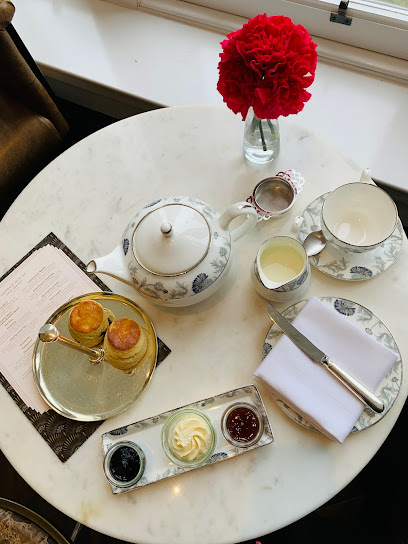
Queen Of The Loch
68.3 km
A charming family and dog-friendly pub and lodge on Loch Lomond’s banks, serving hearty British classics in a warm, scenic setting.
Desire Nightclub
68.7 km
Experience Balloch’s vibrant nightlife at Desire Nightclub, where energetic music and welcoming vibes create unforgettable evenings.
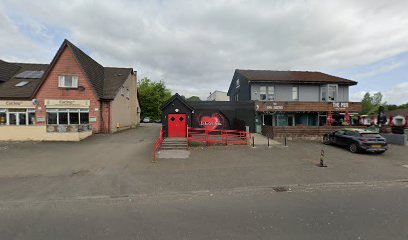
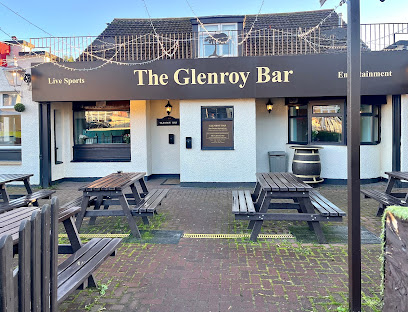
Glenroy Bar
68.8 km
Experience the friendly ambiance and local flavors at Glenroy Bar, your perfect retreat in Balloch, Scotland.
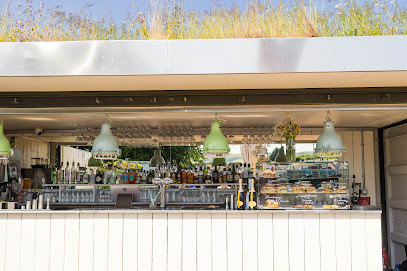
Monkey Island Cafe Bar
68.9 km
Discover the serene beauty and delightful refreshments at Monkey Island Cafe Bar, the perfect riverside retreat in Balloch.
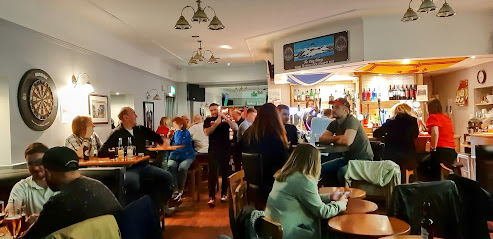
Dog House
69.1 km
Experience the vibrant nightlife at The Dog House, a welcoming pub in Balloch with great drinks and lively entertainment, perfect for tourists.
For the vibe & atmosphere seeker
- Tranquil
- Scenic
- Unique
- Historic
For the design and aesthetic lover
- Rustic Designs
- Vintage Styles
For the architecture buff
- Historic
- Landmarks
- Sacred Sites
For the view chaser and sunset hunter
- Iconic Views
- Panoramas
For the social media creator & influencer
- Instagrammable
- Photo Spots
- Architectural Shots
For the eco-conscious traveler
- Protected Area
- Public-Transport Accessible
- Locally Managed
For the kind of experience you’re after
- Cultural Heritage
- Photowalk
- Day Trip
- Weekend Getaway
For how adventurous you want the journey to be
- Easy Access
Location Audience
- Family Friendly
- Senior Friendly
- Child Friendly
- Teen Friendly
- Wheelchair Access
- Solo Friendly
- Couple Friendly
- Vegetarian Friendly
- Vegan Friendly


