
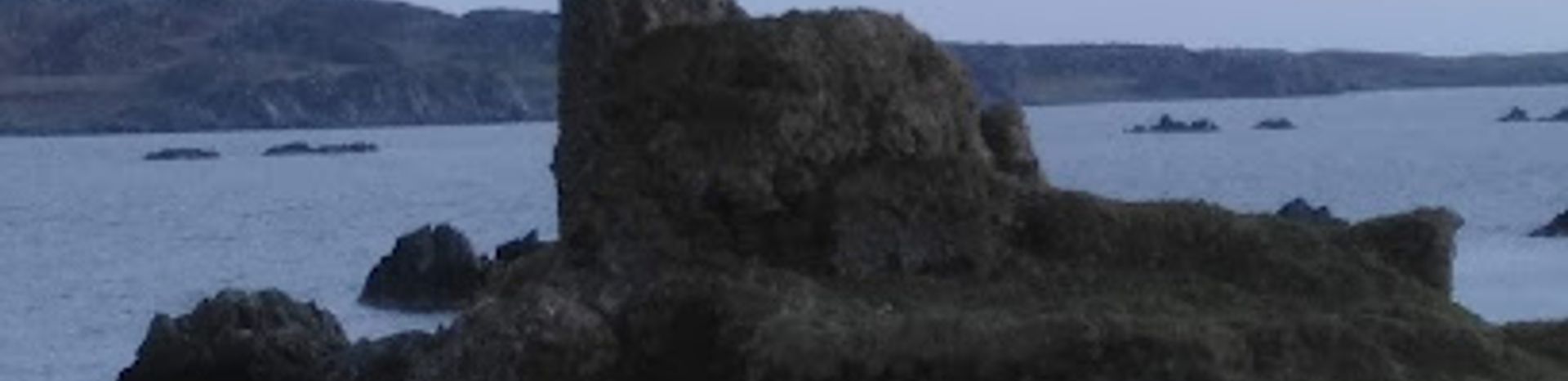
Dunyvaig Castle: Historic Stronghold of the Lords of the Isles
Ruins of a mighty clan fortress on Islay’s coast, where history, sea, and legend converge in dramatic fashion.
Dunyvaig Castle, perched on a rocky promontory overlooking Lagavulin Bay on the Isle of Islay, is a dramatic ruin steeped in Scottish clan history. Originally built on an Iron Age fort, the castle served as a naval base for the Lords of the Isles, chiefs of Clan MacDonald, from the 12th century. Its remains include 13th to 16th-century structures, telling tales of clan battles, royal sieges, and shifting ownership between the MacDonalds and Campbells. Today, it offers evocative ruins and stunning coastal views.
A brief summary to Dunyvaig Castle
- Isle of Islay, GB
- Visit website
- Duration: 0.5 to 2 hours
- Free
-
 Outdoor
- Mobile reception: 4 out of 5
Local tips
- Wear sturdy footwear as the rocky terrain around the ruins can be slippery, especially in wet or icy weather.
- Visit during daylight hours for the best views of Lagavulin Bay and the surrounding coastline.
- Combine your visit with a tour of nearby Islay distilleries for a full cultural experience.
- Take care near the cliff edges; there are no safety barriers at the castle ruins.

For the on-the-go comforts that matter to you
- Restrooms
- Drink Options
- Food Options
- Seating Areas
- Information Boards
Getting There
-
Bus
Take the local bus service from Port Ellen to Lagavulin Bay, which runs several times daily. The journey takes approximately 15-20 minutes. From the bus stop, it is a 10-minute walk along a grassy coastal path to the castle ruins. Bus fares are around £3-£5 one way. Service frequency may be reduced on Sundays and public holidays.
-
Car
Driving from Port Ellen, the castle is about a 10-minute drive via the A846 road. Parking is available near the start of the coastal path, about 5 minutes’ walk from the ruins. Note that parking is limited and the access road is narrow. No parking fees apply.
-
Walking
For a scenic approach, walk from Port Ellen along the Three Distilleries Pathway to Lagavulin Bay. The walk covers approximately 4 km on mostly flat terrain, taking about 1 to 1.5 hours. The path is well-maintained but can be slippery in wet weather. Suitable for most walkers but not wheelchair accessible.
Dunyvaig Castle location weather suitability
-
 Any Weather
-
 Rain / Wet Weather
-
 Clear Skies
-
 Windy Conditions
-
 Cold Weather
-
 Mild Temperatures
Discover more about Dunyvaig Castle
Origins and Strategic Importance of Dunyvaig Castle
Dunyvaig Castle stands on the southern coast of Islay, Scotland, on a rocky headland that juts into the sheltered waters of Lagavulin Bay. The site originally hosted an Iron Age dun, a fortified hilltop settlement, which was later developed into a castle by Somerled, King of the Isles, in the 12th century. Its Gaelic name, often interpreted as 'fort of the galleys' or 'little ships,' reflects its historic role as a naval stronghold protecting the fleet of the Lords of the Isles, the powerful chiefs of Clan MacDonald. The castle’s location provided a strategic anchorage and defensive position controlling sea routes around Islay.Clan Conflicts and Shifting Ownership Through Centuries
Throughout its history, Dunyvaig Castle was a focal point of fierce clan rivalries and political upheaval. Initially held by the MacDonalds, the castle was forfeited to the Scottish Crown in 1493 after the fall of the Lordship of the Isles. It subsequently passed to the MacIans and later the Campbells, sparking repeated sieges and battles as the MacDonalds sought to reclaim it. The 16th and 17th centuries saw numerous conflicts, including sieges by royal forces and clan factions, with the castle changing hands multiple times. Notably, in 1614 and 1615, MacDonald forces recaptured the castle before it was finally seized by the Campbells. The turbulent contest for Dunyvaig mirrored wider struggles for power in the region.Architectural Remnants and Archaeological Discoveries
Today, visitors encounter the evocative ruins of the 16th-century castle, including remnants of a 13th-century courtyard and a 15th-century keep. The ruins reveal the castle’s layered history, with evidence of curtain walls, an inner and outer court, and a sea gate that once allowed access from the bay. Archaeological excavations have uncovered significant finds, such as the lead seal of Sir John Campbell of Cawdor dating to 1593, linking the site to its Campbell owners. These discoveries illuminate the castle’s role during its final years of occupation and the intense clan conflicts that shaped its fate.Atmosphere and Visitor Experience at the Ruins
Perched dramatically above the sea, Dunyvaig Castle offers a hauntingly beautiful and romantic setting. The rugged coastline, combined with the crumbling stone walls blending into the rocky outcrop, creates a powerful sense of history and place. Visitors can explore the ruins, appreciating the castle’s commanding views over Lagavulin Bay and nearby distilleries. However, caution is advised as the terrain can be slippery and uneven, especially in wet or icy conditions. The site’s remote coastal ambiance invites reflection on Scotland’s turbulent clan past and maritime heritage.Legacy and Cultural Significance on Islay
Dunyvaig Castle remains one of Islay’s most important historic landmarks, symbolizing the island’s rich Gaelic heritage and the legacy of the Lords of the Isles. Its story intertwines with the broader history of Scotland’s western seaboard, marked by clan alliances, royal interventions, and maritime power. The castle’s ruins, protected as a scheduled monument, continue to inspire interest in the island’s past and attract visitors seeking to connect with Scotland’s dramatic history and scenic beauty.Preservation and Access Today
Though largely in ruins, Dunyvaig Castle is accessible to visitors who can walk along coastal paths to reach the site. Nearby parking and the proximity to Islay’s distilleries make it a rewarding stop for history enthusiasts and nature lovers alike. The site is unmanaged in terms of barriers or modern safety installations, preserving its wild character but requiring care during visits. Ongoing archaeological projects have enhanced understanding of the castle’s complex history, ensuring its stories endure for future generations.Iconic landmarks you can’t miss

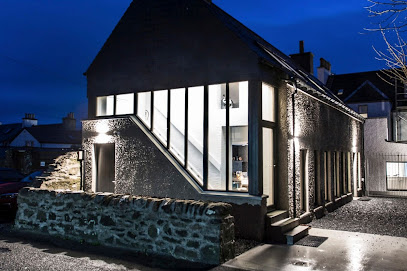
Leodamais
3.9 km
Luxury self-catering homes overlooking Leodamais beach, blending coastal tranquility with Islay’s rich heritage and whisky culture.
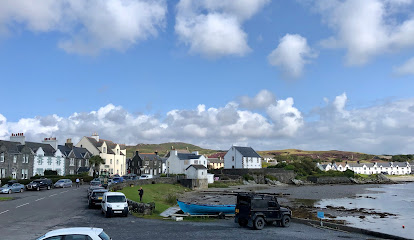
Port Ellen War Memorial
4.2 km
A solemn memorial to local sacrifice, standing witness to two world wars and maritime tragedy.
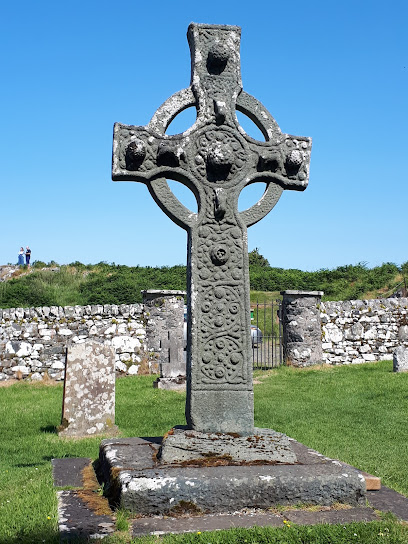
Kildalton Cross
7.5 km
Discover the exquisite 8th-century Kildalton Cross on Islay—one of Scotland’s finest Celtic high crosses, rich in history and intricate biblical carvings.
The Machrie
8.6 km
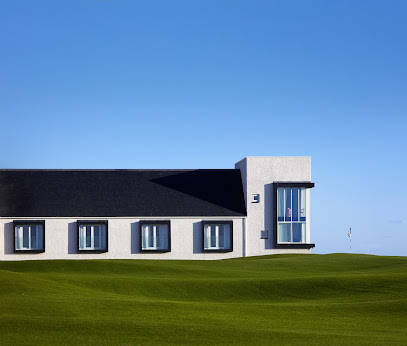
A stylish coastal retreat on Islay blending world-class golf, modern luxury, and serene Hebridean landscapes.
Peatzeria - Restaurant and Takeaway
17.2 km
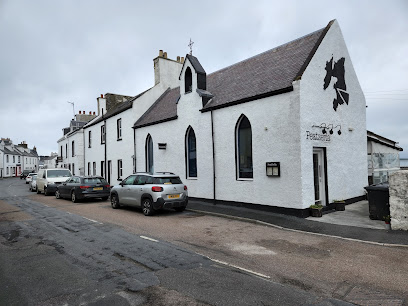
Discover Peatzeria in Bowmore, Islay—your destination for delectable Italian cuisine and exquisite pizzas in a charming atmosphere.
The Island Bear
17.2 km
A warm, traditional bed and breakfast in Bowmore offering cozy comfort and easy access to Islay’s whisky heritage and scenic charm.

Skerrols House
19.2 km
A peaceful guesthouse retreat on Islay offering luxurious comfort, scenic views, and warm Scottish hospitality in Bridgend.
Old Lochindaal Distillery Warehouses
20.1 km
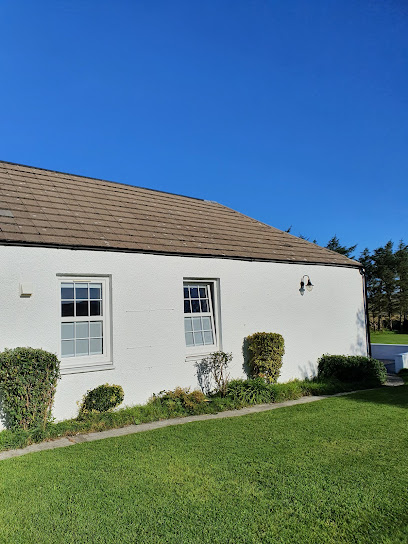
Historic whisky warehouses anchoring Port Charlotte’s rich distilling heritage on scenic Islay’s coast.
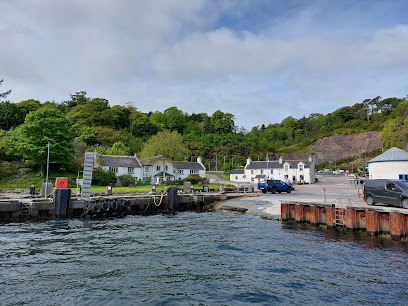
Islay Ferry Terminal
23.9 km
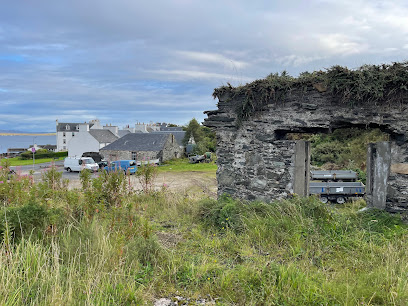
Scenic ferry gateway on Islay connecting to Jura and the Scottish mainland, blending maritime heritage with stunning coastal views.
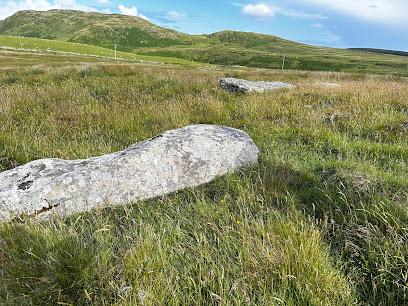
Cultoon Stone Circle
24.0 km
Bronze Age ellipse of standing and fallen stones bearing mysterious cup-and-ring carvings on Islay's windswept moorland.
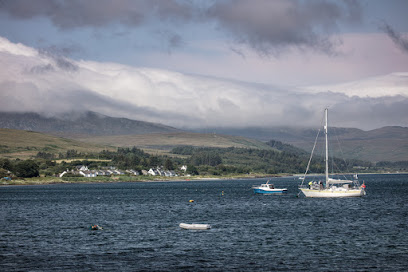
The Whisky Island Gallery & Studio
24.7 km
Explore The Whisky Island Gallery & Studio for breathtaking art and photography that captures the spirit of the stunning Isle of Jura.
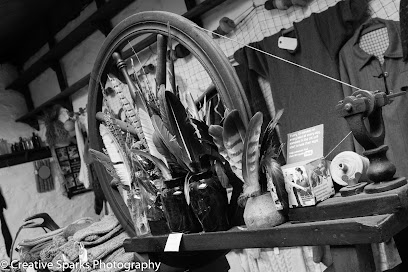
Tormisdale Croft Crafts
25.0 km
Explore unique handmade crafts that embody the spirit of Isle of Islay at Tormisdale Croft Crafts, a must-visit destination for art lovers.
Monument to Irish immigrants aboard the Exmouth Castle
30.3 km
A solemn tribute on Islay’s rugged coast honoring 241 Irish emigrants lost in the 1847 Exmouth Castle shipwreck.
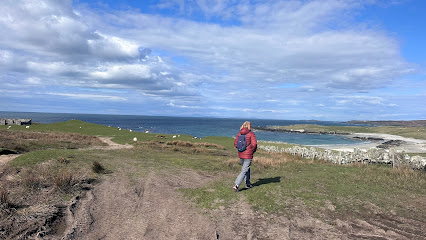
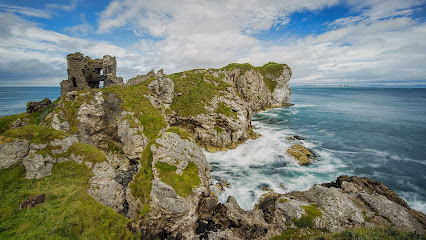
Kinbane Castle
46.1 km
Dramatic 16th-century ruin perched on white limestone cliffs with breathtaking Atlantic views and a rewarding steep descent.
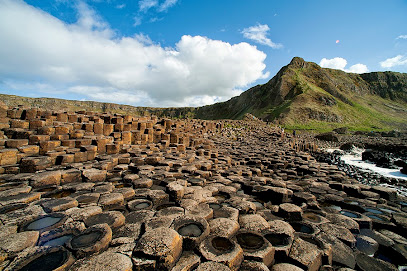
Causeway Coastal Route
46.5 km
Discover the stunning landscapes and rich heritage along the Causeway Coastal Route, a scenic journey through Northern Ireland's breathtaking coastline.
Unmissable attractions to see

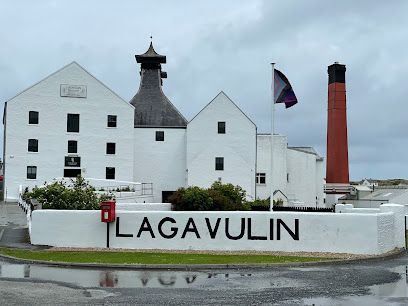
Lagavulin Distillery
0.3 km
Discover Lagavulin Distillery, where centuries-old Islay whisky tradition meets stunning coastal scenery and rich peaty flavors.
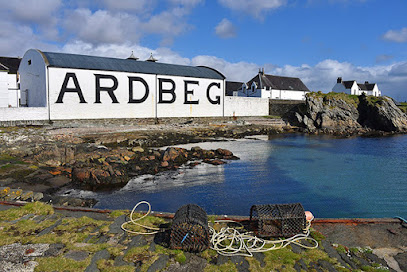
Ardbeg Distillery
1.2 km
Experience the smoky soul of Islay at Ardbeg Distillery, where tradition meets innovation in every peaty drop.
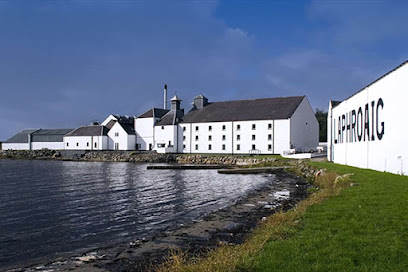
Laphroaig Distillery
1.9 km
Discover the iconic Islay distillery crafting intensely peated single malt whisky in a stunning coastal setting steeped in tradition and community.
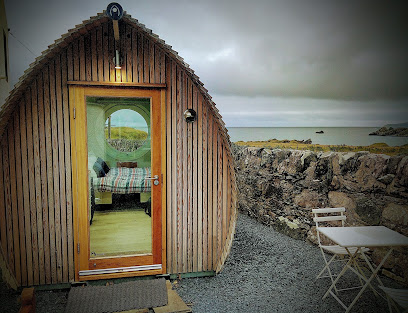
IsleAdilla @ The Old Excise House
2.5 km
Charming self-catering accommodation near Port Ellen with cozy wood stoves and easy access to Islay’s iconic whisky distilleries.
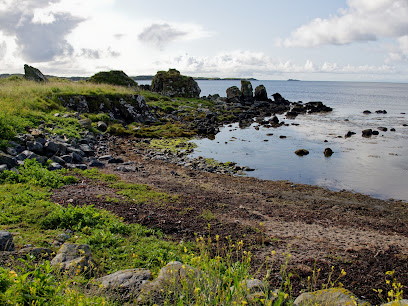
Vista point
2.7 km
Experience sweeping coastal panoramas and tranquil natural beauty at Vista Point on the Isle of Islay, the Queen of the Hebrides.
Islay65 Self Catering
4.0 km
Comfortable self-catering holiday home in Port Ellen, Isle of Islay, perfect for exploring whisky heritage and stunning coastal landscapes.
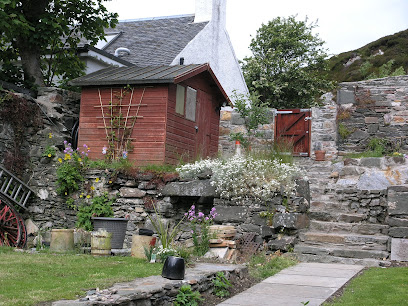
Port Ellen Community Garden
4.0 km
Discover serenity and community spirit in the lush Port Ellen Community Garden on the scenic Isle of Islay.
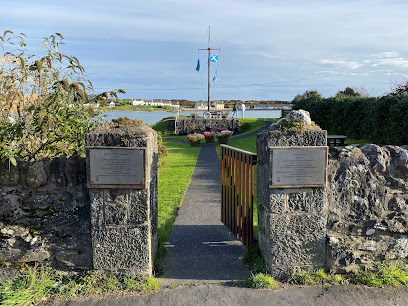
Copper Still Coffee
4.1 km
A welcoming harbourside coffee cabin in Port Ellen offering rich brews and homemade treats near Islay’s main ferry terminal.
Little Charlottes Cafe
4.2 km
Cozy coffee and homemade treats in the heart of Port Ellen, Isle of Islay’s welcoming island retreat.
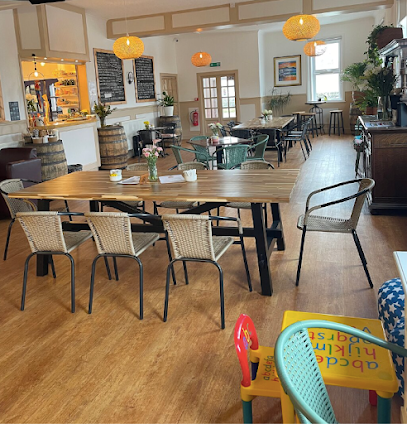
Charlotte St Park
4.2 km
Explore Charlotte St Park, a serene green space in Port Ellen, Isle of Islay, perfect for picnics, leisurely walks, and nature appreciation.
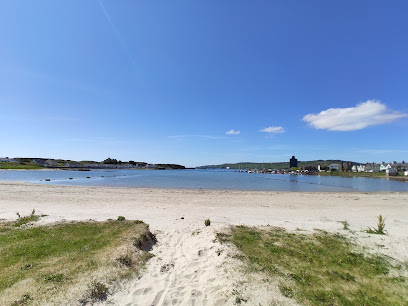
Port Ellen - Kennacraig Ferry
4.2 km
Experience the scenic ferry journey from Kennacraig to Port Ellen, the southern gateway to Islay’s whisky-rich shores and Hebridean beauty.
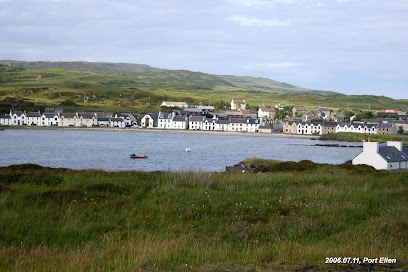
Rubha a' Chuinnlein
4.3 km
Discover the wild, windswept cliffs and vibrant wildlife of Rubha a' Chuinnlein, a remote coastal headland on Scotland’s Isle of Islay.
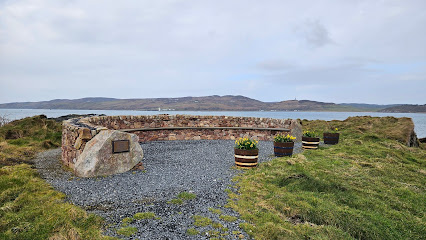
Cairnmore Woods Port Ellen
5.6 km
Discover the tranquil trails and rich birdlife of Cairnmore Woods, a peaceful forest retreat near Port Ellen on the Isle of Islay.
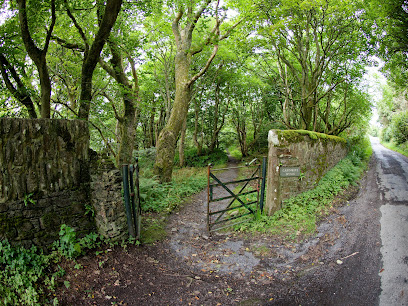
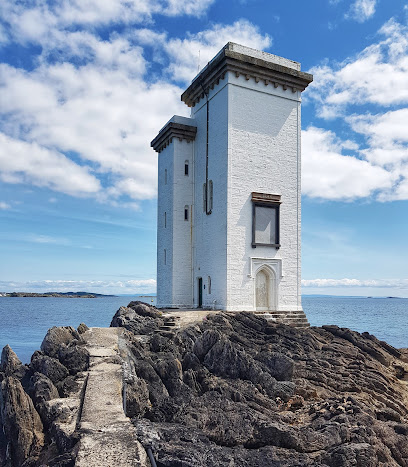
Carraig Fhada Lighthouse
5.8 km
A unique square lighthouse on Islay, built in 1832 as a heartfelt maritime memorial and coastal beacon near Port Ellen.
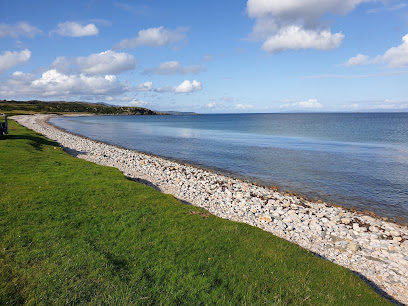
Claggain Bay
9.5 km
Discover the serene beauty of Claggain Bay, a sheltered coastal gem on Islay’s east coast with sandy shores and tranquil walks.
Essential places to dine

The Old Kiln Cafe
1.2 km
Cozy café at Ardbeg Distillery serving hearty Scottish fare and home-baked treats amid iconic whisky heritage.
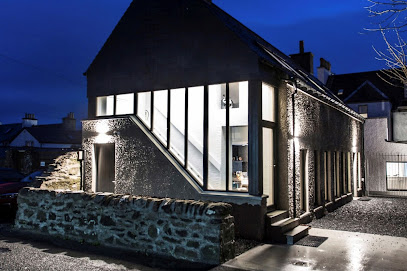
Luxury on Islay
3.9 km
Exclusive self-catering holiday homes overlooking Leodamais beach, blending luxury and nature in the heart of Port Ellen, Isle of Islay.
The Ardview Inn
4.0 km
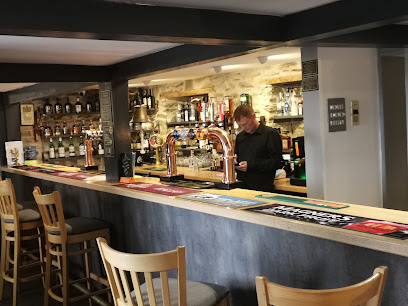
Discover The Ardview Inn in Port Ellen: A welcoming pub offering traditional Scottish cuisine and local whiskies amidst breathtaking Isle of Islay scenery.
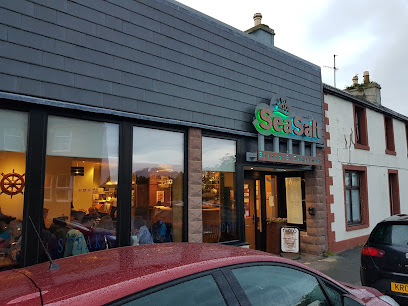
SeaSalt Bistro & Takeaway
4.1 km
Fresh local seafood and contemporary dishes served with warm hospitality in the heart of Port Ellen, Isle of Islay.
The Islay Hotel
4.1 km
A cozy seaside haven in Port Ellen blending local whisky heritage, warm hospitality, and fresh Scottish cuisine.
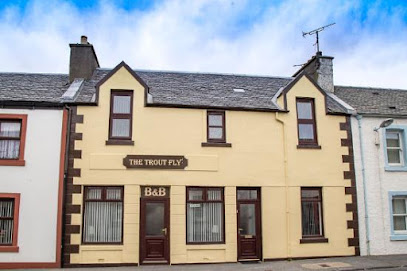
Trout Fly Guest House
4.1 km
A cozy, welcoming guesthouse in Port Ellen offering immaculate rooms, hearty Scottish breakfasts, and a perfect base for exploring Islay’s whisky trail.
No. 1 Charlotte Street
4.2 km
Charming bed and breakfast with whisky lounge, hearty breakfast, and scenic views in the heart of Port Ellen, Isle of Islay.
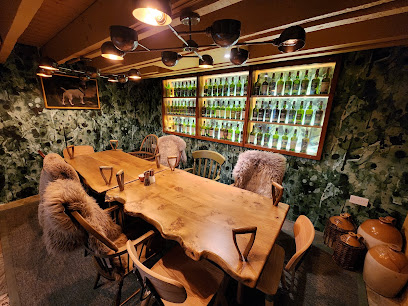
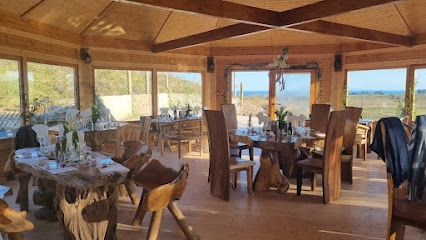
The Balaclava Byre
5.0 km
A unique farm-to-table restaurant in a charming circular byre with handcrafted wood interiors and stunning views over Kilnaughton Bay.
An Cuan
17.1 km
Comfortable boutique B&B in the heart of Bowmore village, offering scenic sea or garden views and easy access to Islay’s cultural gems.
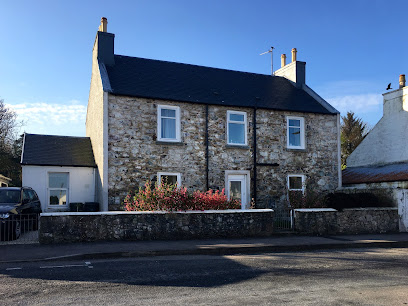
Bowmore Hotel Restaurant
17.1 km
Experience authentic Islay flavors and world-class whisky in the welcoming heart of Bowmore village.
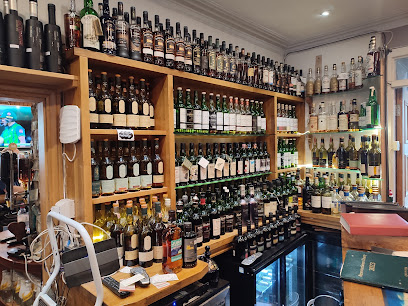
Bowmore Hotel
17.1 km
Family-run Bowmore Hotel blends local cuisine, cozy rooms, and an exceptional whisky bar in the heart of Islay’s capital.
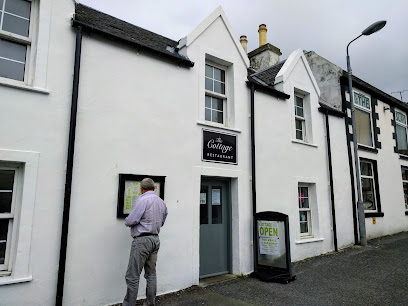
The Cottage Cafe & fish bar
17.2 km
A simple, homely café in Bowmore serving fresh seafood and traditional dishes with local island charm.
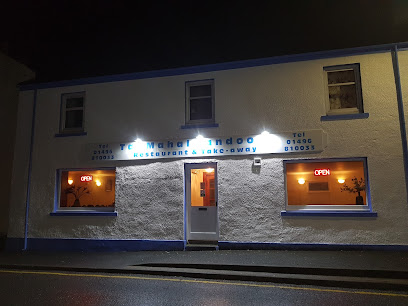
Taj Mahal Indian Restaurant
17.2 km
Authentic Indian flavors and warm hospitality await you at Taj Mahal Indian Restaurant in Bowmore, Isle of Islay.
The Lochside Hotel & Restaurant
17.2 km
Charming waterfront hotel in Bowmore offering cozy rooms, local cuisine, and stunning views over Loch Indaal on the Isle of Islay.
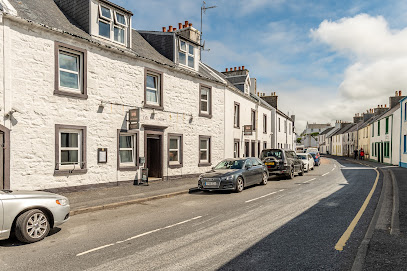
The Harbour Inn
17.3 km
A charming waterfront inn in Bowmore offering fresh seafood, cozy rooms, and warm island hospitality on Islay.
Markets, malls and hidden boutiques

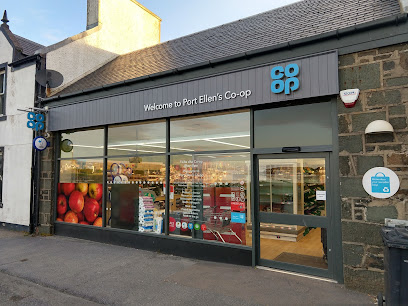
Co-op Food - Islay Port Ellen - Frederick Cres
3.9 km
Discover the best of local shopping at Co-op Food in Port Ellen, Isle of Islay – your one-stop convenience store for essentials and regional delights.
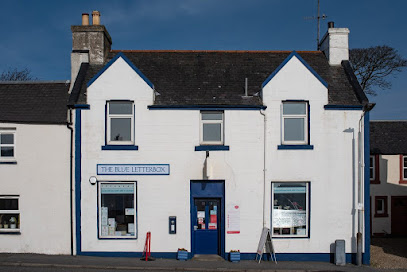
The Blue Letterbox
4.0 km
Discover unique local crafts and heartfelt souvenirs at The Blue Letterbox, Port Ellen’s charming gift shop on the Isle of Islay.
SPAR Port Ellen
4.1 km
Discover convenience and local flavors at SPAR Port Ellen, your essential stop for snacks and goods on the beautiful Isle of Islay.
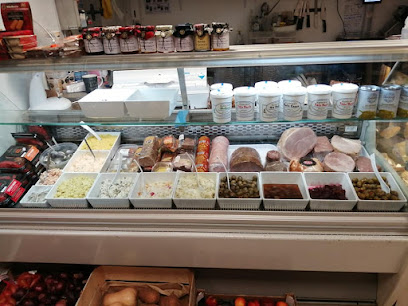
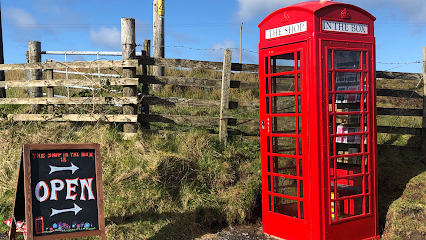
Shop in the Box, Islay
9.3 km
Discover local crafts and island charm in a classic red phone box on Islay’s Mull of Oa, where trust and community spirit meet unique souvenirs.
The White Room
17.1 km
Discover authentic Islay crafts and unique souvenirs in Bowmore’s charming gift shop, The White Room, nestled on Main Street.
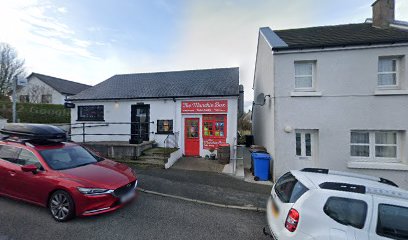
Islay Home Stores
17.1 km
Discover unique homewares and essentials in the heart of Bowmore at Islay Home Stores, your friendly local shop on the Isle of Islay.
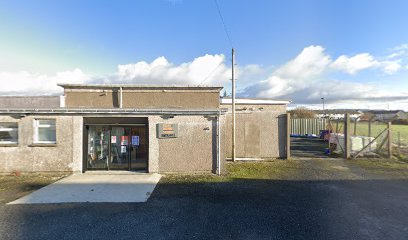
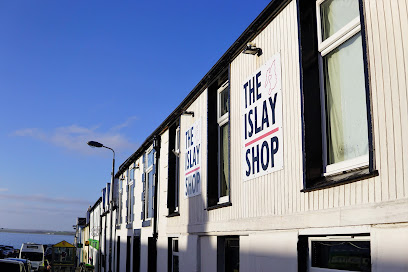
The Islay Shop
17.2 km
Islay’s largest retailer in Bowmore, offering a vast range of gifts, essentials, and local souvenirs with friendly island hospitality.
Wild Islay Refillery
17.2 km
A community-centered sustainable market in Bowmore offering zero waste and organic products for eco-conscious shoppers on Islay.
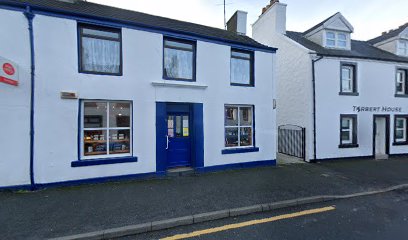
Kate's
17.2 km
Explore unique ladies' fashion at Kate's in Bowmore, Isle of Islay, where local charm meets contemporary style.
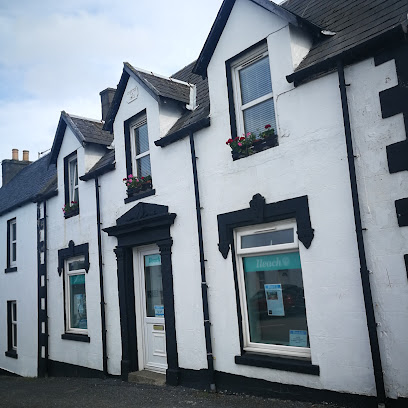
A S Porter - Family Butcher
17.2 km
Authentic family-run butcher shop in Bowmore offering premium local meats and fresh produce on the scenic Isle of Islay.
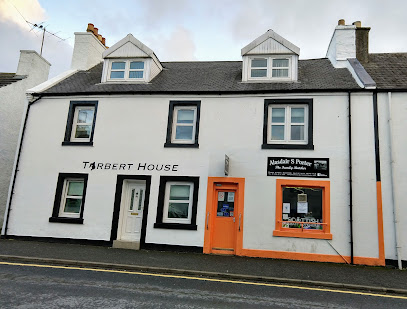
The Islay Whisky Shop
17.2 km
Islay's premier whisky retailer offering rare bottlings, expert guidance, and curated collections for connoisseurs and newcomers alike.
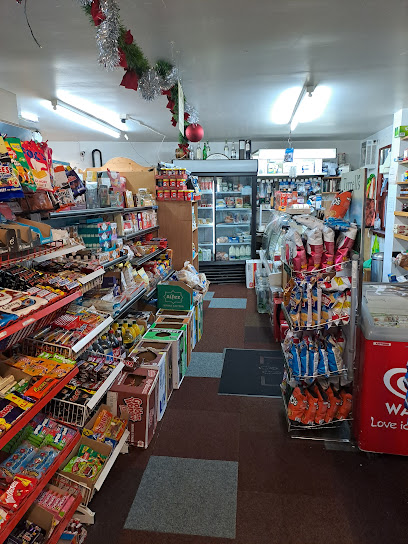
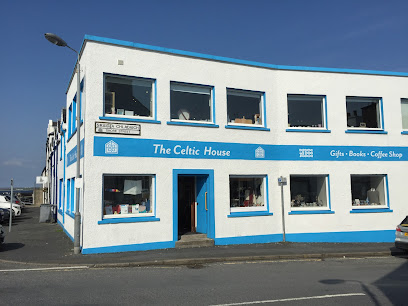
The Celtic House
17.2 km
Discover a cozy blend of Scottish literature, unique gifts, and artisan café delights in the heart of Bowmore on the Isle of Islay.
Bridgend Shop
18.3 km
Your friendly, convenient fuel and grocery stop in Bridgend, Isle of Islay, offering essentials with a local touch.
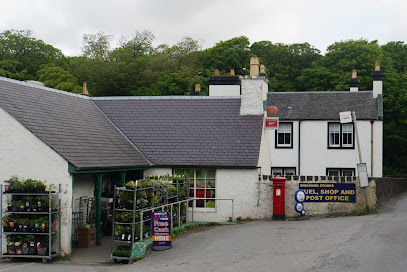
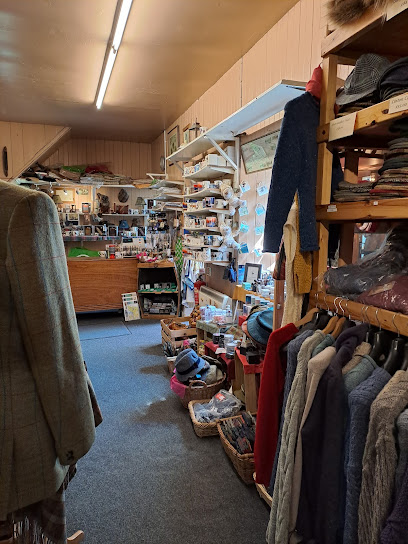
Islay Woollen Mill Co Ltd
18.5 km
Victorian looms and Hollywood tweeds on Scotland's remote Isle of Islay
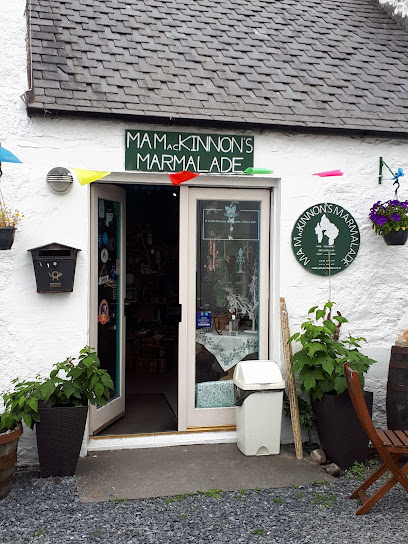
Mackinnon's Marmalade
18.7 km
Handcrafted Islay marmalades bursting with local fruits and island whisky—artisanal preserves capturing the essence of Scotland.
Essential bars & hidden hideouts

The Malt Mill Bar
0.3 km
A cozy whisky haven nestled in historic Malt Mill buildings, offering authentic Lagavulin drams and rich Islay heritage.
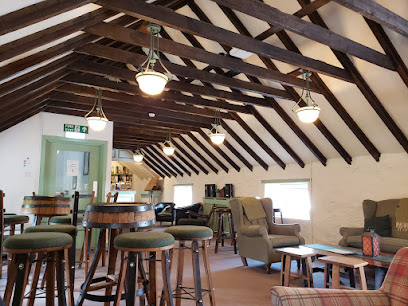
Dmitry Severianov's piece of Laphroag
1.7 km
A unique tribute on Islay celebrating the iconic smoky spirit and heritage of Laphroaig whisky.
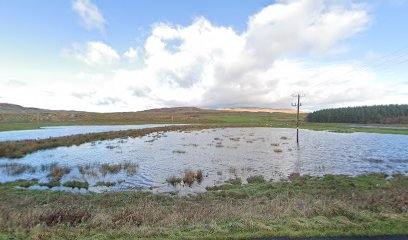
AVS-Ls
11.9 km
Cozy bar on Isle of Islay offering local flavors, friendly faces, and a genuine island atmosphere in a tranquil setting.
DUFFIE'S BAR
17.2 km
Experience the ultimate Islay whisky bar in Bowmore, where rare malts, warm hospitality, and island charm converge.
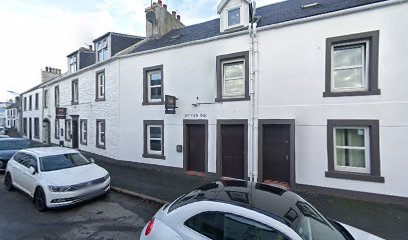
McCuaig's Bar
38.2 km
Discover the heart of Rathlin Island at McCuaig's Bar, where traditional Irish hospitality meets stunning coastal views and vibrant live music.
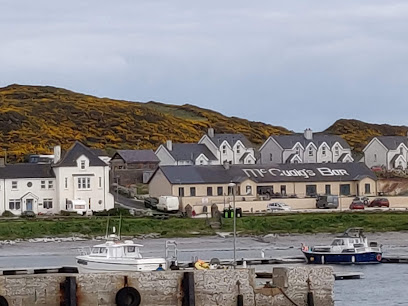
The Coast Inn
47.8 km
Experience authentic Irish hospitality at The Coast Inn, Ballycastle's cherished pub offering local cuisine and craft beverages.
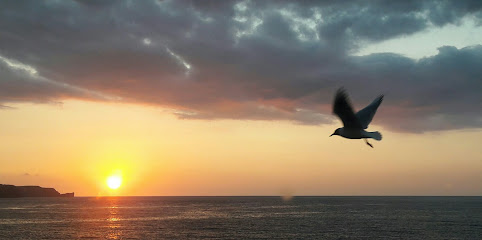
Anglers Arms
48.1 km
Experience the warm Irish hospitality at Anglers Arms Pub in Ballycastle, offering delicious food and a vibrant atmosphere to enjoy with friends.
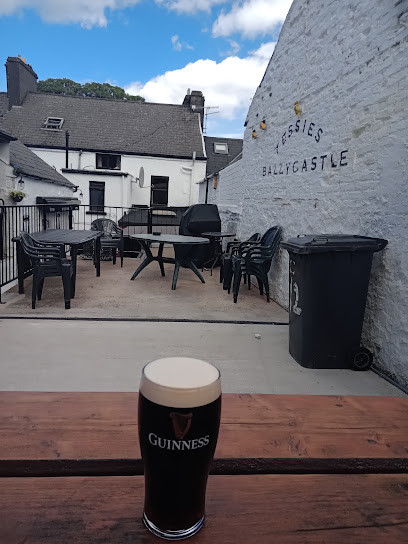
Harbour Bar
48.1 km
Discover the lively atmosphere and local charm at Harbour Bar, Ballycastle's premier destination for drinks and entertainment.
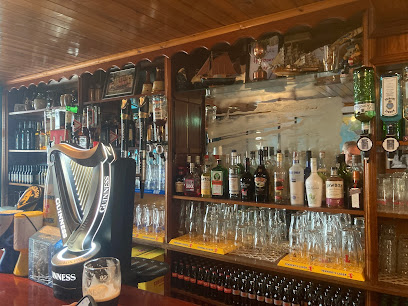
Hunters Bar
48.4 km
Experience the charm of Ballyvoy at Hunters Bar, where local flavors meet warm hospitality in a cozy atmosphere.
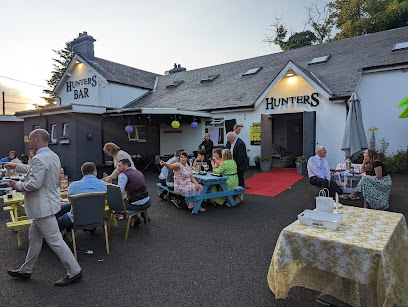
Colonsay Pub
48.7 km
Experience authentic island hospitality and local brews at Colonsay Pub, the vibrant social hub of the Isle of Colonsay.
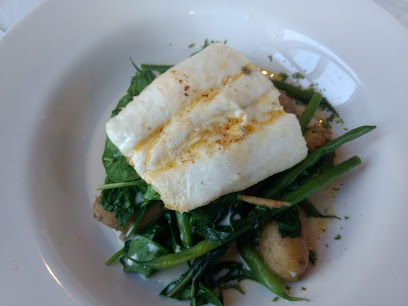
Nellie Rua's, Ballycastle
48.7 km
Discover the vibrant culinary scene at Nellie Rua's in Ballycastle, where local flavors meet a welcoming atmosphere in a stunning beer garden.
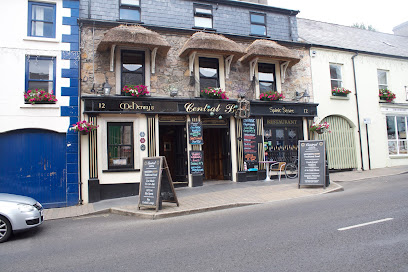
O'Connor's Bar
48.7 km
Discover the heart of Ballycastle at O'Connor's Bar, where traditional Irish hospitality meets a vibrant local atmosphere.
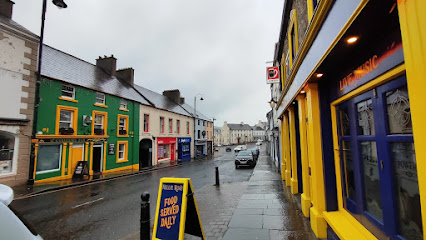
ANZAC BAR, RESTAURANT & OFF SALES
48.7 km
Discover the heart of Irish culture at ANZAC Bar, Restaurant & Off Sales in Ballycastle, where every meal is a celebration of local flavors.
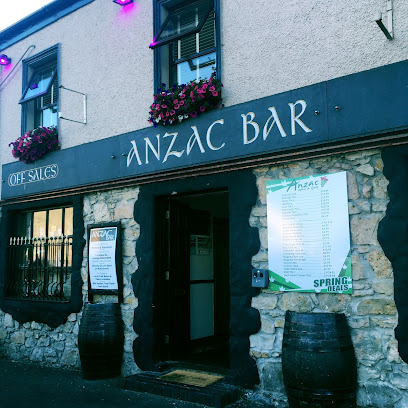
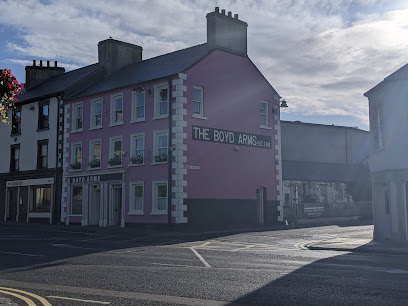
The Boyd Arms
48.8 km
Experience authentic Irish hospitality at The Boyd Arms in Ballycastle, where great food and local brews await in a cozy pub atmosphere.
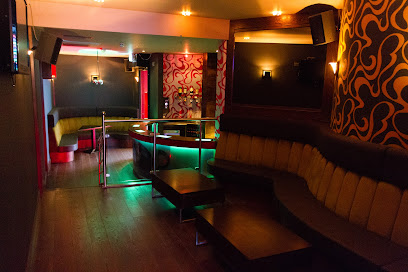
Halo Ballycastle
48.8 km
Experience vibrant nightlife, live music, and local culture at Halo Ballycastle, the heart of entertainment in this charming coastal town.
Nightclubs & after hour spots

Jura Brewery
25.7 km
Discover Jura Brewery: A Craft Beer Experience in the Heart of the Isle of Jura, Where Tradition Meets Nature's Bounty.
Kellys Complex Portrush
58.2 km
Discover the pulse of Portrush nightlife at Kellys Complex, where clubbing meets culinary delights in a vibrant atmosphere.
The Legends Lounge
59.3 km
Experience the vibrant atmosphere of The Legends Lounge in Portrush, a perfect bar for enjoying drinks and local culture.
The Lagg Inn 1791
59.7 km
Experience the historic charm and warm hospitality of The Lagg Inn 1791, a perfect retreat on the stunning Isle of Arran.
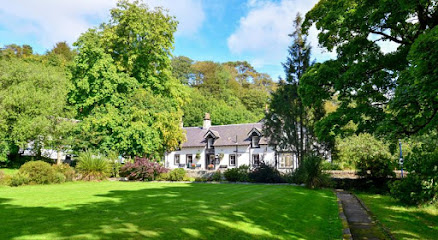
Cruize Bar Brasserie
60.7 km
Discover culinary excellence at Cruize Bar Brasserie in Auchrannie Resort, featuring a diverse menu for families and travelers in a stunning setting.
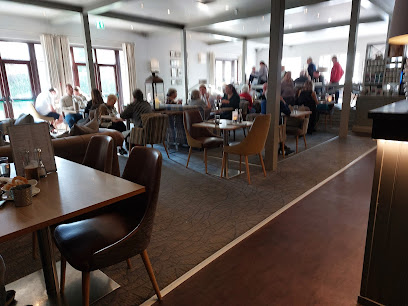
The Wineport Restaurant
60.9 km
Experience the charm of The Wineport Restaurant on the Isle of Arran: a perfect blend of fine dining, local flavors, and breathtaking views.
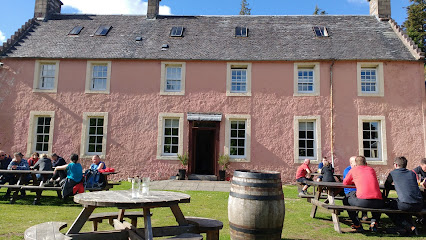
Arran Botanical Drinks @Cladach Beach House
61.0 km
Discover unique cocktails and breathtaking views at Arran Botanical Drinks, a must-visit cocktail bar on the scenic Isle of Arran.
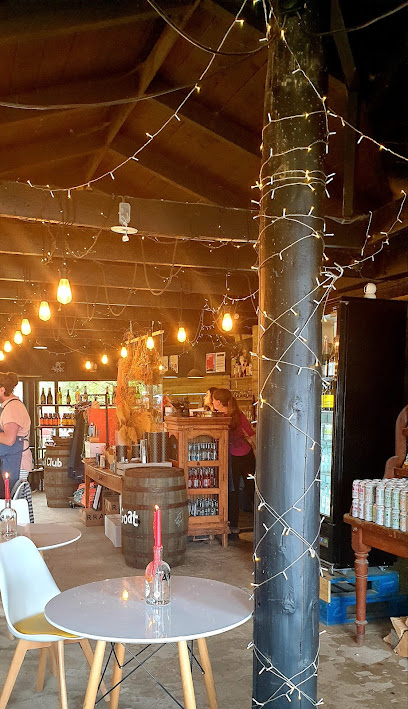
Ormidale Hotel
61.1 km
Charming family-run Victorian hotel and pub with en suite rooms, lively bar, and scenic views on the Isle of Arran.
Edgewater
61.5 km
Experience the essence of Scottish hospitality at Edgewater, a cozy pub in Brodick offering local beers, whiskies, and stunning coastal views.
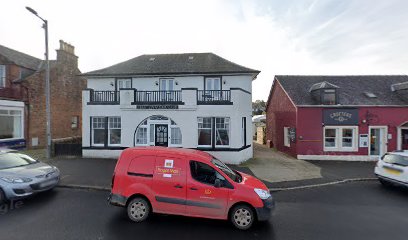
The Anchor Bar Complex
62.6 km
Discover the vibrant atmosphere of The Anchor Bar Complex in Portstewart, a perfect blend of dining, entertainment, and stunning coastal views.
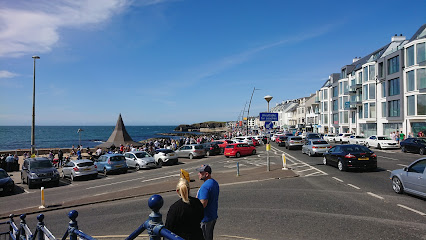
Duncan's On The Green
63.4 km
Experience the charm of Duncan's On The Green, where stunning views and local flavors combine for an unforgettable bar experience on the Isle of Arran.
Pierhead Tavern
63.6 km
Discover the warmth and flavors of the Isle of Arran at Pierhead Tavern, a cozy pub and restaurant in Lamlash offering stunning views and local cuisine.
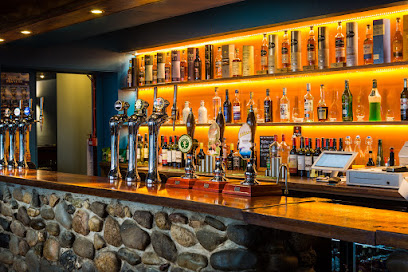
Drift Inn
63.8 km
Discover Drift Inn on the Isle of Arran: a cozy restaurant with a stunning beer garden and delightful local cuisine.
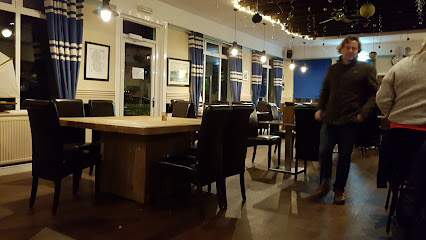
The Shurig
66.7 km
Experience the charm and flavor of The Shurig in Whiting Bay, Isle of Arran, where exquisite grilled dishes meet stunning island views.
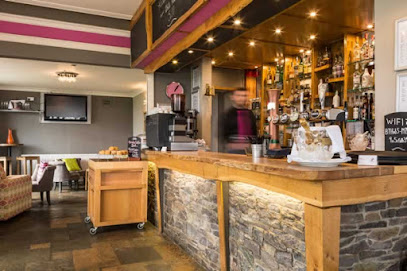
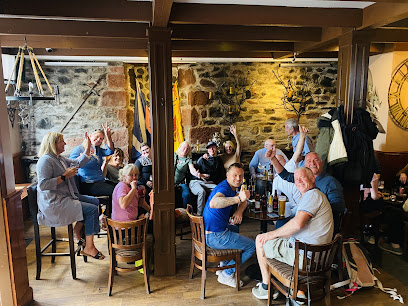
The Islander Bar
70.4 km
Experience the charm of The Islander Bar on the Isle of Bute, where local flavors and stunning harbor views create an unforgettable atmosphere.
For the vibe & atmosphere seeker
- Romantic
- Scenic
- Tranquil
- Unique
For the design and aesthetic lover
- Rustic Designs
- Vintage Styles
For the architecture buff
- Historic
- Landmarks
- Viewpoints
For the view chaser and sunset hunter
- Iconic Views
- Waterfront
- Sunset Spots
For the social media creator & influencer
- Instagrammable
- Photo Spots
- Selfie Spots
For the eco-conscious traveler
- Public-Transport Accessible
- Leave-No-Trace Critical
- Locally Managed
For the kind of experience you’re after
- Cultural Heritage
- Photowalk
- Nature Escape
- Day Trip
- Weekend Getaway
For how adventurous you want the journey to be
- Easy Access
Location Audience
- Family Friendly
- Senior Friendly
- Child Friendly
- Teen Friendly
- Couple Friendly
- Solo Friendly


