
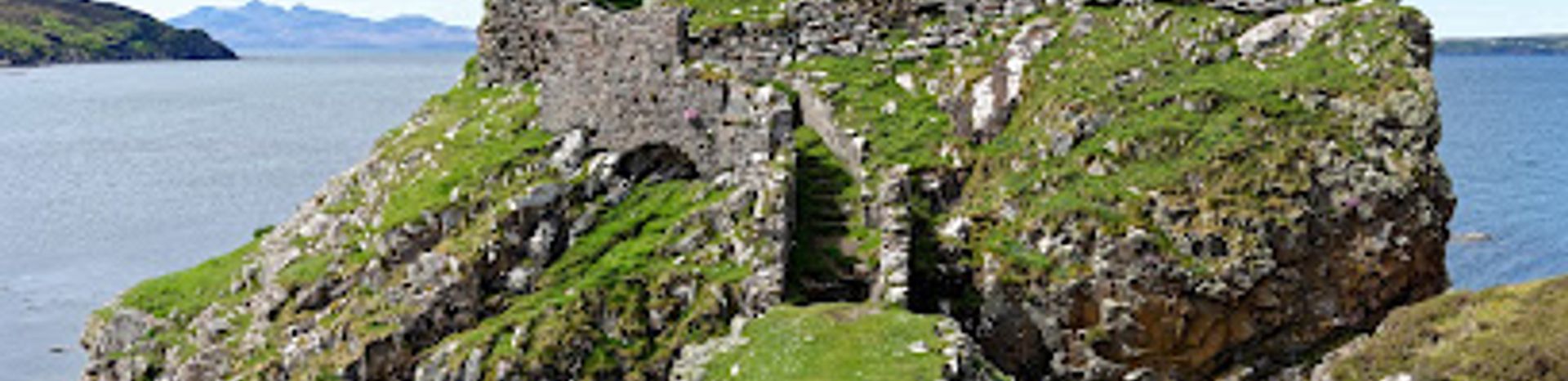
Dunscaith Castle: The Fortress of Shadows on Isle of Skye
Explore the legendary Fortress of Shadows, Dunscaith Castle, where myth and medieval history meet on the wild Isle of Skye coast.
Dunscaith Castle, also known as the Fortress of Shadows, is a dramatic ruined castle perched on a rocky outcrop off the coast of the Isle of Skye, Scotland. Steeped in legend as the home of the warrior maiden Scáthach, it features remnants of thick curtain walls, a drawbridge gap, and a stairway rising from the shore. Once a stronghold of the MacDonald clan, this evocative site offers spectacular coastal views and a glimpse into medieval Scottish history.
A brief summary to Dunscaith Castle
- United Kingdom, Isle of Skye, GB
- Duration: 1 to 2 hours
- Free
-
 Outdoor
- Mobile reception: 3 out of 5
- Monday 12 am-12 am
- Tuesday 12 am-12 am
- Wednesday 12 am-12 am
- Thursday 12 am-12 am
- Friday 12 am-12 am
- Saturday 12 am-12 am
- Sunday 12 am-12 am
Local tips
- Wear sturdy footwear for the coastal path and be cautious near the drawbridge gap, which has a steep drop.
- Visit during daylight hours for the best views and safer access to the castle ruins.
- Bring a camera to capture the dramatic coastal scenery and the atmospheric ruins.
- Parking is limited near the trailhead; arrive early during peak seasons to secure a spot.

For the on-the-go comforts that matter to you
- Restrooms
- Seating Areas
- Information Boards
Getting There
-
Car
Driving from Portree, the Isle of Skye’s main town, takes approximately 45 to 60 minutes via the A87 and A851 roads. Limited free parking is available near the trailhead, but spaces are few, so early arrival is recommended. The final approach involves a 1 km coastal walk to the castle ruins.
-
Bus and Walking
Local bus services run from Portree to Broadford, with stops near Tokavaig village about 3 km from Dunscaith Castle. From there, a 30-minute walk along a coastal path leads to the castle. Check seasonal bus schedules as service frequency varies.
-
Walking
For adventurous walkers staying nearby, a scenic 1 km hike along the coastline from the nearest parking area offers access to the castle. The path is uneven and can be slippery when wet, so suitable footwear and caution are advised.
Dunscaith Castle location weather suitability
-
 Any Weather
-
 Rain / Wet Weather
-
 Clear Skies
-
 Windy Conditions
-
 Mild Temperatures
Discover more about Dunscaith Castle
Legend and Myth Surrounding Dunscaith Castle
Dunscaith Castle, often called the Fortress of Shadows, is famously linked to the legendary Scottish warrior maiden Scáthach. According to Irish mythology, Scáthach was a martial arts teacher who trained the hero Cú Chulainn in combat arts. The castle's Irish name, Dún Scáthaigh, derives from her name, embedding the site deeply in Celtic myth. This blend of legend and history gives the castle a mystical aura that captivates visitors and historians alike.Strategic Location and Architectural Features
The castle is uniquely situated on an offshore rock rising about 12 meters above sea level, separated from the mainland by a 6-meter gap. Originally, this gap was spanned by a stone-walled bridge with arches spaced six feet apart, leading to a drawbridge whose pivot holes remain visible. Beyond the drawbridge, a door opened onto a stairway flanked by walls, ascending to the castle itself. The surviving curtain wall, about 1.5 meters thick, clings to the cliff edge, enclosing a courtyard with a well and the remains of a stairway to a tower. These remnants hint at the castle's formidable medieval defenses.Historical Ownership and Clan Conflicts
Constructed in the 13th century, Dunscaith Castle was initially a Norse stronghold held by the MacAskills, descendants of Viking explorers. In the 14th century, the castle became a contested site between the Clan MacDonald of Sleat and the Clan MacLeod. The MacDonalds eventually reclaimed it in the 15th century. King James IV captured the castle during his campaign against the Lord of the Isles but allowed the MacDonalds to retain possession. The castle was abandoned in the early 17th century, leading to its gradual ruin.Visitor Experience and Surroundings
Today, Dunscaith Castle is accessible via a scenic coastal path and offers visitors a rugged, atmospheric experience. While the castle itself cannot be fully entered due to the missing drawbridge and the dangerous gap, visitors can explore the surrounding area, enjoy spectacular views of Loch Eishort and the coastline, and appreciate the castle’s dramatic silhouette against the sky. The site is free to visit, with limited parking nearby, and is suitable for families and history enthusiasts seeking an authentic Scottish ruin.Preservation and Cultural Significance
Recognized as a scheduled monument, Dunscaith Castle is protected for its historical and cultural value. It stands as a testament to the turbulent history of the Isle of Skye and the fierce clan rivalries that shaped the region. The castle’s association with Scáthach enriches its cultural significance, making it a symbol of strength and legend in Scottish heritage. Efforts to maintain the surrounding landscape help preserve this evocative ruin for future generations.Natural Beauty and Coastal Ambience
Set against the wild and windswept coastline of the Sleat peninsula, Dunscaith Castle is enveloped by natural beauty. The rocky cliffs, crashing waves, and expansive sea views create a tranquil yet dramatic ambience. The location offers excellent opportunities for photography, contemplation, and connecting with Scotland’s rugged landscape and storied past.Iconic landmarks you can’t miss

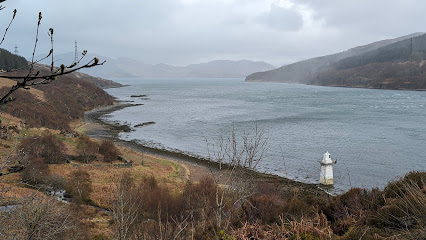
Kylerhea Minor Lighthouse
21.8 km
Historic 19th-century octagonal lighthouse overlooking the narrow Kyle Rhea strait, offering stunning coastal views and maritime heritage on the Isle of Skye.
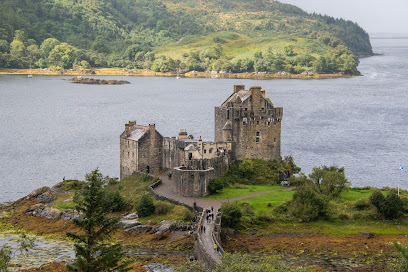
Eilean Donan Castle
31.6 km
Discover Scotland’s most iconic castle set on a tranquil island where history, nature, and legend converge in breathtaking Highland scenery.
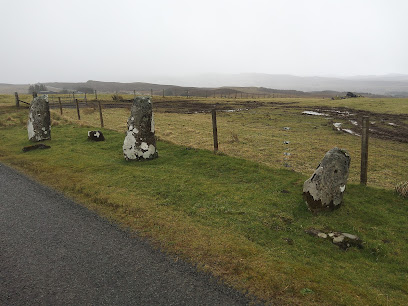
Clachan Erisco Standing stones, Borve, Isle of Skye
38.6 km
Discover the timeless mystery of Clachan Erisco Standing Stones, where ancient history meets Skye’s wild coastal beauty.
Iron age broch
43.5 km
Explore a uniquely Scottish Iron Age broch perched above Portree, revealing ancient stone craftsmanship and commanding views of Skye’s dramatic landscape.
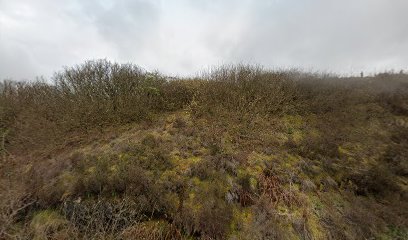
Dun Osdale
49.1 km
Discover Dun Osdale, an ancient Iron Age fort on Skye where history meets faerie legend amidst rugged coastal beauty.
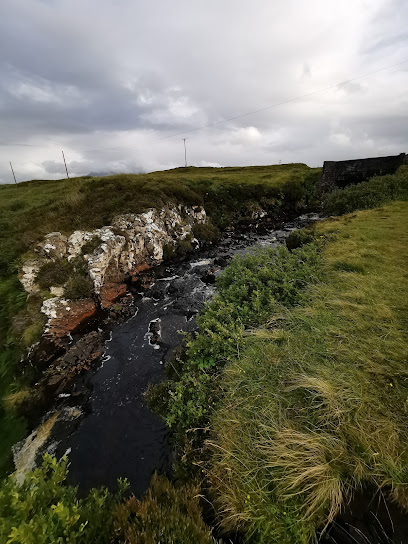
Tobermory Clock Tower
57.4 km
Historic granite clock tower memorializing local heritage, standing proudly by Tobermory’s colourful harbour on the Isle of Mull.
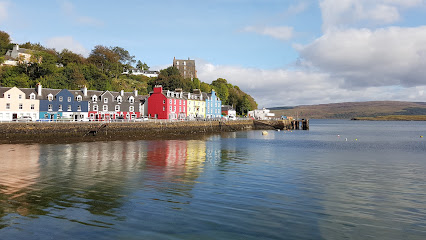
Neist Point Lighthouse
58.3 km
Iconic lighthouse on Skye’s westernmost point, framed by dramatic cliffs and rich wildlife, perfect for stunning coastal views and serene walks.
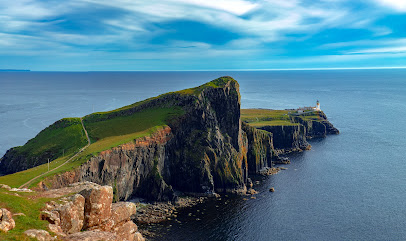
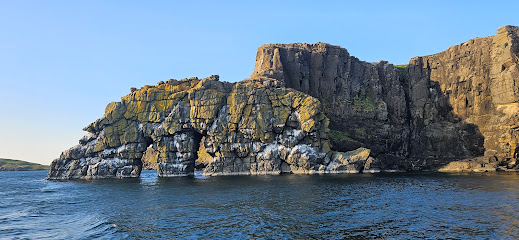
Ardmore Arches
61.1 km
Discover the rugged beauty of Ardmore Arches, striking natural sea arches on Skye’s wild Waternish Peninsula.
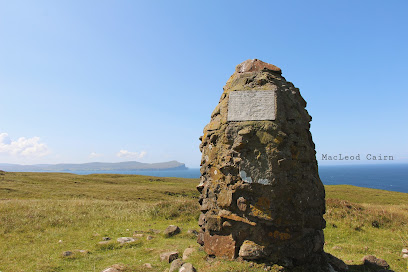
Clan MacLeod Memorial Cairn
62.6 km
A windswept stone cairn on Skye’s east coast, honoring the legacy of Clan MacLeod and their deep roots in the Hebrides.
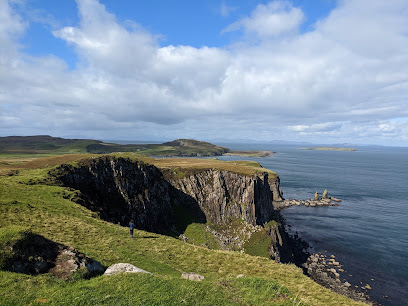
Old Ruins
63.2 km
Discover the haunting Old Ruins near Portree, where ancient history and rugged coastal beauty converge on the Isle of Skye.
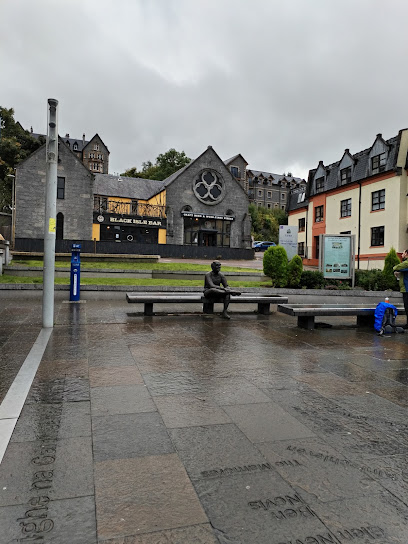
Official end of the West Highland Way
63.2 km
Celebrate the end of Scotland’s iconic West Highland Way in Fort William, where rugged mountains meet vibrant Highland culture.
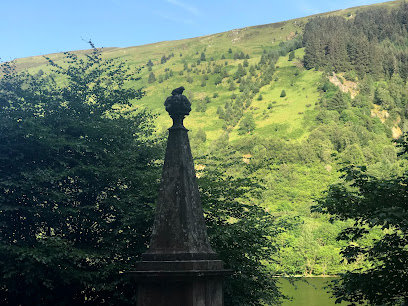
The Well of Seven Heads
71.9 km
Explore the Well of Seven Heads in Spean Bridge: a historical gem rich in folklore, nestled in the stunning landscapes of the Scottish Highlands.
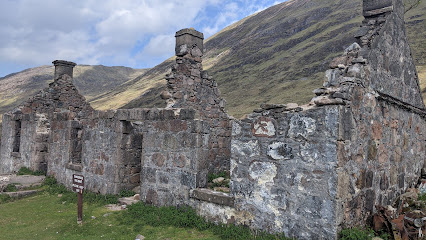
Tigh-na-sleubhaich
72.0 km
Iconic Highland ruin nestled in a remote valley, offering breathtaking views and a glimpse into Scotland’s crofting heritage on the West Highland Way.
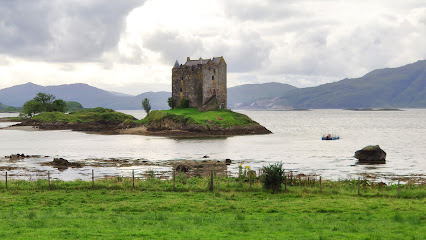
Castle Stalker
72.3 km
Explore Castle Stalker, a stunning 15th-century fortress on a tidal island, offering breathtaking views and a glimpse into Scotland's rich history.
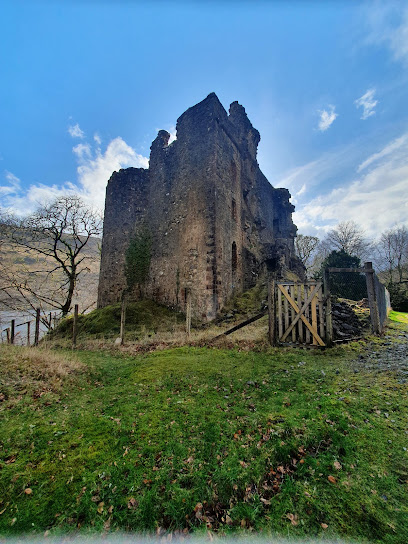
Invergarry Castle
72.6 km
Explore the historic Invergarry Castle, a captivating ruin set in Scotland's stunning Highlands, where history meets breathtaking natural beauty.
Unmissable attractions to see

Spar Cave
5.7 km
Discover Spar Cave’s dazzling calcite formations and legendary tales on Skye’s rugged coast, accessible only at low tide for the adventurous.
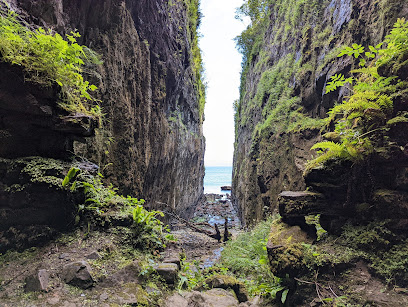
Dun Ringill
6.0 km
Explore Dun Ringill, an ancient Iron Age broch and medieval clan seat perched on Skye’s rugged coastline with stunning sea views and rich history.
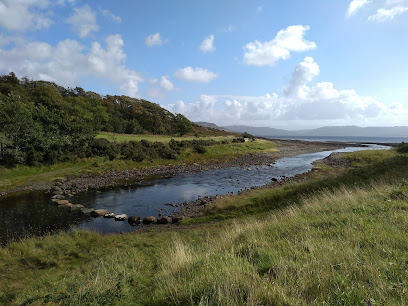
Armadale Castle, Gardens & Museum
8.6 km
Discover the romantic ruins, enchanting gardens, and rich heritage of Clan Donald at Armadale Castle on the Isle of Skye.
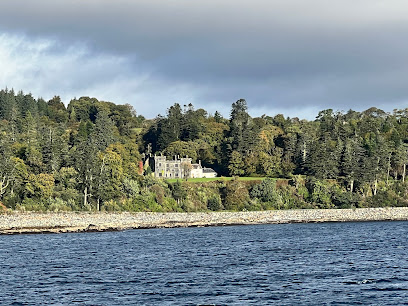
Loch Cill Chriosd
8.7 km
A tranquil freshwater loch cradled in Skye's sacred valley, where golden reeds meet dramatic mountains.
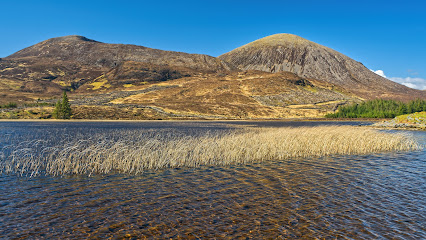
Viewpoint
8.7 km
Serene coastal vistas and castle ruins amid Skye's verdant southern gardens
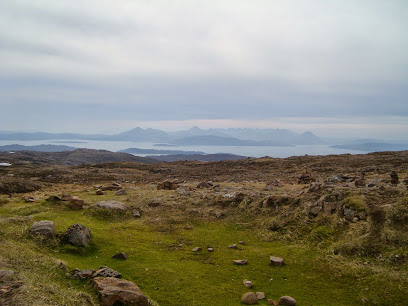
Torrin Pools
9.6 km
Discover the serene Torrin Pools, a tranquil wild swimming spot with stunning waterfalls and mountain views on the Isle of Skye.
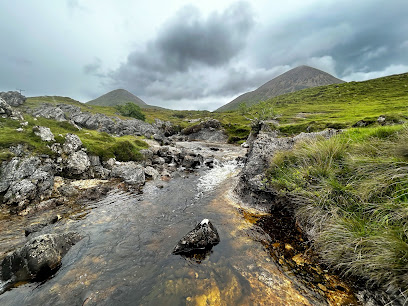
Strath Suardale Chambered Cairn
10.4 km
Explore the ancient Neolithic Strath Suardale Chambered Cairn, a timeless stone tomb nestled in the dramatic volcanic landscapes of the Isle of Skye.
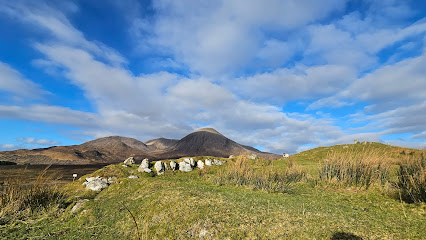
Ben Na Cro
12.4 km
A quiet Red Cuillin peak offering straightforward hillwalking, panoramic views, and genuine Highland solitude.
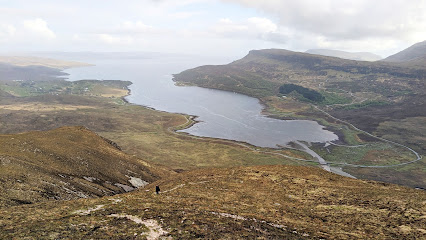
Camas Daraich, Aird of Sleat, Skye
12.6 km
Discover the tranquil white sands and turquoise waters of Camas Daraich, a secluded beach gem at Skye’s southern tip.
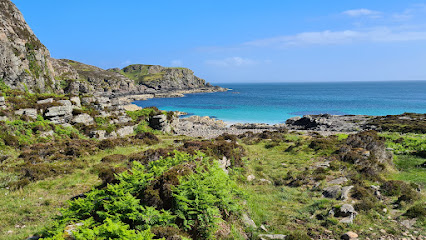
Leitir Fura
14.1 km
A tranquil woodland walk through Skye's hidden forest, where nature has reclaimed a lost Highland settlement.
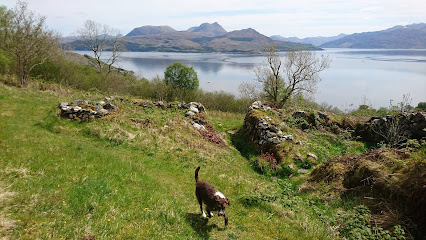
View point LOCH AINORT
16.5 km
Discover breathtaking views of Loch Ainort and the Red Cuillin Mountains from this serene Isle of Skye viewpoint.
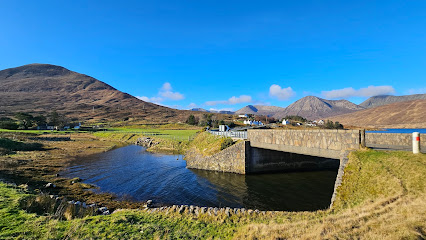
Coire Lagan, Isle of Skye
17.4 km
Discover Coire Lagan, a breathtaking glacial corrie nestled in the heart of the Cuillin mountains on the Isle of Skye, where rugged peaks embrace a tranquil lochan.
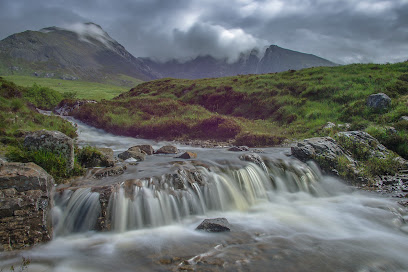
Glenbrittle
20.6 km
Glenbrittle offers rugged mountain beauty and tranquil coastal charm at the foot of Skye’s iconic Cuillin Ridge.
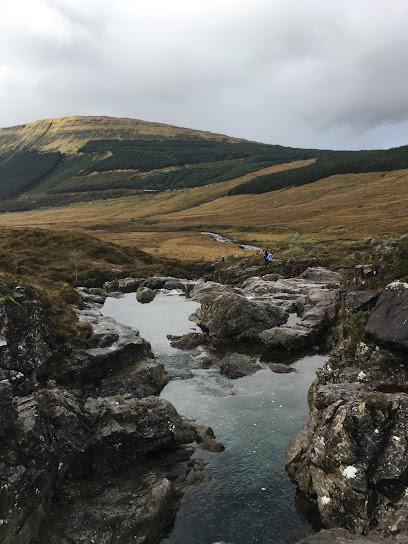
Sligachan Old Bridge
20.8 km
Historic 19th-century stone bridge with stunning Cuillin mountain views and legendary enchanted waters on the Isle of Skye.
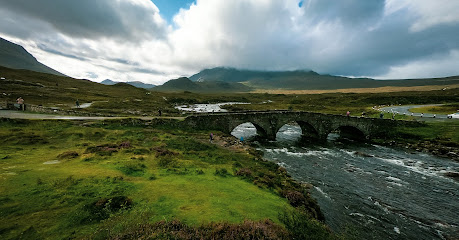
Glen Brittle Waterfalls
21.0 km
Turquoise pools and dramatic cascades beneath the Black Cuillin—Scotland's most enchanting mountain waterfalls.
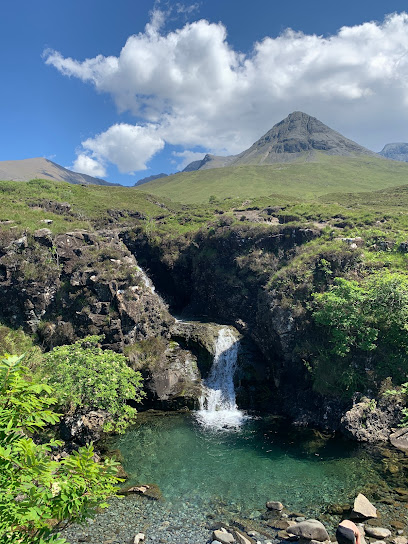
Essential places to dine

The Shed
9.4 km
Enjoy hearty, fresh seafood and iconic fish and chips in a relaxed setting on the scenic Isle of Skye’s A851 route.
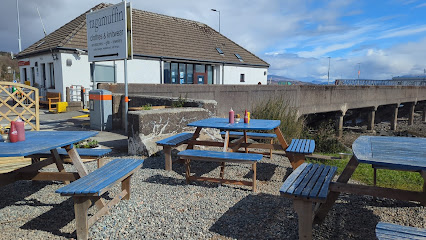
Restaurant at the Duisdale
10.7 km
Elegant dining on Skye’s southeast coast offering fresh local fare with stunning Sound of Sleat views in a nautical-chic setting.
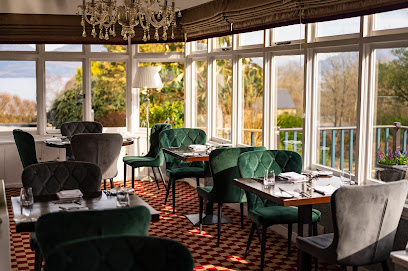
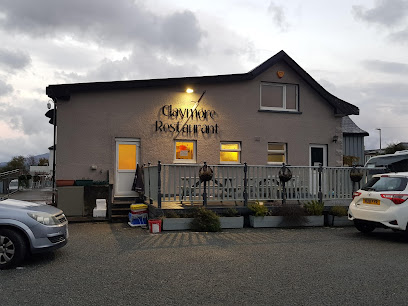
Claymore Restaurant
12.3 km
Cozy seafood dining with fresh local catches and warm hospitality in Broadford, Isle of Skye’s charming coastal village.
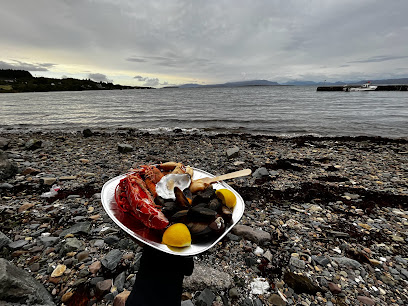
The Shellfish Shack
12.3 km
Fresh, locally caught shellfish served with friendly smiles in a charming coastal shack on the Isle of Skye.
Cafe Sia & Siaway
12.4 km
Charming island café serving fresh pizzas and quality coffee in a relaxed, friendly setting on the Isle of Skye.
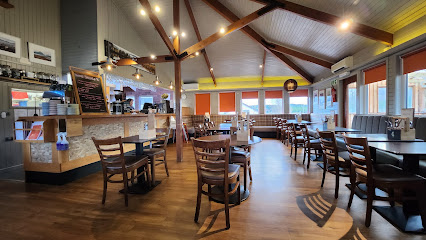
Red Skye Restaurant
13.9 km
Authentic Scottish flavors and warm hospitality in a cozy, rustic setting on the stunning Isle of Skye.
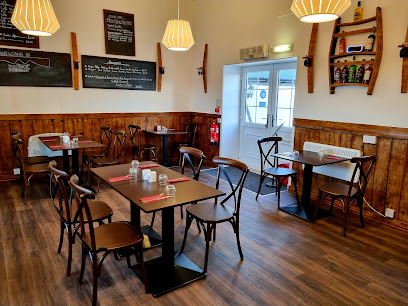
North Harbour Bistro and Tearoom
16.6 km
Exceptional seafood dining with stunning harbour views on the tranquil Isle of Scalpay, blending local flavors and warm hospitality.

The Chlachain Inn
17.1 km
Authentic Scottish inn and seafood restaurant offering warm hospitality and cozy rooms in the heart of Mallaig’s fishing village.
Taste of India, Kyleakin
20.3 km
Experience authentic Indian cuisine with fresh flavors and warm hospitality in the scenic village of Kyleakin on the Isle of Skye.
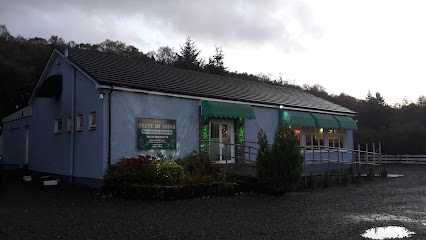
Seumas' Bar
20.9 km
Experience authentic Scottish cuisine at Seumas' Bar on the Isle of Skye—where local flavors meet stunning views.
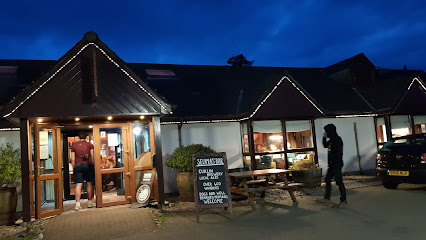
The Legend of Saucy Mary Restaurant
21.1 km
Charming British dining with panoramic Skye Bridge views in Kyleakin’s historic heart, blending local flavors and cozy ambiance.
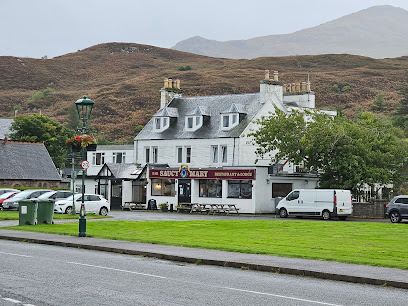
Castle Moil Restaurant
21.3 km
Waterside Scottish dining with fresh seafood, warm hospitality, and views of the iconic Skye Bridge.
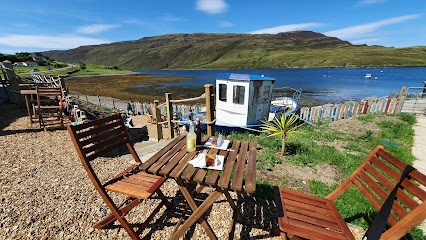
The Noost
21.3 km
Charming waterside takeaway café in Sconser offering superb coffee, homemade cakes, and scenic outdoor seating by the Raasay ferry terminal.
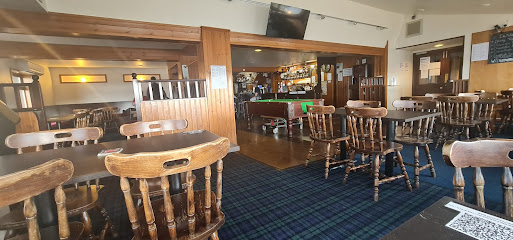
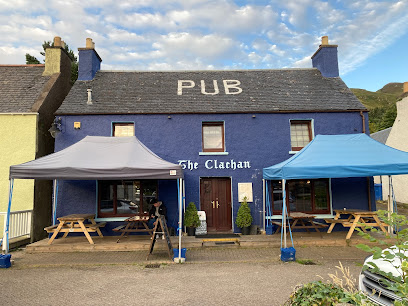
The Clachan
31.9 km
Experience authentic Highland hospitality with traditional Scottish fare, local ales, and lively music in the heart of Dornie village.
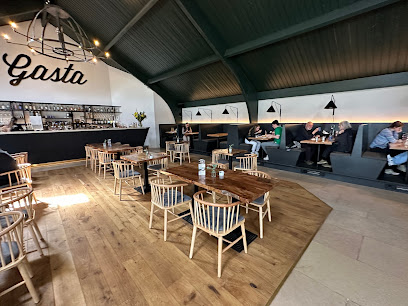
Gasta Port Righ
32.5 km
A vibrant pizzeria and artisan candle hub blending local flavors, crafts, and culture in the heart of Portree on the Isle of Skye.
Markets, malls and hidden boutiques

Jazz Buchanan Creations
7.6 km
Discover stylish Scottish art and unique gifts inspired by the Isle of Skye’s stunning landscapes at Jazz Buchanan Creations in Elgol.
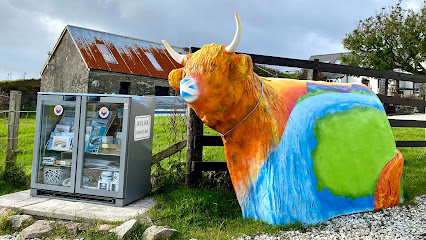
Isle of Skye Leather Co.
9.4 km
Discover exquisite handmade Scottish leather goods crafted with centuries-old tradition on the Isle of Skye.
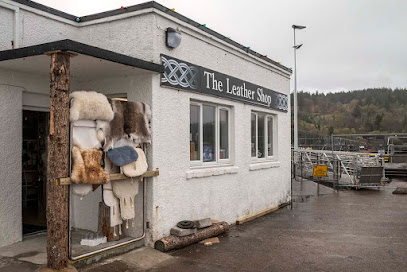
scottishquality.com
10.7 km
Explore the enchanting Isle of Skye gift shop, where local crafts and unique treasures await to tell the story of Scotland's rich heritage.
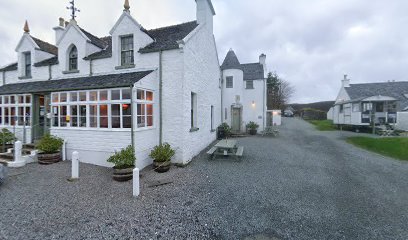
Floraidh Skye
10.7 km
Discover exquisite Scottish textiles and local crafts in a charming pier-side boutique on the scenic Isle of Skye.
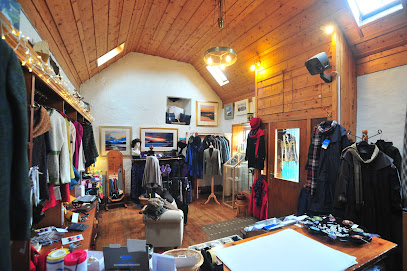
Skye Smithy
11.9 km
Discover authentic local craftsmanship and unique gifts at Skye Smithy, a charming artisan shop nestled in the tranquil beauty of the Isle of Skye.
Buzy Vee
12.3 km
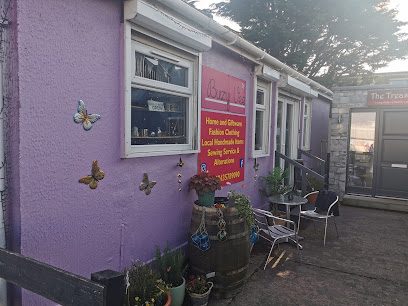
Discover authentic Scottish crafts and quality sewing supplies in Broadford’s welcoming Buzy Vee gift shop.
The Blue Skye gift co.
12.4 km
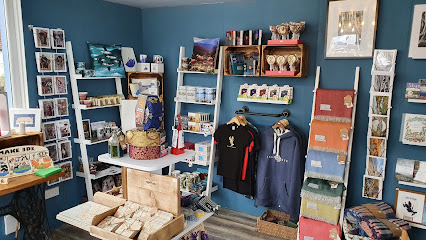
Discover authentic Scottish gifts and enjoy great coffee in the heart of Broadford, Isle of Skye’s charming local treasure.
The Skye Gift Company
12.4 km
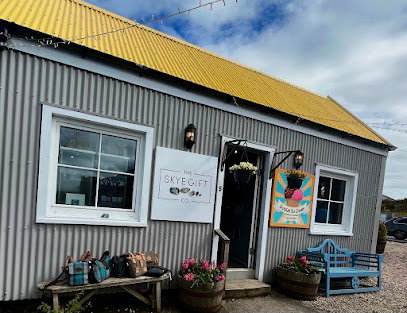
A charming independent gift shop in Broadford, showcasing the best of Skye’s crafts, food and souvenirs in a relaxed, welcoming setting.
The Treasure Hut
12.4 km
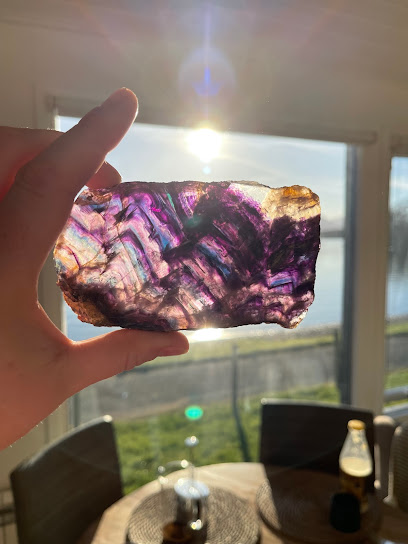
Discover unique gemstones, fossils, and handcrafted treasures at The Treasure Hut in Broadford Market Square, Isle of Skye’s premier gift shop.
Skye Antiques
12.4 km
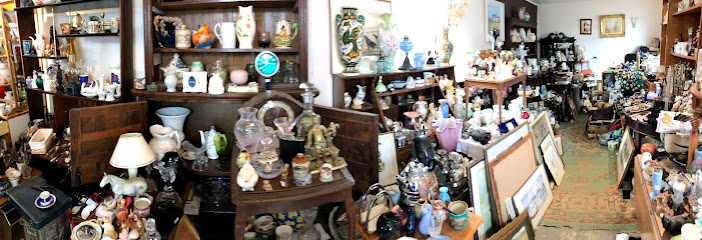
Explore timeless antiques and local heritage treasures in the cozy charm of Skye Antiques, Broadford’s beloved collectible shop.
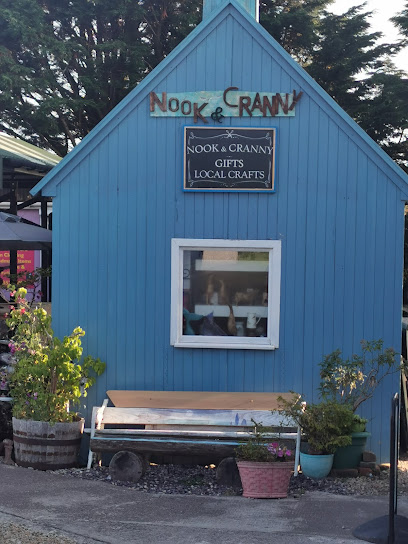
Nook & Cranny
12.4 km
Discover handcrafted treasures and unique local artistry at Nook & Cranny, Broadford’s cozy gift shop on the Isle of Skye.
The Kraft Kabin Skye
14.4 km
Discover the creativity of local artisans at The Kraft Kabin Skye, a charming craft shop in Breakish offering unique handmade treasures.
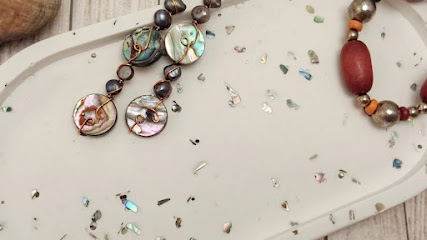
Isle of Skye Aromatics
27.1 km
Discover authentic Highland scents and handmade gifts at Isle of Skye Aromatics in charming Carbost.

Carbost Community Shop
29.1 km
A welcoming community-run shop offering local and vegan delights in the heart of Carbost, Isle of Skye’s charming village life.
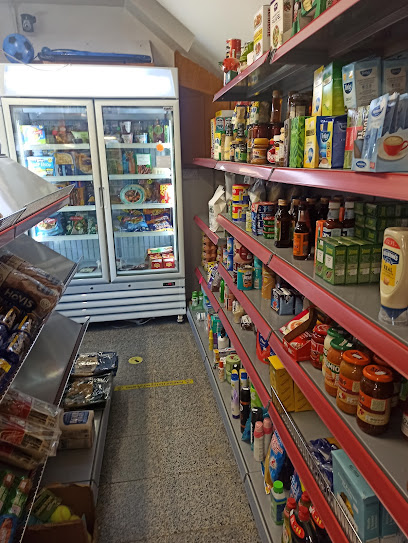
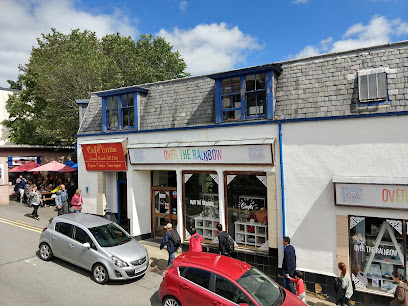
Isle of Skye Crafts @ Over the Rainbow
33.3 km
Discover authentic Isle of Skye crafts and unique handmade treasures in the heart of Portree’s vibrant harbour town.
Essential bars & hidden hideouts

Macnamara & Bothin Bar
9.5 km
A cozy bar in Ardvasar offering local whiskies, stunning Isle of Skye views, and warm Scottish hospitality in a rustic setting.
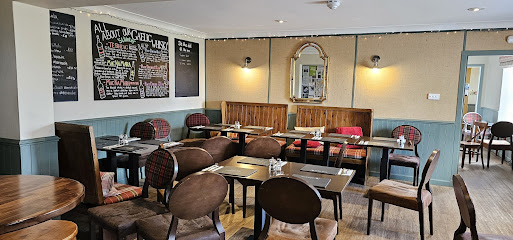
Bar Am Praban
10.7 km
Cozy up with hearty Highland fare and fresh seafood in a welcoming pub setting on the scenic Isle of Skye.
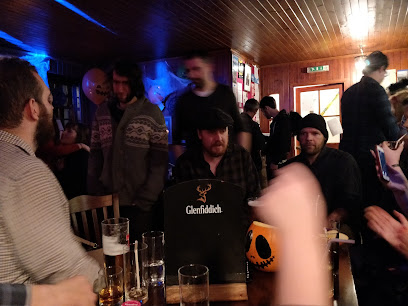
Gabbro Bar
12.3 km
A cozy, dog-friendly local pub in Broadford serving Skye-inspired drinks, hearty snacks, and lively entertainment in a welcoming atmosphere.
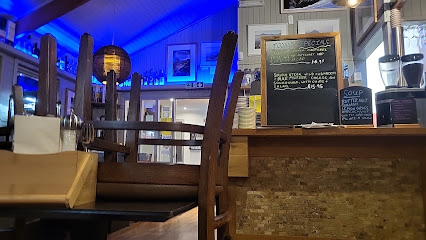
The King Haakon Bar
21.3 km
A lively Scottish pub in Kyleakin offering fresh seafood, malt whiskies, live traditional music, and stunning views of the Skye Bridge.
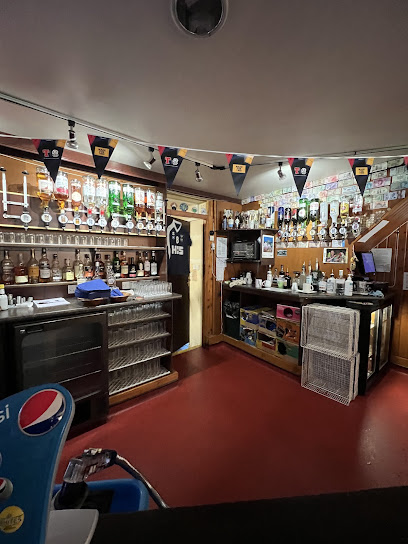
The Old Inn & Waterfront Bunkhouse
29.2 km
Charming Scottish inn with stunning Loch Harport views, local cuisine, live traditional music, and cozy accommodation on the Isle of Skye.
The Auld Bridge Inn
30.1 km
A cozy Highland bar on Skye offering local drinks and scenic views, perfect for relaxing after exploring the island’s stunning landscapes.
An Talla Mòr Eighteen Twenty
33.3 km
Historic church-turned-pub in Portree offering local ales, live music, and authentic Scottish hospitality in a charming, lively setting.
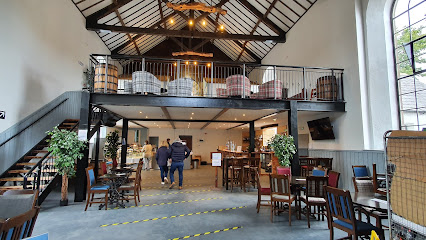
The Bar at Scorrybreac
33.4 km
An intimate cocktail and whisky bar with stunning Portree Harbour views, blending classic recipes with Hebridean flavors on the Isle of Skye.
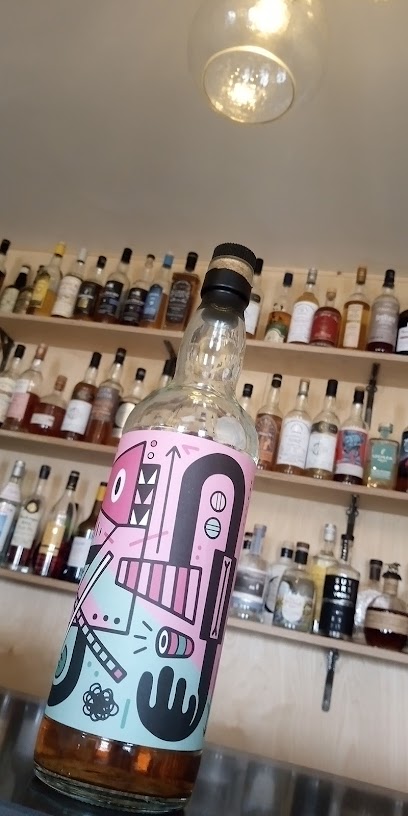
Merchant Bar
33.4 km
Experience authentic Isle of Skye hospitality with local ales, fine whiskies, and hearty Highland fare in the cozy Merchant Bar of Portree.
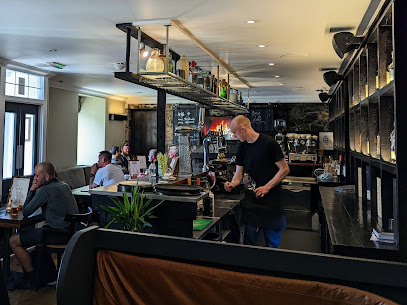
West Highlands Bar
33.4 km
Cozy Highland pub in Portree offering local whiskies, Isle of Skye brews, live music, and a warm, inviting atmosphere year-round.
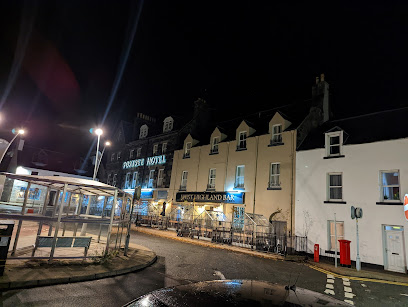
The Isles Inn
33.5 km
A lively traditional pub and cozy inn in Portree, offering hearty Scottish fare, live folk music, and comfortable rooms in the heart of Isle of Skye.
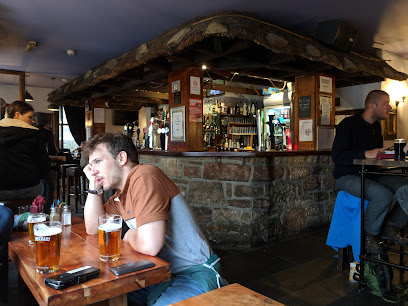
Rockvilla Hotel, Rooms, Restaurant & Bar - Lochcarron - NC500 Route
41.8 km
Charming Highland guest house with stunning loch views, excellent local cuisine, and warm hospitality on the NC500 route.
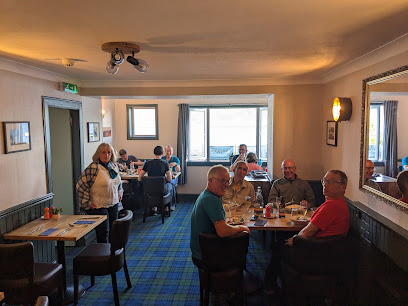
Nanny's
46.9 km
Cozy cafe in Shieldaig serving homemade soups, local seafood, and fresh coffee in a charming Highland village setting.
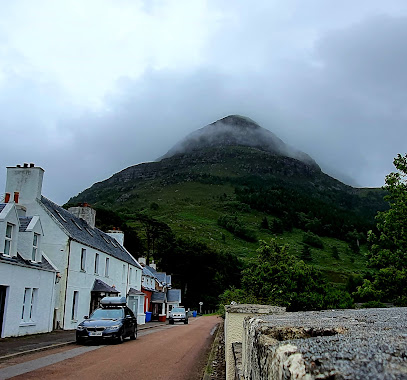
Beinn Bar
51.2 km
Cozy up with Scotland’s finest whiskies, ales, and gins in a historic Highland bar nestled within The Torridon estate.
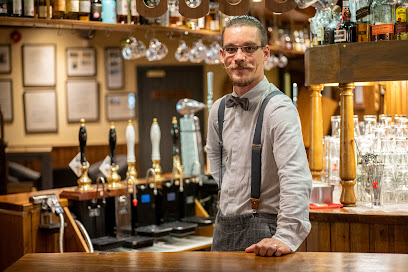
The Stein Inn
55.3 km
Historic pub and hotel on Skye offering fresh seafood, cozy rooms, and stunning Loch Bay views in a charming coastal village.
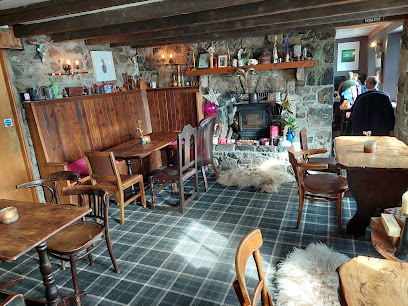
Nightclubs & after hour spots

Skye Camanachd Social Club
33.9 km
Experience the vibrant social heartbeat of Portree at Skye Camanachd Social Club, where tradition meets lively nightlife on the Isle of Skye.
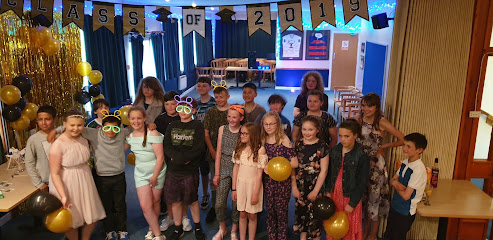
Roobarb
63.2 km
Experience Fort William’s vibrant nightlife at Roobarb, the welcoming nightclub where music and dancing light up weekend nights.
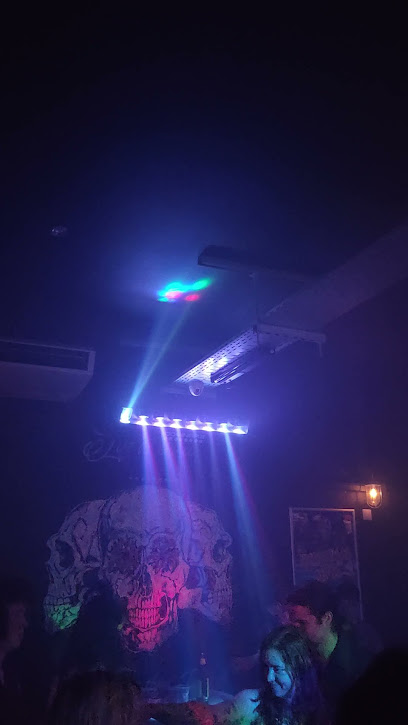
Isle of Mull Rugby Club
71.9 km
Discover the Isle of Mull Rugby Club: A vibrant community hub where sports and local culture come together amidst stunning Scottish scenery.
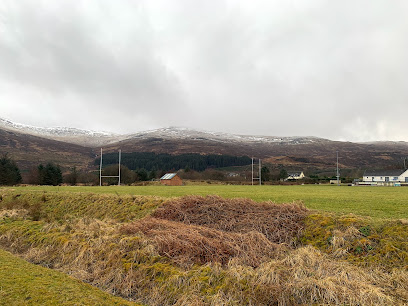
Number 5
92.7 km
Charming stone cottage hostel with sea views, cozy fires, kayak rentals, and warm hospitality on the scenic Isle of Harris.
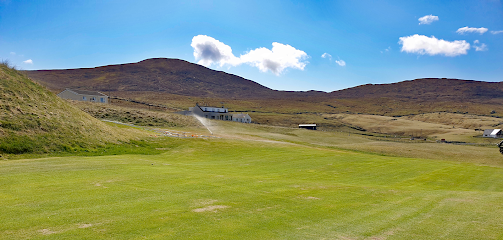
The Isle of Harris Golf Club
100.0 km
Discover the beauty of The Isle of Harris Golf Club, where stunning landscapes meet unforgettable golfing experiences in the heart of the Hebrides.
For the vibe & atmosphere seeker
- Scenic
- Tranquil
- Unique
- Quirky
- Relaxing
For the design and aesthetic lover
- Rustic Designs
- Vintage Styles
For the architecture buff
- Historic
- Landmarks
For the view chaser and sunset hunter
- Iconic Views
- Waterfront
- Sunset Spots
For the social media creator & influencer
- Instagrammable
- Photo Spots
- Selfie Spots
For the eco-conscious traveler
- Protected Area
- Public-Transport Accessible
- Leave-No-Trace Critical
- Locally Managed
For the kind of experience you’re after
- Cultural Heritage
- Myth & Legends
- Photowalk
- Nature Escape
- Day Trip
For how adventurous you want the journey to be
- Easy Access
- Requires Hike
Location Audience
- Family Friendly
- Senior Friendly
- Child Friendly
- Teen Friendly
- Solo Friendly
- Couple Friendly
- Vegetarian Friendly
- Vegan Friendly


