
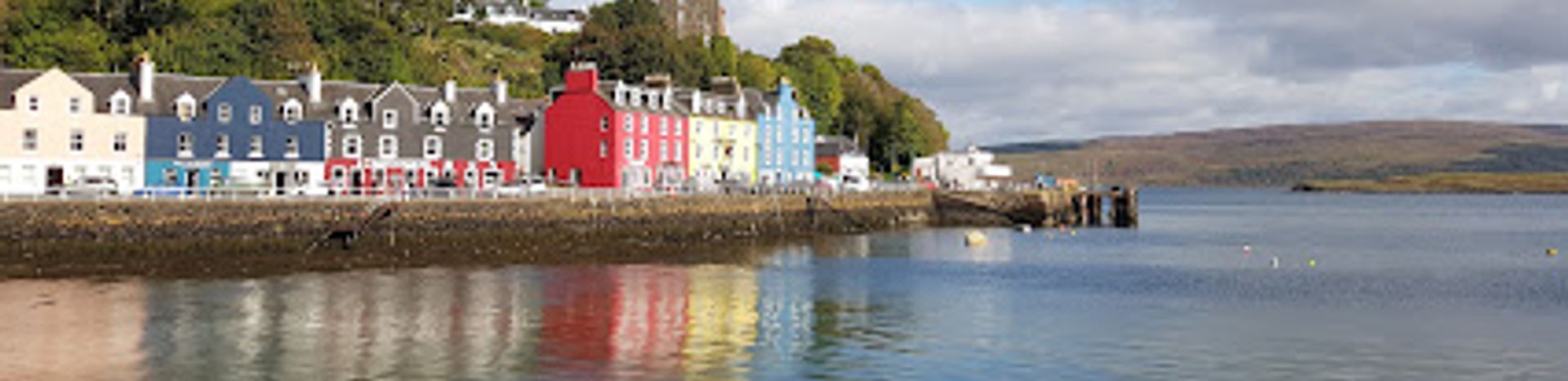
Tobermory Clock Tower: A Maritime Memorial in the Heart of Mull's Harbour
Historic granite clock tower memorializing local heritage, standing proudly by Tobermory’s colourful harbour on the Isle of Mull.
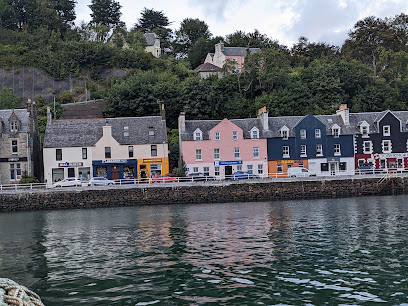
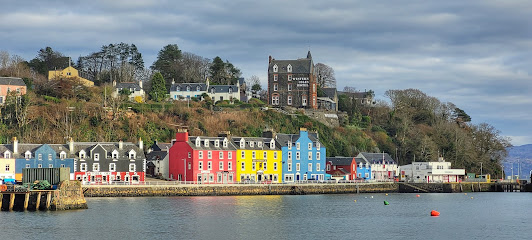
The Tobermory Clock Tower, erected in 1880 as a memorial to Henrietta Amelia Bird, stands prominently on Main Street by the harbour in Tobermory, Isle of Mull. This granite tower not only marks time but also symbolizes the town’s rich maritime heritage and community spirit. Situated amidst the colourful waterfront buildings of Tobermory, it is a distinctive historic landmark reflecting the town’s evolution from a planned fishing village into a vibrant cultural hub.
A brief summary to Tobermory Clock Tower
- Main St, Isle of Mull, Tobermory, GB
- Duration: 0.25 to 1 hours
- Free
-
 Outdoor
- Mobile reception: 4 out of 5
Local tips
- Visit during daylight hours to fully appreciate the clock tower’s granite details and the vibrant colours of the surrounding harbour buildings.
- Combine your visit with a stroll along Tobermory’s Main Street to explore local shops, galleries, and cafes.
- Learn about Tobermory’s maritime history at the nearby Mull Museum to deepen your understanding of the clock tower’s significance.
- Capture photos of the clock tower framed by the colourful waterfront, especially in soft morning or late afternoon light.

For the on-the-go comforts that matter to you
- Seating Areas
- Information Boards
Getting There
-
Car
Driving from Craignure ferry terminal to Tobermory takes approximately 35 to 45 minutes along single-track roads with passing places. Parking near the harbour is limited and may require a short walk. No parking fees typically apply.
-
Bus
Local bus services connect Tobermory with Craignure and other parts of Mull, with travel times around 45 to 60 minutes. Buses run several times daily but less frequently on weekends. Tickets cost approximately £5 to £7 one way.
-
Ferry and Walk
Visitors arriving by ferry from Kilchoan to Tobermory can disembark and walk approximately 10 minutes along gentle terrain to reach the clock tower area. The ferry crossing takes about 30 minutes and costs around £10 to £15 per passenger.
Tobermory Clock Tower location weather suitability
-
 Any Weather
-
 Rain / Wet Weather
-
 Clear Skies
-
 Mild Temperatures
-
 Windy Conditions
Discover more about Tobermory Clock Tower
Memorial Origins and Historical Significance
The Tobermory Clock Tower was built in 1880 as a heartfelt memorial by one sister to another, Henrietta Amelia Bird, who tragically died of typhoid in the town. Crafted from granite, the tower stands as a lasting tribute to personal loss and community remembrance. Its presence on the harbourfront is a reminder of the close-knit nature of Tobermory’s residents and their connection to the sea and local history.Architectural Presence in Tobermory’s Harbour
Positioned on Main Street, the clock tower anchors the bustling harbour area of Tobermory, a town famed for its brightly painted buildings and scenic waterfront. The tower’s granite construction contrasts with the vibrant colours of the surrounding shops and homes, creating a striking visual landmark. It complements the planned layout of Tobermory, which was designed in the late 18th century by engineer Thomas Telford, featuring a neat grid pattern and a harbour developed for fishing and trade.Tobermory’s Maritime and Economic Roots
Tobermory originated as a fishing port established by the British Fisheries Society in 1788, designed to foster a skilled fishing community. Although fishing success was limited, the harbour infrastructure, including the pier near the clock tower, played a vital role in salt landing and fish curing for export. The town later thrived on kelp harvesting before tourism flourished, especially after Queen Victoria’s visit in 1847. The clock tower stands as a symbol of this maritime heritage and economic transition.Community and Cultural Context
Beyond its function as a timekeeper, the clock tower embodies Tobermory’s identity as the Isle of Mull’s capital and cultural centre. The town hosts a variety of shops, galleries, and events, with the harbour area serving as a focal point for locals and visitors alike. The tower’s location near other attractions such as the Mull Museum and Tobermory Distillery enriches its significance within the community’s daily life and tourism experience.Visual and Experiential Appeal
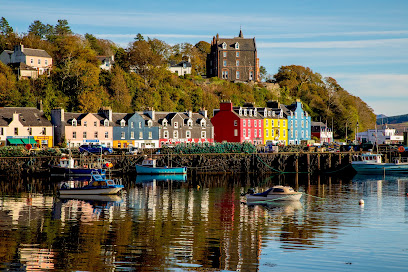
Visitors to the Tobermory Clock Tower enjoy panoramic views of the sheltered harbour, framed by the colourful waterfront and the surrounding hills. The tower’s granite façade adds a historic texture to the vibrant scene, inviting reflection on the town’s layered past. Its proximity to the pier and busy harbour activities enhances the sensory experience of the location, blending history, architecture, and maritime life.Legacy and Preservation
The clock tower remains an enduring symbol of Tobermory’s heritage, preserved as a historical landmark that connects present-day visitors with the town’s 19th-century origins and stories. It continues to mark time for the community while standing as a testament to personal memory and the maritime spirit that shaped the Isle of Mull.Iconic landmarks you can’t miss

Tobermory Clock Tower
0.0 km
Historic granite clock tower memorializing local heritage, standing proudly by Tobermory’s colourful harbour on the Isle of Mull.
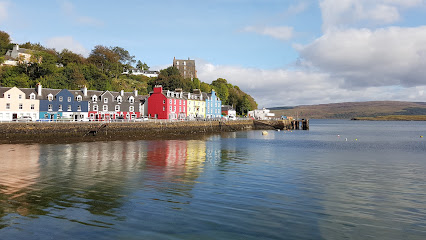
Barcaldine Castle
42.7 km
Experience the haunting beauty and rich history of Barcaldine Castle, a 17th-century Scottish fortress overlooking Loch Creran.
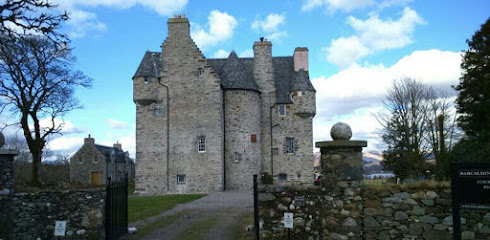
St John's Scottish Episcopal Cathedral : Oban
43.1 km
An unfinished masterpiece where Gothic ambition meets industrial-age engineering in Scotland's most unusual cathedral.
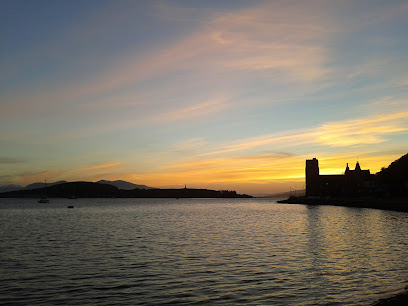
McCaig's Tower & Battery Hill
43.4 km
Explore Oban’s iconic McCaig's Tower, a Colosseum-inspired folly with stunning views and tranquil gardens atop Battery Hill.

Dunscaith Castle
57.4 km
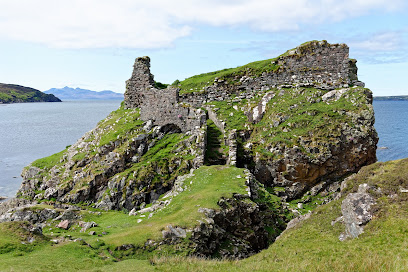
Discover the rich history and stunning views at Dunscaith Castle, a must-see landmark on the beautiful Isle of Skye in Scotland.
Barnhill
61.4 km
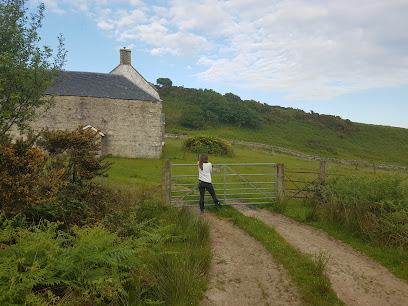
George Orwell's remote Hebridean sanctuary where Nineteen Eighty-Four was born.
Official end of the West Highland Way
62.1 km
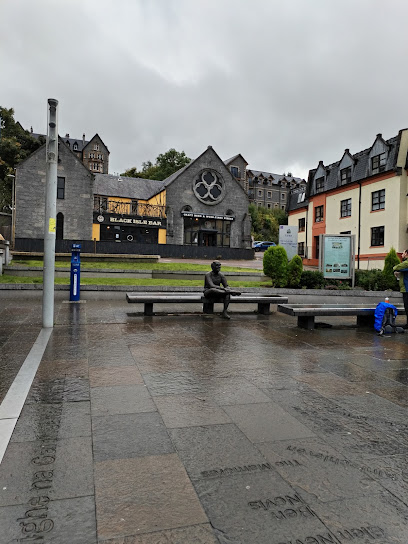
Celebrate the end of Scotland’s iconic West Highland Way in Fort William, where rugged mountains meet vibrant Highland culture.
Tigh-na-sleubhaich
63.5 km
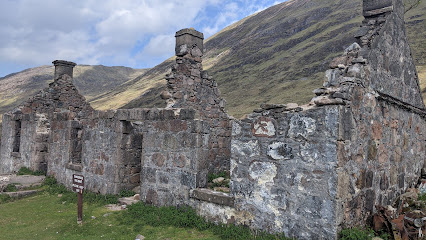
Iconic Highland ruin nestled in a remote valley, offering breathtaking views and a glimpse into Scotland’s crofting heritage on the West Highland Way.
Kilmartin Museum
65.1 km
Discover 12,000 years of history at Kilmartin Museum, where ancient artefacts meet the stunning prehistoric landscape of Kilmartin Glen.
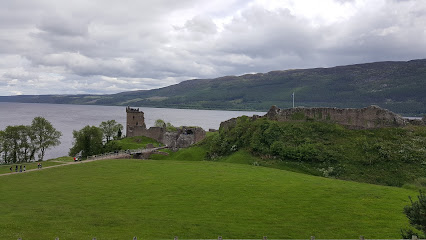
Nether Largie Mid Cairn
65.4 km
Bronze Age burial cairn at the heart of Scotland's most significant prehistoric landscape, carved with rare axehead symbols.
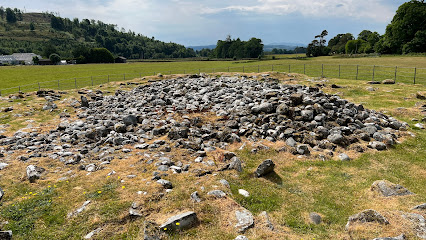
Nether Largie South Cairn
65.7 km
Explore the ancient mysteries of Nether Largie South Cairn, a captivating historical landmark in Lochgilphead, Scotland, surrounded by breathtaking landscapes.
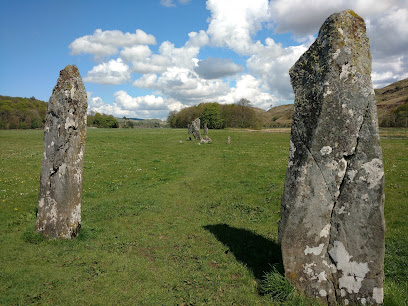
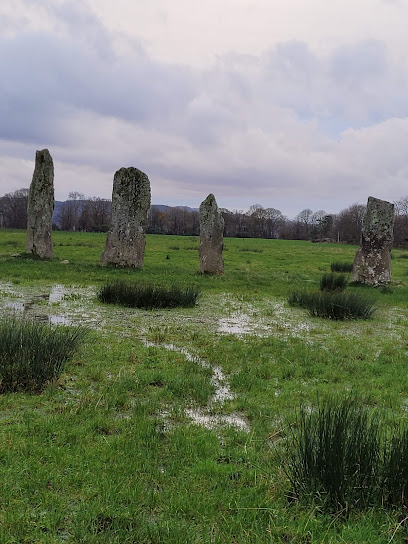
Nether Largie Standing Stones
65.9 km
Discover the ancient allure of Nether Largie Standing Stones, a remarkable historical landmark and hiking area nestled in the stunning landscape of Argyll, Scotland.
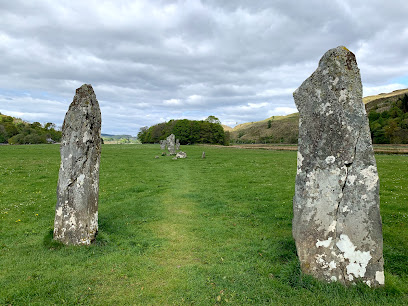
Dunchraigaig Cairn
66.9 km
Explore the ancient Dunchraigaig Cairn, a historical landmark steeped in mystery and surrounded by breathtaking landscapes in Kilmartin Glen.
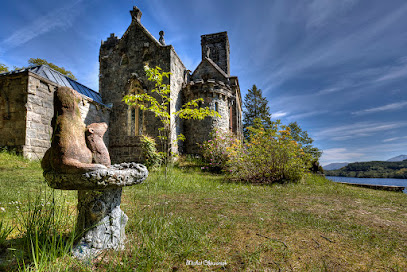
St Conan’s Kirk
67.2 km
Discover St Conan’s Kirk, a unique architectural gem blending styles and history on the tranquil shores of Loch Awe.
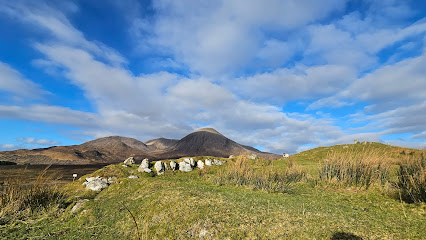
Strath Suardale Chambered Cairn
67.7 km
Discover the ancient Strath Suardale Chambered Cairn on the Isle of Skye, a captivating glimpse into Scotland's Neolithic past amidst stunning landscapes.
Unmissable attractions to see

The Mull Museum
0.1 km
Discover the Isle of Mull’s rich history through engaging exhibits in a charming volunteer-run museum in Tobermory’s heart.
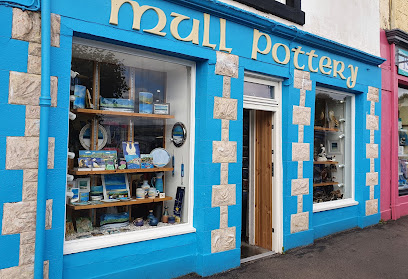
Mull Pottery
0.1 km
Discover timeless handmade ceramics inspired by the Isle of Mull’s landscapes at Mull Pottery in Tobermory.
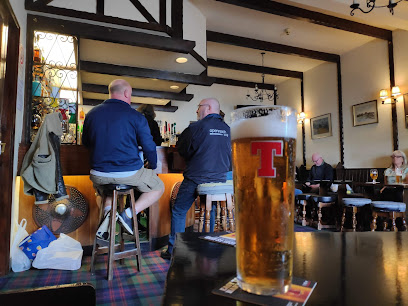
MacDonald Arms Hotel
0.1 km
Historic pub on Tobermory’s Main Street offering hearty Scottish fare, warm hospitality, and a cozy island atmosphere.
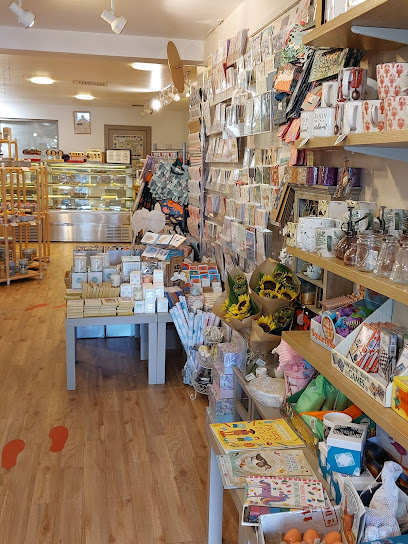
Tobermory Chocolate
0.2 km
Family-run artisan chocolate shop and café on Tobermory’s Main Street, offering handmade chocolates and scenic harbour views year-round.
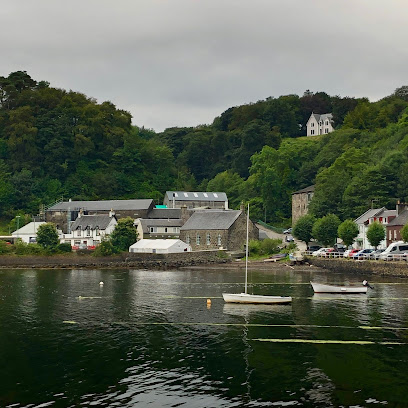
Tobermory Distillery Visitor Centre
0.3 km
Explore Scotland’s oldest Isle of Mull distillery, where tradition and island spirit craft two unique single malts in a vibrant harbour setting.
Kilchoan - Tobermory Ferry
0.6 km
A scenic 35-minute ferry crossing linking remote Ardnamurchan with the colourful harbour town of Tobermory on the Isle of Mull.
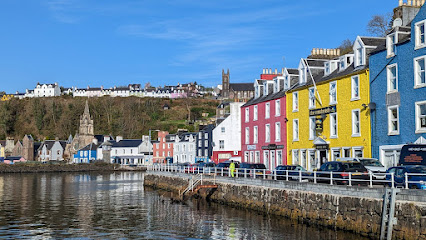
Island Blue Gallery
0.9 km
Discover contemporary Scottish art and unique handcrafted gifts in a welcoming gallery and café near Tobermory on the Isle of Mull.
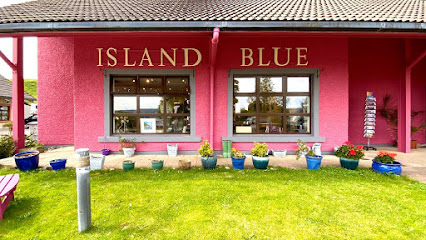
Isle of Mull Cheese and Spirit
1.3 km
Discover the award-winning Isle of Mull cheese and spirit at Sgriob-ruadh Farm’s charming Glass Barn café and shop, where tradition meets sustainability.
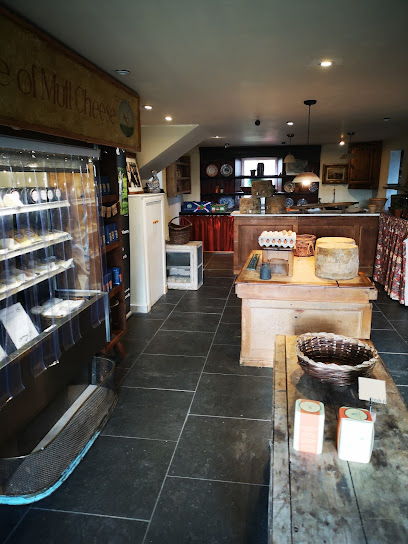
Memorial to Robert John Brown
1.6 km
Explore the Memorial to Robert John Brown in Tobermory: A historic landmark offering stunning views and a glimpse into the island's rich heritage.
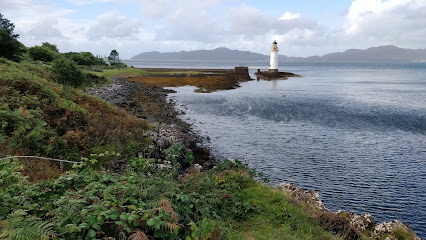
Aros Park
1.7 km
Explore enchanting woodland trails, waterfalls, and panoramic views just outside Tobermory in the serene Aros Park on the Isle of Mull.
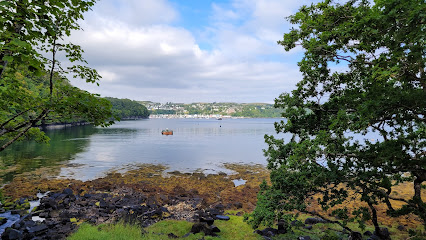
Tobermory Lighthouse
1.8 km
Discover the stunning Tobermory Lighthouse on the Isle of Mull, a historic beacon offering breathtaking views and rich maritime heritage.
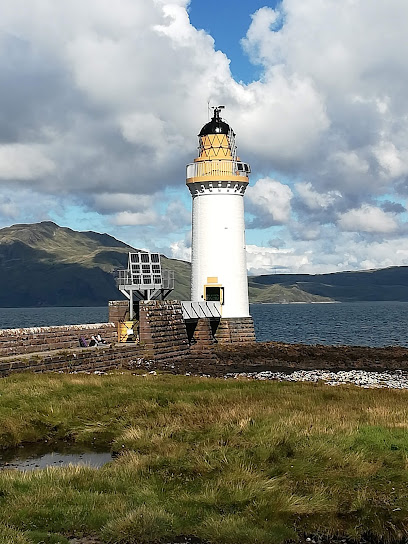
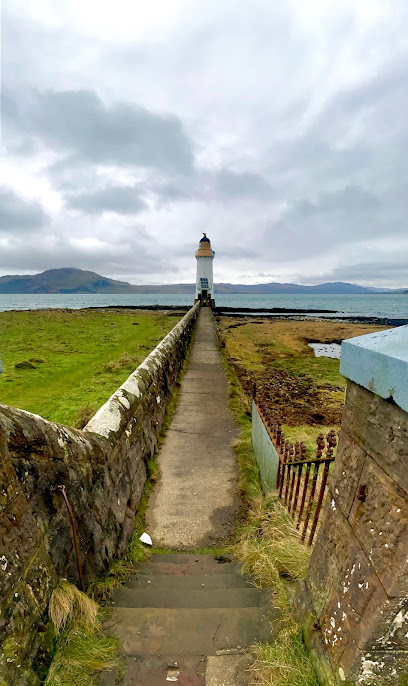
Rubha nan Gall Lighthouse
1.8 km
Historic 1857 lighthouse on a scenic islet north of Tobermory, offering stunning coastal views and rich maritime heritage on the Isle of Mull.
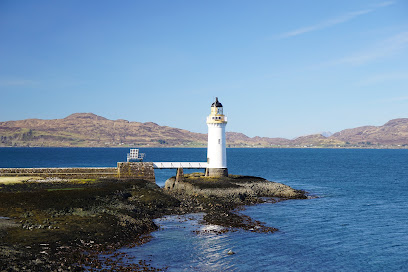
Aros Waterfall
2.1 km
Discover the enchanting Aros Waterfall and serene woodland trails just outside Tobermory on the Isle of Mull.
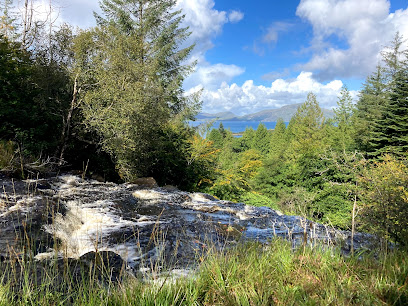
Ardmore Point
5.3 km
Discover serene coastal landscapes, historic ruins, and abundant wildlife at Ardmore Point on the Isle of Mull.
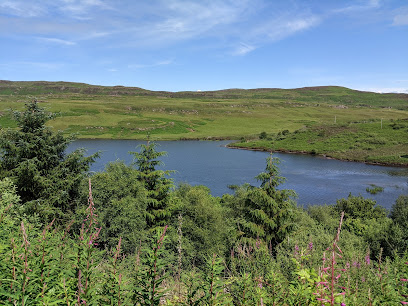
Loch Torr Wildlife Hide
6.1 km
Discover peaceful wildlife watching at Loch Torr Hide, a tranquil spot on Mull famed for stags, ospreys, and stunning natural views.
Essential places to dine

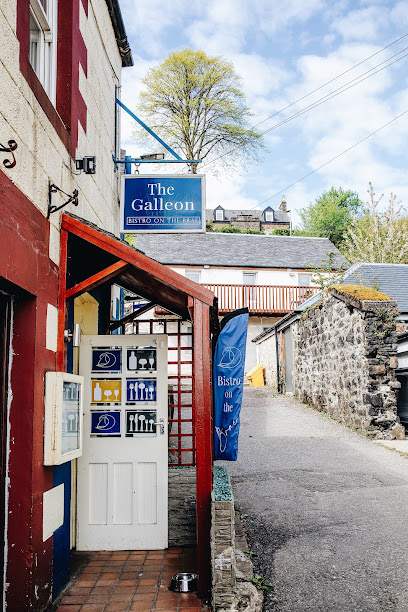
The Galleon Bistro Tobermory
0.0 km
Family-run harbour-side bistro in Tobermory offering fresh local seafood, Scottish classics, and a warm, accessible dining experience on the Isle of Mull.
Spice of Mull
0.1 km
Experience authentic Indian, Bangladeshi, Thai, and Chinese flavors in a cozy Tobermory setting with stunning harbor views.
An Cala Ciuin
0.2 km
Traditional Scottish hospitality with harbour views and hearty fare in the heart of Tobermory’s historic Mishnish Hotel.
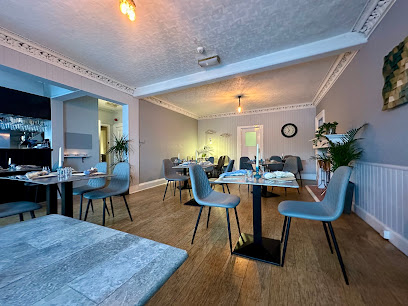
Cafe Fish, Upper Floor, The Pier, Tobermory
0.2 km
Experience Tobermory’s freshest seafood with stunning harbour views at the acclaimed Cafe Fish on the Isle of Mull.
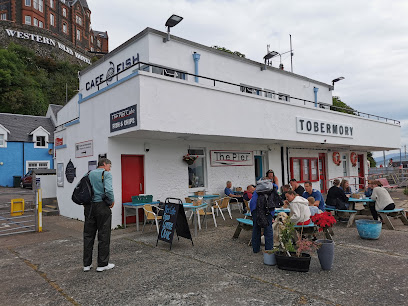
Macgochans
0.3 km
Waterfront gastropub with stunning bay views, fresh Scottish seafood, and warm Hebridean hospitality.
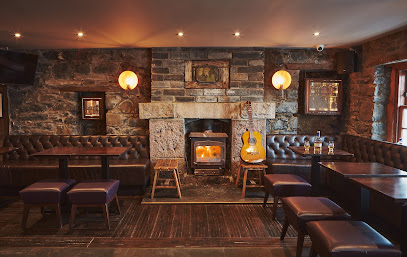
Hebridean Lodge
0.9 km
A charming coastal restaurant near Tobermory serving fresh local seafood with stunning island views and warm hospitality.
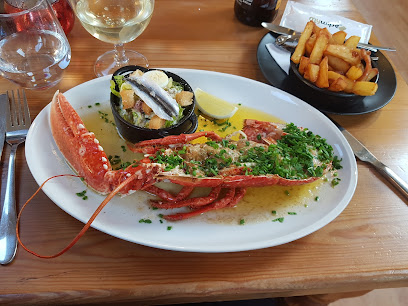
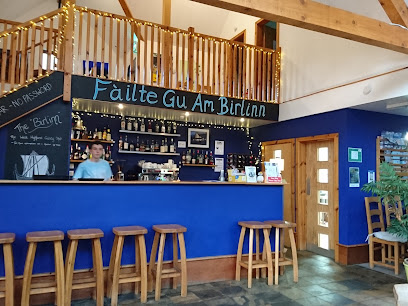
Am Birlinn
10.2 km
Rustic charm meets fresh seafood in a cozy, contemporary setting on the scenic Isle of Mull.
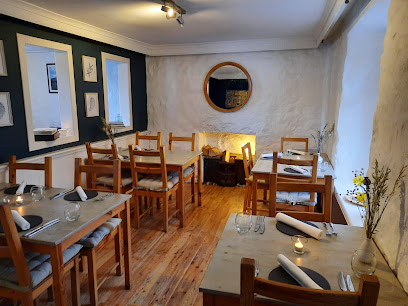
The Whitehouse Restaurant
20.3 km
An intimate fine dining haven in Lochaline serving innovative Scottish cuisine with fresh, local, and foraged ingredients in a historic coastal setting.
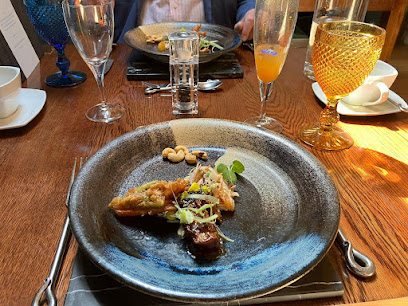
Ninth Wave Restaurant
37.3 km
Intimate seafood dining in a historic croft on the Isle of Mull, blending local flavors with refined culinary artistry.
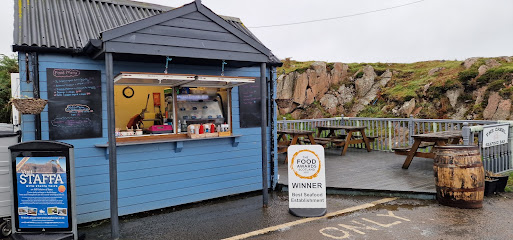
The Creel Seafood Bar
37.9 km
Fresh, locally caught seafood served with friendly charm near the ferry to Iona on the scenic Isle of Mull.
Restaurant at the Isle of Eriska
41.4 km
Experience Michelin-starred dining on a private Scottish island, where local flavours and historic charm meet breathtaking Highland views.
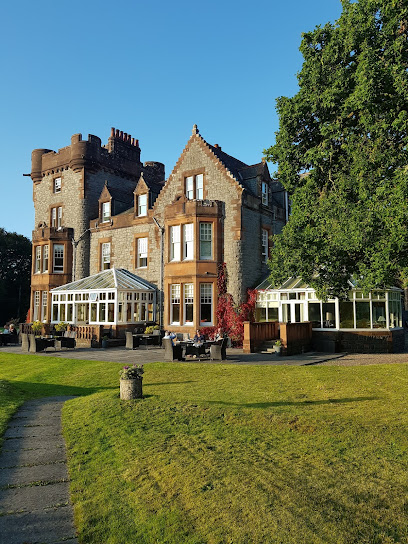
EE-USK
43.1 km
Fresh, locally sourced seafood served with panoramic harbor views on Oban’s historic North Pier.
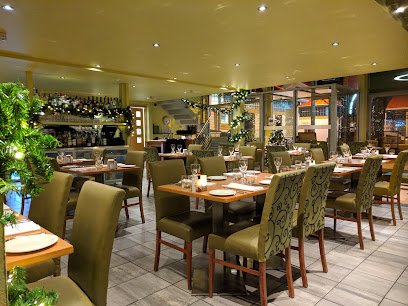
Food From Argyll at the Pier
43.2 km
A vibrant café at Oban’s ferry terminal serving fresh, locally sourced Argyll produce with stunning waterfront views.
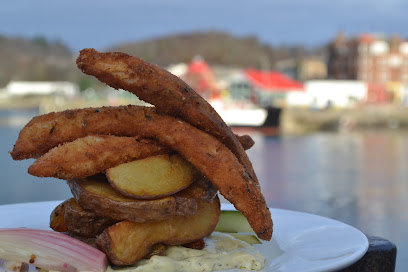
Taste of Argyll Kitchen
43.3 km
Cozy Scottish kitchen in Oban serving fresh, local dishes with a creative touch and warm hospitality.
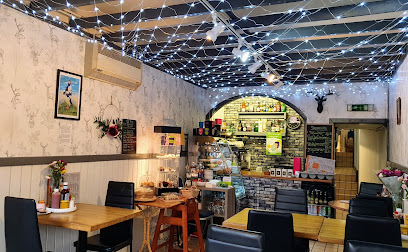
The Chlachain Inn
44.9 km
Authentic Scottish inn and seafood restaurant offering warm hospitality and cozy rooms in the heart of Mallaig’s fishing village.
Markets, malls and hidden boutiques

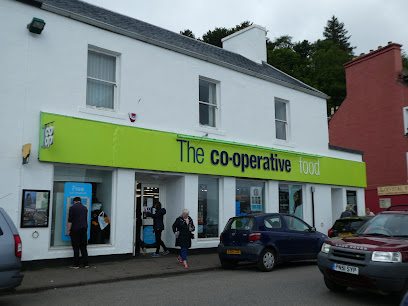
Co-op Food - Tobermory
0.0 km
Tobermory’s largest convenience store offering fresh island produce and everyday essentials in the heart of the Isle of Mull.
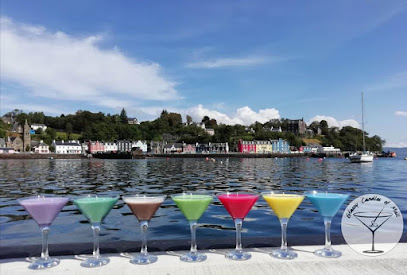
Glassy Candles of Mull
0.1 km
Discover handcrafted candles and local artisan treasures in the heart of Tobermory on the Isle of Mull.
Island Blue Tobermory
0.1 km
Discover authentic Isle of Mull crafts and unique gifts in the heart of Tobermory’s vibrant Main Street.
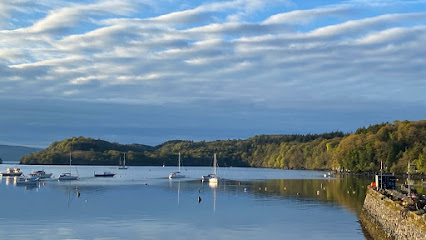
Tobermory Antiques & Collectibles
0.1 km
Discover unique vintage treasures steeped in the heritage and charm of Tobermory’s colorful Isle of Mull harbor town.
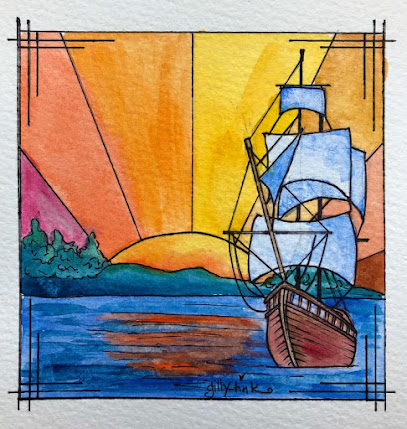
Isle Of Mull Soap Co Ltd
0.1 km
Discover handmade natural soaps and eco-friendly gifts crafted with care in the heart of Tobermory on the Isle of Mull.
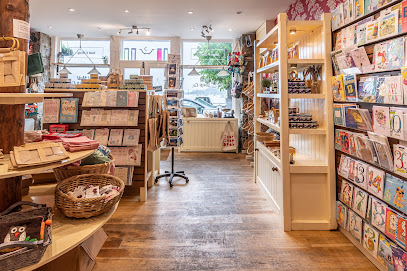
Island Crafts
0.1 km
Discover authentic Isle of Mull artistry and handcrafted treasures in the heart of Tobermory’s vibrant craft scene.
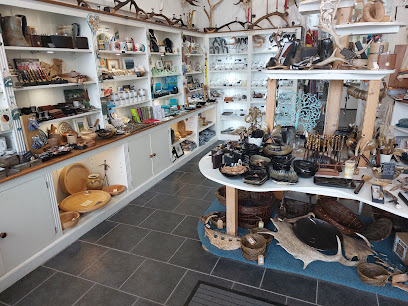
Tobermory Corner Shop
0.1 km
Experience local charm and unique finds at Tobermory Corner Shop, your gateway to the Isle of Mull's treasures.
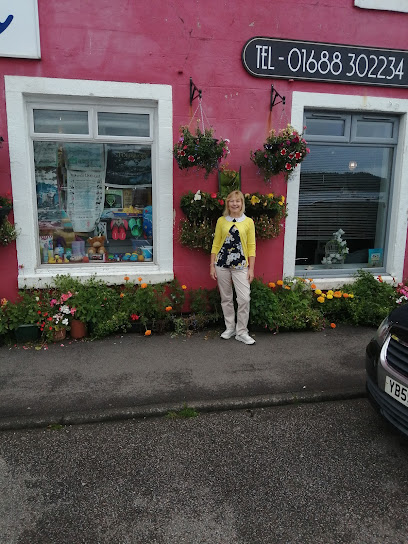
Tobermory Stores
0.2 km
Tobermory Stores offers essential shopping with local charm in the heart of Isle of Mull’s colorful main street.
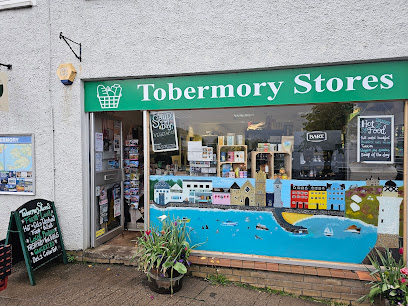
Trekomory Breeze
0.2 km
Trekomory Breeze offers practical outdoor clothing and accessories in Tobermory, blending local charm with quality gear for every adventurer.
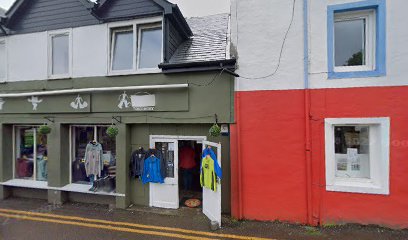
Seafare
0.3 km
Tobermory’s trusted chandlery since 1977, offering essential marine safety gear and supplies in the heart of the Isle of Mull’s harbor town.
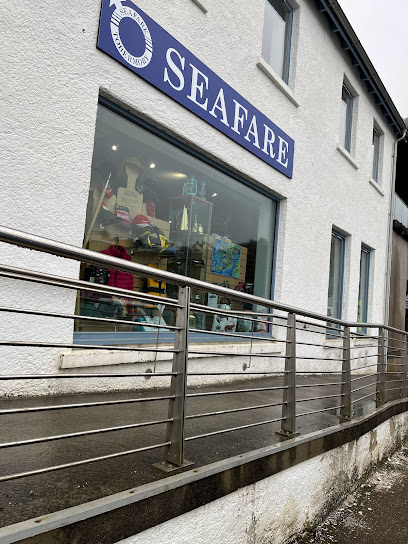
Hargreaves Bros
0.4 km
Discover timeless craftsmanship and expert clock repair at Hargreaves Bros, Tobermory’s cherished watch shop on the Isle of Mull.
Hasn Candle Company
0.8 km
Discover handcrafted candles inspired by the natural beauty and seasonal scents of the Isle of Mull in Tobermory’s welcoming artisan shop.
Glengorm Gardens and Florist
6.9 km
Discover the serene Victorian walled gardens and artisan florist of Glengorm Estate, a floral and horticultural gem on the Isle of Mull’s rugged northern coast.
Premier
8.2 km
Your friendly local Premier store on Mull’s Main Street, offering groceries, postal services, and community warmth in Dervaig village.

Craignure SPAR and Post Office
27.8 km
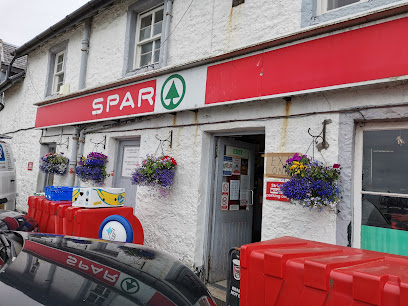
Discover the convenience of Craignure SPAR and Post Office, your one-stop shop for essentials and local delights on the Isle of Mull.
Essential bars & hidden hideouts

The Tobermory Hotel
0.1 km
Historic boutique hotel with stunning Tobermory Bay views, local cuisine, and warm Highland hospitality on the Isle of Mull’s vibrant waterfront.
Mishnish
0.2 km
A traditional Scottish hotel and bar in Tobermory, famed for cosy harbour views, live folk music, and warm island hospitality.
Auld Mull Bar
0.2 km
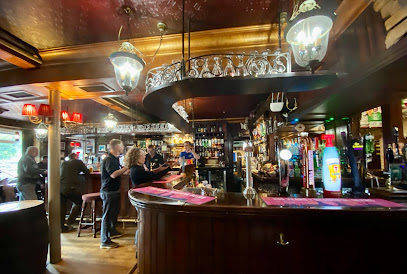
Experience warm island hospitality and local flavors at Auld Mull Bar, a cozy family-run retreat in Tobermory’s charming harbor village.
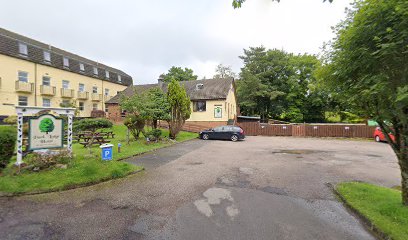
Western Isles Hotel
0.2 km
Historic hotel with breathtaking Tobermory Bay views, classic charm, and warm hospitality on the scenic Isle of Mull.
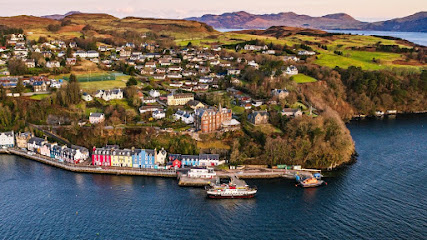
Isle of Mull Hotel & Spa
27.1 km
A welcoming coastal retreat on the Isle of Mull, blending scenic views, spa relaxation, and warm Scottish hospitality.
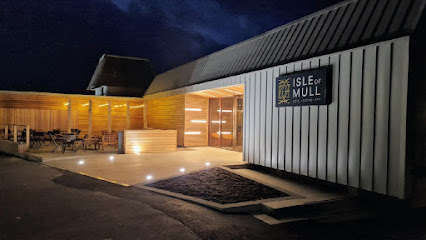
Craignure Inn
28.3 km
A cozy, dog-friendly pub and inn in Craignure offering hearty fare, comfortable rooms, and a warm welcome on the Isle of Mull.
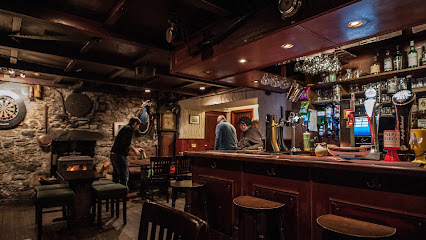
Bunessan Inn
35.6 km
Historic Isle of Mull pub and inn offering hearty food, local whiskies, cozy rooms, and stunning loch views in a warm community setting.
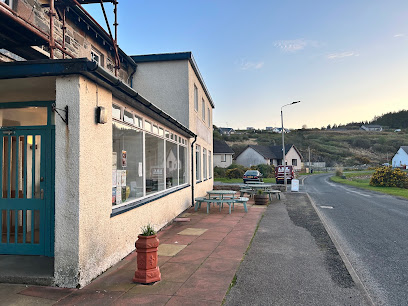
The Keel Row
37.8 km
Cozy pub and restaurant in Fionnphort offering hearty Scottish dishes, scenic bay views, and a warm, welcoming atmosphere on the Isle of Mull.
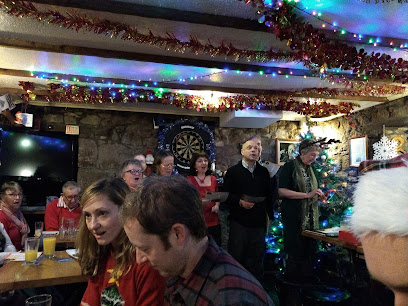
Snack Bar
37.9 km
Experience the charm of the Isle of Mull at the Snack Bar, where delightful bites and stunning views create unforgettable memories.
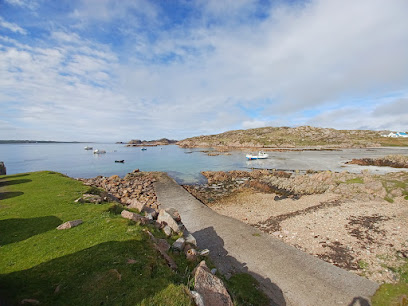
Markie Dans
42.9 km
Family-run pub in Oban offering vast single malts, hearty food, live music, and stunning bay views in a welcoming, lively atmosphere.
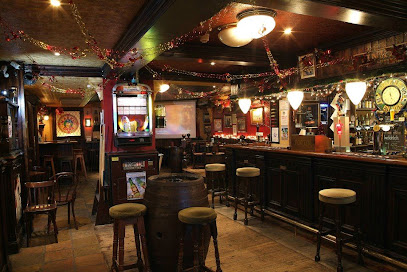
The Tartan Tavern
43.1 km
Experience authentic Scottish hospitality and traditional charm at The Tartan Tavern, a cozy and lively pub in the heart of Oban.
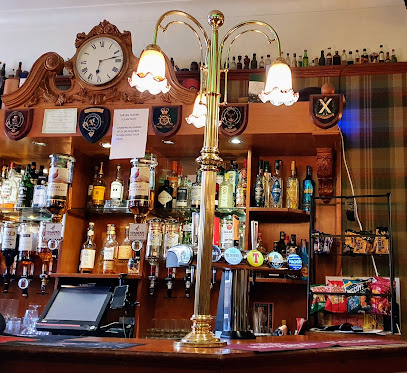
Cellar Bar
43.1 km
Cozy and traditional Scottish pub on Oban’s waterfront, famed for local whiskies, live music, and warm hospitality.
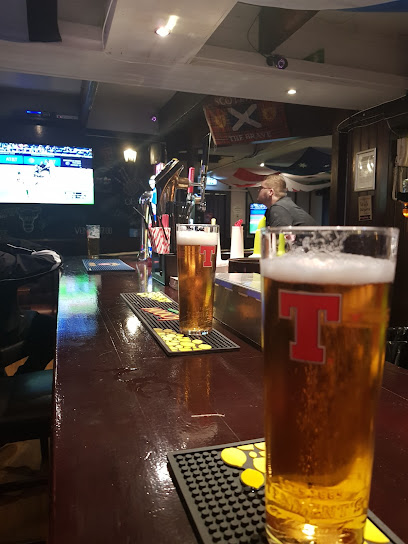
Lorne Bar
43.5 km
Experience authentic Scottish hospitality, fresh local seafood, and a warm, welcoming atmosphere in the heart of Oban at The Lorne Bar.
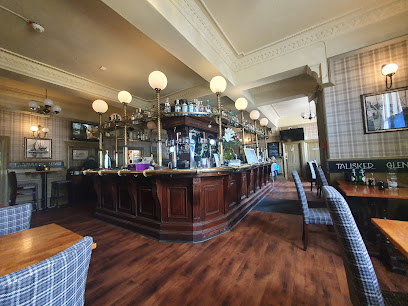
The Oyster Bar
44.6 km
A charming seafood haven in historic Ellenabeich, offering fresh oysters, scenic coastal views, and warm Scottish hospitality.
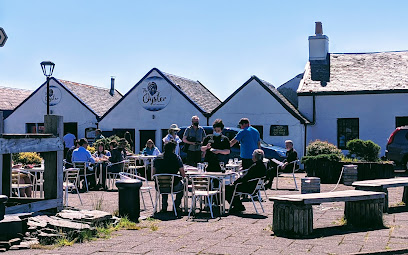
Macnamara & Bothin Bar
49.5 km
A cozy bar in Ardvasar offering local whiskies, stunning Isle of Skye views, and warm Scottish hospitality in a rustic setting.
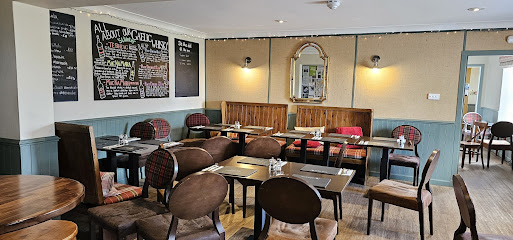
Nightclubs & after hour spots

Roobarb
62.0 km
Experience Fort William’s vibrant nightlife at Roobarb, the welcoming nightclub where music and dancing light up weekend nights.
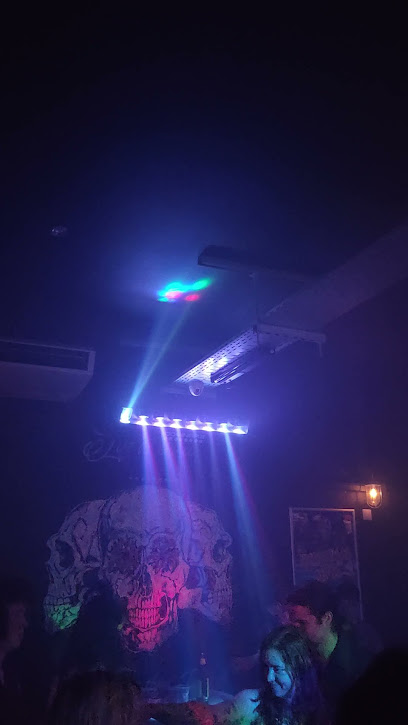
Jura Brewery
86.9 km
Discover Jura Brewery: A Craft Beer Experience in the Heart of the Isle of Jura, Where Tradition Meets Nature's Bounty.
Skye Camanachd Social Club
88.3 km
Experience the vibrant social heartbeat of Portree at Skye Camanachd Social Club, where tradition meets lively nightlife on the Isle of Skye.

For the vibe & atmosphere seeker
- Scenic
- Tranquil
- Unique
- Casual
For the design and aesthetic lover
- Vintage Styles
- Rustic Designs
For the architecture buff
- Historic
- Landmarks
For the view chaser and sunset hunter
- Iconic Views
- Waterfront
For the social media creator & influencer
- Instagrammable
- Photo Spots
For the eco-conscious traveler
- Public-Transport Accessible
For the kind of experience you’re after
- Cultural Heritage
- Photowalk
- Day Trip
For how adventurous you want the journey to be
- Easy Access
Location Audience
- Family Friendly
- Senior Friendly
- Child Friendly
- Solo Friendly
- Couple Friendly


