

Red Castle Travel Guide
Free Guide: Explore the evocative ruins of Red Castle, a red sandstone fortress perched above Lunan Bay, steeped in royal history and coastal drama.


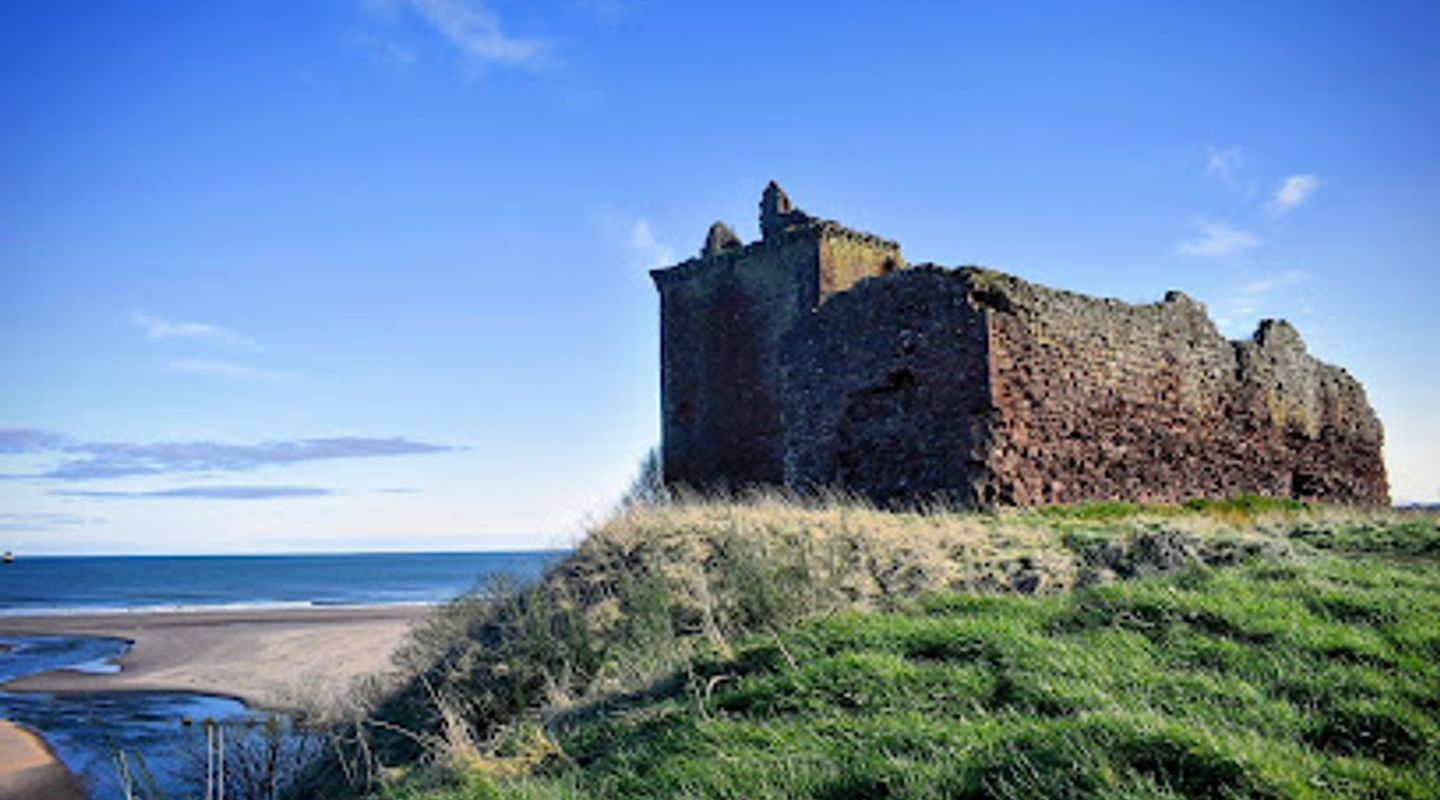
A brief summary of Red Castle
Explore the evocative ruins of Red Castle, a red sandstone fortress perched above Lunan Bay, steeped in royal history and coastal drama.
Red Castle stands as a striking ruin of a medieval fortress perched on a bluff overlooking Lunan Bay near Arbroath, Scotland. Built originally in the late 12th century by King William the Lion as a hunting lodge and defense against Viking raids, the castle evolved through the centuries with additions including a 15th-century tower house. Now a dramatic red sandstone ruin, it offers sweeping coastal views and a poignant glimpse into Scotland’s turbulent feudal past.
On-site amenities
 Information boards
 Seating areas
 Trash bins
Opening hours
- Every dayOpen 24 hours
Opening hours as listed on the venue’s Google Business Profile. Hours can change for services and special events, so check with the venue before you go.
- Address
- Arbroath DD11 5ST
- Phone
- Website
Getting there
Car
Public Transport
Walking
Discover more about Red Castle
A Fortress Born of Royal Ambition and Coastal Defense
Red Castle’s origins date back to the late 1100s when King William the Lion commissioned its construction. Situated strategically on a high bluff at the mouth of the Lunan Water, the castle was intended both as a hunting lodge and a defensive stronghold against Viking incursions along Scotland’s east coast. The castle’s name derives from the distinctive red sandstone used in its construction, which still colors the surviving ruins today. Early ownership passed from William to his Royal Chamberlain Walter de Berkely in 1194, marking the beginning of a lineage of noble custodians.
Medieval Expansion and Architectural Evolution
Throughout the 13th and 14th centuries, Red Castle was rebuilt and expanded into a substantial stone fortress. The surviving curtain wall, measuring approximately 32 meters long and 6 meters high, hints at the castle’s former grandeur. In the late 1400s, the Stewarts, Lords of Innermeath, added a four-storey tower house, of which one wall still stands to roof height, complete with corbels and architectural details. Unlike typical vaulted stone ceilings, the lowest level featured wooden floors, an unusual design choice for the period.
Stories of Conflict, Intrigue, and Decline
The castle’s history is marked by dramatic episodes, including the notorious siege from 1579 to 1581. Lady Elizabeth Beaton, the castle’s owner, was married to James Gray, son of Lord Gray, who later fell in love with her daughter. After being cast out, Gray returned with armed supporters, subjecting the castle to repeated attacks that culminated in its burning and eventual abandonment by nobility. The castle’s decline accelerated thereafter, with materials being scavenged locally and the structure slipping into ruin by the 18th century. The last known occupant was an Episcopalian minister in the 1760s.
Natural Beauty and Fragile Ruins on the Edge of the Sea
Red Castle enjoys one of Scotland’s most scenic coastal locations, perched above Lunan Bay, a broad sandy beach renowned for its natural beauty. The castle commands panoramic views over the North Sea and the estuary, framed by dunes and the winding Lunan Water. However, the site is increasingly threatened by coastal erosion and ground slippage, with parts of the tower at risk of collapse. Safety fencing and warnings have been installed to protect visitors, and access from the riverbank is discouraged.
Archaeological Significance and Local Heritage
Beneath the castle lies an eroding midden that has yielded artifacts now housed in the Montrose Museum, providing valuable insights into medieval life. The castle’s layered history reflects the shifting political and religious tides of Scotland, from royal hunting grounds to contested noble residence and eventually a ruin evocative of the region’s turbulent past. Its presence near Arbroath also connects it to the wider heritage of Angus and its historic landmarks.
Visiting Today: A Window into Scotland’s Past Amidst Stunning Coastal Landscapes
Today, Red Castle is a protected scheduled monument, visible from the nearby A92 road and railway line. While direct access is limited due to safety concerns, the castle remains a compelling destination for history enthusiasts and photographers drawn to its dramatic ruins and spectacular seaside vistas. Visitors are advised to respect the fragile site and observe seasonal restrictions, particularly during the nesting period of local seabirds.
Evendo Review Centre
 Google
Guest reviews
Best time to go
Quietest: Jan, Feb & Dec · before 6am or at 9pm
Busy times are Evendo estimates for a typical year, to help you plan. Actual crowds vary with events, school holidays and the weather.
Explore Red Castle on the map
A handpicked selection of must-see spots near Red Castle, mapped for you.
Get your free copy of our complete guide to Red Castle, delivered straight to you.
Everything on this page, from opening hours and how to get there to Eve’s tips and the best time to go, in one PDF you can read offline, print or share.
Already have an account? Sign in
Your Red Castle guide is ready.
We'll send it to · Not you? Sign out

Getting your guide ready…
We are putting together a fresh copy of the Red Castle guide. This can take up to a minute.
This can take a few moments. If your browser asks, choose Allow so the download can start. You'll find the guide in your Downloads folder.
Nothing happened? Download it again
Sorry, the guide is taking longer than usual. Please try again in a minute, or get it by email instead.
Other nearby places you may find interesting
The closest places of the same kind, if this one is not quite what you had in mind.
-
-
-
-
-


Swipe for more places
More to explore near Red Castle

 Best experiences near Red Castle
 Best hotels near Red Castle
 Best landmarks near Red Castle
 Best attractions near Red Castle
 Best shops near Red Castle
 Best restaurants near Red Castle
 Best bars near Red Castle
Do you manage this location?
Take control to get all the benefits, like improved information, better appearance, and stronger visibility across AI-powered discovery.
Explore more
Explore more of Kincardineshire
Discover Kincardineshire: A Blend of Scenic Coastlines, Historic Castles, and Quaint Villages in Scotland’s Northeast
Explore Kincardineshire
Explore more of United Kingdom
Discover the United Kingdom: A blend of rich history, stunning landscapes, and vibrant cities, offering a unique travel experience for every visitor.
Explore United Kingdom
