

Forth Bridge, Stirling Travel Guide
Free Guide: A towering red steel cantilever marvel, the Forth Bridge is Scotland’s iconic railway landmark and a UNESCO World Heritage Site.


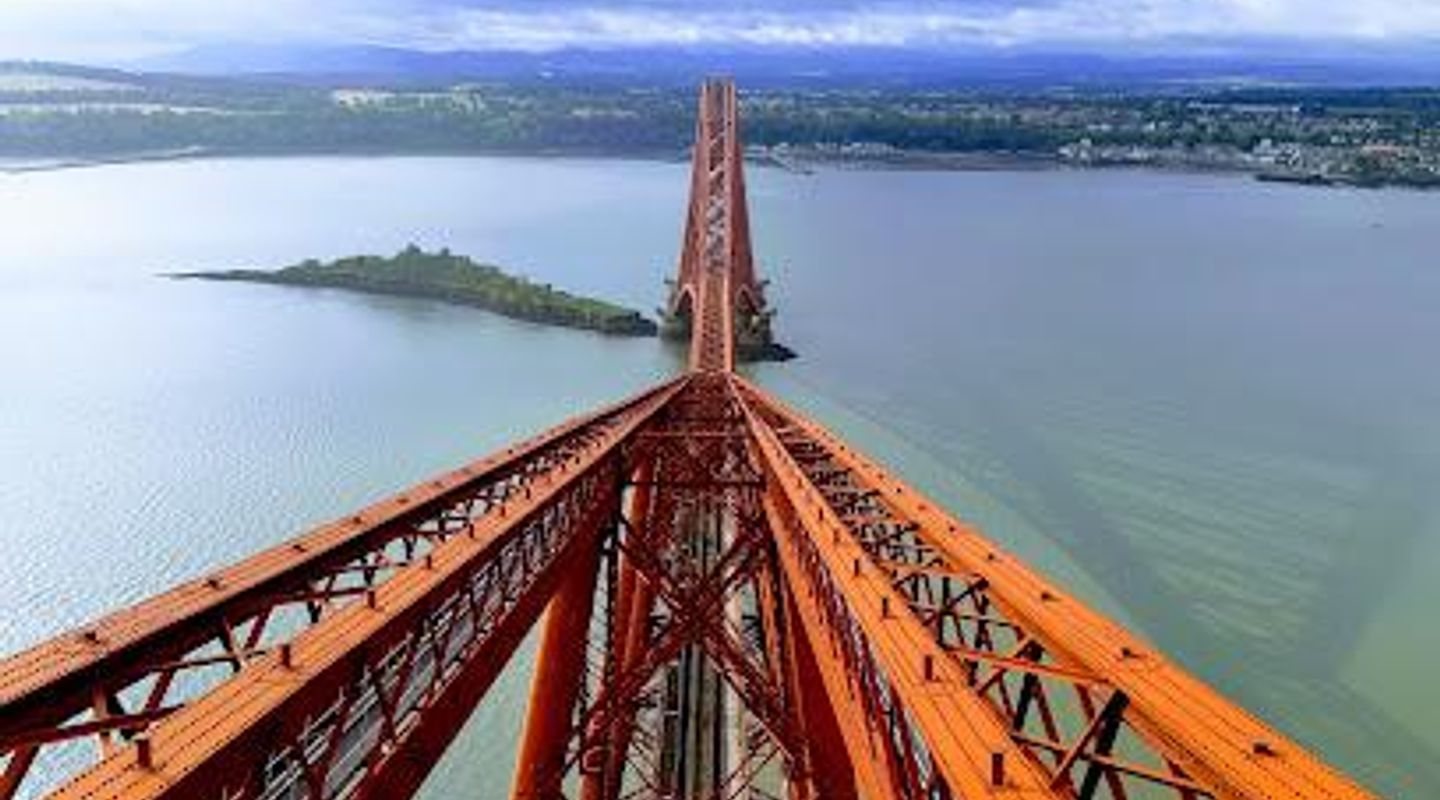
A brief summary of Forth Bridge
A towering red steel cantilever marvel, the Forth Bridge is Scotland’s iconic railway landmark and a UNESCO World Heritage Site.
The Forth Bridge is a monumental cantilever railway bridge spanning 2.5 km across the Firth of Forth between South Queensferry and North Queensferry. Completed in 1890, this UNESCO World Heritage Site is a symbol of Scottish engineering prowess and industrial heritage, renowned for its striking red steel structure and immense scale. It remains a vital rail link and a breathtaking landmark admired from both shores and nearby vantage points.
On-site amenities
 Restrooms
 Drink options
 Food options
 Seating areas
 Information boards
- Address
- Queensferry, South Queensferry
- Website
Getting there
Train
Bus
Car
Discover more about Forth Bridge
Engineering Triumph of the Victorian Era
Completed in 1890 after eight years of construction, the Forth Bridge stands as a pioneering feat of engineering and design. Conceived by Sir John Fowler and Sir Benjamin Baker, it was the first major structure built primarily from mild steel, showcasing innovative cantilever principles. Stretching 2,467 meters (8,094 feet) with its double-track railway elevated 46 meters (150 feet) above high tide, the bridge’s three massive cantilever towers reach 110 meters (361 feet) high. Its construction required over 50,000 tons of steel and more than six million rivets, making it one of the largest steel structures of its time.
Symbolism and Heritage Status
The Forth Bridge is more than infrastructure; it is a cultural icon and a proud symbol of Scotland’s industrial age. In 2015, it was designated a UNESCO World Heritage Site, recognized for its global significance and unique engineering. The bridge has been celebrated as Scotland’s greatest man-made wonder and remains a powerful emblem of national identity. Its distinctive red color and bold, articulated design have made it an enduring subject for photographers, artists, and visitors alike.
Geographical and Structural Context
Spanning the Firth of Forth estuary, the bridge connects the villages of South Queensferry on the southern shore and North Queensferry on the northern shore in Fife. It features two main spans of 518 meters (1,700 feet), flanked by side spans and numerous approach spans, designed to accommodate the tidal and weather conditions of the estuary. The bridge is part of a trio of Forth crossings, alongside the Forth Road Bridge (1964) and the Queensferry Crossing (2017), each representing different eras and technologies.
Visitor Experience and Surroundings
While public access onto the bridge itself is not permitted, visitors can enjoy spectacular views from South Queensferry and North Queensferry. The nearby Dalmeny railway station offers close vantage points, and boat tours provide unique perspectives from beneath the bridge’s towering structure. The surrounding town of South Queensferry offers charming streets, historic buildings, and a marina, making it a delightful base to explore the bridge and its maritime heritage.
Legacy and Continuing Importance
The Forth Bridge continues to serve as a critical rail artery, linking Edinburgh with northern Scotland. Its robust design has allowed it to endure more than 130 years of use and harsh weather, undergoing continuous maintenance to preserve its iconic status. The bridge’s story reflects the ambition and skill of the Victorian era, inspiring generations and standing as a testament to human ingenuity and Scotland’s rich engineering legacy.
Evendo Review Centre
 Google
Guest reviews
Best time to go
Quietest: Jan, Feb & Dec · before 6am or from 11pm
Busy times are Evendo estimates for a typical year, to help you plan. Actual crowds vary with events, school holidays and the weather.
Explore Forth Bridge on the map
A handpicked selection of must-see spots near Forth Bridge, mapped for you.
Get your free copy of our complete guide to Forth Bridge, delivered straight to you.
Everything on this page, from opening hours and how to get there to Eve’s tips and the best time to go, in one PDF you can read offline, print or share.
Already have an account? Sign in
Your Forth Bridge guide is ready.
We'll send it to · Not you? Sign out

Getting your guide ready…
We are putting together a fresh copy of the Forth Bridge guide. This can take up to a minute.
This can take a few moments. If your browser asks, choose Allow so the download can start. You'll find the guide in your Downloads folder.
Nothing happened? Download it again
Sorry, the guide is taking longer than usual. Please try again in a minute, or get it by email instead.
Unlock the best of Forth Bridge
Skip-the-line tickets, guided tours with entry, and walking tours of the area, booked in a few clicks.

 Tour
TourLoch Ness and the Highlands of Scotland day trip from Edinburgh
from $62.05 Tour
TourSt Andrews, Falkland Palace and fishing villages tour
from $74.71 Tour
TourSt Andrews and the fishing villages of Fife tour from Edinburgh
from $77.50 Tour
TourGuided tour from Edinburgh of Rosslyn Chapel, Stirling Castle and Dunfermline Abbey
from $81.04
Other nearby places you may find interesting
The closest places of the same kind, if this one is not quite what you had in mind.
-
-
-
-
-


Swipe for more places
More to explore near Forth Bridge

 Best experiences near Forth Bridge
 Best hotels near Forth Bridge
 Best landmarks near Forth Bridge
 Best attractions near Forth Bridge
 Best shops near Forth Bridge
 Best restaurants near Forth Bridge
 Best bars near Forth Bridge
Do you manage this location?
Take control to get all the benefits, like improved information, better appearance, and stronger visibility across AI-powered discovery.
Explore more

Explore more of Stirling
Discover Stirling: A city where history comes alive amidst stunning landscapes and cultural richness in the heart of Scotland.
Explore Stirling
Explore more of United Kingdom
Discover the United Kingdom: A blend of rich history, stunning landscapes, and vibrant cities, offering a unique travel experience for every visitor.
Explore United Kingdom
