Leith Citadel, Edinburgh Travel Guide
Free Guide: Explore Leith Citadel’s historic gateway, a surviving remnant of Cromwell’s 17th-century fortress guarding Edinburgh’s vital port.


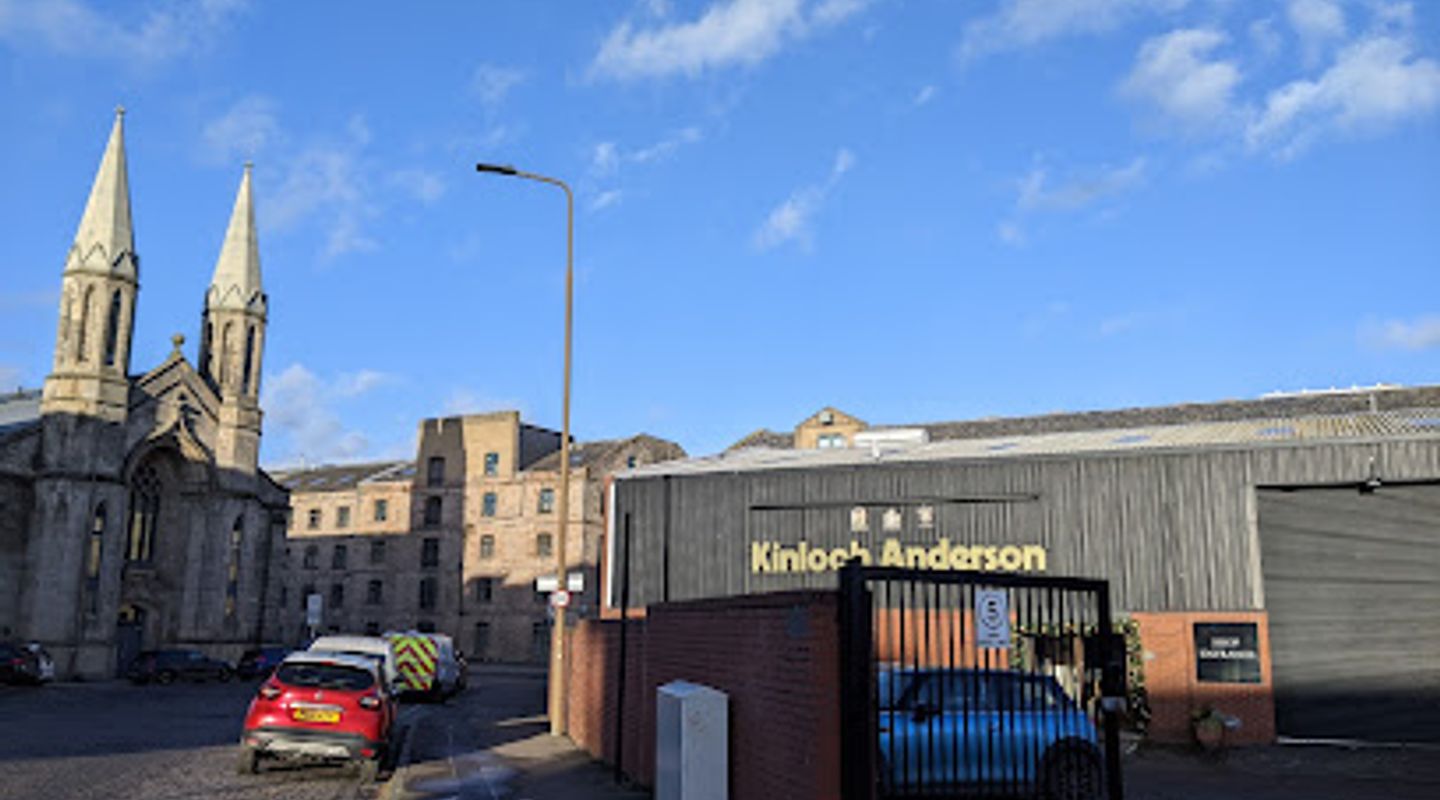
A brief summary of Leith Citadel
Explore Leith Citadel’s historic gateway, a surviving remnant of Cromwell’s 17th-century fortress guarding Edinburgh’s vital port.
Leith Citadel is a historic 17th-century fortification in North Leith, Edinburgh, built under Oliver Cromwell’s rule to control the strategic port area. Though largely demolished, its surviving vaulted gateway on Dock Street marks the site of a once imposing pentagonal fortress with bastions, barracks, and military stores. The Citadel reflects Leith’s turbulent history, military significance, and its role in Edinburgh’s maritime heritage.
On-site amenities
 Information boards
 Seating areas
 Trash bins
- Address
- Dock St, Leith, Edinburgh EH6 6HU
Getting there
Bus
Train and Walk
Taxi or Ride-share
Discover more about Leith Citadel
Origins and Military Purpose of the Citadel
Constructed in the 1650s during Oliver Cromwell’s occupation of Scotland, Leith Citadel was a formidable pentagonal fortification designed to secure the vital port of Leith and regulate maritime traffic. General George Monck, Cromwell’s commander in Scotland, oversaw its construction following the Parliamentary forces’ victory at the Battle of Dunbar. The fortress featured five bastions, thick stone walls, barracks for soldiers, magazines for munitions, and residences for officers, underscoring its strategic military importance in controlling access to Edinburgh via the port.
Architectural Features and Layout
Though only the west-side vaulted gateway on Dock Street remains today, historical records describe the Citadel as a large stone-faced structure encompassing an area bounded by Dock Street, Coburg Street, Cooper Street, and Commercial Street. The fort replaced earlier medieval structures, including the Old Hospice and the church of St Nicholas, whose stones were repurposed for the Citadel’s construction. Its robust design reflected contemporary military engineering, emphasizing defense and control over the bustling port and town.
Political and Social Impact
The Citadel symbolized Cromwell’s military dominance and the suppression of local religious and civic freedoms, as churches were closed and repurposed for military use during the occupation. After the monarchy was restored in 1660, the Citadel was largely demolished, with Edinburgh authorities buying it back to maintain control over Leith. The site briefly hosted industrial activities and even housed one of Scotland’s earliest newspapers, the Mercurious Caledonius. The Citadel’s church, known as St Nicholas, served the occupying parliamentarian forces during their tenure.
Leith’s Maritime Heritage and the Citadel’s Legacy
Leith’s identity as Edinburgh’s historic port is inseparable from the Citadel’s presence. The fortress was part of a broader network of defenses protecting the harbor, which was crucial for trade, naval activity, and Scotland’s economic lifeblood. The Citadel’s remnants stand as a tangible link to the mid-17th century conflicts and the evolution of Leith from a contested military site to a vibrant maritime community.
Modern Context and Preservation
Today, the surviving gateway on Dock Street is a protected historical landmark, offering visitors a glimpse into Leith’s layered past. The area around the Citadel has evolved into a lively district blending heritage with contemporary urban life. Nearby, the Citadel Youth Centre continues the legacy of community engagement, although unrelated to the original fort, it carries the historic name forward as a hub for local youth activities.
Visiting and Appreciating the Site
While the Citadel itself no longer stands in full, the gateway invites reflection on the turbulent history of 17th-century Scotland and Leith’s strategic importance. The site’s proximity to Leith’s docks and historic streets makes it a poignant stop for those exploring Edinburgh’s maritime and military heritage, linking past conflicts with the present-day vibrancy of the port area.
Evendo Review Centre
 Google
Guest reviews
Best time to go
Quietest: Jan, Feb & Mar · before 6am or at 9pm
Busy times are Evendo estimates for a typical year, to help you plan. Actual crowds vary with events, school holidays and the weather.
Explore Leith Citadel on the map
A handpicked selection of must-see spots near Leith Citadel, mapped for you.
Get your free copy of our complete guide to Leith Citadel, delivered straight to you.
Everything on this page, from opening hours and how to get there to Eve’s tips and the best time to go, in one PDF you can read offline, print or share.
Already have an account? Sign in
Your Leith Citadel guide is ready.
We'll send it to · Not you? Sign out

Getting your guide ready…
We are putting together a fresh copy of the Leith Citadel guide. This can take up to a minute.
This can take a few moments. If your browser asks, choose Allow so the download can start. You'll find the guide in your Downloads folder.
Nothing happened? Download it again
Sorry, the guide is taking longer than usual. Please try again in a minute, or get it by email instead.
Other nearby places you may find interesting
The closest places of the same kind, if this one is not quite what you had in mind.
-
-
-
-
-


Swipe for more places
More to explore near Leith Citadel

 Best experiences near Leith Citadel
 Best hotels near Leith Citadel
 Best landmarks near Leith Citadel
 Best attractions near Leith Citadel
 Best shops near Leith Citadel
 Best restaurants near Leith Citadel
 Best bars near Leith Citadel
Do you manage this location?
Take control to get all the benefits, like improved information, better appearance, and stronger visibility across AI-powered discovery.
Explore more
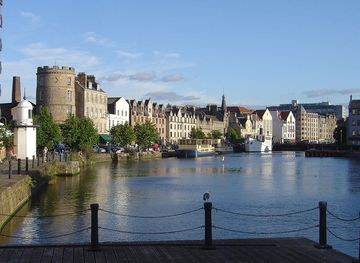
Explore more of Leith
Discover Leith, Edinburgh's vibrant waterfront neighbourhood, known for its rich history, diverse food scene, cultural attractions, and scenic views.
Explore Leith
Explore more of Edinburgh
Discover the enchanting blend of history, culture, and natural beauty in Edinburgh, Scotland's captivating capital city.
Explore Edinburgh