
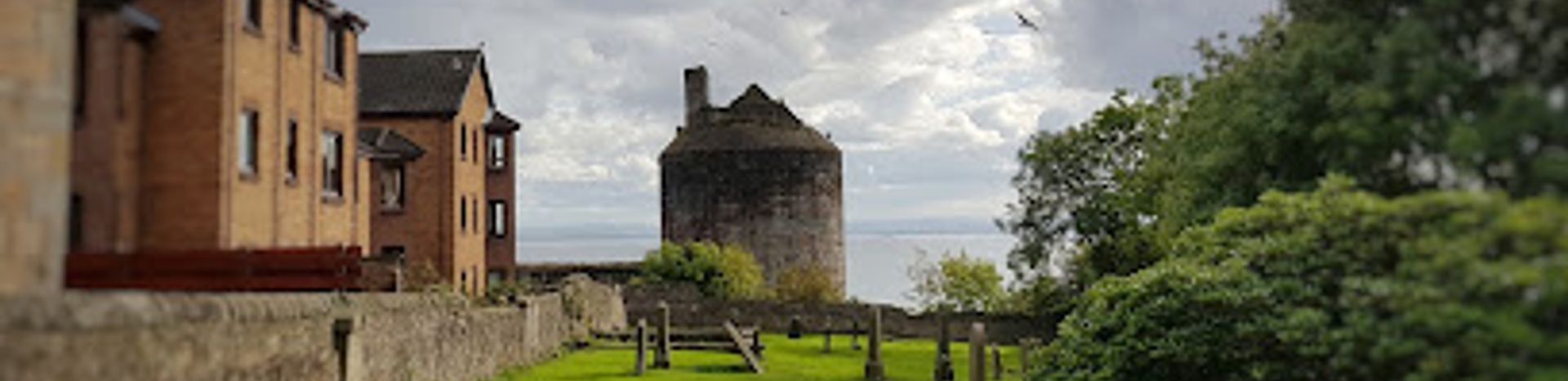
Ravenscraig Castle: Scotland’s Pioneering Artillery Fortress
Explore Ravenscraig Castle, Scotland’s pioneering artillery fortress with towering walls and rich royal history on the Firth of Forth coast.
Ravenscraig Castle, perched on a rocky promontory overlooking the Firth of Forth in Kirkcaldy, is a remarkable 15th-century fortress built to withstand cannon fire. Originally commissioned by King James II for Queen Mary of Gueldres, it became one of Britain’s earliest artillery defense castles, featuring massive 3.5-meter-thick walls, gunloops, and a deep rock-cut ditch. Though never fully completed as planned, the castle was fortified and inhabited by the Sinclair family until the mid-17th century. Now a protected ruin managed by Historic Environment Scotland, it offers a powerful glimpse into Scotland’s martial past.
A brief summary to Ravenscraig Castle
- Kirkcaldy, KY1 2QG, GB
- +441316688600
- Visit website
- Duration: 1 to 2.5 hours
- Free
-
 Outdoor
- Mobile reception: 4 out of 5
Local tips
- Wear sturdy footwear as the castle ruins involve uneven terrain and limited interior access.
- Visit Ravenscraig Park nearby to see the 16th-century beehive doocot and enjoy coastal views.
- Check Historic Environment Scotland’s website for any access updates or guided tour availability.
- Bring a camera to capture the dramatic cliffside views and imposing artillery defenses.

For the on-the-go comforts that matter to you
- Restrooms
- Seating Areas
- Information Boards
- Trash Bins
Getting There
-
Bus
Take the Stagecoach bus service from Kirkcaldy town center to Dysart, which runs every 30 minutes and takes approximately 15-20 minutes. From Dysart, it is a 15-minute walk along accessible paths to Ravenscraig Castle. Bus fares range from £2 to £4 one way.
-
Car
Driving from Kirkcaldy town center to Ravenscraig Castle takes about 10 minutes via the A921. Limited parking is available near Ravenscraig Park. Note that the castle grounds have uneven surfaces and some restricted vehicle access. Parking is free.
-
Walking
For those staying in Kirkcaldy, a scenic 45-minute walk along the coastal path leads to Ravenscraig Castle. The path includes some gentle inclines and uneven ground but is suitable for most walkers. Wear comfortable shoes and bring water.
Ravenscraig Castle location weather suitability
-
 Any Weather
-
 Rain / Wet Weather
-
 Clear Skies
-
 Windy Conditions
-
 Mild Temperatures
Discover more about Ravenscraig Castle
Origins Rooted in Royal Ambition and Tragedy
Ravenscraig Castle’s story begins in 1460 when King James II acquired the estate to build a royal residence for his queen, Mary of Gueldres. The castle’s construction was commissioned with a strong emphasis on artillery defense, reflecting the evolving nature of warfare. Tragically, James II died the same year from a cannon explosion during the siege of Roxburgh, never seeing the castle completed. Mary pressed on with the work, and by 1461, the east tower was habitable enough for her household to stay for several weeks. However, Mary herself likely never resided there before her death in 1463. At this stage, the castle consisted mainly of the east tower and foundational structures for a central range.Sinclair Family Fortifies a Strategic Stronghold
In 1470, James III granted the unfinished castle to William Sinclair, Earl of Orkney and Caithness, in exchange for the Orkney and Shetland earldoms. The Sinclairs completed Ravenscraig, transforming it into a formidable artillery fort. They added a gun platform over the central vaults and reinforced the structure with two massive D-shaped towers linked by a two-storey block, all protected by walls up to 3.5 meters thick. The castle’s landward side was defended by a deep rock-cut ditch and accessed by a bridge leading to a guarded entrance. Gunholes pierced the walls, allowing defenders to fire on attackers with early cannon and firearms, making Ravenscraig one of Britain’s first castles designed specifically for artillery warfare.Architectural Features Reflecting Military Innovation
Ravenscraig’s design is notable for its adaptation to gunpowder weaponry. The two D-plan towers housed the owner’s apartments and senior officials’ quarters, with the west tower featuring a four-storey residence accessed via an external stair. The courtyard contained essential service buildings such as the kitchen and bakehouse, all enclosed within defensive walls. The castle’s natural defenses included steep cliffs on three sides dropping to the sea, while a defensive wall extended along a nearby bay. The massive walls and artillery platforms illustrate the shift from medieval fortifications to early modern military architecture.Historical Turbulence and Later Ownership
Ravenscraig played a role in Scotland’s turbulent 17th-century conflicts, reportedly being stormed by Oliver Cromwell’s forces around 1650–51. The castle remained with the Sinclair family, who later built nearby Dysart House, a Georgian mansion on the estate. In the late 19th century, financial difficulties led the Sinclairs to sell the property to the Nairn family, linoleum manufacturers who lived at Dysart House. The Nairns gifted much of the estate, including the castle, to Kirkcaldy town in 1929, converting it into a public park. Ravenscraig Castle was placed under state care in 1955 and is now managed by Historic Environment Scotland as a scheduled ancient monument.Present-Day Experience and Conservation
Today, Ravenscraig Castle stands as an evocative ruin, its imposing walls and towers offering dramatic views over the Firth of Forth. While interior access is restricted for safety, visitors can appreciate the castle’s scale, defensive features, and its commanding position on the coastline. The surrounding Ravenscraig Park includes a 16th-century beehive doocot and remnants of historic landscape features. The site is a testament to Scotland’s early adaptation to artillery warfare and the legacy of the Sinclair family’s influence in the region.Legends and Cultural Footprints
Local lore speaks of a 'White Lady' ghost associated with the castle’s vicinity, adding a layer of mystique to the site. Ravenscraig’s historical significance extends beyond its walls, with nearby St Serf’s Cave once serving as a pilgrimage chapel. The castle’s dramatic ruins have also inspired modern culture, including music videos by Celtic punk bands, underscoring its enduring presence in Scotland’s cultural landscape.Iconic landmarks you can’t miss

Caithness Place
1.0 km
Experience the vibrant connectivity of Caithness Place, your gateway to the best of Kirkcaldy's attractions and scenic spots.
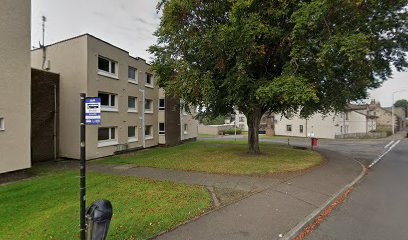
Seamark
14.2 km
Seamark in Kelty, Fife—a serene historical landmark honoring Scotland’s rich coal mining heritage and community resilience.
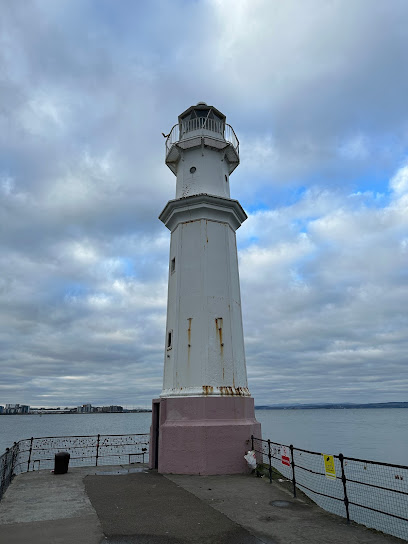
Leith East Breakwater Lighthouse
14.5 km
Historic maritime beacon guiding ships into Edinburgh’s vibrant Leith Docks since 1876, now a cherished symbol of nautical heritage.
Forth Lock
14.8 km
Historic Forth Lock in Leith, Edinburgh, blends maritime heritage with vibrant waterfront life and scenic canal views.
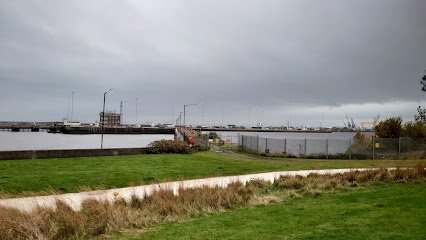
Scottish Merchant Navy Memorial
15.9 km
A solemn sandstone column in Leith honoring the bravery and sacrifice of Scotland’s merchant seafarers lost at sea in war and peace.
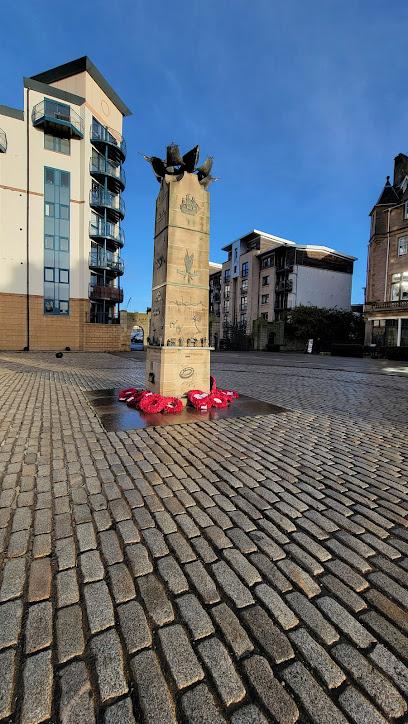
Robert Burns Statue
16.1 km
A striking tribute to Scotland’s national poet, Robert Burns, set in the historic maritime district of Leith, Edinburgh.
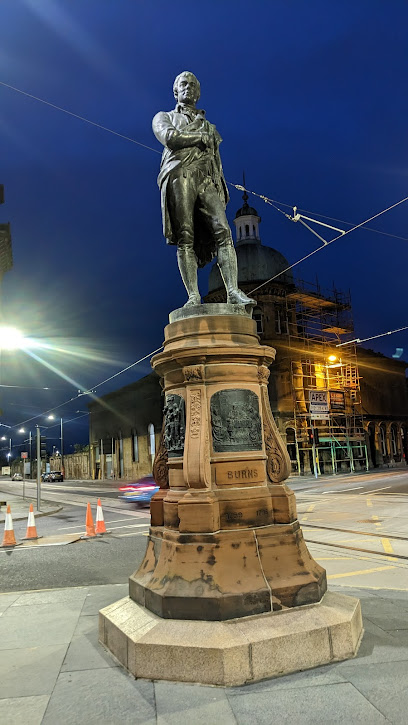
Water of Leith Walkway Finish
16.2 km
Edinburgh’s scenic 13-mile riverside trail ends at Leith’s historic waterfront, blending nature, heritage, and urban charm.
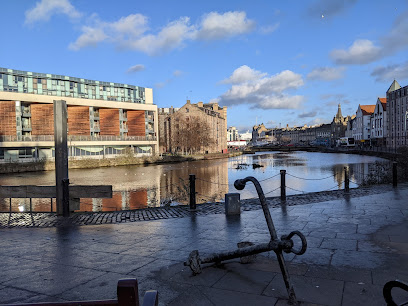
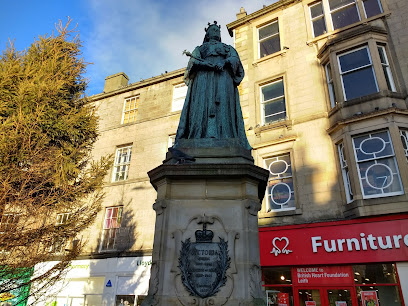
Queen Victoria Statue
16.7 km
A commanding bronze tribute to Queen Victoria and Leith’s Boer War heroes, standing proudly at the foot of Leith Walk since 1907.
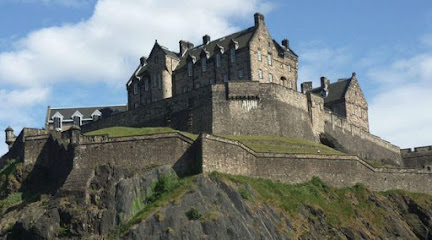
What to do in Edinburgh
17.5 km
Uncover the rich history and vibrant culture of Edinburgh with guided tours that bring the city's unique stories to life.
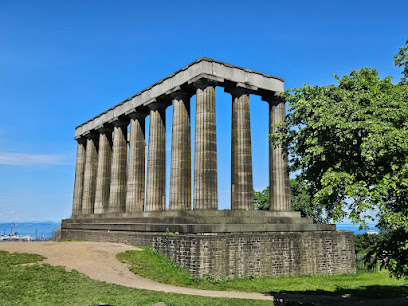
National Monument of Scotland
18.5 km
Discover the National Monument of Scotland on Calton Hill, an iconic tribute blending rich history with breathtaking city views.
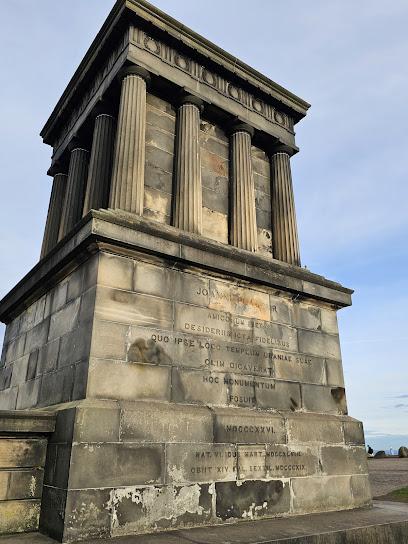
Playfair Monument
18.5 km
Elegant neoclassical memorial on Calton Hill honoring mathematician John Playfair, designed by architect William Henry Playfair with stunning Edinburgh views.
Monument to the Scottish Parliament
18.5 km
Discover the Monument to the Scottish Parliament in Edinburgh, a stunning architectural tribute to Scotland's democratic heritage amidst beautiful landscapes.
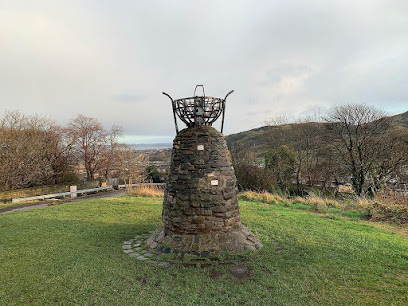
Nelson Monument
18.6 km
Historic naval monument with a unique time ball and panoramic views atop Edinburgh’s Calton Hill.
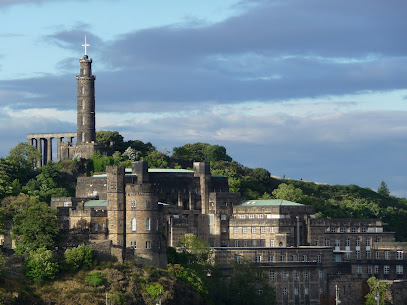
Lauriston Castle
18.6 km
Discover the enchanting Lauriston Castle in Edinburgh, a historic site surrounded by beautiful gardens and rich Scottish heritage.
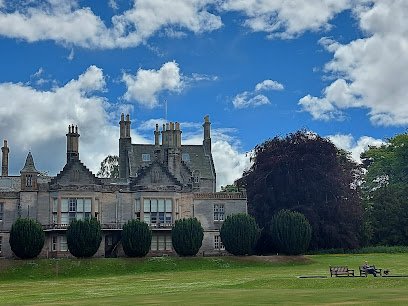
Dugald Stewart Monument
18.6 km
A neoclassical tribute to philosopher Dugald Stewart, offering iconic views over Edinburgh from historic Calton Hill.
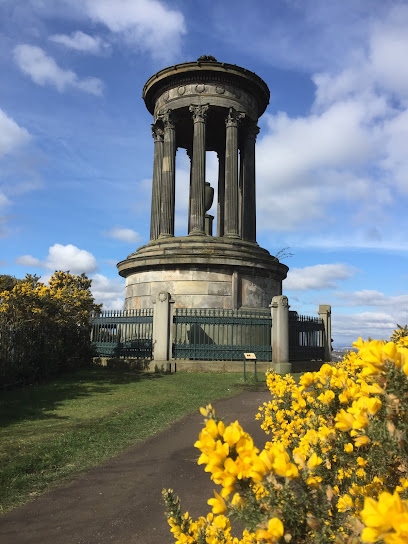
Unmissable attractions to see

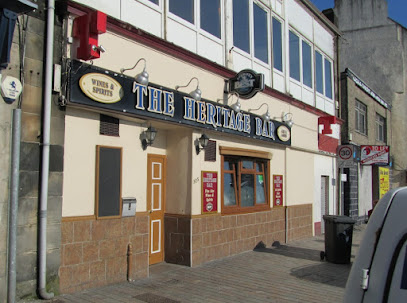
The Heritage Bar
1.1 km
A lively, welcoming karaoke bar in Kirkcaldy offering great drinks, fun nights, and a strong community vibe at affordable prices.
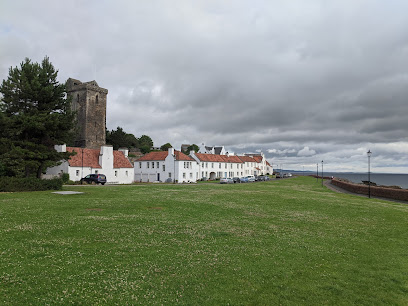
Dysart Harbour
1.2 km
A quiet Fife harbour with centuries of coal, salt and seafaring history, framed by white cottages and a 19th-century harbourmaster’s house.
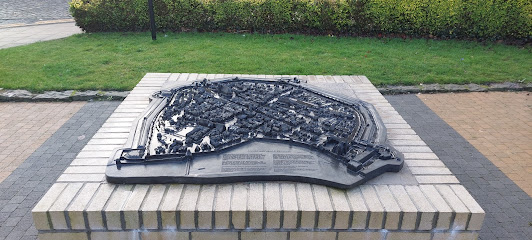
Sculpture, Wemyss field
1.7 km
Explore the tranquil beauty of Wemyss Field Sculpture in Kirkcaldy, where art and nature harmoniously intertwine for a memorable experience.
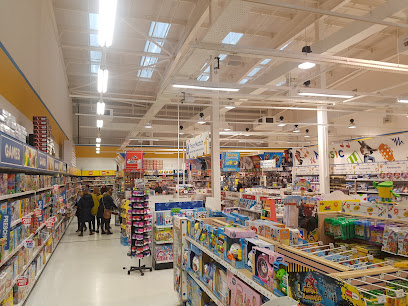
Fife Central Retail Park
3.9 km
A versatile retail destination in Kirkcaldy offering diverse shopping, dining, and essential services with convenient access and extended hours.
Dogton Stone
7.0 km
Discover the enigmatic 9th-century Pictish Dogton Stone, a rare free-standing cross carved with ancient Christian symbols in Lochgelly.
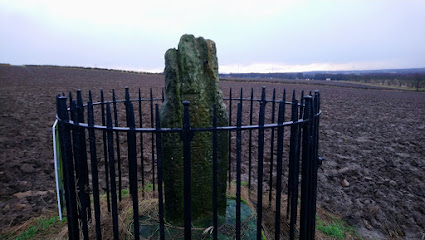
The Fife Pilgrim Way - Waymarker
8.6 km
Walk in the footsteps of medieval pilgrims along the historic and scenic Fife Pilgrim Way at Kinglassie.
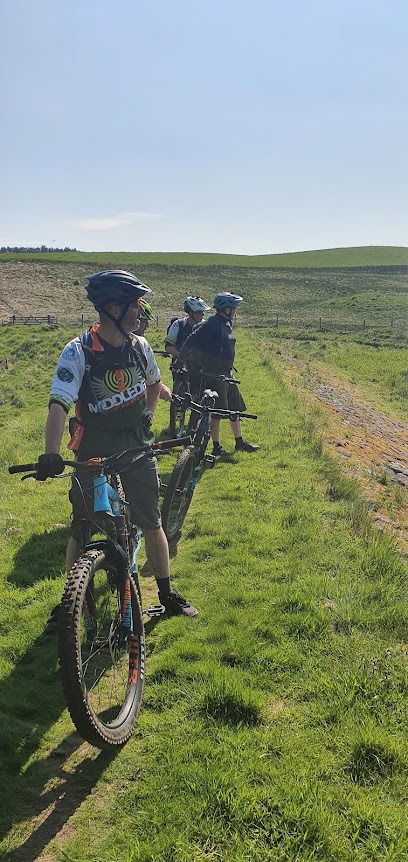
Kingdom Shopping Centre
8.7 km
The bustling heart of Glenrothes, Kingdom Shopping Centre offers over 100 shops, eateries, and cultural venues all on one accessible level.
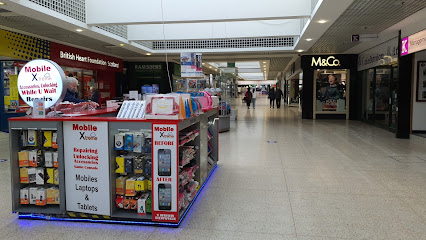
Fife Heritage Railway - (Kirkland Yard)
11.7 km
Explore Fife’s rich railway heritage through restored locomotives and immersive workshops at Kirkland Yard in Leven.
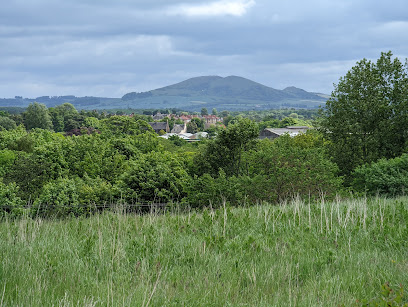
Aberdour Castle and Gardens
12.0 km
Explore one of Scotland’s oldest castles with stunning terraced gardens, historic architecture, and panoramic views over the Firth of Forth.
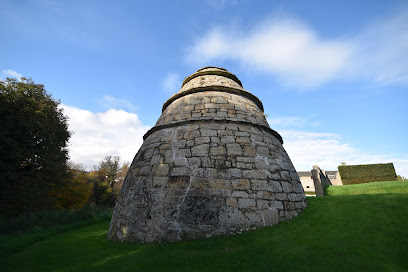
Lochore Meadows
12.5 km
Explore 1,200 acres of scenic woodlands, lochside trails, and family-friendly activities in Fife’s premier country park.
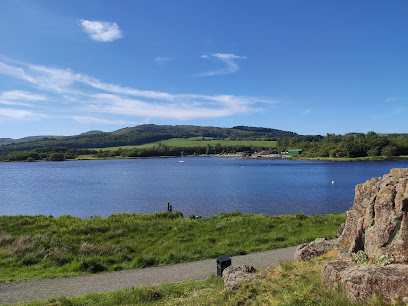
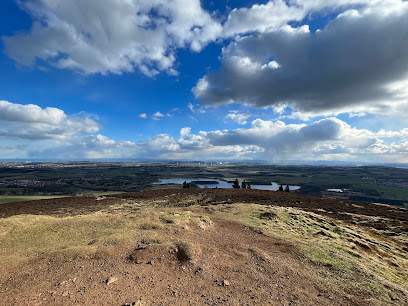
Dunmore Hill Fort
13.2 km
Explore Dunmore Hill Fort, a scenic prehistoric stone fort near Kinross, steeped in ancient history and commanding panoramic views.
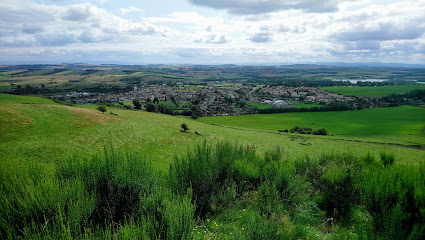
Lochend Farm Shop
13.4 km
Experience fresh farm produce, homemade café delights, and stunning Kinrossshire views at Lochend Farm Shop near Scotlandwell.
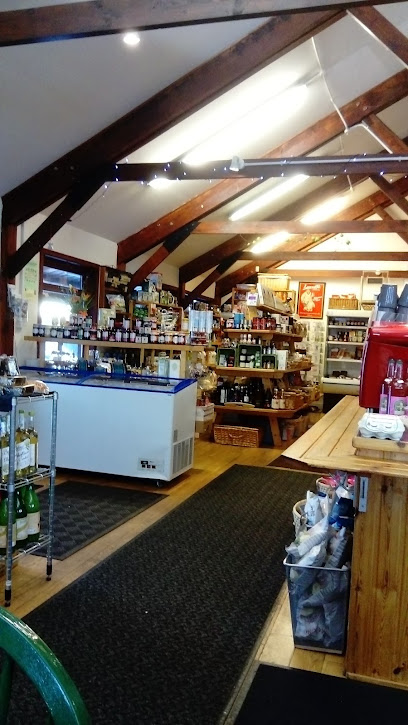
Inchcolm Abbey
14.1 km
Inchcolm Abbey: A serene escape into Scotland's rich history and breathtaking coastal beauty, perfect for tourists seeking tranquility and exploration.
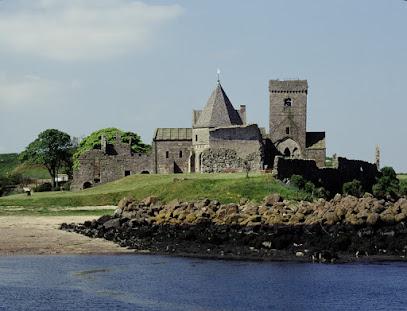
Lighthouse Park
14.9 km
Tranquil coastal park in Leith with iconic lighthouse views, maritime heritage, and sweeping panoramas over the Firth of Forth.
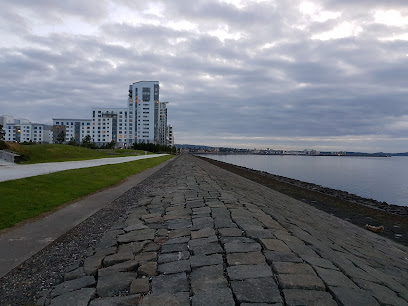
Falkland Palace & Garden
15.5 km
Explore the enchanting Renaissance palace and gardens once cherished by Mary, Queen of Scots, nestled in the heart of historic Falkland.
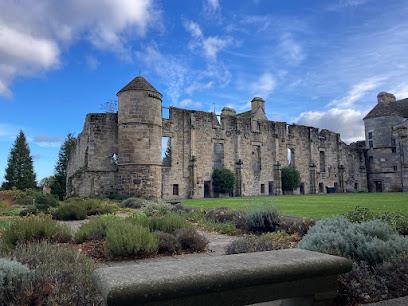
Essential places to dine

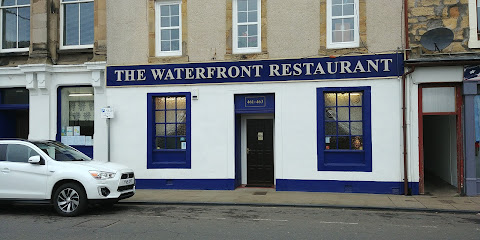
The Waterfront Restaurant
0.7 km
Charming British dining with fresh seafood, warm service, and cozy accommodation in the heart of Kirkcaldy’s High Street.
La Gondola
0.8 km
Authentic family-run Italian dining in Kirkcaldy, blending traditional flavors with warm hospitality since 2001.
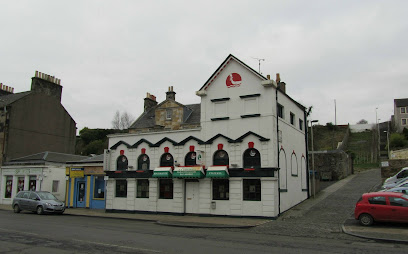
Giovanni's Restaurant
0.9 km
Experience freshly cooked Italian classics and warm hospitality at Giovanni's, Kirkcaldy's beloved family-run restaurant.
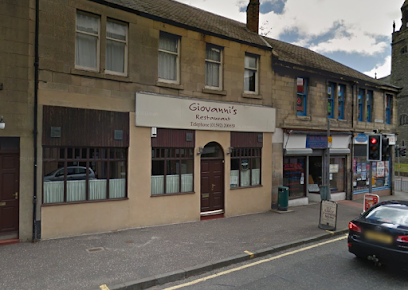
Pane E Vino
1.5 km
Experience authentic Italian flavors and warm hospitality at Pane E Vino, Kirkcaldy’s cozy spot for classic and modern Italian dining.
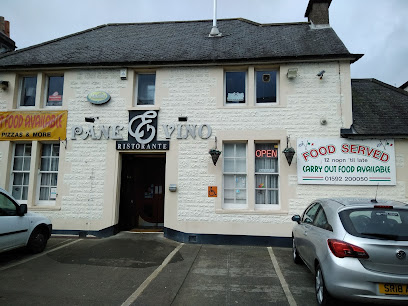
The Steadings
2.2 km
A fresh food restaurant and versatile event venue in Kirkcaldy, serving up quality meals and memorable celebrations.
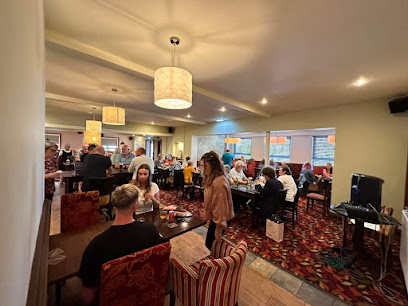
Grande Fine Dining Restaurant
4.5 km
Experience refined Scottish cuisine with a modern twist at The Grande, Kirkcaldy’s acclaimed fine dining restaurant within Dean Park Hotel.
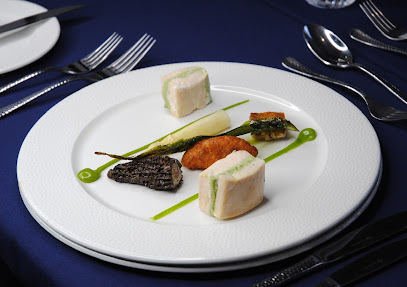
The Ship Restaurant
5.7 km
A family-run British restaurant in Kinghorn offering fresh local cuisine, cozy ambiance, and boutique event spaces by the sea.
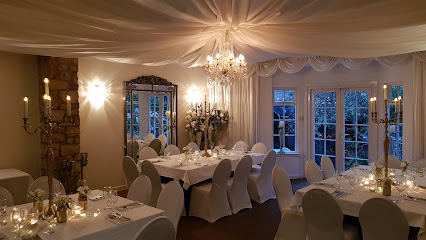
Horizons Restaurant
7.0 km
Enjoy hearty British and Scottish cuisine with stunning waterfront views at Horizons Restaurant in Pettycur Bay Holiday Park.
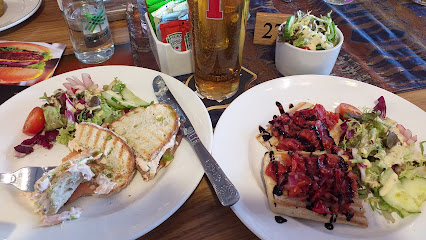
Standing Stane Restaurant and Bar
7.6 km
A cozy family-run British restaurant and bar in Leven offering hearty meals and a relaxed atmosphere near Wellsgreen Golf Range.
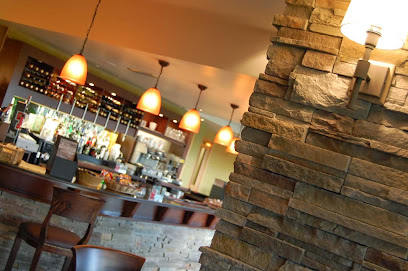
The Fettykil Fox
9.9 km
A charming gastropub in Glenrothes blending rustic Scottish style with hearty British fare and warm hospitality.
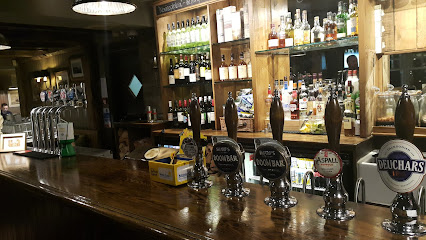
Forth View Hotel
11.9 km
Coastal retreat in Aberdour with stunning Forth views, fresh seafood dining, and warm Scottish hospitality.
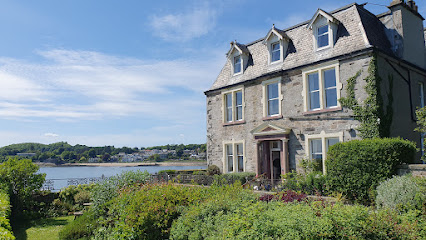
The Kettlebridge Inn, Bar & Italian Restaurant
15.1 km
Cozy Italian dining with a Scottish pub vibe, fresh local produce, and a welcoming atmosphere in the heart of Kettlebridge.
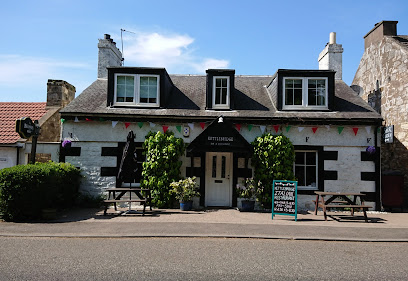
Fishers
15.9 km
Historic 17th-century watchtower turned seafood haven in Leith, serving fresh Scottish fish with a relaxed, waterfront charm.
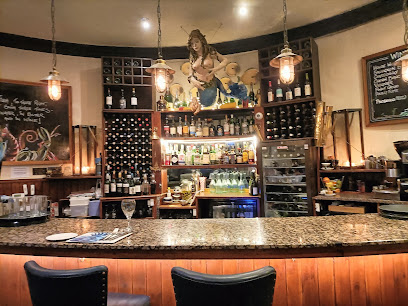
The Shore Bar and Restaurant
15.9 km
Cozy waterfront dining in Leith offering superior seafood and modern European cuisine in a warm, inviting atmosphere.
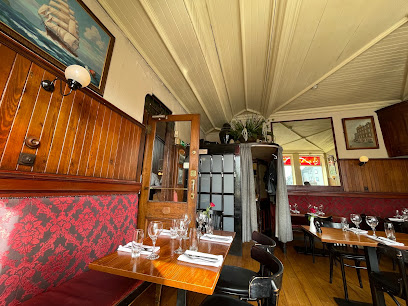
The Kitchin
16.0 km
Experience refined Scottish cuisine with a French touch in Edinburgh’s iconic Michelin-starred restaurant nestled in historic Leith.
Markets, malls and hidden boutiques

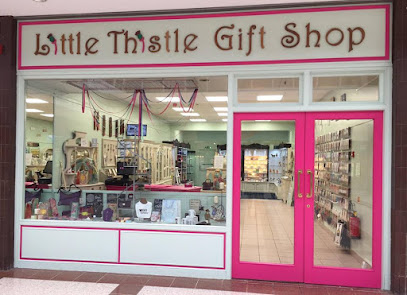
Little Thistle Gift Shop
8.7 km
Discover unique Scottish gifts and handcrafted treasures at Little Thistle, Glenrothes’ award-winning family-run boutique.
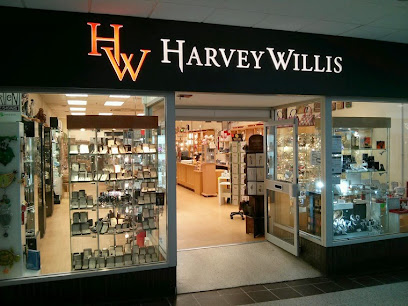
Harvey Willis
8.7 km
Discover Glenrothes’ award-winning boutique offering exquisite gifts, jewellery, watches, and personalized services in a welcoming setting.
A&N Custom Gifts
9.0 km
Explore A&N Custom Gifts, your go-to destination in Glenrothes for unique souvenirs and personalized treasures that embody the spirit of your travels.

Jenna May’s Vintage
12.3 km
Discover unique vintage treasures and handcrafted gifts in the heart of Leven’s charming Commercial Road.
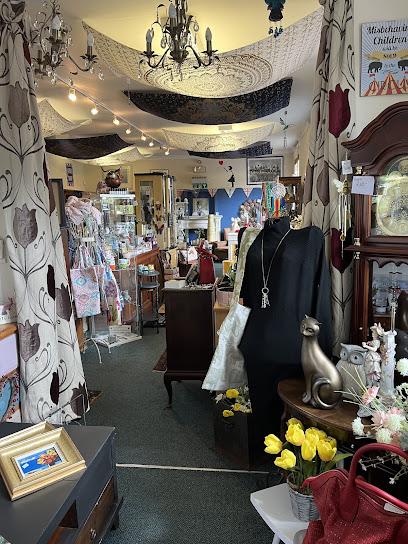
Blake's Vintage & Collectables
12.3 km
Discover timeless treasures and quirky collectibles in the heart of Aberdour’s charming vintage shop.
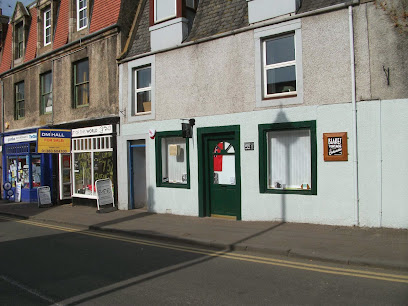
Antiques & Gifts
12.3 km
Explore unique antiques and delightful gifts in the heart of Aberdour, where every item tells a story.
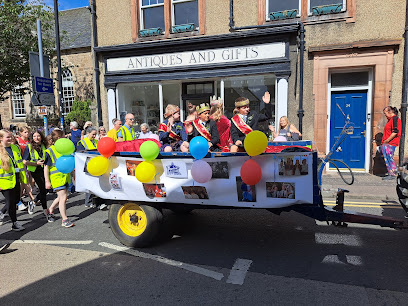
You Know Who's
12.5 km
Discover top high street brands at unbeatable prices with friendly service in the heart of Cowdenbeath.

The Original Factory Shop (Cowdenbeath)
13.6 km
Shop big brands for less at The Original Factory Shop Cowdenbeath, your go-to discount store for clothing, footwear, beauty, and party supplies.

The Rusty Fox
15.3 km
Discover unique gifts, garden treasures, and plus-size fashion at The Rusty Fox, Falkland’s charming boutique on Back Wynd.
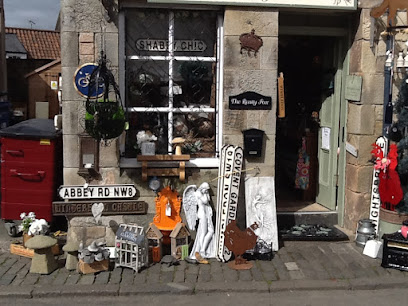
Fayre Earth
15.3 km
A charming gift shop and café in the historic village of Falkland, perfect for Scottish souvenirs, local crafts, and a warm cup of tea.
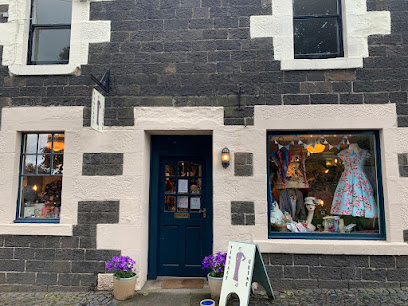
Vintage Quine
15.3 km
Discover timeless vintage fashion and unique accessories in the charming boutique of Vintage Quine, nestled in the historic village of Falkland.
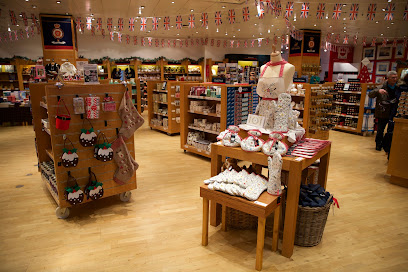
Britannia Gift Shop
15.5 km
Discover exclusive royal souvenirs and nautical treasures at the Britannia Gift Shop, where the legacy of Queen Elizabeth II's yacht comes alive in every carefully curated item.
Build-A-Bear
15.6 km
Craft your own cuddly companion in Leith's lively workshop, where stuffing hearts and dreams creates lifelong memories for kids and families alike.

The Leith collective
15.7 km
Discover upcycled artistry and sustainable treasures from 65+ Leith makers in this eco-heartfelt shopping gem at Ocean Terminal.

Retro Clothing Outfit
15.7 km
Dive into decades of style at Retro Clothing Outfit in Leith's Ocean Terminal—vintage gems await in Edinburgh's creative coastal enclave.

Essential bars & hidden hideouts

Bogarts
0.3 km
A lively and affordable pub in Kirkcaldy’s heart, offering classic drinks and a welcoming atmosphere every day until midnight.
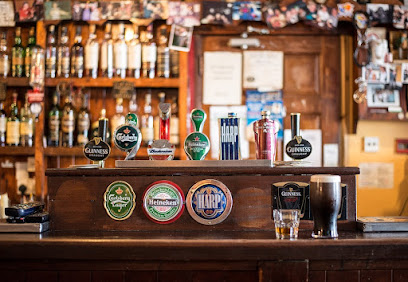
The Path Tavern
0.4 km
A cozy, family-run pub in Kirkcaldy serving hearty home-cooked meals with vintage charm and friendly, attentive service.
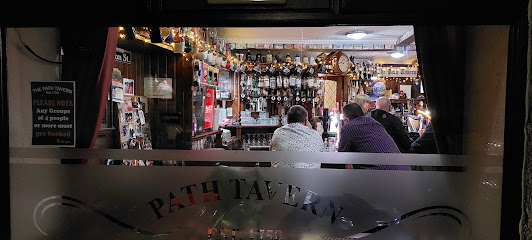
Harbour Bar
0.7 km
A friendly, traditional pub in Kirkcaldy offering affordable ales, lively events, and a welcoming atmosphere for locals and visitors alike.
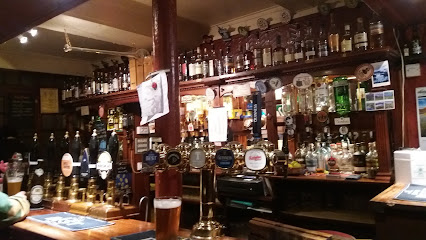
Fife Arms Pub
1.0 km
A traditional Scottish pub in Kirkcaldy offering hearty fare, local drinks, and a lively community atmosphere in a welcoming setting.
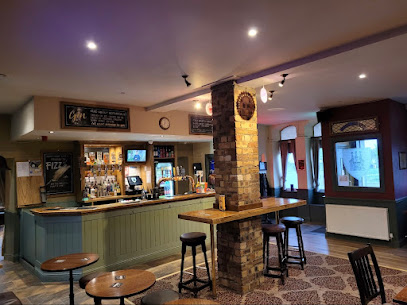
Betty Nicols
1.1 km
Historic and welcoming Kirkcaldy bar offering hearty pub fare, guest ales, vegan options, and a cosy atmosphere with a pet-friendly spirit.
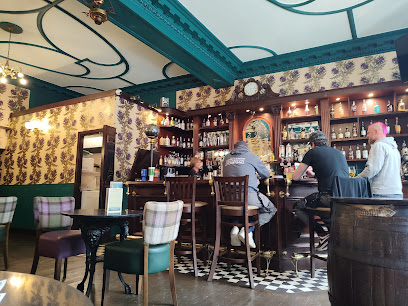
Weavers Bar & Lounge
1.4 km
A welcoming and lively bar in Kirkcaldy offering great drinks, a cozy lounge, and a friendly atmosphere with moderate prices.
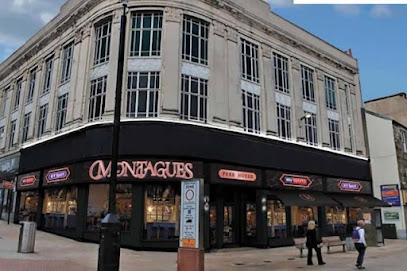
Montagues
1.6 km
Lively and affordable bar with funky decor and friendly staff in the heart of Kirkcaldy's High Street.
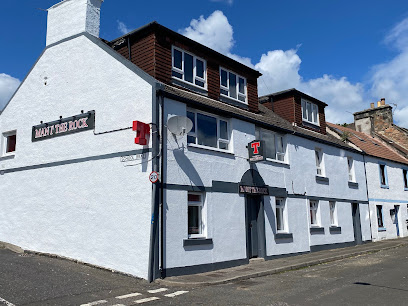
Man I' The Rock
1.7 km
A cozy, traditional pub in Dysart offering genuine Scottish hospitality and a welcoming local atmosphere.
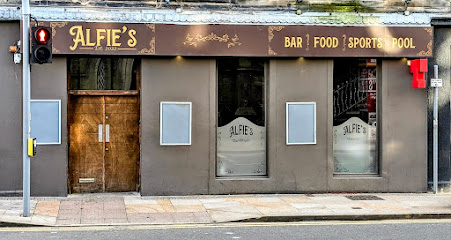
Alfie's
1.7 km
A lively and welcoming bar on Kirkcaldy's High Street, perfect for casual drinks and vibrant nightlife.
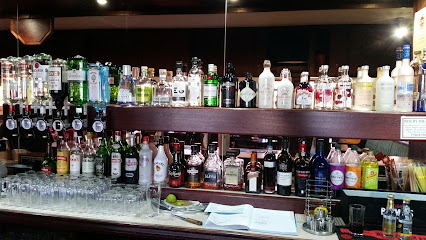
Duchess of Kirkcaldy
1.9 km
A stylish and welcoming bar-restaurant in Kirkcaldy offering delicious pub fare, creative cocktails, and a lively atmosphere with attentive service.
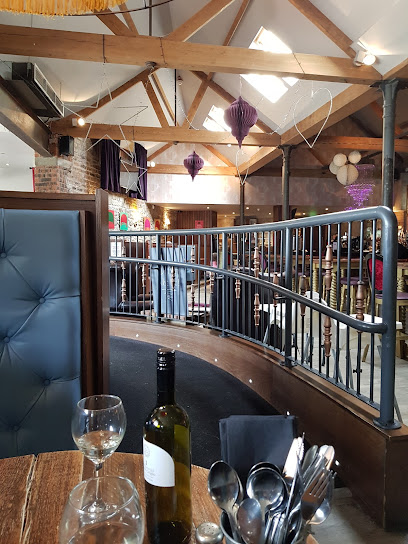
Novar
2.0 km
A lively Kirkcaldy pub and restaurant famed for generous portions, fresh meals, and a welcoming local atmosphere.
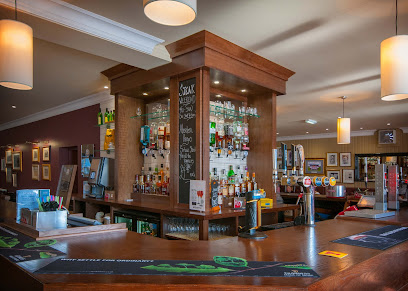
Eddy's Bar
3.3 km
A traditional Kirkcaldy pub blending classic charm with modern comfort, perfect for locals and visitors seeking a welcoming atmosphere.
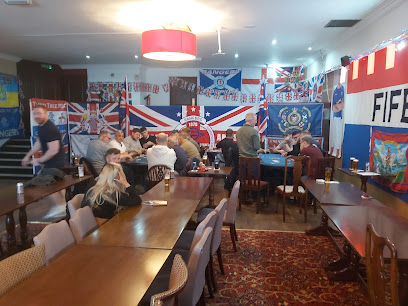
The Chapel Tavern
3.9 km
A classic Kirkcaldy pub offering hearty British fare, lively events, and a warm, welcoming atmosphere for all.
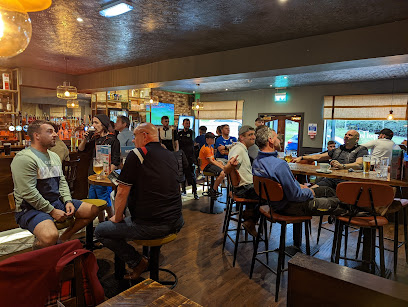
Spiral Weave
4.3 km
A modern pub with a traditional heart, serving daily carvery and classic pub fare in a welcoming family-friendly setting with a lively beer garden.
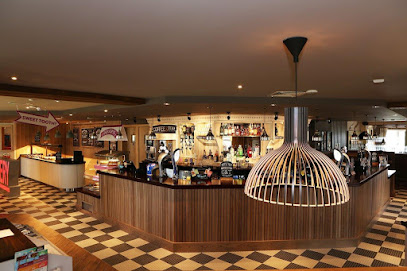
Home Farm View - Pub & Grill
4.6 km
A welcoming pub and grill near Kirkcaldy offering classic dishes, a full bar, and family-friendly comfort in a casual setting.
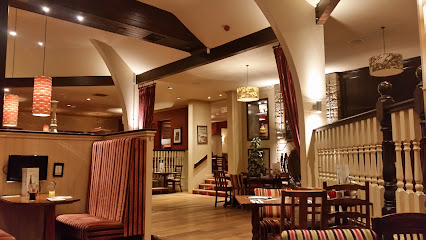
Nightclubs & after hour spots

Republic Bar Club
1.6 km
Experience Kirkcaldy’s vibrant nightlife at Republic Bar Club, where great drinks, friendly vibes, and lively weekends come together.
The Schofies Residence 1
9.3 km
A lively nightclub nestled in Glenrothes, offering a vibrant social scene and memorable nights in Scotland’s welcoming town.
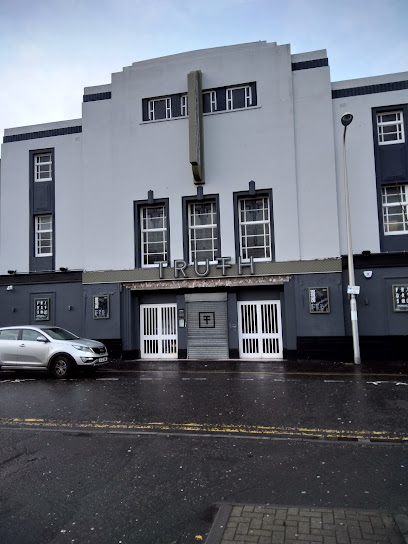
Truth
12.3 km
Experience vibrant nightlife with great music, friendly service, and a welcoming atmosphere at Truth nightclub in Leven, Fife.
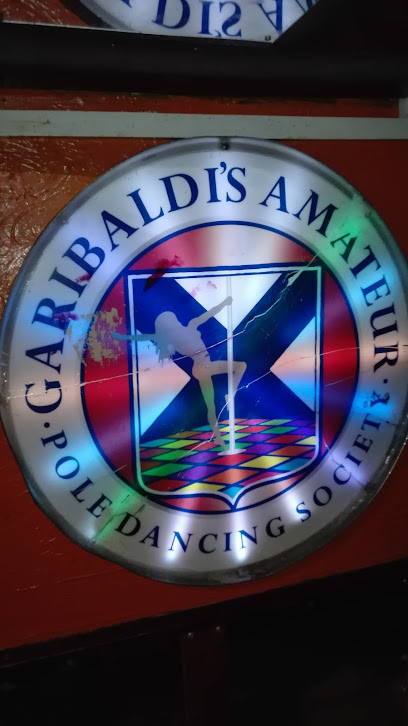
Garibaldi's
18.7 km
Edinburgh's tiniest nightclub packs the biggest late-night punch on Hanover Street, with killer margaritas and a dance floor that never quits till 3am.
Why Not Nightclub
18.8 km
Edinburgh's multi-award-winning late-night haven with LED immersion, garden vibes, and non-stop beats on George Street.
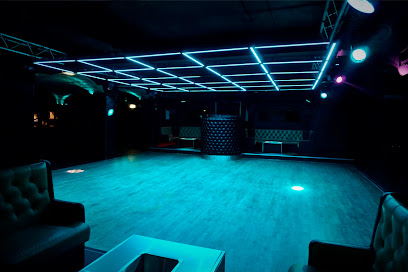
Shanghai Nightclub
18.8 km
Edinburgh's Oriental nightlife den: Asian decor, themed beats, VIP vibes, and non-stop energy on George Street.
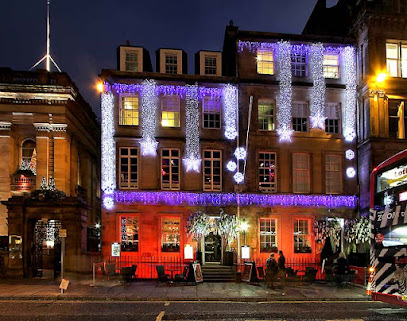
Opal Lounge
18.8 km
A stylish live music bar and nightclub in Edinburgh’s New Town, perfect for celebrations and vibrant nightlife.
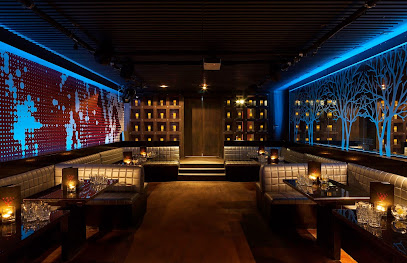
El Barrio Latino
18.8 km
Edinburgh's sizzling Latin nightclub where salsa beats pulse through New Town nights, drawing dancers to its vibrant Hanover Street heart until the early hours.
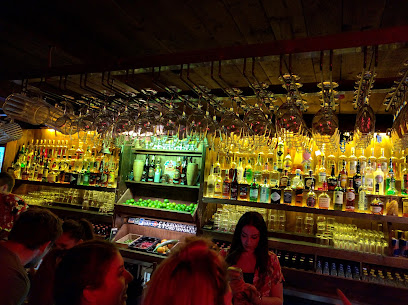
Lulu Bar and Nightclub
19.0 km
Edinburgh's George Street gem: chic cocktails, thumping beats, and dance floors that ignite the night in upscale style.
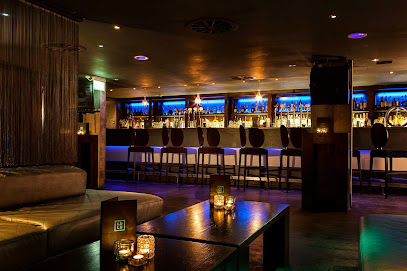
The Shack Retro Bar & Club
19.0 km
Edinburgh's retro dance den blasting 60s-90s hits amid quirky decor and sweaty dance floors—pure nostalgic escapism on Rose Street.

The Hive Nightclub & Venue
19.1 km
Edinburgh's gritty Cowgate nightclub: cheap drinks, multi-room beats, and non-stop energy until 3am in the heart of Old Town.

Cabaret Voltaire
19.2 km
Vaulted live-music rooms and a relaxed upstairs bar—Cabaret Voltaire is Edinburgh’s atmospheric hub for alternative gigs and late-night clubbing.
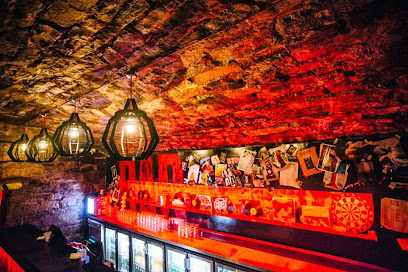
La Belle Angele
19.2 km
Edinburgh’s intimate nightclub and live music venue blending historic charm with vibrant themed nights and diverse performances.
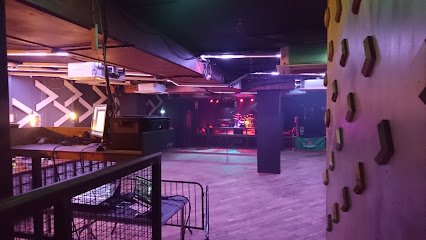
The Mash House
19.3 km
A vibrant Edinburgh nightclub and live music venue blending folk, electronic, and techno in a lively, casual setting.

The Liquid Room
19.3 km
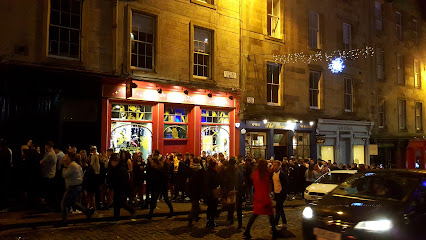
Edinburgh's multi-level nightlife gem: techno thumps, live gigs, and warehouse vibes on historic Victoria Street.
For the vibe & atmosphere seeker
- Scenic
- Tranquil
- Historic
- Unique
For the design and aesthetic lover
- Rustic Designs
For the architecture buff
- Historic
- Landmarks
For the view chaser and sunset hunter
- Iconic Views
- Waterfront
- Sunset Spots
For the social media creator & influencer
- Instagrammable
- Photo Spots
- Selfie Spots
For the eco-conscious traveler
- Protected Area
- Public-Transport Accessible
- Leave-No-Trace Critical
For the kind of experience you’re after
- Cultural Heritage
- Photowalk
- Nature Escape
- Day Trip
- Weekend Getaway
For how adventurous you want the journey to be
- Easy Access
Location Audience
- Family Friendly
- Senior Friendly
- Child Friendly
- Teen Friendly
- Wheelchair Access
- Pet Friendly
- Solo Friendly
- Couple Friendly


