
St Serf's Church and the Dupplin Cross: A Pictish Heritage Gem in Dunning
Explore St Serf's Church and the Dupplin Cross, a stunning blend of medieval architecture and Pictish heritage in the heart of Perthshire.
St Serf's Church in Dunning, Perthshire, is a historic site featuring a remarkable 12th-century Norman tower and Romanesque architecture. Inside, it houses the Dupplin Cross, an early 9th-century Pictish carved stone cross with intricate Christian iconography and a rare Latin inscription naming a Pictish king. The church’s layout reflects post-Reformation Presbyterian worship, while the cross stands as a symbol of Pictish art, faith, and royal power.
A brief summary to St Serf's Church & Dupplin Cross
- Tron Square, Perth, Dunning, PH2 0RG, GB
- +441764684497
- Visit website
- Duration: 0.5 to 2 hours
- Budget
-
 Outdoor
- Mobile reception: 4 out of 5
- Wednesday 10 am-4:30 pm
- Thursday 10 am-4:30 pm
- Saturday 10 am-4:30 pm
- Sunday 10 am-4:30 pm
Local tips
- Visit on a Wednesday, Thursday, Saturday, or Sunday between 10:00 and 16:30 when the church is open to the public.
- Take time to study the Latin inscription on the Dupplin Cross, which uniquely names a Pictish king.
- Explore the churchyard to see historic gravestones and enjoy the peaceful rural surroundings.
- Check for any local historical society events or guided tours to deepen your understanding of the site.

For the on-the-go comforts that matter to you
- Restrooms
- Seating Areas
- Information Boards
Getting There
-
Bus
Take the Stagecoach bus service from Perth to Dunning, which runs approximately every 1-2 hours. The journey takes about 30-40 minutes. From the bus stop in Dunning village center, the church is a short walk. Tickets cost around £4-£6 one way.
-
Car
Driving from Perth to Dunning takes about 25 minutes via the A9 and A822 roads. Parking is available near Tron Square by the church, but spaces are limited during peak times. No parking fees apply.
-
Train and Walk
Take a train from Perth to Gleneagles (about 15 minutes), then a taxi or a 30-minute walk to Dunning. Train fares start at £5 one way. This option offers scenic views but requires some walking or taxi transfer.
St Serf's Church & Dupplin Cross location weather suitability
-
 Any Weather
-
 Mild Temperatures
-
 Rain / Wet Weather
-
 Clear Skies
Discover more about St Serf's Church & Dupplin Cross
A Historic Sanctuary with Deep Roots
St Serf's Church, located in the village of Dunning, is a picturesque former parish church with origins dating back at least to the 12th century. Its Norman tower, built in the Romanesque style, dominates the village skyline and showcases medieval stone-carving artistry. The church’s architectural layout is a rare surviving example of post-Reformation design, arranged to focus worshippers on the preacher rather than the altar, reflecting changes from the 1560 Reformation that shaped Scottish religious practices.The Legendary Origins and Local Lore
The site is steeped in legend, reputedly marking where St Serf, a 6th-century missionary, slew a dragon. This connection to early Christian missionary activity adds a spiritual dimension that predates the existing stone structure. Over centuries, the church expanded with additions such as a large north aisle and galleries in the 1800s to accommodate growing congregations, yet it retains the historic character of its medieval origins.The Dupplin Cross: A Masterpiece of Pictish Art
Housed safely within St Serf’s Church since 2002, the Dupplin Cross is an extraordinary carved sandstone monument from the early 9th century. Standing over eight feet tall, it features intricate Pictish sculpture and Christian iconography, including finely carved figures and a rare Latin inscription naming "Custantin son of Uuirgust" (Constantine son of Fergus), a Pictish king. The cross likely served as a prayer cross and boundary marker, symbolizing royal power and religious devotion in southern Pictland.Artistic and Historical Significance
The Dupplin Cross is unique in its scale, preservation, and complexity, offering invaluable insight into Pictish culture and its links with neighboring kingdoms such as Northumbria and the Scots. Its detailed carvings and inscriptions provide a tangible connection to the Pictish royal dynasty, which was disrupted by Viking invasions in the 9th century. The cross’s relocation indoors ensures its preservation for future research and education.Experience and Atmosphere
Visitors to St Serf’s Church encounter a serene and contemplative atmosphere, enhanced by the cross’s dramatic spotlighting within the historic stone arch. The churchyard and surrounding village add to the sense of timelessness, with old gravestones and tranquil rural scenery. The site invites reflection on Scotland’s early medieval history, faith, and artistry.Continuing Legacy and Community Connection
St Serf’s Church and the Dupplin Cross remain focal points for local heritage and identity. The active historical society in Dunning fosters community engagement with the site’s significance. Educational materials and interpretive activities enrich the visitor experience, making this a compelling destination for those interested in Scotland’s cultural and religious past.Iconic landmarks you can’t miss

Ruins of Kincardine Castle
8.0 km
Explore the evocative 13th-century ruins of Kincardine Castle, a royal Scottish fortress steeped in medieval history and surrounded by tranquil farmland.
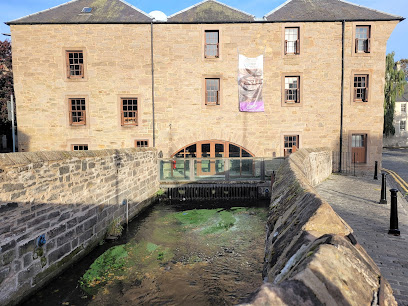
Perth & Kinross Heritage Trust
13.6 km
Explore the Perth & Kinross Heritage Trust - a cultural gem showcasing Scotland's rich history and community heritage.
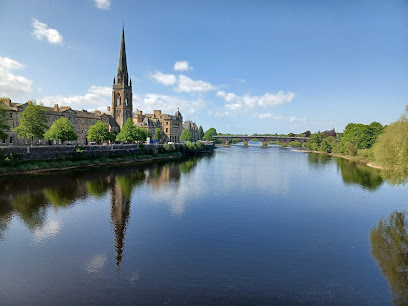
Smeaton's Bridge
13.8 km
Historic 18th-century stone bridge spanning the River Tay in Perth, blending engineering brilliance with scenic charm and rich heritage.
Inchbrakie Monument
14.0 km
A serene Scottish landmark honoring the vanished Inchbrakie estate, its ancient yew, and storied past.
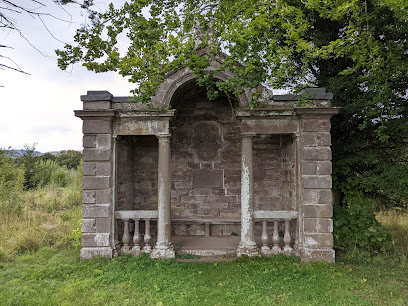
Tomb Of The Minister Of Scone & Family
15.7 km
A solemn mausoleum nestled within Scone Palace grounds, honoring the minister and family amidst Scotland’s royal and religious heritage.
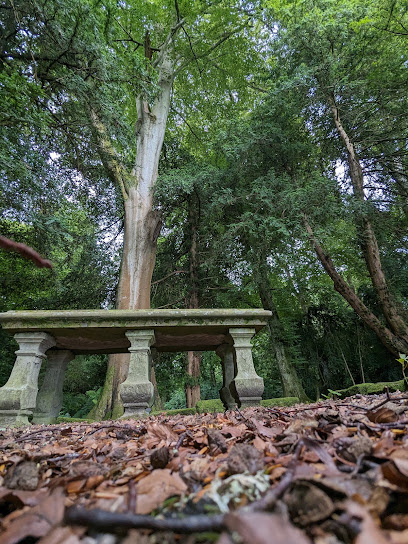
Abernethy Round Tower
17.1 km
A rare medieval Irish-style round tower in Abernethy, steeped in Pictish heritage and offering sweeping views over Perthshire’s countryside.
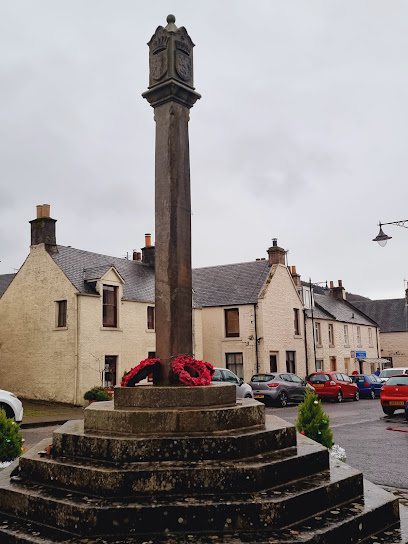
Lochleven Castle
17.3 km
Experience the rich history and stunning views of Lochleven Castle, an enchanting Scottish landmark set on a serene island in Loch Leven.
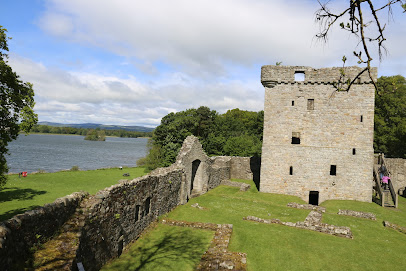
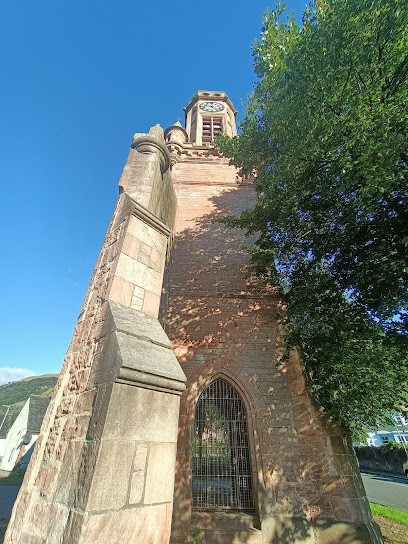
Ochil Street Clock Tower
20.0 km
A striking 19th-century Scottish Baronial clock tower standing proudly on Ochil Street, echoing Tillicoultry’s rich industrial heritage.
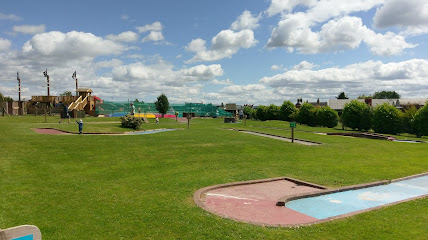
Active Kids Adventure Park
20.3 km
Explore thrilling adventures at Active Kids Adventure Park, a family-friendly destination in Perth perfect for children and young adventurers.
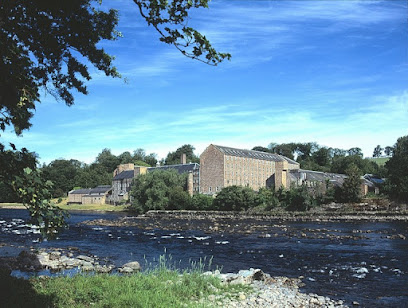
Stanley Mills
20.6 km
Explore the rich industrial heritage and stunning scenery of Stanley Mills, a historic cotton mill complex near Perth, Scotland.
Strath Allan
21.5 km
Discover the serene beauty of Strath Allan, a breathtaking ravine near Dunblane offering stunning landscapes and rich wildlife encounters.

Perthshire Views
21.5 km
Discover the serene beauty of Perthshire Views, your perfect self-catering accommodation in Crieff, surrounded by stunning landscapes and rich Scottish heritage.
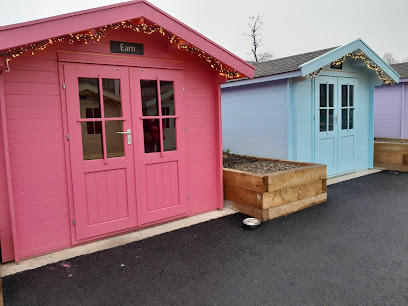
Alva Glen
21.7 km
Explore Alva Glen, a picturesque country park in Scotland, where natural beauty meets adventure and history awaits at every turn.
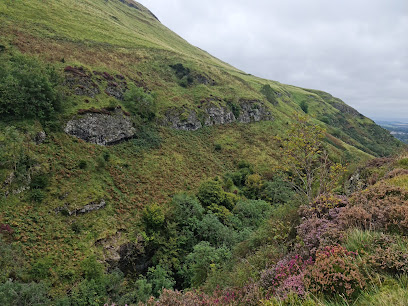
Seamark
21.9 km
Seamark in Kelty, Fife—a serene historical landmark honoring Scotland’s rich coal mining heritage and community resilience.
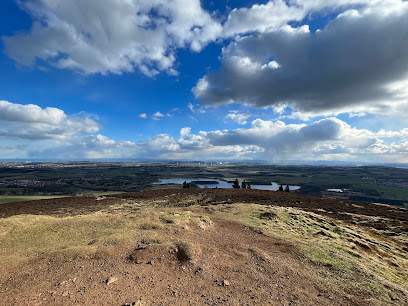
Dunmore Hill Fort
22.1 km
Explore the historic Dunmore Hill Fort near Kinross, a must-visit destination for history enthusiasts and nature lovers seeking scenic beauty.
Unmissable attractions to see

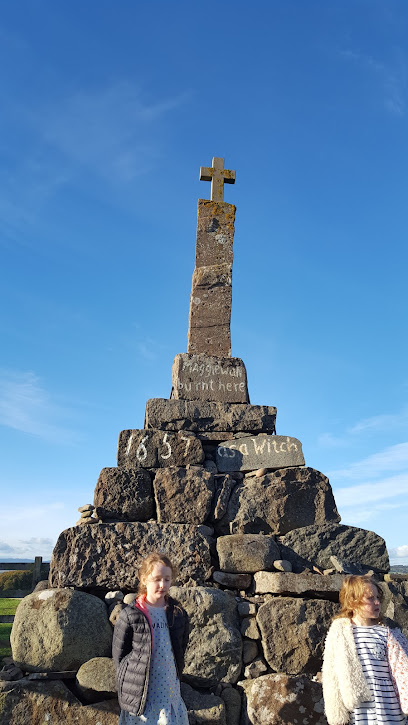
Maggie Wall Witch Monument
1.4 km
Explore the Maggie Wall Witch Monument in Dunning, a haunting tribute to Scotland's witch trials and a reflection on societal change.
Gloagburn Farm Shop
9.6 km
Experience authentic Scottish farm life with fresh homemade food, local produce, and family-friendly fun in the heart of Perthshire.
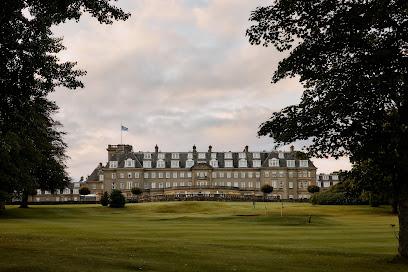
The Gleneagles Hotel
10.7 km
Experience timeless Scottish luxury and world-class golf in the breathtaking Perthshire countryside at The Gleneagles Hotel.
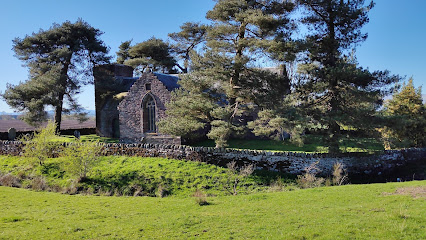
Tullibardine Chapel
11.0 km
Discover Tullibardine Chapel, a rare, unaltered medieval Scottish church steeped in history, family legacy, and serene beauty amid Perthshire’s tranquil farmland.
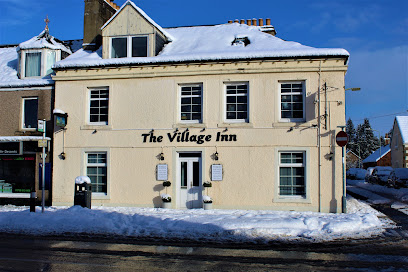
The Village Inn
11.9 km
Cozy country food restaurant in Bridge of Earn offering generous portions, friendly service, and a warm, traditional pub atmosphere.
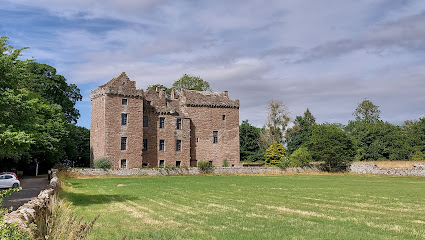
Huntingtower Castle
12.4 km
Discover Huntingtower Castle’s twin towers, royal intrigues, and one of Scotland’s oldest painted ceilings near Perth.
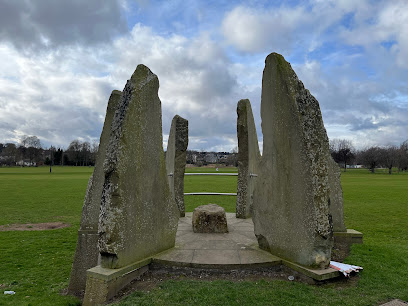
South Inch
12.8 km
Expansive green park with sports, events, and historic charm just minutes from Perth city centre.
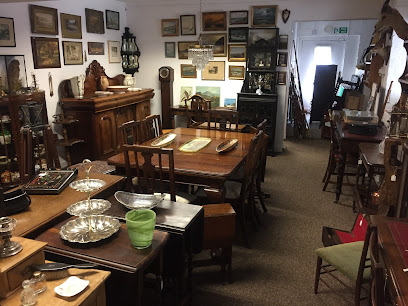
Vectran Vintage
13.2 km
Discover timeless antiques and vintage guitars in the heart of Perth at Vectran Vintage, a haven for collectors and nostalgia lovers alike.
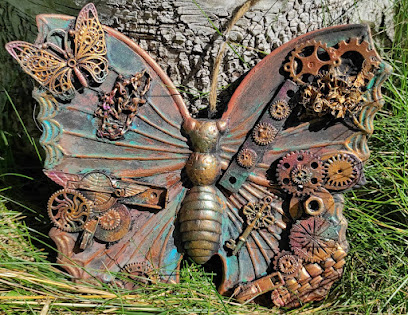
The Art Attic - Gallery, Gift Shop, Craft Supplies, Workshops
13.2 km
Discover unique artworks, craft supplies, and inspiring workshops in the heart of Perth’s historic St Paul's Square.
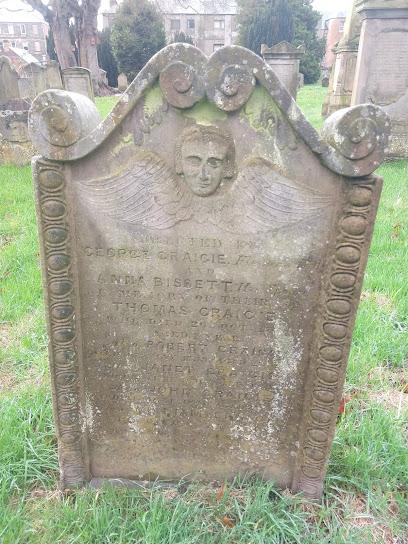
Greyfriars Burial Ground
13.3 km
Historic 16th-century cemetery in Perth, featuring Scotland’s finest gravestones on the site of a former Franciscan monastery.
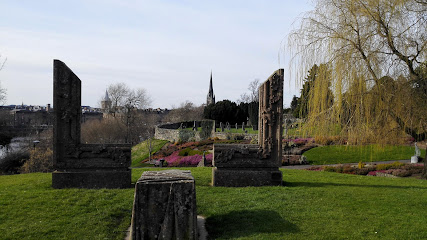
Branklyn Garden
13.4 km
Discover rare plants and serene hillside beauty at Branklyn Garden, a botanical treasure overlooking Perth.
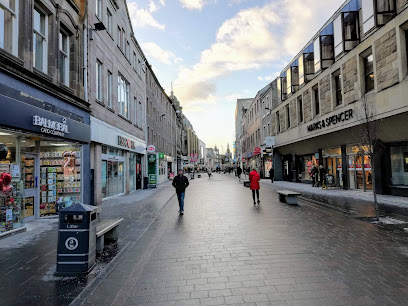
St John's Shopping Centre
13.4 km
Perth's premier shopping destination with 30+ retailers in a bright, welcoming city-centre mall.
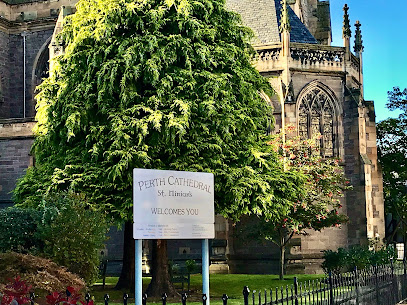
Perth Cathedral, St Ninian's
13.4 km
Discover Perth Cathedral, St Ninian's—a Gothic Revival masterpiece blending rich history, spiritual warmth, and stunning stained glass in Scotland’s heart.
Perth Museum
13.4 km
Discover Scotland’s royal heritage and iconic Stone of Destiny in Perth’s beautifully restored Edwardian museum.
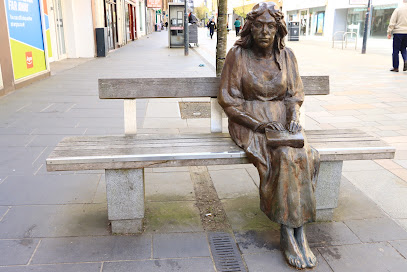
The Fair Maid of Perth
13.5 km
Celebrate Scotland’s rich history and storytelling tradition through the evocative Fair Maid of Perth sculpture in the heart of Perth’s historic High Street.
Essential places to dine

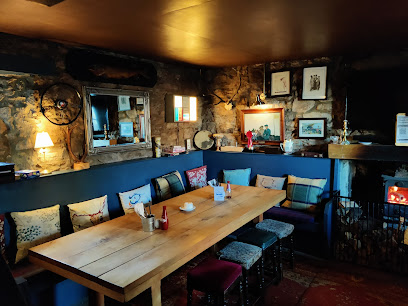
The Kirkstyle Inn
0.1 km
Experience authentic Scottish cuisine at The Kirkstyle Inn in Dunning - where tradition meets taste in a cozy setting.
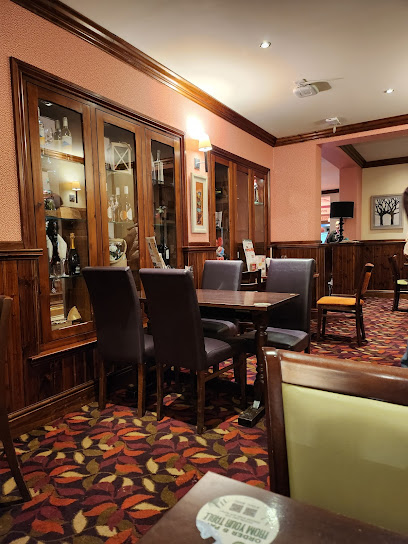
Broxden Farm - Dining & Carvery
10.5 km
A charming Scottish pub in Perth offering hearty carvery meals and warm hospitality in a cozy, family-friendly setting.
Restaurant Andrew Fairlie
10.6 km
Scotland’s only two-Michelin-star restaurant, blending exquisite local ingredients with warm, refined service in Gleneagles’ elegant setting.
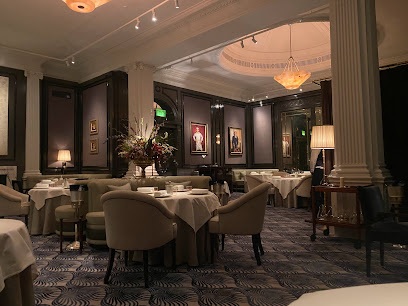
Everest Inn
13.2 km
Experience authentic Nepalese and Indian flavors in Perth’s stylish and welcoming Everest Inn, where tradition meets modern dining.
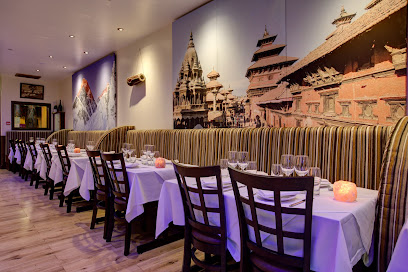
Nicoll's Steak House
13.2 km
A no-frills Perth favourite serving generous, perfectly cooked steaks in a relaxed, family-run setting.
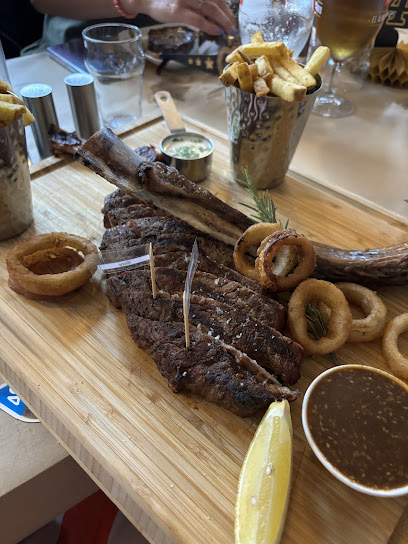
63 Tay Street Restaurant
13.4 km
Modern Scottish fine dining on the banks of the River Tay, where local ingredients meet creative flair in an intimate, elegant setting.
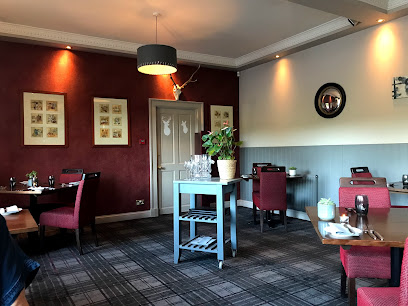
Bothy Perth
13.4 km
Cozy Scottish restaurant and bar in Perth offering seasonal dishes, rustic event spaces, and a warm, inviting atmosphere.
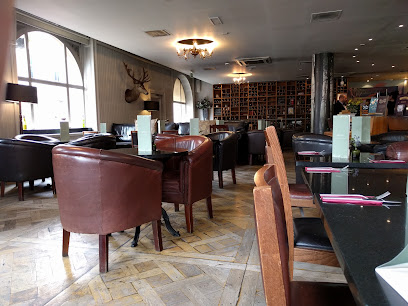
Cardo
13.4 km
A vibrant, family-friendly eatery in Perth serving fresh, artisanal pizzas, pasta, and bakery delights in a welcoming, lively atmosphere.
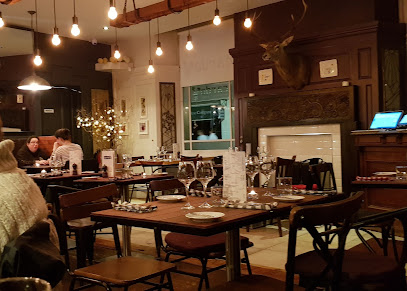
The Giddy Goose
13.5 km
A vibrant and casual restaurant in Perth blending bold British and Italian flavors with a lively atmosphere and late-night hours.
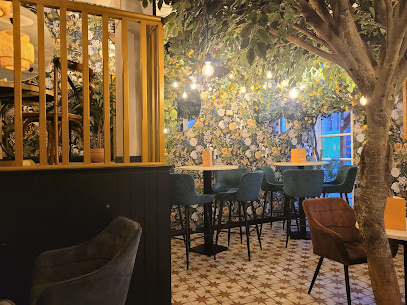
Cridos Restaurant
13.5 km
Experience authentic Mediterranean seafood and steakhouse delights in a cozy, welcoming atmosphere in the heart of Perth.
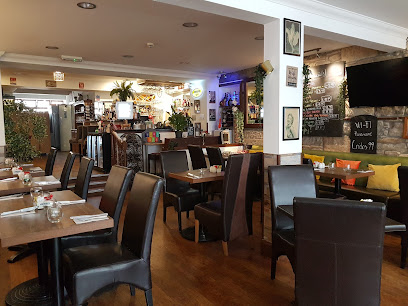
Cafe Tabou
13.5 km
Experience authentic French brasserie charm with seasonal Scottish ingredients in Perth’s lively cafe quarter.
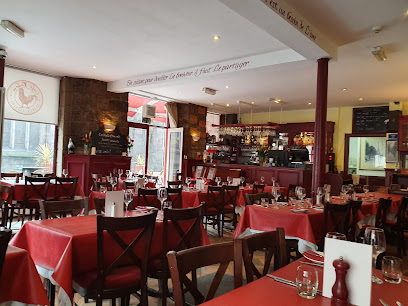
Deans Restaurant
13.6 km
Chic fine dining in Perth with quirky interiors and a focus on local Scottish produce, offering elegant tasting menus in a stylish setting.
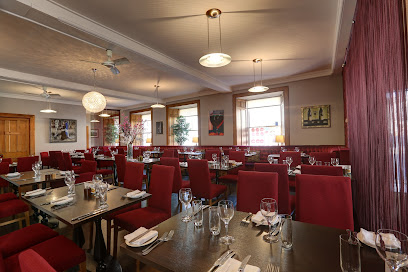
Atholl Restaurant
13.6 km
A welcoming Perth eatery serving fresh, local Scottish dishes in a relaxed atmosphere with a fine selection of wines and whiskies.
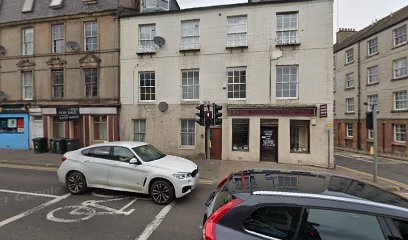
Kisa's
13.6 km
Stylish all-day dining in central Perth, perfect for breakfast, lunch, dinner, or drinks before a show at the nearby concert hall.
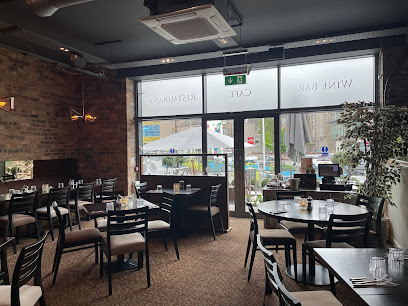
Paco's Restaurant
13.6 km
Lively family-friendly restaurant in Perth offering diverse American, Italian, Mexican, and seafood dishes with a welcoming atmosphere.
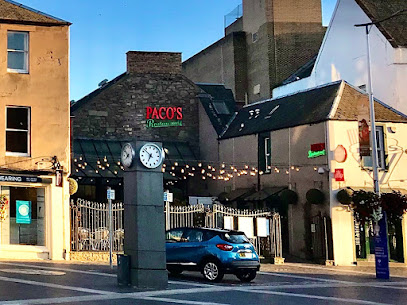
Markets, malls and hidden boutiques

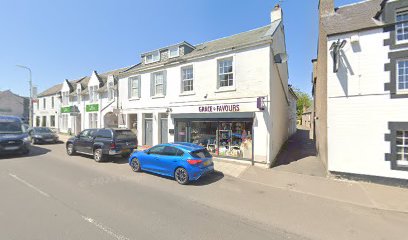
Grace & Favours
7.6 km
Discover unique gifts and warm hospitality at Grace & Favours, a charming boutique in the heart of Auchterarder’s High Street.
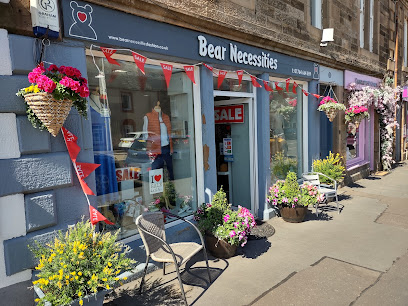
Bear Necessities
7.8 km
A personalized fashion boutique in Auchterarder offering stylish clothing and accessories for everyday and special occasions.
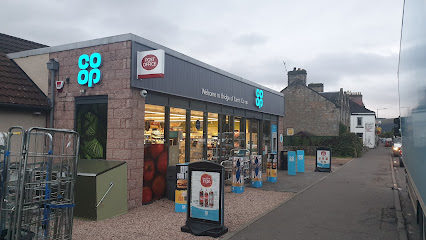
Co-op Food - Bridge of Earn - Main Street New
11.9 km
Discover the Co-op Food Store in Bridge of Earn - your one-stop shop for local flavors and essentials during your Scottish adventure.
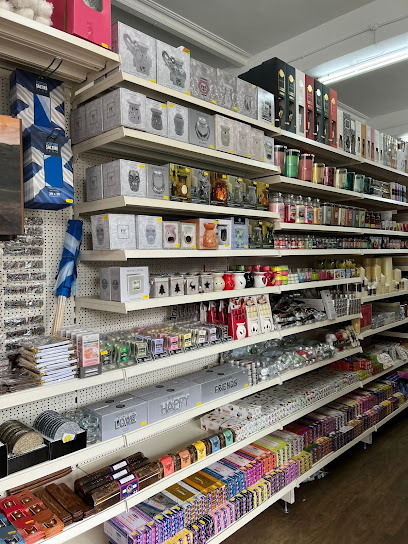
Highland Homeware
13.2 km
Discover Highland Homeware in Perth—a unique blend of homewares, DIY supplies, confectionery, and local charm all under one roof.
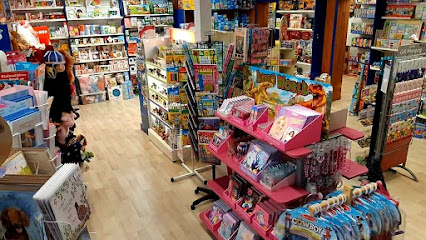
Fun Junction
13.2 km
Independent toy shop in Perth offering quality toys, games, and educational supplies with friendly family-run service.
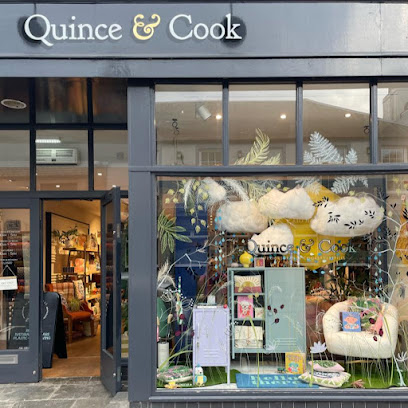
Quince & Cook
13.3 km
Discover Perth’s family-run boutique with curated kitchenware, homewares, eco-friendly products, and unique gifts in a warm, welcoming setting.
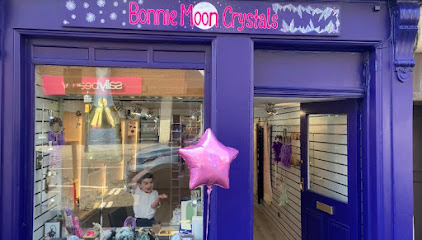
Bonnie Moon Crystals
13.3 km
Discover the magic of crystals and mindful treasures at Bonnie Moon Crystals, Perth’s serene boutique of natural beauty and healing energy.
Begg Shoes
13.3 km
Discover timeless style and expert service at Begg Shoes, Perth’s go-to boutique for quality footwear and leather accessories.
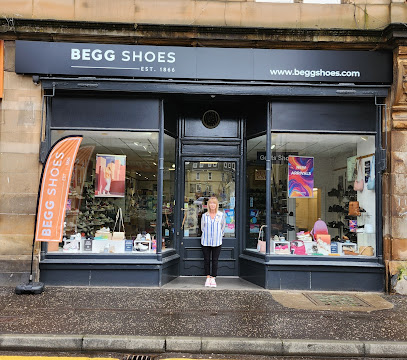
Evalucia
13.3 km
Discover curated fashion and accessories at Evalucia Boutique, Perth’s stylish destination for everyday and special occasion wear.
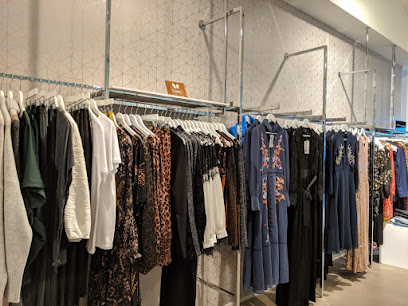
Marians Of Perth
13.3 km
Marian's of Perth: Over 40 years of elegant, inclusive ladies' fashion and personalized service in the heart of Scotland’s historic city.
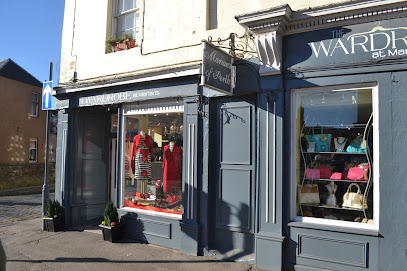
Bonmarché
13.3 km
Stylish and affordable ladies’ fashion for mature women in the heart of Perth’s St Johns Centre.

The Works
13.4 km
Affordable books, crafts, toys, and stationery inspiring creativity and screen-free fun in the heart of Perth.
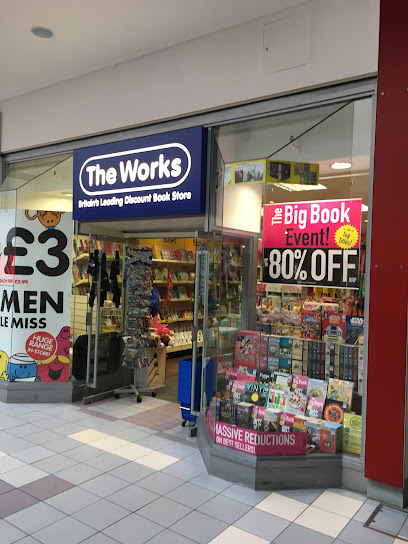
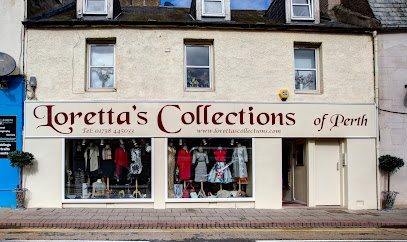
Loretta's Collections Boutique Perth
13.4 km
Discover stylish women's apparel at Loretta's Collections Boutique, Perth’s elegant destination for timeless and contemporary fashion.
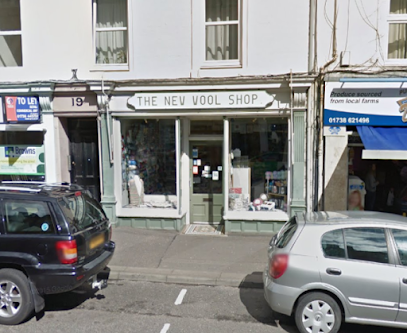
The New Wool Shop
13.4 km
A welcoming wool and needlecraft shop in Perth offering quality yarns, expert advice, and a vibrant crafting community.
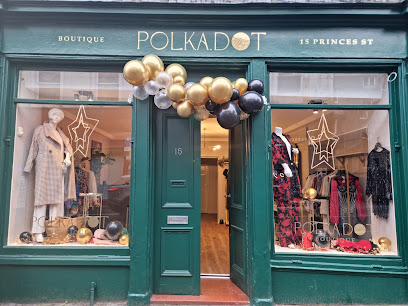
PolkaDot Boutique Perth
13.4 km
A chic independent clothing boutique in central Perth, offering contemporary women’s fashion with a personal touch.
Essential bars & hidden hideouts

Cherrybank Inn
11.5 km
Cozy pub and hotel offering local flavors, comfortable rooms, and outdoor tennis courts in a friendly Perth suburb setting.
The Glover Arms
12.2 km
Historic Scottish pub with hearty fare, cozy fires, and a lively beer garden in Perth’s Huntingtower Park.
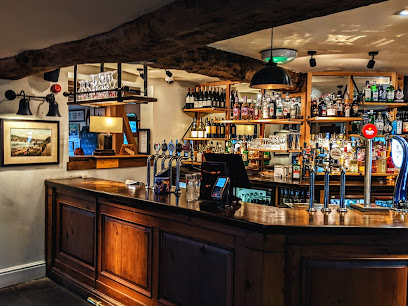
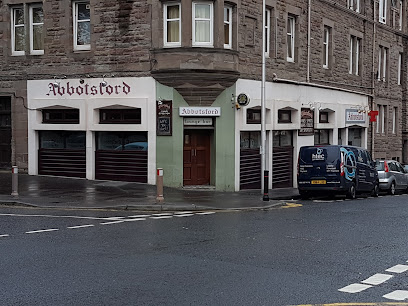
Abbotsford Lounge Bar
12.4 km
A cozy, friendly local bar in Craigie, Perth, offering great drinks, light lunches, and a welcoming community atmosphere.
The Twa Tams
13.1 km
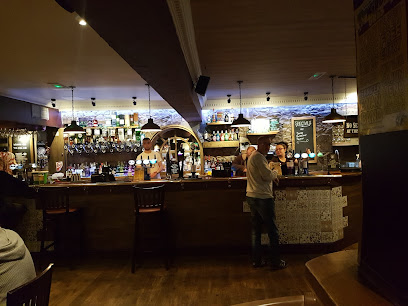
Experience Perth’s vibrant live music scene and gastropub charm at The Twa Tams, a welcoming city centre venue with great drinks and atmosphere.
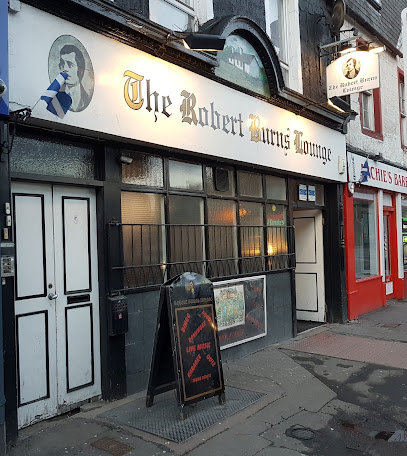
Robert Burns Lounge
13.2 km
Cozy Scottish pub in Perth with lively karaoke nights, friendly service, and a warm community atmosphere.
The Bunker Lounge & Bar
13.2 km
A cozy and inviting lounge bar in Perth offering tapas, quality drinks, and a warm atmosphere for relaxed socializing.
The Silvery Tay
13.2 km
Historic charm meets local ales and live music in Perth’s beloved Silvery Tay pub on South Street.
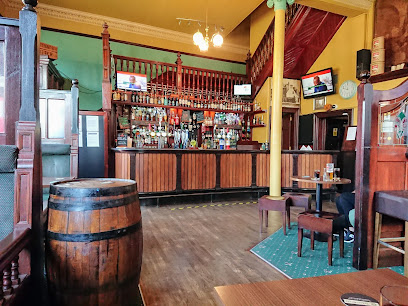
Ormonds
13.2 km
A friendly Perth pub serving hearty, affordable Scottish classics with generous portions and a welcoming atmosphere.
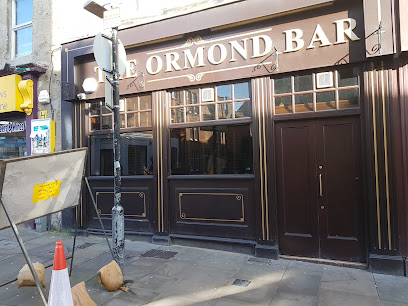
That Bar Lounge
13.2 km
A vibrant city-centre lounge in Perth offering extensive whiskies, creative cocktails, and a friendly, pet-welcoming atmosphere since 1997.
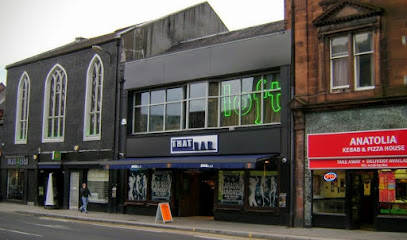
Royal Bar
13.2 km
Experience authentic Scottish pub culture with friendly service, fine malt whiskies, and a lively atmosphere in the heart of Perth.
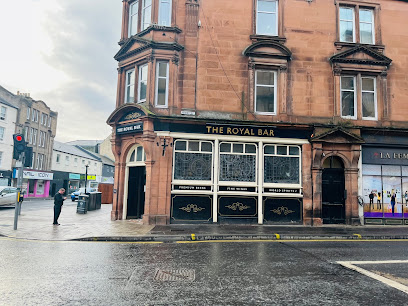
The Bee Bar
13.3 km
Authentic Scottish dive bar in Perth’s town centre, known for live local music, friendly vibe, and a welcoming community spirit.
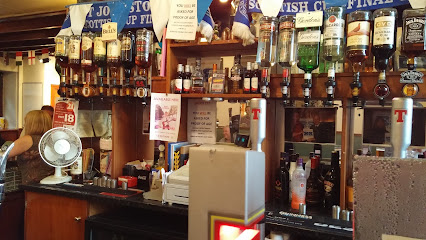
The Malt House Bar & Grill
13.3 km
A beloved traditional bar and grill in Perth, famed for its exceptional steaks and warm, inviting atmosphere.
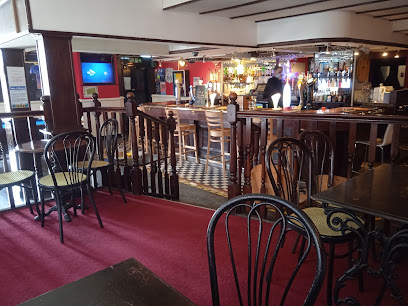
The Caledonian
13.3 km
A vibrant, friendly pub in Perth’s city center, offering great drinks, a welcoming atmosphere, and authentic local charm.
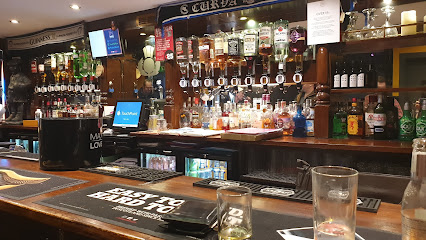
Slàinte Bar
13.3 km
Historic and friendly Perth pub offering hearty home-cooked meals, great service, and a welcoming atmosphere in the city center.
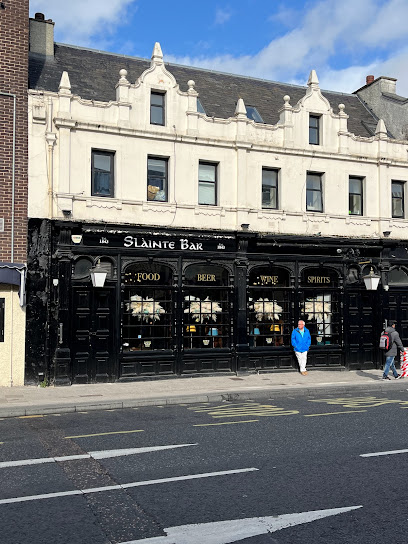
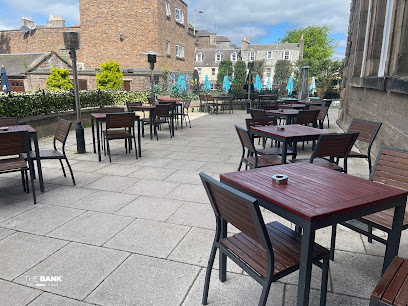
The BANK Bar & Beer Garden
13.3 km
A vibrant gastropub and beer garden in Perth’s city centre, perfect for casual drinks and lively socializing.
Nightclubs & after hour spots

Ice Factory Perth
13.0 km
Perth’s energetic nightclub and live music hotspot, blending dance, DJs, and vibrant weekend nights in a modern setting.
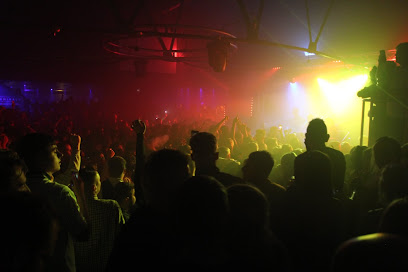
Loft Nightclub
13.2 km
Perth’s energetic nightclub with six bars, late-night dancing, and a lively social scene on South Street.
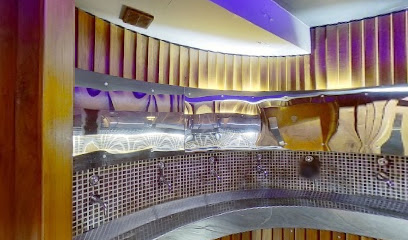
Ego Nightclub - Perth
13.3 km
Experience Perth’s vibrant nightlife at Ego Nightclub, where quality music and positive energy unite after dark.
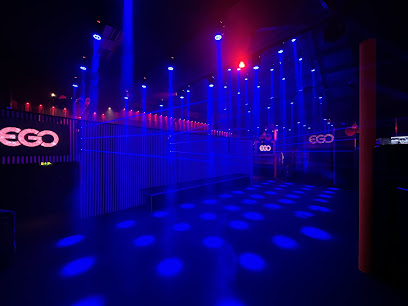
Club One
13.5 km
Experience Perth’s vibrant nightlife at Club One, a lively nightclub offering late-night and daytime parties in the city center.
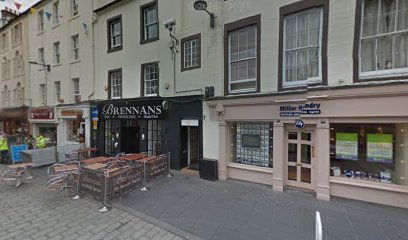
The Schofies Residence 1
27.3 km
A lively nightclub nestled in Glenrothes, offering a vibrant social scene and memorable nights in Scotland’s welcoming town.
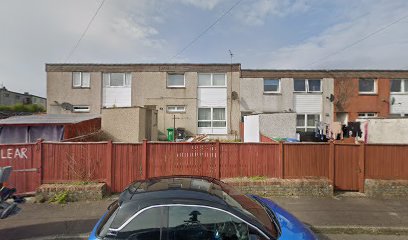
LIFE
28.0 km
Experience vibrant nightlife and late-night fun at LIFE, Dunfermline’s energetic nightclub with a welcoming atmosphere and great music.
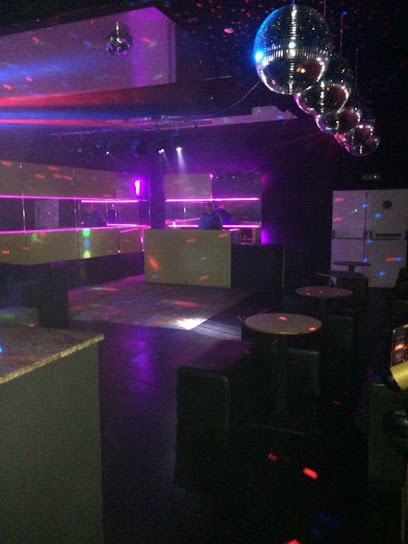
Fubar Nightclub
30.5 km
Experience Stirling’s energetic student nightlife at Fubar Nightclub, where music, lights, and lively crowds come alive late into the night.
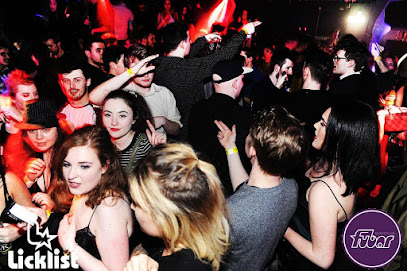
Castle Leisure Group
30.6 km
Discover the lively atmosphere of Castle Leisure Group in Stirling – a perfect blend of dining, nightlife, and entertainment for tourists.
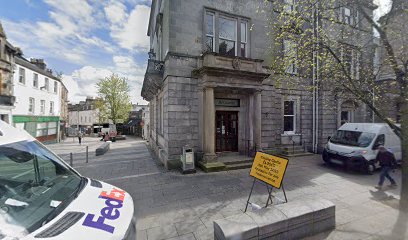
Lawsons
30.6 km
Discover the lively atmosphere and welcoming charm of Lawsons, a premier bar in Stirling perfect for unwinding after a day of adventures.
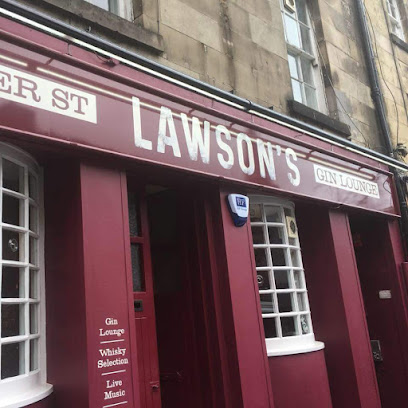
Nicky-Tams Bar & Bothy
30.6 km
Experience the warmth of Scottish hospitality at Nicky-Tams Bar & Bothy, a gastropub in Stirling offering delicious food and a vibrant atmosphere.
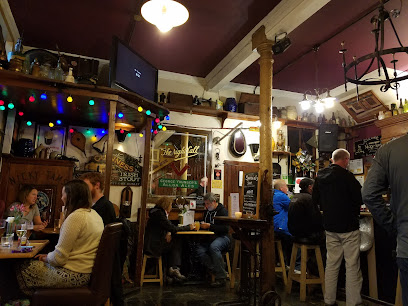
King Cons
30.6 km
Discover the vibrant nightlife of Stirling at King Cons, a lively bar offering a wide selection of drinks and a welcoming atmosphere for all.
Slanj-A-Va
30.7 km
Discover Slanj-A-Va: Stirling's premier live music venue offering an unforgettable night out filled with diverse musical experiences.
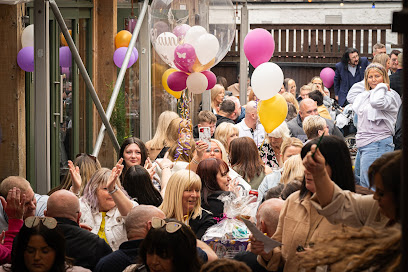
Hustlers Pool Hall
31.9 km
Affordable, lively pool hall and sports bar in Rosyth offering fun games, friendly vibes, and great social atmosphere for all ages.
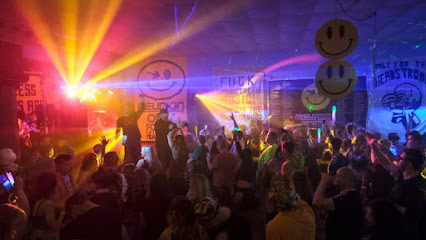
The Gig
34.4 km
Experience Blairgowrie’s vibrant nightlife at The Gig, a welcoming and affordable nightclub in the heart of this scenic Scottish town.
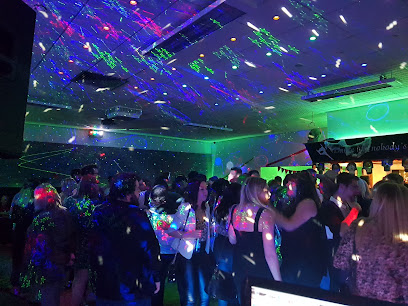
Republic Bar Club
34.8 km
Experience Kirkcaldy’s vibrant nightlife at Republic Bar Club, where great drinks, friendly vibes, and lively weekends come together.
For the vibe & atmosphere seeker
- Tranquil
- Scenic
- Unique
- Casual
For the design and aesthetic lover
- Vintage Styles
- Rustic Designs
For the architecture buff
- Historic
- Landmarks
- Sacred Sites
For the view chaser and sunset hunter
- Iconic Views
For the social media creator & influencer
- Instagrammable
- Photo Spots
- Architectural Shots
For the eco-conscious traveler
- Public-Transport Accessible
- Locally Managed
For the kind of experience you’re after
- Cultural Heritage
- Myth & Legends
- Photowalk
- Day Trip
- Weekend Getaway
For how adventurous you want the journey to be
- Easy Access
Location Audience
- Family Friendly
- Senior Friendly
- Child Friendly
- Teen Friendly
- Wheelchair Access
- Solo Friendly
- Couple Friendly
- Vegetarian Friendly
- Vegan Friendly


