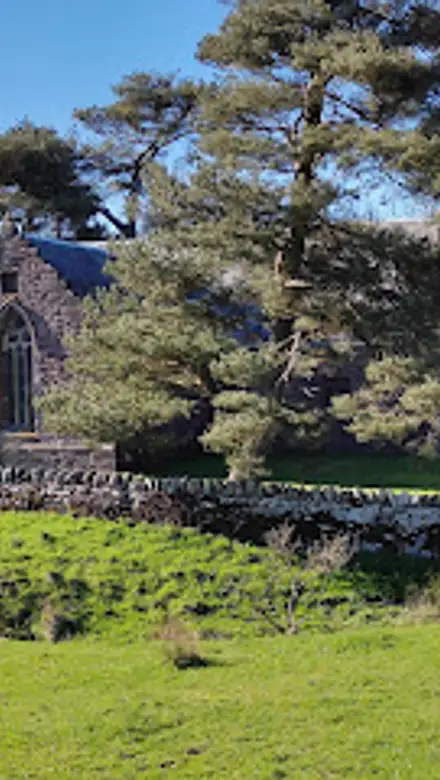
Tullibardine Chapel Travel Guide
Free Guide: Discover Tullibardine Chapel, a rare, unaltered medieval Scottish church steeped in history, family legacy, and serene beauty amid Perthshire’s tranquil farmland.


A brief summary of Tullibardine Chapel
Discover Tullibardine Chapel, a rare, unaltered medieval Scottish church steeped in history, family legacy, and serene beauty amid Perthshire’s tranquil farmland.
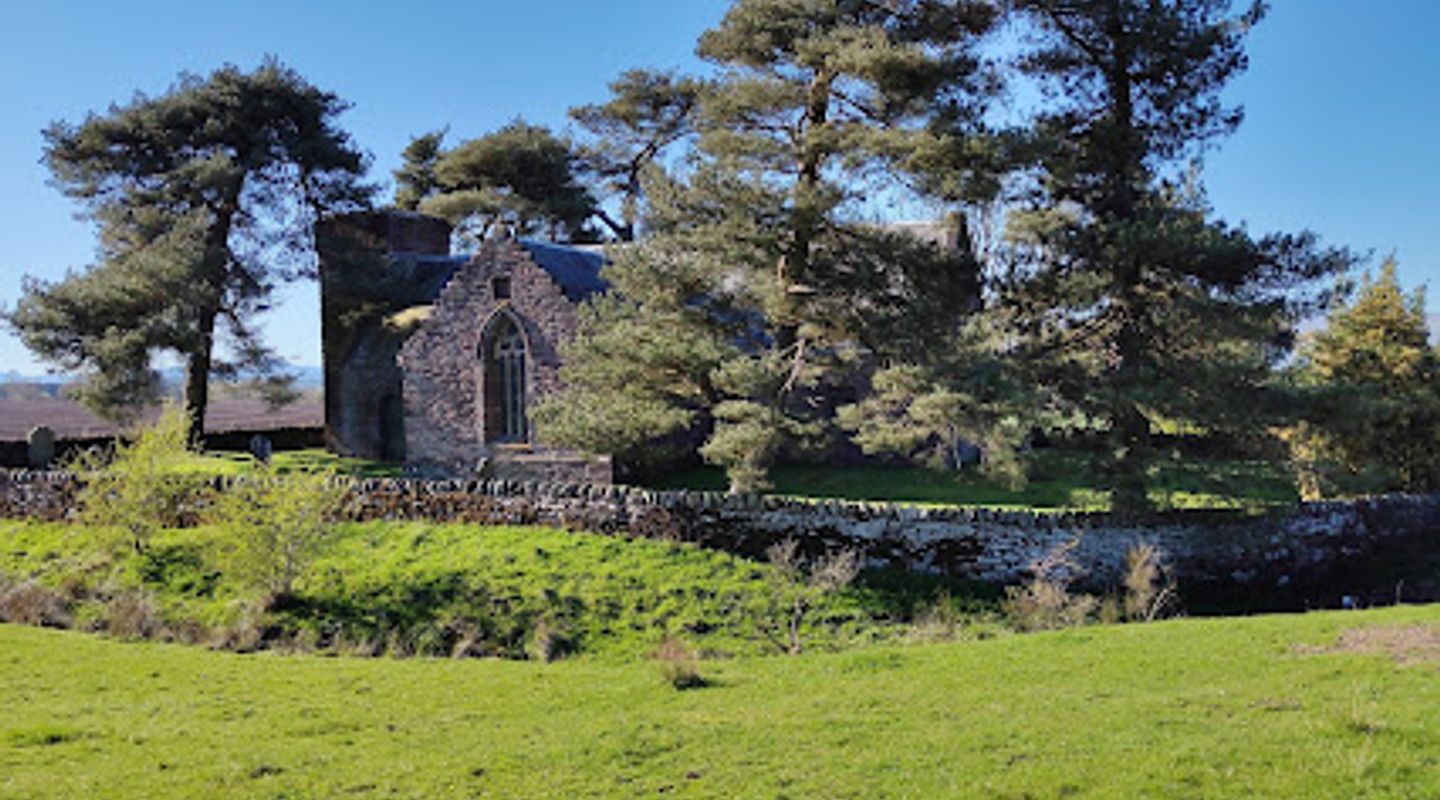
Tullibardine Chapel, near Auchterarder in Perthshire, is a rare and remarkably intact medieval church dating back to 1446. Founded by Sir David Murray as a private family chapel and burial site, it was expanded around 1500 into a cruciform layout with transepts and a bell tower. Surrounded by tranquil pine-shaded farmland, it survived the Reformation largely unaltered and remains a poignant symbol of the Murray family's legacy and Scotland’s medieval ecclesiastical heritage.
On-site amenities
 Information boards
 Seating areas
 Trash bins
- Address
- Auchterarder PH3 1NU
- Phone
- Website
Getting there
Car
Bus
Taxi
Discover more about Tullibardine Chapel
Origins and Founding by the Murray Family
Tullibardine Chapel was established in 1446 by Sir David Murray of Tullibardine, a prominent Scottish nobleman and ancestor of the Dukes of Atholl. Originally conceived as a private chapel and intended collegiate church for a community of priests to pray for the Murray family’s souls, it was built near the now-lost Tullibardine Castle. Although papal approval for collegiate status was never granted, the chapel served as the Murray family’s spiritual center and burial place for centuries. The original structure was a simple rectangular church comprising a chancel and nave, reflecting typical medieval ecclesiastical design of the period.
Expansion and Architectural Features
Around 1500, Sir David’s grandson, Sir Andrew Murray, undertook a significant enlargement of the chapel. He added north and south transepts, extending the nave and creating a cruciform layout, a shape symbolizing the Christian cross. A small bell tower was also constructed at the west end. The chapel’s medieval timber roof remains largely intact, showcasing the craftsmanship of the era. Inside, masons’ marks are visible on the stonework, and coats of arms of the Murray family adorn both the interior and exterior walls, including armorial plaques commemorating family alliances. The chapel’s floor features burial vaults marked by large slabs where generations of Murrays were interred.
Historical Significance and Jacobite Connections
Tullibardine Chapel’s history is deeply intertwined with Scotland’s turbulent past. The Murray family were staunch supporters of the Jacobite uprisings of the early 18th century. Lord George Murray, a key Jacobite general, buried his infant daughter in the chapel in 1740. Although he wished to be laid to rest there, his exile following the defeat at Culloden prevented this. His brother, William Murray, Marquis of Tullibardine, also a Jacobite leader, died imprisoned in the Tower of London. Despite these upheavals, the chapel remained a family mausoleum into the 20th century, preserving the memory of the Murrays’ role in Scottish history.
Preservation and Setting
Remarkably, Tullibardine Chapel has survived the Reformation and centuries of change with minimal alteration. It stands today as one of Scotland’s most complete medieval churches, retaining its original layout and many architectural details. The chapel is set within a neat, peaceful graveyard dotted with Scots pine trees, evoking a serene atmosphere that echoes its centuries-old spiritual purpose. The surrounding farmland and absence of modern intrusions enhance its sense of timelessness.
Modern Cultural Relevance and Visitor Experience
Today, Tullibardine Chapel is cared for by Historic Environment Scotland and is open to visitors from April to September. It has also gained contemporary cultural significance as a filming location for the television series "Outlander," connecting its historic aura to popular culture. Visitors can appreciate the chapel’s austere interior, the craftsmanship of its stonework and roof, and the poignant memorials to the Murray family. The tranquil setting invites quiet reflection, meditation, and an immersive experience of Scotland’s medieval heritage.
Architectural and Artistic Highlights
The chapel’s interior reveals niches for statues and aumbries, though these are now empty, hinting at its original richly adorned character. The raised west end of the nave, separated by two steps, and the impressive arches linking the transepts to the nave demonstrate the architectural ambition of its builders. The timber roof, with its medieval vaulting, remains a rare survival, while the coats of arms and masons’ marks provide tangible links to the artisans and patrons who shaped this sacred space. These features collectively make Tullibardine Chapel a unique window into Scotland’s late medieval ecclesiastical architecture and noble patronage.
Evendo Review Centre
 Google
Guest reviews
Best time to go
Quietest: Jan, Feb & Dec · before 7am or at 8pm
Busy times are Evendo estimates for a typical year, to help you plan. Actual crowds vary with events, school holidays and the weather.
Explore Tullibardine Chapel on the map
A handpicked selection of must-see spots near Tullibardine Chapel, mapped for you.
Get your free copy of our complete guide to Tullibardine Chapel, delivered straight to you.
Everything on this page, from opening hours and how to get there to Eve’s tips and the best time to go, in one PDF you can read offline, print or share.
Already have an account? Sign in
Your Tullibardine Chapel guide is ready.
We'll send it to · Not you? Sign out

Getting your guide ready…
We are putting together a fresh copy of the Tullibardine Chapel guide. This can take up to a minute.
This can take a few moments. If your browser asks, choose Allow so the download can start. You'll find the guide in your Downloads folder.
Nothing happened? Download it again
Sorry, the guide is taking longer than usual. Please try again in a minute, or get it by email instead.
Other nearby places you may find interesting
The closest places of the same kind, if this one is not quite what you had in mind.
-
-
-
-
-


Swipe for more places
More to explore near Tullibardine Chapel

 Best experiences near Tullibardine Chapel
 Best hotels near Tullibardine Chapel
 Best landmarks near Tullibardine Chapel
 Best attractions near Tullibardine Chapel
 Best shops near Tullibardine Chapel
 Best restaurants near Tullibardine Chapel
 Best bars near Tullibardine Chapel
Do you manage this location?
Take control to get all the benefits, like improved information, better appearance, and stronger visibility across AI-powered discovery.
Explore more
Explore more of Perthshire
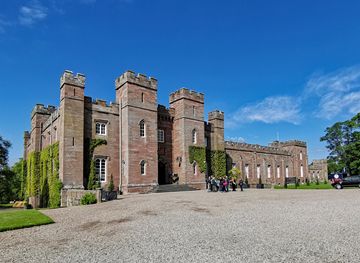
Discover Perthshire: Scotland's Heartland of Natural Beauty, Cultural Heritage, and Outdoor Adventure.
Explore Perthshire
Explore more of United Kingdom
Discover the United Kingdom: A blend of rich history, stunning landscapes, and vibrant cities, offering a unique travel experience for every visitor.
Explore United Kingdom