
Stanley Mills: Scotland’s Industrial Revolution Legacy on the River Tay
Explore Stanley Mills, a captivating 18th-century cotton mill complex on the River Tay, blending industrial heritage with interactive exhibits and scenic riverside charm.
Stanley Mills is a remarkably well-preserved 18th-century cotton mill complex on the River Tay near Perth, Scotland. Established in the 1780s with backing from Richard Arkwright, a pioneer of the factory system, it operated for over 200 years harnessing water power to produce textiles. Today, visitors can explore historic mill buildings, interactive exhibits, and learn about the lives of mill workers, including women and children, in a scenic riverside setting.
A brief summary to Stanley Mills
- Perth, Stanley, PH1 4QE, GB
- +441738825901
- Visit website
- Duration: 1 to 3 hours
- Mid ranged
-
 Outdoor
- Mobile reception: 4 out of 5
- Monday 10 am-4:30 pm
- Tuesday 10 am-4:30 pm
- Wednesday 10 am-4:30 pm
- Thursday 10 am-4:30 pm
- Friday 10 am-4:30 pm
- Saturday 10 am-4:30 pm
- Sunday 10 am-4:30 pm
Local tips
- Wear comfortable footwear to explore the multi-level mill buildings and riverside paths.
- Visit between April and September for full access to exhibitions and interactive displays.
- Take advantage of the fun fact-finding quiz to engage children with the mill’s history.
- Use the accessible parking and lifts available, but note some upper floors require stairs.
- Combine your visit with a walk along the scenic River Tay and explore the historic Stanley village nearby.

For the on-the-go comforts that matter to you
- Restrooms
- Drink Options
- Food Options
- Seating Areas
- Picnic Areas
- Trash Bins
- Information Boards
- Visitor Center
Getting There
-
Car
Driving from Perth city centre takes approximately 20-30 minutes via the A9 and local roads. Ample free parking is available near the visitor centre. Note the access road to the mill is steep and narrow in places.
-
Bus
Local bus services run from Perth to Stanley village with a journey time of about 40-50 minutes. From the village, the mill is within walking distance. Check current timetables as service frequency may be limited, especially on weekends.
-
Walking
For active visitors, walking from Stanley village to the mill takes around 10-15 minutes along mostly paved paths with some gentle slopes. Suitable for most fitness levels but may be challenging for wheelchair users due to terrain.
Stanley Mills location weather suitability
-
 Any Weather
-
 Rain / Wet Weather
-
 Clear Skies
-
 Mild Temperatures
Discover more about Stanley Mills
Origins of a Textile Powerhouse
Stanley Mills began in the late 1780s, conceived by local merchants and supported by Richard Arkwright, a key figure in the Industrial Revolution. The site was chosen for its proximity to the River Tay, whose power was harnessed through an extensive network of lades and waterwheels. The Bell Mill, built in 1786-7, stands as one of the world’s oldest surviving factories and showcases early industrial architecture with cast-iron columns. The mill complex expanded over the 19th century, reflecting technological advances and changing industrial demands.Evolution Through Innovation and Challenge
Throughout its 200-year history, Stanley Mills underwent numerous expansions and adaptations. The Mid Mill, constructed in the 1820s, marked a period of growth, while later improvements included replacing waterwheels with more efficient turbines. The mill diversified production to include cotton belts and cigarette filter tape, especially during the 20th century. However, economic downturns, wars, and changing markets led to gradual decline, culminating in closure in 1989. The site’s history also reflects broader social changes, including the shift from rural crofting to industrial labor.Immersive Visitor Experience Today
Now managed by Historic Environment Scotland, Stanley Mills offers a hi-tech, interactive visitor experience. Exhibits include original machinery, audio stories from former workers, and hands-on displays explaining water power and textile production. The preserved Bell Mill allows visitors to step back in time, while the Mid Mill hosts interactive rooms ideal for families. The site also features a quiz trail and displays on Scottish rock carvings, enriching the cultural context.Architectural and Community Heritage
The mill buildings, constructed mainly from stone and brick, are set in wooded surroundings beside the Tay. Many former mill buildings and workers’ cottages have been sensitively converted into residences, blending heritage conservation with modern use. Stanley village itself was originally built to house mill workers, reflecting the close-knit industrial community. The site’s preservation highlights the importance of industrial heritage and adaptive reuse.Access and Amenities for Visitors
Stanley Mills is wheelchair accessible with lifts and ramps to most exhibition areas, though some upper floors require stairs. Facilities include a visitor centre, shop, restrooms, and picnic areas. The riverside location offers scenic walks and seating spots to enjoy views of the Tay. Parking is available nearby, and the mill is open seasonally from April to September, with daily hours typically from 10am to 4:30pm.Legacy of Industrial Scotland
Stanley Mills stands as a testament to Scotland’s role in the Industrial Revolution, illustrating technological innovation, social history, and economic change. It preserves the stories of the thousands who worked here, especially women and children, and offers insight into the factory system’s impact on communities. Today, it balances historical education with a vibrant cultural site, inviting visitors to explore the past amid beautiful natural surroundings.Iconic landmarks you can’t miss

Ballathie House Hotel
5.1 km
Historic Scottish country house hotel with award-winning dining and tranquil river views on a vast Perthshire estate.

Tomb Of The Minister Of Scone & Family
6.0 km
A solemn mausoleum nestled within Scone Palace grounds, honoring the minister and family amidst Scotland’s royal and religious heritage.
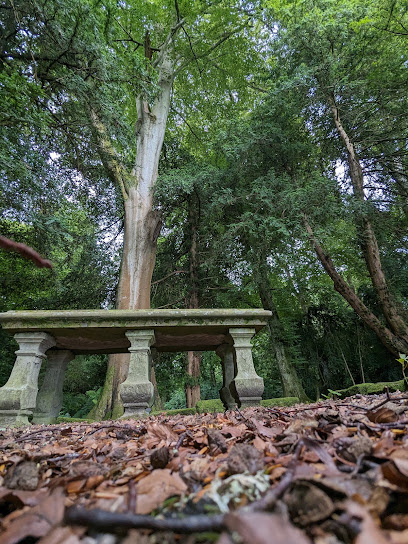
Smeaton's Bridge
9.0 km
Historic 18th-century stone bridge spanning the River Tay in Perth, blending engineering brilliance with scenic charm and rich heritage.
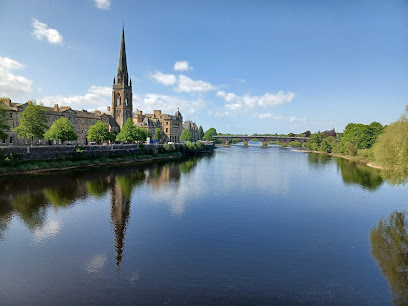
Perth & Kinross Heritage Trust
9.1 km
Explore the Perth & Kinross Heritage Trust - a cultural gem showcasing Scotland's rich history and community heritage.
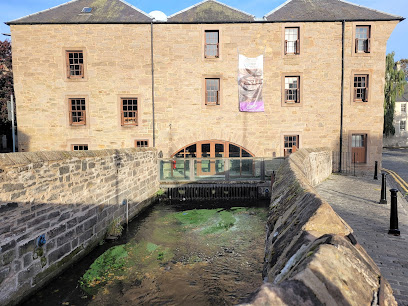
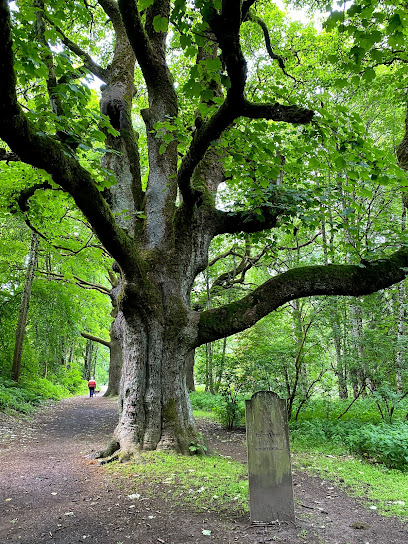
Birnam Oak
12.3 km
An ancient oak on the banks of the River Tay, believed to be the last survivor of Shakespeare’s Birnam Wood – a living piece of Scottish and literary history.
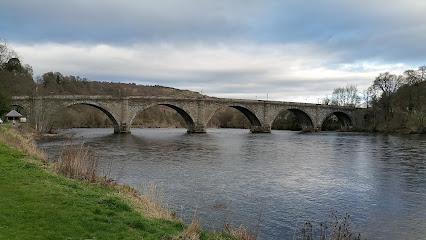
Dunkeld Bridge
12.9 km
Historic Thomas Telford-designed stone bridge gracefully spanning the River Tay, linking Dunkeld’s rich heritage with Highland landscapes.
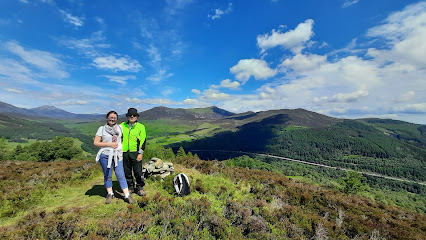
Perthshire Treks
20.2 km
Explore the stunning landscapes of Perthshire with guided hiking tours from Perthshire Treks, perfect for nature lovers and adventure seekers.
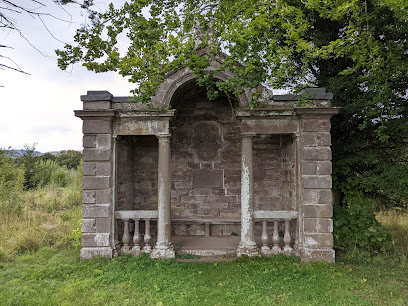
Inchbrakie Monument
23.9 km
A serene Scottish landmark honoring the vanished Inchbrakie estate, its ancient yew, and storied past.
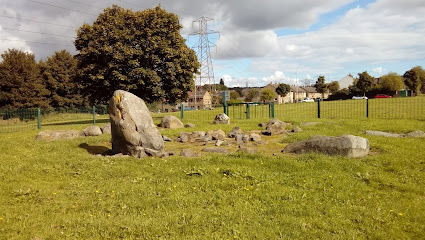
Balgarthno Stone Circle
23.9 km
Bronze Age stones standing sentinel over Dundee's prehistoric past, a timeless circle of mystery and ancient wisdom.
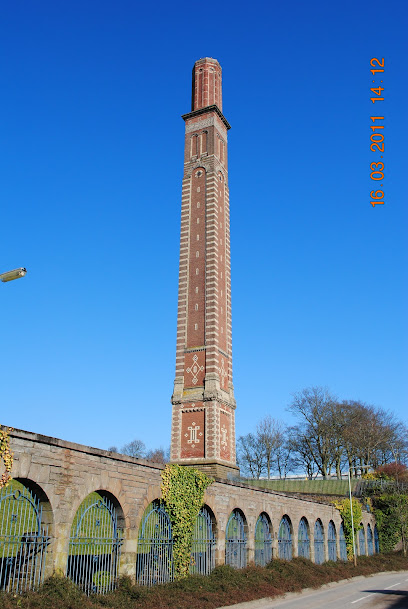
Cox's Stack
26.9 km
Scotland’s tallest surviving industrial chimney, Cox’s Stack towers over Dundee as a proud symbol of its jute manufacturing heritage.
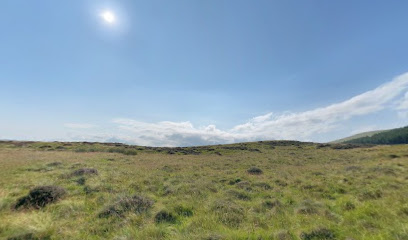
Ruins of Kincardine Castle
27.4 km
Explore the evocative 13th-century ruins of Kincardine Castle, a royal Scottish fortress steeped in medieval history and surrounded by tranquil farmland.
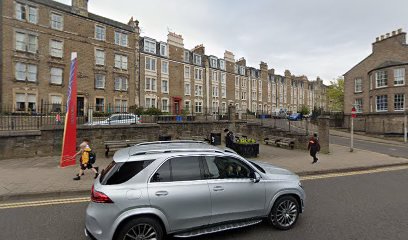
The Sinderins
27.5 km
Historic crossroads in Dundee marking the sundering of roads with rich local heritage and urban charm.
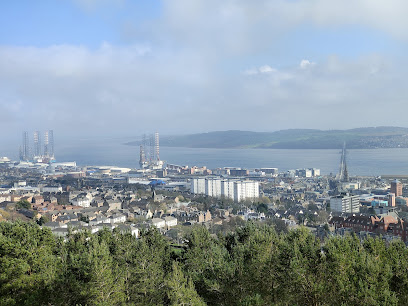
Dundee Law
27.7 km
Discover the breathtaking views from Dundee Law, an iconic peak offering a serene escape and stunning panoramas of the city and surrounding landscapes.
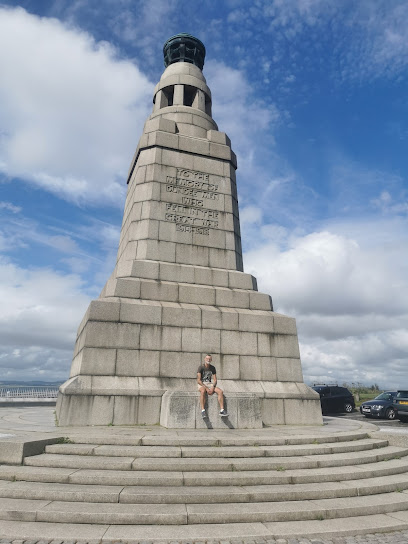
Dundee War Memorial
27.8 km
A dignified memorial on elevated ground in Dundee, honoring local heroes with panoramic city views and a serene atmosphere.
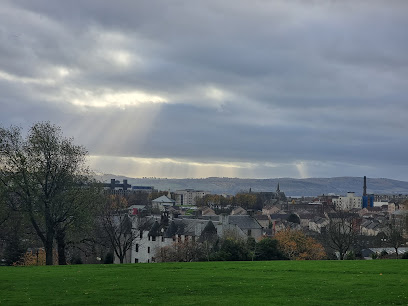
Dudhope Park
28.0 km
Explore Dudhope Park, a scenic gem in Dundee featuring lush landscapes, historic architecture, and family-friendly activities for all ages.
Unmissable attractions to see

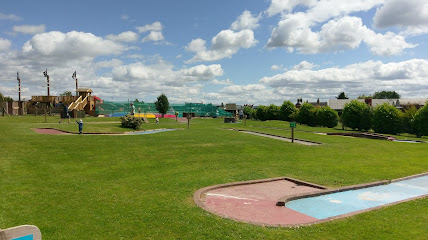
Active Kids Adventure Park
1.2 km
A vibrant indoor and outdoor adventure park in Perthshire offering year-round family fun with play zones, farm animals, and scenic countryside charm.
Kinclaven Bluebell Woods
5.6 km
A free woodland sanctuary carpeted in violet-blue bluebells each spring, home to rare wildlife and Outlander's iconic Witness Trees.
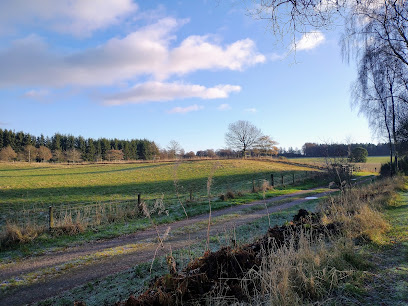
Scone Palace
6.3 km
Explore Scone Palace, the iconic Gothic Revival home where 42 Scottish kings were crowned amid stunning gardens and rich heritage.
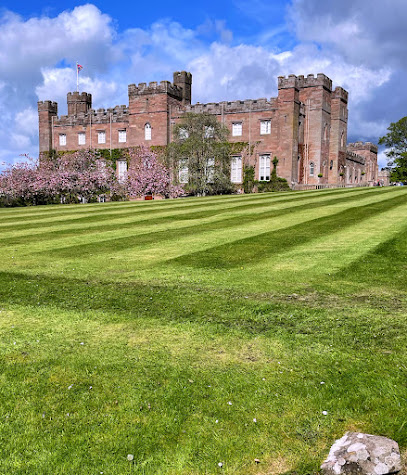
Meikleour Beech Hedge
7.4 km
Discover the awe-inspiring Meikleour Beech Hedge, the world's tallest and longest living hedge, a majestic natural monument steeped in Scottish history.
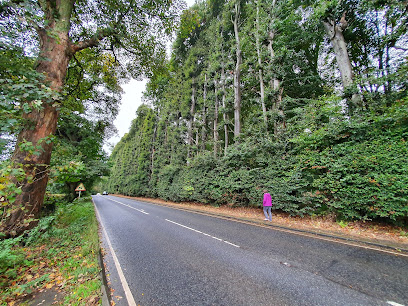
Quarrymill Woodland Park
7.7 km
Discover peaceful woodland trails, ancient trees, and friendly café charm just north of Perth in Quarrymill Woodland Park.
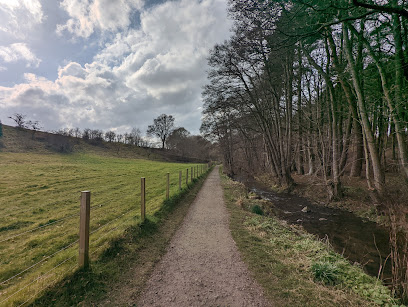
Huntingtower Castle
8.3 km
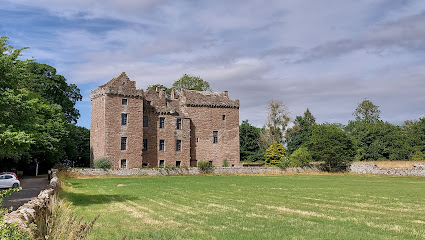
Discover Huntingtower Castle’s twin towers, royal intrigues, and one of Scotland’s oldest painted ceilings near Perth.
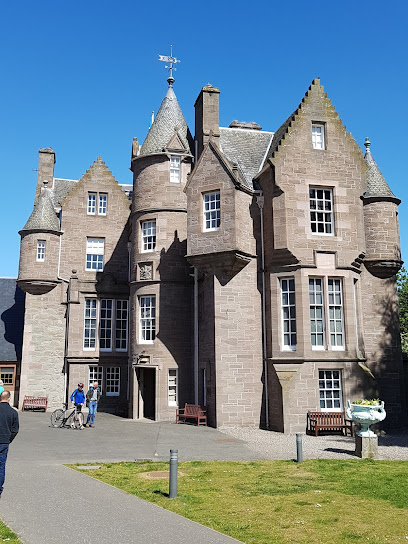
The Black Watch Castle & Museum
8.4 km
Explore the rich history of Scotland’s oldest Highland Regiment in the historic Balhousie Castle, Perth, with immersive exhibits and charming amenities.
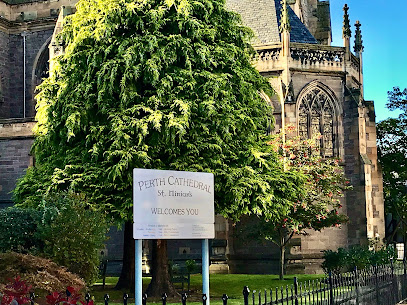
Perth Cathedral, St Ninian's
8.9 km
Discover Perth Cathedral, St Ninian's—a Gothic Revival masterpiece blending rich history, spiritual warmth, and stunning stained glass in Scotland’s heart.
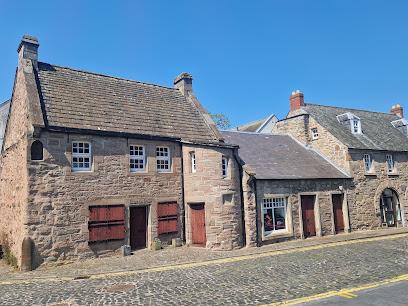
The Fair Maid's House Visitor Centre
9.0 km
Delve into Perth's rich heritage at The Fair Maid's House Visitor Centre, where history and culture come alive in the heart of Scotland.
Perth Art Gallery
9.0 km
Discover Scotland’s rich artistic heritage at Perth Art Gallery, home to iconic modern Scottish art and family-friendly interactive exhibits.
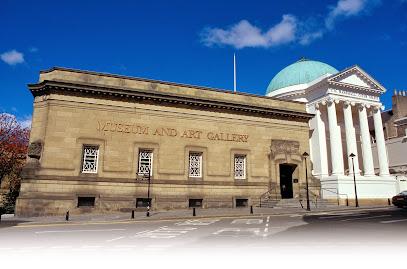
Perth Concert Hall
9.0 km
A modern, flexible events centre in central Perth, hosting concerts, theatre, comedy, conferences and community events in a bright, accessible steel-and-glass building.
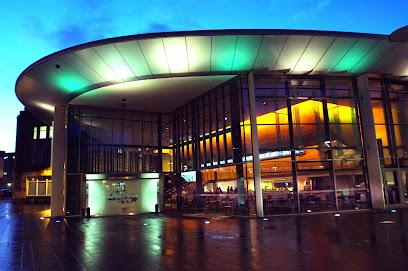
VisitScotland Perth iCentre
9.2 km
Your essential starting point for exploring Perth’s rich heritage, vibrant culture, and scenic surroundings with expert local advice.
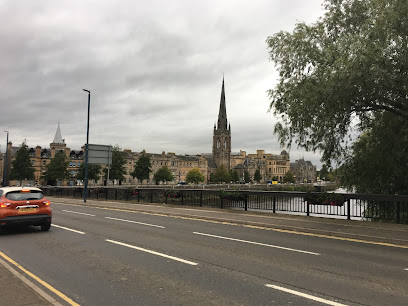
The Art Attic - Gallery, Gift Shop, Craft Supplies, Workshops
9.2 km
Discover unique artworks, craft supplies, and inspiring workshops in the heart of Perth’s historic St Paul's Square.
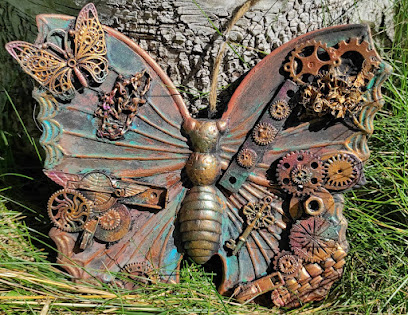
The Fair Maid of Perth
9.2 km
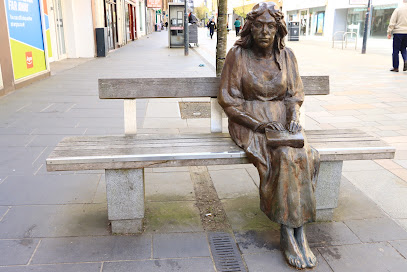
Celebrate Scotland’s rich history and storytelling tradition through the evocative Fair Maid of Perth sculpture in the heart of Perth’s historic High Street.
St John's Shopping Centre
9.3 km
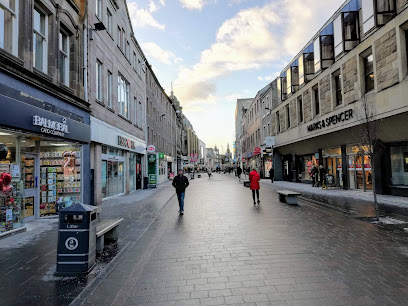
Perth's premier shopping destination with 30+ retailers in a bright, welcoming city-centre mall.
Essential places to dine

The Anglers Inn
2.2 km
A cozy 3-star inn and pub in Guildtown offering fresh Scottish cuisine, warm hospitality, and peaceful rural charm near Perth.
Uisge Bar & Restaurant
5.7 km
Cozy family-run restaurant in Murthly serving fresh, local Scottish dishes in a charming countryside setting with stunning views.
The Maltings - Pub & Grill
7.1 km
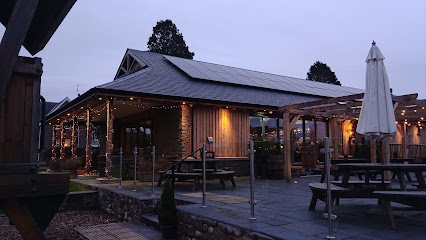
A modern pub and grill in Perth offering flame-grilled classics, gluten-free options, and a welcoming atmosphere for casual dining.
Brown & Blacks
7.1 km
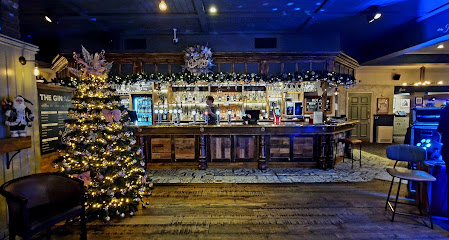
A welcoming restaurant in Scone offering hearty steaks, diverse breakfast options, and a relaxed atmosphere for all-day dining.
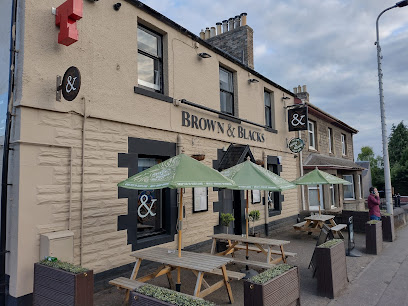
The Restaurant at Meikleour Arms
8.1 km
Classic 19th-century inn in scenic Meikleour serving award-winning Franco-Scottish country cuisine with estate-sourced produce in a warm, rustic setting.
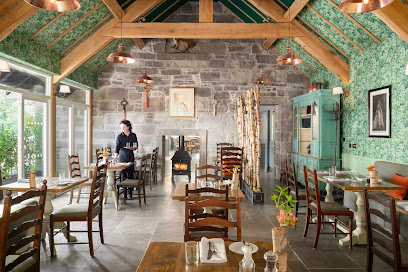
Atholl Restaurant
8.9 km
A welcoming Perth eatery serving fresh, local Scottish dishes in a relaxed atmosphere with a fine selection of wines and whiskies.
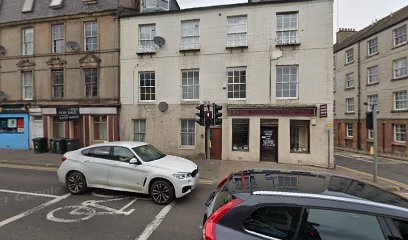
Deans Restaurant
8.9 km
Chic fine dining in Perth with quirky interiors and a focus on local Scottish produce, offering elegant tasting menus in a stylish setting.
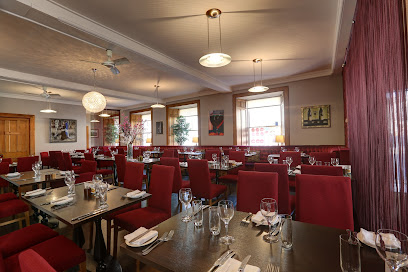
North Port Scottish Restaurant
9.0 km
A warm, historic cottage in Perth serving modern Scottish dishes made with local, seasonal produce and a strong sense of place.
Kisa's
9.1 km
Stylish all-day dining in central Perth, perfect for breakfast, lunch, dinner, or drinks before a show at the nearby concert hall.
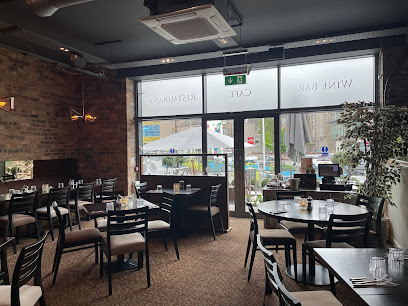
Bothy Perth
9.1 km
Cozy Scottish restaurant and bar in Perth offering seasonal dishes, rustic event spaces, and a warm, inviting atmosphere.
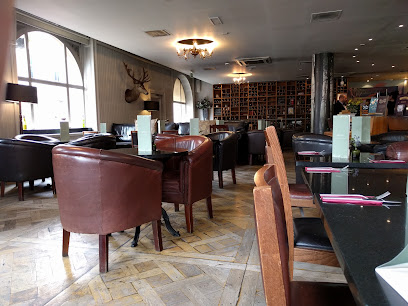
Paco's Restaurant
9.1 km
Lively family-friendly restaurant in Perth offering diverse American, Italian, Mexican, and seafood dishes with a welcoming atmosphere.
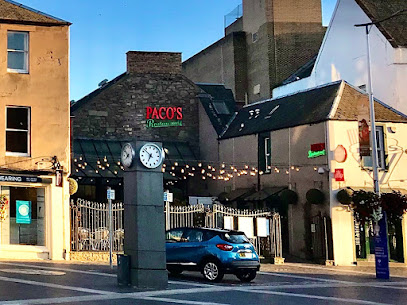
Broth3rs Restaurant
9.2 km
Experience authentic Italian and Mediterranean flavours with fresh, seasonal ingredients and a warm, lively atmosphere in the heart of Perth.
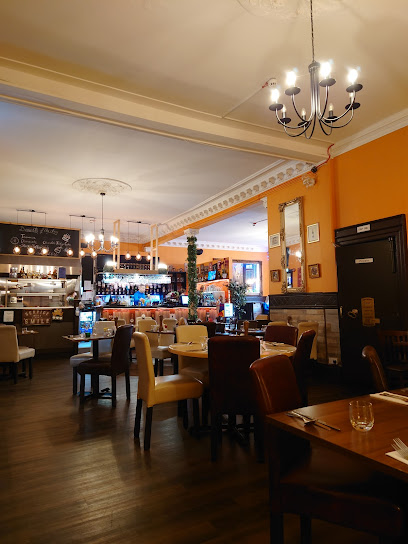
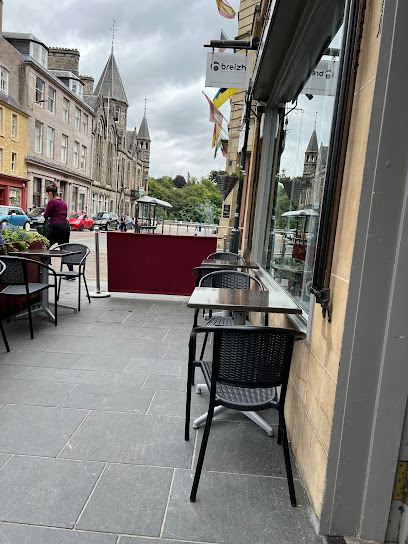
Breizh
9.2 km
Experience authentic French cuisine with a lively atmosphere and attentive service in the heart of Perth’s historic High Street.
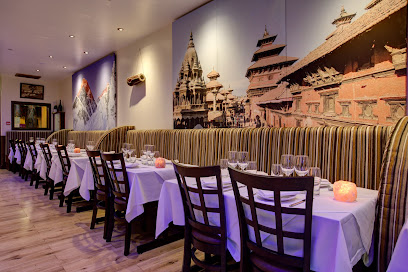
Everest Inn
9.2 km
Experience authentic Nepalese and Indian flavors in Perth’s stylish and welcoming Everest Inn, where tradition meets modern dining.
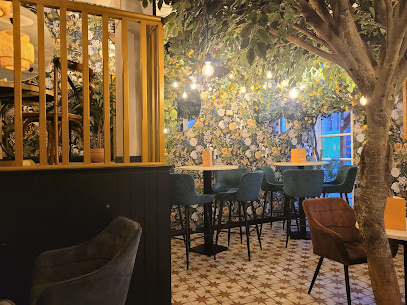
The Giddy Goose
9.2 km
A vibrant and casual restaurant in Perth blending bold British and Italian flavors with a lively atmosphere and late-night hours.
Markets, malls and hidden boutiques

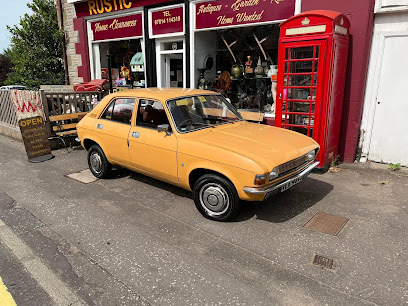
Rustic Retro
7.2 km
Discover timeless antiques and vintage treasures in the heart of Scone at Rustic Retro, where history and charm meet.
1097
8.6 km
Explore a unique shopping destination in Perth, featuring handmade crafts and local treasures that showcase the beauty of Scottish artistry.
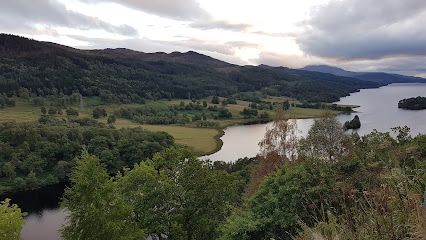
The New Wool Shop
9.0 km
A welcoming wool and needlecraft shop in Perth offering quality yarns, expert advice, and a vibrant crafting community.
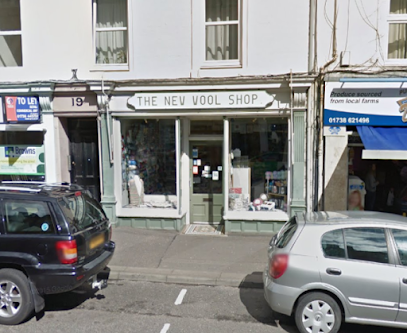
Loretta's Collections Boutique Perth
9.1 km
Discover stylish women's apparel at Loretta's Collections Boutique, Perth’s elegant destination for timeless and contemporary fashion.
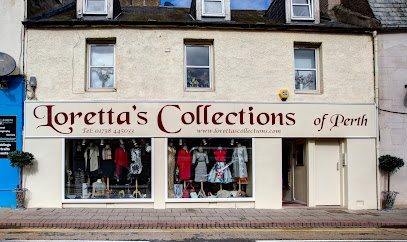
Marians Of Perth
9.1 km
Marian's of Perth: Over 40 years of elegant, inclusive ladies' fashion and personalized service in the heart of Scotland’s historic city.
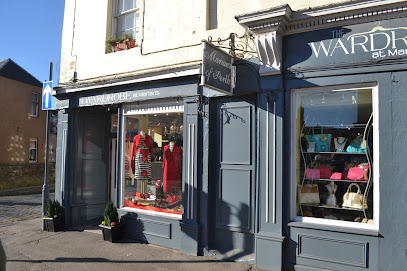
Precious Sparkle
9.1 km
Discover sustainable fashion, unique jewellery, and stylish homewares at Precious Sparkle, Perth’s boutique treasure trove of handpicked delights.
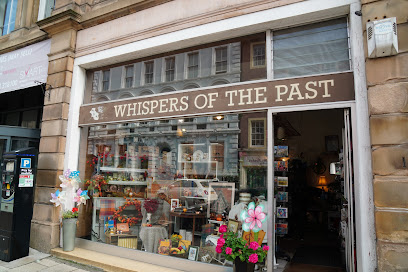
Whispers Of The Past
9.2 km
Explore Whispers Of The Past, an antique shop in Perth filled with unique treasures and rich histories that transport you back in time.
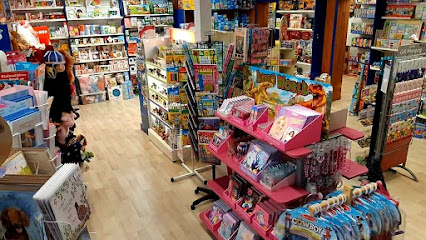
Fun Junction
9.2 km
Independent toy shop in Perth offering quality toys, games, and educational supplies with friendly family-run service.
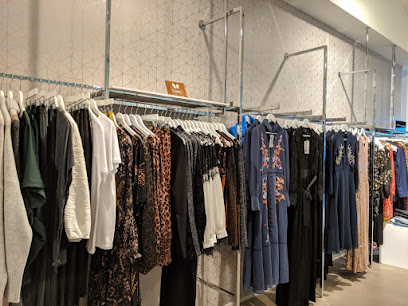
Evalucia
9.2 km
Discover curated fashion and accessories at Evalucia Boutique, Perth’s stylish destination for everyday and special occasion wear.
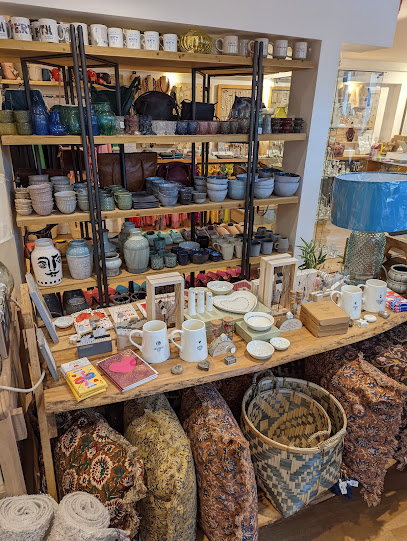
Hell Yeah
9.2 km
Discover Perth’s colourful vegan gift shop blending indie creativity with eco-friendly, cruelty-free treasures on High Street.
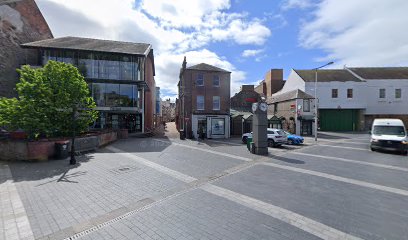
The Perth Gift Card
9.2 km
Discover unique souvenirs and local crafts at The Perth Gift Card, a charming gift shop in Perth offering a vibrant selection of treasures.
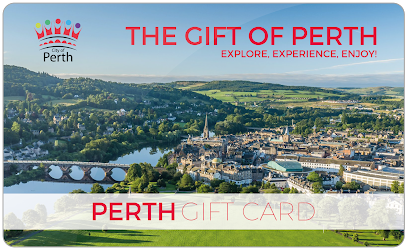
The Works
9.2 km
Affordable books, crafts, toys, and stationery inspiring creativity and screen-free fun in the heart of Perth.
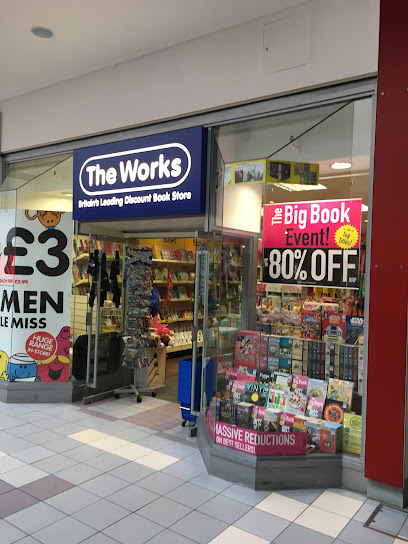
Begg Shoes
9.3 km
Discover timeless style and expert service at Begg Shoes, Perth’s go-to boutique for quality footwear and leather accessories.
Bonmarché
9.3 km
Stylish and affordable ladies’ fashion for mature women in the heart of Perth’s St Johns Centre.

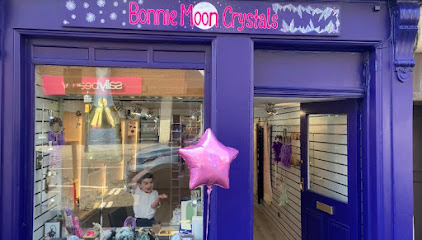
Bonnie Moon Crystals
9.4 km
Discover the magic of crystals and mindful treasures at Bonnie Moon Crystals, Perth’s serene boutique of natural beauty and healing energy.
Essential bars & hidden hideouts

The Glover Arms
8.5 km
Historic Scottish pub with hearty fare, cozy fires, and a lively beer garden in Perth’s Huntingtower Park.
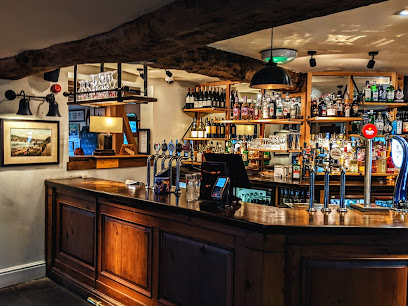
King James
8.9 km
Historic pub in Perth with hearty Scottish fare, lively atmosphere, and medieval roots beneath its floors.
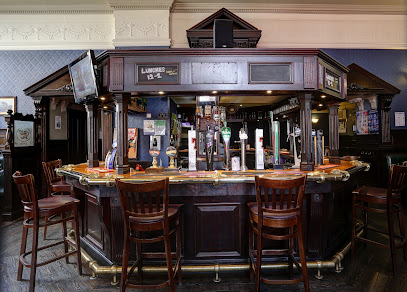
The Half Moon Bar
9.0 km
A friendly and spacious local pub in Perth offering great drinks, big sports screens, and a welcoming atmosphere for all.
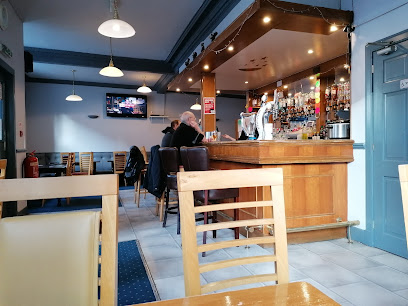
BrewDog Perth
9.1 km
Discover BrewDog Perth, a vibrant craft beer bar with 28 taps, delicious pizzas, live music, and a welcoming atmosphere in Scotland’s cultural heart.
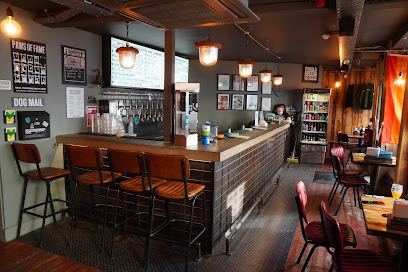
The Foundry
9.1 km
A lively pub and restaurant in Perth offering hearty fare, friendly service, and a vibrant social atmosphere in the city center.
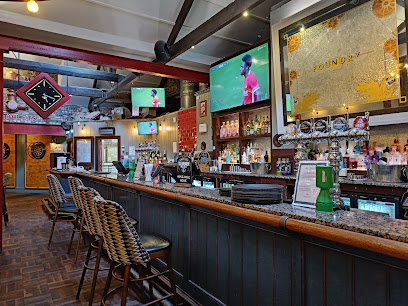
Sandeman
9.1 km
Historic charm meets vibrant hospitality at Sandeman, Perth’s welcoming pub and restaurant in the iconic Sandeman Building.
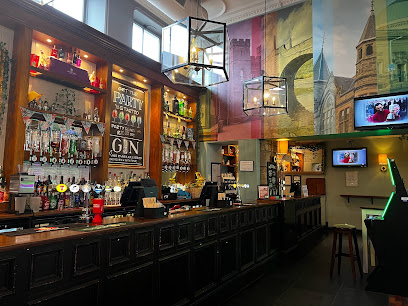
The BANK Bar & Beer Garden
9.1 km
A vibrant gastropub and beer garden in Perth’s city centre, perfect for casual drinks and lively socializing.
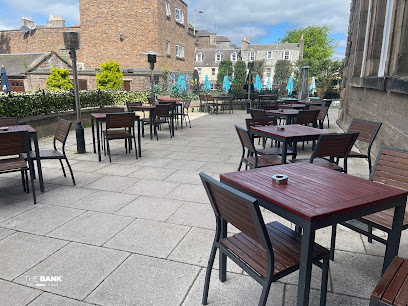
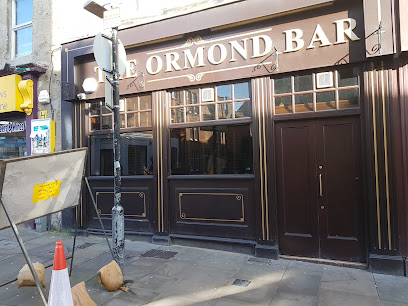
Ormonds
9.2 km
A friendly Perth pub serving hearty, affordable Scottish classics with generous portions and a welcoming atmosphere.
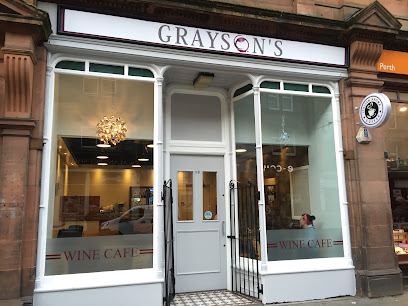
Grayson's Wine Bar
9.2 km
Discover Grayson's Wine Bar in Perth for an elegant wine journey paired with seasonal dishes in a cozy, inviting atmosphere.
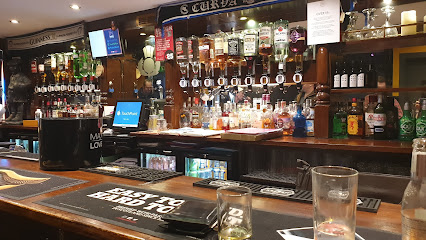
The Caledonian
9.2 km
A vibrant, friendly pub in Perth’s city center, offering great drinks, a welcoming atmosphere, and authentic local charm.
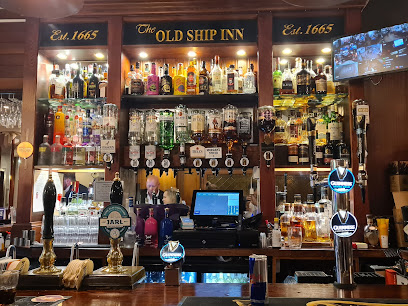
The Old Ship Inn
9.2 km
Historic and welcoming traditional pub in Perth’s city centre, offering a cozy atmosphere and excellent selection of ales and whiskies.
The Bee Bar
9.2 km
Authentic Scottish dive bar in Perth’s town centre, known for live local music, friendly vibe, and a welcoming community spirit.
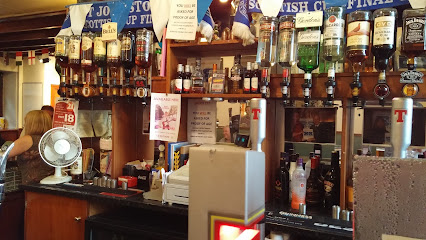
Kirkside Bar
9.3 km
Experience the warm, traditional charm of Kirkside Bar, Perth’s beloved city-centre pub with great ales and a welcoming atmosphere.
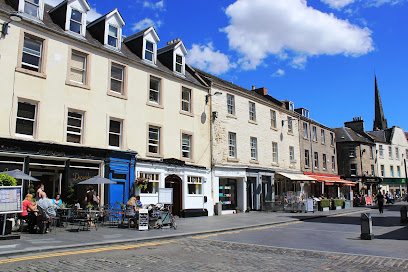
The Venue
9.3 km
A vibrant cocktail bar and restaurant in Perth offering lively atmosphere, quality drinks, and casual dining in the heart of the city.
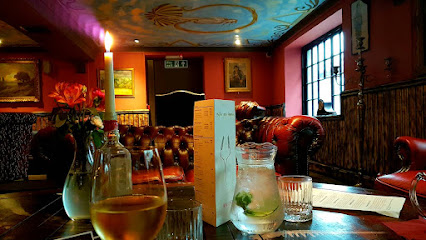
Robert Burns Lounge
9.3 km
Cozy Scottish pub in Perth with lively karaoke nights, friendly service, and a warm community atmosphere.
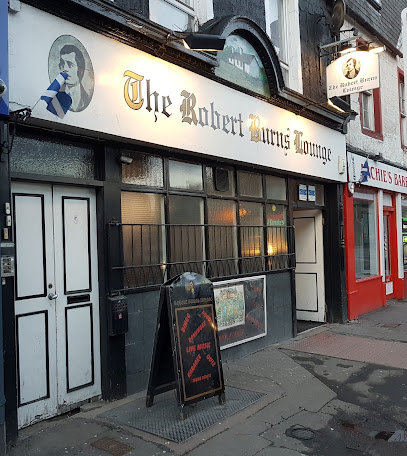
Nightclubs & after hour spots

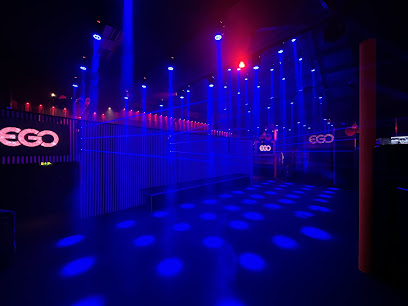
Ego Nightclub - Perth
9.1 km
Experience Perth’s vibrant nightlife at Ego Nightclub, where quality music and positive energy unite after dark.
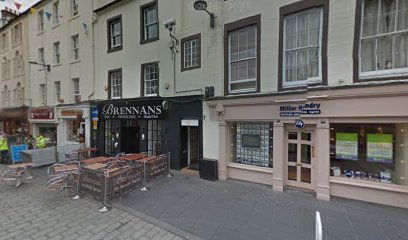
Club One
9.3 km
Experience Perth’s vibrant nightlife at Club One, a lively nightclub offering late-night and daytime parties in the city center.
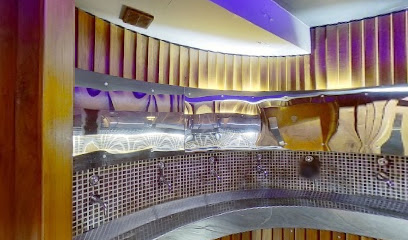
Loft Nightclub
9.3 km
Perth’s energetic nightclub with six bars, late-night dancing, and a lively social scene on South Street.
Ice Factory Perth
10.2 km
Perth’s energetic nightclub and live music hotspot, blending dance, DJs, and vibrant weekend nights in a modern setting.

The Gig
13.8 km
Experience Blairgowrie’s vibrant nightlife at The Gig, a welcoming and affordable nightclub in the heart of this scenic Scottish town.
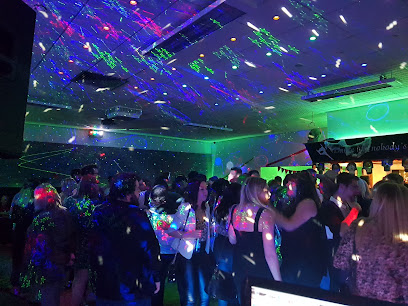
Afro Beats
28.4 km
Experience Dundee’s vibrant nightlife with pulsating Afrobeats, stylish vibes, and unforgettable late-night energy at Afro Beats nightclub.
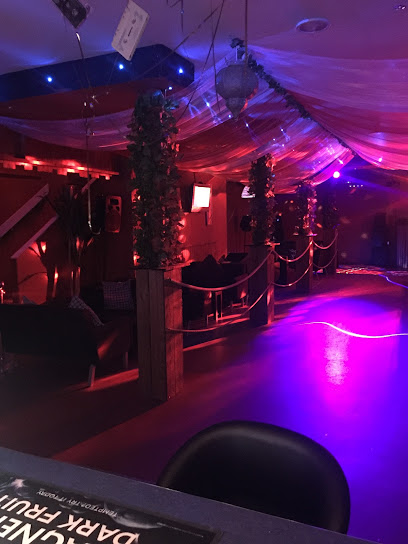
AURA Nightclub
28.6 km
Dundee’s vibrant AURA Nightclub pulses with chart hits, themed parties, and a welcoming atmosphere for unforgettable nights out.

Club Tropicana & Venga
28.6 km
Step into Dundee’s ultimate 80s nightclub for nostalgic beats, vibrant dance floors, and unforgettable retro nights at Club Tropicana & Venga.
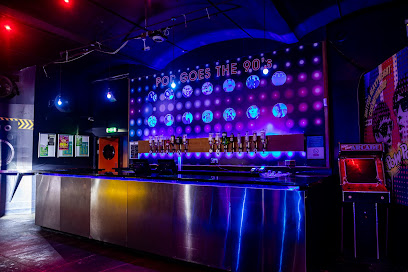
Fat Sams
28.6 km
Experience Dundee’s vibrant nightlife at Fat Sam's, a legendary club blending live music, themed rooms, and nostalgic beats in a lively urban setting.

Private Eyes
28.7 km
Experience Dundee’s vibrant nightlife with live pole dance shows, VIP lounges, and a lively atmosphere at Private Eyes nightclub.
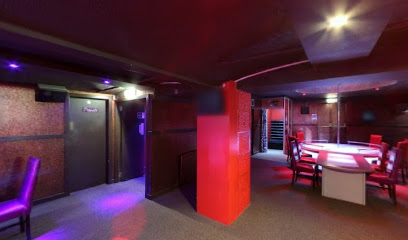
Underground
28.7 km
Dundee’s vibrant nightclub and live music venue where dancing, live bands, and late-night fun come alive every weekend.
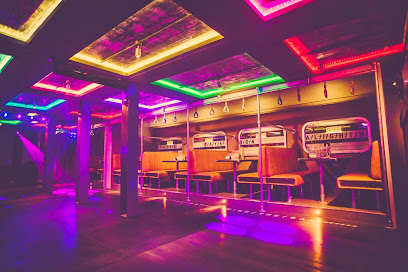
Decades Bar & Nightclub
29.0 km
Step back in time with Decades Bar & Nightclub, Dundee’s vibrant retro hotspot playing the best hits from the 70s, 80s, and 90s.
Rewind dundee
29.1 km
Experience Dundee’s vibrant retro club nights and live local music at Rewind, a welcoming hub of nostalgia and nightlife energy.

Pout Bar and Nightclub
29.1 km
Dundee's vibrant gay nightclub offering great music, welcoming vibes, and late-night dancing in the heart of the city.
OUT Nightclub
29.2 km
A lively Dundee nightclub known for quality music, vibrant atmosphere, and a central spot on Seagate’s nightlife strip.
For the vibe & atmosphere seeker
- Historic
- Scenic
- Relaxing
- Educational
- Unique
For the design and aesthetic lover
- Historic
- Rustic Designs
For the architecture buff
- Historic
- Landmarks
- Heritage Neighborhoods
- Parks & Gardens
For the view chaser and sunset hunter
- Iconic Views
- Waterfront
- Panoramas
- Sunset Spots
For the social media creator & influencer
- Instagrammable
- Photo Spots
- Selfie Spots
- Architectural Shots
For the eco-conscious traveler
- Protected Area
- Public-Transport Accessible
- Locally Managed
- Leave-No-Trace Critical
For the kind of experience you’re after
- Cultural Heritage
- Photowalk
- Day Trip
- Weekend Getaway
- Myth & Legends
For how adventurous you want the journey to be
- Easy Access
Location Audience
- Family Friendly
- Senior Friendly
- Child Friendly
- Teen Friendly
- Wheelchair Access
- Pet Friendly
- Solo Friendly
- Couple Friendly
- Vegetarian Friendly
- Vegan Friendly


