

Scone Palace Travel Guide
Free Guide: Explore Scone Palace, the iconic Gothic Revival home where 42 Scottish kings were crowned amid stunning gardens and rich heritage.


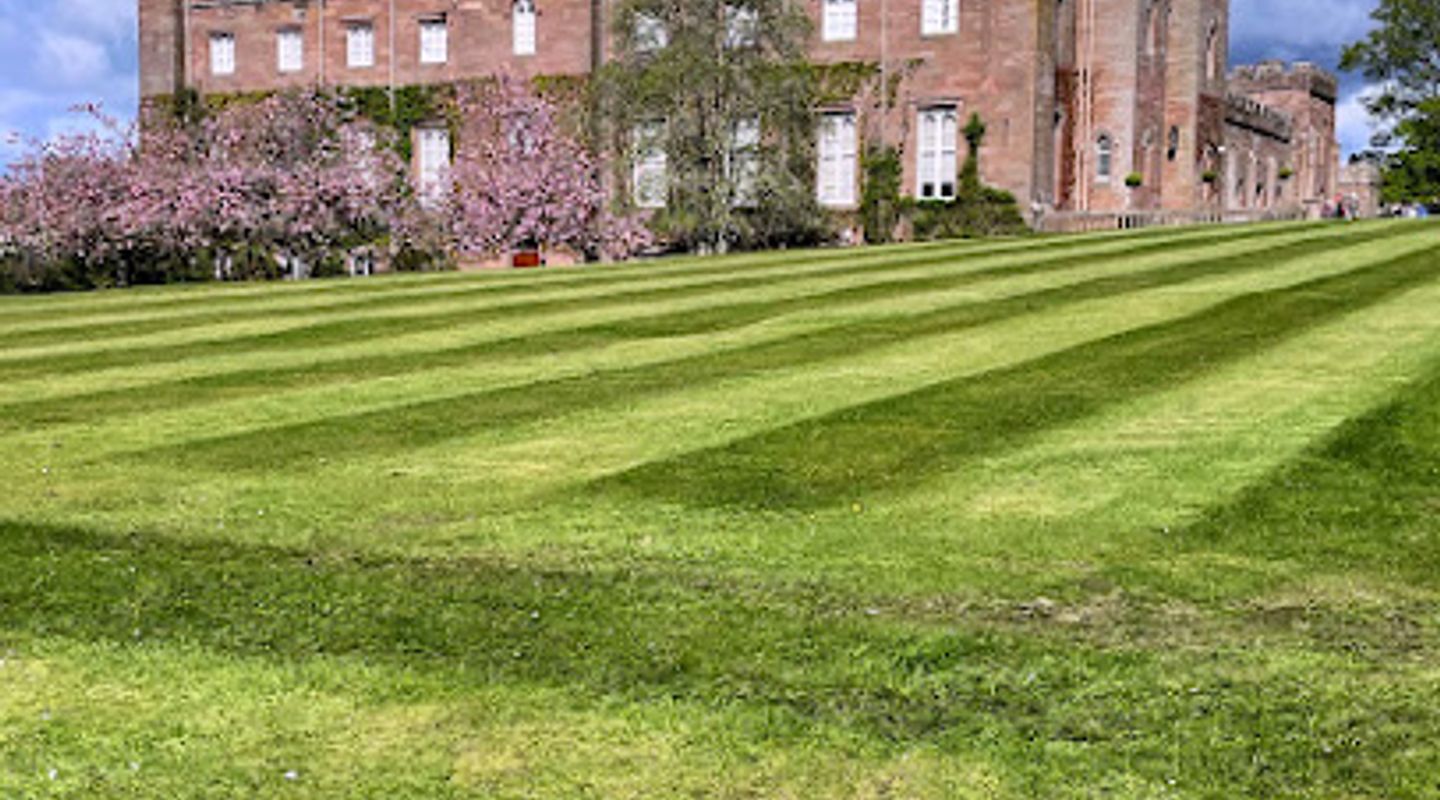
A brief summary of Scone Palace
Explore Scone Palace, the iconic Gothic Revival home where 42 Scottish kings were crowned amid stunning gardens and rich heritage.
Scone Palace, near Perth, Scotland, is a grand Gothic-style historic house and gardens renowned as the ancient coronation site of Scottish monarchs including Macbeth and Robert the Bruce. Set within over 100 acres of beautifully maintained grounds, the palace blends medieval heritage with Georgian architectural elegance, offering visitors a rich cultural experience steeped in royal and religious history.
On-site amenities
 Restrooms
 Drink options
 Food options
 Seating areas
 Trash bins
 Information boards
 Visitor centre
Opening hours
- Every day10 am–5:30 pm
Opening hours as listed on the venue’s Google Business Profile. Hours can change for services and special events, so check with the venue before you go.
- Address
- Perth PH2 6BD
- Phone
- Website
Getting there
Train and Bus
Car
Taxi
Walking
Discover more about Scone Palace
Royal Origins and Ancient Significance
Scone Palace stands on a site of profound historical importance, originally serving as a religious center for the Picts and early Scots. It was here, on Moot Hill, that the Stone of Scone—also known as the Stone of Destiny—rested, symbolizing the crowning seat for 42 Scottish kings, from Kenneth MacAlpin in the 9th century to Charles II in the 17th century. This sacred stone, now housed in Edinburgh Castle, marked Scone as the ceremonial heart of Scotland's monarchy. The palace grounds once hosted an Augustinian priory and later an abbey, which flourished for centuries until its destruction during the Reformation in 1559.
Architectural Evolution and the Mansfield Legacy
The current palace largely dates from the early 19th century when William Atkinson was commissioned by David William Murray, 3rd Earl of Mansfield, to remodel and extend the building. This transformation preserved medieval Gothic abbey features while introducing Georgian-era grandeur, resulting in one of Scotland’s most important Gothic Revival houses. The palace has been the ancestral home of the Earls of Mansfield since 1600, with the Murray family maintaining residence for over four centuries. The estate also includes a chapel serving as a mausoleum for the family.
Gardens, Grounds, and Visitor Experience
Surrounding the palace are over 100 acres of diverse gardens and parkland, including the Murray Star Maze, Victorian Pinetum, and woodland walks. These grounds offer a tranquil setting for exploration and relaxation, enhanced by family-friendly amenities such as a children’s adventure playground and dog-friendly facilities. Visitors can enjoy the Old Servants' Hall Coffee Shop, the Old Kitchen, and retail outlets featuring local products and gifts. Seasonal opening hours apply, with the palace open mainly from April to October and gardens accessible year-round with a suggested donation in winter.
Historical Events and Cultural Heritage
Scone Palace’s history is intertwined with Scotland’s political and religious transformations. It was the site of Scotland’s first recorded council in 906 and the meeting place of the Scottish Parliament until the mid-15th century. The destruction of Scone Abbey during the Reformation marked a turning point, after which the property passed through various noble families before becoming the Mansfield seat. The palace also hosted notable figures such as Queen Victoria and Prince Albert.
Art, Architecture, and Preservation
Inside, visitors encounter richly decorated state rooms filled with fine art, period furnishings, and historical artifacts that reflect the palace’s noble heritage. The blend of Gothic Revival architecture with remnants of medieval abbey structures creates a unique aesthetic. Conservation efforts ensure the preservation of both the built environment and the extensive gardens, maintaining Scone Palace as a living monument to Scotland’s royal and cultural history.
Engaging Activities and Events
Beyond its historical allure, Scone Palace serves as a vibrant venue for events, weddings, and educational tours. Self-guided tours with audio notes and printed materials allow visitors to delve deeply into its stories. The estate’s extensive grounds provide opportunities for photowalks, nature escapes, and family outings. Seasonal events and festivals further enliven the site, making it a year-round destination for cultural enrichment and leisure.
Evendo Review Centre
 Google
Guest reviews
Best time to go
Quietest: Jan, Feb & Dec · before 8am or from 7pm
Busy times are Evendo estimates for a typical year, to help you plan. Actual crowds vary with events, school holidays and the weather.
Explore Scone Palace on the map
A handpicked selection of must-see spots near Scone Palace, mapped for you.
Get your free copy of our complete guide to Scone Palace, delivered straight to you.
Everything on this page, from opening hours and how to get there to Eve’s tips and the best time to go, in one PDF you can read offline, print or share.
Already have an account? Sign in
Your Scone Palace guide is ready.
We'll send it to · Not you? Sign out

Getting your guide ready…
We are putting together a fresh copy of the Scone Palace guide. This can take up to a minute.
This can take a few moments. If your browser asks, choose Allow so the download can start. You'll find the guide in your Downloads folder.
Nothing happened? Download it again
Sorry, the guide is taking longer than usual. Please try again in a minute, or get it by email instead.
Unlock the best of Scone Palace
Skip-the-line tickets, guided tours with entry, and walking tours of the area, booked in a few clicks.


Other nearby places you may find interesting
The closest places of the same kind, if this one is not quite what you had in mind.
-
-
-
-
-


Swipe for more places
More to explore near Scone Palace

 Best experiences near Scone Palace
 Best hotels near Scone Palace
 Best landmarks near Scone Palace
 Best attractions near Scone Palace
 Best shops near Scone Palace
 Best restaurants near Scone Palace
 Best bars near Scone Palace
Do you manage this location?
Take control to get all the benefits, like improved information, better appearance, and stronger visibility across AI-powered discovery.
Explore more
Explore more of Perthshire
Discover Perthshire: Scotland's Heartland of Natural Beauty, Cultural Heritage, and Outdoor Adventure.
Explore Perthshire
Explore more of United Kingdom
Discover the United Kingdom: A blend of rich history, stunning landscapes, and vibrant cities, offering a unique travel experience for every visitor.
Explore United Kingdom
